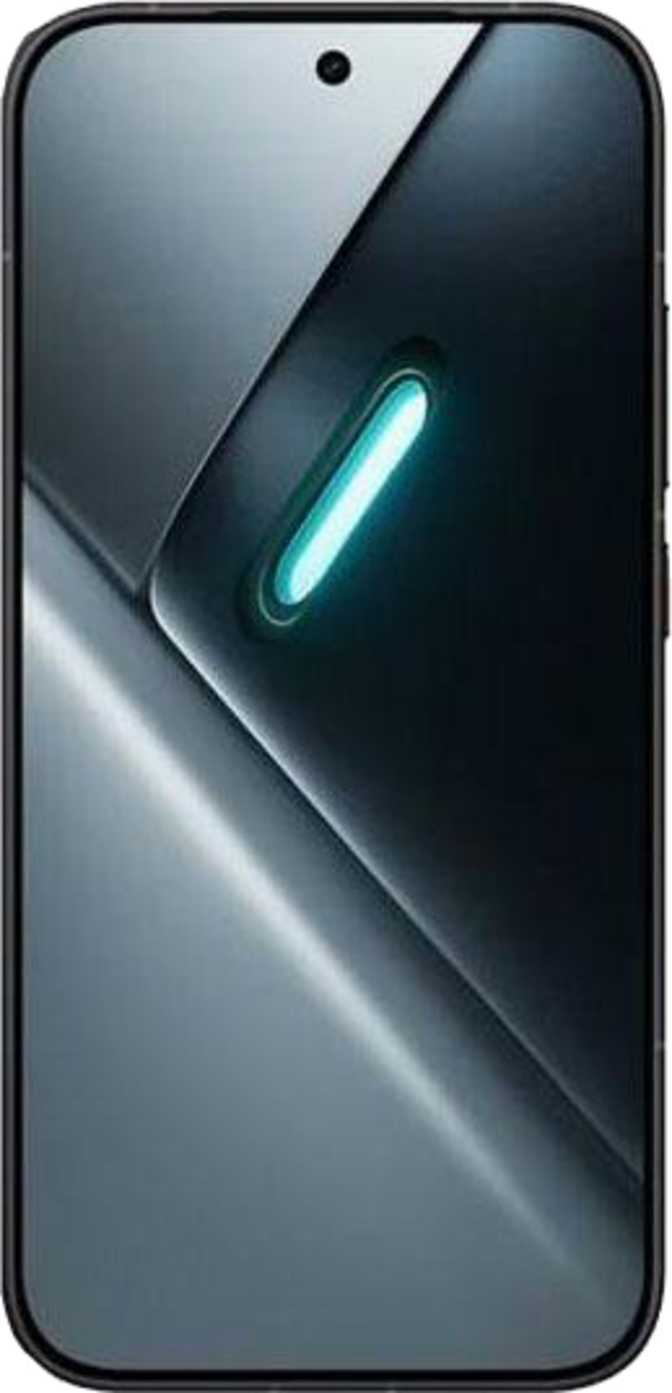
Xiaomi Poco X8 Pro Review: Battery Champion, Honest Trade-Offs
SmartphonesThe mid-range smartphone market is crowded with devices that promise flagship-level performance at a fraction of the cost — and most fall short in at least one meaningful way. The Xiaomi Poco X8 Pro is different. It arrives with a specification set that would have turned heads in the flagship tier just a couple of years ago, yet sits firmly in the upper-mid-range price band. That combination makes it worth examining carefully — because value on paper only matters if the execution holds up in real life.
Overall Score
8.8out of 10
Category Ratings
IP69 Waterproof
High-pressure rated
6.59" OLED
Dolby Vision + 120Hz
6,500 mAh
100W wired fast charge
Dimensity 8500
4nm architecture
Design and Build Quality
Serious protection that most phones at this price simply don't offer.
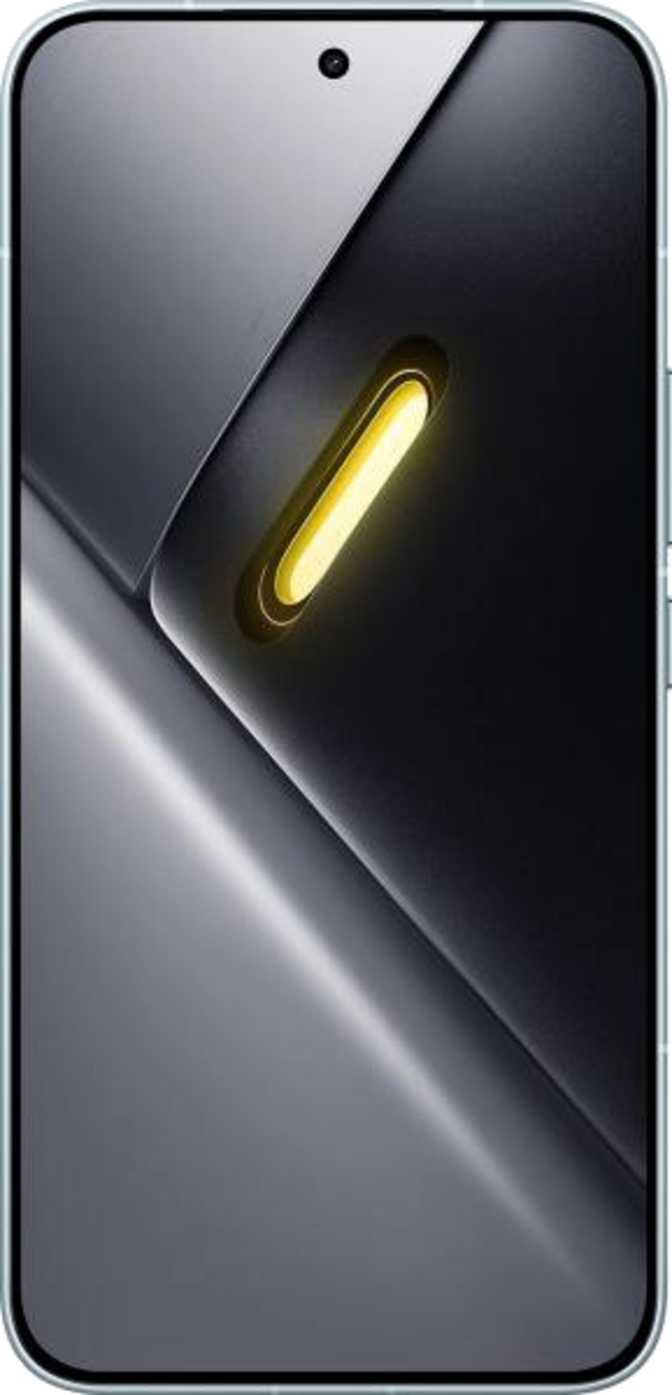
At 201.5 grams, the Poco X8 Pro sits in a zone that most people would describe as substantial but not heavy. There's genuine heft here — it won't feel flimsy in hand — but it's not the kind of weight that becomes tiresome over a long day. The 8.4 mm profile keeps it slim enough to slip into a front pocket without a fight, and the 75.2 mm width puts it at the wider end of comfortable one-handed use. People with smaller hands will likely need two hands for anything above the bottom third of the screen.
IP69 — Beyond Splash Resistance
Most phones in this price range, if they carry any water resistance certification at all, top out at IP67 — which covers brief submersion in shallow water. IP69 is a fundamentally different standard: it covers high-pressure, high-temperature water jets. Combined with a 1.5-meter depth rating, this phone handles rain, poolside accidents, and sweaty gym sessions without stress. That level of protection is uncommon in this price bracket and a genuine differentiator.
The build does not carry a rugged device classification, so it isn't designed for construction sites or extreme drop scenarios. IP69 is liquid protection, not drop armor — keep that distinction in mind. For anyone who works outdoors, exercises with their phone, or just wants to stop worrying about weather, this rating is a meaningful upgrade over the class standard. The flat Gorilla Glass 7i front panel resists everyday scratches and accepts screen protectors without fitment issues.
Physical Specifications
| Height | 157.5 mm |
| Width | 75.2 mm |
| Thickness | 8.4 mm |
| Weight | 201.5 g |
| IP Rating | IP69 |
| Depth Rating | 1.5 m |
| Front Glass | Gorilla Glass 7i |
| Curved Display | No — flat panel |
| Folding | No |
Display: A Screen That Competes Above Its Price
The 6.59-inch OLED panel is where the Poco X8 Pro genuinely excels.
Pixel Density
460pixels per inch
Refresh Rate
120Hzfluid scrolling & gaming
Touch Sampling
480Hzgaming-grade response
Contrast Ratio
8M:1true OLED black levels
OLED technology means each pixel produces its own light — blacks are true black, not dark grey. The 8,000,000:1 contrast ratio makes images look almost three-dimensional: shadow detail is rich and highlights pop without washing out. No LCD panel, regardless of price, can replicate this optical quality.
At 460 pixels per inch across a 1268 × 2756 resolution, sharpness is exceptional. Text at any font size looks crisp, and photos render genuine fine detail rather than the softened look you get on lower-density screens. At typical viewing distances, individual pixels are completely invisible.
The 480Hz touch sampling rate is the speed at which the screen detects and processes finger position. In everyday use it's subtle but present — the phone feels like it responds before you've quite finished the gesture. In fast-paced mobile gaming, this is a real competitive advantage over most rivals. The flat panel accepts screen protectors properly, with no edge distortion to account for.
The 800-nit typical brightness handles indoor use confidently. OLED panels can also boost significantly above their typical rating in short HDR bursts, so peak outdoor performance is likely better than the rated figure suggests. Always-On Display keeps time and notifications visible without waking the screen.
Display Specifications
| Panel Type | OLED / AMOLED |
| Screen Size | 6.59 inches |
| Resolution | 1268 × 2756 px |
| Pixel Density | 460 ppi |
| Refresh Rate | 120 Hz |
| Touch Sampling | 480 Hz |
| Brightness (typical) | 800 nits |
| Contrast Ratio | 8,000,000:1 |
| Always-On Display | Yes |
| Front Glass | Gorilla Glass 7i |
HDR & Content Standards Supported
All three major HDR standards are covered — no quality compromise regardless of which streaming platform or content library you use.
Performance: The Dimensity 8500 in the Real World
A 4-nanometer upper-mid-range chip that handles everything most buyers throw at it.
AnTuTu Score
2.28MUpper mid-range tier
Geekbench 6 Single-Core
1,751Strong app responsiveness
Geekbench 6 Multi-Core
6,824Solid sustained workloads
What the Chip Architecture Actually Means
The Dimensity 8500 uses a 4-nanometer manufacturing process — the same node found in many flagship processors. Smaller nanometer figures mean more transistors fit into the same physical space, which translates to better efficiency: more processing power delivered per unit of battery consumed. In practical terms, this chip sustains demanding tasks — gaming sessions, video calls, heavy multitasking — without heating up aggressively or draining power as rapidly as older designs.
Core arrangement follows a three-tier structure: one peak-performance core at 3.4 GHz handles the heaviest individual tasks, three performance cores at 3.2 GHz manage demanding workloads, and four efficiency cores at 2.2 GHz handle background processes. The phone routes each task to the appropriate set of cores intelligently — this is how it balances speed with day-long endurance.
For the vast majority of users — social media, streaming, photography, and casual to moderate gaming — this chip is never the bottleneck. Dedicated enthusiasts who want the absolute highest graphical settings in the most demanding 3D titles will find a higher ceiling in Snapdragon 8-series or Dimensity 9000-series devices. That performance gap is real but relevant to a narrow audience in this price range. The 12 GB of RAM running at high-bandwidth speeds means app switching and multitasking stay smooth without reloading anything from scratch, and 512 GB of internal storage is generous enough to last years without actively managing space.
Chip & Memory Specifications
| Chipset | Dimensity 8500 |
| Process Node | 4 nm |
| CPU Cores | 8 (big.LITTLE) |
| Peak Core Speed | 3.4 GHz |
| GPU | Mali G720 MP8 |
| GPU Clock | 1,300 MHz |
| RAM | 12 GB (LPDDR5) |
| RAM Speed | 4,800 MHz |
| Storage | 512 GB |
| Memory Bandwidth | 76.8 GB/s |
| L3 Cache | 6 MB |
| DirectX | DirectX 12 |
Camera System: Capable, With Honest Limitations
Strong low-light performance and solid video — but no telephoto lens in the stack.
Main Camera
The primary shooter uses a 50-megapixel sensor behind a wide f/1.5 aperture — a wider opening than most mid-range competitors. In optical terms, a wider aperture gathers more light, which benefits low-light photography directly: the sensor has more raw information before any software processing begins. A back-illuminated sensor design adds to the light-capture efficiency further, and optical image stabilization keeps handheld shots sharp in dim conditions — restaurants, evening outdoor events, and indoor concerts are where this advantage shows up most clearly.
Phase-detection autofocus locks onto subjects quickly and confidently for both stills and video. Continuous autofocus while filming keeps moving subjects sharp without the hunting and pulsing cheaper systems exhibit. Manual controls available — ISO, focus, exposure, and white balance — give photographers real creative control. Shutter speed adjustment in manual mode is not available, which is a specific gap for anyone who shoots long-exposure photography.
The secondary camera at 8 megapixels covers the ultrawide perspective. There is no telephoto lens — optical zoom is not available. Digital zoom is present but involves cropping and upscaling, which is acceptable for casual sharing but not for distant subjects that require real detail.
Video Capabilities
4K recording at 60 frames per second delivers cinematic-quality footage at a frame rate smooth enough for fast motion. Slow-motion capture is available for sports or action highlights. Continuous autofocus stays active throughout recording, tracking moving subjects without manual intervention.
Video HDR Limitation Worth Knowing
HDR10 and Dolby Vision video recording are not supported. Footage will look excellent on any screen, but it won't carry the extended dynamic range metadata that HDR-enabled televisions and monitors can interpret. For everyday users and social content creators this is invisible. For anyone building a video library specifically for high-end display playback, it's worth factoring in before purchasing.
Camera Specifications
| Main Camera | 50 MP, f/1.5 |
| Secondary | 8 MP, f/2.2 |
| Front Camera | 20 MP, f/2.2 |
| OIS | Yes |
| Autofocus | Phase-detection |
| Optical Zoom | None |
| Video (max) | 4K @ 60fps |
| Slow Motion | Yes |
| HDR Video | No |
| Continuous AF | Yes |
Manual Controls Available
- Manual ISO
- Manual Focus
- Manual Exposure
- Manual White Balance
- Manual Shutter Speed
Battery Life: The Poco X8 Pro's Strongest Argument
A standout specification that most mid-range and even flagship phones don't match.
Battery Capacity
6,500 mAhWell above the mid-range norm of 4,500–5,000 mAh
Charging Speed
100WCharger included in the box
Wireless Charging
NoneWired-only charging device
Most mid-range and even flagship smartphones in this segment carry batteries between 4,500 and 5,000 mAh. The X8 Pro's capacity advantage translates directly into real-world endurance: screen-on time that easily carries a full day of active use, and for moderate users — messaging, social media, some streaming, occasional calls — a realistic path to two days between charges. Heavy users who game or stream video for hours should still comfortably reach the end of the day without stress.
At 100W wired charging, the X8 Pro refills its large battery faster than most competitors manage with their smaller packs. Going from critically low to usable capacity takes under 20 minutes. A full charge completes in well under an hour. For people who charge sporadically rather than religiously overnight, this flexibility is genuinely practical — starting the day at 20% battery is a minor inconvenience, not an emergency.
No Wireless Charging — A Real Daily Trade-Off
The absence of wireless charging is not a footnote — it's a lifestyle consideration. If you rely on a wireless pad on your desk or nightstand, this phone requires a cable every single charge. Weigh this carefully against the battery endurance advantage before committing. The trade-off doesn't disappear once you've accepted the phone; it shows up every day.
Battery Specifications
| Capacity | 6,500 mAh |
| Fast Charging | 100W wired |
| Charger Included | Yes |
| Wireless Charging | No |
| Reverse Wireless | No |
| Removable Battery | No |
| Health Monitoring | Yes |
Software and Usability
Android 16 with a thorough feature set — and one important caveat.
The Poco X8 Pro runs Android 16, one of the most current versions of Google's operating system available. The software includes a comprehensive set of quality-of-life and privacy features covering most of what modern users expect from a daily driver. One important caveat: updates route through Xiaomi's software layer rather than arriving directly from Google, meaning security patches and OS upgrades depend on Xiaomi's own release schedule. Users who prioritize receiving updates promptly may find this less reassuring than a stock Android experience.
The infrared blaster is worth calling out specifically. It allows the phone to act as a universal remote for televisions and home entertainment systems — a feature rarely found outside Xiaomi's lineup at this price point, and genuinely useful for households with multiple devices. Split-screen multitasking and Picture-in-Picture support allow two apps to run simultaneously or a video to continue while browsing.
Privacy & Security Features
- Camera & microphone privacy controls
- App tracking blocking
- Location privacy options
- Clipboard access warnings
- Child lock & multi-user support
- Cross-site tracking blocking
- Direct OS updates from Google
Dark Mode
Split Screen
IR Blaster
Offline Voice
Dynamic Theming
Full-Page Screenshots
Multi-User System
Battery Health Check
Audio and Connectivity
Modern where it matters most — with two clear limitations worth knowing.
Audio
Stereo speakers deliver sound from two directions, which is a meaningful improvement over mono setups for media consumption. aptX HD Bluetooth codec support means compatible wireless headphones receive higher-quality audio than standard Bluetooth transmission allows — a practical inclusion for music listeners with quality wireless gear.
LDAC support is absent, which is the codec preferred by Sony headphone users for the highest wireless audio resolution. aptX Adaptive is also not present. For most listeners, aptX HD is entirely sufficient; dedicated audiophiles with specific high-end headphones may notice the gap. There is no 3.5mm headphone jack — wired audio requires a USB-C adapter.
Audio Specifications
| Speakers | Stereo |
| aptX HD | Yes |
| LDAC | No |
| aptX Adaptive | No |
| 3.5mm Jack | No |
| Microphones | Dual (2 mics) |
Connectivity
5G support covers fast network access where infrastructure exists. Wi-Fi 6 (802.11ax) takes full advantage of a modern router's speed and congestion management in busy environments. Bluetooth 6 — the latest standard — brings improved connection stability, lower power consumption, and better precision location capabilities compared to Bluetooth 5.x. NFC enables contactless payments, and GPS with Galileo support improves positioning accuracy in areas where GPS signal alone is patchy.
The USB port is Type-C but operates at USB 2.0 data speeds — an anachronism at this specification level. Transferring large video libraries via cable takes noticeably longer than on USB 3.x-equipped devices. Users who move files wirelessly or via cloud services won't notice; those who regularly connect to a computer for large transfers should factor this in.
Connectivity Specifications
| 5G | Yes |
| Wi-Fi | Wi-Fi 6 (802.11ax) |
| Bluetooth | 6.0 |
| NFC | Yes |
| USB Port | Type-C, USB 2.0 |
| SIM Cards | Dual SIM |
| GPS | GPS + Galileo |
| IR Blaster | Yes |
| MicroSD Slot | No |
Who Should Buy the Poco X8 Pro?
This phone makes deliberate trade-offs. Whether they work for you depends entirely on your habits.
This phone suits you if...
- You want the best possible screen in the mid-range bracket for streaming, gaming, and everyday use — the Dolby Vision OLED with 460 ppi and 120Hz is hard to beat here.
- Battery anxiety has been a genuine frustration before — 6,500 mAh combined with 100W charging solves this problem more completely than most alternatives at this price.
- Outdoor use, poolside sessions, or generally not babying your phone matters — IP69 is rare at this price and provides genuine peace of mind in liquid-heavy environments.
- You're a mobile gamer who wants a fluid, responsive display without paying flagship prices — 120Hz and 480Hz touch sampling deliver a real competitive edge.
- You travel internationally and want dual SIM plus robust positioning via GPS and Galileo satellite support.
This phone may not suit you if...
- You need wireless charging — this phone does not support it at all, and for users with a wireless pad on their desk or nightstand, this is a daily inconvenience with no workaround.
- You shoot a lot of telephoto or zoom photography — without a dedicated zoom lens, distant subjects lose quality quickly through digital upscaling alone.
- You want the absolute peak of sustained gaming performance — the Dimensity 8500 is excellent but not the top-tier chip for the most demanding 3D titles at maximum settings.
- You rely on Sony LDAC headphones for high-resolution wireless audio — aptX HD is the ceiling here, and LDAC is not supported.
- You prefer direct OS updates or a stock Android experience — software patches depend on Xiaomi's release schedule rather than Google's.
How It Compares to the Competition
Measured against typical upper-mid-range rivals across the categories that define the buying decision.
| Feature | Poco X8 Pro | Typical Upper-Mid Rival |
|---|---|---|
| Water Resistance | IP69 | IP67 (most common) |
| Display | OLED, 120Hz, 460 ppi, Dolby Vision | OLED, 120Hz, 390–430 ppi, HDR10 |
| Battery / Charging | 6,500 mAh / 100W | 4,500–5,000 mAh / 67–80W |
| Wireless Charging | No | Often included |
| Chipset Tier | Dimensity 8500 (upper-mid) | Upper-mid (varies by brand) |
| Optical Zoom | None | Sometimes 2x optical |
| USB Speed | USB 2.0 | USB 2.0–3.2 (varies) |
| Bluetooth | 6.0 (latest) | 5.3–5.4 (common) |
| IR Blaster | Yes | Rare in this segment |
| Base Storage | 512 GB | Often 128–256 GB |
Comparison based on category-typical specifications. Individual competing models vary.
Honest Strengths and Weaknesses
Where the X8 Pro over-delivers — and where it concedes ground.
Strengths
-
IP69 waterproofing at a mid-range price
Liquid is simply not a concern in everyday life — a level of protection rarely seen in this segment.
-
OLED display with complete HDR coverage
HDR10, HDR10+, and Dolby Vision all present — no quality compromise regardless of streaming platform.
-
6,500 mAh battery and 100W fast charging
Exceptional endurance paired with fast refill — this combination solves battery anxiety comprehensively.
-
4nm Dimensity 8500 efficiency
Sustains demanding performance without aggressive heat buildup or excessive battery drain over long sessions.
-
512 GB base storage, no card slot required
Generous enough to last years for most users without ever actively managing space.
-
Bluetooth 6 and infrared blaster
The latest wireless standard plus a universal remote feature rarely found in this price range.
Weaknesses
-
No wireless charging whatsoever
A daily inconvenience for anyone with a wireless pad in their life — this is a lifestyle limitation, not a minor spec note.
-
No optical zoom lens
Digital zoom degrades quality at distance — the camera system has a lower ceiling than multi-lens rivals in its class.
-
USB 2.0 cable transfer speeds
Feels anachronistic at this specification level — large file transfers via cable are slow compared to USB 3.x peers.
-
No LDAC Bluetooth codec
Sony headphone users and high-resolution wireless audio listeners will find the audio ceiling lower than expected.
-
Software updates via Xiaomi's pipeline
Security patches and OS upgrades don't arrive directly from Google — timing depends on Xiaomi's own schedule.
-
No 3.5mm headphone jack
Wired audio requires a USB-C adapter — not a dealbreaker, but an extra inconvenience for traditional earphone users.
Questions Real Buyers Ask
Answers to the searches people make before spending money on this phone.
Final Verdict
The Poco X8 Pro is not trying to be everything to everyone — and that's precisely what makes it worth recommending. It targets the buyer who wants a brilliant display, exceptional battery life, and real water resistance without crossing into flagship pricing, and it delivers all three with genuine conviction.
The trade-offs — no wireless charging, no optical zoom, USB 2.0 data speeds — are real and deserve honest consideration. But for the buyer whose daily habits align with what this phone prioritizes, the X8 Pro offers a combination that few phones at this price can match across the board.
Buy it if:
- Display quality is your top priority
- Battery endurance matters more than wireless charging
- Outdoor durability and IP rating are important
- Gaming performance without flagship pricing
Look elsewhere if:
- Wireless charging is non-negotiable
- Camera versatility with optical zoom is a priority
- LDAC audio support is required
- Direct Google OS updates are important to you
Our Rating
out of 10