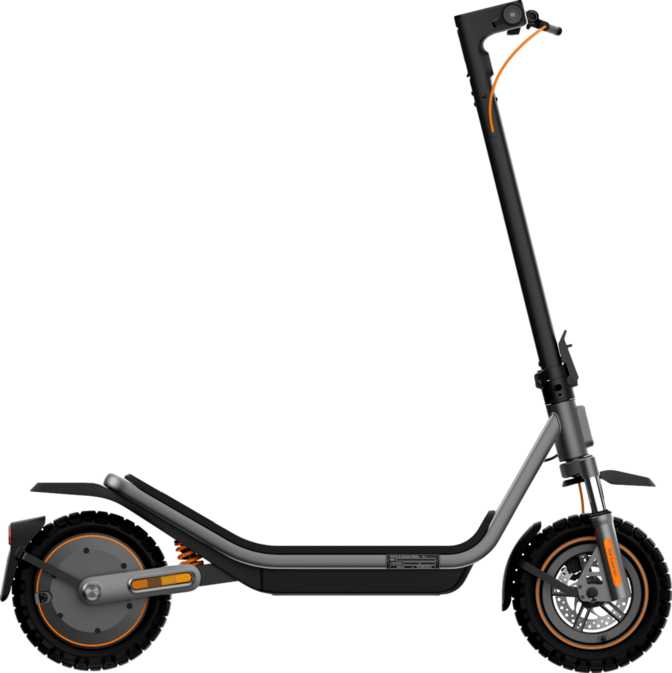
Xiaomi Electric Scooter 6 Pro – Full Review & Real-World Performance Test
Electric ScootersUrban commuting has reached an inflection point. Fuel prices, traffic congestion, and a growing reluctance to sit idle in gridlock have pushed a significant number of city dwellers toward electric scooters — not as novelties, but as genuine daily transportation. The Xiaomi Electric Scooter 6 Pro enters this conversation as a serious contender: a folding, full-size adult scooter built around a powerful motor, an impressive range claim, and a thoughtfully specified feature set. Whether you are new to electric scooters or upgrading from a budget model, this review tells you exactly what you are getting — and whether it is worth your money.
Design and Build Quality
Physical experience, materials, and everyday practicality
First Impressions and Physical Presence
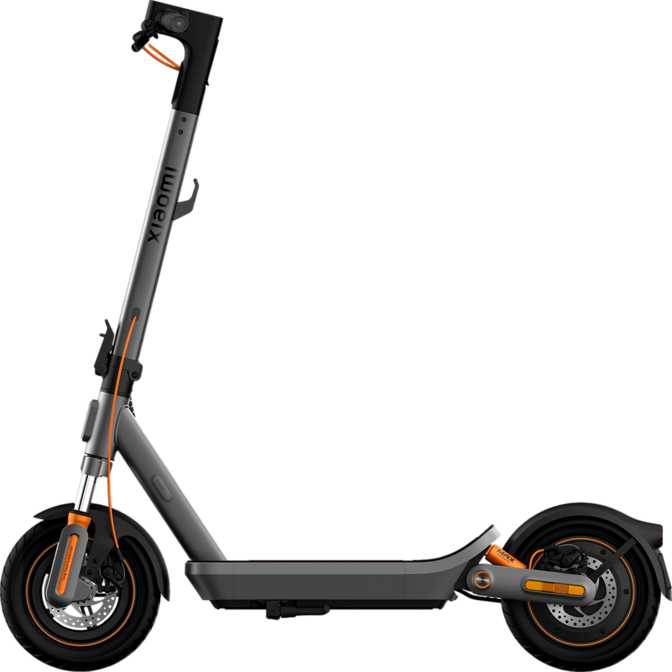
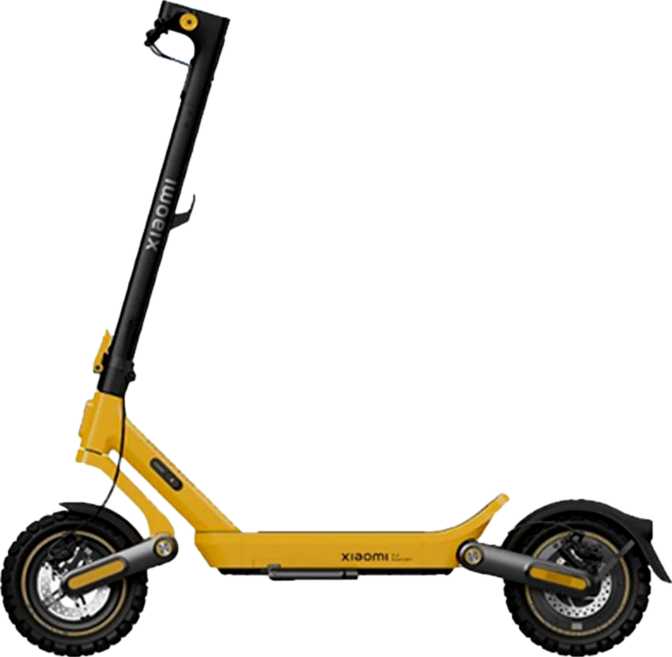
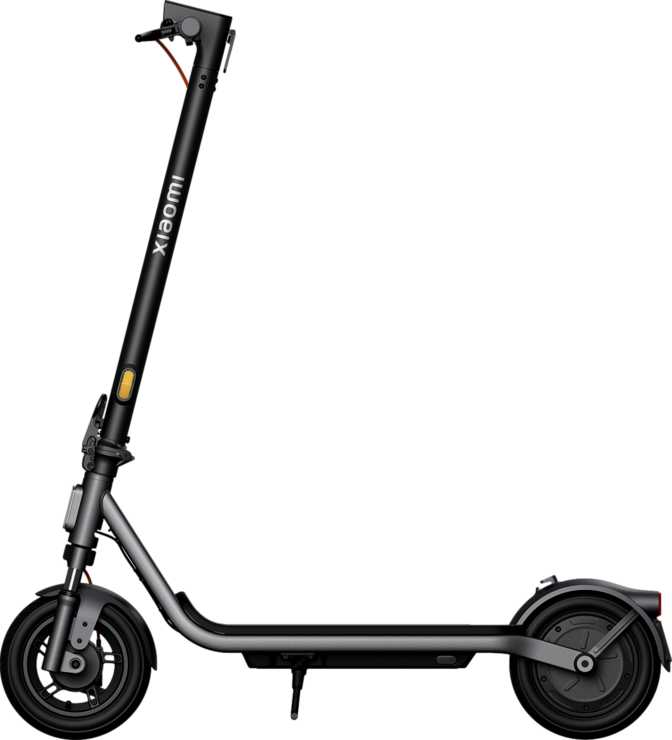
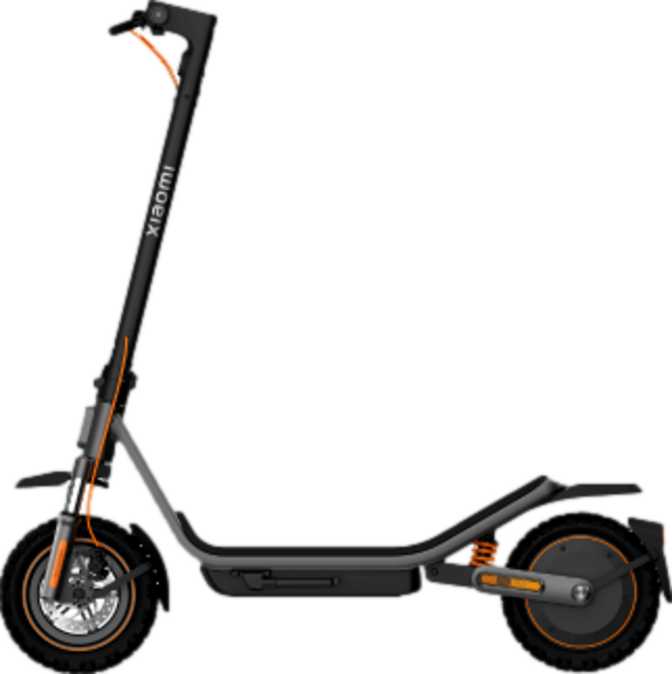
At just over 27 kilograms, the Xiaomi Electric Scooter 6 Pro sits at the heavier end of the folding scooter category. That weight is a direct consequence of what is packed inside — a large battery, a suspension system, and pneumatic tires — so it is a trade-off rather than a flaw. Pick it up once and you will understand why: this feels like a substantial, confidence-inspiring machine, not a toy.
Standing at approximately 1,279mm tall with handlebars extended and 1,277mm wide from tip to tip, the riding posture is comfortable for most adults. The proportions are designed for full-grown riders, and Xiaomi explicitly positions this as an adult product.
Folding Mechanism
The scooter folds, which is the single most important practical feature for anyone who needs to carry it into an office, apartment building, or public transit. When folded, the stem drops down toward the rear, reducing the vertical profile considerably. At 27+ kg, this is not something most people will carry up multiple flights of stairs without effort — it is more suited to collapsing and rolling or loading into a car trunk than being lugged through a subway turnstile.
Tires and Suspension
The 12-inch pneumatic (air-filled) tires are a meaningful upgrade over the solid rubber tires found on cheaper scooters. Air tires absorb road imperfections naturally, providing passive cushioning before the suspension even has to work. The addition of a dedicated suspension system on top of that makes the ride notably more forgiving on cracked pavement, curb drops, and uneven urban surfaces.
Together, these two systems create a ride quality that approaches what you would expect from a light electric bicycle — a significant step above the harsh, buzzy feel of entry-level scooters with solid tires and no suspension.
Front & Rear Lights
Factory-fitted lighting covers legal and safety requirements for low-light riding — no accessories needed.
IPX5 Weatherproofing
Handles rain and puddle splashing. Built for real-world daily commuting in unpredictable weather.
Performance: Motor, Speed, and Climbing
What the drivetrain actually delivers in real-world conditions
Motor Power
The single rear motor produces 1,000 watts, placing this scooter firmly in the performance commuter tier — well above the 250W–500W motors common in entry-level models. In practical terms, that power translates to confident acceleration, the ability to maintain speed on inclines, and a responsiveness that cheaper scooters lack.
Top Speed
Electronically limited to 25 km/h, aligning with legal speed caps for electric scooters in many markets. In practical riding conditions — bike lanes, pedestrian-adjacent paths, and mixed urban traffic — 25 km/h is a genuinely useful cruising speed that covers 10 kilometers in under 25 minutes.
Hill Climbing
A 22-degree maximum climbing angle handles virtually any city grade. Most urban road inclines fall between 5 and 15 degrees; even the steepest city streets rarely exceed 18 degrees. The 45 Nm torque figure means minimal speed loss when gradients steepen and quicker recovery from slow rolls.
Dual Braking
Both front and rear brakes are present. This dual-brake setup provides significantly shorter stopping distances than a single-brake system and gives riders redundancy — if one brake underperforms in wet conditions, the other compensates. A detail that matters enormously in real-world safety.
Weight capacity note: The 120 kg maximum load is among the more generous in the commuter scooter category, where 100 kg is the more common ceiling. This makes the Xiaomi Electric Scooter 6 Pro a realistic option for a wider range of adult riders without forcing anyone near that upper boundary to worry about stressing the frame.
Battery and Range: The Numbers Behind the Claims
Understanding what 468 Wh actually means for your commute
Capacity in Context
The battery stores 468 watt-hours of energy. Entry-level commuter scooters typically carry 180–280 Wh batteries. Mid-range models land around 300–360 Wh. At 468 Wh, the 6 Pro's pack is genuinely large by category standards — not flagship territory, but solidly above average and capable of supporting the range figure Xiaomi claims.
Advertised Range vs. Real-World Expectations
The manufacturer quotes a maximum range of 70 kilometers per charge. Like all range figures in the e-scooter category, this number is measured under ideal conditions: moderate speed, level terrain, lighter rider weight, and favorable temperature. Real-world range will be lower.
A more realistic planning figure for a typical rider (around 70–80 kg), riding at near-top speed on mixed terrain with some hills, is somewhere in the 45–55 km range. That is still more than most urban commuters cover in a week of daily riding. For a 10 km round-trip daily commute, that means charging roughly once per week.
Regenerative Braking
When you brake, the motor briefly acts as a generator, recovering a small portion of kinetic energy and feeding it back into the battery. The practical range extension in urban stop-start conditions is modest — perhaps 5–10% in typical use — but it is a real benefit that contributes to both range and brake pad longevity over time.
Fixed battery notice: The battery is integrated into the frame and cannot be removed for separate charging. Apartment dwellers without easy access to an outdoor outlet will need to bring the whole scooter inside to charge, or run a cable through a window. This is the one structural limitation that may matter significantly to some buyers.
Battery Comparison by Category
Estimated real-world range per charge by rider profile:
- Ideal conditions
- ~70 km
- Typical commuter (~75 kg)
- 45–55 km
- Heavier rider, hills
- 35–45 km
- 10 km daily commute
- ~1× per week
Smart Features and App Connectivity
What the Xiaomi app adds — and what works without it
The Xiaomi Electric Scooter 6 Pro connects to Xiaomi's dedicated smartphone application, which unlocks a range of functionality beyond the scooter's onboard controls. Through the app, riders can access riding statistics, trip history, speed mode adjustments, and firmware updates. The scooter also carries a battery level indicator as a standard onboard feature, though the app provides a more detailed readout than a simple LED display.
For those who want a scooter they can configure, monitor, and personalize, the app integration is a genuine value addition. For those who just want to ride, the onboard controls handle everything necessary without ever needing to open a phone.
-
Riding Statistics & Trip History
Track distance, speed history, and energy consumption per journey.
-
Speed Mode Customization
Adjust riding modes through the app to suit your route and preferences.
-
Firmware Updates
Keep the scooter's software current via wireless over-the-air updates.
-
Detailed Battery Readout
More granular charge status than the onboard indicator alone provides.
-
Fully App-Independent Riding
All core riding functions work from onboard controls — no phone required.
Who This Scooter Is For — and Who Should Look Elsewhere
Matching the right buyer to the right product
Ideal Buyers
-
Daily urban commuters (5–20 km each way)
The battery handles the route with energy to spare, while IPX5 protection and suspension make weather and imperfect roads manageable.
-
Riders on mixed terrain
Bike paths, light gravel, and cracked urban pavement are smoothed out by the 12-inch pneumatic tires and suspension that cheaper scooters lack entirely.
-
Heavier or taller adults
The 120 kg weight limit and generous handlebar height accommodate riders excluded by the 100 kg caps common on most competitors.
-
Hill-heavy route riders
The torque and motor output handle steep grades that would slow other scooters to a crawl or strain their motors over time.
Consider Alternatives If...
-
You need to carry it frequently
Up subway stairs, through buildings, or on multiple floors — 27 kg is tiring in daily practice. A lighter 15–18 kg scooter may suit you better if range is less critical.
-
You need a removable battery
Apartment charging without outdoor outlet access requires bringing the whole scooter inside. Look specifically for models with detachable packs if this is a dealbreaker.
-
You want to exceed 25 km/h
This scooter is designed for compliant urban riding speeds. Higher-speed models exist but come with different legal and insurance considerations depending on your jurisdiction.
How It Compares to the Competition
Xiaomi Electric Scooter 6 Pro vs. logical alternatives in the same market segment
| Feature | Xiaomi 6 Pro | Budget Scooter (Sub-500W) |
Mid-Range (~750W) |
|---|---|---|---|
| Motor Power | 1,000W | 250–500W | 500–750W |
| Claimed Range | 70 km | 20–35 km | 40–55 km |
| Battery Capacity | 468 Wh | 180–280 Wh | 300–360 Wh |
| Tire Type | Pneumatic | Solid or Pneumatic | Pneumatic |
| Suspension | Rarely | Sometimes | |
| Weight Limit | 120 kg | 100–110 kg | 100–120 kg |
| App Integration | Rarely | Sometimes | |
| Water Resistance | IPX5 | IPX4 or unrated | IPX4–IPX5 |
| Wheel Size | 12 inch | 8–10 inch | 10–12 inch |
The 6 Pro's most significant differentiation from mid-range alternatives is the combination of a 1,000W motor, large-format pneumatic tires, and a battery that comfortably exceeds 400 Wh — all in a single package. Most competitors at the same price tier compromise on at least one of these three pillars.
Honest Assessment: Strengths and Limitations
A balanced look at what works well and where trade-offs exist
Where the 6 Pro Excels
The Xiaomi Electric Scooter 6 Pro is genuinely strong where it matters most for a commuter: range, power, and ride comfort. The battery's capacity means you stop thinking about charging as a daily ritual. The motor's output means hills are not a source of anxiety. The tires and suspension mean rough pavement is inconvenient rather than punishing.
These are the three things that make or break a scooter as a transportation tool rather than an occasional weekend toy, and the 6 Pro gets all three right. The dual braking system adds a layer of safety redundancy that cheaper models skip, and the IPX5 rating removes weather from the list of things you have to plan around.
Real Limitations to Know
The weight is the honest limitation. At 27+ kilograms, this is not a scooter you will comfortably throw over your shoulder or haul up four flights of stairs. Riders who need to carry their scooter as part of the journey — not just fold it and roll it — will feel this trade-off acutely.
The fixed battery compounds this slightly for apartment dwellers who lack convenient outdoor charging access. The 25 km/h top speed is a legal and practical ceiling, not an engineering one — the motor is capable of more, but the scooter is built for compliant urban riding. That is not a flaw, but it is a meaningful choice.
Answers to Common Pre-Purchase Questions
The questions real buyers search for before purchasing
Final Verdict
The Xiaomi Electric Scooter 6 Pro is a thoughtfully built commuter scooter that punches meaningfully above its weight class on the metrics that matter: real-world range, motor performance on varied terrain, ride comfort, and weather tolerance. It is not the lightest scooter available, and the fixed battery requires some planning for charging — but neither of these is a flaw in isolation. They are engineering trade-offs made in favor of the range and performance that this scooter delivers.
For a daily urban commuter who covers 10–40 km per day, faces mixed terrain, and wants a single machine that handles the full scope of that journey without drama, the Xiaomi Electric Scooter 6 Pro is a well-justified purchase. It is the kind of scooter that earns its cost over months of reliable, low-stress commuting rather than sitting unused in a corner after the novelty wears off.
Overall Score