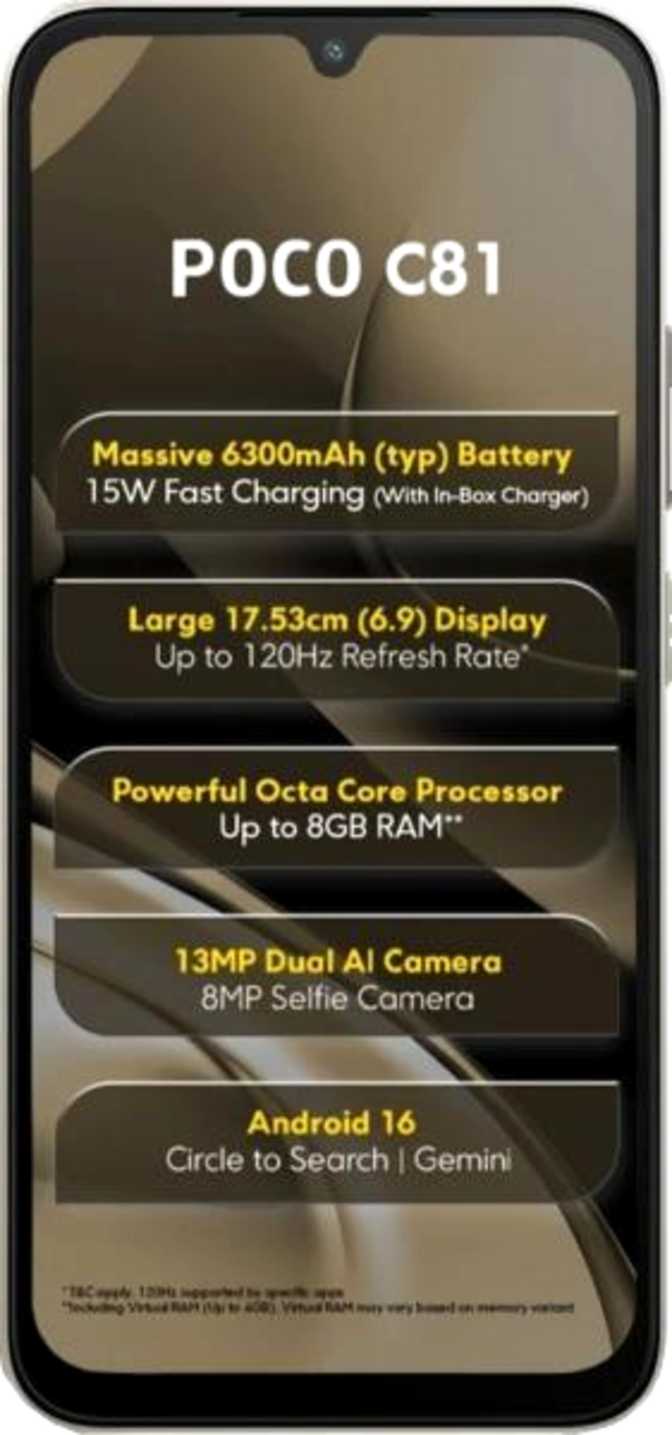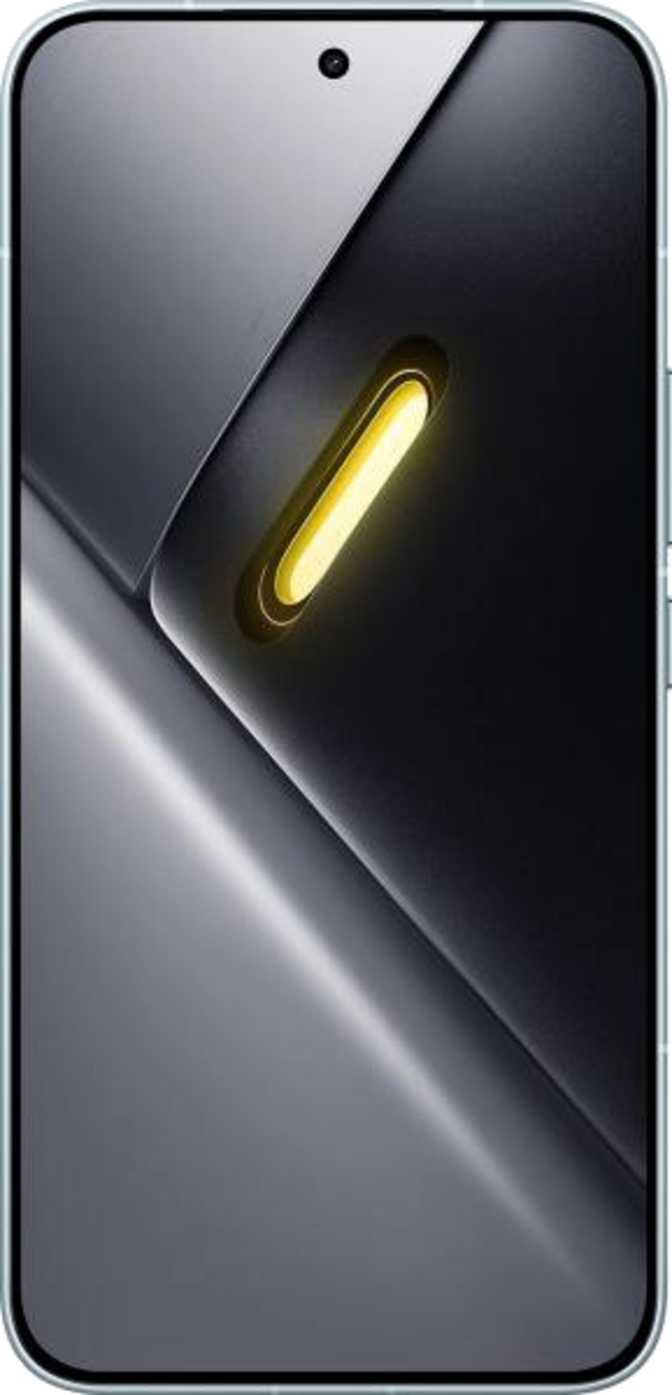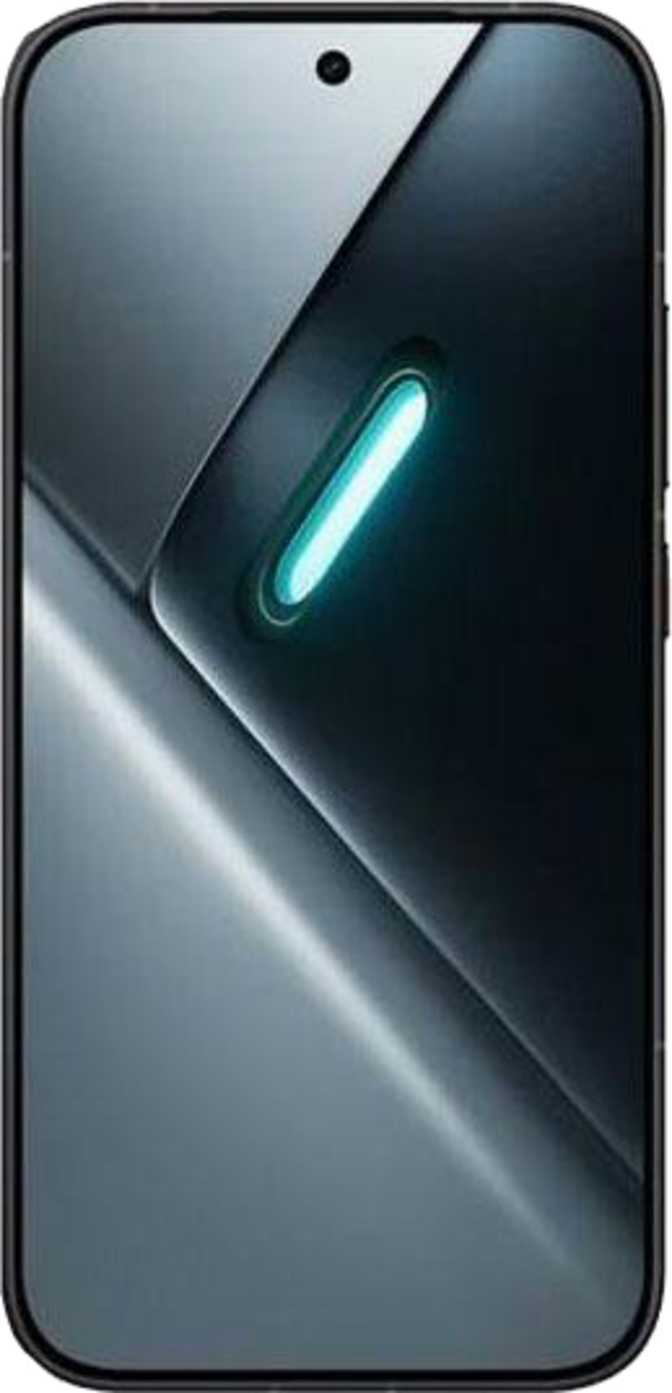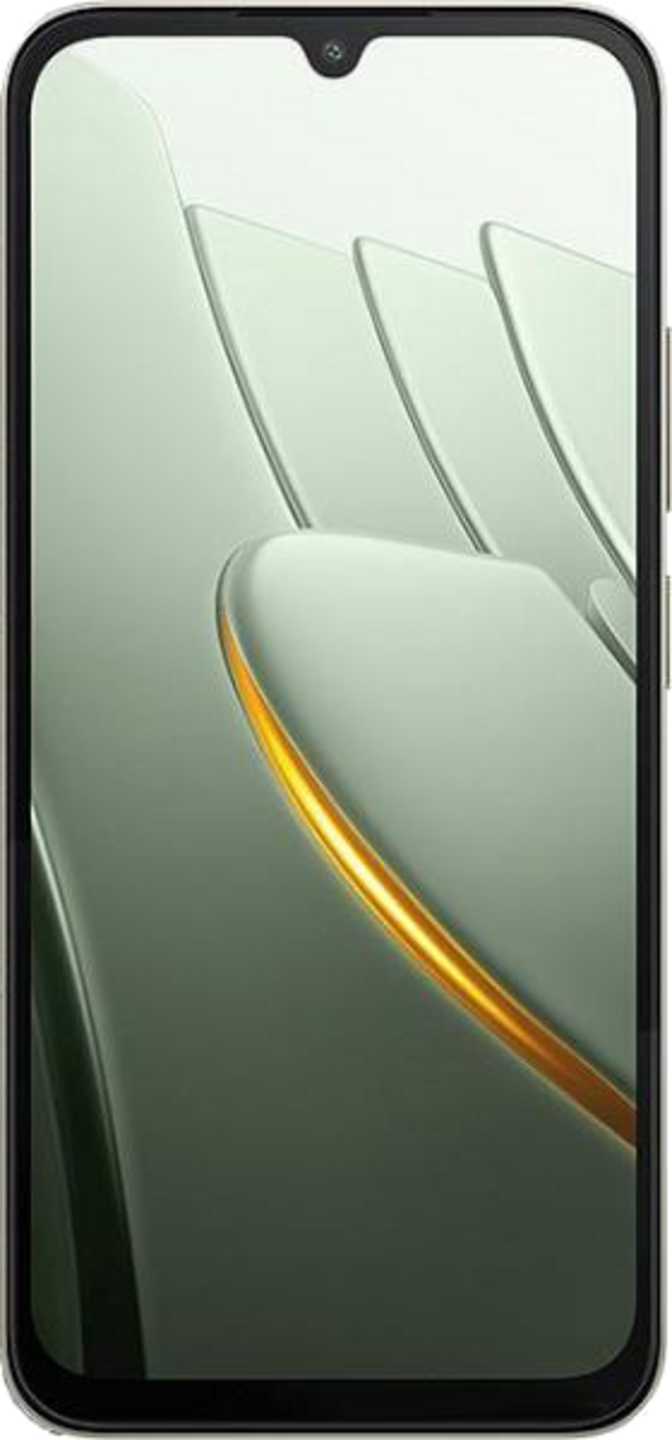
Xiaomi Poco C81 Pro Review: Battery Champion or Budget Compromise?
SmartphonesThe budget smartphone market is brutally competitive, and most phones at this price tier ask you to accept painful trade-offs — either a tiny screen, a sluggish processor, or a battery that barely survives a workday. The Xiaomi Poco C81 Pro is a direct answer to that frustration: a large-screen device with a 120Hz display, a massive battery, and 256GB of storage at a price point where such combinations are genuinely rare. Specs on paper only tell part of the story. Here is the complete picture before you decide.
Editor Score
out of 10
Category Breakdown
Key Specifications
The numbers that define everyday life with the Poco C81 Pro.
Design and Build Quality
At 171.6mm tall and nearly 80mm wide, the Poco C81 Pro makes no pretense about being a compact device. This is a large phone built for large-screen living, and its 208-gram weight directly reflects the substantial battery packed inside. The 8.2mm profile prevents it from feeling excessively bulky, but one-handed use requires deliberate adjustment for smaller hands.
The construction is plastic throughout — appropriate for this price tier and practically durable for daily handling. The finish holds up to minor contact well enough, though a protective case remains advisable given one significant absence: there is no water or dust resistance of any kind. Rain, spills, and even heavy humidity carry genuine risk. The Poco C81 Pro is a clear-weather phone.
Physical ergonomics are well-considered. USB-C sits at the bottom, the 3.5mm headphone jack is retained on the top edge, and a side-mounted fingerprint scanner doubles as the power button — a natural placement that becomes instinctive within a day of use. The flat display and reasonably slim bezels give the device a cleaner, more current appearance than many of its direct competitors.
- Height
- 171.6 mm
- Width
- 79.5 mm
- Thickness
- 8.2 mm
- Weight
- 208 g
- Water Resistance
- None
- Display Glass
- Unbranded
- Fingerprint
- Side-mount
- Headphone Jack
- 3.5 mm
- USB Port
- Type-C 2.0
Display Analysis
Size and Smoothness
The 6.9-inch IPS LCD panel immediately changes how you interact with your phone. Reading, watching video, browsing, and split-screen multitasking all become noticeably more comfortable than on the 6.5-inch screens that dominate this price tier. The flat panel eliminates edge distortion and feels natural at any orientation.
The 120Hz refresh rate is the display's standout achievement. Scrolling through feeds, navigating the OS, and even typing feel markedly more fluid than the 60Hz panels still found on most budget competitors. Users switching from a slower screen notice this difference immediately — it consistently elevates the feel of the entire device.
Resolution and Brightness — Honest Trade-offs
The 720 x 1600 pixel resolution spreads across nearly 7 inches at approximately 254 pixels per inch. At this density on this screen size, fine text and detailed graphics show visible softness under close inspection. Casual content — video, social feeds, messaging — looks completely acceptable, but side-by-side with a full HD panel, the difference is apparent to most eyes.
At 650 nits of typical brightness, the screen is comfortable indoors and usable in mild outdoor conditions. In direct, bright sunlight, visibility drops and you will find yourself shielding the screen. HDR streaming content is not supported, so platforms deliver standard dynamic range video regardless of what the content was mastered in.
| Panel Type | IPS LCD |
| Screen Size | 6.9 inches |
| Resolution | 720 x 1,600 px (HD+) |
| Pixel Density | 254 ppi |
| Refresh Rate | 120 Hz |
| Peak Brightness | 650 nits |
| HDR10 Support | Not Supported |
| Gorilla Glass | Not Present |
| Always-On Display | Not Supported |
Performance Deep Dive
The Processor in Context
The Unisoc T7250 powering the Poco C81 Pro is an eight-core chip built on a 12-nanometer manufacturing process — a mature, stable technology that prioritizes reliability and power efficiency over raw speed. The processor splits into two groups: two faster cores handling peak demands and six efficiency cores managing routine background tasks. This arrangement keeps the phone responsive during everyday use while extending battery life by avoiding maximum draw unnecessarily.
In practice, the processor handles everything in a typical daily routine without friction. Social apps, streaming, messaging, navigation, banking, and video calls all run smoothly. The ceiling becomes apparent under sustained load — graphically complex 3D games, rapid multitasking across many apps, or any processing-intensive workflow will reveal the chip's entry-level positioning through lag and frame drops.
RAM — The Real Constraint
The 4GB of LPDDR4 RAM is the tightest specification on this device. For focused single-app use, it is adequate. For active multitasking — juggling a browser with several tabs, a messaging app, music, and a social feed — it shows friction. Apps are periodically closed in the background and reload when you return to them rather than picking up mid-session.
The 256GB of internal storage is genuinely generous at any price. Apps load at reasonable speeds for this category, and with this much space, managing storage is not something most users will ever think about. A dedicated microSD slot provides expansion whenever it is needed.
Geekbench 6 — Multi-Core
Geekbench 6 — Single-Core
Chipset Highlights
- 8 cores, big.LITTLE efficiency
- Integrated 4G LTE modem
- ARM TrustZone security
- On-device machine learning
- No 5G connectivity
Battery Life — The Clear Standout
The Poco C81 Pro's power reservoir is its most compelling attribute. The 6,000mAh battery is substantially larger than what typical phones in this category carry — and meaningfully larger than many devices at significantly higher prices.
In real-world terms, this translates to a device that moderate users — those spending a few hours per day on their phone — will charge roughly every two days. Heavy users who stream video continuously, run GPS navigation, and remain screen-on for extended periods will still comfortably reach the end of a full day with charge to spare at bedtime. Battery anxiety is effectively off the table.
The 120Hz display does consume more power than a 60Hz alternative, but the battery's capacity absorbs this cost without meaningfully compressing the usage window. Switching to 60Hz in display settings extends endurance further — a useful option during long travel days or when a charger is unavailable.
Charging operates at 15 watts via the included USB-C charger and cable. This is not rapid charging in the aggressive sense flagship phones offer — a full replenishment from empty takes well over an hour. The practical offset is that because the starting capacity is so large, even a 20-minute top-up before leaving the house meaningfully contributes. There is no wireless charging or reverse wireless charging of any kind.
Battery Capacity
Camera System
Main Camera — Practical, Not Creative
The 13-megapixel rear camera with an f/2.2 aperture is a competent daylight shooter. Phase-detection autofocus locks subjects quickly and accurately, and the camera's manual controls — adjustable ISO, exposure, focus, and white balance — offer genuine flexibility for users who want to explore beyond auto mode. HDR mode handles high-contrast outdoor scenes reasonably well.
The limits are consistent with this camera class. No optical image stabilization means blur appears in handheld low-light shots and video captured on the move without a steady hand. The absence of a back-illuminated sensor limits light gathering, so evening and indoor photography produces softer, noisier results. There is no zoom beyond digital cropping, which degrades image quality proportionally as you magnify.
Video records at 1080p at 30 frames per second — sufficient for social sharing and comfortable viewing on any screen. A slow-motion mode is included. 4K video recording is not supported, which is consistent with the device's price category.
Camera Feature Breakdown
| Feature | Rear | Front |
|---|---|---|
| Megapixels | 13 MP | 8 MP |
| Aperture | f/2.2 | f/2.0 |
| Phase-detection AF | ||
| HDR Mode | ||
| Optical Stabilization | ||
| Optical Zoom | ||
| Manual Controls | ||
| Slow Motion | ||
| Panorama | ||
| Video (Max) | 1080p / 30fps | 1080p |
Software Experience
The Poco C81 Pro ships with Android 15, placing it on the current version of Google's platform with a full modern feature set. Xiaomi's MIUI layer sits on top, adding customization options, dynamic theming, and additional controls — but also meaning that OS security updates and version upgrades arrive through Xiaomi's pipeline rather than directly from Google. Historically, this results in later delivery and a shorter overall update window compared to Pixel devices or select Samsung models.
The privacy toolset is notably thorough for this price tier. Clipboard access warnings, camera and microphone status indicators, app tracking blocking, and granular location controls give users meaningful oversight of what applications are doing in the background — a level of transparency that would not feel out of place on a significantly more expensive device.
Practical daily-use features include split-screen multitasking, picture-in-picture video, full-page screenshots, offline voice recognition, dark mode, multi-user profiles, and a built-in child lock. Battery health monitoring and an extra-dim display mode for nighttime reading round out a software package that is more complete than the hardware price suggests.
Notable Software Features
- Android 15 out of the box
- App tracking and clipboard access warnings
- Split-screen and picture-in-picture mode
- Offline voice recognition and voice commands
- Multi-user mode and child lock
- Dark mode and dynamic theming
- Battery health monitoring tool
- No direct OS updates from Google — goes through Xiaomi
- No Wi-Fi password sharing
Connectivity and Sensors
What You Get
- 4G LTE — up to 300 Mbps download, 150 Mbps upload on compatible networks
- Wi-Fi 5 (802.11ac) — solid speeds and range on any modern router
- Bluetooth 5.2 — reliable connection to wireless headphones and accessories
- NFC — tap-to-pay at compatible contactless payment terminals
- GPS + Galileo — multi-constellation support improves urban location accuracy
- Dual SIM — two nano-SIM cards active simultaneously
- USB-C 2.0 — charging and standard data transfer
- FM Radio — built-in tuner that works without an internet connection
What Is Missing
- No 5G — limits future-proofing as networks in many markets evolve
- No Gyroscope — some AR applications and motion-controlled games will not function
- No aptX / LDAC — Bluetooth audio is limited to standard SBC and AAC codecs
- No Stereo Speakers — single speaker only; no immersive audio for media
- No USB Display Output — USB 2.0 limits connectivity to charging and data only
Who Should Buy the Poco C81 Pro?
- Battery life is your top priority. Two days on a single charge eliminates the anxiety that plagues most budget devices.
- You consume a lot of media. A 6.9-inch 120Hz screen makes video and social content genuinely enjoyable at this price.
- Storage running out is a recurring frustration. 256GB means you will not think about managing space for years.
- You are upgrading from an older budget device. The jump in screen smoothness and battery endurance will feel significant.
- Your area has solid 4G LTE coverage. Where LTE remains the dominant standard, the absence of 5G is a non-issue.
- Mobile gaming is a priority. Demanding 3D titles push this processor to its ceiling quickly, and frame drops follow.
- You take a lot of photos. A single-lens camera without optical stabilization has real limits outside of ideal conditions.
- Heavy multitasking is your pattern. 4GB of RAM becomes a bottleneck when many apps compete for memory simultaneously.
- Your market is rapidly adopting 5G. Without a 5G radio, network capability becomes a limitation sooner than alternatives.
- Water resistance is non-negotiable. No IP rating means real risk in rain, near water, or in humid environments.
How It Compares
Poco C81 Pro measured against typical alternatives in the same budget range.
| Feature | Poco C81 Pro | Typical 4G Rival | 5G Entry-Level |
|---|---|---|---|
| Display Size | 6.9" | 6.5 – 6.7" | 6.5 – 6.7" |
| Refresh Rate | 120 Hz | 60 – 90 Hz | 90 Hz |
| Internal Storage | 256 GB | 64 – 128 GB | 128 GB |
| Battery Capacity | 6,000 mAh | 4,000 – 5,000 mAh | 4,500 – 5,000 mAh |
| 5G Support | No | No | Yes |
| NFC | Yes | Often No | Sometimes |
| Headphone Jack | Yes | Often Yes | Sometimes |
| RAM | 4 GB | 3 – 4 GB | 4 – 6 GB |
| Water Resistance | None | None | None |
Strengths and Weaknesses
- The 6,000mAh battery is transformatively large — it changes how you think about your phone's daily endurance and recharging frequency.
- 256GB of built-in storage is genuinely generous even by mid-range standards, and the dedicated microSD slot provides further expansion on demand.
- The 120Hz display delivers perceptible, daily-use smoothness that users notice immediately after switching from 60Hz screens.
- NFC for contactless payments is included — a feature frequently omitted at this price tier by competing manufacturers.
- Android 15 brings a current, feature-complete OS platform with a privacy toolkit more thorough than most buyers expect at this price.
- The 3.5mm headphone jack is retained — any wired headphones plug in directly, no adapter required.
- No 5G radio limits the device's network longevity in markets where the transition away from 4G is actively accelerating.
- 4GB of RAM creates visible multitasking friction — apps reload after switching because background memory fills quickly under load.
- No water or dust resistance of any kind is a meaningful daily-carry risk that the spec sheet does not soften.
- HD-only display resolution is a visible compromise on a nearly 7-inch screen — fine text and detailed graphics show softness under close inspection.
- The single rear camera without optical stabilization has real limitations in low light and during any movement while shooting.
- OS updates route through Xiaomi rather than Google directly, which historically means slower delivery and a shorter support window overall.
Frequently Asked Questions
Answers to the questions real buyers search for before purchasing.
Recommended — With Clear Eyes
The Poco C81 Pro earns its recommendation for the right buyer.
The Xiaomi Poco C81 Pro is a phone built around endurance and everyday usability, and it delivers on both. Its battery changes how you relate to your phone — charging every two days instead of scrambling at 15% every afternoon. Combined with 256GB of storage and a fluid 120Hz display on a large 6.9-inch panel, it creates a daily experience that punches well above its price on the things most users genuinely care about.
The trade-offs are real and specific: no 5G, a constrained 4GB of RAM, a single basic camera, and zero water resistance. None of these disqualify it for the user this phone is built for, but they define a ceiling that informed buyers should understand before committing.