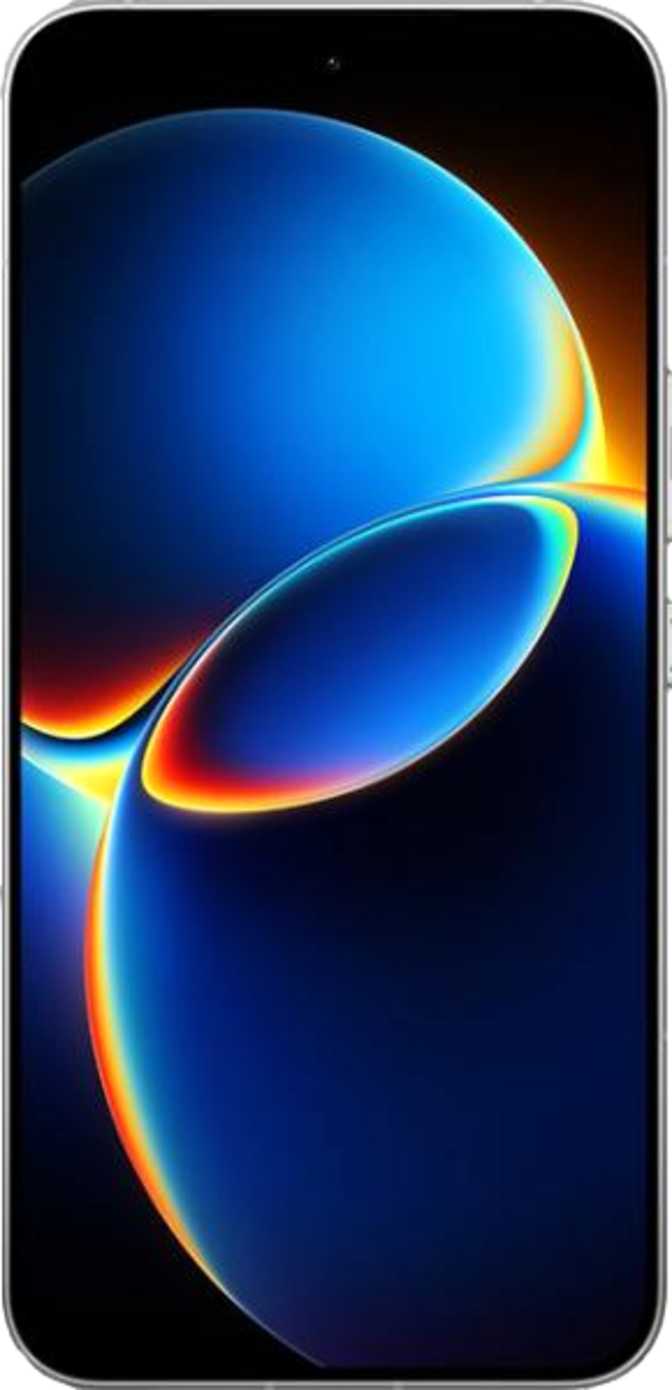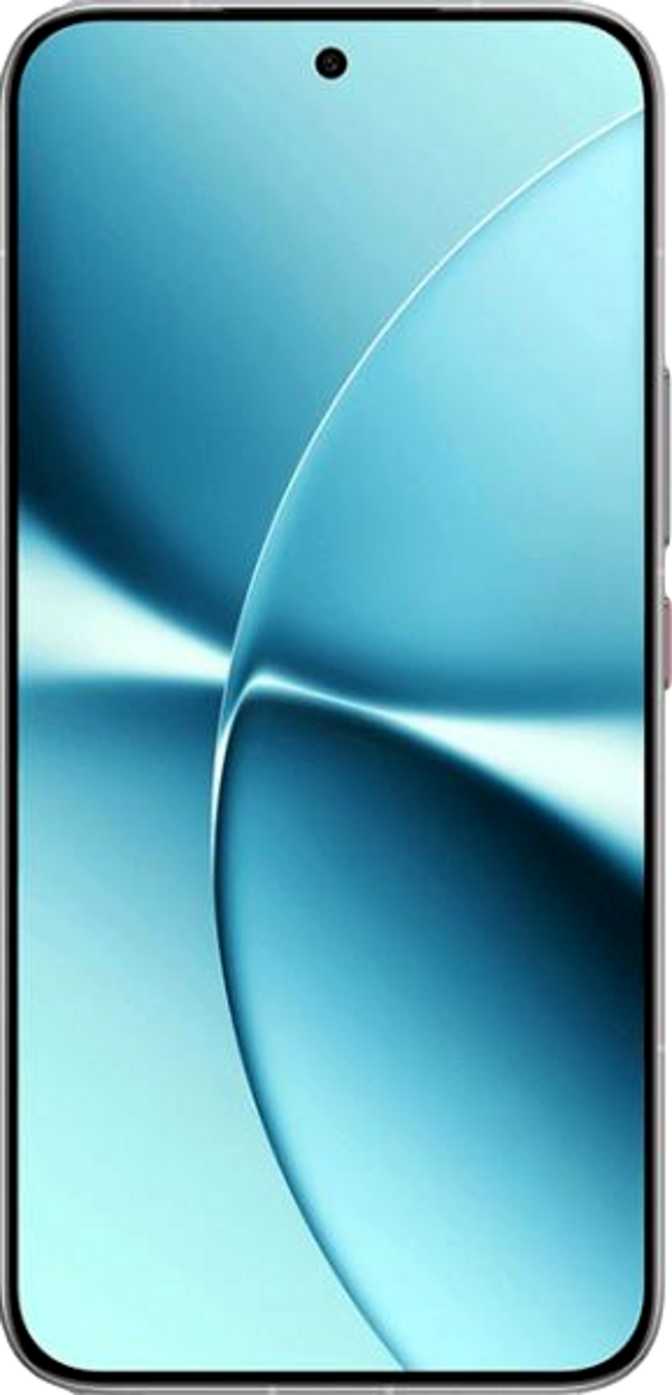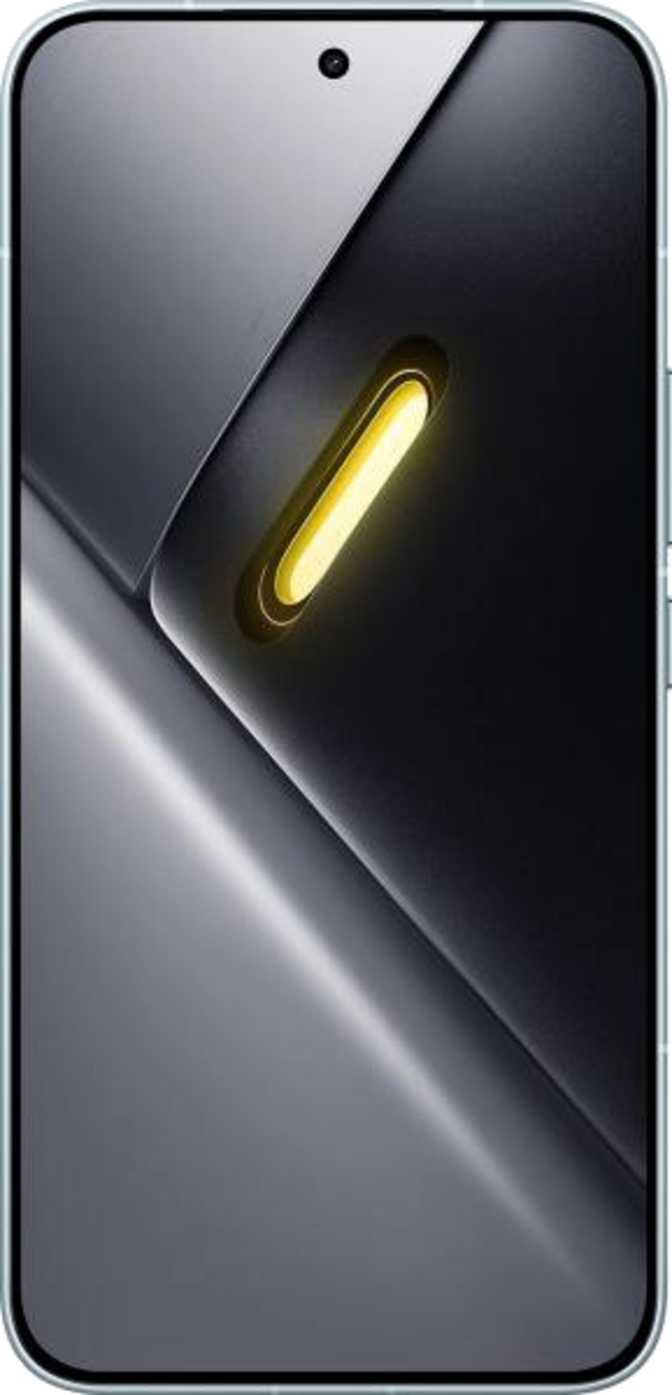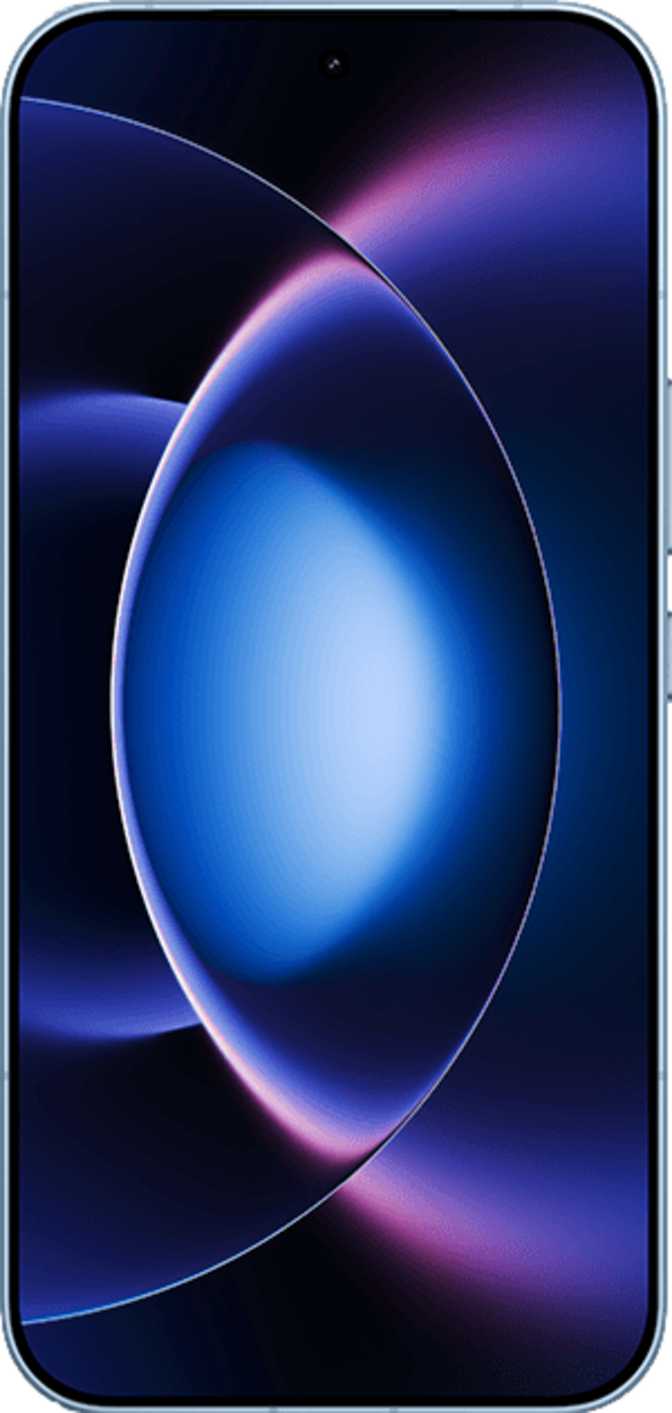
Xiaomi 17 Max Full Review: The Android Flagship for Power Users
SmartphonesEditor’s Verdict
A flagship-tier powerhouse that leads its category in battery, charging speed, and raw processing performance — with a display and camera system built to match every demand.
Based on comprehensive specification analysis
Xiaomi 17 Max: At a Glance
The eight numbers that define this device before you read a single word
Display
6.9″ OLED
120 Hz · 420 ppi
Processor
SD 8 Elite Gen 5
3 nm · 16 GB RAM
Camera
200 + 50 + 50 MP
OIS · 3× Optical Zoom
Battery
8,000 mAh
100 W · 50 W wireless
Storage
512 GB
UFS · No microSD
Protection
IP68 Rated
1.5 m submersion
Connectivity
Wi-Fi 7
5G · Bluetooth 5.4
Software
Android 16
HyperOS · Dual SIM
There is a specific kind of smartphone buyer who knows exactly what they want: every performance headroom available, a battery that outlasts a full travel day, and a screen large enough to replace a tablet for most tasks. The Xiaomi 17 Max is built precisely for that person. It does not hedge or compromise toward the mass market — it stacks flagship specifications in every category and accepts the trade-offs that come with that ambition, most notably a wide footprint that demands large hands or deliberate one-handed habits. If you are on the fence about whether a phone this capable is worth it, this review will answer that question definitively.
Design and Build: Big, Intentional, and Genuinely Refined
Physical dimensions, durability, and first-impression build quality
At 162.9 mm tall and 77.6 mm wide, the Xiaomi 17 Max is unambiguously a large phone. Holding it with one hand is possible but requires conscious effort — thumb reach across the screen will be a stretch for anyone with average or smaller hands. This is not a design flaw; it is a design choice that enables the large display and the enormous battery inside.
What is impressive is how Xiaomi has managed the thickness. At 8.2 mm, the device sits slim relative to its battery capacity — most phones carrying a battery of this scale end up noticeably chunkier. The 219-gram weight is substantial but well within the range that feels premium rather than burdensome.
The display is flat — no curved edges — which makes screen protectors easier to apply and avoids accidental edge touches during gaming. Damage-resistant glass covers the front, protecting against everyday drops and pocket abrasions.
Physical Specifications
| Height | 162.9 mm |
| Width | 77.6 mm |
| Thickness | 8.2 mm |
| Weight | 219 g |
| Water Resistance | IP68 |
| Waterproof Depth | 1.5 m |
| Front Glass | Damage-Resistant |
| Display Profile | Flat Panel |
IP68 certification means the Xiaomi 17 Max survives submersion in up to 1.5 m of fresh water. Swimming pool accidents, rain, and sink drops are all within its tolerance.
Display: Where Size Meets Precision
Panel technology, sharpness, refresh rate, and HDR capability
Panel Quality and Sharpness
The 6.9-inch OLED panel is the centerpiece of the user experience. OLED technology means each pixel produces its own light, resulting in true blacks, vibrant colors, and contrast that LCD-based displays cannot match. At 420 pixels per inch, the sharpness is well beyond the threshold at which the human eye can distinguish individual pixels at normal viewing distances — text looks crisp, fine details in photos resolve cleanly, and the interface has a precision that feels expensive.
Refresh Rate and Smoothness
The 120 Hz refresh rate means the display redraws its image 120 times per second rather than the standard 60. The practical result is that scrolling through a webpage, swiping between apps, and on-screen animations all feel noticeably more fluid. For gaming, this becomes especially relevant — fast-moving visuals appear smoother, and the gap between what you input and what you see on screen tightens. Most users who switch to a 120 Hz panel struggle to go back.
Always-On Display
The always-on display mode keeps essential information — time, notifications, battery level — visible even when the phone is idle. Because OLED panels can selectively power only active pixels, this feature uses minimal battery while keeping the phone useful at a glance.
Display Specifications
| Panel Type | OLED / AMOLED |
| Size | 6.9″ |
| Resolution | 1200 × 2608 px |
| Pixel Density | 420 ppi |
| Refresh Rate | 120 Hz |
| Always-On |
HDR Standards Supported
- HDR10Supported
- HDR10+Supported
- Dolby VisionSupported
What HDR means in practice: The Xiaomi 17 Max supports all three major HDR standards. Netflix, Amazon Prime Video, and Apple TV+ all serve Dolby Vision content to compatible devices, so the benefit is immediately accessible on the most popular streaming platforms.
Performance: As Fast As Mobile Gets Right Now
Processor architecture, benchmark results, RAM, storage, and GPU capability
The Processor
The Qualcomm Snapdragon 8 Elite Gen 5 inside the Xiaomi 17 Max represents the current ceiling of mobile processing. Built on a 3-nanometer manufacturing process — the smallest chip architecture currently in mass production — it delivers more performance per watt than its predecessors, which translates directly to faster speeds without a proportional increase in heat or battery drain.
The two high-performance cores running at 4.6 GHz handle demanding tasks — intensive gaming, video export, complex AI processing — while the six efficiency cores at 3.62 GHz manage lighter workloads like social media and music playback. This architecture is what allows a flagship phone to simultaneously deliver burst performance and all-day battery life.
Memory and Storage
Sixteen gigabytes of RAM using the latest DDR5 memory standard, combined with a peak memory bandwidth exceeding 85 GB/s, means the phone can keep a large number of apps suspended in the background simultaneously. The 512 GB internal storage is sufficient for virtually any use case — thousands of photos and videos, hundreds of apps, offline collections — all without storage management becoming a habit.
Geekbench 6 Benchmarks
Single-Core Score
Multi-Core Score
Scores place this chip at the very top of the current mobile performance charts.
Core Specifications
| Chipset | SD 8 Elite Gen 5 |
| Process Node | 3 nm |
| CPU Cores | 2 × 4.6 GHz + 6 × 3.62 GHz |
| RAM | 16 GB DDR5 |
| Storage | 512 GB |
| GPU | Adreno 830 |
| GPU Clock | 1,200 MHz |
| Memory Bandwidth | 85.1 GB/s |
GPU and Gaming Performance
The Adreno 830 GPU, with its 1,536 shading units and DirectX 12 support, handles mobile gaming at the highest graphical settings without compromise. Any current mobile game will run at maximum quality settings and high frame rates on this hardware. The GPU also supports OpenGL ES 3.2 and OpenCL 3, which matters for apps using GPU-accelerated image processing, creative tools, and on-device AI inference.
Camera System: A Versatile Triple Setup Built Around a Giant Sensor
Main, ultrawide, telephoto, and front camera analysis with real-world context
Main Camera
200 MP
f/1.7 Aperture- Optical Image Stabilization (OIS)
- Phase-detection + Laser autofocus
- 8K video at 30 fps
- RAW file capture
- Slow-motion video
- Continuous AF during video
Ultrawide Lens
50 MP
f/2.4 · 17 mm equiv.- 17 mm wide equivalent field of view
- Ideal for architecture and landscapes
- Works where you cannot step back
- 50 MP resolution for detail retention
Telephoto Lens
50 MP
f/2.4 · 70 mm equiv.- 3× true optical zoom — no digital degradation
- 70 mm flattering for portrait photography
- Natural background compression
- 50 MP resolution at full zoom
Understanding the 200 MP Main Sensor
At 200 MP, the sensor captures an enormous amount of spatial data. In standard shooting, the phone uses pixel binning — combining groups of pixels to produce a brighter, cleaner image with more realistic file sizes. The underlying resolution becomes visible when you crop: you can trim substantially into a 200 MP image and retain detail that a 50 MP shot would have lost entirely. It also enables high-resolution prints at large formats.
The f/1.7 aperture on the main lens is wide enough to gather significant light in dim conditions. Combined with optical image stabilization — physical movement of the lens element to counteract hand tremor — low-light photography produces sharp results where phones with narrower apertures and no OIS would show blur or noise.
Autofocus System
The camera uses a combination of phase-detection autofocus and laser autofocus. Phase detection works well in most lighting conditions and locks focus quickly. Laser autofocus provides accurate distance measurement in low light where phase detection struggles. Together, they make focus acquisition fast and reliable across conditions, including continuous tracking during video recording.
Video Capabilities
| Max Video Resolution | 8K @ 30 fps |
| Slow-Motion | |
| Continuous AF | |
| RAW Capture | |
| HDR Mode | |
| Manual Controls | Exposure, ISO, WB, Focus |
| Timelapse | |
| Front Camera | 32 MP f/2.2 |
Battery and Charging: Built for Heavy Users
Capacity, wired speed, wireless charging, and real-world endurance
Capacity That Removes Charging Anxiety
The 8,000 mAh battery capacity sits at the high end of what current flagship phones offer — substantially larger than the 4,500–5,000 mAh range that most competitors ship. Users who stream video, play games, or use navigation heavily can expect to close out a full day with battery to spare. For lighter users — calls, messaging, social media — two days between charges is a realistic expectation.
Wired Charging
The 100-watt wired charging speed is fast enough to take the battery from nearly empty to a meaningful charge level in under half an hour. A charger is included in the box — relevant because many manufacturers have moved to selling chargers separately. The USB-C port also runs at USB 3.2 speeds, enabling fast data transfers and video output through a compatible adapter.
Wireless Charging
Wireless charging is supported at 50 watts — fast by wireless standards, where many phones still max out at 15 watts. The convenience of a wireless pad comes without the significant speed penalty that wireless charging once implied.
The phone also supports reverse wireless charging at 22.5 watts, meaning it can charge other Qi-compatible devices — earbuds, smartwatches, a companion’s phone — by placing them on its back. At 22.5 watts, this is fast enough to be practically useful rather than just a specification box tick.
Battery Specifications
Battery Capacity
8,000
mAh
Wired
100W
Wireless
50W
Reverse
22.5W
Charger included in the box — many flagship manufacturers now sell chargers separately. Xiaomi still includes one.
Software: Android 16 with Full Feature Depth
Operating system features, privacy controls, productivity tools, and update policy
Privacy Controls
- Per-app camera and microphone access control
- Clipboard access warnings when apps read clipboard data
- Granular location data restrictions per app
- App tracking can be blocked system-wide
- On-device machine learning keeps AI processing local
Productivity & Usability Features
- Split-screen multitasking — run two apps side by side on the large display
- Picture-in-picture mode for calls and video while using other apps
- Full-page scrolling screenshots captured in one tap
- Live Text recognition lets you select text from within photos
- Offline voice recognition works without an internet connection
- Play games while they download in the background
Infrared Blaster Included
The Xiaomi 17 Max can function as a universal remote control for televisions and other IR-compatible appliances — a feature uncommon in Western flagships but consistently useful at home.
Update Pipeline Note
The Xiaomi 17 Max does not receive direct OS updates from Google. Updates are processed through Xiaomi first, adding a delay to security patches. This is standard for Android OEMs outside Google’s Pixel line, but worth knowing for security-conscious buyers.
Audio: Wireless-First, High Quality
Speaker configuration, Bluetooth codec support, and headphone jack absence
The stereo speaker configuration means sound comes from two directions, creating a wider soundstage than a single speaker. For hands-free music, video calls, and gaming audio, stereo significantly improves the experience over mono alternatives.
There is no 3.5 mm headphone jack. This has become standard in flagship phones over the past several years, but it remains a real consideration for anyone with a collection of wired headphones they prefer not to replace. A USB-C to 3.5 mm adapter is the solution, though it adds a step to wired audio use.
For wireless audio, the phone supports aptX, aptX HD, and aptX Adaptive — three levels of the Qualcomm aptX codec family. AptX Adaptive is the most current, dynamically adjusting audio quality and latency depending on available bandwidth. Compatible headphones will deliver noticeably higher audio quality through this codec than standard Bluetooth audio.
Audio Specifications
- Stereo SpeakersYes
- 3.5 mm JackNo
- aptXSupported
- aptX HDSupported
- aptX AdaptiveSupported
- aptX LosslessNot Supported
- Bluetooth5.4
Connectivity: Current-Generation Across the Board
5G, Wi-Fi, GPS, NFC, sensors, and data transfer capabilities
| Feature | Specification | What It Means |
|---|---|---|
| 5G | Supported | Full 5G network access on compatible carriers |
| Wi-Fi | Wi-Fi 7 (802.11be) | Fastest available Wi-Fi standard; highest throughput, lowest latency |
| Bluetooth | 5.4 | Current-generation; improved range and efficiency |
| NFC | Supported | Contactless payments, transit cards, device pairing |
| USB | USB-C 3.2 | Fast data transfer; video output capable |
| GPS | Multi-system + Galileo | Accurate positioning across global satellite networks |
| SIM | Dual SIM | Two lines simultaneously; ideal for travel and work/personal separation |
| Biometrics | Fingerprint Scanner | Fast, accurate unlock without 3D face data dependency |
Sensors
- Gyroscope
- Accelerometer
- Compass
- Barometer (elevation tracking)
- Infrared Sensor
- Heart Rate Monitor
- Iris Scanner
The barometer enables accurate elevation tracking without relying solely on GPS — useful for hiking apps and weather monitoring tools for outdoor users.
Who Should Buy the Xiaomi 17 Max
Real-world usage scenarios — right fit and wrong fit buyers
This Phone Is an Excellent Fit For…
- Power users who work heavily from their phone and want maximum headroom in performance, storage, and battery
- Frequent travelers who need a phone to last a full day without searching for an outlet
- Mobile photographers who want versatile focal length coverage and high-resolution files for large prints or heavy cropping
- Media consumers who watch a lot of video and want HDR quality on a large screen
- Android enthusiasts who want the latest chipset and software generation in a fully equipped package
This Phone Is Not Ideal For…
- Users with small hands or a preference for genuinely compact phones — the 77.6 mm width is non-negotiable
- Daily wired headphone users who find USB-C adapters inconvenient rather than a minor step
- Security-focused buyers who prioritize receiving OS patches immediately, independently of a manufacturer pipeline
- Remote outdoor users who need satellite emergency SOS capability — this phone does not include it
- Rugged environment users who need certified drop resistance — IP68 covers water, not construction-site impacts
How It Compares to the Alternatives
Competitive positioning against logical large-format Android flagship alternatives
| Consideration | Xiaomi 17 Max | Typical Flagship Rival A | Typical Flagship Rival B |
|---|---|---|---|
| Battery Capacity | Category Leading | Significantly smaller | Significantly smaller |
| Wired Charging Speed | Top of Category | Competitive to slower | Competitive to slower |
| Wireless Charging Speed | Faster than most rivals | Typically 15–25W | Typically 15–25W |
| Processor Generation | Current Flagship Tier | On par | On par |
| Main Camera Resolution | Among Highest Available | 50–108 MP typical | 50–108 MP typical |
| OS Update Speed | Via Xiaomi Pipeline | May be faster (varies) | May be faster (varies) |
| Satellite SOS | Not Available | Available on select models | Available on select models |
| 3.5 mm Headphone Jack | Absent | Also absent (most rivals) | Also absent (most rivals) |
The Xiaomi 17 Max wins decisively on battery and charging. Its software update pipeline is its most notable structural disadvantage relative to segment leaders. For Android buyers without strong ecosystem ties, the hardware value is difficult to match at this tier.
Honest Strengths and Real Weaknesses
An unfiltered assessment of what this phone does well and where it falls short
The Xiaomi 17 Max’s greatest strengths are interconnected: a massive, fast-charging battery paired with a top-tier processor built on the most efficient available manufacturing process creates a phone that is simultaneously the fastest and the longest-lasting in its category. Most phones trade one for the other. This one largely avoids that compromise.
The camera system’s 200 MP primary sensor is not just a marketing figure — the combination of genuine resolution headroom, a wide-aperture lens, and optical stabilization produces a versatile main camera that covers both low-light candid photography and high-detail daylight shooting without switching modes.
The display — large, sharp, fast-refreshing, and supporting every major HDR standard — is the best surface this phone could provide for its content-heavy use case, and it delivers accordingly.
The weaknesses are real and should be weighed honestly. The phone’s physical size excludes a portion of users who simply cannot or prefer not to handle a device this wide. No satellite emergency connectivity means users in remote outdoor environments lack the safety net that some competing flagships now provide.
The absence of a 3.5 mm jack remains a genuine inconvenience for a niche but real group of users. And Xiaomi’s update cadence — while not unusually slow by Android OEM standards — is worth factoring in for security-sensitive buyers.
There is no expandable storage. At 512 GB, that limit is theoretical for most users, but it is fixed and permanent.
Common Questions From Real Buyers
Answers to the questions searched most before purchasing the Xiaomi 17 Max
Final Verdict: The Right Call for Power Users
The Xiaomi 17 Max is a phone built without compromise in the areas that define mobile performance in this generation: processing speed, battery capacity, charging capability, display quality, and camera versatility. It earns a strong recommendation for buyers whose priority list aligns with those categories.
Buy it if you…
- Want the longest battery life at the flagship tier
- Need top-tier performance without thermal throttling concerns
- Shoot photos and video seriously and want maximum resolution
- Have large hands or are comfortable with large-format phones
- Use your phone as your primary entertainment device
Skip it if you…
- Prefer a compact, easy one-handed device
- Rely on wired headphones daily
- Need satellite emergency SOS for outdoor adventures
- Require the fastest possible OS security patch delivery
- Are deeply invested in a competing ecosystem
The size demands acceptance, not tolerance. For the power user, the frequent traveler, the mobile photographer, or the media enthusiast who wants a single device capable of handling everything with headroom to spare: the Xiaomi 17 Max is the correct choice at its category. The battery and charging combination alone separates it from most of the competition — and everything else it brings reinforces that lead.