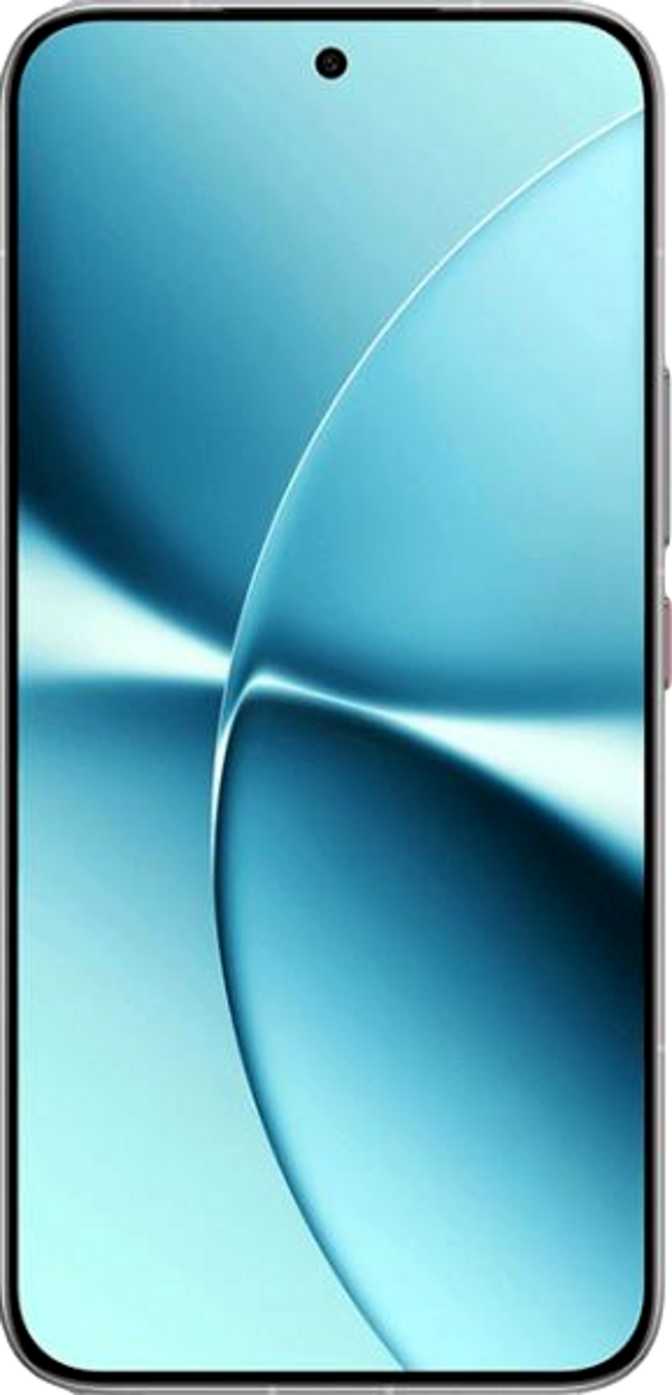
Xiaomi Redmi Turbo 5 Max: Flagship Performance at a Mid-Range Price
SmartphonesThere's a familiar story with mid-range Android phones: great performance paired with mediocre battery life, or a gorgeous screen attached to a sluggish processor, or a compelling price tag carrying a camera that disappoints the moment the sun sets. The Xiaomi Redmi Turbo 5 Max doesn't read from that script. This phone makes a direct argument that you shouldn't have to choose — and the argument is unusually convincing.
What makes the Turbo 5 Max interesting isn't any single specification. It's the combination: a flagship-class processor, a display large enough to challenge tablets, a battery capacity that makes most competitors look timid, and a build that can survive a swim. Together, in a phone that isn't priced at the very top of the market, they're worth a serious look.
At a Glance
Expert verdict summary
An excellent phone for heavy users who prioritize performance and battery life. Minor trade-offs in the camera department and the absence of wireless charging prevent a perfect score.
| Display | 6.83" OLED, 120 Hz, HDR10+, 447 ppi |
|---|---|
| Processor | MediaTek Dimensity 9500 (3 nm) |
| RAM / Storage | 16 GB LPDDR5 / 512 GB |
| Rear Cameras | 50 MP (f/1.5) + 8 MP Ultrawide |
| Front Camera | 20 MP (f/2.2) |
| Battery | 9,000 mAh — 100 W wired charging |
| Water Resistance | IP68 (up to 1.5 m depth) |
| Connectivity | 5G, Wi-Fi 7, Bluetooth 5.4, NFC |
| OS | Android 16 |
| Dimensions / Weight | 163 × 77.9 × 8.2 mm, 219 g |
| Headphone Jack | Absent (USB-C only) |
| Wireless Charging | Not supported |
Design and Build Quality
Physical experience, dimensions, and durability
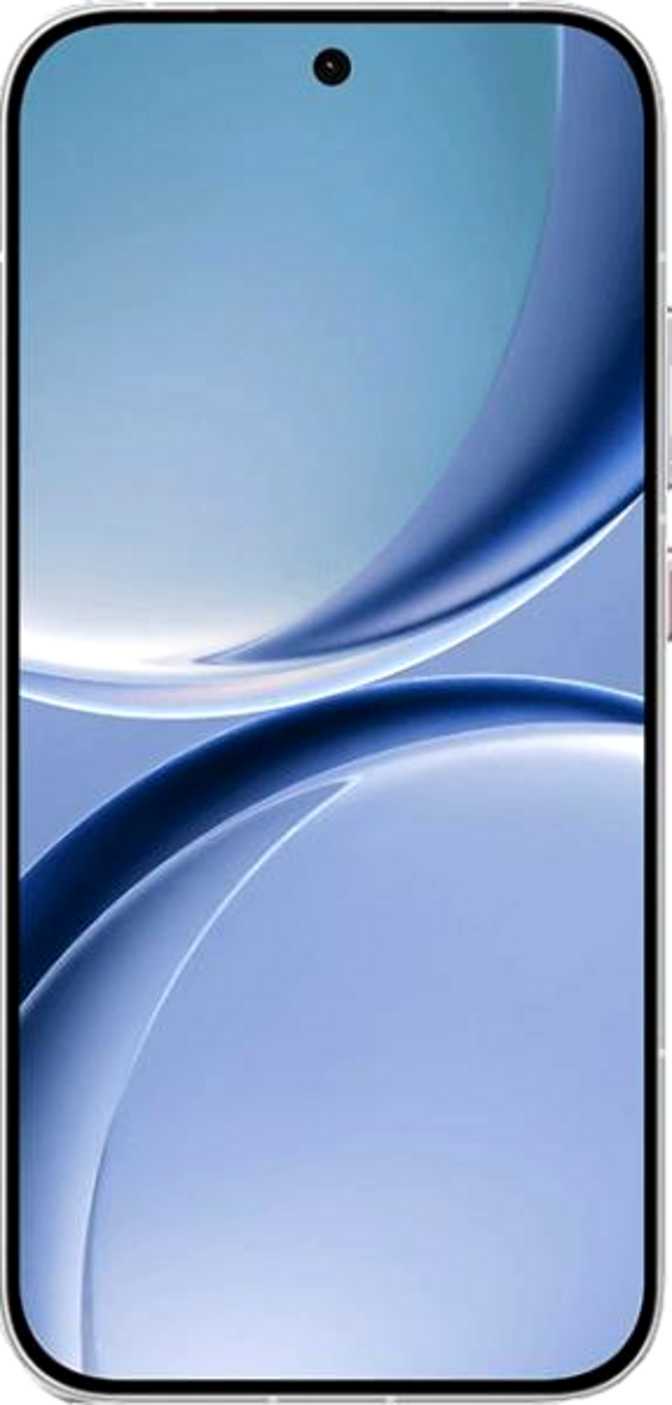
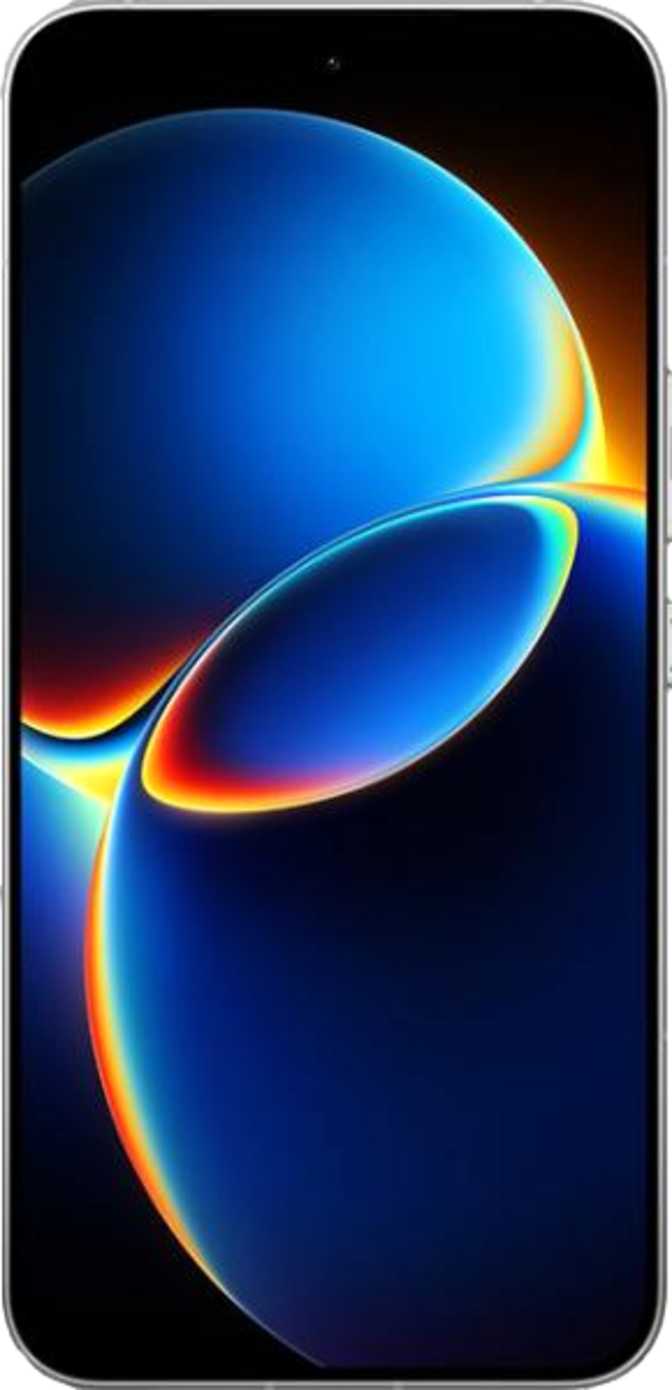
At 163 mm tall and nearly 78 mm wide, the Redmi Turbo 5 Max is unambiguously a large phone. Anyone coming from a compact device will need an adjustment period. One-handed use is possible but not comfortable for extended sessions — this is a two-handed phone that rewards the user who leans into its size rather than fighting it.
The 8.2 mm profile is the pleasant surprise. For a device carrying the battery it does, that thinness is a genuine engineering achievement. It doesn't feel like a brick in the pocket. At 219 grams, it lands in the "noticeable but not burdensome" zone — heavier than a compact phone, lighter than you'd expect given its ambitions.
The display is flat rather than curved, which splits opinion. Flat screens are easier to protect with third-party screen protectors, less prone to accidental edge touches, and simpler to use inside cases. Pragmatic buyers will appreciate it; those who associate curved glass with premium feel may find it less exciting. The phone does not include branded damage-resistant glass in its specification, so a quality screen protector is recommended from day one.
IP68 Water Resistance
Rated to survive submersion in up to 1.5 meters of fresh water, the Turbo 5 Max handles rain, sink splashes, and accidental pool encounters without drama. This rating belongs on far more expensive devices, and its presence here matters. Physical damage and aging seals can reduce protection over time — treat it as meaningful everyday insurance, not a permanent guarantee.
Physical Specifications
- Height
- 163 mm
- Width
- 77.9 mm
- Thickness
- 8.2 mm
- Weight
- 219 g
- Display style
- Flat, non-folding
- Water rating
- IP68
- Depth rated
- 1.5 m
- Screen glass
- No branded coating
Display: A Panel That Earns Its Size
6.83" OLED · 120 Hz · HDR10+ · Always-On Display · 447 ppi
OLED Technology
Each pixel generates its own light. True blacks, vivid colors, and effectively infinite contrast — the same underlying technology found in phones costing significantly more.
120 Hz Refresh
Refreshes twice as fast as a standard 60 Hz display. Scrolling, swiping, and fast-moving content all feel noticeably smoother — once you experience it, standard rates feel sluggish.
HDR10+ Support
Covers the relevant standard for most streaming services. Highlights appear genuinely bright, shadows retain detail, and the overall image has real depth in compatible content.
The pixel density of 447 pixels per inch means text appears sharp and images look detailed even when held close to the face. Individual pixels are not discernible in normal use — this is a display that holds up under scrutiny.
Dolby Vision is not supported, which matters only if you are deeply invested in Apple TV+ or specific Dolby Vision workflows. For the vast majority of streaming content, HDR10+ covers everything you need.
The Always-On Display allows the screen to show the time, notifications, and status information without fully waking the panel — useful for glancing at the phone without picking it up.
Display Specifications
- Size: 6.83 inches diagonal
- Type: OLED / AMOLED
- Resolution: 1280 × 2772 pixels
- Pixel density: 447 ppi
- Refresh rate: 120 Hz
- HDR10+ supported
- Always-On Display
- Dolby Vision: Not supported
Performance: Flagship Power, No Asterisk
MediaTek Dimensity 9500 · 3 nm · 16 GB RAM · AnTuTu ~3.64M
The MediaTek Dimensity 9500 is a top-tier mobile processor built on the most advanced manufacturing process available today. A 3-nanometer process means more transistors fit into the same physical space, translating directly into better performance per watt — faster processing, better sustained efficiency, and less heat generation under load.
The processor uses a heterogeneous core arrangement: one high-performance core running above 4 GHz handles the most demanding tasks, three additional high-speed cores manage intense but sustained workloads, and four efficiency-focused cores handle background tasks without unnecessary battery draw. The phone can sprint when needed and conserve energy when it isn't.
Sixteen gigabytes of RAM, operating at speeds more commonly seen in workstations than smartphones, ensures the phone keeps many apps active simultaneously without dropping them from memory. Switching between a browser with multiple tabs, a messaging app, a streaming service, and a productivity tool without any of them reloading is a realistic expectation — not an optimistic one.
Benchmark Performance
These scores place the Dimensity 9500 firmly in flagship territory. The practical meaning: this phone will not be the bottleneck in any workflow you give it.
Storage and Memory
No memory card slot. The 512 GB of internal storage is your ceiling. Factor this in if you routinely fill devices with locally stored video, music libraries, or large game installations.
Camera System: Capable, With Honest Limitations
50 MP main · 8 MP ultrawide · 20 MP front · OIS · 4K @ 60 fps
Rear Camera Setup
The main camera uses a 50-megapixel sensor paired with an f/1.5 aperture — a wide aperture allows significantly more light to reach the sensor, which directly improves low-light photography. The back-illuminated sensor design further enhances the camera's ability to capture well-exposed images when light is limited.
The second rear camera is an 8-megapixel ultrawide lens with an f/2.2 aperture, adding compositional flexibility — fitting a full building, a group, or a landscape into the frame without stepping back.
No Telephoto Lens
There is no dedicated telephoto camera. The focal range covers 15 mm to 26 mm — wide to slightly normal. Users who frequently photograph subjects at a distance will rely on digital zoom, which degrades image quality. This is the most significant hardware omission in the camera department.
What the Camera Can and Cannot Do
- Optical Image Stabilization (OIS) — Physical hardware compensates for hand movement during photos and video, not just software processing
- 4K video at 60 fps — Higher frame rate preserves motion clarity for fast-moving subjects
- Continuous autofocus during video — Keeps subjects sharp as they move through the frame
- Phase-detection autofocus — Fast, accurate subject locking for still photos
- Manual controls: ISO, aperture, focus, and white balance are all accessible
- Slow-motion video, HDR mode, burst mode, timelapse — all present
- No RAW capture — Limits post-processing options for photographers who edit in Lightroom or similar applications
- No HDR10 or Dolby Vision video recording
- No front flash — Backlit selfie scenarios rely on screen brightness or post-processing
Who the Camera System Is For
Everyday photographers, social media creators, and casual video makers will find the camera entirely satisfying. Strong daylight performance, capable low-light shooting, and solid video stabilization cover the vast majority of use cases.
Dedicated mobile photographers who rely on telephoto zoom, RAW file flexibility, or Dolby Vision video will find it falls short of top camera phones in the market — but those devices cost considerably more.
Battery Life: The Most Compelling Argument for Buying This Phone
9,000 mAh · 100 W wired charging · No wireless charging
Nearly double the capacity of many competing smartphones — enough for multi-day use in moderate conditions
The battery capacity in the Redmi Turbo 5 Max is exceptionally large. Paired with an efficient 3-nanometer processor that manages power intelligently, the practical result is multi-day battery life for moderate users and a full day with hours to spare for heavy users.
Put directly: charging the phone every night before bed becomes an old habit rather than a necessity. For travelers, people with demanding days, or anyone who finds low-battery anxiety relatable, this specification alone changes the daily experience of owning a phone.
When you do need to charge, the 100-watt wired capability refills the battery far faster than a typical charger allows. A large battery that takes all day to top up is a frustration; a large battery that recovers a substantial charge in under 30 minutes is a feature.
Important Trade-Off
Wireless charging is not supported. Neither is reverse wireless charging for accessories like earbuds. Users who have built a wireless charging routine into their life will need to adjust. This is a real sacrifice worth factoring into your decision — it's not a minor footnote.
Software: Android 16 with Xiaomi's Customization
Android 16 · Privacy tools · Split-screen · Dark mode · Voice commands
The Redmi Turbo 5 Max ships with Android 16, placing it at the current leading edge of the Android ecosystem. The software includes a comprehensive set of privacy tools that are meaningful rather than superficial — genuine controls over what apps can see and access.
Updates are delivered through Xiaomi rather than directly from Google — the standard practice for Android manufacturers. Major version updates and security patches depend on Xiaomi's own release schedule, which is worth understanding if long-term software support is a priority for you.
Privacy Controls
- Per-app camera and microphone access controls
- App tracking restrictions
- Clipboard access warnings
- Granular location sharing options
Practical Daily Features
Connectivity: Well-Equipped Where It Counts
5G · Wi-Fi 7 · Bluetooth 5.4 with aptX HD · NFC · GPS + Galileo
What's Included
- Wi-Fi 7 (802.11be) — The latest wireless standard, offering lower latency and higher throughput. Most relevant for competitive gaming, large file transfers, and congested home networks with many devices.
- 5G connectivity — Supported across both SIM slots in this dual-SIM configuration.
- Bluetooth 5.4 with aptX HD — High-fidelity wireless audio through compatible headphones. Genuine hi-fi quality, not a consolation prize for the absent headphone jack.
- NFC — Enables contactless payments, access cards, and device pairing.
- GPS + Galileo — Multi-constellation satellite positioning for improved navigation accuracy.
- USB-C port — Present for charging and data transfer. Fingerprint scanner is integrated for biometric authentication.
What's Missing
- No 3.5 mm headphone jack — Wired audio requires USB-C headphones or a USB-C to 3.5 mm adapter.
- USB 2.0 data transfer speed — Noticeably slower than USB 3.x for moving large files. Regularly transferring 4K video to a laptop via this port requires patience.
- No LDAC support — Sony's high-resolution wireless codec is absent. Relevant only if your headphones specifically require LDAC for their best performance mode.
- No infrared blaster — Cannot be used as a universal remote for televisions and other IR-controlled devices.
- No satellite emergency SOS — No emergency communication capability where cellular networks are unavailable.
Who Should Buy the Redmi Turbo 5 Max?
A clear-eyed guide to who this phone is designed for — and who should look elsewhere
- Power users who need performance headroom for demanding apps, games, and multitasking — without paying flagship prices
- Frequent travelers and heavy users for whom multi-day battery life genuinely changes their daily experience
- Users who want IP68 water resistance without purchasing a ruggedized or specialist device
- Anyone who streams, browses, or reads extensively — the large OLED display rewards that use comprehensively
- Users who want 5G connectivity and Wi-Fi 7 readiness without compromising on core experience
- Compact phone enthusiasts — at 163 mm tall, this is not a small device and will not feel smaller in person than it looks on a spec sheet
- Mobile photographers who rely on telephoto zoom — there is no optical zoom, and digital zoom degrades image quality significantly
- Wireless charging users with an established habit and accessory ecosystem built around it
- Audio enthusiasts whose headphones specifically require LDAC for maximum sound quality
- Buyers who want guaranteed, fast long-term OS update support delivered directly from Google
How It Compares: Competitive Positioning
The Redmi Turbo 5 Max across key categories versus typical alternatives
| Feature | Redmi Turbo 5 Max | Typical Upper-Mid-Range | Flagship Tier |
|---|---|---|---|
| Processor Class | Flagship (3 nm) | Mid-range or previous flagship | Flagship (3 nm) |
| Battery Capacity | Exceptionally large | Moderate to large | Moderate |
| Wired Charging | 100 W | 33 – 67 W | 25 – 80 W |
| Wireless Charging | Not present | Often present | Usually present |
| Water Resistance | IP68 | IP54 or IP67 | IP68 |
| Telephoto Lens | Absent | Often present | Usually present |
| Display | 6.83" OLED | 6.4 – 6.7" OLED/LCD | 6.1 – 6.9" OLED |
| Wi-Fi Generation | Wi-Fi 7 | Wi-Fi 6 | Wi-Fi 6 / 6E / 7 |
The Redmi Turbo 5 Max wins convincingly on processing power, battery capacity, and charging speed within its pricing tier. It concedes ground on wireless charging and telephoto camera capability — areas where competitors with specialized hardware configurations hold an advantage.
Strengths and Weaknesses: An Honest Assessment
A balanced look beyond the headline specifications
The Redmi Turbo 5 Max's greatest strength is coherence. Many phones at this price have a standout feature carried by a weaker supporting cast. Here, the processor is excellent, the display is excellent, and the battery is exceptional. There is no obvious weak link in the core daily experience.
The IP68 rating at this price tier is genuinely unusual and valuable. Water resistance has historically migrated slowly down from the flagship tier; finding it here, at this depth and duration, removes a real source of everyday anxiety at a price point that rarely offers it.
The battery and charging combination is the headline feature for good reason. A battery this large paired with 100-watt wired charging solves both endurance and recovery simultaneously — something even more expensive phones often fail to achieve in the same package.
The absence of wireless charging is the most impactful weakness. This isn't about speed — wired charging is fast enough to make speed irrelevant. It's about convenience and habit. A phone that cannot sit on a wireless charger on a desk or in a car costs meaningful daily friction for users who've built that workflow into their routine.
The camera system is good without being remarkable. The primary wide camera performs well in varied lighting. The ultrawide adds compositional flexibility. But the absence of a telephoto lens limits the system for anything beyond normal shooting distances, and the lack of RAW capture limits post-processing for serious photographers.
USB 2.0 data speeds are a frustration for anyone who regularly moves large files. In an era where 4K video files are large and plentiful, transferring a day's footage to a laptop requires patience. It's a specification that feels out of place on otherwise forward-looking hardware.
Common Questions Answered
Answers to what real buyers search for before purchasing
Buy It If Performance and Battery Life Are Your Priorities
The Xiaomi Redmi Turbo 5 Max makes a compelling case for a specific kind of buyer: one who wants flagship-level processing, a large and beautiful display, exceptional battery endurance, and water resistance — and is willing to accept the absence of wireless charging and optical telephoto zoom to get it.
If those trade-offs don't apply to your daily life, this phone is close to unbeatable at its price. The combination of core hardware quality — processor, display, and battery all performing well above what this tier typically offers — makes it a phone that won't disappoint a year from now when apps and games demand more from the hardware beneath them.
If you rely on wireless charging, shoot at zoom frequently, or need a compact device, look elsewhere. The phone is honest about what it is. It doesn't pretend to be a universal answer for every buyer.
For the user it's designed for, the Redmi Turbo 5 Max is a rare thing: a phone where the specification list matches the experience of using it, and where neither reads like a series of compromises.