At a Glance
Design and Build Quality
A Slab That Earns Its Size
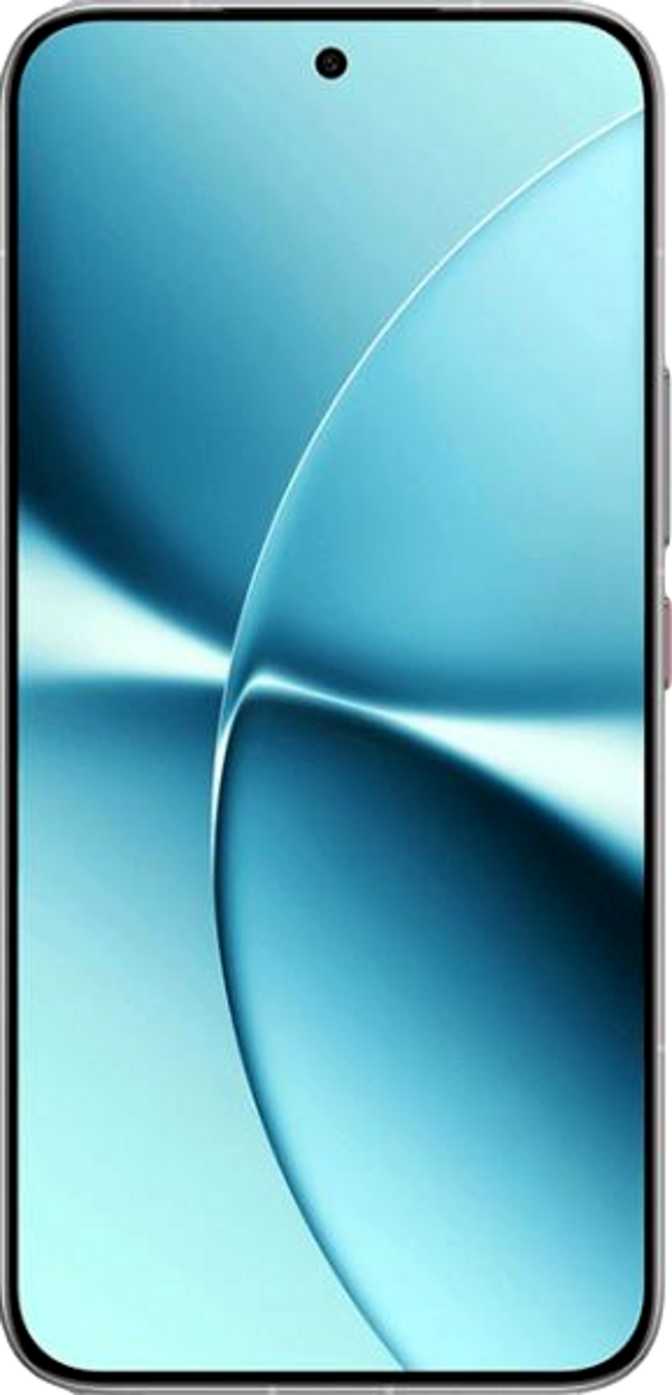
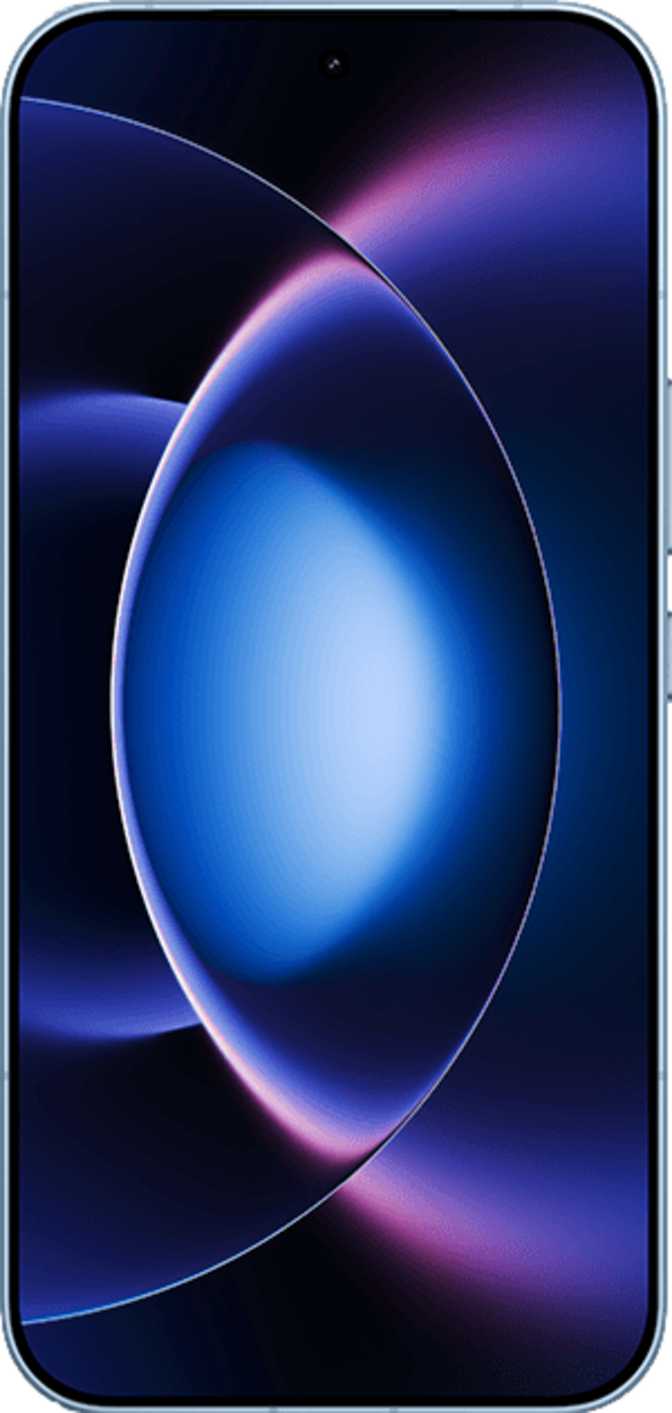
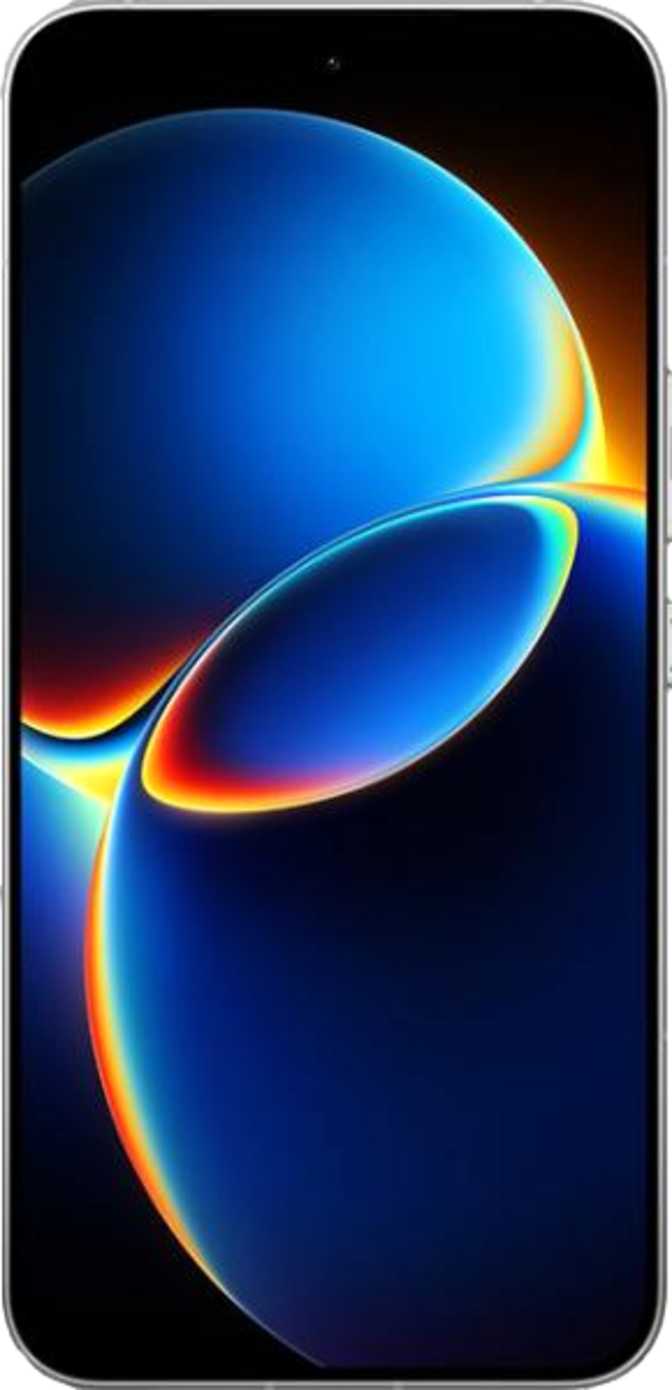
At 162.9mm tall and 77.9mm wide, the Redmi K90 Max is unambiguously a large phone. Buyers with smaller hands should hold one before committing — one-handed operation will require deliberate grip adjustments. That said, Xiaomi has managed the physics intelligently: at 8.2mm thick, this is a genuinely slim device for what it contains inside. The result is a handset that sits in a jacket pocket without announcing itself.
The 227g weight sits on the heavier end of the spectrum. This isn't a phone you'll forget is in your hand, but the mass feels intentional rather than careless — a consequence of the substantial battery housed inside rather than any build inefficiency. After a few days, most users stop noticing it.
The display is protected by damage-resistant glass, offering meaningful protection against drops and everyday scratches. The screen is flat rather than curved — a practical choice that benefits both durability and touch accuracy at the edges, where curved displays often suffer from accidental inputs.
IP69 Waterproofing
Most flagship smartphones carry IP68 protection, which covers submersion at low pressure. IP69 adds resistance to high-pressure, high-temperature water jets — the kind used in industrial cleaning environments. The K90 Max covers both.
- Certified submersion to 1.5 meters
- High-pressure water jet resistance
- High-temperature water resistance
- Exceeds standard IP68 flagship protection
Display: When Specs Become Experience
Brightness That Changes Everything
The 6.83-inch OLED panel on the Redmi K90 Max isn't just large — it's luminous in a way that redefines outdoor usability. At peak brightness, this screen makes competing OLED panels look dim in direct comparison. Even in harsh midday sunlight, content remains fully readable without shielding the screen with your hand. For anyone who has squinted at a phone screen outdoors, this is a meaningful quality-of-life upgrade.
Indoor viewing benefits equally. Colors are deeply saturated in the way only OLED technology delivers, with true blacks that make dark mode content — especially movies and games — visually striking. The panel's HDR support extends to both HDR10+ and Dolby Vision, covering the full range of streaming content on platforms like Netflix, Prime Video, and Disney+.
Smoothness at 165Hz — and Touch Response at 480Hz
Standard smartphones run at 60Hz; most mid-range models top out at 90–120Hz; many flagship devices sit at 120Hz. At 165Hz, motion looks dramatically smoother — whether scrolling a news feed, swiping between apps, or playing a fast-paced game. The difference between 60Hz and 165Hz is immediately obvious to anyone.
The touch sampling rate runs at 480Hz, meaning the screen polls your finger position effectively eight times per second. For mobile gamers, this minimizes the gap between intent and on-screen action. Non-gamers will feel the benefit as a general responsiveness that makes the interface feel alive. The Always-On Display mode shows the time and notifications while the main screen sleeps — efficient on OLED since only active pixels illuminate.
Display Specifications
| Technology | OLED / AMOLED |
| Size | 6.83 inches |
| Resolution | 1280 × 2772 px |
| Pixel Density | 447 ppi |
| Peak Brightness | 3,500 nits |
| Refresh Rate | 165Hz |
| Touch Sampling | 480Hz |
| HDR Support | HDR10+ & Dolby Vision |
| Always-On Display | Yes |
Performance: The Dimensity 9500 at Its Core
What a 3-Nanometer Chip Actually Means
The MediaTek Dimensity 9500 powering the Redmi K90 Max is built on a 3-nanometer manufacturing process — the same generation used in the most advanced processors at the highest tier of the smartphone market. The significance isn't just raw performance: smaller transistors mean more processing power delivered per unit of energy consumed. The result is a chip that performs at the highest level while running cooler and lasting longer than chips built on older nodes.
The processor uses a heterogeneous architecture, pairing a prime core capable of reaching 4.21GHz for burst performance with high-performance cores and efficiency cores for lighter tasks. Demanding workloads get maximum power when needed; routine tasks — scrolling, messaging, streaming — draw from efficient cores to conserve energy.
Memory That Doesn't Slow Down
The 16GB of RAM uses the latest DDR5 memory generation at exceptionally high frequency, delivering a peak bandwidth of 85.3GB/s. This phone loads apps almost instantly, keeps many apps active in the background simultaneously, and never forces you to wait. The 16MB L3 cache further accelerates frequently accessed data.
The 1TB storage configuration means most users will never encounter a "storage full" notification for the life of this device. Given there is no external memory card slot, having this capacity built in matters considerably. The Mali G1 Ultra MP12 GPU, running at 1,750MHz, handles console-quality mobile games at their highest settings without throttling under sustained load.
Chipset Overview
| Chipset | Dimensity 9500 |
| Process Node | 3 nm |
| Prime Core | 4.21 GHz |
| RAM | 16 GB DDR5 |
| Peak Bandwidth | 85.3 GB/s |
| Storage | 1 TB |
| GPU | Mali G1 Ultra MP12 |
| GPU Clock | 1,750 MHz |
Camera System: Capable and Honest
Main Camera: 50MP with OIS
The primary camera uses a 50-megapixel sensor with an f/1.7 aperture — a wide maximum opening that allows significantly more light into the sensor than typical f/2.0 or f/2.2 lenses. This directly improves low-light performance, producing brighter, cleaner images in dimly lit environments. Optical Image Stabilization compensates for hand movement during capture, benefiting both low-light photography and video recording at the hardware level rather than relying on software correction alone.
The autofocus system combines phase-detection — fast and accurate for still subjects — with laser autofocus, which excels in low-light conditions where contrast-based systems struggle. In practice, the camera locks focus quickly and reliably across a wide range of conditions. Full manual controls are available for ISO, exposure, focus, and white balance, and RAW capture is supported for post-processing without compression penalties.
Video: 8K Recording Capability
The main camera records video at 8K resolution — 4,320 lines of vertical resolution at 30 frames per second. For perspective: 4K video has 2,160 lines. 8K captures four times as many pixels, providing exceptional latitude for cropping and reframing footage in post-production without quality loss. Continuous autofocus during recording maintains sharp focus on moving subjects without manual intervention.
Notable Camera Limitations
- No optical zoom — images degrade at distance in ways a telephoto lens prevents
- HDR10 and Dolby Vision video recording are not supported
- No front-facing flash — low-light selfie performance is affected
- Sensor architecture may limit the low-light ceiling compared to rivals with newer sensor designs
Camera Specifications
| Main Sensor | 50 MP, f/1.7 |
| Secondary Camera | 8 MP, f/2.2 |
| Front Camera | 20 MP |
| OIS | Yes |
| Autofocus | PDAF + Laser AF |
| Max Video | 8K @ 30fps |
| Optical Zoom | None |
| RAW Capture | Yes |
| Slow Motion | Yes |
Manual Controls Available
Battery and Charging: The Long-Haul Advantage
The battery capacity in the Redmi K90 Max is among the largest found in any smartphone at any price point. Paired with the efficiency gains of the 3-nanometer chipset, most users will comfortably complete a full day of heavy use and wake up the following morning with meaningful charge remaining. Moderate users — primarily using the phone for communication, social media, and occasional streaming — should reliably see use extend into a second day.
When the battery does need replenishing, 100-watt wired charging makes it a fast process. A phone with this battery capacity charged at this speed can go from critically low to functionally full in a time window that fits into a lunch break or a short meeting. Overnight charging is possible — but fast-charge capability means it never feels obligatory. The reverse wireless charging function turns the K90 Max into a portable charger for compatible accessories without needing a separate power bank.
No Wireless Charging
The Redmi K90 Max cannot be wirelessly charged — it receives power only through its USB-C cable. Users who have integrated charging pads into their daily routine will need to adjust. Given the 100W fast-charge speed, the practical inconvenience is limited — but it remains a gap compared to flagship competitors.
Software and Operating System
Android 16 Out of the Box
The Redmi K90 Max ships with Android 16, the latest version of Android, providing access to the newest platform features, security improvements, and app compatibility before most competing devices. Xiaomi's HyperOS interface layer brings theme customization, dynamic theming, and UI personalization options. Split-screen multitasking, picture-in-picture mode, full-page screenshots, and home screen widgets are all present.
Software updates are delivered through Xiaomi rather than directly from Google — meaning the cadence and longevity of support depends on Xiaomi's update policy rather than the Android release schedule. Buyers planning to keep the phone for several years should consult Xiaomi's current stated support timeline for the K90 Max.
Privacy Controls and Features
Connectivity: The Full Stack
The Redmi K90 Max supports Wi-Fi 7 — the latest generation of wireless networking — alongside full backward compatibility with older standards. Wi-Fi 7 delivers substantially higher theoretical speeds and better performance in congested network environments compared to Wi-Fi 6. Combined with 5G cellular support, this phone is prepared for network infrastructure that is still being rolled out in most markets.
The USB-C port supports the USB 3.2 standard, enabling fast data transfers to computers and external storage — significantly faster than the USB 2.0 standard found on many competitors. This is particularly relevant for transferring 8K video files, large photo libraries, or substantial app data.
An infrared sensor allows the phone to function as a universal remote for televisions, air conditioners, projectors, and other IR-controlled devices. This is a small but genuinely useful feature that Xiaomi has consistently included when many brands have abandoned it. The phone supports dual SIM cards simultaneously — useful for separate personal and work numbers or a local data SIM while traveling.
Connectivity Specifications
| Feature | Details |
|---|---|
| Wi-Fi | Wi-Fi 7 + 6 / 5 / 4 |
| Cellular | 5G + LTE, Dual SIM |
| Bluetooth | 5.4 |
| USB Port | USB-C 3.2 |
| NFC | Yes |
| GPS | GPS + Galileo |
| Infrared | Universal Remote |
| Fingerprint | Yes |
| 3.5mm Jack | No |
| MicroSD | No |
Who This Phone Is For — and Who It Isn't
- Power users & heavy smartphone usersTop-tier performance without top-tier flagship pricing
- Mobile gamers165Hz display, 480Hz touch, GPU that sustains heavy load
- Travelers and outdoor usersIP69 water resistance that goes well beyond typical splash protection
- Media consumersLarge, exceptionally bright OLED for streaming and content creation
- Photography enthusiastsManual controls, RAW output, and 8K video recording
- Heavy battery usersMulti-day endurance — done with charge anxiety for good
- Telephoto zoom photographersNo optical zoom — distance shots will degrade noticeably
- Wireless charging habitsReceives no wireless charge — USB-C cable required
- Small-hand users6.8"+ devices are genuinely uncomfortable for one-handed use
- Wired headphone usersNo 3.5mm audio jack — Bluetooth audio only
- Premium wireless audio enthusiastsaptX, aptX HD, LDAC, and aptX Adaptive are all absent
Competitive Positioning
The Redmi K90 Max wins on display brightness, refresh rate, battery capacity, charging speed, and IP rating against most flagship alternatives. It concedes on telephoto capability and wireless charging reception. For buyers whose priority list weights performance, endurance, and display quality over camera versatility, the trade-off consistently favors this phone.
| Feature | Redmi K90 Max | Typical Flagship Competitor |
|---|---|---|
| Chipset Generation | 3nm Dimensity 9500 | 3nm (varies by brand) |
| Display Brightness | 3,500 nits peak | Typically 2,000–3,000 nits |
| Refresh Rate | 165Hz | 120Hz (most), some 144Hz |
| Battery Capacity | 8,550 mAh — class-leading | Typically smaller |
| Wired Charging Speed | 100W | 25W–67W (most flagships) |
| Water Resistance | IP69 | Usually IP68 |
| Telephoto Camera | Absent | Often present |
| Wireless Charging (receive) | Reverse only | Usually present |
| Price Tier | Sub-flagship | Full flagship pricing |
Strengths and Honest Weaknesses
The IP69 rating stands above what most flagships deliver — this is probably the most protected non-rugged smartphone you can find at any price. The display is, without qualification, one of the brightest OLED panels in consumer smartphones, and the 165Hz refresh rate combined with 480Hz touch sampling makes it feel responsively alive in a way that matters during daily use and gaming alike.
The Dimensity 9500 performs at the absolute ceiling of Android performance. There is no realistic scenario in daily use where this chip becomes a bottleneck. The 16GB of RAM ensures multitasking is genuinely frictionless, and 1TB storage removes a constraint that has frustrated users for years.
The large battery paired with 100-watt charging is a rare combination. This phone accommodates genuinely heavy usage patterns without the owner needing to think carefully about when and where they charge — a freedom that most smartphones, including expensive flagships, simply do not provide.
The absence of wireless charging is a step back from what competitors offer. Users who have integrated charging pads into their daily routine — bedside, desk — will feel this gap. The lack of a headphone jack eliminates a connectivity option that some buyers consider non-negotiable, and there's no adapter included in the box.
The camera system's absence of optical zoom is a meaningful limitation for anyone who photographs subjects at distance — wildlife, sports, architectural details. Digital zoom degrades quality in ways a dedicated telephoto lens prevents. The front camera's lack of a flash also affects low-light selfie performance.
Audio codec support deserves attention for wireless audio users: aptX, aptX HD, LDAC, and aptX Adaptive are all absent. Owners of premium wireless headphones that rely on high-quality codecs for near-lossless performance will not get that experience here.
Frequently Asked Questions
Final Verdict
The Xiaomi Redmi K90 Max is a phone for buyers who have grown impatient with compromise. It does not ask you to accept a middling camera to get a better display, or sacrifice battery life to get a slimmer design.
On its strongest dimensions — performance, display quality, battery endurance, charging speed, and water resistance — it is a legitimate rival to the most expensive phones on the market. Its display is among the best available at any price. Its chipset will remain capable for years. Its battery outlasts almost any competing device. Its water resistance is more rigorous than what typical flagships deliver.
The trade-offs are specific and knowable: no wireless charging, no telephoto lens, no headphone jack, no high-resolution audio codec support. For someone who games, streams, travels, or simply wants a phone that performs at a high level without requiring daily management, this is one of the most complete high-performance phones available at its price point — and it earns its place at the top of any shortlist.