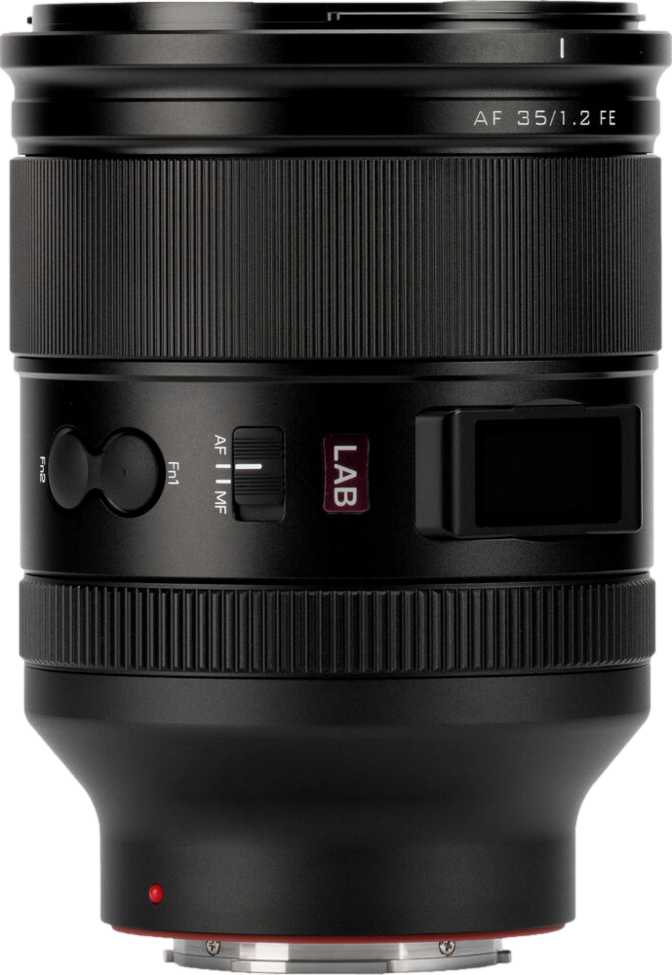
Viltrox AF 35mm f/1.2 LAB FE Review: A Fast Prime That Challenges the Field
Camera LensesThe 35mm focal length has earned its place as the default choice for photographers who want one lens that does nearly everything — street work, environmental portraits, travel, low-light reportage. It sits close enough to how the human eye perceives a scene to feel natural, yet wide enough to tell a story with context. For years, if you wanted a 35mm with a truly fast f/1.2 aperture on Sony's E-mount system, you were looking at a very short and very expensive list of options. The Viltrox AF 35mm f/1.2 LAB FE changes that calculus.
This is not a budget lens with aspirational branding. The LAB designation signals Viltrox's flagship optical tier — the company's stated intent to compete on optical performance, not just price. At 910 grams with a metal-barreled build and an eleven-blade aperture mechanism, it arrives with the physical presence of a serious piece of glass.
Build Quality and Physical Design
Construction and Materials
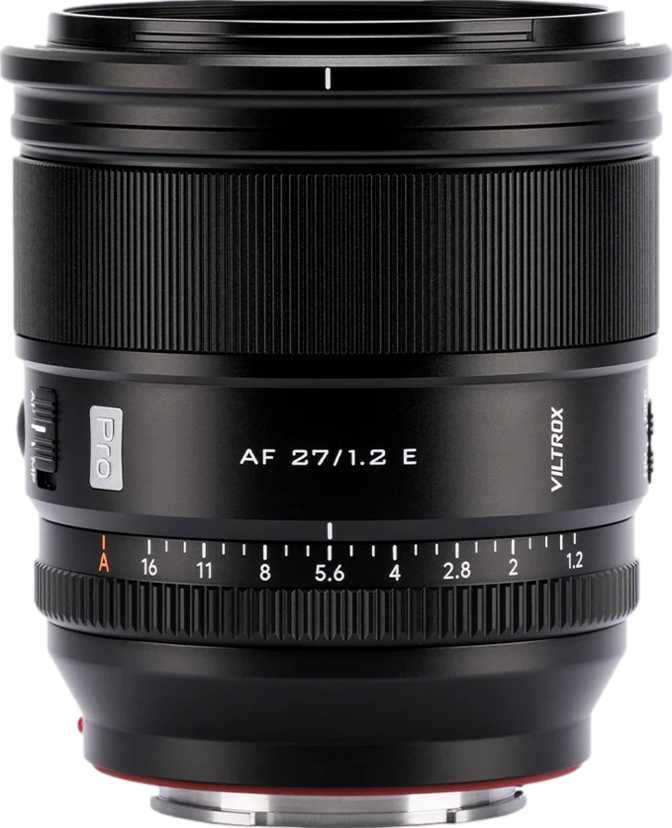
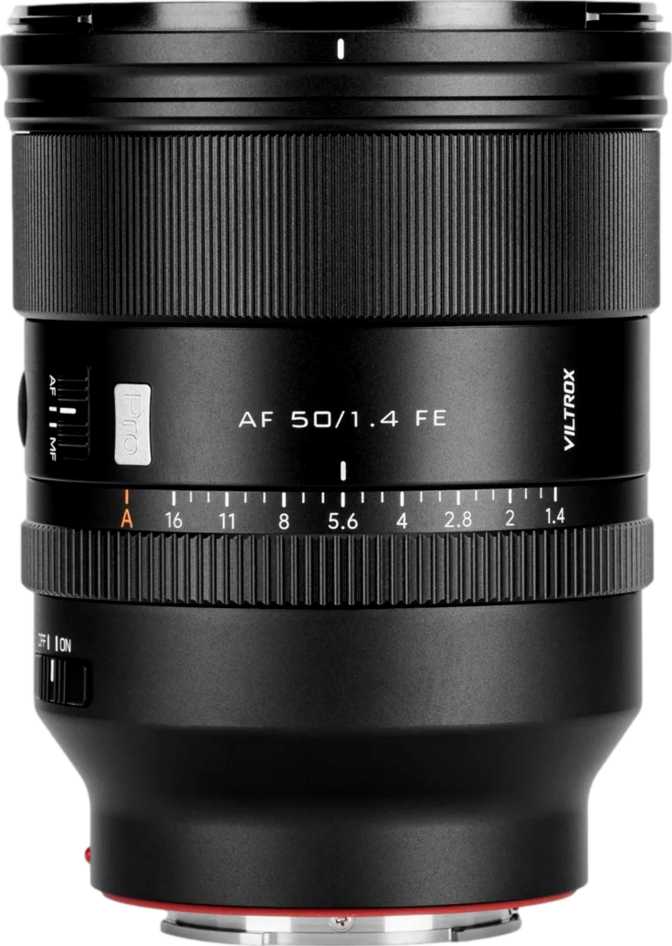
Pick up the Viltrox AF 35mm f/1.2 LAB FE and the first thing you register is weight. At 910 grams, this lens is substantial — roughly comparable to some full-frame telephoto primes rather than what most photographers expect from a wide-angle prime. That mass comes from a genuinely dense metal barrel construction that communicates quality immediately. There's no flex, no creaking, and no sense of hollow plastic hiding inside.
The metal lens mount is a meaningful detail: the junction between lens and camera body takes repeated stress over years of use, and a metal mount holds its tolerances far longer than engineering plastic alternatives. The 77mm filter thread is a practical consideration — it's a common professional filter size, meaning you're unlikely to need an adapter for existing circular polarizers or ND filters.
Critically, the front element does not rotate during autofocus or manual focus operation — a detail that matters enormously if you use graduated ND filters or polarizers, where even slight rotation ruins alignment.
Build Highlights
- Full metal barrel construction with no flex or creaking
- Metal lens mount for long-term tolerance retention
- Non-rotating 77mm front element — filter-friendly
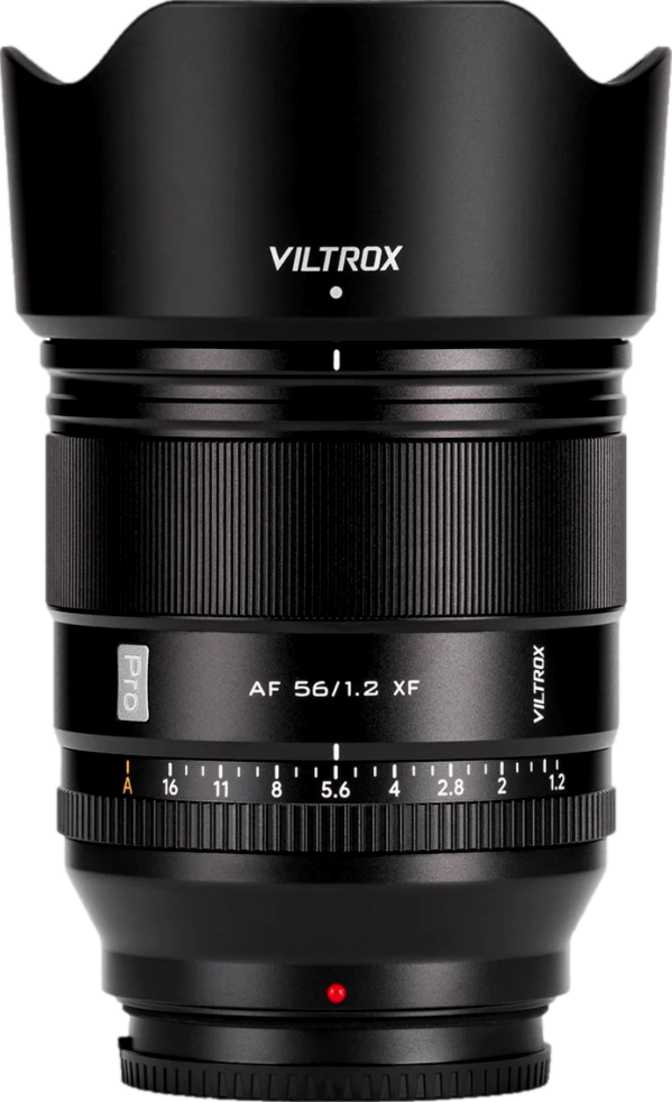
- Reversible petal-style lens hood included in box
- Full-time manual focus override without mode switching
Notable Omission: Weather Sealing
The Viltrox AF 35mm f/1.2 LAB FE carries no moisture or dust resistance. For a lens at this price and build tier, that absence is worth flagging — Sony's own G Master lenses at comparable focal lengths include weather sealing. If you primarily shoot indoors, in studios, or in controlled environments, this limitation is largely irrelevant. But if wet-weather shooting is part of your regular practice, plan accordingly.
The Included Lens Hood
Viltrox includes a petal-style lens hood in the box, and it reverses for compact storage — a small but appreciated touch that avoids the frustration of finding somewhere to put a hood when you pull it off in the field. The hood also provides meaningful physical protection for the front element during the kind of casual bumps that inevitably happen when carrying a lens of this size through crowds or up against bags.
The f/1.2 Aperture: What It Actually Means
The f/1.2 maximum aperture is the headline specification, and it deserves more than a number. Understanding what you're actually getting matters.
Light Gathering and Low-Light Performance
An f/1.2 aperture gathers significantly more light than the f/1.8 primes that represent the more common fast prime category — the difference is approximately two-thirds of a stop over f/1.4, and roughly one and a third stops over f/1.8. In practical terms, if a scene requires ISO 3200 at f/1.8, that same scene could potentially be shot at ISO 1600 or lower at f/1.2. In candle-lit venues, dim restaurants, or indoor events without flash, that extra light-gathering capacity has a direct, visible effect on image quality.
Depth of Field and Bokeh Rendering
At f/1.2 on a full-frame Sony body, the depth of field becomes genuinely razor-thin at closer focus distances. The eleven-blade aperture mechanism produces a near-circular opening even at mid-range apertures like f/2 or f/2.8, which means out-of-focus specular highlights render as smooth circles rather than the angular polygons you see from five- or six-blade designs. This is particularly noticeable in night photography and in any scene with point light sources in the background.
Aperture Range at a Glance
| Setting | Value | Practical Use |
|---|---|---|
| Maximum Aperture | f/1.2 | Maximum light gathering, razor-thin depth of field, strongest bokeh |
| Mid Apertures | f/2 – f/5.6 | Sharper across the frame; still near-circular bokeh from 11 blades |
| Minimum Aperture | f/16 | Long exposures, maximum depth of field for architecture and landscape |
Autofocus Performance and Handling
Focus System
The Viltrox AF 35mm f/1.2 LAB FE uses a dedicated focus motor built into the lens barrel. The motor operates silently — a necessary characteristic for video work where any mechanical noise from the lens would bleed into on-camera audio, but also valuable in quiet environments like ceremonies, theater performances, or street photography situations where camera noise draws attention.
The lens supports full-time manual focus override, meaning you can grab the focus ring and make corrections at any time without switching between autofocus and manual modes. This is standard on professional lenses but not universal across all third-party options — its presence here confirms the lens's professional intent.
Minimum Focus Distance
The closest this lens can focus is approximately 34 centimeters from the front of the lens. For a wide-angle prime, this is a genuinely useful near-limit — at 35mm and f/1.2, shooting at that distance produces a compelling combination of environmental context and shallow focus that works well for food photography, product work, or close environmental details. The maximum reproduction ratio of 0.17x means this is not a macro lens, but it handles close-focus detail shots comfortably within real-world shooting scenarios.
Focus Specifications
- Focus Motor
- Built-in, silent
- Full-Time Manual Override
- Supported
- Infinity Focus
- Supported
- Minimum Focus Distance
- 0.34 m (34 cm)
- Max Magnification
- 0.17x
- Optical Stabilization
- Not included
Optical Performance: Reading Between the Specifications
The 64.2-degree angle of view is the natural field of view for a 35mm lens on a full-frame sensor — exactly what the geometry predicts, confirming this lens is designed for Sony full-frame E-mount bodies including the A7 and A9 series. It will also mount on APS-C Sony bodies, where the crop factor transforms it into an effective 52–53mm equivalent — a classic normal focal length, though you'd lose much of the wide-angle character that makes a 35mm lens distinctive.
Wide-aperture lenses must address significant optical challenges: chromatic aberration at edges, coma near frame corners at wide apertures, vignetting, and field curvature. The LAB designation implies that Viltrox has prioritized optical engineering in this design — the hardware foundation of a substantial metal barrel and dense optical assembly points toward serious aberration management investment.
No Optical Stabilization — Does It Matter? No optical image stabilization is built into this lens. Sony full-frame A7 and A9 series bodies include in-body image stabilization (IBIS), which compensates for this. If you're using a body with IBIS, this omission has no practical impact for most still photography. The f/1.2 aperture itself also makes achieving fast shutter speeds in available light considerably easier, reducing the need for stabilization in the first place.
Who This Lens Is For
Ideal Users
-
Portrait and People PhotographersWant a wider environmental perspective than 85mm or 50mm primes, with strong subject separation from backgrounds at f/1.2.
-
Low-Light and Available Light PhotographersDocumentary workers, event photographers, photojournalists shooting in dim venues without flash. The aperture advantage directly translates to lower ISOs and cleaner images.
-
Street and Travel PhotographersA single wide prime capable of handling architecture, candid portraits, and low-light scenes. The 35mm field of view becomes intuitive quickly.
-
Video ShootersNeed a wide, fast prime with silent autofocus. Silent focus motor, full-time manual focus, and non-rotating front element make this technically suitable for professional video.
Who Should Look Elsewhere
-
Adverse-Weather ShootersPhotographers who regularly shoot in rain or harsh environments need a sealed system — this lens cannot complete a weather-sealed body-and-lens pairing.
-
Macro and Extreme Close-Up PhotographersThe 0.17x maximum magnification ratio is not suitable for coins, insects, or extreme detail work. Dedicated macro glass will serve these needs better.
-
Lightweight Travel PhotographersAt 910 grams, this lens significantly adds to any kit. If physical weight and pack size are primary concerns, faster f/1.8 primes offer a more practical choice.
-
APS-C Users Wanting True 35mm Field of ViewThe crop factor shifts the effective angle of view toward a normal lens, changing the character of the focal length substantially.
Competitive Positioning
The Viltrox AF 35mm f/1.2 LAB FE operates in a specific and contested segment: fast wide primes for Sony E-mount. Here's how it stacks up against the logical alternatives.
| Lens | Max Aperture | Blades | Weather Sealed | Weight | Key Trade-off |
|---|---|---|---|---|---|
| Viltrox AF 35mm f/1.2 LAB FE | f/1.2 | 11 | 910g | No weather sealing | |
| Sony FE 35mm f/1.4 G Master | f/1.4 | 11 | 524g | One-third stop less light | |
| Sony FE 35mm f/1.8 | f/1.8 | 9 | 280g | Significantly slower aperture | |
| Sigma 35mm f/1.2 DG DN Art | f/1.2 | 11 | 1,090g | Heaviest option in class |
The Viltrox positions itself as the f/1.2 option for Sony E-mount photographers who don't want to carry the Sigma's weight and are prepared to manage weather exposure manually.
Honest Strengths and Weaknesses
The Viltrox AF 35mm f/1.2 LAB FE makes a compelling case in several areas where it simply has no direct equivalent in the Sony ecosystem. The f/1.2 aperture at this focal length, combined with the eleven-blade diaphragm, is a combination no native Sony prime currently offers. For photographers whose work depends on maximum light gathering and the specific rendering character that a near-circular aperture at f/1.2 produces, the Viltrox is currently the only realistic path short of the significantly heavier Sigma.
The build quality punches above the lens's price point in tangible ways — the metal barrel and mount, the non-rotating front element, and the silent autofocus motor are professional-tier specifications that hold up under daily use. The inclusion of a reversible hood is a minor but genuinely thoughtful detail that more expensive lenses sometimes skip.
Where It Excels
- Only native-mount f/1.2 wide prime for Sony E below Sigma's weight class
- Eleven-blade aperture delivers near-circular bokeh at all mid-aperture settings
- Metal barrel and mount construction clearly above its price tier
- Silent autofocus motor suitable for video and discreet shooting
- Non-rotating front element makes polarizer and ND filter use practical
Real Limitations
- 910 grams is a constant, daily reality — fatigue matters on long shoots
- No weather sealing is a notable gap at this build and price tier
- Size creates ergonomic imbalance on smaller APS-C bodies
- APS-C crop factor removes the wide-angle character of the focal length
Questions Real Buyers Ask
Final Verdict
Our clear, direct purchase recommendation
The Viltrox AF 35mm f/1.2 LAB FE occupies a specific and well-defined position in the Sony E-mount lens landscape: it is the most practical path to a native-mount f/1.2 wide prime on Sony full-frame without accepting the weight penalty of the Sigma alternative.
For low-light photographers, portrait artists working at environmental focal lengths, and anyone whose work genuinely demands the combination of f/1.2 light gathering and the character of an eleven-blade bokeh engine, this lens delivers a specification profile that Sony's own lineup currently doesn't match at this aperture.
The weight demands respect and honest self-assessment — if you're building a lightweight travel kit or a run-and-gun street setup, the size is a real friction point. The absent weather sealing is the more consequential limitation for photographers who work outdoors without reliable environmental control.
Our Recommendation
If your shooting conditions are manageable and your priority is maximum aperture performance at 35mm on Sony E-mount, the Viltrox AF 35mm f/1.2 LAB FE is the realistic choice. It delivers professional-grade construction, a focus system designed for modern camera workflows, and an optical specification that simply doesn't exist elsewhere in this weight class for this system. Buy it knowing what you're getting — a serious, heavy, fast lens that asks nothing of your expectations but delivers everything in exchange.