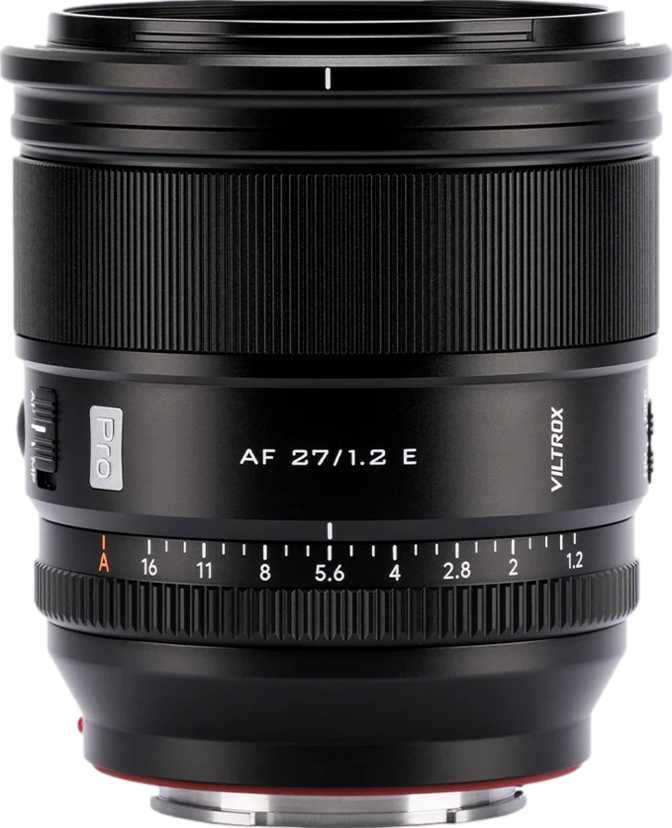
Viltrox AF 27mm f/1.2 Pro Review – The Fast Prime Sony APS-C Needed
Camera LensesThere's a quiet tension in the Sony APS-C ecosystem. The camera bodies are exceptional — compact, capable, and increasingly affordable — but the native lens lineup has always felt incomplete at the fast prime end. Third-party manufacturers have moved to fill that gap, and the Viltrox AF 27mm f/1.2 Pro makes one of the boldest moves in that space. A true f/1.2 aperture, autofocus, weather sealing, and a metal build, all in a native E-mount package — this lens punches well above the expectations many carry for the Viltrox brand. Whether it delivers on that promise in practice is exactly what this review examines.
Build Quality and Physical Character
Construction · Materials · Weather Sealing · Filter Thread
Construction and Materials
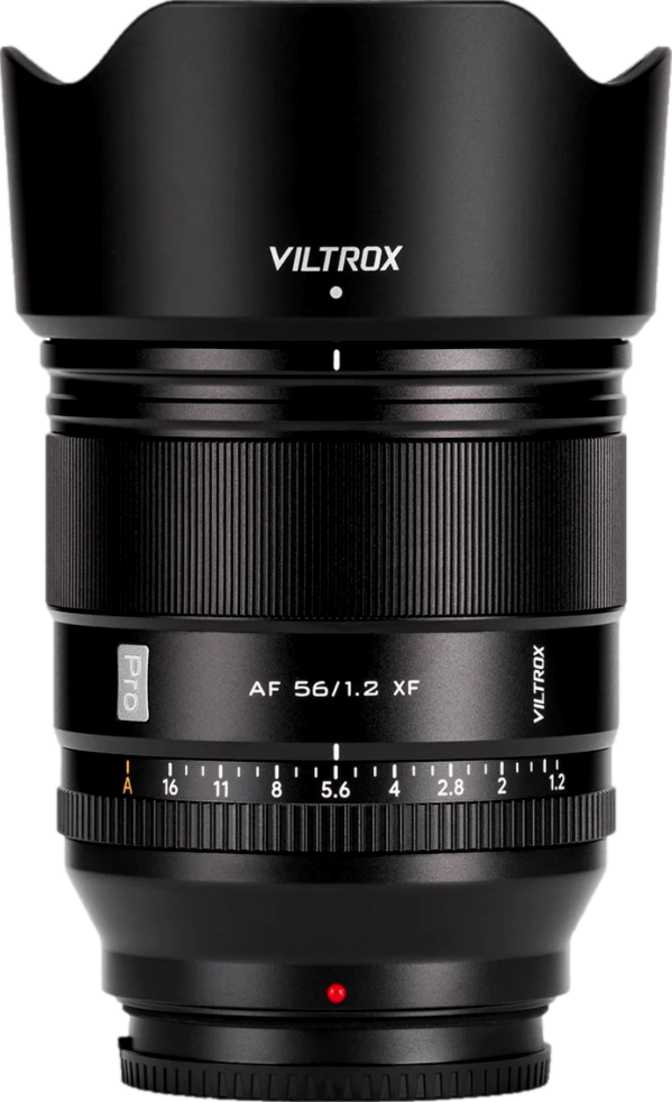
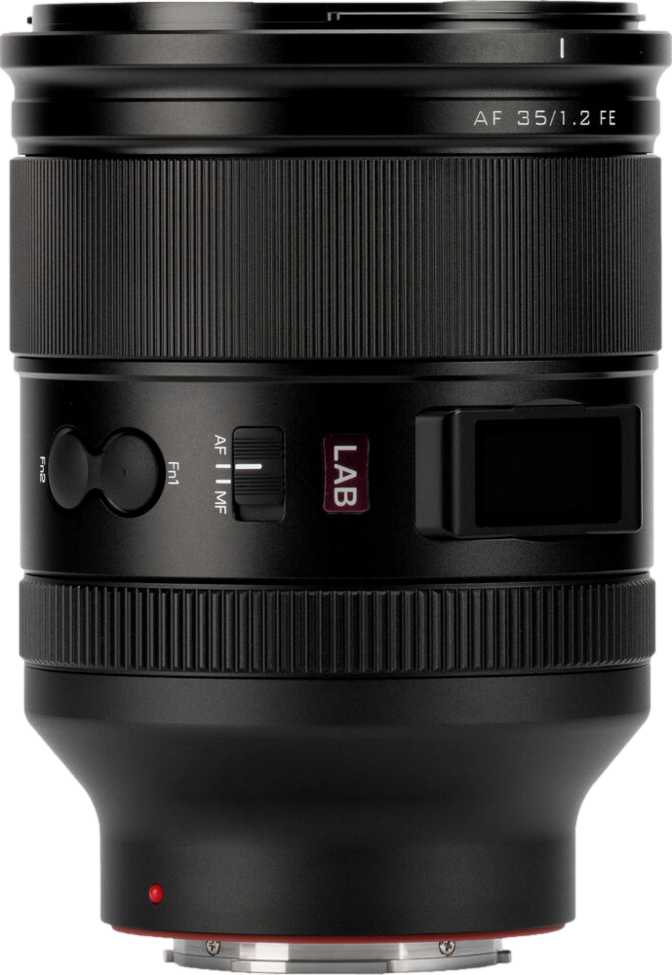
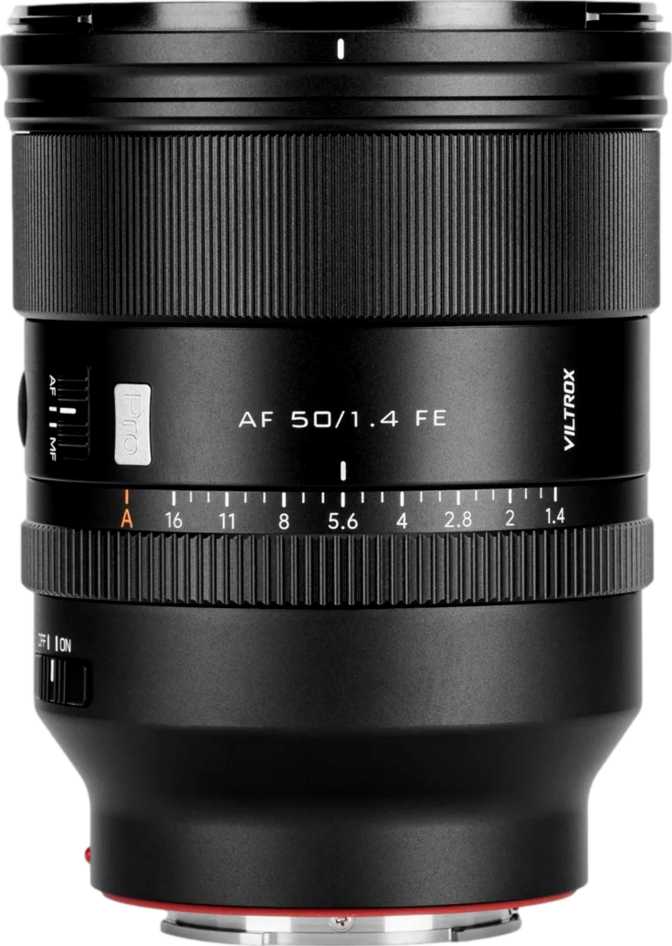
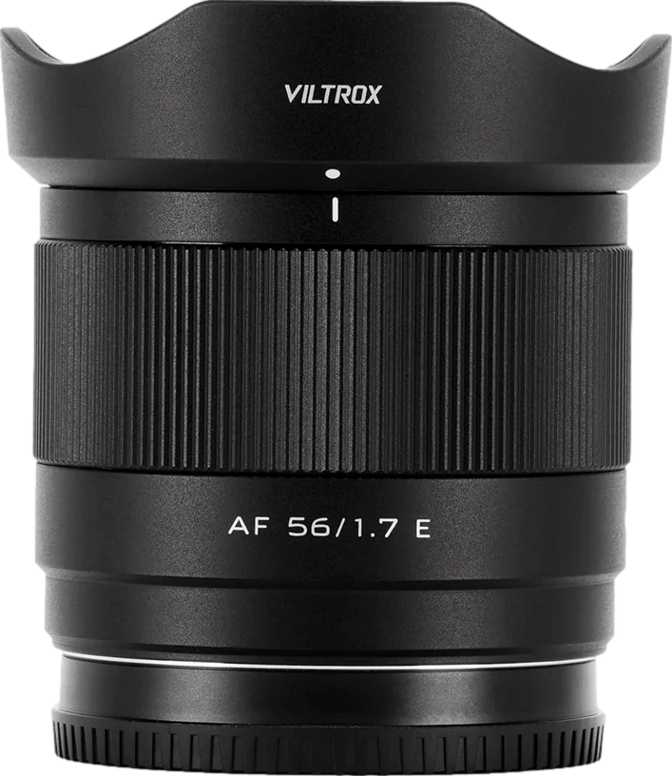
Pick up the Viltrox AF 27mm f/1.2 Pro and the first thing you notice is that it feels nothing like a budget lens. The barrel is finished in metal throughout, and the mount — also metal — connects to your Sony body with the kind of reassuring snugness that suggests long-term durability. This isn't a lens that flexes or creaks.
At 560 grams, it carries meaningful weight on an APS-C body. Paired with something like the Sony ZV-E10 or A6100, you'll feel noticeable front-heaviness. Paired with the more substantial A6700 or ZV-E1, the balance improves considerably. This is a lens that rewards being mounted on a camera with a proper grip.
Weather Sealing: A Genuine Differentiator
Finding weather protection on a third-party APS-C prime at any aperture is uncommon. At f/1.2, it's essentially unique in this mount. For photographers who shoot street, travel, or outdoor portraits — situations where light rain, humidity, or dusty environments are routine — this moves the lens from "interesting option" to genuinely compelling choice.
Weather sealing provides splash and moisture resistance — not submersion protection. For light rain, humidity, and dusty outdoor conditions, the protection is meaningful and real.
Filter Thread and Front Element Behavior
The 67mm filter thread is a practical, common size — shared with enough other lenses that existing circular polarizers or ND filters are likely to be reusable. The front element does not rotate during focus, meaning any filter orientation you set stays exactly where you put it throughout a shooting session. For polarizers, where rotation requires constant readjustment, this matters.
- 67mm filter thread — wide availability and reasonable filter cost
- Non-rotating front element — set polarizers and NDs once, forget them
- Full metal barrel and mount — built for longevity, not just appearance
- Lens hood included in box — a complete package out of the gate
Focal Length and Angle of View: What 27mm Actually Gives You
Field of View · Perspective · Ideal Subjects
On a Sony APS-C sensor, 27mm translates to a field of view equivalent to approximately 40mm on a full-frame camera. That places this lens in the "slightly wider than normal" zone — broader than the classic 50mm perspective that mimics natural human vision, but not so wide that straight lines bend or faces distort at the edges of the frame. The angle of view spans from roughly 55 degrees at its widest to 29 degrees in the narrower dimension, confirming the natural, rectilinear character of this focal length.
Environmental Portraits
Enough room to show context around your subject without stepping too far back
Street Photography
Natural, unforced framing that doesn't telegraph the camera's presence
Documentary & Travel
Versatile enough to switch between people and scenes without changing lenses
Everyday Carry
Honest, unpretentious perspective for daily shooting situations
Important framing note: This is not a wide-angle lens. It is a near-normal lens with extraordinary light-gathering ability. Buyers expecting dramatic wide-angle framing should look at shorter focal lengths.
The f/1.2 Aperture: What It Means Beyond the Spec
Light Collection · Depth of Field · Bokeh Quality
Light Collection in Real Terms
An f/1.2 aperture is exceptional by any standard. Compared to f/1.8 — already considered fast — f/1.2 admits roughly 2.25 times more light. Compared to a kit lens at f/5.6, the difference is staggering: approximately 21 times more light-gathering capability.
Real-World Low-Light Gains
- Dim restaurant lighting — sharp handheld shots where other lenses introduce blur or ISO noise
- Golden hour fading light — f/1.2 keeps pace as light drops faster than slower lenses can handle
- Flash-prohibited events — this aperture is transformative for venues that ban flash
- Window-lit interiors — environments that feel marginal at f/1.8 become comfortable shooting territory
Depth of Field and Subject Separation
At f/1.2 on an APS-C sensor, subject isolation is strong and unmistakable. Backgrounds blur into smooth wash rather than slightly rendered out-of-focus areas produced by slower lenses. Combined with a minimum focus distance of just 28 centimeters — meaning the front of the lens can be positioned less than 30cm from your subject — the lens creates genuinely striking close-up compositions with significant background separation.
The 11-Blade Rounded Aperture
Eleven rounded aperture blades is a number associated with premium optics. More blades produce a rounder aperture opening, which translates directly into the shape of out-of-focus highlights — the specular points of light appearing in backgrounds.
With 11 rounded blades, those highlights render as near-perfect circles rather than the octagonal or heptagonal shapes produced by fewer, straighter blades. For portrait and night photography where background light sources are part of the composition, this distinction is visible and appreciated.
Autofocus Performance: Built for Silence and Speed
Focus Motor · Silent Operation · Minimum Distance · FTM Limitation
The Focus Motor
A dedicated focus motor is built into the lens barrel itself — the correct architecture for Sony E-mount shooting. It allows the camera's on-sensor phase-detection AF system to work in full partnership with the lens rather than relying on slower contrast-detect methods. Eye AF, animal detection, and subject tracking on compatible Sony bodies all work as expected through this native communication.
Silent Operation for Video
The motor is designed to operate silently. For video shooters, this is critical — audible focus breathing or motor whine picked up by on-camera microphones is one of the fastest ways to compromise production value. The silent motor makes the Viltrox AF 27mm f/1.2 Pro a viable choice for video work in ways that mechanically noisier lenses are not.
Minimum Focus Distance
The 28cm minimum focus distance is genuinely close for a 27mm lens of this aperture. You can fill a significant portion of the frame with smaller subjects — product details, food, flowers, textured surfaces — without needing dedicated macro glass. The 0.15x maximum magnification won't replace true macro lenses, but it meaningfully extends the lens's practical versatility.
Full-Time Manual Focus Override — Know the Limitation
This lens does not support full-time manual focus (FTM/DMF on Sony systems). You cannot reach for the focus ring mid-AF operation and fine-tune focus without switching the lens or camera into a dedicated manual mode first. For stills photographers shooting in standard AF modes, this will never come up. For videographers who use manual focus pulls as a creative or corrective technique, this is a genuine workflow consideration worth factoring into the purchase decision.
Who This Lens Is Right For — and Who Should Look Elsewhere
Ideal Users · Mismatched Use Cases
This Lens Is For You If...
- You shoot portraits on Sony APS-C and want maximum background blur and low-light capability without moving to full-frame
- You shoot street or documentary work in variable lighting and want the reliability of weather sealing
- You are a content creator or vlogger on Sony APS-C who needs silent AF and strong low-light results for indoor or evening shooting
- You are transitioning from kit lenses and want one transformative fast prime covering a versatile, everyday focal length
Look Elsewhere If...
- You shoot on the smallest Sony APS-C bodies without a proper grip — 560g will feel front-heavy and awkward for extended handheld use
- You need optical image stabilization — there is none here, and on bodies without IBIS this matters for certain video and slow-shutter stills work
- You shoot wildlife or action — 27mm is a wide perspective unsuited to distant subject work, and this lens is not designed for it
- You shoot on a full-frame Sony body — this lens is designed for APS-C sensor coverage and is not the right tool for full-frame E-mount
Competitive Positioning: How It Stacks Up
Viltrox AF 27mm f/1.2 Pro vs. Sony APS-C E-mount Fast Prime Alternatives
| Lens | Aperture | Weight | Weather Sealed | OIS | Notable Trade-off |
|---|---|---|---|---|---|
| Viltrox AF 27mm f/1.2 Pro | f/1.2 | 560g | Heavier; no FTM | ||
| Sony E 35mm f/1.8 OSS | f/1.8 | 154g | Slower aperture; no sealing | ||
| Sigma 30mm f/1.4 DC DN | f/1.4 | 265g | Slower aperture; no sealing | ||
| Sony E 50mm f/1.8 OSS | f/1.8 | 202g | Different focal length; slower |
The Viltrox holds a clear lead in maximum aperture — no direct APS-C E-mount competitor touches f/1.2. It is the only option in this group with weather sealing. The cost of those advantages is the most substantial weight in the group and the absence of optical stabilization. For photographers who prioritize light gathering and environmental protection, the trade-off is straightforward. For those who prioritize portability or stabilized handheld shooting, Sony's lighter native options remain competitive.
Honest Assessment: Strengths and Limitations
A balanced look at where this lens excels and where it asks you to compromise
The Viltrox AF 27mm f/1.2 Pro is a lens built around a single compelling proposition: give Sony APS-C shooters the fastest autofocus prime available in this mount, with professional build standards. On those terms, it largely succeeds.
Where It Excels
The f/1.2 aperture is the story here, and it is a genuine capability rather than a marketing figure. The low-light performance that results, combined with the subject isolation potential on an APS-C sensor, gives photographers tools that were previously unavailable without moving to a larger, heavier full-frame system.
Adding weather sealing to that package at this aperture is genuinely unprecedented in the APS-C Sony ecosystem. The metal construction and silent AF motor round out a product that reflects genuine care for how photographers actually work — not just impressive on paper.
Where It Asks for Compromise
Five hundred and sixty grams is substantial for street or travel work, and photographers accustomed to featherweight Sony APS-C primes will feel the difference immediately. The absence of optical image stabilization means that on bodies without IBIS, blur from camera movement is a genuine consideration in slow-motion video or very slow shutter still work.
The lack of full-time manual focus override is a minor inconvenience for stills shooters and a moderate consideration for video operators working manually. None of these limitations are defects — they are engineering trade-offs made to deliver f/1.2, weather sealing, and silent AF together.
Common Questions from Buyers
The questions real buyers search for before purchasing
Final Verdict
Viltrox AF 27mm f/1.2 Pro
The Viltrox AF 27mm f/1.2 Pro earns a strong recommendation for Sony APS-C photographers who have been waiting for a fast, weatherproof prime that treats the APS-C format as a first-class system rather than a budget alternative. The f/1.2 aperture is the headline, but the complete package — metal construction, weather sealing, silent AF, non-rotating front element, and included lens hood — reflects a product designed with genuine care for how photographers actually work.
This is the lens to buy if you shoot portraits, street, events, or documentary work on Sony APS-C and want the maximum light-gathering capability currently available in a native autofocus mount. It is the lens to skip if you prioritize compact size, need optical stabilization on an unstabilized body, or shoot in contexts where a 27mm perspective doesn't serve your subject matter.
For the right photographer, on the right Sony body, this lens substantially changes what is possible with an APS-C system — and that is a meaningful thing to be able to say.
Quick Scorecard
Our Rating
4.5 / 5