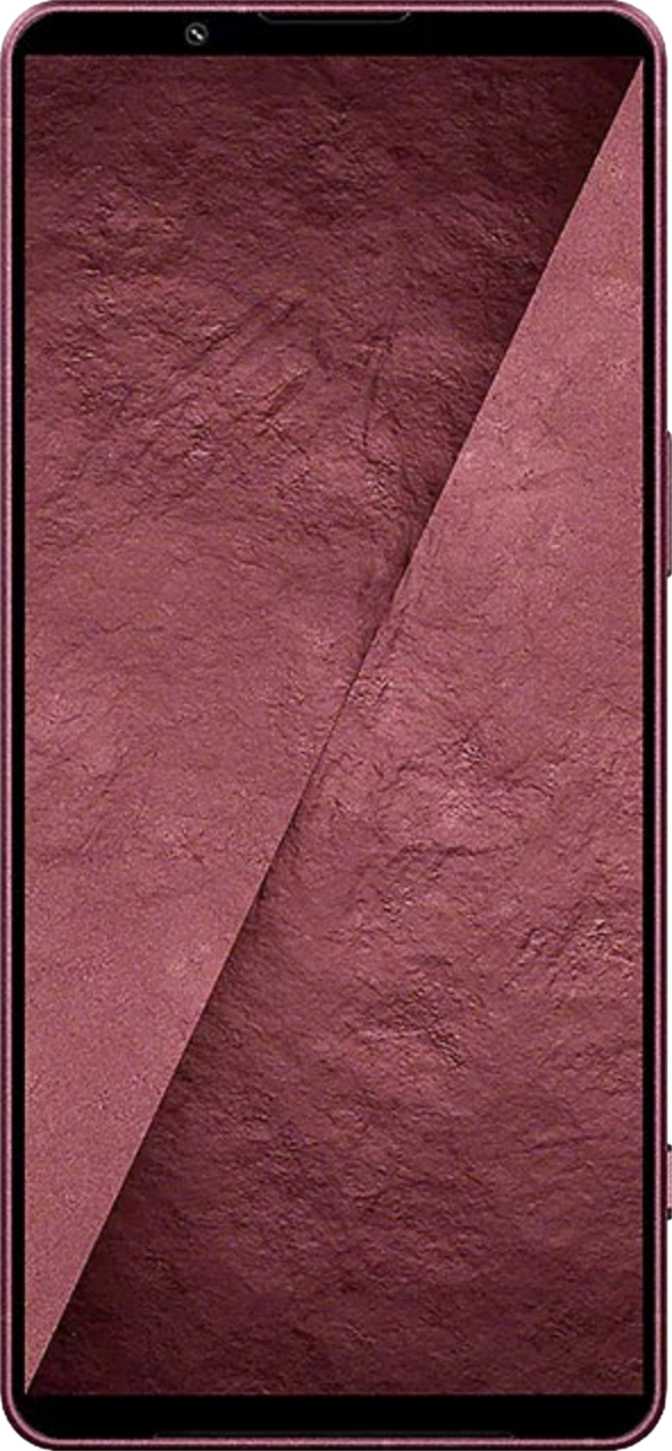
Sony Xperia 1 VIII Full Review: A Precision Flagship Built for Enthusiasts
SmartphonesVerdict at a Glance
Six categories. One flagship. Here is how the Xperia 1 VIII rates across what matters most.
Sony has always played a different game in the flagship Android market. The Xperia 1 VIII is not trying to appeal to everyone — and that confidence shows. This is a precision instrument built for photographers, audiophiles, and power users who value longevity and genuine capability over computational AI shortcuts.
Design and Build: Thin, Tall, and Built to Last
The Xperia 1 VIII carries on Sony’s signature design language — a tall, narrow, flat-faced slab that feels nothing like the rounded, camera-humped rectangles that dominate the market. At 74mm wide and 162mm tall with an 8.3mm profile, it is genuinely slim for a phone of this capability. At 200 grams, the weight distributes well across its elongated frame and never feels front-heavy in hand.
The flat display and flat back are intentional design choices. They make one-handed grip more stable, lay flat on surfaces without rocking, and pair well with cases. The narrow 74mm width means you can actually reach across the screen — something increasingly rare as flagship widths creep toward 78mm and beyond.
Physical Dimensions
- Height162 mm
- Width74 mm
- Thickness8.3 mm
- Weight200 g
- Water ProtectionIP68
- RepairabilityClass A
- Display GlassVictus 2
Protection That Means Business
The IP68 rating means submersion in fresh water up to 1.5 meters for 30 minutes without damage — real, tested protection, not a marketing approximation. The EU Repairability Class A designation deserves particular attention: in a market where most premium phones rate poorly for repair, Class A represents the highest tier. Parts availability, ease of disassembly, and software support for repairs all factor into this rating. For a flagship, this is genuinely uncommon and speaks to a longer useful life and lower total cost of ownership over time.
The Display: Sharp, Smooth, and Cinema-Ready
Display Specifications
- Panel TypeOLED / AMOLED
- Screen Size6.5 inches
- Sharpness396 ppi
- Resolution1080 × 2340 px
- Refresh Rate120 Hz
- Touch Sampling240 Hz
- HDR SupportHDR10
- Always-On Display Yes
Panel Quality and Sharpness
The 6.5-inch OLED panel delivers crisp, clean rendering at close to 400 pixels per inch — individual pixels are invisible to the naked eye at normal viewing distances. OLED technology means true blacks, deep contrast ratios, and punchy colors that hold up in direct sunlight better than LCD alternatives. The always-on display keeps time, notifications, and status visible without waking the phone, a small convenience that genuinely improves daily usability.
Refresh Rate and Touch Response
The 120Hz refresh rate makes scrolling and animation feel fluid and immediate. More notable is the 240Hz touch sampling rate, which reads your finger’s position twice as often as the display refreshes. Touch input feels hyper-responsive — particularly noticeable in games and when using the camera with rapid focus taps.
HDR10 and the Cinema Aspect Ratio
HDR10 support expands brightness range and color depth for compatible content. HDR10+ and Dolby Vision are absent — worth checking against your preferred streaming services before purchasing. The 21:9 aspect ratio (a byproduct of the tall, narrow form factor) matches the aspect ratio of most cinema content, meaning widescreen films play without the black bars that appear on more square-format displays. For movie watching, this is one of the best screen geometries available in a smartphone.
Performance: The Snapdragon 8 Elite Gen 5 in Full Flight
The Snapdragon 8 Elite Gen 5 powering the Xperia 1 VIII is Qualcomm’s latest flagship-class silicon, built on a 3-nanometer manufacturing process. Smaller transistors deliver more processing power per watt — greater efficiency, less heat, and longer sustained performance under load. This chip does not throttle aggressively, which matters for extended camera sessions, gaming, and on-device video editing.
Memory and Storage
With 16GB of DDR5 RAM — the fastest memory standard currently available in smartphones — the Xperia 1 VIII handles aggressive multitasking without apps reloading from scratch when switching between them. Running a dozen apps simultaneously while a podcast plays in the background is effortless. The 1TB internal storage is substantial by any measure; most users accumulate years of photos, videos, and apps before approaching that ceiling.
For users who shoot in RAW format or record extended 4K footage, even 1TB can eventually be tested — which is why the microSD card slot, supporting up to 2TB of additional storage, is particularly valuable. Very few flagship phones still include expandable storage. Sony kept it, and it matters.
Graphics Performance
The Adreno 830 GPU operates at 1,200 MHz and delivers 3DMark scores that place it firmly at the top of the mobile graphics tier. This translates to smooth, high-detail performance in graphically intensive games and fast rendering in creative applications. DirectX 12 compatibility bridges the gap between mobile and cross-platform gaming standards.
The CPU configuration — two high-performance cores at 4.6 GHz paired with six efficiency cores at 3.62 GHz — represents mature big.LITTLE architecture. The efficiency cores handle light tasks to conserve battery; the performance cores engage when you actually need them. The result is both power and endurance.
The Camera System: Three Lenses, One Coherent Vision
The Xperia 1 VIII’s camera system requires more explanation than a simple megapixel comparison. Sony has built something philosophically different from what most flagship cameras offer — a system engineered around photographic control rather than algorithmic automation.
The Triple 48MP Lineup
Ultra-Wide
16mm Focal Length- 48 MP resolution
- f/2.0 aperture
- Wide environmental & landscape shots
Main Wide
Primary Lens- 48 MP resolution
- f/1.9 widest aperture
- 1.12 µm pixel size
- Best low-light performance of the three
Telephoto
70mm Focal Length- 48 MP resolution
- f/2.8 aperture
- ~2.9x true optical zoom
- Portraits, detail shots, reach without crop
Manual Control and RAW Photography
This is where the Xperia 1 VIII diverges most sharply from the competition. The camera app offers full manual control — shutter speed, ISO, focus, white balance, and exposure all adjustable independently. The phone shoots in uncompressed RAW format, capturing sensor data that photographers edit in Lightroom or equivalent software. Combined with phase-detection autofocus and continuous autofocus during video recording, this is a genuine photographic tool for users who want control rather than algorithmic assistance.
For beginners who just want to point and shoot, the automatic modes handle the work. But the manual capabilities are there for anyone ready to use them — and most competing flagships simply do not offer this level of access.
Video: 4K at 120fps
Optical image stabilization keeps footage smooth during handheld shooting. HDR10 recording ensures the video captures the same dynamic range the display can show. Continuous autofocus keeps subjects sharp without any manual intervention during recording.
Full Camera Feature Checklist
Battery Life and Charging: Honest Assessment
How Long It Actually Lasts
In real-world mixed use — calls, browsing, streaming, social media, some camera use — most people will comfortably reach end-of-day with charge remaining. Power users who run GPS navigation continuously, stream video, or record extended video will need a top-up before bedtime. This is not a two-day phone under demanding use, but it is reliably a full-day phone even under stress.
Charging Speed: A Trade-Off to Know
-
30W Wired Fast ChargingRecovers meaningful charge in a short break — not class-leading, but functional
-
15W Wireless ChargingConvenient desk or overnight pad charging without cables
-
Reverse Wireless ChargingUse the Xperia 1 VIII as a pad to top up earbuds or other devices
Audio: The Rare Flagship That Takes Sound Seriously
The Bluetooth audio codec support is comprehensive to a degree unusual even among premium phones. For wireless listening, this means the Xperia 1 VIII transmits audio at near-lossless quality to compatible headphones — a genuine audible difference when using high-end wireless audio gear.
The stereo speaker configuration handles media playback cleanly with clear channel separation. For a phone this slim, audio output is more than adequate for casual listening — movies, podcasts, and background music all handled well.
Wireless Audio Codec Support
| Codec | What it Delivers |
|---|---|
| LDAC | Sony’s high-res wireless standard — up to 990kbps over Bluetooth |
| aptX Lossless | CD-quality wireless audio with zero compression loss |
| aptX Adaptive | Variable bitrate that adapts to connection conditions in real time |
| aptX HD | 24-bit audio over Bluetooth for compatible headphones |
| aptX | Baseline high-quality Bluetooth for broadly compatible devices |
Connectivity: Future-Proofed Across the Board
The Xperia 1 VIII is built for today’s networks and tomorrow’s infrastructure. Wi-Fi 7, Bluetooth 6.0, and 5G sit alongside practical flexibility features — triple SIM support and expandable storage — that most flagship competitors have abandoned.
Operating System: Android 16, Sony’s Way
Running Android 16, the Xperia 1 VIII arrives with Google’s latest privacy controls, notification management, and system capabilities. Sony’s UI layer stays relatively close to stock Android while adding camera-focused functionality and custom optimisations.
Privacy and Control Features
- Per-app camera and microphone access indicators
- App tracking blocking controls
- Granular location permission settings
- Clipboard access warnings
- On-device machine learning (no cloud dependency)
- Offline voice recognition
- Battery health monitoring tool
- Child lock and multi-user system support
Productivity and Usability
- Split-screen multitasking
- Picture-in-picture mode
- Full-page scrolling screenshots
- Home screen and lock screen widgets
- Dynamic theming and dark mode
- Live Text (select text from images)
- App offloading to recover storage
- Play games while still downloading
Who Is This Phone For — and Who Should Look Elsewhere?
The Xperia 1 VIII does not try to be everything to everyone. Understanding its audience is essential before purchasing.
The Xperia 1 VIII Is Ideal For
-
Photographers and video creators who want manual control over their smartphone camera, shoot in RAW, and understand the value of optical zoom at a consistent resolution across all three lenses.
-
Audiophiles and music listeners who use high-end wired or wireless headphones and care about audio codec quality and lossless transmission.
-
Power users who multitask heavily and accumulate large local media libraries that benefit from 1TB storage and expandable memory.
-
Users who prefer a narrow, flat form factor over the wide, camera-humped designs that dominate the current market.
-
Privacy-conscious buyers who want granular Android-level controls and a repairable device with documented longevity.
The Xperia 1 VIII Is Not the Right Choice For
-
Buyers who want the fastest charging speeds. At 30W wired, the Xperia 1 VIII trails several competitors that now offer 65W, 80W, or higher at comparable price points.
-
Casual camera users who want computational photography magic without learning manual settings. The algorithmic AI processing that softens, sharpens, and composes automatically is less prominent here than on Pixel or Samsung flagships.
-
Anyone who needs satellite emergency SOS. That feature is absent, which matters specifically for outdoor enthusiasts and travellers in areas without cellular coverage.
-
Budget-conscious buyers. This is a full-price flagship. Its pricing reflects its specification, and there are no meaningful compromises that bring cost down.
Competitive Positioning
The Xperia 1 VIII makes deliberate choices that its competitors abandoned years ago. Here is how it compares across the features that define its character.
| Feature | Sony Xperia 1 VIII | Android Flagship A | Android Flagship B |
|---|---|---|---|
| EU Repairability | Class A (Highest) | Mid-tier | Low |
| 3.5mm Headphone Jack | |||
| Expandable Storage | Yes, up to 2TB | ||
| Wired Charging Speed | 30W | 45–80W | 25–65W |
| Manual Camera Controls | Full RAW + Manual | Limited | Limited |
| Wireless Audio Codecs | LDAC + aptX Lossless | Varies | Varies |
| SIM Flexibility | 2 eSIM + Physical SIM | Dual eSIM only | Dual eSIM only |
| Display Aspect Ratio | 21:9 (Cinema) | 20:9 | 19.5:9 |
Competitor data represents typical specifications for flagship-tier Android devices in the same price bracket. Specific values vary by model and region.
Strengths and Weaknesses: The Balanced View
What the Xperia 1 VIII Gets Right
The Xperia 1 VIII’s greatest strength is coherence. Every major decision — from the narrow 21:9 aspect ratio to the manual camera controls to the audiophile-grade Bluetooth codecs — reflects a consistent vision of what a smartphone should be for a particular kind of user. This is a phone built with intention, not assembled from trend-chasing feature lists.
The camera system’s equal-resolution three-lens approach is genuinely clever engineering. Eliminating the quality disparity between primary and secondary cameras is a problem most manufacturers have not solved. Combined with RAW support and full manual control, it gives photographers a tool they can grow into rather than around.
The repairability and IP68 combination is rare and underappreciated. Buying a phone you can repair and use for years is both an environmental and financial advantage that compounds over time. Class A repairability at a flagship tier is something very few competitors offer at any price.
Where It Falls Short
The charging speed earns fair criticism. At a flagship price point, 30W wired charging feels conservative when competitors deliver significantly faster recovery times. For users with busy schedules who need a meaningful charge in 15 minutes before leaving the house, this is a real trade-off — not a dealbreaker, but something to accept consciously.
The absence of satellite emergency communication is a gap that will matter to a specific group of buyers — particularly outdoor enthusiasts and travellers in remote areas. Other flagships in this tier now include this as standard, which makes the omission more noticeable with each product cycle.
Sony’s software update cadence, while improved over earlier years, still trails Google’s Pixel line for immediacy of Android version updates. Users who want the latest Android features on release day should factor this into the decision.
Questions Real Buyers Ask Before Purchasing
The most common concerns addressed directly, so you can buy with confidence.
Final Verdict
The Sony Xperia 1 VIII is the right phone for a specific kind of buyer — and an excellent one. If you want deep camera control, exceptional audio credentials, expandable storage, and a repairable flagship built on the fastest available Android chipset, this phone delivers on all fronts without compromise.
It is not trying to appeal to everyone, and that confidence shows. The charging speed and absence of satellite SOS are real concessions. Buyers who prioritise either should factor them clearly. But for photographers, audiophiles, and power users who value longevity and capability over computational AI shortcuts, the Xperia 1 VIII occupies a position in the market that no other manufacturer currently contests.