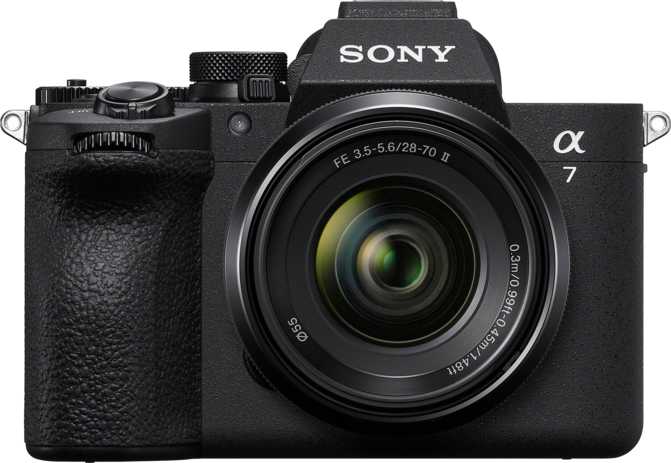
Sony Alpha 7 V + FE 28-70mm OSS II: An Honest Full-Frame Review
33 MP
Full-Frame Stacked
7.5 stops
Combined IBIS
4K / 120fps
Max Video Output
759
AF Points
630 shots
Per Charge (CIPA)
10 fps
Continuous Burst
The full-frame mirrorless market is crowded with capable cameras, but Sony's Alpha 7 series has consistently been the benchmark against which rivals measure themselves. The Alpha 7 V doesn't attempt a dramatic reinvention — instead, it refines almost every dimension of its predecessor in ways that matter to working photographers and serious enthusiasts. Paired from the box with the updated FE 28-70mm f/3.5-5.6 OSS II lens, this kit positions itself as the most complete start-shooting-today package Sony has ever offered at this level. Whether it earns that confidence depends entirely on what you need from a camera.
Design and Build Quality
Physical dimensions, weather sealing, and display system analysis
Dimensions & Handling
At 130.3 mm wide and 96.4 mm tall, the Alpha 7 V occupies a purposeful middle ground — compact enough for travel, substantial enough to inspire confidence in the grip. Weighing 695 grams with the kit lens, it comes in slightly lighter than the full-frame average, making all-day shooting physically manageable without any sense of fragility.
The metal lens mount communicates build intent immediately. It doesn't flex or creak, and it signals long-term durability for heavier optics as your collection grows.
Weather Sealing
The body carries weather sealing for confident operation in light rain, dusty environments, and high humidity. Its rated operating range spans 0°C to 40°C, covering most temperate shooting conditions comfortably.
Important Limitation
Sub-zero shooting falls outside this camera's rated specification. Photographers working in genuinely cold climates should plan for additional body protection or treat this as a hard operational boundary.
Screen & Viewfinder
The 3.2-inch touchscreen articulates fully — forward for self-shooting, folded flat for protection, or angled independently for low-level and overhead framing. This outperforms the simpler tilt mechanisms found on several rivals.
The electronic viewfinder resolves at 3.69 million dots with a 120fps refresh rate and 100% frame coverage. In bright sunlight where rear screens wash out, this EVF becomes the primary compositional tool — and it delivers without visible lag or ghosting.
Sensor and Image Quality
Why 33 megapixels hits the right balance, and what the stacked architecture delivers in practice
The 33MP Sweet Spot
The Alpha 7 V uses a full-frame, back-illuminated, stacked CMOS sensor at 33 megapixels. For newcomers to this terminology: "full-frame" means the sensor matches the size of a traditional 35mm film frame. Larger sensors gather more light, produce cleaner results in low-light conditions, and give photographers precise control over background blur — the format that professionals have worked with for decades.
33 megapixels strikes a deliberate balance. It delivers enough resolution for large-format exhibition prints and confident cropping for sports or wildlife without losing acceptable detail, while keeping file sizes genuinely manageable. A 33MP raw file processes significantly faster than a 50MP or 61MP equivalent — a practical advantage when working through hundreds of frames after a demanding shoot day.
The stacked sensor design layers the imaging surface and processing circuitry directly on top of each other, allowing data to move off the sensor far faster than a conventional layout. This underpins the electronic shutter's speed, reduces rolling shutter distortion with fast-moving subjects, and enables the camera's high-frame-rate video modes.
Low-Light and Dynamic Range
The native sensitivity ceiling reaches ISO 51,200, with an expanded range extending substantially beyond that. The back-illuminated sensor design improves light capture at the individual pixel level, meaning you can push sensitivity further before noise transitions from a manageable characteristic into an aesthetic problem.
In plain terms: this camera produces usable images in conditions that would force a lesser sensor to give up entirely.
Event photographers covering evening receptions, musicians performing under stage lighting, or documentary shooters working in available light will find the Alpha 7 V's low-light handling genuinely liberating rather than merely adequate.
Autofocus System
759 focus points, phase detection, and subject tracking — how they work and what they mean
How the System Works
The Alpha 7 V's autofocus uses phase detection distributed across 759 points throughout the frame. Phase detection analyzes the light path through the lens to predict where correct focus should land, rather than testing and adjusting incrementally like older contrast-based systems. The result is dramatically faster, more decisive acquisition — particularly when subjects are moving toward or away from the camera.
Once locked onto a target, subject tracking maintains focus as that subject moves through the frame. For photographers shooting children, athletes, animals, or anything that refuses to stay still, this shifts the camera from something you monitor to something you trust.
Practical Autofocus Features
- Phase detection for stills and video — the AF system doesn't downgrade when you switch from photos to recording
- Touch autofocus — tap any subject on the rear screen to instantly redirect focus without breaking your shooting posture
- Continuous AF in video — focus tracks smoothly throughout clips without hunting or abrupt corrections
- 100% viewfinder coverage — every zone in the frame, including the edges, can serve as an active focus point
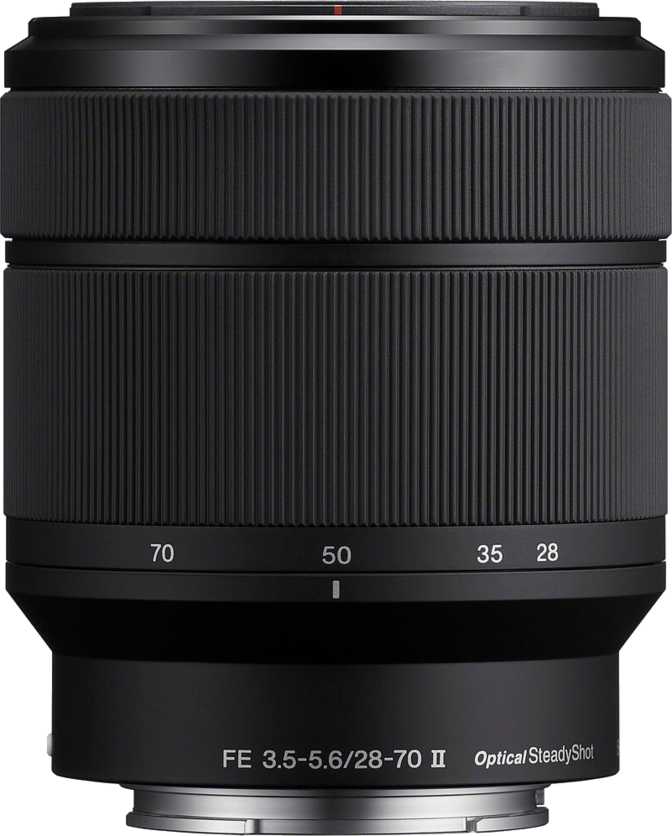
The Bundled Lens: FE 28-70mm f/3.5-5.6 OSS II
Focal range, aperture characteristics, stabilization, and long-term usability assessed
The 28-70mm zoom spans roughly 2.5x optical reach, covering a field of view from 75 degrees at the wide end down to 34 degrees at full telephoto. This corresponds to what photographers call the standard zoom — the focal lengths closest to how the human eye naturally perceives and frames a scene.
For everyday use — travel, family events, street photography, portraiture, documentary work — this range handles the majority of situations without a lens change. It won't reach far enough for sports or wildlife, and it won't go wide enough for tight architectural interiors. As a single-lens solution for a generalist, it's one of the most practical choices you can carry.
The aperture runs from f/3.5 at 28mm to f/5.6 at 70mm — a variable range standard for kit lenses in this class. Neither end qualifies as fast by prime lens standards.
The lens compensates with its own optical stabilization system (OSS) that works in direct communication with the camera body's sensor-shift stabilization. This combined system achieves 7.5 stops of compensation under standardized testing — meaning you can handhold shots at shutter speeds that traditional guidance would consider unacceptably slow. For low-light photography without a tripod, this is a measurable and meaningful advantage.
- 7-blade rounded aperture diaphragm for smooth, circular out-of-focus rendering in backgrounds
- Silent focus motor — acoustically invisible during video recording, keeps audio clean
- 30 cm minimum focus distance for closer detail shots without a dedicated macro lens
- 55mm filter thread with lens hood included for flare control in backlit conditions
Continuous Shooting and Speed
Burst rate, electronic shutter performance, and storage workflow for demanding work
At 10 frames per second with the mechanical shutter, the Alpha 7 V meets the expectation of a professional-grade full-frame body. The electronic shutter extends capability further, reaching exposure times short enough to freeze extremely fast motion or allow shooting wide open in bright light without overexposing the scene.
The stacked sensor architecture specifically reduces the rolling shutter distortion that conventional electronic shutters produce with fast lateral movement — a meaningful practical benefit for sports and action photographers who prefer silent shooting in settings where mechanical shutter noise is unwelcome.
10 fps
Mechanical Burst
1/8000s
Max Mech. Shutter
Dual Memory Card Slots
Both slots allow overflow capture when the primary card fills, or simultaneous mirroring for in-camera backup — critical insurance for professionals covering unrepeatable events.
Video Capabilities
4K at 120fps, 200 Mbps internal recording, and professional audio options explained
Frame Rates and Resolution
The Alpha 7 V records 4K video at up to 120 frames per second, enabling 4x to 5x slow-motion playback at standard 24 or 30fps timelines with no additional equipment required. At a maximum internal bitrate of 200 Mbps, the camera captures video with enough data density that serious color grading in post-production is genuinely viable — this is not the compressed, baked-in image that entry-level cameras produce.
A 24p cinema mode records at the frame rate that most feature films and narrative productions use. For content creators whose footage needs a cinematic character rather than the hyperreal look of broadcast video, this is a meaningful option to have available natively.
Phase-detection autofocus operates continuously during recording, so the same tracking reliability available for stills carries across into every clip without degradation.
Audio and Output Connectivity
- Stereo built-in microphone (dual capsule) for ambient reference and basic capture in the field
- 3.5mm microphone input for dedicated external microphones — essential for professional-quality audio
- 3.5mm headphone jack for real-time audio level monitoring during recording
- HDMI output for external recorders that bypass internal card limitations entirely
- Native live streaming support — the camera broadcasts without third-party adapters or software hacks
Battery Life
Honest numbers, real-world expectations, and charging flexibility
630
CIPA-Rated Shots
The Alpha 7 V is rated at 630 shots per charge under standardized CIPA testing conditions. CIPA methodology tends to understate real-world usage — photographers who review images less frequently, favor the viewfinder over the rear screen, and keep the Wi-Fi radio off typically exceed this figure comfortably in daily practice.
For a full day of casual shooting — a few hundred frames with typical review habits — one battery will last. For demanding event work such as a wedding, sports tournament, or full-day commercial assignment, carry a spare battery as standard practice. Swapping takes seconds in the field and costs nothing compared to missing a moment.
USB-C Charging
The camera charges via USB-C, meaning any power bank, laptop, or modern travel charger can provide a top-up — a practical advantage whenever power outlets are unpredictable.
Connectivity and Ecosystem
Wireless capabilities, smartphone integration, and the breadth of the Sony E-mount lens library
Wireless and Smartphone Features
- Wi-Fi 6E (802.11ax) — latest-generation wireless for fast image transfer on compatible networks
- Bluetooth — persistent low-power connection for remote control and smartphone-derived location tagging
- Remote smartphone control — trigger shots, adjust settings, and transfer images via Sony's companion app
- No built-in GPS — location tagging requires a paired smartphone, adding a workflow dependency for travel and documentary photographers
The Sony E-Mount Ecosystem
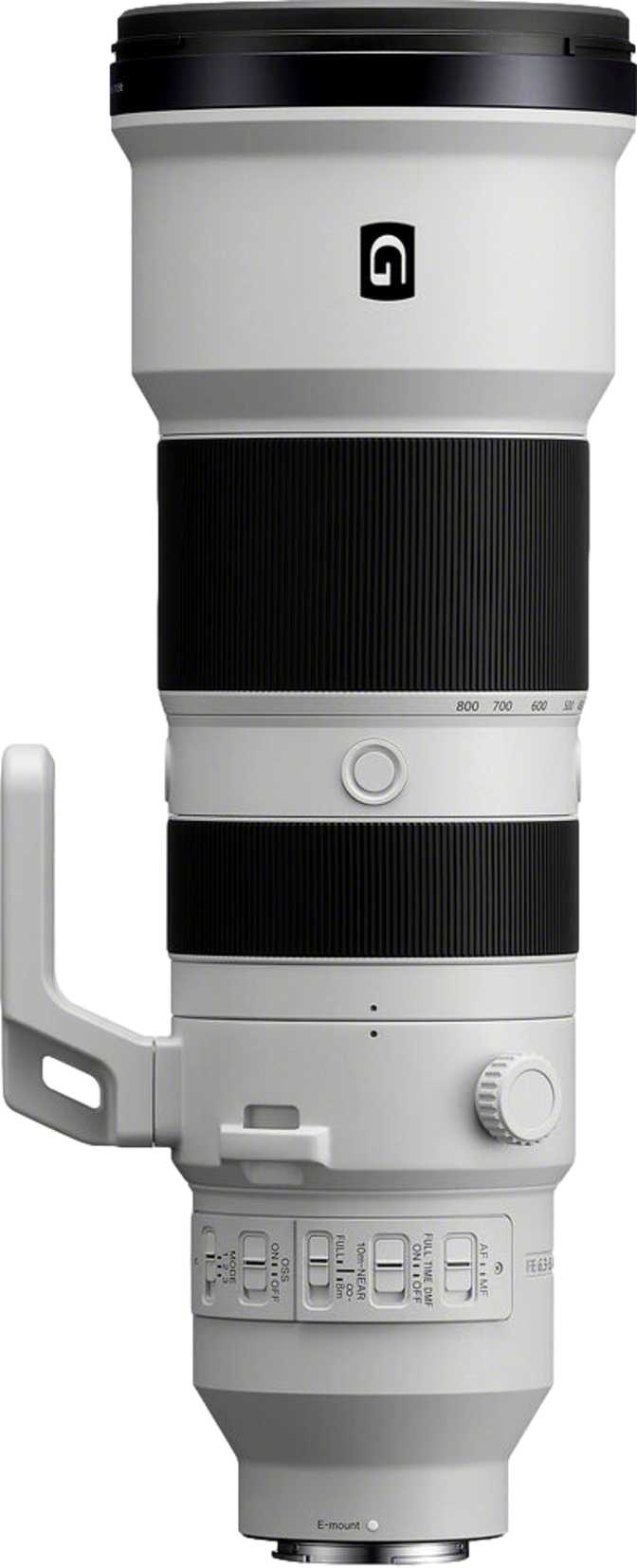
As a Sony E-mount body, the Alpha 7 V inherits access to one of the most extensive native lens libraries in mirrorless photography. Dozens of Sony FE lenses span ultra-wide primes through 600mm super-telephoto options, with pricing at every tier from budget-conscious to uncompromising professional grade.
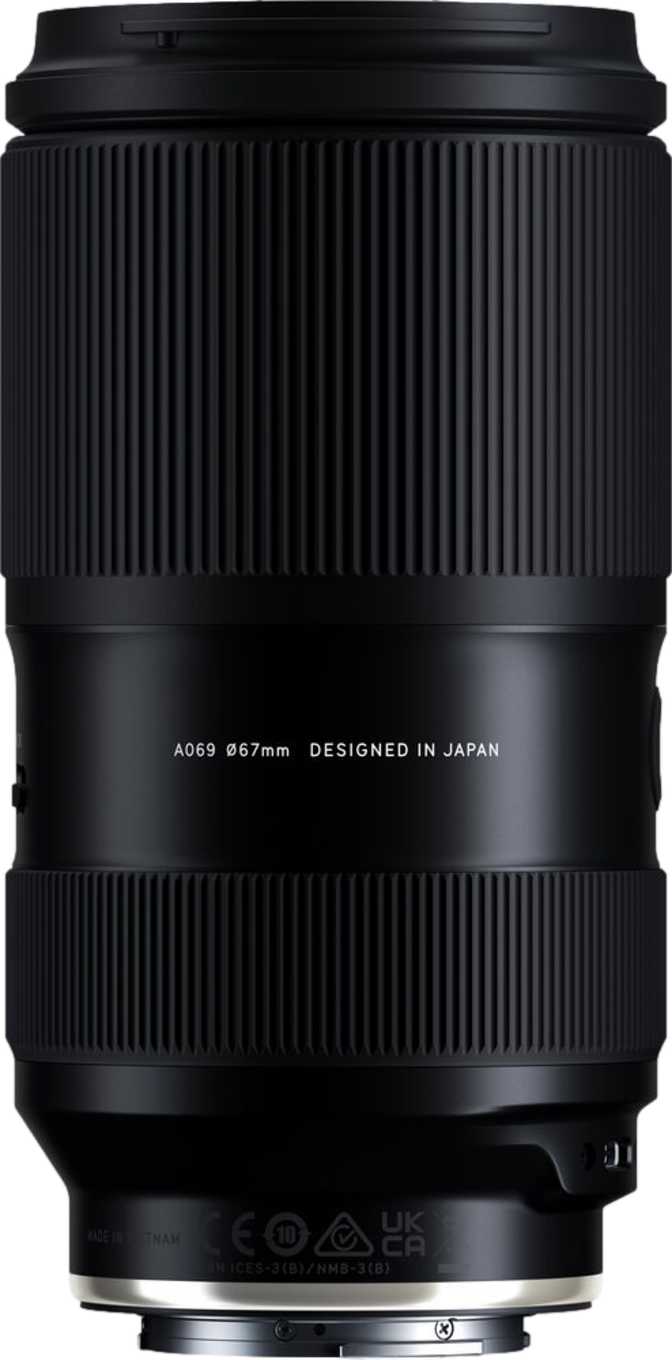
Third-party manufacturers — Sigma, Tamron, Zeiss, and Samyang among them — produce high-quality E-mount glass that expands the library further still. Starting with this kit does not constrain you to a narrow selection; quite the opposite. The breadth of available optics is one of the strongest arguments for committing to the Sony ecosystem from the outset.
Who This Camera Is For
Matching the right photographer to the right kit — and flagging genuine mismatches
Ideal For
- Serious hobbyists and enthusiasts making their first step into full-frame who want a body that won't limit their creative growth
- Travel photographers who need one versatile kit for landscapes, street scenes, and candid portraits without constant lens changes
- Content creators and vloggers requiring professional video quality with a fully articulating screen and native streaming support
- Portrait and documentary photographers whose subjects move unpredictably and depend on reliable continuous subject tracking
- Working professionals in event, wedding, or commercial photography who need weather sealing, dual card slots, and consistent autofocus under pressure
Consider Alternatives If
- You photograph wildlife or sports at long distances — 70mm is a starting point, not a destination; budget for a telephoto lens from day one
- You work in architecture or real estate where 28mm isn't wide enough to capture tight interior spaces effectively
- You shoot in extreme cold — the 0°C operational floor is a genuine limitation for alpine or Arctic photography work
- You prioritize extreme resolution above all else for fine art large-format printing where every pixel is critical
- You need a compact, lightweight travel system — at 695 grams, this is a serious camera, not a pocket-friendly companion
How It Compares to the Competition
Sony Alpha 7 V vs. nearest full-frame mirrorless rivals at comparable kit price points
| Feature | Sony Alpha 7 V + 28-70 OSS II | Nikon Z6 III + 24-70 f/4 | Canon EOS R6 III + 24-105 f/4-7.1 |
|---|---|---|---|
| Sensor Resolution | 33 MP | 24.5 MP | 24.2 MP |
| Sensor Architecture | Stacked BSI CMOS | Partial Stacked CMOS | BSI CMOS |
| IBIS Rating | 7.5 stops | 8 stops | ~8 stops |
| Max 4K Frame Rate | 120 fps | 120 fps | 60 fps |
| Continuous Shooting | 10 fps | 14 fps | 12 fps |
| Bundled Lens Range | 28–70mm | 24–70mm | 24–105mm |
| Dual Card Slots | |||
| Flip-Out Screen | |||
| Weather Sealed |
The Nikon Z6 III offers faster burst shooting and a slightly wider lens starting point. The Canon bundle provides greater zoom reach in the kit configuration. The Alpha 7 V counters with higher resolution, equivalent maximum video frame rate, and the broadest native lens ecosystem of the three. None represents a wrong choice at this level — the ecosystem you already own or plan to build is often the deciding factor.
Honest Strengths and Weaknesses
A balanced editorial assessment — not a marketing summary
Where the Alpha 7 V Excels
- Stabilization leadership. 7.5 stops of combined compensation is not a number to skim past. It translates directly to sharper images in low light, more confident handheld video, and a wider window of usable shots from any given moment. Photographers who once reached for a monopod reflexively will find themselves leaving it at home.
- Autofocus you can trust. The combination of 759-point coverage, phase detection, and subject tracking is reliable enough to set and forget, rather than continuously monitor. In a category where competing systems still occasionally lose a subject mid-burst, that dependability carries real value.
- 4K at 120fps in a full-frame stacked body remains uncommon at this price point. For video work requiring genuine slow-motion without sacrificing resolution, this specification closes off a whole category of objection before it forms.
- Class-leading EVF. 3.69 million dots at 120fps delivers an electronic viewfinder experience where the scene you see is essentially the scene in front of you — no perceptible lag, no ghosting, essential for fast subjects and bright-sun shooting.
Where It Falls Short
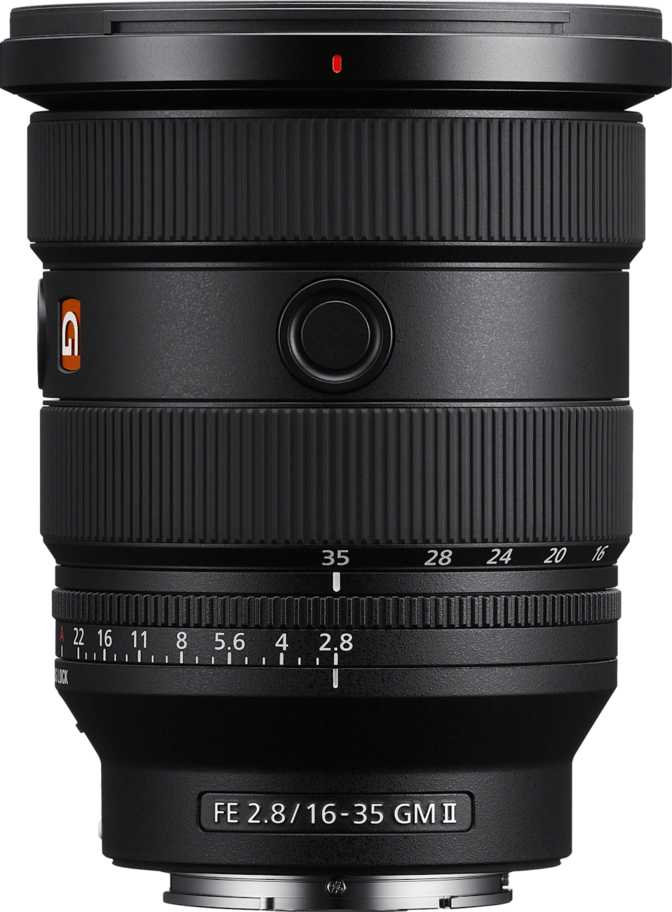
- Variable aperture kit lens. At f/3.5 wide and f/5.6 at 70mm, the bundled lens won't deliver the shallow depth of field or low-light performance that a fixed f/2.8 zoom or fast prime provides. Buyers who want that character need to treat a faster lens as a planned future investment.
- No built-in GPS. Location metadata requires smartphone pairing — a workflow dependency that adds friction for travel and documentary photographers who rely on geotagging images automatically.
- Cold-weather ceiling at 0°C. This operational boundary is real and largely underemphasized in Sony's marketing materials. It excludes a meaningful segment of outdoor and adventure photographers working in winter conditions.
- No built-in flash. In most professional contexts this is irrelevant, but photographers who occasionally need a small fill light without carrying an external unit will notice this omission.
Frequently Asked Questions
Answers to the questions real buyers search for before purchasing
Final Verdict
Overall Rating
The Sony Alpha 7 V with the FE 28-70mm f/3.5-5.6 OSS II is a camera system that earns trust. It accepts its operational limitations — the 0°C cold-weather ceiling, the modest kit lens aperture, the absence of built-in GPS — without apology, and in exchange delivers one of the most capable stabilization systems available, a dependable stacked-sensor autofocus experience, and access to the most mature mirrorless lens ecosystem from any manufacturer.
For a photographer stepping into full-frame for the first time, this kit provides a foundation that won't become the obstacle to their growth. For an experienced photographer already in the Sony ecosystem, it upgrades the areas that matter most to daily use. For someone whose work demands speed, resolution, low-light performance, and reliable tracking simultaneously, it competes without compromise at the top of its class.
Purchase Verdict
Recommended for enthusiast and professional photographers seeking a full-frame upgrade with outstanding stabilization, strong video capability, and access to one of the deepest lens ecosystems available. Buy the kit, understand its boundaries, and plan a lens upgrade path accordingly — this body will not be what holds you back.