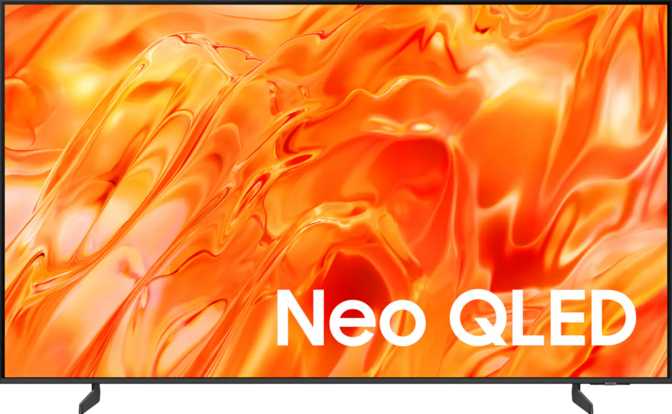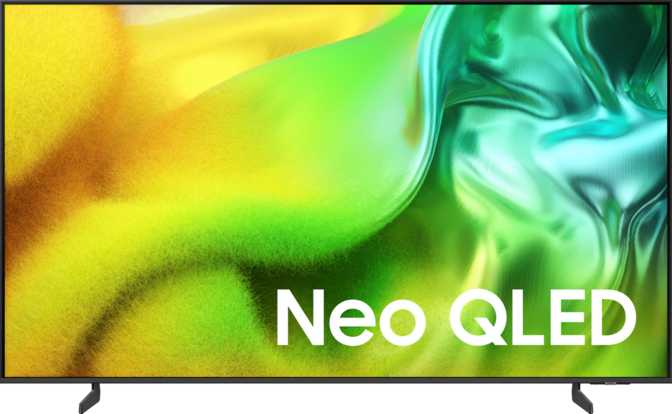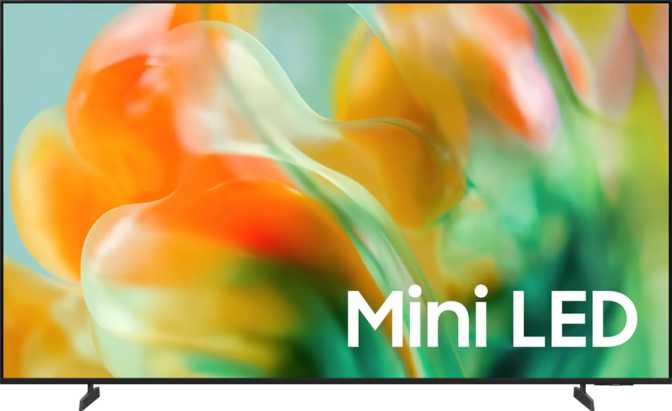
Samsung UN85M80HAFXZA 85-Inch 4K TV: An Honest Full Review
TVsSamsung UN85M80HAFXZA — At a Glance
What It Does Well
- Mini-LED backlighting for superior contrast via local dimming
- True 144Hz refresh rate — rare at this screen size
- All three HDMI ports run the HDMI 2.1 standard
- AMD FreeSync Premium for tear-free gaming
- HDR10+ with dynamic scene-by-scene metadata
Where It Falls Short
- No Dolby Vision — affects Apple TV+ and select Netflix content
- Built-in audio is underpowered for a screen this large
- Only one USB port available
- No Apple HomeKit or Siri support
- Standard one-year warranty only
Key Specifications at a Glance
The numbers that matter most — translated into what they mean for daily use.
Performance Scores
Design and Physical Presence
A screen you build a room around — not one you slot into a room.
Size That Demands Real Planning
At just over 74 inches wide and roughly 43 inches tall (not including the stand), this television demands genuine real estate. Before anything else, measure your wall or entertainment unit. The set weighs close to 64 pounds, which means wall-mounting requires a VESA-compatible bracket rated for that load — and ideally two people for the installation process. This is not a solo afternoon project.
The depth of just over 3 inches is appropriate for a screen this size, keeping the profile reasonably slim against a wall. VESA mounting is fully supported, which is the right deployment strategy in most large rooms — it positions the screen at ideal eye level and eliminates stand footprint concerns entirely. Samsung's build quality at this tier reflects the investment: slim bezels, solid materials, nothing that suggests corners were cut.
Operating Environment Note
This TV is rated for indoor operation between 10°C and 40°C (50°F to 104°F). In most homes that's never an issue, but if you're installing in a sunroom, garage conversion, or any space with poor climate control during warmer months, keep that upper threshold in mind before committing to the location.
Physical Dimensions
| Screen Size | 84.6 inches (diagonal) |
| Width | 1,889.8 mm (74.4 in) |
| Height | 1,084.6 mm (42.7 in) |
| Depth | 76.2 mm (3.0 in) |
| Weight | 28.9 kg (63.7 lbs) |
| VESA Mount | Supported |
| Temp Range | 10 °C – 40 °C |
Display Technology Deep Dive
Mini-LED, 144Hz, and 10-bit color — what each of these means in the real world.
Mini-LED: Real Contrast Without OLED Trade-offs
Most LCD televisions use a coarse backlight — a grid or edge array of standard LEDs illuminating the entire panel uniformly from behind. Mini-LED replaces that with thousands of much smaller, independently controlled zones. The TV can raise brightness precisely where a highlight appears while simultaneously deepening the dark areas immediately around it — this technique is called local dimming, and it fundamentally changes how the panel handles dark scenes.
Starfields, night interiors, and high-contrast cinematography all benefit directly. The haloing effect that plagues lesser LCD sets — where a bright object bleeds glow into the dark surround — is significantly reduced. This isn't OLED-level black depth, but it captures much of that visual quality without OLED's burn-in risk and typically without OLED's price premium at this screen size.
Color Depth: Over a Billion Shades
The 10-bit panel processes more than one billion individual color values. Where lower-bit displays produce visible banding in smooth gradients — stepped blocks of color in blue skies and sunsets — 10-bit processing renders transitions continuously and naturally. Skin tones, atmospheric haze, and subtle shadow gradients all benefit directly from this color depth.
HDR Format Support: What's Covered, What Isn't
HDR formats determine how the TV interprets brightness and color instructions embedded in content. Not all HDR formats are equal — and not all are supported here.
| HDR Format | Supported | Primary Platforms | Key Benefit |
|---|---|---|---|
| HDR10 | Yes | All major streaming platforms | Universal HDR baseline — broad compatibility |
| HDR10+ | Yes | Amazon Prime Video, select Blu-ray | Dynamic scene-by-scene brightness optimization |
| HLG | Yes | Cable, satellite, broadcast HDR | Broadcast-standard HDR for live content |
| Dolby Vision | No | Apple TV+, Netflix, Disney+, Vudu | Not available — HDR10 fallback applies |
Refresh Rate: 144Hz at 85 Inches
This screen refreshes its image 144 times per second. Standard broadcast and most streaming content runs at 24 to 60 frames per second, so the TV handles interpolation for those sources. The 144Hz rate pays off most visibly in gaming, live sports, and fast action sequences — motion blur is reduced and movement appears sharper than on 60Hz or even standard 120Hz alternatives at this size class.
178° Viewing Angle
Both horizontal and vertical angles reach near the maximum possible for an LCD panel. Guests seated well to the sides of a wide sofa see the same color accuracy and contrast as someone in the center seat — important for shared viewing in large living rooms with dispersed seating arrangements.
Anti-Glare + Ambient Sensor
An anti-reflection coating reduces the visibility of lamps and windows in the screen surface. A built-in ambient light sensor detects changing room brightness and adjusts the backlight level automatically throughout the day — useful in living rooms that see variable natural light without requiring manual brightness adjustments.
Gaming Performance
144Hz, HDMI 2.1 on every port, and FreeSync Premium — a genuine large-screen gaming display.
AMD FreeSync Premium
Eliminates screen tearing by synchronizing the display's refresh cycle with the game's frame output in real time. Xbox Series X, compatible PC GPUs, and supported devices benefit directly — no more horizontal split artifacts during fast-paced sequences or quick camera movements.
HDMI 2.1 on All Three Ports
Every HDMI port on this TV runs the higher bandwidth 2.1 standard. There's no premium input to hunt for. Connect multiple consoles, a PC, and a streaming device simultaneously — each one delivering 4K at elevated frame rates without a performance penalty for the port you chose.
Native 144Hz Panel
Unlike sets that process or interpolate a 60Hz panel to simulate higher refresh rates, this is a genuine 144Hz display. At 85 inches, that is an uncommon specification — most competing televisions in this size category still top out at 60Hz or processed 120Hz, making this a meaningful differentiator.
Connectivity: Full Breakdown
What ports and protocols are available — and where the gaps actually matter.
| Connection Type | Specification | Status |
|---|---|---|
| HDMI | 3 × HDMI 2.1 (includes ARC + eARC) | Available |
| USB | 1 × USB (media playback + recording) | Limited |
| Ethernet | 1 × RJ45 wired LAN | Available |
| Wi-Fi | Wi-Fi 5 (802.11ac) + Wi-Fi 4 fallback | Available |
| Bluetooth | Bluetooth 5.3 | Available |
| Miracast | Wireless mirroring — Android + Windows | Available |
| AirPlay | Apple AirPlay for iPhone, iPad, Mac | Available |
| 3.5mm Audio | Headphone jack | Not Present |
| Memory Card | External SD or microSD slot | Not Present |
What the Connectivity Story Means in Practice
Three HDMI 2.1 ports is the headline specification. The upgraded bandwidth standard supports 4K at elevated frame rates, Variable Refresh Rate, and enhanced audio return via eARC. Having the full spec on all three ports — not just one — is better than what many competing televisions offer at this size.
One USB port is the most notable limitation. If you plan to use USB for media playback and simultaneously want to record broadcast content to a USB drive, you'll need a powered hub. For a screen at this price point and scale, single USB access is a real constraint worth acknowledging before purchase.
Wired Ethernet is present and recommended for stable 4K streaming. Wi-Fi 5 handles streaming throughput comfortably, but a physical Ethernet connection eliminates wireless interference variables entirely — worth using if the room allows it.
Smart TV and Voice Ecosystem
Two major voice assistants supported. One notable omission for Apple households.
Voice Assistant Compatibility
| Voice Assistant | Supported | Ecosystem |
|---|---|---|
| Google Assistant | Yes | Google Home, Android devices |
| Amazon Alexa | Yes | Alexa smart home, Echo devices |
| Siri / Apple HomeKit | No | Not supported natively |
AirPlay and Apple Devices
Despite the absence of HomeKit and Siri, AirPlay is present. iPhone, iPad, and Mac users can mirror their screens or push content directly to the TV without any additional hardware or adapters.
One nuance worth knowing: content streamed from Apple TV+ via AirPlay will be processed in HDR10 rather than Dolby Vision, since the TV lacks native Dolby Vision support. The picture still benefits from HDR enhancement — just not the Dolby Vision grading the filmmaker intended.
Audio: The Honest Assessment
The single area where this television's visual ambition and built-in capability diverge clearly.
The practical recommendation is unambiguous: budget for an external audio solution from the start. The HDMI eARC port — available on one of the three HDMI 2.1 connections — carries full-resolution audio signals to a compatible soundbar or AV receiver, including object-based surround formats if your external hardware supports them. This is the correct path to a complete experience on this display.
For buyers choosing between this TV's picture versus a slightly lesser-performing screen with better built-in audio: the picture wins every time. Built-in speakers can always be bypassed via eARC — the Mini-LED panel cannot be upgraded after purchase.
Audio Specifications
| Output Power | 2 × 10W (20W total) |
| Configuration | Stereo 2-channel |
| Subwoofer | Not included |
| Dolby Atmos | Not supported |
| HDMI ARC | Supported |
| HDMI eARC | Full-resolution audio |
| 3.5mm Jack | Not present |
Power Consumption
What running this television actually costs at the wall socket.
Typical draw during normal viewing — higher than smaller sets, appropriate for this panel size and Mini-LED backlighting system.
Excellent standby figure. The TV won't add meaningfully to your idle electricity costs when not actively in use.
Practical Context
At four to five hours of daily viewing, annual power consumption will be noticeably higher than a 55 or 65-inch set. That is simply the cost of driving a screen at this scale and brightness level — no manufacturer can change the physics involved. The half-watt standby figure is genuinely good and reflects Samsung's attention to idle efficiency. If electricity cost is a primary concern, factor the 206W active draw into your long-term ownership calculation before committing.
Who Should Buy This TV — and Who Shouldn't
Honest guidance on the right buyer profile for the Samsung UN85M80HAFXZA.
This TV Is Right for You If...
- You have a genuinely large living room
Screen size improves shared viewing proportionally. At 85 inches, comfortable 4K viewing distance is 7 to 10+ feet — this TV works best when the room supports that separation.
- You're a console or PC gamer
4K, 144Hz, FreeSync Premium, and HDMI 2.1 on every port delivers a legitimate large-format gaming setup without requiring a dedicated gaming monitor.
- You're in the Google or Amazon ecosystem
Both Google Assistant and Amazon Alexa work natively. Smart home voice integration functions without additional hardware or workarounds.
- You watch Amazon Prime Video or HDR10+ content
HDR10+ dynamic metadata support means Prime Video delivers its best picture quality with frame-level brightness optimization on compatible content.
- You're open to adding a soundbar
Buyers connecting an eARC soundbar get the complete experience this display is capable of. The picture quality absolutely justifies the additional audio investment.
Consider Alternatives If...
- You're a heavy Apple TV+ or Dolby Vision Netflix viewer
Without Dolby Vision, content on these platforms plays in HDR10 instead — still HDR-enhanced, but not the filmmaker-intended picture grading you're paying for on those services.
- You want great audio without adding speakers
If an external soundbar isn't in the plan, the 20W stereo system will not match the screen's visual performance. The experience will feel unbalanced.
- Your room is small or mid-sized
At 85 inches, minimum comfortable 4K viewing distance is roughly 7 to 9 feet. Closer seating creates an overwhelming rather than immersive experience.
- You rely on Apple HomeKit
Siri and HomeKit control are not supported. Apple ecosystem households managing smart home devices through HomeKit will need alternative control paths.
How It Compares to the Alternatives
The Samsung UN85M80HAFXZA positioned against the two logical competitor categories at this screen size.
| Feature | Samsung UN85M80HAFXZA This Model |
Typical 85" OLED Competitor | Typical 85" Standard LCD |
|---|---|---|---|
| Panel Technology | Mini-LED LCD | OLED | Standard LED LCD |
| Refresh Rate | 144Hz Native | 120Hz | 60Hz or 120Hz |
| Dolby Vision | No | Yes (typically) | Varies |
| HDR10+ | Yes | Rarely | Varies |
| Burn-in Risk | None | Present with static content | None |
| Peak Brightness | High | Moderate – High | Moderate |
| Gaming Sync | FreeSync Premium | Varies by model | Varies by model |
| HDMI 2.1 Ports | 3 of 3 ports | Typically 2 – 4 | Often 0 – 1 |
| Price Tier | Mid-to-High | Premium | Mid |
The Samsung's 144Hz refresh rate is the clearest performance edge in this category. OLED alternatives at this screen size typically carry a significant price premium and introduce burn-in considerations for news tickers, gaming HUDs, and sports scoreboards displayed over long periods. The Mini-LED approach captures contrast improvement without those risks, and achieves higher peak brightness for HDR highlights — an advantage in rooms with ambient light.
Strengths and Weaknesses
What the Samsung Gets Right
The Mini-LED backlighting system is a legitimate picture quality upgrade over conventional LCD competition at this size. Local dimming zones genuinely improve contrast in dark scenes, reducing the washed-out look that has always been the structural weakness of LCD television technology. This is not a marketing distinction — it is a measurable improvement in how the panel manages light.
The 144Hz refresh rate is rare at 85 inches. Most competing televisions in this size class top out at 60Hz or a processed 120Hz. A native 144Hz panel is a meaningful differentiator for gaming and fast-motion content, and it provides headroom that current and future source devices can make use of.
Running all three HDMI ports at the 2.1 standard reflects thoughtful engineering rather than spec-sheet padding. There is no premium port to hunt for and no compromise for the device that draws the short straw. Combined with FreeSync Premium, the connectivity setup is the right architecture for a television targeting gaming and high-end home theater simultaneously.
Where the Samsung Falls Short
Dolby Vision's absence is the most commercially significant weakness on this panel. Apple TV+, certain Netflix titles, and Disney+ rely on Dolby Vision for their highest-quality picture grading. Buyers whose streaming habits center on those platforms receive HDR10 processing instead — still an improvement over standard dynamic range, but not the filmmaker's intended result.
The built-in audio system is underpowered for a screen of this visual ambition. Twenty watts across two channels with no low-frequency driver creates a thin, surface-level sound that struggles to fill a large room convincingly. This is a known trade-off on large-screen televisions broadly, but it is still a gap that requires additional spending to address properly.
One USB port on a television at this price and scale is a concession that shouldn't have been made. The one-year warranty is standard for consumer electronics but not confidence-inspiring for a significant purchase. These are genuine drawbacks that deserve honest weight in any purchase decision.
Frequently Asked Questions
The questions real buyers search for before purchasing — answered directly.
Final Verdict
The Samsung UN85M80HAFXZA earns its recommendation for buyers building a large-screen setup centered on gaming, mixed streaming, and shared viewing. The Mini-LED display is a genuine picture quality upgrade over standard LCD competition — not a marketing claim, but a structural improvement in how the panel handles light and contrast. The 144Hz refresh rate is uncommon at this screen size and valuable for both motion clarity and gaming performance. All three HDMI 2.1 ports deliver the right specification for a television at this tier.
The trade-offs are real and deserve honest weight. Dolby Vision is absent — if Apple TV+ or Dolby Vision Netflix content sits at the center of your viewing habits, a competing set with that format would serve you better. The built-in audio system requires supplementation; budget for an eARC soundbar from day one. One USB port on a screen this large is a genuine inconvenience.
The purchase verdict is clear: if your content diet does not depend on Dolby Vision platforms and you're prepared to pair the screen with external speakers, this television delivers a performance profile that is difficult to match at its screen size without stepping up to significantly more expensive OLED alternatives.
Buy If
You game, watch Amazon Prime or HDR10+ content, and plan to pair the TV with a soundbar for the full experience.
Skip If
Dolby Vision platforms are central to your viewing habits, or you need quality built-in audio without additional speaker hardware.