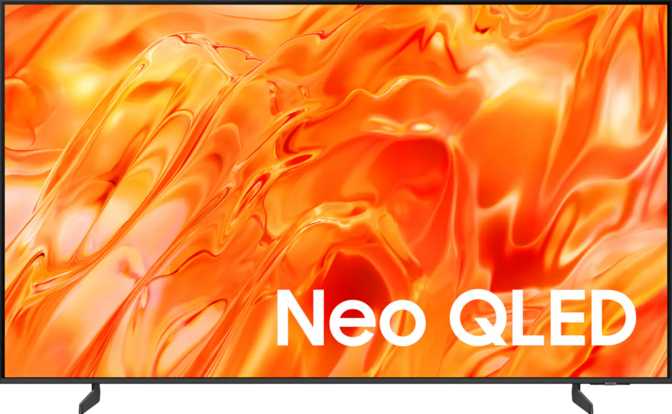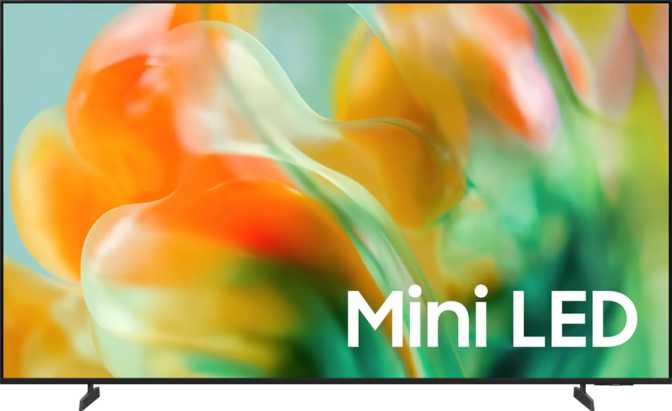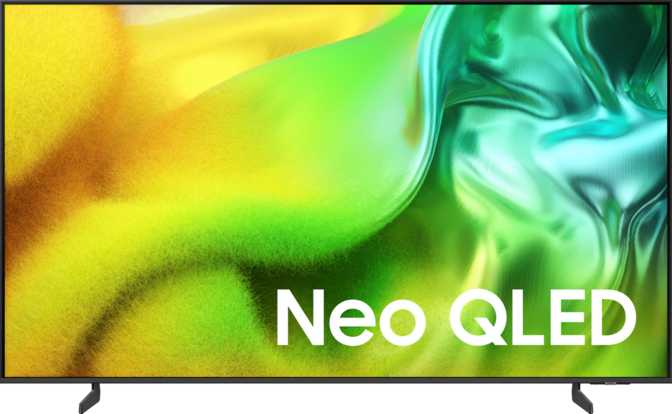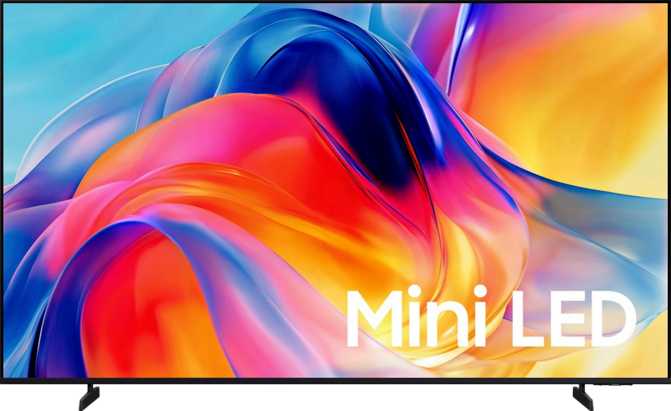
At 85 inches, a television stops being furniture and starts being architecture. It reorganizes a room around itself — picture quality flaws invisible on a 55-inch screen become apparent from across the room, while the right display technology at this size produces an experience no projector or smaller panel can replicate. The Samsung UN85M70HAFXZA is built around Mini-LED backlighting: a technology tier above conventional LED-LCD in picture quality, below self-emissive OLED in price, and positioned at a scale that demands careful evaluation before purchase.
Design, Build Quality, and Physical Experience
How it looks, fits, and feels in your space before you ever turn it on
Size, Weight, and Room Requirements
This television measures just under 75 inches wide and approximately 43 inches tall in its stand configuration. Before purchasing, measure your wall or entertainment unit with precision — that width is fixed, and at roughly 64 pounds installation requires two adults and a mount rated for the full load. The cabinet runs about 3 inches deep at its thickest, which is reasonable at this size, though Mini-LED panels inherently carry more depth than OLED alternatives.
Wall mounting is supported via a standard VESA pattern. For most rooms this is the recommended approach — it reduces the visual footprint, eliminates stand placement concerns, and improves viewing geometry for a wider seating arrangement.
Physical Dimensions at a Glance
- Width
- ~74.4 in (1889.9 mm)
- Height (with stand)
- ~42.6 in (1083.5 mm)
- Depth
- ~3 in (77 mm)
- Weight
- ~64.4 lbs (29.2 kg)
- VESA Mount
- Supported
- Operating Temp.
- 50°F – 104°F (10–40°C)
Ensure adequate ventilation in enclosed media units. This panel generates meaningful heat during extended viewing sessions and requires air circulation to stay within its operating temperature range.
Anti-Reflection Coating
The treated panel surface diffuses ambient light rather than mirroring it back at the viewer. In living rooms with windows or overhead fixtures, this coating eliminates the hotspot glare that plagued earlier flat-panel televisions. It introduces a very subtle matte quality to deep blacks in bright rooms — a minor trade-off that the practical daily benefit far outweighs.
Ambient Light Sensor
The built-in sensor continuously reads room lighting conditions and adjusts backlight intensity automatically. Backlight steps down in dark environments to protect visual comfort during night viewing, and steps up in bright conditions to maintain clear contrast. It is one of those features that becomes invisible — until you use a television without it.
Display Performance: What Mini-LED Actually Means Here
Breaking down the technology and its real-world impact at 85 inches of screen
Why Mini-LED Matters at This Screen Size
Mini-LED backlighting uses thousands of tiny LEDs arranged behind the LCD panel, grouped into independently controllable dimming zones. When a scene contains a bright object against a dark background — a candle in a darkened room, stars against deep space — standard LED backlights illuminate the entire screen, washing out the dark areas. Mini-LED narrows those zones dramatically, allowing bright regions to be lit while surrounding darkness stays genuinely dark.
At 85 inches, this distinction becomes critical. The blooming effect — the halo of light that bleeds from a bright object into adjacent dark areas — is far more visible on a large screen than a compact one. Mini-LED reduces but does not eliminate this artifact. OLED, which turns each pixel completely off individually, remains the reference standard for absolute black levels. The UN85M70HAFXZA sits meaningfully above standard LED-LCD while occupying a different segment from OLED in both price and picture characteristics.
4K Resolution at This Scale
At 3840×2160 pixels distributed across 85 inches, the pixel density sits just above 52 pixels per inch. From the typical living room viewing distance of 9–14 feet, the image resolves as smooth and naturally detailed. Move significantly closer and individual pixels become discernible; maintain a natural seating arrangement and the picture reads as refined throughout.
10-Bit Color Depth
The 10-bit panel reproduces over a billion distinct color shades. Gradients — a sunset sky, a shadowed stone wall, a deep ocean scene — render as smooth, continuous tonal transitions rather than the visible banding that affects cheaper 8-bit displays. This benefit becomes most apparent during HDR content where sky tones and highlights are pushed aggressively toward the limits of the display.
60Hz Refresh Rate
The panel refreshes 60 times per second — fully sufficient for 24fps film content, documentary footage, broadcast television, and nearly all streaming. The limitation surfaces in two specific contexts: gaming at 4K/120fps (not achievable here) and sports viewing where motion blur sensitivity is high. There is also no variable refresh rate support, which further limits compatibility with current gaming hardware.
HDR Format Support
The absence of Dolby Vision matters most for Netflix and Disney+ subscribers. Content mastered in Dolby Vision automatically falls back to HDR10, which still looks genuinely excellent on a well-calibrated Mini-LED panel — but it does not reach the ceiling that Dolby Vision's 12-bit pipeline and per-frame tone mapping would deliver. For Amazon Prime Video viewers, native HDR10+ support provides the full dynamic metadata experience without compromise.
Connectivity: Ports, Wireless, and Smart Features
Every connection this television offers and what each one means for your real-world setup
Physical Connections
-
3×
HDMI 2.1Full bandwidth for 4K/60Hz with HDR. One port supports eARC — Enhanced Audio Return Channel — which carries lossless and object-based audio formats including Dolby Atmos and DTS:X to a connected soundbar or AV receiver over a single cable.
-
1×
USB-ASupports USB recording directly to a connected drive and media playback from storage devices. A single port is the one area where this connectivity array feels genuinely thin — most installations benefit from two. A low-cost USB hub resolves this practically.
-
1×
Ethernet (RJ45)Wired internet for the most stable 4K streaming experience. In homes with congested wireless environments or long distances from the router, a wired connection prevents the bandwidth fluctuations that can interrupt HDR streams mid-playback.
No 3.5mm headphone jack. No optical digital audio output. All audio routing runs through HDMI (including eARC) or Bluetooth. Buyers planning to connect legacy audio equipment via optical should evaluate this limitation before purchasing.
Wireless Connectivity
Voice Assistants & Casting Ecosystem
- Google Assistant — native integration with voice search and control
- Amazon Alexa — native integration for smart home control
- Chromecast built-in — cast directly from Android phones and tablets
- AirPlay — cast natively from iPhone and iPad
- Miracast — screen mirror from compatible Android devices
- Apple HomeKit / Siri — not supported
AirPlay enables casting from Apple devices, but the TV will not appear as a controllable device within the Apple Home app and will not respond to Siri automation commands directed at it.
Audio: Built-In Sound Versus External Systems
What the onboard speakers deliver — and why the eARC port is the more important specification
The speaker system delivers 20 watts of total stereo output across two channels. At 85 inches of screen, this creates an inherent disproportion — the visual scale implies a cinematic experience, but 20 watts of stereo sound does not fill a large room with the authority the image deserves. Dialogue clarity in a quiet environment is adequate, and the built-in audio is serviceable for news and casual background viewing.
For film, sports, or any content where audio immersion is part of the experience, an external audio solution is not an optional upgrade — it is a necessary complement to a screen this size. The eARC-capable HDMI port transforms this equation: it carries lossless audio including Dolby Atmos and DTS:X from the TV to a connected soundbar or receiver over a single HDMI cable. HDMI-CEC typically synchronizes volume control between the TV remote and the soundbar, keeping daily operation clean.
Practical Recommendation
Budget for a soundbar with eARC support at the point of purchase rather than treating it as a later upgrade. An 85-inch primary display paired with even a mid-range eARC soundbar produces a dramatically more complete home theater experience than the built-in speakers alone can provide.
Audio Specifications
- Total Output Power20W (2 × 10W)
- Speaker ConfigurationStereo (2-channel)
- Dedicated SubwooferNot Included
- HDMI ARCSupported
- HDMI eARCSupported
- Optical Digital OutNot Included
- 3.5mm Headphone JackNot Included
Real-World Usage: Who This Television Is — and Is Not — For
Matched to the right household this television excels. In the wrong context, its limitations become daily friction.
Ideal For These Buyers
- Home Theater Enthusiasts in Large RoomsThe 85-inch Mini-LED panel, HDR10+ support, and 178-degree horizontal and vertical viewing angles make this a compelling primary display for rooms where multiple viewers sit at varying distances and angles from the screen.
- Cable and Broadcast Television HouseholdsHLG broadcast HDR support, USB recording, a fully featured smart TV platform with dual voice assistant integration, child lock, and sleep timer make this a complete solution for conventional television viewing at large format.
- Apple Device Users Who Stream via AirPlayNative AirPlay support covers the core use case for iPhone and iPad owners — casting content from Apple devices works without requiring a separate Apple TV hardware purchase.
- Buyers Upgrading from a Smaller ScreenThe step to 85 inches in a room where viewing distance supports it is genuinely transformative. This television delivers that scale with picture quality that holds up to close scrutiny rather than magnifying limitations.
Consider Alternatives If You Are...
- A Console or PC GamerThe 60Hz ceiling and absent VRR support make this a poor match for current-generation console gaming. PS5 and Xbox Series X users targeting 4K at high frame rates with tear-free output will find this television incompatible with those goals.
- An Apple HomeKit HouseholdWithout Siri and HomeKit integration, this television sits outside Apple's smart home automation ecosystem. AirPlay casting functions correctly, but device-level control through the Apple Home app is not available.
- Committed to Dolby Vision HDRIf your primary platforms are Netflix and Disney+ and you want the absolute ceiling of HDR performance, a Dolby Vision-capable television is a better fit. HDR10 is still excellent here, but the highest tier of streaming HDR is inaccessible.
- Working with a Small or Medium RoomAt seating distances under 8 feet, 85 inches creates an enveloping, fatiguing experience rather than a cinematic one. This screen size demands space — optimal viewing starts at 10 feet or more.
Competitive Positioning
How the UN85M70HAFXZA stands against the logical alternatives at this price tier
| Feature | Samsung UN85M70HAFXZA | Typical 85″ Standard LED | Typical 65″ OLED |
|---|---|---|---|
| Backlighting | Mini-LED | Standard LED-LCD | Self-Emissive OLED |
| Refresh Rate | 60Hz | 60Hz or 120Hz | 120Hz typical |
| HDR Formats | HDR10, HDR10+, HLG | HDR10 only | Dolby Vision + HDR10+ |
| Black Level Quality | Strong (zoned dimming) | Moderate (full array) | Reference-level |
| Screen Size | 85″ | 85″ | 65″ (20″ smaller) |
| Gaming (VRR / 120Hz) | Not supported | Varies by model | Fully supported |
| Burn-in Risk | None | None | Present long-term |
| Viewing Angles | 178° H / 178° V | Typically narrower | Near-perfect off-axis |
The Mini-LED advantage over standard LED competition is most visible in high-contrast scenes — night sequences, dark films, and HDR nature content. Against a smaller OLED, the trade-off is screen size versus absolute black levels. For households displaying static-heavy content like news tickers, sports scoreboards, or persistent game interface elements, Mini-LED's immunity to burn-in is also a meaningful long-term consideration.
Honest Assessment: Strengths and Weaknesses
A direct look at where this television earns its place and where it leaves performance on the table
Where It Excels
The strongest argument for this television is the combination of screen scale and display technology at its price tier. Mini-LED at 85 inches is a meaningful step above what most large-format LED-LCD panels deliver. The anti-reflection coating, near-universal 178-degree viewing angles, and 10-bit color reproduction make this a well-rounded display for a primary living room role where multiple viewers watch from different positions.
The smart platform is among the most universally compatible in its category — Google Assistant, Amazon Alexa, Chromecast, AirPlay, and Miracast cover every major mobile ecosystem and both dominant voice platforms without requiring any additional hardware. The eARC port ensures the television functions as a capable audio hub for an external system without additional cabling.
USB recording, an ambient light sensor, a sleep timer, child lock, and voice commands round out a feature set that addresses most household use cases comprehensively. The standby power consumption of just half a watt is a minor but positive note for long-term ownership of a screen this size.
Where It Falls Short
The 60Hz refresh rate and absent variable refresh rate support close the door on enthusiast gaming. The PlayStation 5 and Xbox Series X are built around 4K/120fps with VRR as core features — none of that translates to this display. Casual gaming is unaffected; anyone for whom gaming is a primary use case should not purchase this television without acknowledging this constraint clearly.
A single USB port is stingy for a television at this size and price. Most installations benefit from two permanent connections — a streaming device and a recording drive — and one port requires either rotation or an additional hub as an extra purchase.
The absence of Dolby Vision has real-world impact for Netflix and Disney+ subscribers. Content mastered for Dolby Vision delivers a technically superior result on a compatible display; without the format, that ceiling is inaccessible regardless of how well the panel is calibrated.
The built-in speaker array functions as a placeholder rather than a genuine audio solution. At 20 watts across two channels, external audio is not an optional later upgrade at this screen size — it is part of the total purchase consideration from the outset.
Questions Buyers Ask Before Purchasing
Direct answers to the most common pre-purchase questions searched by real buyers
Final Verdict
The Samsung UN85M70HAFXZA earns its place as a strong large-format home theater television for buyers whose priority is cinematic viewing in a living room setting. The Mini-LED backlighting pays visible dividends in HDR and high-contrast content at a size that puts standard LED-LCD competitors at a clear disadvantage. The universally compatible smart platform and eARC-enabled audio routing complete a well-rounded package for the primary use case this television was built for.
Buy With Confidence If
You want the largest possible screen with genuinely capable picture quality, a comprehensive smart platform covering all major ecosystems, and a clean eARC connection for an external audio system — and gaming is not your primary use case.
Consider Alternatives If
Gaming performance at 4K/120fps with VRR is a priority, your household relies on Apple HomeKit for smart home automation, or Dolby Vision HDR from Netflix and Disney+ is a non-negotiable part of your viewing standards.
A well-rounded large-format home theater display with meaningful Mini-LED picture advantages — held back by a 60Hz ceiling and the absence of Dolby Vision for households that need it.
Warranty Note: The manufacturer warranty covers one year from the date of purchase. For an investment at this scale — a primary 85-inch display intended for years of daily use — extended warranty coverage is worth evaluating at the point of purchase. Panel defects and backlight failures at this size carry significantly higher service costs than those of a smaller display.