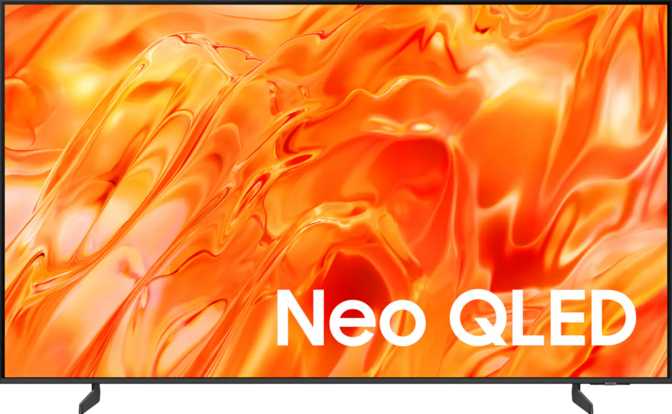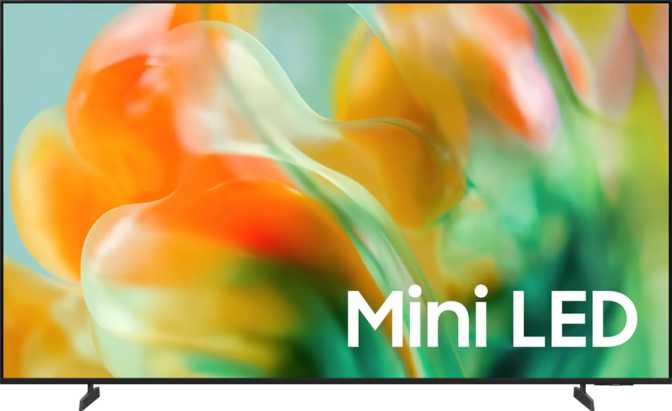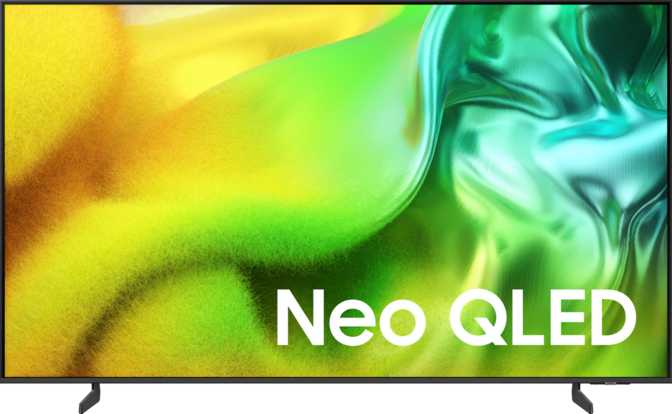
Samsung QN85QN1EHAFXZA 85-Inch QLED – An Honest Full Review
TVsThere is a point at which a television stops being a screen and starts being a presence in the room. The Samsung QN85QN1EHAFXZA crosses that threshold. At nearly seven feet across the viewing panel, this is not a television you choose casually — it is a deliberate decision to reshape how a room feels and functions. The real question is whether the technology behind that enormous canvas can match its sheer physical ambition. The short answer: mostly yes, with a few meaningful caveats that deserve your full attention before you commit.
This review covers all major performance areas — picture quality, audio, gaming limitations, smart platform, and connectivity. This television has specific strengths and equally specific gaps that define exactly which buyer it suits.
- Screen Size84.6" 4K UHD
- Panel TypeMini-LED QLED LCD
- Resolution3840 × 2160
- Refresh Rate60Hz Native
- HDR FormatsHDR10, HDR10+, HLG
- Dolby VisionNot Supported
- Adaptive SyncNo VRR
- Smart PlatformSamsung Tizen
- Built-in Audio20W Stereo
- HDMI Ports3× HDMI 2.1b
- Warranty1 Year
Design and Build Quality
Physical Footprint — Plan Before You Buy
This television is large in every sense that matters. It spans just over 74 inches wide and stands roughly 43 inches tall — and that is before accounting for any stand or mounting hardware. It weighs just over 91 pounds, which means wall-mounting is a two-person job at minimum and ideally a three-person one. The logistics of getting it into a room, up a flight of stairs, or securely onto a wall bracket are real considerations that can affect installation costs significantly.
74.8"
Width
42.8"
Height
1.06"
Panel Depth
91.3 lbs
Weight
The depth profile — just over an inch at the panel — is impressive for this technology class. Mini-LED backlighting systems typically require more internal architecture than conventional LED panels, so achieving a thickness close to standard LED TV dimensions is a genuine design accomplishment. On a wall, the QN85QN1EHAFXZA presents with a nearly flat silhouette. VESA mounting is fully supported, ensuring compatibility with the wide ecosystem of third-party wall brackets and articulating arms — just ensure your chosen bracket is rated well above the actual weight.
Materials and Finish
The anti-reflection coating on the panel surface is a functional design choice. In rooms where windows or overhead lights create glare, the coating actively reduces the distracting hotspots that plague glossy-finish screens. The ambient light sensor works alongside this by automatically adjusting brightness as room lighting conditions shift — useful for households where the TV runs continuously across morning, afternoon, and evening without manual intervention.
The operating temperature range — between 50°F and 104°F — is standard for a living room or home theater environment. Worth knowing if you are considering placement in a garage conversion, sunroom, or any space with less controlled temperatures.
The Display Technology Explained
The QN85QN1EHAFXZA layers three technologies — Mini-LED backlighting, an LCD panel, and a Quantum Dot color film — into a system where each element amplifies the strengths of the others. Understanding how they interact explains exactly why this screen performs the way it does.
Mini-LED Backlighting
Thousands of tiny light-emitting diodes replace the few large LED clusters used in conventional panels. This enables dramatically more precise control over which areas of the screen are bright and which are dark — the mechanism behind superior contrast and reduced blooming around bright objects against dark backgrounds.
Quantum Dot Color
A film of semiconductor nanoparticles converts and emits precise wavelengths of colored light, expanding the range of colors the screen reproduces across varying brightness levels simultaneously. Colors at high brightness — a sunset, a stadium light, a car headlight — retain their saturation rather than blooming into pale imitations of themselves.
178° Viewing Angles
Horizontal and vertical viewing angles each reach effectively the full field of human peripheral vision. A family of five across a wide sectional sofa all see the same picture — colors do not shift and blacks do not gray out for viewers seated off-center. A genuine differentiator over older VA-panel LCD TVs that suffered significant color shift beyond 45 degrees off-axis.
Color Depth: What One Billion Colors Actually Means
Most basic displays operate in an 8-bit color space — enough for 16.7 million distinct colors. The QN85QN1EHAFXZA operates in 10-bit color, expanding that palette into the billion-plus range through its native panel capability combined with Quantum Dot processing. The practical difference is most visible in gradients: skies, skin tones, and subtle shadow detail appear smooth and continuous rather than showing the stepped banding that plagues standard 8-bit panels.
HDR Performance: Strengths and the Notable Gap
High Dynamic Range dramatically expands the contrast and color range of video content beyond standard display output. The HDR formats a television supports determine how well it can process premium content. Here is the full picture on what the QN85QN1EHAFXZA handles — and what it does not.
HDR10
The universal baseline. Supported by virtually all HDR content on streaming platforms, Blu-ray, and gaming consoles.
HDR10+
Dynamic metadata adds frame-by-frame brightness optimization beyond static HDR10's single-curve approach.
HLG
The broadcast and live-streaming standard. Important for HDR sports and live events via over-the-air or cable channels.
Dolby Vision
Not supported. The competing dynamic metadata format with deep penetration across Netflix, Disney+, Apple TV+, and Ultra HD Blu-ray.
Dolby Vision Absent — What This Means for Your Streaming Library
Dolby Vision titles will play using their HDR10 base layer — the image is not broken or degraded. But the frame-by-frame brightness optimization Dolby Vision provides is not applied. For most content and most viewers, this difference is subtle. For subscribers who primarily use Apple TV+ or who build their library from Dolby Vision–encoded Ultra HD Blu-rays, it is a real reason to compare alternatives before deciding.
Refresh Rate, Motion, and Gaming Performance
The 60Hz Reality
The native panel refresh rate is 60 frames per second. For most television content — broadcast, streaming, cable — this is entirely sufficient. Films are shot at 24fps; standard television at 24 or 30fps; sports broadcasts at 30 or 60fps. A 60Hz panel handles all of this without issue.
For any buyer upgrading from a 60Hz TV, there is no regression here. For buyers who specifically sought a 120Hz panel — now common in upper-tier televisions at this price point — this is a meaningful downgrade that deserves clear acknowledgment before purchase.
Samsung's software-based motion processing interpolates frames to enhance perceived fluidity. Its use divides opinion: some viewers find it makes sports more immersive; others find it produces an unnaturally hyper-real look on scripted content that they disable immediately.
Gaming: A Significant Limitation
Not Recommended for Performance Gaming
The absence of adaptive synchronization means screen tearing and stuttering are not eliminated when a game's rendering speed does not match the display's fixed 60Hz cycle. Both PlayStation 5 and Xbox Series X support VRR natively — this television cannot take advantage of that capability.
Games will run and image quality will be visually impressive for slower-paced or story-driven titles. However, the technical performance ceiling that competitive or frame-rate-sensitive gaming demands is absent. Three HDMI 2.1b ports provide sufficient physical bandwidth — the 60Hz panel is the limiting factor, not the inputs.
Samsung's QN90 or QN95 Neo QLED series adds 120Hz and VRR on the same Mini-LED QLED foundation — the right path forward if gaming performance is a requirement.
Audio Performance
What 20 Watts Gets You at This Screen Size
The built-in sound system delivers 20 watts of total power split between two stereo channels. For a television whose screen real estate implies a home theater setting, this is modest output. Dialogue intelligibility is handled well and standard stereo content plays without obvious distortion at reasonable volumes.
The system does not include a dedicated subwoofer channel or Dolby Atmos processing — two audio features now common on mid-range televisions in this price category. Dolby Atmos is the spatial audio format used by most premium streaming services for their cinematic releases. Its absence is audible: soundtracks mastered with height and spatial dimension are rendered in standard stereo only.
The eARC-equipped HDMI port enables lossless Dolby TrueHD and DTS:X passthrough to a capable soundbar or AV receiver. A high-quality audio system connected here receives the full uncompressed audio signal from the TV's own streaming apps — making this the right upgrade path for serious audio.
Audio Recommendation
Budget for a soundbar or surround system. At 85 inches, the viewing experience is cinematic by default — the audio should match that scale. The eARC HDMI connection makes integrating external audio straightforward and lossless.
Audio Feature Summary
- 2-channel stereo speaker system
- HDMI ARC and eARC supported
- Digital optical output
- No Dolby Atmos decoding
- No dedicated subwoofer channel
- No 3.5mm headphone output
Smart TV Features and Connectivity
Platform and Voice Control
Samsung's Tizen-based smart platform delivers access to the full streaming ecosystem alongside a web browser. The system responds to both Google Assistant and Amazon Alexa, either through the television's own microphone or via connected smart home devices — giving households in either ecosystem a natural extension point.
Apple HomeKit integration is absent. AirPlay is supported, allowing Apple device owners to mirror or stream from an iPhone, iPad, or Mac without an additional streaming dongle. But the deeper integration that HomeKit enables — treating the TV as a controllable device within Apple Home scenes and automations — is not available.
Wired and Wireless Connections
Wi-Fi support covers both 2.4GHz and 5GHz bands through Wi-Fi 5, providing more than adequate bandwidth for 4K streaming in most home networks. A wired Ethernet port adds stability for setups where reliability is critical. Bluetooth 5.3 connects wireless headphones with low latency — practical for late-night viewing.
Three HDMI 2.1b ports accommodate a cable box, streaming device, and gaming console simultaneously without input conflicts. The USB recording feature lets live broadcast content be saved directly to a connected drive. Miracast extends wireless display options to Android devices and Windows computers alongside AirPlay.
- Google Assistant
- Amazon Alexa
- AirPlay (Apple device streaming)
- Siri / Apple HomeKit — Not Supported
- HDMI 2.1b3 ports
- USB2 ports
- Ethernet (RJ45)1 port
- Wi-Fi2.4 + 5GHz
- Bluetooth5.3
- HDMI ARC / eARCBoth
- MiracastYes
- USB RecordingYes
Real-World Usage: Who This TV Is For
Streaming Is Your Primary Use Case
Netflix, Disney+, Amazon Prime Video, and YouTube all in 4K HDR on a canvas that fills a room with genuine visual presence. The Mini-LED contrast system rewards premium content.
You Watch Sports With Multiple People
Near-full-range viewing angles mean wide, shared seating arrangements see the same consistent image from every position — no color shift, no off-axis degradation.
You Plan to Pair It With External Audio
The eARC HDMI port makes connecting a quality soundbar or AV receiver straightforward, unlocking the full cinematic potential of the screen's picture quality.
Your Room Supports the Scale
A viewing distance of nine to twelve feet is the sweet spot for this panel size. At that range, the immersive effect is exactly what this television was built to deliver.
You Game on PS5 or Xbox Series X
No VRR and a 60Hz ceiling mean you will not access the smooth, tear-free gameplay those consoles can deliver. The Samsung QN90 or QN95 Neo QLED series is the right alternative.
You Are Deeply Invested in the Apple Ecosystem
No HomeKit and no Siri mean this TV cannot participate in Apple Home scenes or automations. AirPlay covers basic streaming, but deeper smart home integration is absent.
Dolby Vision Is Central to Your Library
If your streaming relies heavily on Apple TV+, or you collect Dolby Vision Ultra HD Blu-rays, you receive the HDR10 fallback only — not the full dynamic tone-mapped experience.
Your Room Is Smaller Than Optimal
An 85-inch panel at close apartment viewing distances is too large for comfortable, natural viewing. The recommended minimum viewing distance is roughly ten feet from the screen.
Competitive Positioning
The QN85QN1EHAFXZA occupies a specific segment: Mini-LED contrast performance above basic LED competition, but without the gaming and HDR format completeness of Samsung's upper-tier models. Here is how it compares to the two most logical alternatives at this screen size.
| Feature | Samsung QN85QN1EHAFXZA | 85" QLED Competitor (120Hz, VRR) | 85" OLED Alternative |
|---|---|---|---|
| Panel Technology | Mini-LED QLED LCD | QLED LCD | Self-emissive OLED |
| Native Refresh Rate | 60Hz | 120Hz | 120Hz |
| Variable Refresh Rate | |||
| Dolby Vision | Varies by model | ||
| HDR10+ | Varies by model | ||
| Viewing Angles | Near 180° | Good | Excellent |
| Peak Brightness | High (Mini-LED) | High | Moderate |
| Burn-in Risk | None | None | Present (long-term) |
| 85" Availability | Limited, higher cost |
Against OLED alternatives at this screen size, the QN85QN1EHAFXZA holds clear advantages in peak brightness and zero burn-in risk. OLED's permanent-image retention vulnerability is a real consideration for households that leave static content on screen for extended periods.
Honest Assessment
Mini-LED Contrast Is the Headline Feature — and It Earns It
Scenes with mixed brightness render with depth and light dimensionality that conventional LED-backlit LCD TVs cannot consistently match. Whites look like light sources; blacks hold their depth even next to bright objects.
Color and Contrast Reinforce Each Other
The Quantum Dot layer ensures Mini-LED's contrast performance coexists with saturated, accurate color reproduction — not a trade-off between the two, but both achieved simultaneously.
Near-Full-Range Viewing Angles
178-degree angles correct one of LCD technology's longstanding weaknesses at the category level. This TV looks accurate from every seat in the room, not just the center cushion.
Connectivity Without Compromise
Three high-bandwidth HDMI ports, wired and wireless networking, Bluetooth, USB recording, and Miracast. This TV integrates with virtually any existing home entertainment setup without adapters.
60Hz and No VRR Are Not Minor Footnotes
In a market where 120Hz and VRR are now standard at this price tier, these are deliberate omissions. Reasonable for non-gaming households; a poor trade-off for anyone who games on current-generation hardware.
Built-in Audio Underwhelms at This Scale
No Dolby Atmos and no subwoofer. Competitors at this price now offer more capable audio systems. External audio is not optional for this screen size — it is a necessary addition to the budget.
Dolby Vision Gap Narrows HDR Coverage
Missing the format used as the primary HDR track by Netflix, Disney+, and Apple TV+ limits the full HDR experience for viewers on those platforms who care about best-available quality.
One-Year Warranty at This Price Point
Standard manufacturer minimum coverage only. At this investment level, evaluating extended warranty options at point of sale is advisable before completing the purchase.
Common Pre-Purchase Questions Answered
Final Verdict
The Samsung QN85QN1EHAFXZA is a strong television for a clearly defined audience: households that want an enormous, high-impact screen for streaming, sports, and shared family viewing — who have no gaming requirements, and who will complement the picture quality with an external audio setup. The Mini-LED QLED combination delivers contrast and color performance that punches well above what standard LED-backlit LCD screens produce. At 85 inches, those strengths fill a room with genuine presence.
Purchase This Television If...
- You are equipping a main living room for cinematic and family viewing at scale
- You plan to connect a quality soundbar or AV receiver via the eARC HDMI port
- You have no active gaming use case requiring VRR or 120Hz performance
- Your viewing distance and room dimensions comfortably accommodate an 85-inch panel
Consider the QN90 / QN95 Neo QLED Instead If...
- Gaming performance, VRR, or 120Hz fluidity are requirements for your setup
- Full Dolby Vision support matters to your streaming library or disc collection
- Apple HomeKit integration and Siri voice control are priorities in your home
- You want the complete feature set this model deliberately does not include