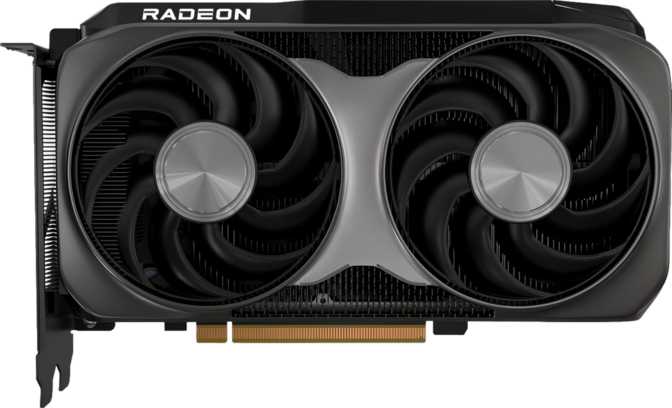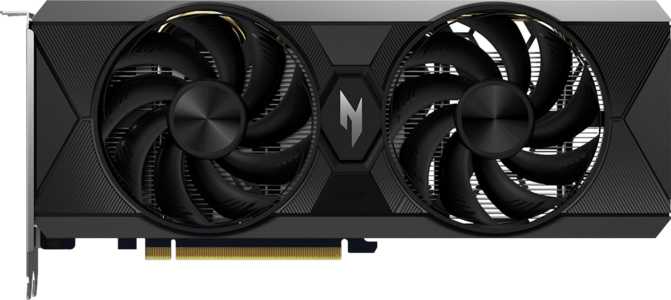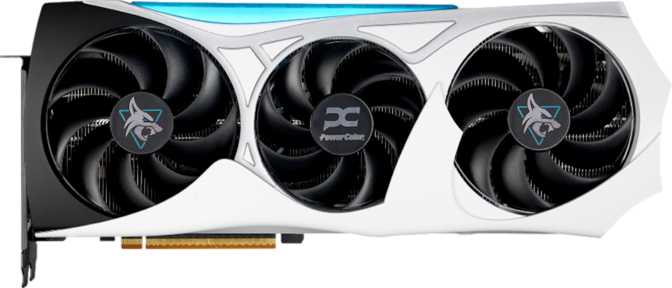
PowerColor Hellhound Radeon RX 9070 XT Reva Edition: Full Review

PowerColor Hellhound Radeon RX 9070 XT Reva Edition: Full Review

Graphics Cards

Review Score Summary

8.5out of 10

Highly Recommended

RDNA 4 Architecture  •  16GB GDDR6

Rasterization
9.0
Memory & VRAM
9.5
Feature Set
8.5
Build Quality
8.0
Value for Money
8.0

AMD's RDNA 4 Architecture Arrives in a New Form Factor

The mid-to-high-end GPU market has rarely felt this contested, and the PowerColor Hellhound Radeon RX 9070 XT Reva Edition lands squarely at the center of that fight. Built on AMD's latest RDNA 4 architecture and fabricated on a cutting-edge 4-nanometer process node, this card represents a meaningful generational step — not a modest refresh. The Reva Edition designation signals a revised board design from PowerColor's established Hellhound line, and the specification profile backs up that claim with numbers that demand serious attention from anyone shopping in this performance tier.

Whether you're upgrading from a two- or three-generation-old card, building a new rig, or simply trying to decide between AMD and NVIDIA, this review gives you everything you need to make that call with confidence.

RDNA 4

Latest Architecture • 4nm Node

16GB GDDR6

256-bit • 644+ GB/s Bandwidth

49.3 TFLOPS

Floating-Point Compute Performance

Design and Build: The Hellhound's Physical Presence

Dimensions & Fit

At 346mm long and 151mm tall, this card is substantial but not unreasonably so for its performance class. It fits comfortably in full-size ATX and most mid-tower cases without requiring modifications.

Measure your chassis clearance before ordering — verify PCIe slot spacing on tightly packed builds. The footprint is consistent with others at this performance tier.

Cooling Solution

PowerColor equips the Hellhound with air cooling — the right call at this tier. Air coolers have matured to the point where liquid is largely unnecessary unless you're chasing extreme overclocks or building in a severely constrained enclosure.

Good case airflow with front intake and rear or top exhaust allows the cooler to manage the 304-watt thermal ceiling comfortably at sustained boost clocks.

RGB Lighting

The card includes RGB lighting consistent with the Hellhound aesthetic — tasteful rather than excessive, appropriate for open-panel builds without overwhelming a dark room during extended gaming sessions.

Software control is handled through AMD's Radeon Software ecosystem, keeping customization within a single unified driver suite with no additional software required.

Core Performance: What the Specifications Actually Mean

4096

Shading Units

3010

MHz Boost Clock

49.3

TFLOPS Compute

4 nm

Process Node

The RDNA 4 Foundation

RDNA 4 is AMD's most significant architectural leap in several generations. Built on a 4-nanometer process, the RX 9070 XT packs approximately 53.9 billion transistors onto its die — a figure that reflects the extraordinary computational density modern fabrication enables. More transistors, smaller node, and better power efficiency all compound together to produce a GPU that does substantially more work per watt than its predecessors.

The 4,096 shading units are the card's primary compute engine — think of them as the workers on an assembly line. The more you have, and the faster they run, the more visual data they process each frame. 128 render output units handle the final pixel-writing stage with equally strong throughput.
Clock Speeds in Practice

The GPU runs at a base clock of 1,660 MHz under light load, then boosts aggressively under sustained gaming workloads — reaching up to 3,010 MHz at peak. RDNA 4 was specifically designed with high clock headroom in mind, and nearly doubling the base frequency under boost is a characteristic behavior of the architecture. In practice, you won't see the base clock during gaming — the card spends the vast majority of its time at or near the boost ceiling where performance is delivered.

Compute Throughput

At nearly 49.4 teraflops of floating-point compute, this card positions itself in the same neighborhood as GPUs that previously cost significantly more. A teraflop represents one trillion mathematical operations per second — modern game engines consume this capacity for physics, lighting, and post-processing effects simultaneously.

The texture fill rate exceeding 770 billion texels per second and pixel fill rate surpassing 385 billion pixels per second translate directly into how quickly the GPU draws detailed surfaces and writes final pixel colors to the screen. Strong figures here prevent rasterization from becoming a bottleneck at higher resolutions.

Ray Tracing Capability

Ray tracing support is present and hardware-accelerated. RDNA 4 introduced dedicated ray accelerators with a substantially improved design compared to RDNA 3 — AMD has meaningfully closed the competitive gap on this metric, which has historically been a weak point. Real-world ray tracing performance in current games is expected to be competitive with offerings at similar price points, though full path tracing workloads remain demanding on any current hardware generation.

Memory System: 16GB GDDR6 and Why It Matters

16GB

GDDR6 VRAM

Ample headroom for 4K gaming and creative workloads today — and well into the next hardware generation

644+

GB/s Bandwidth

Over 644 GB/s through a 256-bit bus — strong for this market segment, avoiding bottlenecks of narrower-bus alternatives

20

Gbps Per Pin

Effective GDDR6 memory speed delivering high data throughput per memory channel under sustained load

Capacity for Today and Tomorrow

Sixteen gigabytes of video memory is no longer a luxury — it's increasingly a practical necessity for high-resolution gaming. Several current titles with high-resolution texture packs consume 10–12GB of VRAM under demanding settings. Having 16GB means you're not forced to compromise texture quality to avoid stuttering, and the card remains viable for titles releasing well into the next hardware cycle.

Cards with 8GB are already encountering memory pressure in current titles. Cards with 12GB sit in a cautionary zone at 4K. At 16GB, this card is built for longevity.

Bandwidth and Bus Width

The memory system runs on a 256-bit interface — the same bus width found on many flagship cards — paired with GDDR6 memory operating at an effective speed of 20 Gbps per pin. Together, these deliver over 644 gigabytes of memory bandwidth per second: the rate at which the GPU feeds data between its compute units and memory.

That bandwidth figure matters most at high resolutions, with anti-aliasing active, and in complex frame buffer operations. Over 644 GB/s avoids the memory bottlenecks that narrower-bus cards at this tier sometimes encounter under demanding workloads.

ECC Memory Support

Error Correction Code memory is typically reserved for workstation GPU lineups. ECC detects and corrects single-bit memory errors in real time — for pure gaming, the practical difference is nil. But for anyone using this card for rendering, simulation, or machine learning workloads alongside gaming, ECC adds a layer of data integrity assurance that most consumer GPUs in this tier simply skip.

It's a meaningful differentiator for hybrid users, included here without a workstation price premium.

Feature Set: What You Actually Get

DirectX 12 Ultimate — Full API Compliance

DirectX 12 Ultimate is the current ceiling of Microsoft's graphics API specification, and this card meets it fully. This enables hardware ray tracing, mesh shaders, variable rate shading, and sampler feedback — features game developers increasingly rely on for visual fidelity and per-frame performance optimization. OpenGL 4.6 and OpenCL 2.2 extend compatibility to productivity and compute applications.

AMD SAM — Smart Access Memory

AMD SAM allows a compatible AMD processor to access the full GPU frame buffer rather than the standard 256MB windowed region. On a Ryzen-platform system with a compatible chipset and BIOS, SAM can deliver measurable performance gains — sometimes 5–10% depending on the title. Intel users retain the full GPU performance, simply without this specific memory access optimization active.

PCIe 5.0 Interface — Ready for the Next Decade

PCIe 5.0 is the latest interface standard. In current gaming, the performance difference versus PCIe 4.0 is unmeasurable — GPU workloads don't saturate PCIe 4.0 bandwidth in any present-day application. The value is future-proofing: native compatibility with next-generation motherboards and full backward compatibility with PCIe 4.0 and 3.0 systems.

Double Precision Floating Point (DPFP)

Consumer GPUs commonly disable DPFP to differentiate workstation products. Its inclusion here extends the Hellhound's usefulness into scientific computing, financial modeling, and machine learning tasks without requiring a professional-grade card. A quiet but genuine advantage for users doing technical compute work alongside gaming.

Display Output Configuration
  • 1 × HDMI 2.1b — supports 4K at 144Hz or 8K at 60Hz, suitable for gaming monitors and modern TVs alike
  • 3 × DisplayPort — flexible configuration for multi-monitor workstations and ultrawide setups
  • 4 simultaneous displays supported without additional hardware
  • No USB-C output — plan accordingly if your monitor uses this connection type

Power Consumption and System Requirements

A thermal design power of 304 watts places this card in a tier that demands a well-specified power supply. For a complete gaming system, a quality 750W PSU is the practical minimum, and 850W provides comfortable headroom — particularly when paired with a high-TDP processor.

The 304W figure is not alarming for this performance tier. It's consistent with where high-performing cards settle given the complexity of RDNA 4's architecture. The 4-nanometer fabrication node helps keep power consumption from climbing further: delivering this level of performance on an older, larger node would require substantially more wattage.

From an efficiency standpoint, you're getting more teraflops per watt than previous-generation AMD cards at this tier. Case airflow matters significantly — a well-ventilated case with front intake and rear or top exhaust allows the Hellhound's air cooler to maintain optimal boost clock sustain under extended load.

PSU Recommendation Guide

750W — Practical Minimum

Adequate for builds with standard-TDP CPUs and typical system peripherals

850W — Recommended

Comfortable headroom for high-TDP CPU pairings and stable long-term operation

304W TDP

Card-only thermal design power at full sustained load

Who Should Buy This Card — and Who Should Look Elsewhere

This Card Is Ideal For
  • 1440p Enthusiasts Who Want Maxed Settings

    This card is at its performance sweet spot at 2560×1440. It delivers high or maximum settings with strong frame rates across virtually every current title, including moderate ray tracing implementations, without meaningful compromise.

  • 4K Gamers on a Performance Budget

    4K at high settings is well within reach. For native 4K rasterization without ray tracing, the performance ceiling is more than adequate. Demanding ray tracing titles may require some settings trade-offs to maintain smooth frame rates consistently above 60fps.

  • Creators and Hybrid Users

    The 16GB frame buffer, DPFP support, ECC memory, and strong compute throughput make this card genuinely capable for video editing, 3D rendering, and machine learning inference — not only gaming. It handles GPU-accelerated rendering environments competently without requiring a dedicated workstation card.

  • Multi-Monitor Users

    Four display outputs — HDMI 2.1b and three DisplayPort — cover most productivity, trading-desk, and surround gaming setups without additional hardware or active adapters required.

This Card Is NOT Ideal For
  • Buyers Who Prioritize DLSS

    If you're invested in NVIDIA's upscaling ecosystem — particularly DLSS 3's frame generation technology — this card will not satisfy that need. FSR is a capable open alternative, but these are different technologies with meaningfully different implementation footprints across the current game library.

  • Compact or Small Form Factor Builders

    At 346mm, this card will not fit in SFF or mini-ITX cases designed for shorter GPUs. Verify case clearance meticulously before purchasing — do not assume compatibility based on form factor category alone.

  • Users with USB-C Monitors as Primary Displays

    The complete absence of a USB-C display output is a real limitation for anyone using a modern USB-C monitor or laptop display as a secondary screen. Active adapters can work but introduce compatibility considerations that are avoidable with other cards.

Competitive Positioning

The Hellhound RX 9070 XT Reva Edition differentiates itself from previous-generation AMD cards through architectural efficiency gains, substantially improved ray tracing hardware, and the move to the 4nm node. Against competing NVIDIA offerings, the comparison becomes a question of priorities: DLSS and NVIDIA's established ecosystem versus AMD's open software stack, comparable rasterization performance, and a stronger VRAM configuration at this price tier.

ConsiderationPowerColor Hellhound RX 9070 XT RevaTypical RDNA 3 (Previous Gen)Competing NVIDIA Tier
ArchitectureRDNA 4 (Current)RDNA 3 (Previous)Ada Lovelace / Blackwell
VRAM16GB GDDR616GB or 12GB12GB–16GB (model dependent)
Ray TracingImproved RDNA 4 RTFunctional but weakerStrong RT + DLSS
UpscalingFSR (open standard)FSRDLSS (NVIDIA exclusive)
Compute~49.4 TFLOPSNotably lowerVaries by model
PCIe InterfaceGen 5Gen 4Gen 4 or Gen 5
ECC MemoryYesTypically NoTypically No
DPFP SupportYesLimitedLimited on gaming cards
Warranty2 YearsVaries by brandVaries (some offer 3yr)

Honest Assessment: Strengths and Weaknesses

What the Hellhound Gets Right

The 16GB GDDR6 frame buffer and over 644 GB/s of bandwidth are genuine competitive advantages at this price tier — not marketing padding. This is the kind of memory configuration that keeps a GPU relevant across multiple game generations without forcing texture quality compromises as titles push harder on VRAM availability.

The RDNA 4 architecture represents real, measurable progress — particularly in compute efficiency and ray tracing hardware — rather than an incremental revision of older silicon. The 4nm process node translates directly to better performance-per-watt compared to the previous generation, which is evident in the boost clock behavior under load.

The PCIe 5.0 interface, ECC memory support, and DPFP capability extend the card's usefulness beyond pure gaming in ways that similarly-priced competitors typically don't provide. For any buyer doing compute or creative work, these are genuine value additions included without a premium.

Where It Falls Short

DLSS is absent by design, and while FSR is a respectable open-source alternative, it isn't an equivalent replacement for buyers who rely on DLSS Frame Generation. This is a platform ecosystem choice that should be made deliberately, not discovered after purchase when exploring game settings.

The 304W power draw is not excessive for this tier, but it is a real commitment — both in PSU headroom requirements and in ongoing electricity cost for heavy gaming sessions. The physical length of 346mm requires deliberate case selection and pre-purchase clearance measurement.

The two-year warranty falls short of the three-year coverage some competing brands offer at comparable price points. For a card at this investment level, that difference in coverage period is worth factoring into the total cost-of-ownership calculation before committing.

Common Questions Buyers Ask Before Purchasing

Yes, for the majority of titles at high to ultra settings without ray tracing. With ray tracing enabled in demanding titles, you may need to moderate some settings or use FSR upscaling to maintain smooth frame rates consistently above 60fps at native 4K. For most current games without aggressive ray tracing, native 4K performs well without compromise.

At 1440p, 16GB is more than you strictly need today — but it is not wasted headroom. At 4K with high-resolution texture packs, several current games already push past 10–12GB. Future titles will consume more, and having 16GB means this card ages gracefully without forcing settings compromises partway through its practical lifespan.

It works with any system via the standard PCIe interface, regardless of CPU brand. AMD SAM performance benefits apply specifically to AMD Ryzen systems with compatible chipsets and BIOS support. Intel users receive the full GPU performance — simply without that specific memory access optimization active.

A quality 750W PSU is the practical minimum for a full system build. 850W is recommended for comfort and headroom, especially when paired with a high-TDP CPU. Always choose a PSU from a reputable manufacturer with a proper efficiency rating — meeting the wattage number on a low-quality unit is not sufficient for stable, long-term operation.

Yes, more credibly than most consumer cards at this price tier. The 16GB frame buffer handles large scene renders and high-resolution video editing. DPFP support extends compute capability for technical workloads, and ECC memory adds data integrity assurance for professional use cases. It performs well in Blender and similar GPU-accelerated rendering environments alongside regular gaming use.

RDNA 4 offers meaningfully better efficiency and substantially improved ray tracing hardware compared to RDNA 3. The architectural gains are real and not incremental. For buyers who held off on RDNA 3 waiting for this generation, the wait paid off — the compute throughput improvement and redesigned ray accelerators represent a genuine generational step forward rather than a minor revision of the same underlying silicon design.

Final Verdict

Highly Recommended — 8.5 / 10

The PowerColor Hellhound Radeon RX 9070 XT Reva Edition is one of the more genuinely compelling AMD GPU releases in recent memory — not because of any single specification, but because of how the complete package holds together. RDNA 4's efficiency gains, the 16GB high-bandwidth memory configuration, modern API compliance, and the added compute credentials make this a card that earns its price across a wider range of use cases than a purely gaming-focused competitor at this tier.

1440p Gaming

Strongest sweet spot — excels here without compromise

4K Gaming

Capable with realistic expectations on ray tracing

Creator Workloads

Punches above its consumer-tier positioning

The absence of DLSS will matter to some buyers and not at all to others — that is a personal ecosystem question, not an objective product flaw. The power draw and physical size are category-normal, not exceptional. The two-year warranty is the only area where PowerColor could genuinely improve the ownership proposition without touching the hardware itself.

Purchase Recommendation

If your priorities are strong rasterization performance, a generous VRAM allocation, future-ready architecture, and competitive value in the high-performance GPU tier, the PowerColor Hellhound Radeon RX 9070 XT Reva Edition deserves to be at the top of your shortlist.

Magnus Eriksson Malmö, Sweden

PC Case & Build Aesthetics Reviewer

Industrial designer and custom PC builder who reviews computer cases, cable management solutions, and RGB ecosystems. Evaluates airflow efficiency through CFD-style thermal mapping, panel material quality, and tool-free build ergonomics — because the box your components live in matters more than most admit.

PC Cases Custom Builds Airflow Testing Cable Management PC Aesthetics
  • BSc in Industrial Design
  • Custom PC Builder Certification – CoolerMaster Academy
View Full Profile