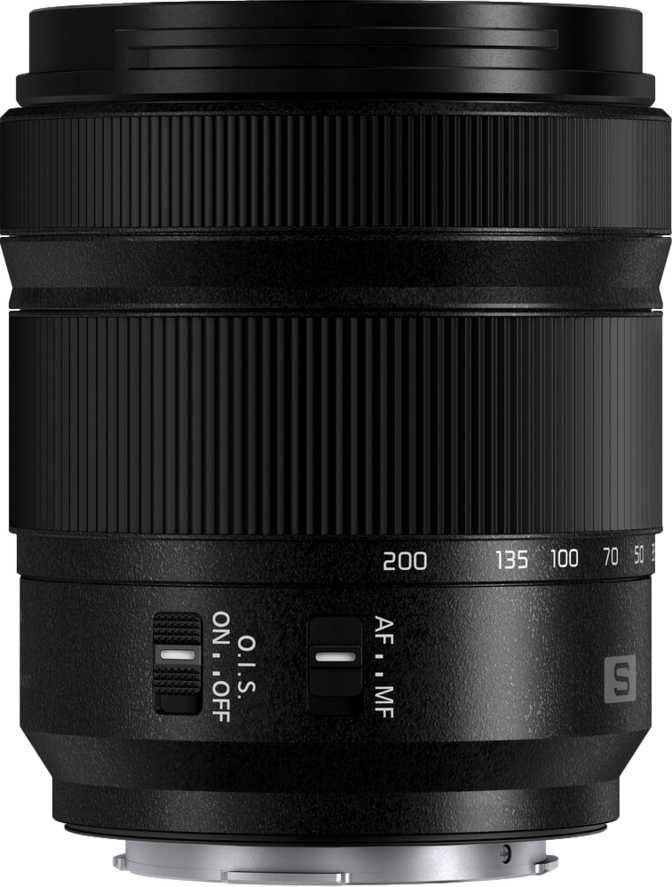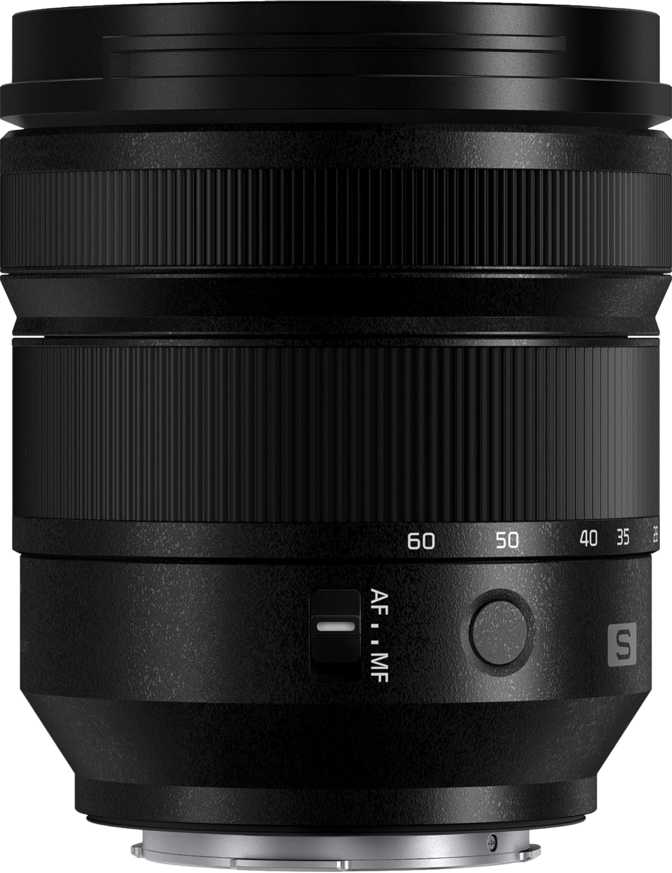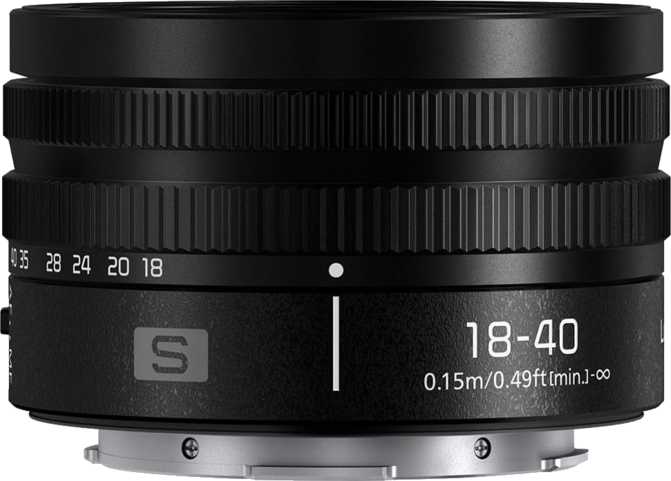
Panasonic Lumix S 18-40mm f/4.5-6.3 Review: Full-Frame Portability Tested
Camera LensesA weather-sealed, full-frame wide-angle zoom that weighs just 155g — the Panasonic Lumix S 18-40mm f/4.5-6.3 makes a compelling case that portability and image quality do not have to be mutually exclusive on the L-mount platform.
Editor's Rating
4.5 / 5
Best-in-class portability for L-mount
Build Quality and Physical Design
Construction, materials, and what it feels like in hand
Surprisingly Serious Construction
At 155 grams, this lens weighs less than most people's smartphones. That number alone might set off alarm bells — surely something this light must feel hollow or plasticky? It does not. The mount is machined metal, which matters both for durability and for the confidence you feel when attaching it to a body that costs several thousand dollars. The metal-to-metal connection feels solid, with none of the flex you sometimes get from budget optics.
The lens is also splash-resistant, carrying weather sealing that protects against rain, dust, and light moisture. This is not a guarantee for underwater or torrential conditions, but it does mean you are not frantically searching for your lens cap every time a light drizzle starts at a street festival or outdoor shoot. For a travel and everyday lens, this matters more than many buyers initially realize.
The filter thread measures 62mm — a common diameter that fits easily into most existing filter kits. Circular polarizers, ND filters, and UV protectors in this size are widely available and reasonably priced.
Physical Specifications
- Weight
- 155 g
- Filter Thread
- 62 mm
- Lens Mount
- Leica L
- Metal Mount
- Yes
- Weather Sealed
- Yes
- Aperture Blades
- 7 (Rounded)
Size in Real Terms: Most wide-angle zooms for full-frame systems add significant bulk to a camera body. This one does the opposite. Mounted on a Lumix S body, it keeps the system small enough to fit in a coat pocket or a small sling bag — a genuine rethinking of what full-frame portability can look like.
Focal Range: What You Can Actually Shoot
Understanding 18–40mm in real-world terms
At 18mm Wide End
A 100-degree field of view captures architecture, interiors, and vast landscapes in a single frame. Subjects are shown in full environmental context, making this the go-to focal length for storytelling photography.
Best for: Architecture, interiors, landscapes, environmental portraits
At 40mm Long End
A 57-degree perspective sits squarely in "normal" lens territory — producing natural-looking images that closely match human vision. Ideal for street work, casual portraits, and everyday documentation.
Best for: Street photography, casual portraits, travel documentation
This range covers the way most people actually shoot most of the time. It is not a specialized lens for sports, wildlife, or studio portraiture. It is the lens you reach for when walking around a city, shooting a family gathering, exploring a new place, or documenting life as it happens.
The zoom ratio is modest at 2.2x — a deliberate trade-off. Wider zoom ratios require more optical glass, more internal mechanisms, and more physical volume. By keeping the range focused, Panasonic achieved a size and weight profile that simply would not be possible with a 16–35mm or 24–70mm zoom.
Optical Summary
Aperture: The Honest Conversation
Variable aperture, real-world light, and bokeh quality
Variable Aperture, Variable Light
This lens uses a variable maximum aperture: it opens widest at f/4.5 when zoomed to 18mm, and narrows to f/6.3 at the 40mm end. For beginners, this means the lens gathers slightly less light as you zoom in — which modern cameras handle well with auto ISO, but which is worth understanding before shooting in dimly lit environments.
f/4.5 to f/6.3 is slower than the f/2.8 zooms used by professionals who shoot indoors or need to freeze motion in low light. That is the honest trade-off for the size and weight advantage. If your shooting takes place primarily outdoors, in well-lit spaces, or on a camera body with strong high-ISO performance, this limitation will rarely inconvenience you. Frequent concert or low-light shooters will feel the constraint.
A lens of this size and weight that also offered a constant f/2.8 would be a feat of optical engineering that simply does not exist at this price and form factor. The aperture range is the price of admission for everything else this lens offers.
Bokeh and Background Separation
The aperture blade arrangement uses seven blades in a rounded configuration. Out-of-focus backgrounds render with smooth, circular blur circles rather than harsh polygonal shapes. The practical effect: background blur, while modest compared to a fast prime or a telephoto lens, looks natural and pleasing. At close focus distances, you can achieve genuinely attractive background separation even within these aperture constraints.
Aperture at a Glance
Bars represent relative light-gathering width. Longer = more light admitted at that setting.
Focus Performance
Autofocus speed, silence, and close-focus capability
Built-In, Built Right
The autofocus motor is built directly into the lens and operates silently. For still photography, silent operation is a minor comfort; for video, it is essential. Lens motors that produce audible buzzing or clicking are picked up directly by an on-camera microphone and can render otherwise excellent footage unusable.
The internal silent motor here means video shooters can use the lens without external audio workarounds. The focus system covers the full range from very close distances all the way to infinity — useful when shooting landscapes, distant architecture, or any subject where critical sharpness on the horizon is required.
Close Focus: More Useful Than It Sounds
The minimum focus distance of 15 centimeters is genuinely close. To put that in physical terms: you can fill the frame with an object roughly the size of a business card or a small flower when shooting at the widest angle.
This is not a macro lens — the 0.28x maximum reproduction ratio means you are not getting life-size detail — but 0.28x is notably capable for a wide-angle zoom. Food photography, product details, travel souvenirs, flat lays: all of these work well with this kind of close-focus capability.
0.15m
Minimum Focus Distance
0.28x
Maximum Magnification
Silent
Internal Focus Motor
One Important Absence: No Optical Stabilization
This lens does not include built-in optical image stabilization. For handheld photography in low light or at slower shutter speeds, you are relying entirely on your camera body's in-body stabilization (IBIS) — which most current Lumix S bodies provide — or on careful technique.
Stabilization built into a lens typically complements in-body stabilization for even more effective handheld shooting. With this lens, you are working with whatever the body alone provides. On most modern Lumix S bodies, that is still substantial. But if you are pairing this lens with an older or less capable body, or with a Leica SL or Sigma fp where stabilization varies, factor this in before purchasing.
This omission is the primary design compromise that enables the 155g weight target. It is a fair trade for tripod shooters, outdoor photographers, and video creators — less so for handheld low-light photographers working without strong IBIS.
Real-World Scenarios: Right Lens, Right Person
Who benefits most — and who should look elsewhere
This Lens Is Excellent For
-
Travel Photographers
Full-frame quality without a heavy bag — this lens makes an L-mount system genuinely portable for extended trips where every gram matters.
-
Street Photographers
A small lens draws less attention and allows more candid moments. The natural focal range pairs perfectly with documentary-style street work.
-
Video Creators
Silent autofocus, weather sealing, and compact size are well-matched to run-and-gun documentary and vlog-style video work.
-
Landscape and Architecture Shooters
Wide angles, weather sealing, and tripod-friendly design — OIS is irrelevant on a tripod, making this absence a non-issue for this style.
-
Full-Frame First-Timers
An approachable, versatile starting lens before investing in heavier, faster glass — a smart entry point into the L-mount ecosystem.
This Lens Is Not Ideal For
-
Low-Light Specialists
Photographers who frequently shoot concerts, dim restaurants, or fast-moving subjects at dusk will find the variable aperture a persistent constraint.
-
Sports and Wildlife Shooters
Neither the reach nor the aperture meets the demands of fast-action subjects at a distance. A longer, faster lens is required for this work.
-
Studio Portrait Photographers
Maximum background blur and the flattering compression of a longer focal length both require a different lens entirely.
-
Handheld Slow-Shutter Shooters
Shooters pairing this with a body that lacks robust IBIS will miss the cooperative stabilization that a lens with built-in OIS would provide.
Competitive Positioning
How this lens stacks up against logical L-mount alternatives
| Comparison Point | Lumix S 18-40mm f/4.5-6.3 | Standard Zoom (e.g., 24–105mm f/4) | Compact Prime (e.g., 35mm f/1.8) |
|---|---|---|---|
| Weight | ~155g | 600 – 900g | 200 – 350g |
| Low-Light Aperture | f/4.5 – 6.3 | f/4 constant | f/1.8 |
| Zoom Flexibility | 2.2x (18 – 40mm) | 4.4x (24 – 105mm) | None |
| Video Focus Noise | Silent | Varies | Varies |
| Weather Sealing | Yes | Usually Yes | Varies |
| Close Focus | 15 cm | ~45 cm typically | Varies |
| Overall Size | Very Compact | Large | Small |
The 18-40mm occupies a specific niche: portability without total compromise. It is not trying to compete with professional workhorse zooms on reach or maximum aperture. It competes on the premise that a small, light, weather-sealed lens you actually carry will always outperform the large, fast lens sitting in your bag.
Strengths and Weaknesses
An honest assessment — no spin in either direction
What It Gets Right
The weight alone — 155 grams for a full-frame zoom — is a genuine achievement. Combined with metal construction, weather sealing, and a silent internal autofocus motor, this lens punches above its price class in terms of build quality and practical usability.
The close minimum focus distance adds versatility that many buyers will not expect going in. And for video shooters specifically, the combination of silent focus and splash resistance makes this a very practical field lens that few competitors at this weight category can match.
The seven rounded aperture blades ensure that whatever background blur you do achieve looks genuinely pleasing — a detail that separates thoughtful optical design from mere cost-cutting.
Where It Falls Short
The variable aperture limits usefulness in low-light photography, particularly at the longer end of the zoom range where f/6.3 is genuinely slow by modern standards. This is not a fixable limitation — it is a fundamental characteristic of the optical design.
The absence of optical stabilization is not a fatal flaw on bodies with strong IBIS, but it is a notable omission for a lens positioned partly at video and handheld shooters. The gap between lens-only and lens-plus-IBIS stabilization is real and measurable in challenging conditions.
The zoom range, while appropriate for everyday use, will leave photographers who regularly need longer focal lengths reaching for a second lens. It is not a one-lens solution for shooters with varied subject matter.
Questions Real Buyers Ask
Answers to the searches that brought you here
Final Verdict
4.5 / 5
The Verdict: A Deliberate, Excellent Compact
The Panasonic Lumix S 18-40mm f/4.5-6.3 is a very deliberate lens. Panasonic was not trying to build the fastest, longest, or most optically complex zoom in the L-mount catalog. They were trying to answer a specific question: what is the lightest, most portable wide-angle zoom that a full-frame L-mount shooter can own without meaningful quality sacrifice?
The answer they arrived at is this: 155 grams, metal mount, weather-sealed, silently focusing, closing to 15 centimeters, with seven rounded aperture blades. You accept a modest zoom range and a variable aperture that slows in dim light. In return, you get a full-frame zoom lens that disappears into your bag, your coat, or your daily life.
Buy it if you are a travel, street, landscape, or documentary video shooter on an L-mount system who values portability above all else.
Skip it if low-light shooting, action photography, or longer reach form the core of your regular shooting situations.