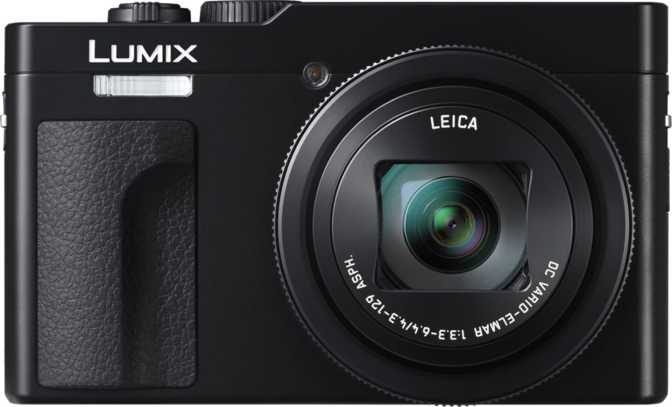
Panasonic Lumix DC-TZ99 Review: The Travel Compact That Goes the Distance
CamerasA 30x optical zoom in a jacket-pocket body, with full manual controls, RAW capture, and 4K video — the TZ99 is one of the most capable travel compacts available. Its 1/2.3-inch sensor sets real boundaries in low light, but in daylight it genuinely surprises.
Overall Rating
Versatility
Image Quality
Video
Battery
There is a specific kind of frustration that comes from watching a kingfisher land on a branch thirty meters away while your phone camera turns it into a colorful smudge. Or from standing at the back of a concert wishing you could actually see the stage. The Panasonic Lumix DC-TZ99 exists precisely for those moments — and for everyone who wants the reach of a superzoom without hauling a camera bag.
This is Panasonic's flagship entry in the TZ travel-zoom series: a compact that packs a 30x optical zoom lens, a fully articulating touchscreen, 4K video capability, and manual controls into a body that weighs just over 300 grams. On paper, it sounds like it does everything. In practice, the story is more nuanced — and worth understanding before you spend your money.
Build, Design, and Everyday Handling
Physical quality, ergonomics, and what living with this camera actually feels like
Size, Weight, and the "Pocketable" Question
At 112mm wide, 68mm tall, and 43mm deep, the TZ99 sits at the upper boundary of what most people would genuinely consider pocketable. A jacket pocket? Yes. A jeans pocket? Probably not comfortably. That 322-gram weight is light enough that you will forget it is in your bag, but substantial enough that it feels like a real camera in your hand rather than a toy.
The body is built in the compact travel-zoom tradition: no protruding lens barrel at rest, clean lines, and a relatively minimal grip. This is a camera designed to go everywhere, not to look impressive at a camera club meeting.
The Flip-Out Touchscreen
One of the TZ99's most practical physical features is its three-inch fully articulating screen, which flips out and rotates independently of the camera body. With a resolution of 1,840,000 dots, the panel is sharp enough that checking critical focus while reviewing shots is a genuine pleasure — not a guessing game.
The flip-out mechanism earns its keep for selfies, vlogging at arm's length, shooting from low angles without lying on the ground, and composing overhead shots without straining your back. Touch response on the panel also feeds directly into the autofocus system, letting you tap any subject anywhere in the frame to lock focus.
What Is Missing Physically
There is no hot shoe on the TZ99 — external flash or optical triggers cannot be mounted. There is no 3.5mm microphone input, no headphone monitoring jack, and the charging and data connector is not USB-C. These are deliberate design trade-offs in favour of compactness, but they matter depending on how you shoot. Each is discussed fully in the relevant sections below.
322g
Body Weight
112mm
Body Width
3"
Touchscreen
Flip-Out
Screen Mechanism
The Optical Heart: What That 30x Zoom Actually Means
Focal length range, aperture realities, stabilisation, and macro capability — explained in plain terms
Focal Length Range in Real Terms
The lens covers a 24mm to 720mm equivalent range in full-frame terms. To put that in perspective: 24mm is wide enough to photograph a cramped interior room or a sweeping landscape without stepping backward. 720mm is long enough to photograph birds in a tree from the other side of a park, compress a distant mountain range dramatically behind a foreground subject, or capture a performer on a stage as if you were standing in the front row.
That range — roughly equivalent to carrying a wide-angle lens, a standard zoom, a short telephoto, and a 600mm super-telephoto — is compressed into a single lens that never needs changing. For travel photographers, wildlife hobbyists, and anyone who values versatility over optical perfection, this is the fundamental appeal of the TZ99.
Aperture: Honest Expectations Required
The lens opens to f/3.3 at its widest setting — acceptable for bright outdoor shooting and reasonable indoor light. At maximum zoom, the aperture narrows to f/6.4. This matters because slower apertures mean longer exposure times or higher sensor sensitivity settings to maintain a properly exposed image. At 720mm equivalent focal length in fading afternoon light, you will rely heavily on the optical image stabilisation system and the camera's sensitivity settings to keep results sharp.
Optical Image Stabilisation
The TZ99 uses optical image stabilisation built into the lens rather than a sensor-shift mechanism. For a superzoom travel compact, this is the expected implementation — and Panasonic's OIS systems in this class have a strong track record for keeping long-reach shots manageable. At extreme focal lengths, even small hand movements translate into significant blur, and effective OIS makes the difference between a useful shot and a wasted one.
Macro Capability
The minimum focus distance of three centimetres at the wide end means the TZ99 can double as a close-up or macro-style camera. Three centimetres is close enough to fill the frame with a coin, a flower, or an insect with compelling detail. This versatility — from three centimetres to effectively infinity — is another reason this camera earns the "travel" designation.
- Zoom Range 30x Optical
- Wide End 24mm eq.
- Tele End 720mm eq.
- Wide Aperture f/3.3
- Tele Aperture f/6.4
- Min. Focus Distance 3 cm
- OIS Yes (Optical)
- Silent Focus Motor Yes
Sensor and Image Processing
What the 20MP BSI CMOS sensor and Venus Engine processor mean for your actual photos
20 Megapixels on a Small Sensor
The TZ99 uses a 20-megapixel back-illuminated CMOS sensor in the 1/2.3-inch format. Back-illumination (BSI) is a physical design in which the light-capturing circuitry is repositioned to reduce interference from wiring — the result is improved light capture efficiency compared to standard front-illuminated sensors of the same physical size.
Twenty megapixels gives you plenty of resolution for large prints and significant cropping flexibility in good light. The caveat: a 1/2.3-inch sensor is considerably smaller than those found in Micro Four Thirds, APS-C, or full-frame cameras. Smaller physical sensor area means reduced light-gathering capacity — with real consequences in dim conditions.
Low-Light Performance: Setting Realistic Expectations
The TZ99's usable sensitivity tops out at ISO 3200 natively, with an expanded setting reaching ISO 6400. For a sensor of this physical size, this is honest and reasonable.
The practical implication: the TZ99 performs at its best outdoors in daylight or in well-lit interiors. In dim concert halls or dark streets, realistic expectations are essential.
Venus Engine Processing
Panasonic's Venus Engine processor handles noise reduction, colour science, autofocus calculation, and video encoding simultaneously. This is a mature platform with a long track record in Panasonic's compact lineup. It enables the TZ99's continuous shooting speed, its 4K video pipeline, and its subject-tracking autofocus — all managed without evident bottlenecks in normal shooting conditions.
Autofocus and Speed
Tracking, burst shooting, and shutter performance in practical terms
Tracking and Responsiveness
The TZ99 supports autofocus tracking — once you designate a subject, the camera follows it across the frame as it moves. Combined with touch autofocus (tap to choose your subject on screen) and continuous AF during video recording, the system is genuinely useful in dynamic situations: children playing, birds in flight, or a cyclist moving through a scene.
At ten frames per second, the continuous shooting rate is quick enough to catch peak moments in fast-moving action — a jumping dog, a sprinting runner, a bird taking off. For the TZ99's intended use cases, ten frames per second is more than adequate.
Shutter Speed Range
The camera's mechanical shutter reaches a top speed that freezes virtually any motion you are likely to encounter — athletes, vehicles, splashing water. The long end of exposure time stretches to four seconds in manual mode, allowing creative low-light and light-trail work without a separate accessory. The two-stage shutter — half-press to focus and meter, full press to capture — is executed cleanly, and single-shot autofocus acquisition is quick enough that you will rarely find yourself waiting.
10fps
Continuous Shooting
1/2000s
Fastest Shutter
4s
Max Exposure
Touch AF
Tap-to-Focus
Full Manual Control: More Than a Point-and-Shoot
RAW files, manual exposure, and creative control explained
The TZ99 offers complete manual override across all core exposure parameters. Shutter speed, aperture, ISO, and white balance can all be set independently by the photographer — placing it firmly above the point-and-shoot category.
Creative Exposure
Long exposures for waterfalls, light trails, or nightscapes require manual shutter control — and the TZ99 delivers up to four seconds of exposure time.
Consistent Results
In changing light, locking exposure manually prevents unwanted shifts between shots — critical for reportage, landscape series, or any sequential work.
RAW File Capture
The TZ99 shoots in RAW format, recording unprocessed sensor data for extensive editing in post-production. Note: lossless compressed RAW is not supported, so files are larger per image.
Manual White Balance
Set white balance manually to ensure consistent colour across a shoot — particularly useful under mixed artificial lighting or when matching footage to other cameras.
Video: 4K Capability and Its Limits
Resolution, audio, and the connectivity gaps that serious video creators should know about
Resolution and Quality
The TZ99 records video at 4K (2160p) at up to 30 frames per second, with a bitrate of 100 megabits per second. At this bitrate, video files retain significant detail and are usable for serious editing — this is not the compressed, heavily processed 4K of a basic action camera. A 24p cinema mode is available for those who prefer the film-like cadence of this frame rate.
For travel vlogging, family documentation, holiday memories in high quality, and general video content, the TZ99 delivers more than capable results.
Audio and Connectivity
A built-in stereo microphone pair handles audio recording — adequate for speech and general ambient sound in calm conditions, but susceptible to wind noise outdoors.
Hard Limitations for Video Creators
- No external microphone input of any kind
- No 3.5mm headphone monitoring jack
- No slow-motion video recording at higher frame rates
- Stereo microphones are fixed — no directional control
4K
Max Resolution
100 Mbps
Video Bitrate
24p
Cinema Mode
Stereo
Built-in Mics
Battery Life and Power
How far a single charge takes you — and when to pack a spare
The removable battery is rated for approximately 380 shots per charge under standardised testing conditions. In real-world shooting, the actual count will vary — heavy use of 4K video mode, frequent use of the flip-out screen at maximum brightness, or extensive telephoto zooming will draw down the battery faster than typical still photography.
For a full day of casual travel photography — several hundred shots, some video clips, occasional screen review — one charge is sufficient. For intensive shooting days, bringing a spare battery is the sensible approach. The battery is removable and user-swappable, meaning you can carry charged spares and extend your shooting day without needing a wall socket.
The camera supports charging via its data port, allowing top-ups from a power bank or laptop when a wall socket is unavailable — a genuine convenience for travel use.
- CIPA Rating ~380 shots
- Removable Yes
- Charge via Data Port Yes
- Level Indicator Yes
- Verdict Functional — carry a spare
Connectivity and Smart Features
Wi-Fi, Bluetooth, HDMI, and the notable connector caveat
Wi-Fi and Bluetooth
Wi-Fi 4 (802.11n) and Bluetooth 5 enable persistent pairing with your smartphone. Bluetooth handles the low-power always-on connection; Wi-Fi kicks in for image transfer and remote control. Through Panasonic's companion app, you can adjust settings, trigger the shutter remotely, and receive images — useful for tripod-mounted shots where physical shutter press would cause camera shake.
GPS (Via Phone)
The TZ99 has no built-in GPS. However, location data can be logged through the smartphone connection, where your phone's GPS tags images automatically. This requires the phone connection to remain active during shooting — a workable but slightly cumbersome alternative to native GPS.
HDMI Output
An HDMI output allows the TZ99 to connect to televisions and monitors for image playback and presentation — useful for sharing travel photographs or reviewing video footage on a large screen without transferring files first.
The USB-C Absence
The TZ99 charges and transfers data via a proprietary connector rather than USB-C. In an era where USB-C has become the universal standard for most devices, this is a noticeable inconvenience. You will need to carry a separate, dedicated cable for this camera rather than sharing the cable you use for your phone, laptop, or tablet.
Competitive Positioning
How the TZ99 stacks up against the logical alternatives in the travel compact segment
The TZ99 competes in the travel-zoom compact category against cameras from Sony, Canon, and its own predecessor models. Understanding these comparisons clarifies who should — and should not — buy it.
| Feature | Panasonic Lumix TZ99 | Sony RX100 Series | Canon PowerShot SX Series |
|---|---|---|---|
| Sensor Size | 1/2.3-inch (BSI) | 1-inch (higher models) | 1/2.3-inch |
| Zoom Range | 30x (24–720mm) | 2.9x–24x (varies by model) | 40x–65x (varies by model) |
| Articulating Screen | Fully flip-out | Tilting (varies by model) | Tilting or fixed (varies) |
| 4K Video | Yes — 100Mbps | Yes (higher-tier models) | Limited models only |
| Manual Controls + RAW | Full | Full | Full |
| External Mic Input | No | Yes (higher RX100 models) | No (most models) |
| USB-C | No | Yes (recent models) | Varies by model |
| Low-Light Advantage | Moderate | Strong (1-inch sensor) | Moderate |
| Price Tier | Mid-to-high compact | Mid-to-premium | Mid compact |
The core trade-off is clear: Sony's one-inch sensor compacts offer a meaningful image quality advantage in dim conditions, but at significantly reduced zoom range and typically higher cost. Canon's SX series goes further in focal length but with less capable video and fewer advanced features. The TZ99 occupies a practical middle ground — BSI sensor efficiency, genuine manual and RAW control, high-bitrate 4K, and a zoom range that covers almost every realistic shooting scenario.
Real-World Usage: Who This Camera Is For — and Who Should Look Elsewhere
Match your shooting lifestyle to the TZ99's actual strengths before committing
- You travel frequently and want one versatile camera covering wide landscapes to distant wildlife
- You shoot primarily in daylight or well-lit conditions
- You want to shoot RAW and process images in post-production software
- You want capable 4K video for personal and travel documentation
- You are upgrading from a smartphone or older compact and want significantly more reach and control
- You enjoy wildlife and bird photography as a hobbyist without investing in long telephoto lens systems
- You regularly shoot in low light — concerts, evening events, dark interiors — where a larger sensor produces substantially better results
- You need serious video capabilities including external microphone input or headphone monitoring
- You want slow-motion video recording at higher frame rates
- You need GPS built directly into the camera body without relying on a phone connection
- You prefer a unified USB-C cable ecosystem across all your devices
Honest Assessment: Strengths and Limitations
A balanced view of what makes this camera compelling — and where its design choices cost you
The TZ99's greatest strength is genuine versatility. A 24mm to 720mm zoom range in a 322-gram body is not a modest achievement, and Panasonic's optical image stabilisation makes that extreme reach practically usable rather than theoretically impressive. The combination of full manual control, RAW capture, articulating touchscreen, and solid 4K video makes this one of the most complete travel compacts available in its size class.
The limitations are real but bounded. The 1/2.3-inch sensor imposes a ceiling on low-light performance that no processor can fully compensate for. The absence of USB-C and external audio connections reflects a design philosophy that prioritises compactness over expandability. These are not design flaws — they are deliberate trade-offs — but they matter depending on how you shoot.
The battery life of around 380 shots is functional rather than generous. It covers most single-day outings comfortably, but dedicated shooters or video-heavy users will want at least one spare in their bag.
Versatility
30x zoom range is class-leading at this size
Daylight Image Quality
BSI sensor delivers excellent results in good light
Low-Light Performance
Sensor size imposes real limits in dim conditions
Video Capability
4K at 100Mbps is strong; lack of audio input is a real gap
Portability
322g and jacket-pocketable with no lens changes ever required
Battery Endurance
Functional for a day; plan for a spare on heavy shooting days
Common Questions Buyers Ask Before Purchasing
Straight answers to the questions that actually matter at the buying decision stage
Final Verdict
The Panasonic Lumix DC-TZ99 makes a compelling case for anyone who has ever felt limited by a smartphone camera's reach or frustrated by the bulk of an interchangeable-lens system. It is thoughtfully specified for the photographer who moves through different environments — a coastal walk, a mountain viewpoint, a city market, a wildlife reserve — and wants a single tool capable of handling all of them with creative control intact.
Its limitations are not hidden: the smaller sensor means accepting realistic low-light performance boundaries, the video system lacks professional audio connectivity, and the absence of USB-C is an inconvenience in a modern context. These are trade-offs, not failures — and for the TZ99's target audience, they are largely acceptable.
If you want the most versatile pocketable travel camera with a zoom range that genuinely surprises, full manual control when you want it, solid 4K video, and a modern articulating touchscreen — the TZ99 earns a confident recommendation. Buy it with clear eyes about its sensor limitations, bring a spare battery, and enjoy the fact that it fits in your jacket.
Recommended
Best for: Travel and wildlife enthusiasts who prioritise zoom reach and versatility over low-light performance