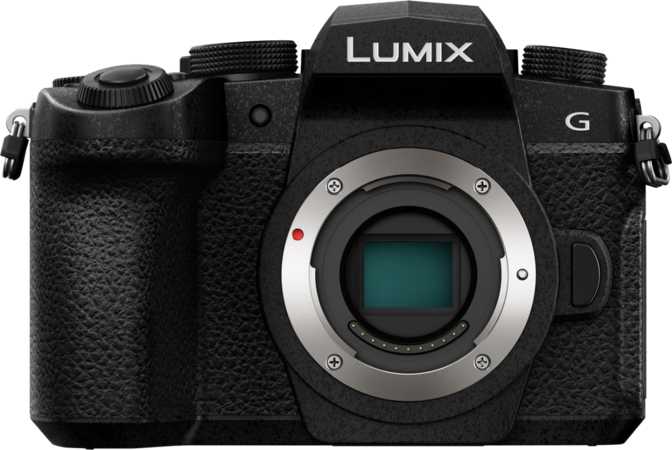
Panasonic Lumix DC-G97: An Honest Review for Enthusiast Photographers
CamerasThe Micro Four Thirds system has always played a long game — smaller bodies, a vast lens ecosystem, and a value proposition that rewards photographers who prioritize versatility over raw sensor size. The Panasonic Lumix DC-G97 sits squarely in that tradition: a weather-sealed, feature-rich mirrorless camera for enthusiasts who shoot in real conditions, want genuine creative control, and do not want to mortgage a lens collection to get there. This is not a camera that competes on paper specifications alone — it competes on usability, system depth, and practical capability that shows up on actual shoots, not in teardowns.
Key Specifications at a Glance
What the numbers mean for how you actually shoot
Build Quality and Physical Design
How the G97 feels in the field — and why the physical choices matter
Compact, But Substantial
The G97 is built to be taken seriously outdoors. At roughly 130mm wide, 93mm tall, and 77mm deep, it sits comfortably in one hand without feeling like a toy. At 530 grams with a lens attached, it carries with presence — confident enough to grip securely, light enough to forget about after an hour of walking. Most entry-level DSLRs with a kit lens push closer to 700–800 grams. The difference is felt on your shoulder, not just on a comparison page.
Weather sealing removes a constant source of field anxiety. Overcast coastal shoots, festival afternoons that turn drizzly, travel photography where you simply cannot reschedule — the G97 handles all of it without hesitation. The operating range runs from 0°C to 40°C, covering the vast majority of real-world four-season conditions. Arctic expeditions or sustained desert heat sit outside its design envelope, but those environments sit outside most photographers' calendars too.
Screen and Viewfinder
The fully articulating rear screen is the feature the spec sheet undersells most. It does not merely tilt — it rotates freely. Low-angle shots without lying on the ground, overhead framing in crowds, solo video monitoring while standing in front of the camera. The screen resolution is high enough for confident critical-focus checks and comfortable menu reading in daylight.
The electronic viewfinder delivers 100% frame coverage — what you see through the eyepiece is exactly what the sensor captures, with no edge cropping or mental compensation needed. It also displays live exposure previews, histograms, and focus peaking overlays that no optical viewfinder can show.
Touch Controls and Flash
The touchscreen works in tandem with the viewfinder — tap to set a focus point, swipe through playback images, or pinch to zoom into a shot under review. These operations are genuinely faster than navigating button menus once the habit forms, and they do not disrupt your shooting rhythm.
The hot shoe accepts standard external flash units, opening up a wide range of off-camera lighting options that go well beyond what any built-in flash can achieve. The integrated flash itself serves as a reliable emergency fill light or a trigger for off-camera strobes when needed.
Sensor and Image Quality
Understanding what the MFT sensor delivers — and where its ceiling sits
What 20 Megapixels Actually Gives You
The G97 resolves approximately 20 megapixels — enough for a sharp A2 print at standard viewing distances, comfortable cropping room in post-production, and clean 4K video without the aliasing artifacts that come from aggressive pixel skipping. Unless you routinely produce billboard-sized prints or deliver ultra-high-resolution files for agency clients, this is enough — comfortably.
The MFT Sensor Trade-Off: An Honest Assessment
The Micro Four Thirds format uses a physically smaller sensor than APS-C or full-frame alternatives. This is the central trade-off of the entire system and deserves direct treatment: a smaller sensor captures less light per unit area, which affects how cleanly it handles low-light conditions. The G97 reaches a maximum sensitivity of 25,600 ISO — the same value as its expanded ceiling, meaning there is no additional headroom beyond this point. At the top of this range, expect visible noise and reduced dynamic range. The practical sweet spot for clean images sits at ISO 3200 and below, which covers the large majority of everyday shooting including indoor available light and dim restaurant environments.
The sensor uses conventional CMOS technology without back-illumination (BSI). BSI sensors handle low light more efficiently by repositioning internal wiring to allow more light per pixel. The absence of this architecture is a genuine limitation — one that some competing cameras at similar prices are beginning to address. For photographers who regularly shoot in dark conditions without flash, this is worth factoring into the decision before purchase.
5-Stop Stabilization — What It Changes Day to Day
The in-body stabilization carries a 5-stop CIPA rating and can combine with compatible Lumix lenses for even greater effect. In practical terms: a shutter speed that was previously the safe hand-holding minimum can be stretched to half a second or slower with careful technique. Dimly lit interiors, golden-hour travel shots, and telephoto work in fading light all become tractable without a tripod.
This single specification translates more directly into usable images in challenging conditions than almost any other number on the spec sheet. Photographers upgrading from bodies without stabilization will feel the difference immediately — not in controlled studio situations, but in every difficult real-world scenario they encounter.
Autofocus: An Honest Assessment
Where the G97 performs reliably — and where it reaches its limits
The G97 uses contrast-detection autofocus across 49 selectable focus points. It does not include phase-detection for stills or video. This is a meaningful limitation for fast-subject photography, and it is worth understanding clearly before committing to a purchase.
What Contrast-Detection Means in Practice
Contrast-detection AF works by measuring when image contrast peaks in the selected focus zone — a process that requires the camera to briefly overshoot and correct back. For stationary subjects, deliberate portraits, landscapes, and most video work, the system performs reliably. Tap-to-focus on the touchscreen makes repositioning the focus point fast and intuitive, and AF tracking handles subjects moving at moderate, predictable speeds.
Where the limitation becomes a real-world problem is with fast, erratic motion. Sports athletes mid-action, wildlife on the move, an energetic toddler at a birthday party — contrast-detection systems handle these subjects less decisively than phase-detection, which completes focus in a single step rather than two. That difference is audible in missed shots.
The 49 focus points cover the frame well for compositional flexibility. For the shooting styles this camera is genuinely built for — travel, portraiture, landscapes, and content creation — the autofocus system is capable and dependable. The honest caveat is that action and wildlife photographers have better-suited options at this price tier from competing systems.
Speed and Burst Shooting
How fast the G97 fires — and what the electronic shutter unlocks
The mechanical shutter fires at 9 frames per second in burst mode — enough to capture a jumping child, a cyclist at full speed, or a sequence of fleeting facial expressions. This covers the majority of action scenarios that enthusiast photographers encounter regularly, even if dedicated sports shooters will push beyond what the AF system can reliably track through the sequence.
The electronic shutter operates at a significantly faster ceiling and crucially fires in complete silence. For wedding ceremonies, concert performances, quiet gallery openings, or any environment where the sound of a mechanical click is disruptive, this changes how you work. The camera disappears acoustically. Your presence at an event becomes unobtrusive, and subjects relax in ways they do not around an audible camera.
Long-exposure photography is fully supported: the shutter can remain open for up to 60 seconds in a single frame, covering the complete range of nightscape and light-painting creative work. A two-stage shutter button allows deliberate, vibration-minimized triggering throughout this range.
Video Capabilities
4K footage, professional audio, and one significant gap
4K Quality and Bitrate
The G97 records 4K video at up to 30 frames per second with a data rate of 100 megabits per second. That bitrate matters: it determines how much image information the camera preserves in the recorded file. At 100Mbps, footage handles colour grading in post-production well and survives the compression of streaming platforms with visible quality intact — a professional-leaning specification at this body price.
The 24fps cinema mode matches the frame rate of theatrical film, giving footage the natural motion character that distinguishes professionally shot content from ordinary consumer video. Content creators producing short films, documentary footage, or branded video will reach for this mode regularly. Built-in timelapse recording requires no additional accessories or apps.
Audio — A Genuine Strength
A 3.5mm microphone input accepts external microphones directly into the camera body — critical for anyone capturing speech, interviews, or ambient sound seriously. A separate headphone jack allows real-time audio monitoring during recording, so you hear exactly what the sensor is capturing rather than what you assume it is capturing. This combination is genuinely uncommon at this price point.
The built-in stereo microphone performs well for casual video and run-and-gun shooting. Continuous autofocus during video recording is included, though its performance reflects the contrast-detection limitations discussed earlier. For scripted or controlled video work, the AF system handles its role comfortably.
The G97 does not support high-frame-rate slow-motion video. Footage shot at standard frame rates can be slowed in editing software, but the quality loss when stretched below real-time is significant and visible. If slow-motion is a regular part of your creative workflow, this body cannot deliver it natively — and no workaround changes that.
Battery Life and Power
Plan for a midday swap — and what the USB-C port changes on the road
Rated battery life sits around 290 shots per charge under standard testing conditions. In practice, a mix of electronic viewfinder use, rear-screen image review, and occasional video recording keeps real-world numbers close to that figure — sometimes a little more, sometimes less depending on temperature and shooting habits.
For a full day of photography without charger access, carrying a spare battery is advisable rather than optional. Wedding photographers, event shooters, or anyone working dawn-to-dusk travel days should plan for at least one additional battery from the outset. The battery is removable, so a swap takes seconds rather than requiring a charging pause.
The USB-C port allows trickle charging from a power bank while shooting — genuinely useful when traveling between locations without wall outlet access. The USB connection runs at USB 2.0 speeds, which has no effect on charging performance but means transferring large RAW files to a laptop via cable takes longer than on cameras with faster USB implementations. A dedicated card reader handles bulk file transfers more efficiently.
- Removable BatterySwap in seconds, no downtime
- USB-C ChargingTop up via power bank anywhere
- Battery Level IndicatorNo surprise mid-shoot shutdowns
- ~290 Shots Per ChargeBudget for a spare on long days
Connectivity and Control
What the G97 connects to — and one limitation that matters for professionals
Wi-Fi and Bluetooth work together to enable wireless camera control and selective image transfer from a smartphone. Through the Lumix Sync app, you can trigger the shutter remotely, monitor a live view feed on your phone screen, and pull chosen images across without touching the SD card — useful for self-portraits, wildlife setups where a physical trigger would disturb the scene, or immediate social sharing on the go.
HDMI output connects to external monitors and recorders for professional video work. The hot shoe accepts standard external flash and trigger units, significantly expanding the lighting toolkit beyond the built-in flash. A USB-C port and external memory card slot complete the physical interface set.
Who Should Buy the G97 — and Who Should Not
Match the camera to your shooting style before you commit
Weather sealing, a flip screen for flexible angles, and a vast library of compact lenses — the G97 covers every practical scenario without the weight of a full-frame kit.
The articulating screen, 4K video, 24p cinema mode, microphone input, and headphone monitoring jack form a complete solo video kit. No secondary audio recorder required.
Full manual control, RAW output, weather protection, and a deep lens ecosystem make this a genuine upgrade with a clear growth path, not a sideways step.
Relatively stationary subjects and environments where image quality and color matter more than tracking fast-moving action — this is where the G97 shoots most confidently.
Fast, erratic subjects demand phase-detection AF. Competing systems address this directly at this price tier. The G97 does not.
Dim venues and nightlife scenes push the MFT sensor without BSI to its limits. APS-C competitors have a tangible low-light advantage in this environment.
No high-frame-rate recording mode. This is a hard limitation for slow-motion content — there is no in-camera workaround.
A single card slot means no simultaneous second-card backup. Photographers for whom card failure at a commercial shoot is professionally unacceptable need a different body.
How It Compares to APS-C Rivals
Placing the G97 in context against the competition it realistically faces
The G97 competes primarily against mid-range mirrorless cameras in the APS-C sensor category. The comparison below maps the key differentiators — not to declare a winner, but to clarify what you gain and what you trade by choosing the Micro Four Thirds system.
| Feature | Panasonic Lumix DC-G97 | Typical APS-C Rival |
|---|---|---|
| Sensor Size | Micro Four Thirds | APS-C (larger) |
| Low-Light Performance | Moderate | Generally better |
| Weather Sealing | Included | Often absent at this price |
| Screen Articulation | Full rotation | Often tilt-only |
| Mic + Headphone Inputs | Both included | Varies by model |
| IBIS Rating | 5 stops | Typically 4–5 stops |
| Phase-Detection AF | Absent | Usually included |
| Lens Ecosystem | Extensive MFT system | Extensive, brand-specific |
| Body Size | Compact | Slightly larger typical |
Comparisons reflect general category characteristics. Specific APS-C models vary. Verify individual specifications before purchase.
Strengths and Honest Weaknesses
Where the G97 earns its price — and where it concedes ground to competitors
The combination of weather sealing and a fully articulating screen at this price tier is genuinely rare. Most cameras at this level offer one or the other — not both. That combination is the G97's single most compelling differentiator for travel photographers and content creators who need to work in varied conditions.
The 5-stop in-body stabilization is among the most directly useful specifications on the entire camera. It converts into usable images in situations where alternatives would produce blur, without requiring any additional gear or special technique beyond careful hand-holding.
The professional audio setup — a microphone input paired with a separate headphone monitoring jack — exceeds what most cameras at this price routinely include. It makes the G97 a serious video tool rather than a video-capable stills camera that happens to have a mic hole.
The 100Mbps 4K bitrate and 24p cinema mode, combined with the deep MFT lens ecosystem and compact body dimensions, form a complete and capable system for the enthusiast who wants room to grow rather than a ceiling to hit.
The autofocus system and low-light performance ceiling are real limitations — not obscure edge cases. A portrait session at dusk handles comfortably. A dimly lit reception hall or a fast-moving child under mixed indoor light starts to push the sensor's and AF system's practical limits at the same time.
The absence of phase-detection autofocus is the more impactful of the two weaknesses. Competing cameras at similar prices include it as standard. For photographers whose primary subjects move quickly, this gap is not compensable by technique or settings adjustment.
The single card slot and USB 2.0 transfer speed are places where the specification concedes ground to cameras designed with more professional workflows in mind. Neither will affect most enthusiast shooters day-to-day, but they close off certain professional use cases entirely.
Battery performance requires either disciplined spare management or acceptance of shorter shooting days. The approximately 290-shot ceiling is workable for casual use but is not generous, and it sits below what several competing bodies in this category offer.
Common Buyer Questions Answered
The questions real buyers search before purchase — answered directly
Final Recommendation
The Panasonic Lumix DC-G97 is a well-considered all-rounder for the enthusiast who shoots in varied conditions and wants genuine creative control without a full-frame price tag. Its weather sealing, fully articulating screen, powerful stabilization, and capable video specification make it a camera you can take anywhere and use fully. The Micro Four Thirds system behind it ensures you are not buying into a dead end — the lens selection is among the most diverse available for any mirrorless standard.
The autofocus system and low-light performance ceiling are real limitations, not theoretical ones. Any buyer whose shooting style regularly collides with those constraints should weigh them seriously against APS-C alternatives that address them more directly before deciding.
Travel photographers, solo content creators, landscape shooters, and enthusiasts who want a capable everyday camera that handles weather, controls flexibly, and delivers both strong stills and honest 4K video. A complete, capable system from day one — with meaningful room to grow.