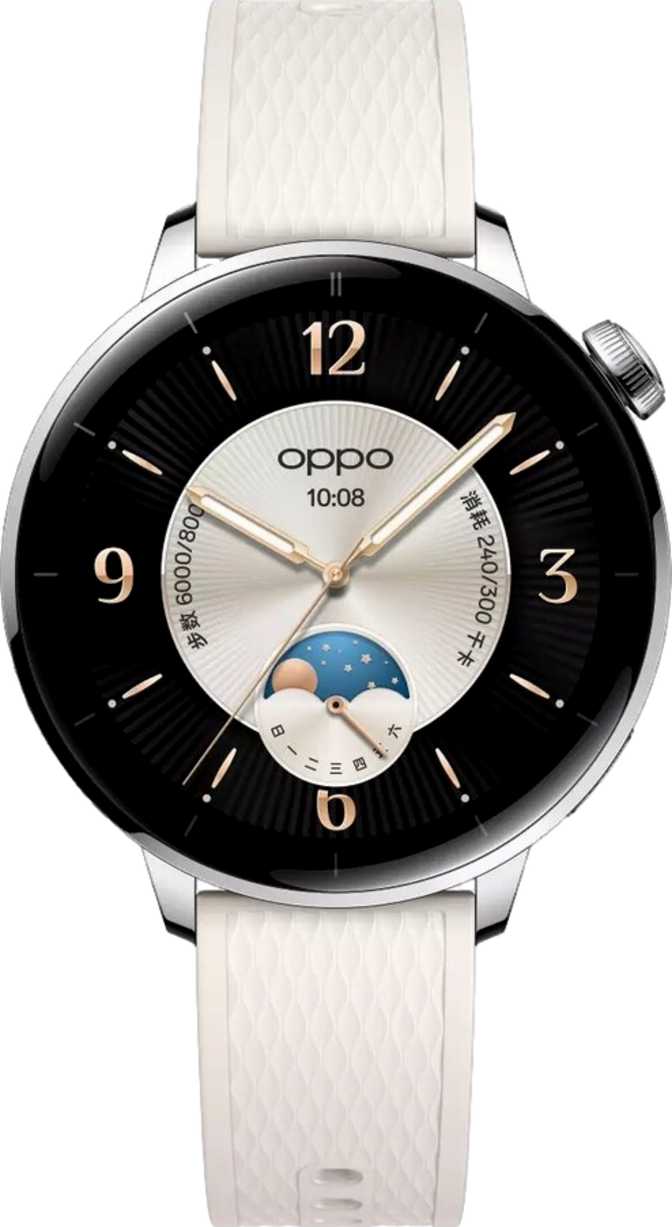
Oppo Watch X2 Mini Review: Premium Build in a Compact Package
SmartwatchesSmaller smartwatches have a reputation problem. Shrink the case and you typically shrink the ambition — stripped-down health tracking, a dim display, and a battery that surrenders before your weekend plans do. The Oppo Watch X2 Mini is a direct challenge to that assumption. It packages genuinely premium hardware into a wrist-friendly footprint: sapphire crystal glass, a built-in eSIM for standalone calls, and enough onboard storage to hold your entire music library. Whether it fully delivers depends on who is wearing it — and that is exactly what this review settles.
Category Scores
Design and Build Quality
A Watch That Wears Its Size Honestly
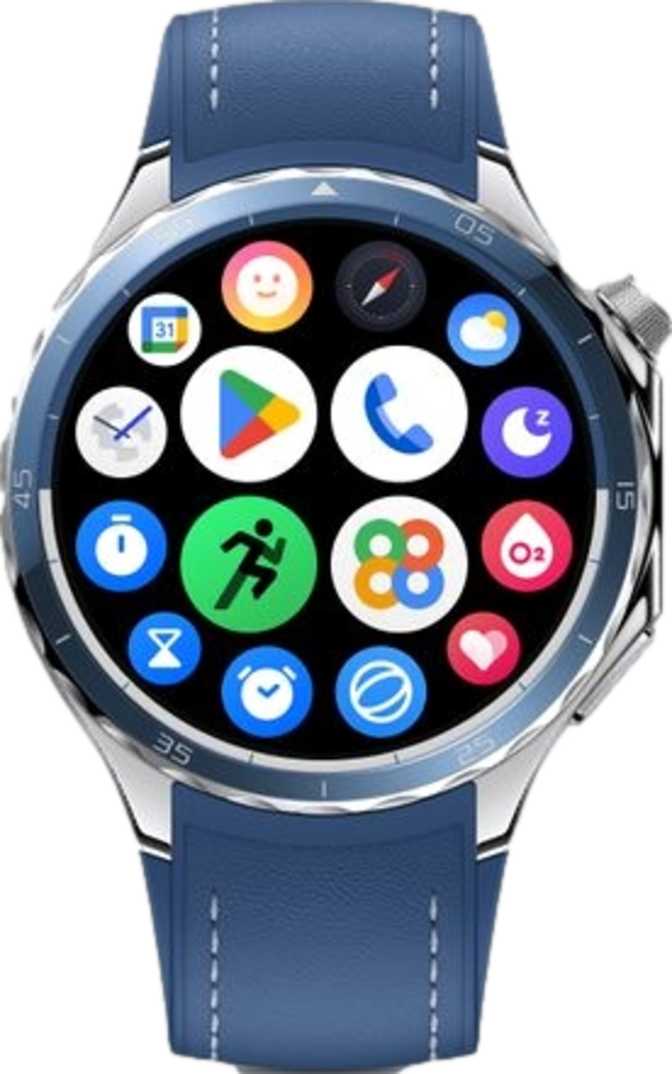
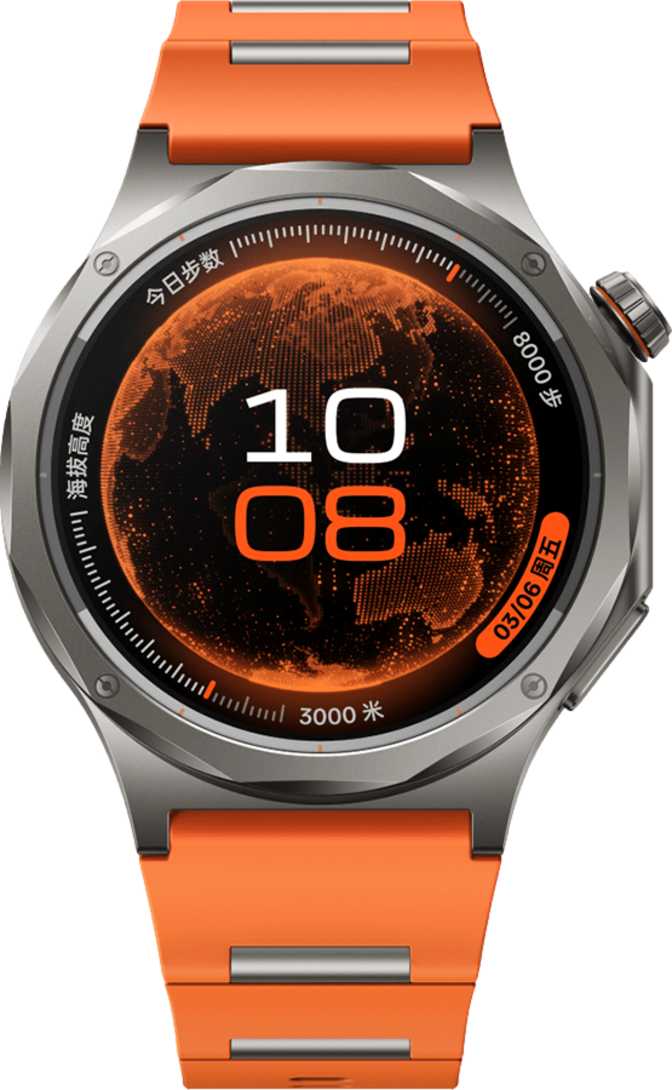
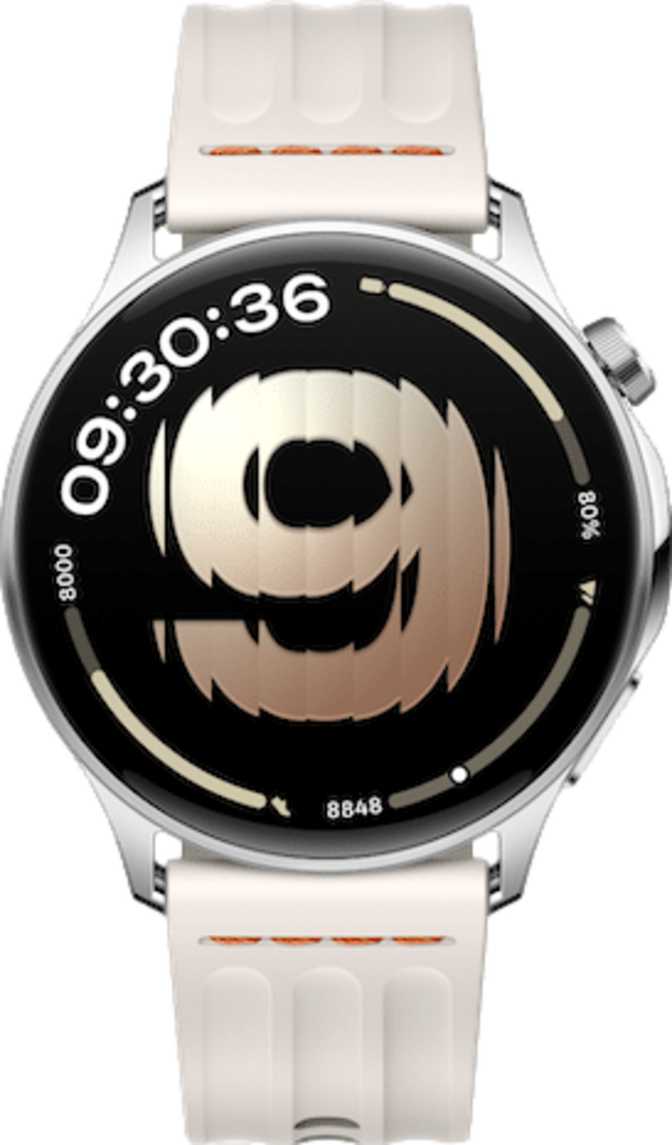
The Watch X2 Mini measures 43.2 mm across in both directions — a square profile that sits closer to a classic watch silhouette than the oversized slabs dominating most smartwatch shelves. At 11 mm thin and just under 38 grams, it disappears on the wrist in a way that larger fitness watches simply cannot. For anyone who has wrestled with a chunky 47 mm device slipping sideways during a run or pressing into their wrist during sleep, this proportional restraint is a genuine quality-of-life improvement.
The band is user-replaceable — a detail that matters more than it might seem. Standard-width aftermarket bands extend the life of the watch without a service center visit, and the companion app's watch face customization gives room for personal expression that the compact dimensions alone might not suggest.
Premium Glass and Serious Protection
Oppo did not trade size for protection. The display is covered with sapphire crystal — the same scratch-resistant material found on watches costing multiples of this price. Sapphire sits significantly harder on the Mohs scale than mineral glass or most branded damage-resistant alternatives, meaning daily encounters with keys, countertops, and gym equipment are unlikely to leave a mark. This is not a standard feature at this price tier.
The watch carries both an IP67 rating and 5 ATM water resistance, certified to 50 meters. Swim laps in the pool, wear it in the shower, take it snorkeling — all without anxiety. It is not designed for scuba diving, where dynamic pressure exceeds static test conditions. The extreme temperature operating range also makes it suitable for cold-climate work, skiing at altitude, or desert environments.
Display: Clarity in a Compact Frame
The 1.32-inch OLED panel packs 466 x 466 pixels into its square surface, producing a pixel density of 352 pixels per inch — sharper than most smartphone displays and more than sufficient to render text, health metrics, and maps with crisp, readable edges even at a glance during a workout.
OLED technology means each pixel produces its own light rather than relying on a backlight. The practical result is true blacks, excellent contrast, and a vivid color range that makes watch faces and data dashboards genuinely pleasant to view. High contrast also delivers measurably better outdoor legibility compared to LCD alternatives in the same size class.
The always-on display mode keeps time and key metrics visible without a wrist raise. Because OLED pixels individually power down when showing black, the battery cost of running this mode is substantially lower than it would be on an LCD panel — making the always-on feature genuinely practical for daily use, not just a marketing checkbox.
At this screen size and resolution combination, the Oppo Watch X2 Mini competes with displays found on smartwatches at considerably higher price points. For those who have previously settled for a small, dim fitness tracker screen, the difference is immediately noticeable.
Health and Fitness Tracking
What the Watch Monitors
- Continuous heart rate with high and low threshold alerts
- Blood oxygen (SpO2) monitoring
- VO2 max estimation for cardiorespiratory fitness
- Real elevation tracking via built-in barometer
- Sleep tracking with full nightly stage reports
- Steps, distance, pace, and calorie burn
- Automatic activity detection
- GPS route tracking with elevation map
- Exercise tagging and diary
- Water intake and food calorie tracking
- Inactivity alerts during sedentary periods
What It Does Not Include
- ECG (electrocardiogram) technology
- HRV (heart rate variability) tracking
- Irregular heartbeat detection
- Skin or body temperature sensor
- Fall detection
- Readiness or recovery score
- Multi-sport mode for structured session logging
- Cadence sensor for cycling
VO2 Max Estimation
This metric estimates how efficiently your body uses oxygen during sustained effort — one of the strongest predictors of long-term cardiovascular health. Watching it improve over months of consistent training is one of the more motivating numbers a fitness watch can surface.
True Elevation Tracking
The barometer measures actual vertical gain rather than estimating it from GPS coordinates. This produces noticeably more accurate calorie calculations for hilly terrain and more meaningful workout summaries for runners and hikers who regularly tackle elevation changes.
Sleep Tracking & Reports
The watch monitors sleep stages and synthesizes them into readable morning summaries inside the companion app. For those who want a clear picture of their recovery without clinical-grade analysis, the reporting is clear and actionable without being overwhelming.
Connectivity and GPS
Built-In eSIM — Standalone Calling Without Your Phone
The Watch X2 Mini supports a single eSIM, meaning it can connect to a mobile network independently of your phone. With an active plan from your carrier, you can leave your phone at home and still take calls, receive messages, and get notifications directly on your wrist. Voice calls are handled on the watch itself — no earphones required. Voice commands are also supported for hands-free control.
GPS Precision Worth Trusting
Onboard GPS is built in — no phone-tethering required for position tracking. The Oppo Watch X2 Mini also supports the Galileo satellite system, Europe's independent GPS network, alongside the standard constellation. This dual-system approach meaningfully improves fix accuracy in urban environments where signal bounces between buildings.
Fast GPS lock is listed as a specific hardware feature, meaning the watch acquires its position quickly at the start of a workout — a detail that is easy to overlook until you have stood on a street corner waiting two minutes for a tracker to find a signal before you can begin.
Cross-Platform and Broadly Compatible
The Watch X2 Mini is compatible with both Android and iOS, so it is not locked to Oppo's own phone ecosystem — an important consideration for anyone using it as a standalone device or pairing it with a non-Oppo smartphone.
ANT+ is not supported. This rules out pairing with ANT+ cycling power meters, dedicated chest heart rate straps, and similar fitness peripherals. This matters primarily to cyclists and dedicated athletes with existing ANT+ equipment.
Performance Hardware
32 GB of internal storage and 2 GB of RAM are numbers you would expect on a mid-range smartphone from a few years ago — not a compact smartwatch. The storage capacity is particularly notable: it means you can load a substantial music library directly onto the watch, eliminating the need to stream from your phone during workouts. The companion app supports music playback directly, confirming this use case is intentional and fully supported.
No expansion slot is available, making 32 GB the ceiling — but for a device of this type, it is an unusually generous baseline that most users will never come close to filling.
Battery Life
Reaching 16 days requires moderate daily screen use and occasional GPS. With typical daily fitness tracking and notification use, a week to ten days is a more realistic expectation for most wearers. That is still an impressive result for a full smartwatch with an OLED display and built-in eSIM.
The 36-hour GPS endurance covers an ultra-distance running event, a full cycling day, or a multi-day hiking trip with camp-based rest. Power-save mode stretches the watch to seven days by restricting full feature access — useful for remote travel where charging is infrequent.
Software and App Experience
What the App Includes
- Free to download and use — no subscription required
- Completely ad-free experience
- Goal setting and achievement tracking
- Full exercise diary with historical logs
- Water intake and weight tracking
- Calendar sync for contextual reminders
- Music playback from onboard watch storage
- Widget support and interface personalization
- Inactivity alerts to break up sedentary work days
Limitations to Know Before Buying
- Account creation is required — no guest use
- No direct email export of health data
- No guided coaching or structured training plans
- No temperature tracking in the app
- No support for pre-loaded route navigation
The app's free and ad-free status is worth emphasizing — competitors frequently gate meaningful analytics behind subscription tiers. Here, the core experience including health dashboards, sleep analysis, activity logs, and goal tracking is accessible without an ongoing cost. For self-directed exercisers, this is a clean and usable platform. For those who want a coach in their pocket telling them what workout to do, they will need to look elsewhere.
Who Is This Watch For?
The Oppo Watch X2 Mini occupies a specific and underserved position in the smartwatch market. Getting the right answer here matters more than any single specification.
This Watch Fits Well If You…
-
Have smaller wrists or dislike bulky wearablesAt 43.2 mm and under 38 grams, the watch genuinely disappears during daily wear, workouts, and sleep in a way that larger devices cannot.
-
Want to leave your phone behindThe eSIM makes phone-free afternoons, runs, and errands genuinely viable — not just a theoretical feature.
-
Value build quality and display excellenceSapphire crystal glass and a sharp OLED panel are not standard at this price tier. You are getting hardware usually found on more expensive devices.
-
Track general health and everyday fitnessHeart rate, SpO2, sleep, VO2 max, steps, and GPS route tracking cover what most daily users actually need.
-
Want strong battery without the bulkA week to two weeks between charges, with a one-hour top-up, is a genuinely low-maintenance ownership experience.
Look Elsewhere If You…
-
Are a serious endurance athleteNo multi-sport mode, no HRV, no ANT+ support, and no readiness score make this a poor fit for structured training load management.
-
Need cardiac health monitoringNo ECG, no irregular heartbeat detection, and no HRV tracking rule this watch out for users monitoring their heart under medical guidance.
-
Rely on wireless chargingA proprietary cable is required. If your entire charging routine is built around a single wireless pad, that habit breaks here.
-
Are a cyclist with ANT+ equipmentPower meters, dedicated cadence sensors, and chest straps using the ANT+ standard will not pair with this watch.
-
Need multi-day GPS for remote expeditions36 hours of GPS endurance is strong for a compact OLED smartwatch, but falls short of dedicated outdoor GPS watches designed for multi-day adventures.
How It Compares to the Competition
The Watch X2 Mini competes partly against larger smartwatches on size, partly against simpler trackers on features, and partly against dedicated sports watches on price. Here is how it stacks up across the features that matter most.
| Feature | Oppo Watch X2 Mini | Compact Fitness Tracker | Sports GPS Watch (Garmin / Polar tier) |
|---|---|---|---|
| Display | 1.32″ OLED, 352 ppi | 1.1″–1.2″ TFT or LCD | AMOLED or MIP, varies |
| Glass Protection | Sapphire crystal | Mineral or branded glass | Gorilla Glass or mineral |
| Cellular / eSIM | Yes | Rarely | Sometimes (premium models) |
| GPS | Built-in + Galileo | Often tethered or basic | Built-in, multi-GNSS |
| Battery (standard use) | ~16 days | 5–10 days | 10–30+ days |
| Internal Storage | 32 GB | 4–8 GB typical | 4–32 GB |
| ANT+ | No | Rarely | Yes (most models) |
| Multi-Sport Mode | No | No | Yes |
| ECG | No | Sometimes | Rarely at this price |
| HRV Tracking | No | Rarely | Yes (most Garmin / Polar) |
Honest Strengths and Weaknesses
Where It Excels
The Watch X2 Mini's greatest strength is coherence. It makes a clear set of choices — prioritize display quality, build durability, wrist comfort, and cellular independence — and executes all of them well. The sapphire glass, OLED panel with always-on capability, eSIM, and 32 GB of storage are features that feel deliberate rather than spec-sheet padding.
Battery performance is genuinely impressive for a device with these display and connectivity credentials. Two weeks between charges is not the norm for a full smartwatch with an OLED panel and built-in GPS, and the approximately one-hour charge time means a depleted watch is never a lingering inconvenience.
The free, ad-free app model is increasingly rare in this category, where competitors routinely gate meaningful health analytics behind subscriptions. Accessing the core experience here requires no ongoing payment.
Where It Falls Short
The absence of HRV tracking, ECG, and irregular heartbeat detection is a genuine gap for users who have been advised to monitor cardiac health closely. These are not obscure features — they appear on several competing devices in the same price range.
The missing multi-sport mode is a concrete limitation for triathletes and swimmers who want structured session logging across disciplines. The lack of ANT+ support further distances this watch from serious cyclist use cases.
No wireless charging is an inconvenience for anyone who has simplified their charging routine around a single pad. The proprietary cable is the only option, making it an extra item to track while travelling.
There is also no body temperature sensor — a feature becoming more common in this price range — and no skin conductance or perspiration monitoring for stress tracking.
Frequently Asked Questions
Compact and Confident
The Oppo Watch X2 Mini is a well-considered smartwatch for people who want capable health tracking, a refined wearing experience, and the ability to untether from their phone — all in a case that actually fits a smaller wrist. The sapphire crystal display, OLED panel, cellular independence, and 32 GB of storage do not typically coexist in a compact form factor at this price point. It is not for serious athletes who need HRV, ECG, multi-sport modes, or ANT+ device pairing. But for the health-aware daily wearer, it delivers on its core promise without meaningful compromise.
Buy It If…
- You want a compact, premium-feeling smartwatch with cellular capability
- Build quality, sapphire glass, and display sharpness matter to you
- You want to leave your phone behind during workouts or errands
- General wellness tracking and strong battery life are your priorities
Skip It If…
- Advanced athlete analytics, HRV, or ECG are non-negotiable
- You need ANT+ compatibility for existing cycling equipment
- Wireless charging is part of your daily routine
- You need cardiac monitoring under medical guidance
Review based on published specifications. Individual results may vary by usage pattern, carrier compatibility, and software version.