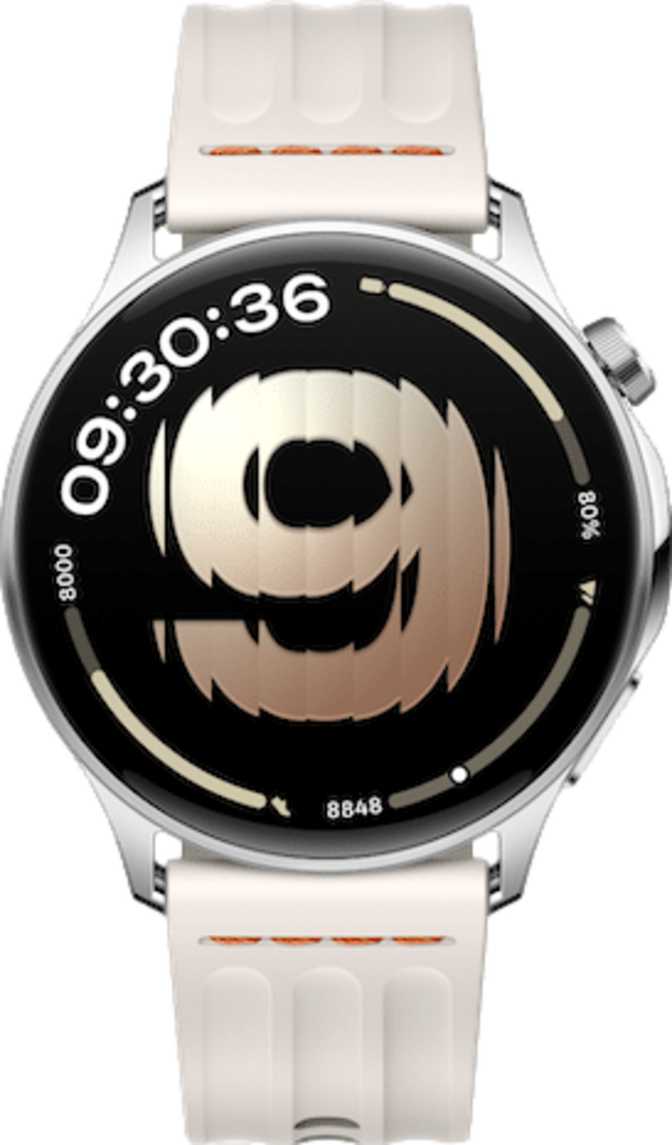
Oppo Watch S Review: Serious Health Monitoring, Lightweight Design
SmartwatchesA Serious Fitness Watch That Doesn't Take Itself Too Seriously
The smartwatch market is crowded at every price point, but the Oppo Watch S cuts through that noise by doing something refreshingly disciplined: it picks a lane and stays in it. This is a health and fitness-first wearable with genuine sensor depth, a clean physical design, and battery endurance that most rivals in its class struggle to match — all wrapped in a case light enough that you will forget you are wearing it.
What makes the Watch S worth your attention is not any single headline feature. It is the combination of medical-grade health monitoring, accurate GPS tracking, and a well-rounded activity suite packed into a frame that barely registers on your wrist. If you have been burned by smartwatches that promise everything and deliver a mediocre middle ground, the Watch S makes a compelling counter-argument.
At a Glance
Core specifications that define the Oppo Watch S
Overall Rating
Design and Build Quality
A Slim Profile That Earns Its Keep
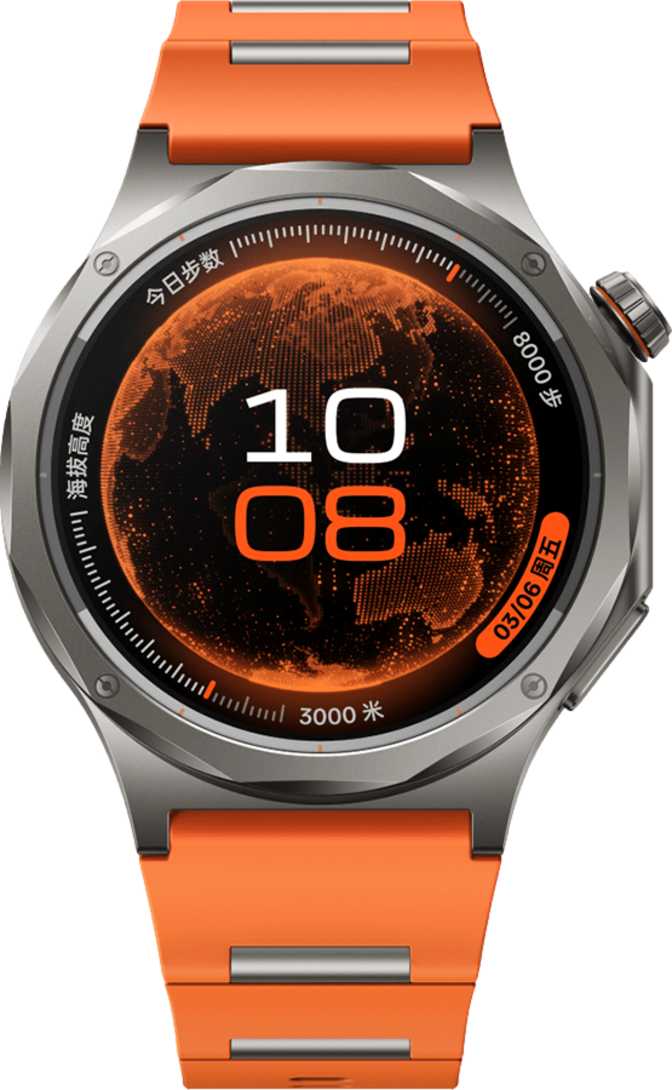
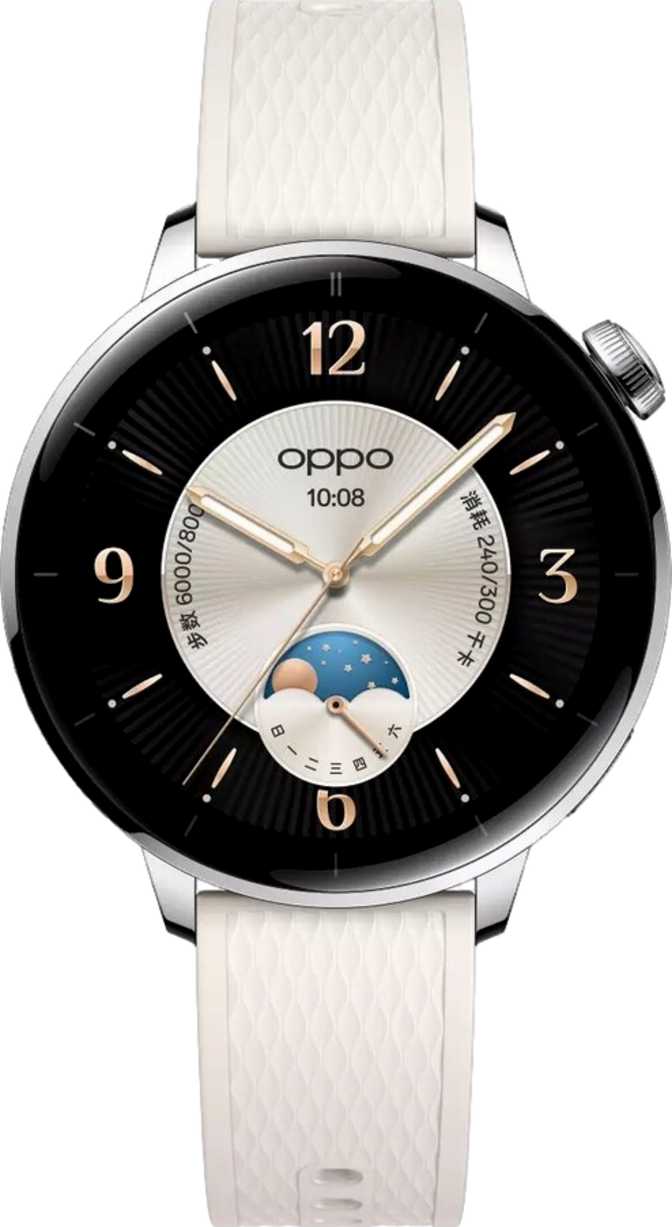
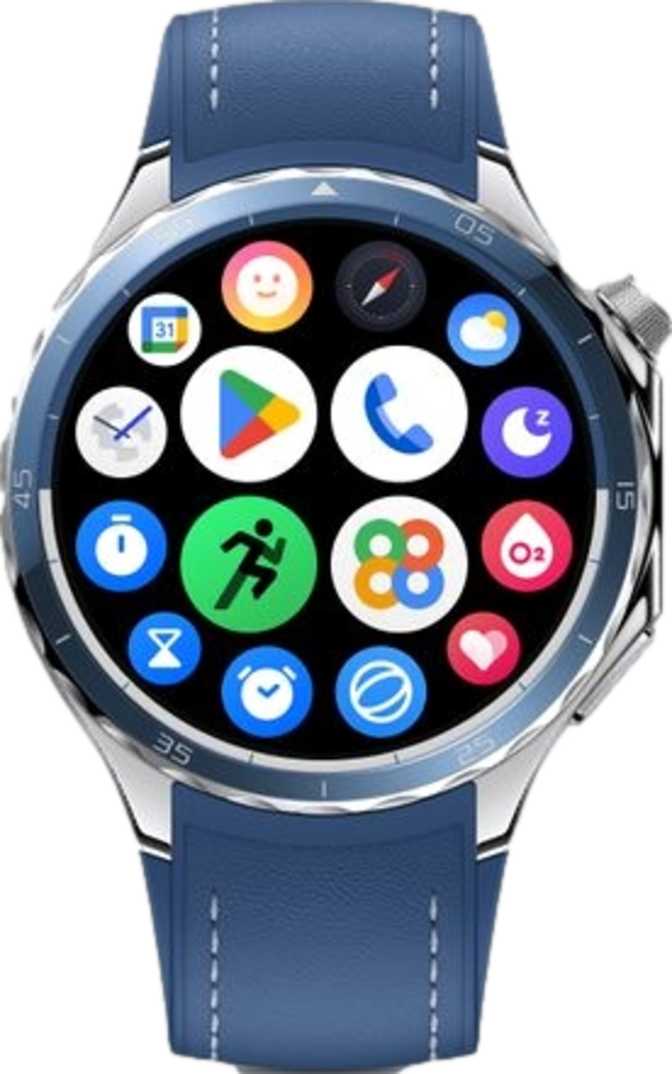
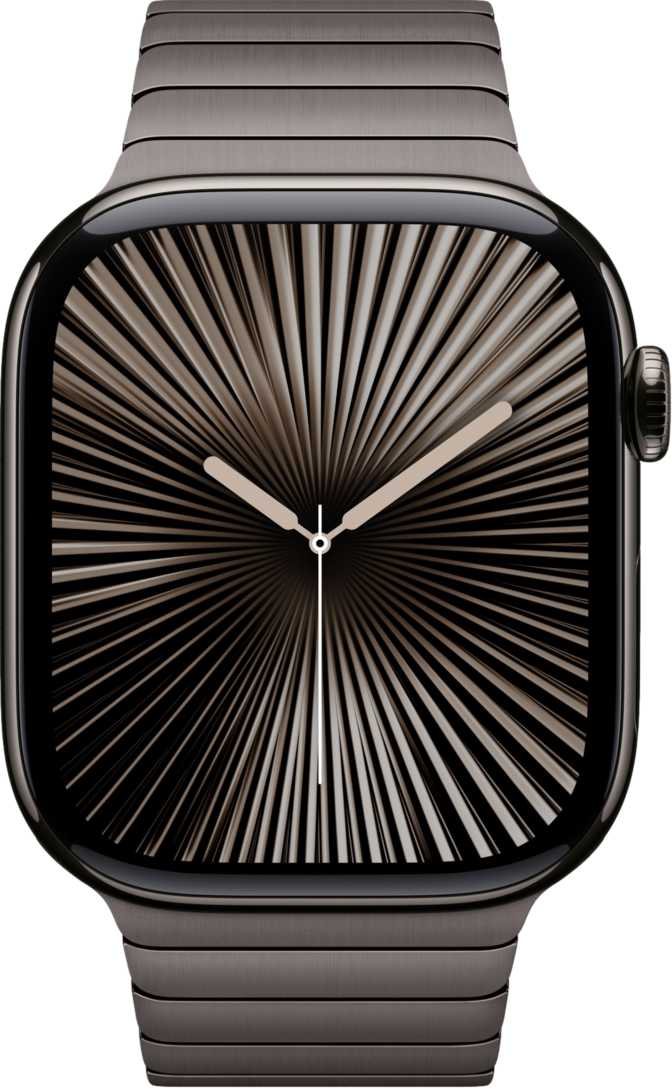
At 45mm across and just under 9mm thick, the Oppo Watch S occupies a familiar footprint on the wrist. The flat, symmetrical square face uses its real estate efficiently, and at 35 grams total — including the band — it sits firmly in the category of watches you genuinely forget you are wearing. That is not marketing language; it matters directly for overnight sleep tracking and all-day comfort.
The 22mm band width is a practical standard that opens up the aftermarket considerably. Bands are fully replaceable, making customization for sport, casual wear, or formal occasions straightforward and inexpensive — a small but meaningful long-term ownership advantage.
Display Quality
The 1.46-inch AMOLED panel delivers visuals that punch above the watch's modest dimensions. At 317 pixels per inch across a 464×464 resolution panel, text is crisp and health data is genuinely readable at a glance — even in direct sunlight, where AMOLED's high contrast characteristics work in your favour.
There is no always-on display mode — an acceptable trade-off for the battery endurance the Watch S achieves, though a dealbreaker for some. The screen activates on wrist raise reliably. The display glass is standard rather than sapphire or a branded scratch-resistant variant; a screen protector is worth considering for contact sports or rugged environments.
Water and Dust Resistance
The Watch S carries dual waterproofing credentials. In practical terms this covers pool and open-water swimming at recreational depths, along with the daily incidental exposure — showers, rain, hand-washing — that would damage a lesser watch. It is not rated for scuba or high-speed water sports, but the dual certification comfortably handles everything recreational swimmers encounter.
Health Monitoring: Where This Watch Earns Its Credibility
The Watch S carries a sensor array that goes well beyond what budget and mid-range wearables typically offer. Understanding what each sensor actually does for you in daily life matters more than the list itself.
ECG & Cardiac Health
The ECG function generates a single-lead electrical trace of your heart rhythm — the same basic measurement a bedside clinical ECG produces. It can detect atrial fibrillation, an irregular rhythm linked to stroke risk. Paired with continuous HRV tracking, fast and slow heart rate alerts, and resting heart rate trends, the cardiac monitoring package here is exceptional at this weight and price tier.
Blood Oxygen (SpO2)
The optical SpO2 sensor measures the percentage of oxygen your red blood cells are carrying. Normal readings sit above 95%; consistently lower figures can signal respiratory issues, poor sleep quality, or altitude stress. The Watch S monitors this continuously rather than only on demand, providing trend data rather than isolated snapshots — a meaningful distinction for ongoing health awareness.
Body Temperature
Wrist-based temperature monitoring tracks relative changes rather than absolute clinical readings. Its primary value is detecting overnight variations correlated with menstrual cycle phases, illness onset, or overtraining signs. Combined with the period notification feature in the companion app, it provides a genuinely useful women's health tracking capability built directly into the hardware.
VO2 Max Estimate
VO2 max is the gold standard aerobic fitness metric — the maximum rate at which your body consumes oxygen during intense effort. The Watch S estimates this using heart rate data during GPS-tracked workouts. Watching it trend upward over weeks of training contextualizes whether your fitness is genuinely improving, not just whether you are working harder each session.
Readiness and Recovery
The readiness score synthesizes HRV, resting heart rate, sleep quality, and recent activity load into a single daily indicator. On days when your body needs recovery, it tells you. On days when you are primed to push hard, it confirms that too. This kind of daily self-awareness is where wearable health technology makes its clearest case for genuine behavioral change — and the Watch S delivers it with all the underlying data necessary to make the score meaningful.
GPS Performance and Outdoor Tracking
The Watch S includes on-board GPS, tracking routes independently without needing your phone in your pocket. For runners, cyclists, and hikers who want clean, accurate data without carrying a handset, this is essential. Three specific hardware decisions elevate the GPS experience beyond what most watches in this category deliver.
Galileo Support
Beyond standard GPS, the Watch S adds the European Galileo satellite network. Galileo provides denser coverage in urban environments and at higher latitudes where GPS alone becomes inconsistent. The practical effect is better positional accuracy in cities with tall buildings and in forest-covered terrain where signal bounce is a persistent problem.
Barometric Elevation
Elevation data comes from a dedicated atmospheric pressure sensor rather than GPS-derived altitude. Barometric altitude is significantly more accurate and more responsive than GPS calculations — a meaningful advantage for trail running, mountain hiking, or any activity where gaining and losing height is a training variable worth tracking with precision.
Fast GPS Lock
The fast GPS lock feature reduces the wait between pressing start and your workout actually beginning. For anyone who trains regularly, the two-minute satellite search before a run is friction that quietly erodes the experience across hundreds of sessions. Eliminating it matters more than it might first appear when you are standing outside, ready to go.
Activity Tracking Capabilities
What the Watch Tracks
- Steps, Distance & Pace
Continuous tracking throughout the day, with pace measurement active during workouts
- Automatic Activity Detection
Recognizes when you have started exercising without requiring manual session logging
- Swim Stroke Counting
Distinguishes swimming as a proper workout mode — counting strokes and calculating efficiency, not just marking time in the water
- Barometric Elevation Tracking
Accurate altitude data via the dedicated pressure sensor during outdoor activities
- Calorie Burn, Food & Water Intake
Manual entry through the companion app, integrated into your daily calorie balance
- Exercise Diary & Activity Tagging
Log and review past sessions with structured historical records and exercise tagging
- No Cadence Sensor
This gap matters primarily to cyclists who use pedal stroke rate as a structured training variable. If cadence-tracked cycling is your primary sport, note this absence carefully before purchasing.
Sleep Tracking
Sleep monitoring goes well beyond recording hours slept. The Watch S produces structured reports that break down time in light sleep, deep sleep, and REM cycles. Body temperature and SpO2 sensors contribute to sleep quality assessment, flagging potential breathing irregularities during the night.
Inactivity alerts during the day and the silent vibration alarm keep your schedule organized without disturbing those around you.
Connectivity and Smart Features
Phone Integration
The Watch S pairs via Bluetooth 5.2, delivering stable connections and efficient battery usage during continuous data sync. It is compatible with both Android and iOS — an important advantage since several competing health-focused watches lock you into a single ecosystem.
| Connectivity Feature | Status |
|---|---|
| Bluetooth 5.2 | |
| Android Compatible | |
| iOS Compatible | |
| NFC Contactless Payments | |
| Wi-Fi | |
| Cellular Module | |
| 3.5mm Audio Jack Port |
Smart Functions
Wrist notifications for messages, calls, and app alerts arrive reliably. Calendar sync keeps your schedule visible at a glance. The 4GB of internal storage handles music — load tracks directly onto the watch and listen through paired Bluetooth earbuds without your phone anywhere nearby.
- Camera remote shutter control
- 4GB internal music storage
- Calendar sync and wrist notifications
- Passcode security for health data protection
Battery Life and Charging
Seven Days of Real-World Endurance
The Watch S is rated for seven days of typical use on a full charge. This is not an idle-mode figure — it reflects a realistic mix of heart rate monitoring, occasional GPS sessions, notifications, and sleep tracking. For most users, weekly charging fits naturally into an existing routine rather than demanding daily attention.
Enabling GPS continuously will reduce that figure significantly, as satellite positioning is the most power-intensive function. Expect two to three days of endurance during heavy GPS workout use. For users who GPS-track a handful of workouts per week while keeping sensors mostly in passive monitoring mode, the seven-day rating is genuinely achievable.
Charging Limitations
- No wireless charging. A proprietary cable is required. Losing it means sourcing a replacement directly from Oppo.
- No solar charging.
- Battery is not removable.
The Companion App
The free companion app handles data visualization, goal setting, and health trend analysis. It is ad-free — which matters for an app you will open daily. An account is required to use it.
What the App Does Well
- Activity and health reports with trend visualization
- Goal setting across fitness and health metrics
- Exercise diary with historical session review
- Weight and water intake tracking
- Period tracking and temperature monitoring integration
- Music library management for on-watch storage
- Calendar sync and widget support
- Watch face and interface personalization
Limitations to Know Before You Buy
- No built-in coaching programs or guided training plans
- No route planning support
- Limited data export formats for third-party platforms
- Account required — no anonymous use
Who Is the Oppo Watch S For?
Ideal For
- Health-Conscious AdultsECG, HRV, SpO2, and body temperature in a 35g frame is exceptional hardware density. If monitoring cardiac and metabolic health is the priority, this watch delivers.
- Multi-Sport Fitness Trackers Who SwimSwim stroke counting and dual waterproofing make this a legitimate pool training tool, not just a splash-resistant step counter.
- Runners and HikersGalileo support and barometric elevation tracking provide outdoor training accuracy that outclasses basic GPS watches in this category.
- Android and iOS UsersCross-platform compatibility removes the ecosystem lock-in that disqualifies many competing health watches from consideration for half the market.
- Weekly ChargersSeven-day battery endurance suits users who find daily charging disruptive and want to forget about the charger for most of the week.
Not the Right Fit For
- Contactless Payment UsersNo NFC means no Google Pay, no tap-to-pay, and no transit card functionality. This is a hard stop for anyone invested in wrist-based mobile payments.
- Cyclists Training With Cadence DataThe missing cadence sensor is a meaningful gap for structured cycling training where pedal stroke rate is a core variable.
- Hands-Free Call UsersWithout an onboard microphone, a wired headset through the 3.5mm port is always required for conversation. True hands-free calling is not possible.
- Golfers and Scuba DiversNeither activity is specifically supported in the Watch S feature set.
- Standalone Watch SeekersNo cellular module means the Watch S is always tethered to your phone's Bluetooth range for live notifications and data sync.
How It Compares to Alternatives
The Oppo Watch S positioned against the two most common alternatives in its category
| Feature | Oppo Watch S | Typical Mid-Range GPS Watch | Budget Fitness Tracker |
|---|---|---|---|
| ECG Monitoring | Included | Varies — often absent | Rarely included |
| HRV Tracking | Included | Common in this tier | Uncommon |
| VO2 Max Estimate | Included | Common in this tier | Uncommon |
| Swim Stroke Counting | Included | Varies | Rarely |
| Galileo GPS Support | Included | Varies | Uncommon |
| Body Temperature Sensor | Included | Uncommon | Rarely |
| NFC Payments | Absent | Often included | Rare |
| Cellular Module | Absent | Rarely included | No |
| Always-On Display | Absent | Often optional | Rarely |
| Wireless Charging | Absent | Increasingly common | Rare |
| 7-Day Battery Life | Achieved | Varies (typically 5–14 days) | Usually longer |
The Watch S trades NFC payments and wireless charging for a stronger health sensor package and better battery life — a deliberate choice that defines its target user precisely.
Honest Assessment
Where It Genuinely Excels
The health monitoring package is the undeniable headline. ECG capability combined with HRV, SpO2, body temperature, and VO2 max in a 35-gram watch is exceptional hardware density for this category. You simply do not find this combination at comparable weight and cost.
GPS accuracy, reinforced by Galileo support and the barometric elevation sensor, outperforms what most watches in this class deliver. The cross-system positioning reduces the signal dropouts and urban canyon errors that plague GPS-only wearables.
Seven-day battery life reshapes the ownership experience. For users tired of the daily charging routine that most feature-rich smartwatches demand, this endurance alone justifies serious consideration.
Cross-platform Android and iOS compatibility removes ecosystem lock-in that disqualifies many competing health watches from consideration for a significant portion of the market.
Where It Falls Short
The absence of a microphone is a peculiar design choice that limits call management and voice commands to situations where you already have earphones plugged in — undermining the convenience these features are meant to provide.
No wireless charging feels like a step behind where the category is heading. The proprietary cable dependency adds fragility to the long-term ownership experience.
The always-on display omission will frustrate users who want constant glanceability. No NFC is a hard stop for anyone invested in wrist-based contactless payments.
The companion app, while functional and data-rich, lacks the coaching depth that dedicated sports watch platforms provide. Users coming from Garmin or Polar ecosystems will notice the difference in training guidance tools.
Frequently Asked Questions
Answers to the questions real buyers search before purchasing
Final Verdict
Our full analysis of the Oppo Watch S
The Oppo Watch S makes a clear and honest case for itself: it is a health-first wearable with genuine sensor depth, dependable GPS, and week-long battery endurance in a package that barely registers on your wrist. If your priorities center on health monitoring — especially cardiac health through ECG and HRV — and you want accurate GPS without the bulk of a dedicated sports watch, the Watch S delivers with conviction.
The trade-offs are real but concentrated. No NFC, no wireless charging, no integrated microphone, and no always-on display are meaningful absences. None of them undermine the core health and fitness mission, but they draw a clear line around who this watch is built for.
For health-conscious adults, active swimmers, and everyday runners who want clinical-grade monitoring without the weight and cost of a flagship device, the Oppo Watch S is a focused, well-executed choice worth serious consideration. Go in with accurate expectations about what it does not do, and it will exceed them on everything it does.