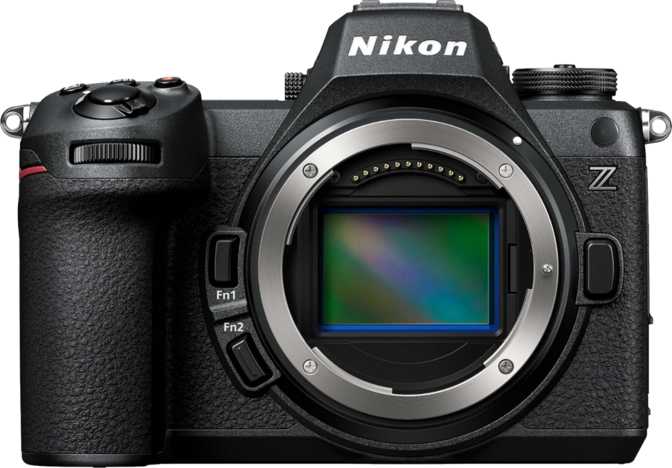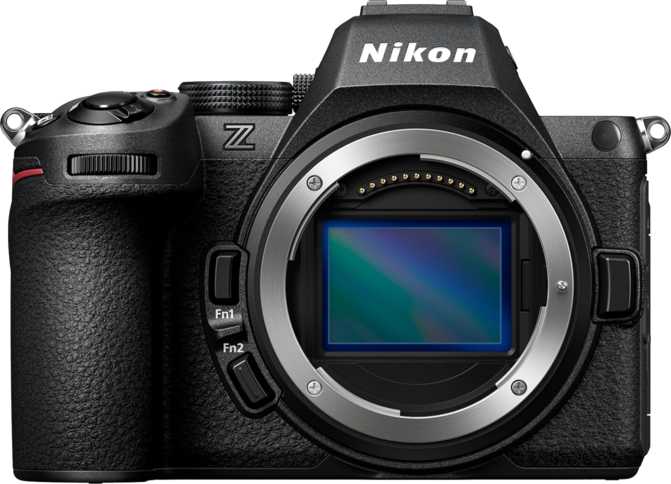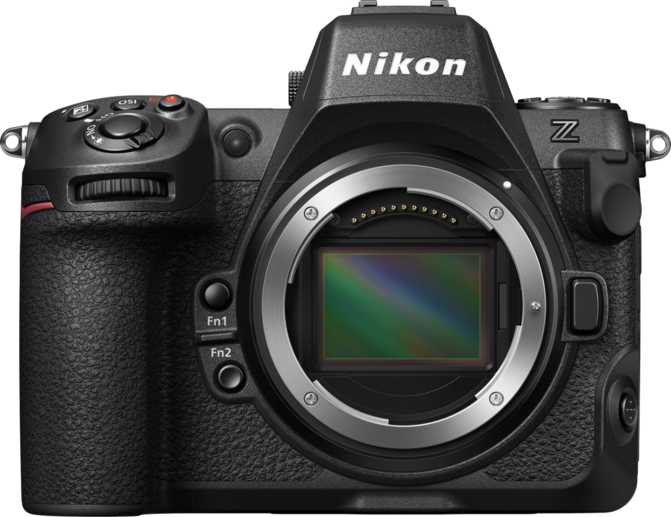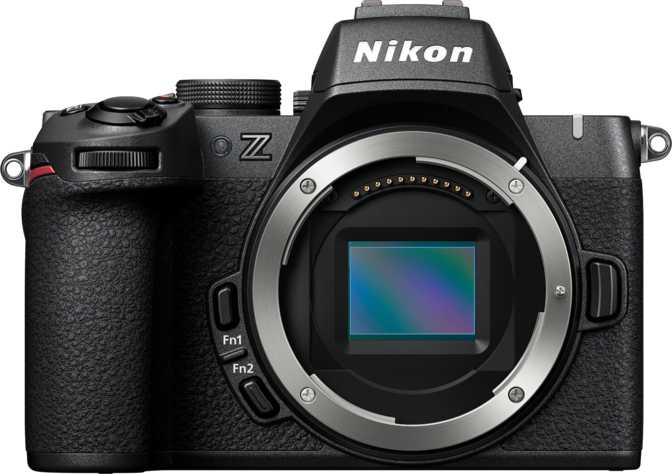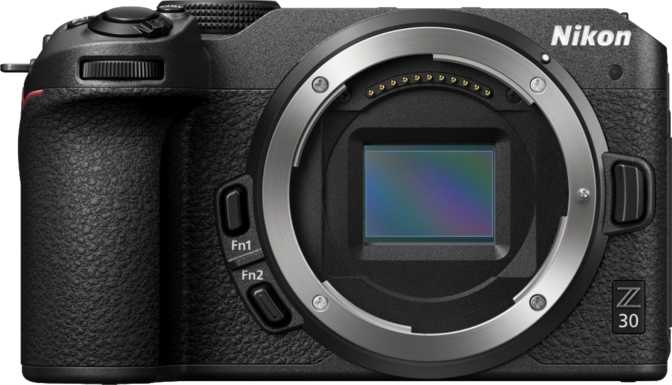
Nikon Z30 Review: An Honest Look at Nikon's Creator Mirrorless Camera
CamerasThe Nikon Z30 is an APS-C mirrorless camera built around a single, clear design philosophy: serve the solo content creator, the vlogger, and the hybrid shooter who records themselves as often as they photograph the world. For that audience, it delivers where it counts most. For everyone else, the deliberate omissions add up quickly — and knowing the difference before purchase is the most useful thing this review can offer.
Recommended for vloggers & content creators
Design and Build Quality
Compact without feeling compromised — a body shaped around real creator workflows.
Size & Ergonomics
At 350 grams body-only — 128 mm wide and under 60 mm deep — the Z30 is genuinely pocketable by mirrorless standards. The deeper-than-average grip makes single-handed vlogging comfortable over extended sessions, where arm fatigue is a practical concern rather than a hypothetical one.
Controls are logically positioned without requiring menu-diving for common adjustments. The body feels deliberate rather than merely miniaturized.
The Flip-Out Screen
The fully articulating 3-inch touchscreen rotates forward completely — exactly what self-recording requires. At just over one million dots, it resolves adequately for framing and playback without being the sharpest panel in the category.
Touch autofocus through the screen is fluid and responsive. Tap your face, a product on a desk, or any area of the frame and the camera locks on — a critical capability during solo recording when you cannot constantly monitor the display.
Notable Omissions
- No electronic viewfinder — a deliberate trade-off for body size and cost. Eye-level composition shooters will feel this absence immediately.
- No built-in flash — a hot shoe accepts external flash units, but the convenience of a quick fill-flash is gone.
- Basic splash resistance only — rated for 0°C–40°C operation. Not suitable for rain, heavy dust, or freezing temperatures.
Sensor, Image Quality & Autofocus
A capable sensor that rewards good light — and autofocus that routinely outperforms its price positioning.
Resolution and Sensor Technology
At just under 21 megapixels, the Z30 hits the current sweet spot for content creation work. High enough for detailed stills that crop cleanly and for 4K video capture with pixel headroom — without generating file sizes that overwhelm a typical editing laptop or require constant storage management.
The sensor is a standard CMOS design — not back-illuminated or stacked. Both of those technologies appear in costlier cameras and improve low-light performance and electronic readout speed respectively. At this price tier, their absence is expected. The practical consequence: noise becomes visible at lower sensitivity levels than back-illuminated competitors. Controlled lighting is where this sensor performs at its best.
Sensitivity and Low-Light Use
The native sensitivity range handles indoor ambient light and moderately dim environments confidently. The extended range — available for extreme situations — sacrifices meaningful detail and color accuracy for exposure in near-dark conditions. Treat it as an emergency option, not a creative tool. The practically usable ceiling for quality-sensitive shooting ends well before the maximum figure.
Burst Shooting and Shutter
An 11-frame-per-second burst rate is unusually capable for a creator-focused body. Shoot a sequence during a product demonstration or while photographing a moving subject, then select the sharpest frame from the run. The fastest available shutter speed freezes motion cleanly and allows wide-open aperture shooting in bright conditions without overexposure. Full manual control over all exposure parameters is available throughout.
Raw File Capture
Raw shooting alongside JPEG is fully supported. Creators publishing directly to social platforms will find in-camera JPEGs production-ready. Anyone doing deliberate color work or shooting under challenging mixed light should shoot raw — the editing latitude makes a meaningful difference at the grading stage.
With 209 phase-detection focus points spread across a wide portion of the frame, autofocus performance here outpaces what the camera's price position might imply. Phase-detection evaluates which direction to focus simultaneously — no hunting, just confident, direct acquisition.
Face and subject tracking is active and sticky. The camera identifies and follows subjects through movement. For solo video creators recording while moving around a set or facing the camera from varying distances, this is the feature that earns real daily use.
- 209 phase-detection AF points
- Face and subject tracking
- Continuous AF during video recording
- Touch AF via the flip-out screen
Core Sensor Quick Facts
- Megapixels20.9 MP
- Sensor FormatAPS-C CMOS
- ProcessorExpeed 6
- AF Points209 PDAF
- Burst Rate11 fps
- In-Body StabilizationNone
Video Capabilities
Where the Z30 earns its reputation — and where one meaningful gap still shows up.
4K Resolution
Records full 4K at up to 30 fps alongside the 24 fps cinematic frame rate. Full HD slow-motion is also available for creative sequences and product highlights.
144 Mbps Bitrate
Noticeably more data per second than cameras at 50–100 Mbps. Cleaner edges, better color gradation, and footage that holds up under heavy grading in post-production.
Stereo Audio
Two built-in microphones capture spatial stereo audio — a meaningful step up over mono for voice recording. A 3.5mm microphone input allows external mic connection when needed.
Video AF
Phase-detection tracking remains fully active during recording. Subject transitions appear smooth at normal playback speeds — the AF neither hunts nor stutters visibly.
Full Video Feature Breakdown
- 4K UHD at 24p and 30p
- Slow-motion video recording
- 144 Mbps maximum bitrate
- Continuous AF with face tracking
- Timelapse function built in
- Dual built-in stereo mics
- 3.5mm microphone input
- Clean HDMI output
- No headphone monitoring jack
- No in-body stabilization
The Z30 includes a microphone input but provides no headphone output. Once you plug in an external microphone, there is no way to confirm audio quality in real time while recording. Any issue — a loose connector, an incorrect gain level, unexpected interference — only surfaces when you review the footage after the fact. For professional audio-critical productions, this is a genuine limitation. For creators using the built-in microphone in typical shooting environments, it matters considerably less in practice.
Battery Life and Power Management
The honest picture — and the practical workarounds that make it workable.
The standardized still-photography rating of approximately 330 shots per charge sets a ceiling that real-world video use never approaches. Video recording draws power significantly faster — the sensor, autofocus processor, and screen all run simultaneously during a session, each drawing continuously from a battery that is modest in capacity to begin with.
A practical estimate for uninterrupted 4K recording is roughly 45 to 60 minutes per charge, depending on settings and ambient temperature. For a dedicated video session or a full mixed-shooting day, carrying a spare battery moves from "helpful" to "non-negotiable." Budget for one at purchase — it is part of the true cost of owning this camera.
The meaningful upside: the battery is removable and swappable, not sealed inside the body. More importantly, the camera charges via USB-C, which means any modern charger, laptop port, or compact power bank can replenish it on location. For travel creators or anyone shooting away from wall outlets, this flexibility is a genuine practical advantage.
Battery Quick Facts
- Removable battery — swap for a charged spare without breaking mid-shoot
- USB-C charging — works with any modern charger or power bank
- Battery level indicator — reliable on-screen readout, no sudden shutdowns
- Budget for a spare — essential for any video session running past 45–60 minutes
Connectivity and System Integration
Wireless control, wired outputs, and access to a growing lens ecosystem built for the long term.
Wi-Fi 5
Fast wireless file transfer via 802.11ac, plus 802.11n for broader compatibility. Pair with a smartphone for remote control and image transfer via the Nikon app.
Bluetooth Remote
Bluetooth 4.2 maintains a persistent low-power connection to your phone. Start and stop recording remotely — essential when the camera is mounted out of arm's reach.
USB-C + HDMI
USB-C handles data and in-body charging. HDMI output connects to external monitors or capture cards for streaming rigs and desktop recording setups.
Dual Card Slots
Two memory slots for redundant backup or extended overflow capacity. Uncommon at this price tier — a professional habit enabled in a consumer-positioned body.
Connectivity At-a-Glance
- Wi-Fi 5 (802.11ac)
- Bluetooth 4.2
- USB-C (data + charge)
- HDMI output
- Smartphone remote
- Hot shoe
- No GPS
- No NFC
The Z30 uses Nikon's Z-mount — one of the wider-diameter, shorter flange-distance designs in the industry. That optical geometry gives lens designers meaningful room to work, and the results show in the quality of available native glass.
Owners of existing Nikon F-mount lenses can use a separately sold adapter that maintains autofocus functionality on the Z30. For new buyers, the Z-mount is a growing platform worth committing to for the long term. The lenses you invest in matter as much as the body — and this ecosystem warrants genuine long-term confidence.
Who Should Buy the Nikon Z30
- You create video content solo — vlogs, tutorials, talking-head videos, or product reviews where reliable face-tracking without a camera operator is the deciding factor.
- You shoot both stills and video — and need a single compact body that handles both without major compromises in either direction.
- You are stepping up from a smartphone — and want manual control, raw files, and interchangeable lenses without a steep learning curve or an intimidating setup.
- You run a streaming or desktop setup — and need a clean HDMI source for a capture card or monitor with significantly better image quality than a standard webcam.
- You need in-body stabilization — handheld video without IBIS requires a gimbal or an optically stabilized lens. No IBIS is the Z30's most consequential limitation, and discovering it post-purchase would be genuinely frustrating.
- You shoot in harsh outdoor conditions — basic splash resistance is insufficient for rain, dust, or cold climates. A properly sealed body is what that work demands.
- You require real-time audio monitoring — no headphone output means no in-ear confirmation during recording. A deal-breaker for audio-critical professional productions.
- You primarily photograph wildlife or sports — while the burst rate is capable, the missing viewfinder and body design make it an awkward fit for extended telephoto shooting.
How the Nikon Z30 Stacks Up
Compared against typical APS-C mirrorless competitors at entry and mid-range price tiers.
| Feature | Nikon Z30 | Entry APS-C Mirrorless | Mid-Range APS-C Mirrorless |
|---|---|---|---|
| Sensor Stabilization (IBIS) | None | Often None | Often Yes |
| Flip-Out Screen | Yes | Varies | Often Yes |
| Electronic Viewfinder | No | Often No | Often Yes |
| 4K Video | 30fps | Yes | Yes |
| Headphone Monitoring | No | Varies | Often Yes |
| Dual Card Slots | Yes | Rarely | Sometimes |
| Microphone Input | Yes | Sometimes | Often Yes |
| Body Weight | ~350 g | Similar range | Often Heavier |
| Lens Ecosystem | Z-Mount (Growing) | Varies | Varies |
Reflects typical specifications at each price tier. Individual models may vary. The Z30's dual card slots are notably uncommon among entry-level competitors.
Honest Assessment
Every strength and every shortcoming stated plainly — because informed buyers make better decisions.
- Creator workflow integration — the flip screen, face-tracking AF, and USB-C charging reflect genuine understanding of how content producers actually work. Nothing about the setup feels like an afterthought.
- 4K video at 144 Mbps — footage holds color density and edge detail that stands up to deliberate grading and high-quality final delivery formats.
- Dual card slots at this price — uncommon among entry-level competitors, delivering backup redundancy and extended capacity that professional-minded creators actually use.
- Face and subject tracking — sticky, reliable AF that keeps pace with natural movement during video without pulling focus or stuttering noticeably.
- Z-mount ecosystem — a future-proof lens platform with genuine momentum, quality native glass, and F-mount legacy adapter compatibility.
- No in-body image stabilization — the most consequential omission. Smooth handheld video requires a gimbal or OIS lens. Electronic stabilization crops the frame as a fallback. This gap is not a minor inconvenience.
- No headphone monitoring — attaching an external mic without real-time audio confirmation creates a production gap that matters in any context where audio quality is non-negotiable.
- Modest battery endurance — real-world video duration per charge is short enough that a spare battery is a practical necessity, adding to the true total cost of ownership.
- Non-BSI sensor — noise enters at lower sensitivity levels than back-illuminated alternatives. Challenging light is where this trade-off becomes visible in the final image.
Frequently Asked Questions
Answers to what real buyers search for before committing to the Nikon Z30.
Final Recommendation
A clear verdict after full analysis of specifications, design choices, and real-world implications
The Nikon Z30 is one of the more honest cameras in its category — honest about what it is, who it serves, and what it deliberately does not do. Nikon built a focused product rather than a compromised one, and the result is a body that handles its intended workflow with clarity and genuine competence.
For solo content creators, vloggers, and hybrid shooters stepping up from smartphone footage, the Z30 delivers the face-tracking AF, 4K video quality, compact form, and system flexibility that make a tangible difference in daily output. The dual card slots, USB-C charging, stereo microphone, and external mic input show that Nikon understood how its target audience actually works — and built accordingly.
The trade-offs — no IBIS, no headphone jack, no viewfinder, modest battery endurance — are design choices, not oversights. Know them before you buy. If those gaps describe weaknesses in how you actually shoot, a different body will serve you better. If they do not apply to your workflow, the Z30 is a confident recommendation in its class.
Hybrid Shooters · Streamers
or EVF are priorities
Pair it with a stabilized kit lens, carry a spare battery, and the Nikon Z30 will deliver — consistently and without drama — for the creator it was designed to serve.