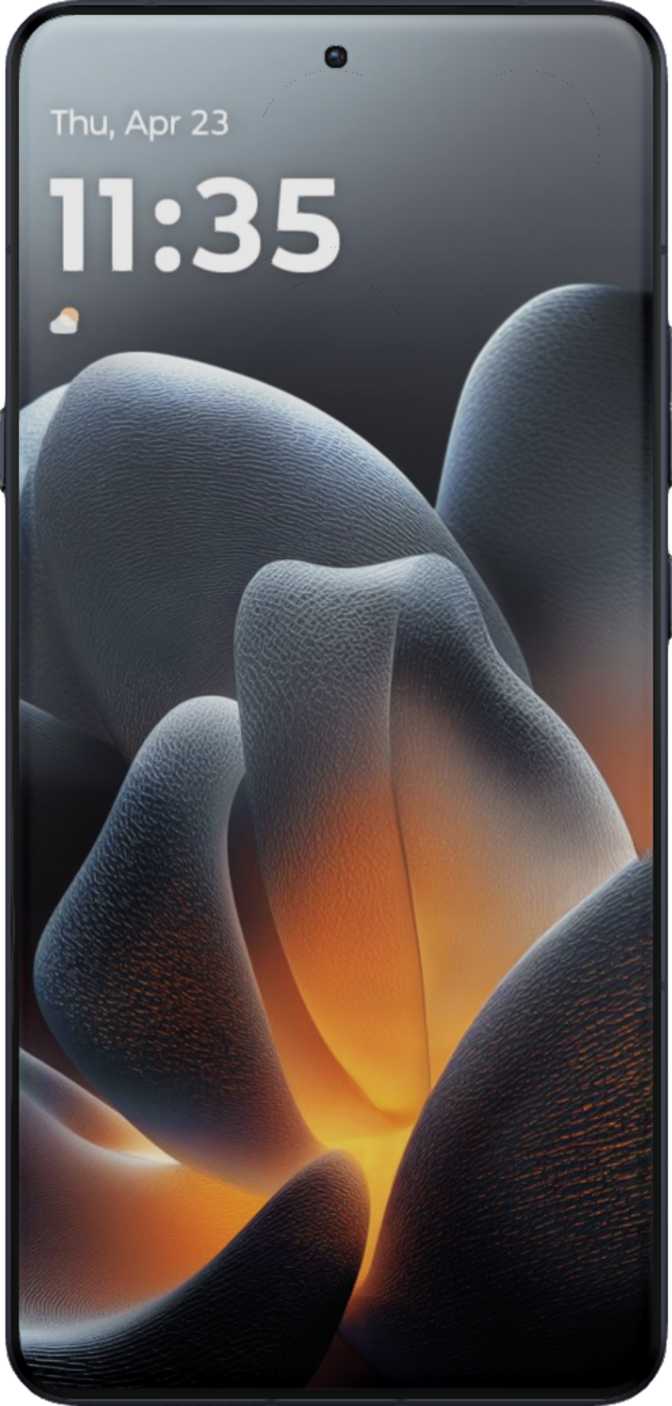
Motorola Signature Review: Thin, Tough, and Built for Performance
SmartphonesWhat the Motorola Signature Gets Right — and Where It Makes You Choose
There is a certain confidence in the name "Signature." It implies this is the statement Motorola wants to make — a device that defines where the brand stands in the premium segment. The Motorola Signature earns that name decisively in design, display quality, and processing power, while making deliberate trade-offs in camera versatility and audio output. Whether those trade-offs align with your priorities is what this review examines in full.
Quick Verdict at a Glance
- Top-tier Snapdragon processor
- Exceptional 165Hz OLED panel
- Ultra-slim 7mm chassis
- IP69 waterproofing
- 50W wireless charging
- No OIS or RAW capture
Category Ratings
Design and Build: Thin, Light, and Surprisingly Tough
At 7mm thick and 186 grams, the Motorola Signature achieves a rare combination in the large-screen flagship segment: it genuinely disappears into your pocket.
The Physical Profile
The 7mm profile undercuts the typical flagship range of 8.5–9mm meaningfully. Combined with a 186-gram weight — light for a phone carrying a 6.8-inch screen — it reduces long-hold fatigue in a way that specs alone cannot convey until you pick one up. The 76.4mm width is wide by any measure, but the thinness offsets much of that presence in the hand.
The flat glass design is a deliberate choice with practical payoff: screen protectors apply more reliably, and edge-impact cracks are less likely compared to curved glass panels. This is functional design, not aesthetic compromise.
IP69: Beyond the Usual Standard
Most flagship phones carry IP68 certification — protection against still-water immersion to a set depth. IP69 adds something almost no mainstream phone offers: resistance to high-pressure, high-temperature water jets. Aggressive rinsing under a tap, heavy rain, poolside splashes — all handled without concern.
The 1.2-meter depth rating pairs with this. The Signature carries no rugged-phone marketing, but its water credentials are stronger than most phones that do.
Gorilla Glass Victus 2
The front panel uses Gorilla Glass Victus 2, among the most scratch- and impact-resistant cover glass available on Android phones. Combined with the flat geometry, the display is well-positioned for everyday durability and reliable screen-protector compatibility.
Display: A Screen That Does Not Ask for Compromise
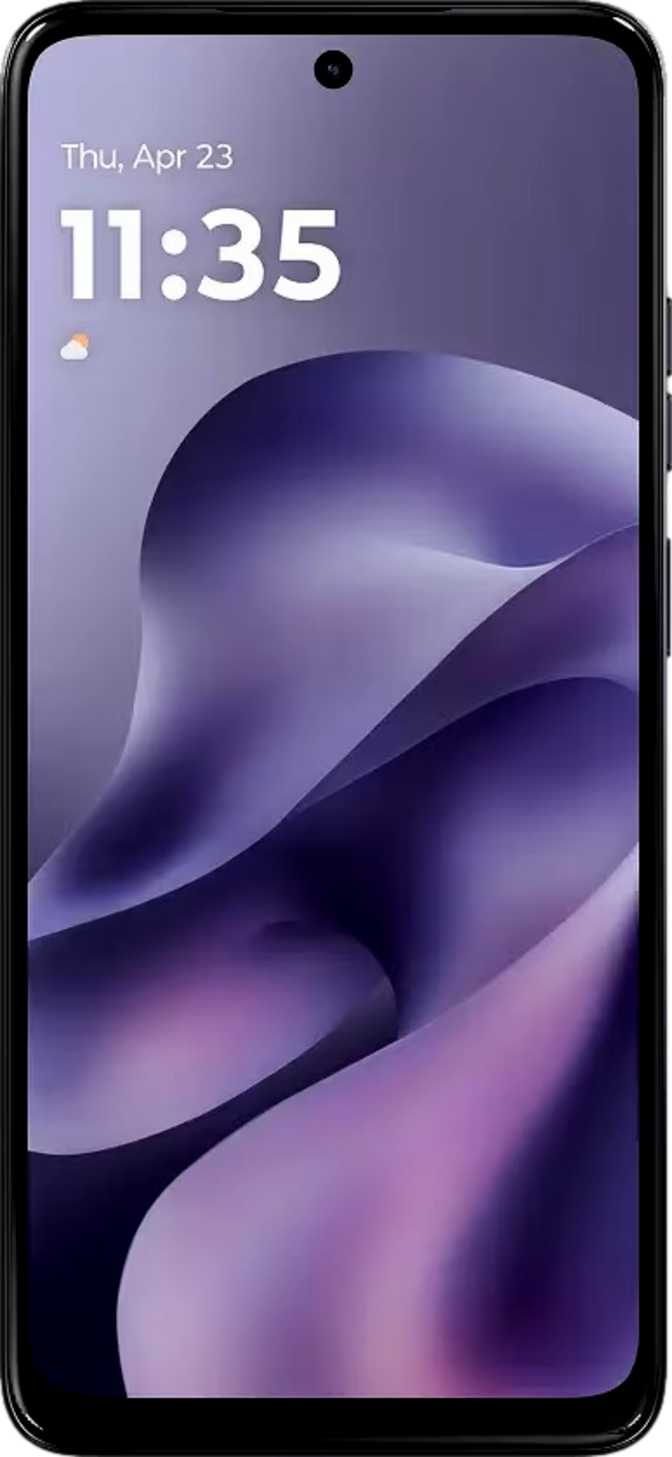
The 6.8-inch OLED panel is the Motorola Signature's most immediately impressive feature — and it holds up under technical scrutiny.
Size and Sharpness
At 446 pixels per inch, the display exceeds the threshold where individual pixels are distinguishable under normal viewing conditions. Text, UI elements, and photos render with a precision that becomes hard to unsee. The tall 1264 × 2780 resolution suits scrolling content, vertical video, and extended reading sessions particularly well.
Refresh Rate and Touch Response
The 165Hz refresh rate takes fluid scrolling beyond what 120Hz devices offer — subtle but perceptible in fast-moving content. The 360Hz touch sampling rate is aimed squarely at gaming, where input timing in milliseconds changes outcomes. In standard use, it simply makes the screen feel immediately responsive to every input.
Color and HDR Coverage
Full support for HDR10, HDR10+, and Dolby Vision covers both major premium video standards. Streaming content mastered for these formats displays at the full intended quality. The Always-On Display keeps time and notifications visible without waking the full panel — a small but consistently useful feature.
Performance: Flagship Ceiling, Not Flagship Average
The Snapdragon 8 Gen 5 does not merely sit at the top tier of mobile processing — it defines that tier.
The Chipset and What It Delivers
Built on a 3-nanometer process — the smallest node currently applied to mobile silicon — the Snapdragon 8 Gen 5 extracts more performance per watt than any previous generation. Two high-performance cores clock to 3.8GHz for demanding tasks, while six efficiency cores at 3.32GHz handle lighter workloads to conserve energy. This division of labor is managed automatically and continuously, with no input required from the user.
The Adreno 840 GPU operates at 1,200MHz with DirectX 12 support. Every current mobile game runs at maximum settings on this hardware. For video editing, AI features, and compute-intensive apps, the GPU provides meaningful acceleration beyond what the CPU alone delivers.
Geekbench 6 Results
Memory That Earns Its Spec
Sixteen gigabytes of DDR5 RAM at 4,800MHz enables the Signature to hold a large library of apps in memory simultaneously. Switching between a photo editor, a browser with multiple open tabs, and a streaming app happens without reload delays. The maximum supported configuration reaches 24GB — headroom that future software demands will benefit from even years into the device's ownership life.
One Terabyte: No Storage Anxiety
A full terabyte of internal storage eliminates any need for cloud management or periodic file culling. A decade of high-resolution photos, a sizeable 4K video library, a complete gaming catalog, and years of local music — all coexist simultaneously. There is no microSD slot, but with this capacity on-board, the practical argument for one is difficult to make.
Camera System: Triple 50MP Setup with Real Versatility
Three rear cameras, each resolving at 50 megapixels — built around a consistency-first philosophy that pays off across focal lengths.
The Three-Lens Philosophy
Equipping all three lenses — main, ultrawide, and telephoto — with 50-megapixel sensors reduces the quality gap when switching focal lengths. Most multi-camera phones pair a high-resolution primary with lower-resolution supporting cameras. The Signature bets on consistency instead.
The telephoto delivers 3x optical magnification using glass optics, not digital cropping. Distant portraits, architectural details, and subjects at a concert are captured with full preserved resolution.
Video: 8K Ceiling
The main camera captures 8K video at 30 frames per second — the highest resolution tier currently available in consumer smartphones. For most sharing purposes footage will be downscaled, but the original file retains enough resolution for aggressive post-production reframing without quality loss.
HDR10 video recording is supported alongside slow-motion capture and continuous autofocus throughout recording. Laser autofocus assists both still photography and video.
Front Camera
The 50-megapixel front camera with an f/2.0 aperture is among the most capable selfie cameras at this tier. High resolution means group shots can be cropped to individual faces without losing quality.
There is no front-facing LED flash. Screen flash — the display used at maximum brightness — serves as fill light in dark environments. Common practice, but worth knowing if consistent low-light selfies are a fixed priority.
Notable Camera Limitations
OIS uses a physical gyroscope mechanism to counteract hand movement during photography and video. Without it, handheld low-light stills and walking-pace video may show more motion blur than OIS-equipped competitors. Software stabilization compensates partially but requires frame cropping and does not fully replicate the optical approach.
RAW files preserve unprocessed sensor data before the phone's image algorithms apply noise reduction and color decisions — giving photographers full control in editing software. This option is unavailable here. JPEG and HEIF are the only output formats, which limits post-production flexibility for serious photographers.
Battery and Charging: Capacity, Speed, and One Missing Item
A large-capacity battery inside a thin chassis, paired with the fastest wireless charging available on a mainstream flagship today.
Daily Endurance
The 5,200mAh cell sits at the generous end of current flagship battery capacity, particularly given the 7mm chassis. Thin phones typically carry smaller batteries — the engineering here preserved capacity without the thickness penalty. Combined with the efficiency of the 3nm Snapdragon 8 Gen 5, a full day of standard use — several hours of screen time, streaming, and browsing — is comfortably achievable for most users.
Heavy users — extended gaming sessions, all-day GPS navigation, sustained outdoor video at maximum brightness — should plan for daily charging. Two-day battery life is not on offer here.
Three Tiers of Charging
The Motorola Signature does not ship with a charging brick — a now-common practice among flagship makers. To reach 90W charging speeds, you need a compatible high-wattage USB-C power adapter. If you do not already own one, factor the additional cost into your purchase. A standard USB-C charger will power the device but significantly more slowly.
Software: Android 16 and a Thoughtful Privacy Toolkit
Shipping with Android 16 — the latest major version — the Motorola Signature comes with the broadest software support window available, alongside privacy and productivity tools that reward attention.
Privacy Controls
-
Per-App Camera & Microphone AccessGrant or revoke hardware access individually for each installed app
-
Clipboard Access WarningsA notification appears whenever any app reads your clipboard content
-
Location Privacy OptionsShare precise or approximate location on a per-app basis
-
App Tracking BlockerLimit apps from tracking your activity across other services
-
On-Device Machine LearningAI features processed locally — no data transmitted to cloud servers
Productivity Features
-
Split-Screen MultitaskingTwo apps side by side — genuinely practical on a 6.8-inch display
-
Picture-in-Picture ModeKeep video playing while navigating other apps simultaneously
-
Full-Page ScreenshotsCapture entire long pages in a single scrollable screenshot
-
Offline Voice RecognitionFull voice command capability without an internet connection
-
Dynamic ThemingSystem color palette adapts automatically to your wallpaper
Connectivity: Every Current Standard, Up to Date
From Wi-Fi 7 to Bluetooth 6, the Motorola Signature covers the full range of current wireless standards without omission.
| Feature | Specification | What It Means in Practice |
|---|---|---|
| 5G | Supported | Full compatibility with modern 5G networks worldwide |
| Wi-Fi | Wi-Fi 7 (802.11be) | Fastest current standard; lower latency on compatible routers and forward-compatible with future infrastructure |
| Bluetooth | Version 6 | Latest standard; improved range and energy efficiency over Bluetooth 5.x |
| USB | Type-C, USB 3.1 | Fast data transfer; compatible with modern accessories, displays, and external storage |
| SIM | Dual physical + eSIM | Three simultaneous lines possible; ideal for travel and dual-number users |
| NFC | Supported | Contactless payments, transit cards, and instant device pairing |
| GPS | GPS + Galileo | Dual-constellation positioning for better accuracy in dense urban environments |
Audio note: Stereo speakers are built in, delivering solid media audio without wired headphones. However, there is no 3.5mm headphone jack, and Bluetooth audio supports only standard SBC and AAC codecs — aptX, LDAC, and their higher-fidelity variants are all absent. For casual listening and calls this is invisible; for audiophiles with LDAC-capable headphones, it is a real limitation to account for.
Who the Motorola Signature Is For
This Phone Is Right for You
- You want the fastest Android performance available and use your phone heavily throughout the day
- A thin, light build matters without sacrificing a premium large screen
- You need water resistance that goes beyond the IP68 standard most flagships offer
- Wireless charging is a daily habit and 50W is a meaningful upgrade over a standard pad
- One terabyte of storage removes any need to manage local files or lean on cloud storage
- You watch streaming content regularly and want HDR quality accurately rendered
- You travel with multiple numbers or switch carriers and need dual-SIM plus eSIM flexibility
Consider Alternatives If
- Optical image stabilization is non-negotiable for your photography or video workflow
- You shoot in RAW format and post-process images in desktop editing software
- High-resolution wireless audio codecs like LDAC or aptX Adaptive are part of your listening setup
- You want emergency satellite connectivity for outdoor, backcountry, or remote travel
- A 3.5mm headphone jack is a fixed, daily-use requirement
How It Compares to the Alternatives
Across the points where flagship phones differentiate most — this is where the Signature leads, matches, and concedes.
| Comparison Point | Motorola Signature | Typical Competing Flagship |
|---|---|---|
| Thickness | 7mm Thinner than most | 8.5–9.2mm common at this tier |
| Water Resistance | IP69 Higher standard | IP68 typical |
| Wireless Charging | 50W Class-leading | 15–25W typical; 45W+ rare |
| OIS | Absent | Present on most flagships |
| RAW Photography | Not supported | Supported on most flagships |
| Audio Codecs | SBC / AAC only | LDAC and/or aptX common |
| Satellite SOS | Not available | Present on some flagships |
| Storage Maximum | 1TB on-device | 512GB–1TB at equivalent tier |
| Display Refresh Rate | 165Hz | 120Hz standard; 144Hz emerging |
Honest Assessment: Strengths and Weaknesses
Where It Excels
-
Comfort in Hand
The combination of thinness, weight, and flat-glass design produces a phone that is more comfortable over long holding sessions than most peers at this tier. The form factor feels genuinely premium without any associated bulk.
-
Exceptional Display
The OLED panel's resolution, refresh rate, and full HDR coverage combine into one of the better large-screen mobile viewing experiences available. Exceptional in this category without qualification.
-
Future-Proof Performance
The Snapdragon 8 Gen 5 with 16GB of DDR5 RAM will not be a bottleneck for any foreseeable mobile software demand. This is a phone that will not feel slow three years from now.
-
Superior Water Resistance
IP69 is a legitimately stronger certification than the IP68 most competitors carry. It covers high-pressure water jet exposure that IP68 does not — a phone you carry with confidence in more environments than most.
Where It Falls Short
-
Camera Versatility
The absent OIS is the most consequential limitation in this review. It affects real-world results in low light and during motion — conditions that come up regularly for most users. Photographers who frequently work in challenging lighting will feel this gap.
-
Wireless Audio Ceiling
The absence of LDAC and aptX variants limits Bluetooth audio to standard codec quality. For anyone who has invested in high-resolution wireless headphones, this is a real mismatch that casual listeners will never notice.
-
No Charger in the Box
The absent charging brick is a legitimate irritant. Not a dealbreaker, but it should factor into total purchase cost for anyone who does not already own a high-wattage USB-C adapter.
-
No Emergency Safety Features
No satellite SOS, no crash detection. Some competing flagships now offer both. For outdoor enthusiasts and frequent drivers, the absence is worth weighing against the phone's other considerable strengths.
Questions Real Buyers Ask Before Purchasing
The questions that come up most often before committing to the Motorola Signature — answered directly.
Final Recommendation
A refined daily-carry experience built around disciplined engineering priorities
The Motorola Signature earns its flagship positioning through focused engineering choices rather than a specification-count exercise. The 165Hz OLED panel, Snapdragon 8 Gen 5, 7mm thinness, and IP69 durability come together in a package that feels deliberately coherent rather than assembled from competing priorities.
The trade-offs are real and stated plainly: no OIS, no RAW photography, no high-fidelity wireless audio, no emergency satellite features. For users who depend on any of these, other options serve better. For everyone who values a refined daily-carry phone — light, visually exceptional, genuinely waterproof, and relentlessly capable — the Motorola Signature is a clear, well-justified recommendation.
Buy It
If display quality, processing power, form factor refinement, and exceptional water resistance are your top priorities — and you want all four without having to compromise on any single one.
Keep Researching
If OIS for low-light photography, LDAC for high-resolution wireless audio, or satellite emergency connectivity are features you genuinely rely on in daily life.