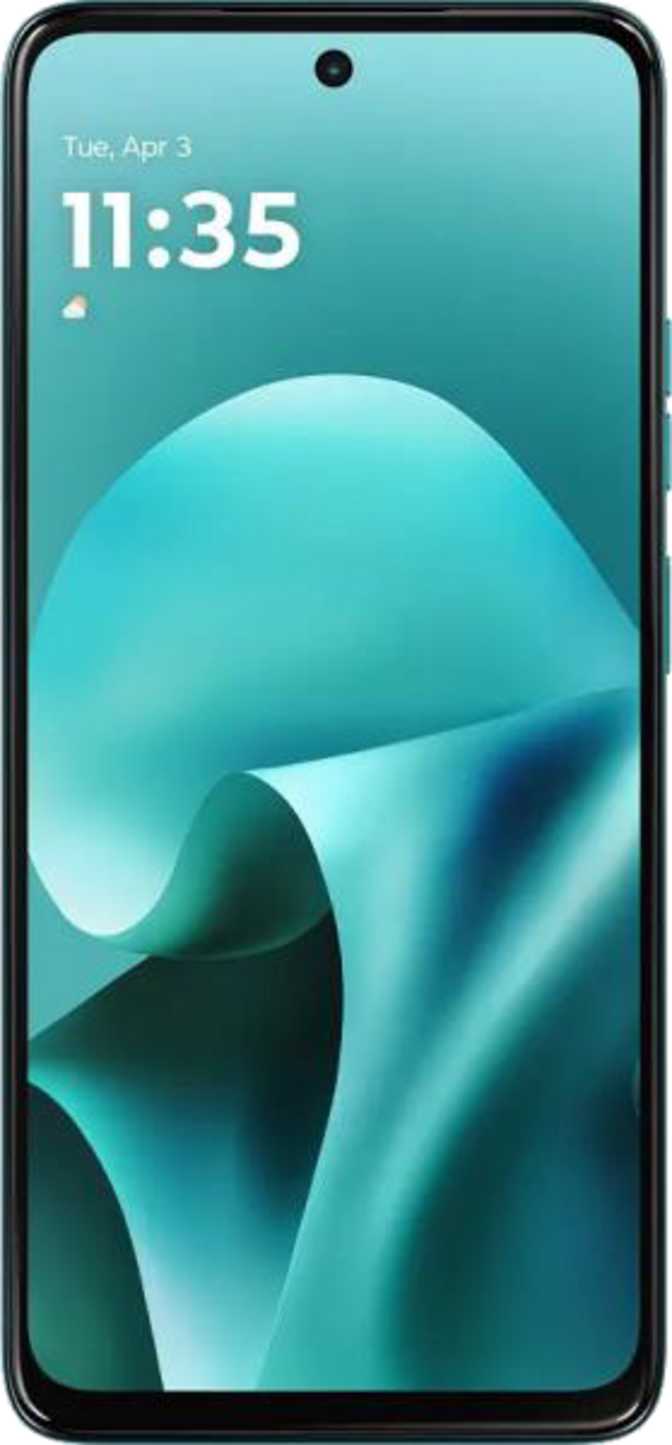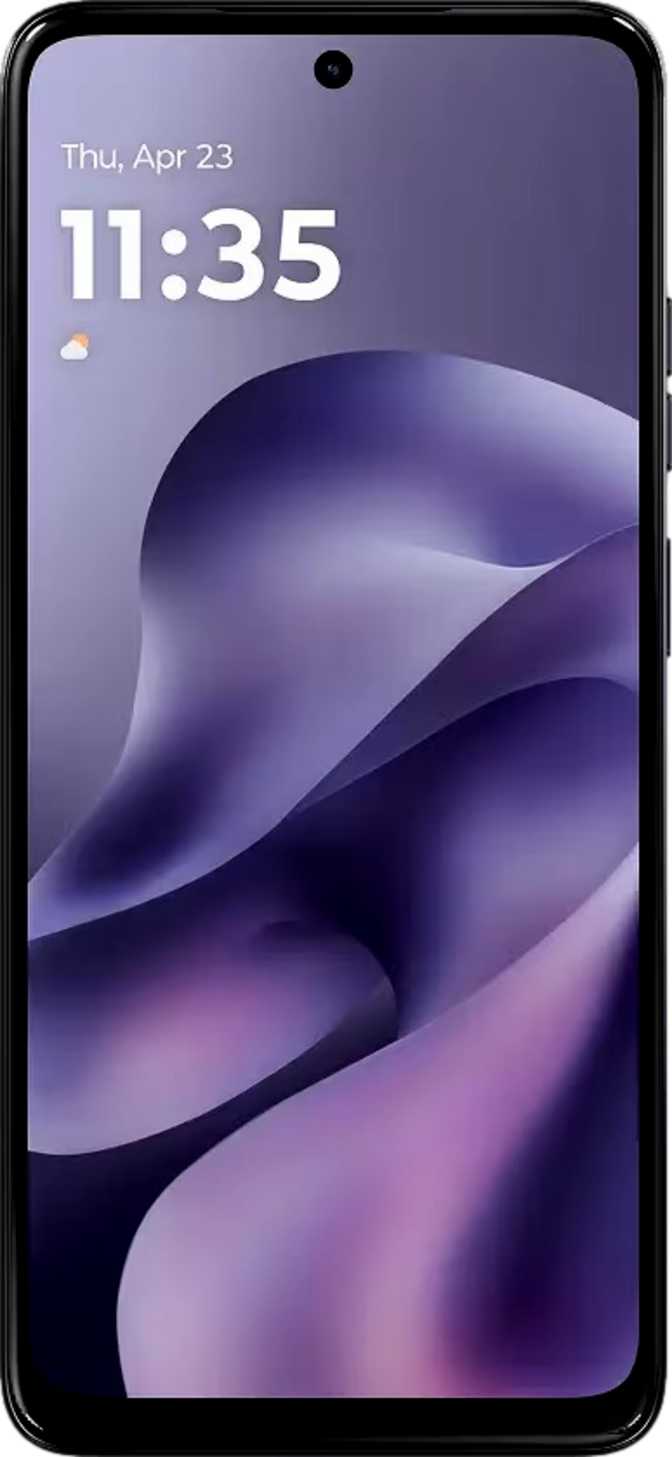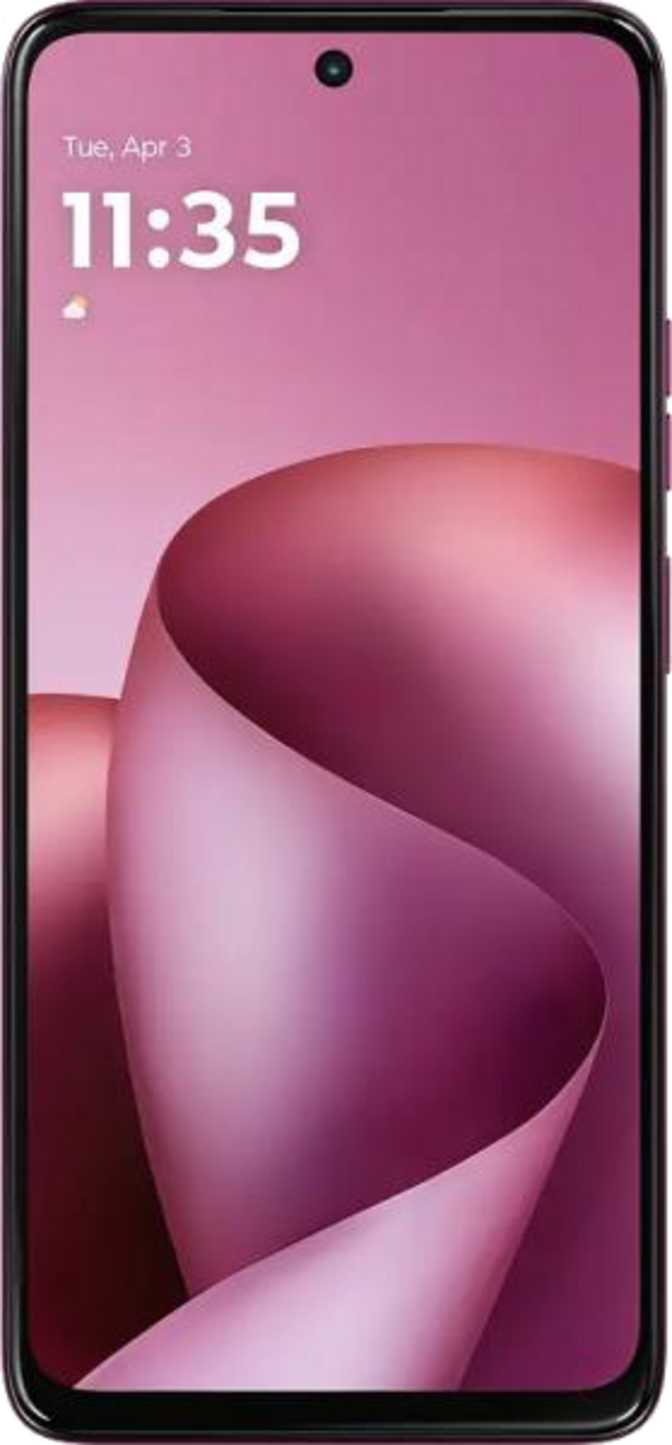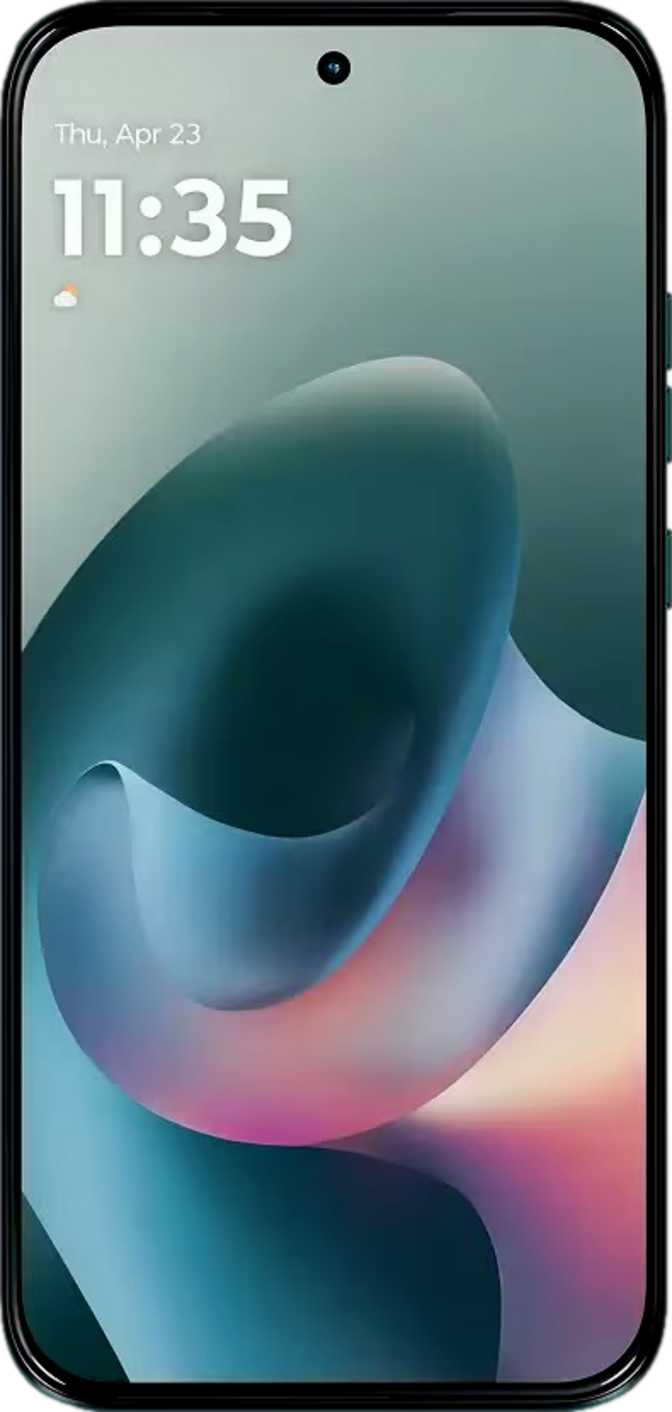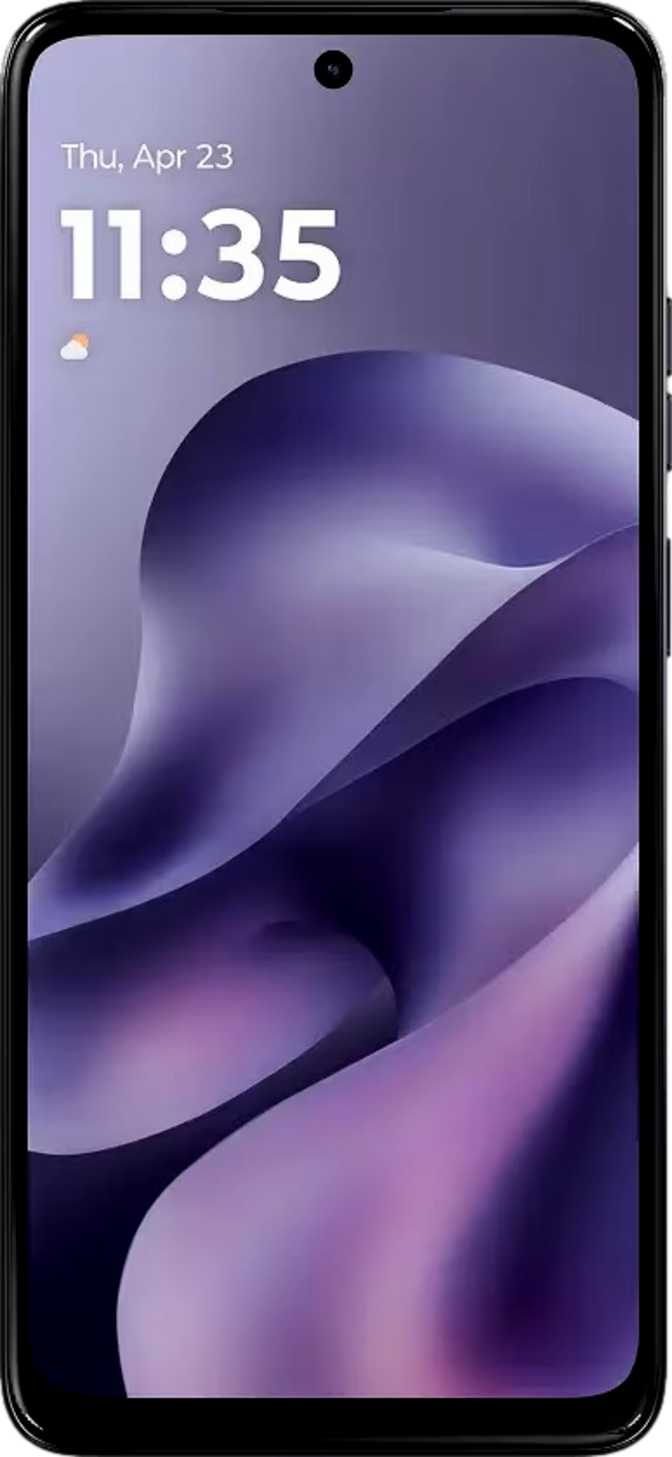
Motorola Moto G17 Power Review: The Budget Phone Built to Last
SmartphonesBudget smartphones have a habit of making you feel the compromise. Slow processors that stutter on social media, dim screens that wash out in sunlight, cameras that make every photo look like it was taken through a shower curtain. The Motorola Moto G17 Power takes a different approach — it starts with a massive power reserve and builds a genuinely capable daily driver around it. The result is a phone that punches well above its price class in the areas most people actually care about: screen quality, storage headroom, and lasting through a full day without hunting for a charger.
This is not a phone for everyone, and this review will tell you exactly who should buy it and who should keep shopping. But if your priorities are endurance, value, and a clean Android experience, the G17 Power deserves a serious look.
Design and Build: Big Phone, Practical Choices
Physical experience, durability, and what it feels like to carry every day
Dimensions and Handling
At just under 166mm tall and 76mm wide, the Moto G17 Power is unmistakably a large phone. This is a consequence of housing a large battery inside — physics doesn't negotiate. If you have smaller hands or prefer one-handed use, that trade-off is worth acknowledging upfront. The 8.8mm thickness keeps it from feeling like a brick, and for a phone carrying this much battery capacity, the thinness is genuinely impressive. Most competing devices in this power-focused category are noticeably chunkier.
Durability and Water Resistance
The G17 Power carries an IP64 rating. The “6” means it’s fully protected against dust — it won’t accumulate grit inside the ports over time. The “4” means it can handle water splashes from any direction. This covers rain, sweat, sink splashes, and the occasional clumsy moment near a glass of water. What it does not cover is submersion — don’t take it swimming or drop it in a toilet and expect it to survive. For a budget phone, having any certified water protection at all is a meaningful advantage that many competitors in this price range omit entirely.
The display is protected by Gorilla Glass 3, which provides meaningful scratch and crack resistance for everyday life. It’s not the latest generation, but it’s proven protection that holds up reliably to keys-in-pocket scenarios and minor drops.
Physical Specifications
- Height
- 165.7 mm
- Width
- 76 mm
- Thickness
- 8.8 mm
- Water Resistance
- IP64
- Glass Protection
- Gorilla Glass 3
- Form Factor
- Slab, non-folding
IP64 means: Fully dust-proof and splash-resistant from any angle. Not rated for submersion.
Display: A Screen Worth Spending Time On
6.72-inch IPS LCD — 1080 × 2400 px — 392 ppi — 800 nits peak brightness
Size and Sharpness
The 6.72-inch IPS LCD display offers a resolution that translates to roughly 392 pixels per inch. At normal viewing distances, you cannot distinguish individual pixels. Text is crisp, photos have genuine detail, and video looks clean. This is a noticeably sharper screen than many phones in this category, and it shows in everyday use.
IPS LCD technology delivers accurate colors and wide viewing angles — images stay true to life whether you’re looking straight-on or handing your phone to someone beside you. It’s not an OLED panel, which means blacks appear dark grey rather than truly black, and the contrast ceiling is lower. Night-mode content and dark-themed apps won’t have the same visual drama as on OLED competitors, but for everyday content — browsing, YouTube, social media, maps — the difference is minimal for most users.
Brightness and Outdoor Visibility
The display reaches 800 nits of typical brightness. Outdoors on a cloudy day is no problem, and direct sunlight use is manageable. You won’t need to shade the screen with your hand to read a message — that’s not a given at this price point, and it matters every single day.
The display does not support HDR10 or Dolby Vision, so streaming platforms will serve standard dynamic range content. For casual streaming on a budget phone, this is unlikely to be noticeable; for someone who cares deeply about cinematic image quality on a small screen, it’s worth knowing.
Display Specifications
- Panel Type
- IPS LCD
- Size
- 6.72 inches
- Resolution
- 1080 × 2400
- Pixel Density
- 392 ppi
- Brightness
- 800 nits
- Glass
- Gorilla Glass 3
- HDR10
- No
- Always-On
- No
Performance: Honest About What It Is
MediaTek Helio G81 Ultra — 8 GB RAM — 512 GB eMMC 5.1 storage
The Processor in Plain Terms
The MediaTek Helio G81 Ultra is a capable chipset built on a 12-nanometer manufacturing process. The “G” designation in MediaTek’s lineup signals gaming optimization — the processor is tuned for sustained performance in graphically demanding apps rather than pure raw speed. Paired with 8 GB of RAM, the phone handles multitasking comfortably: switching between a dozen open apps, background music, and navigation happens without the hesitation you’d feel on phones with half the memory.
Where you’ll feel the ceiling: sustained 3D gaming at high settings, heavy video editing on the device, or shooting and processing large bursts of photos in quick succession. The processor manages heat conservatively for long-term reliability — but it will throttle in extended heavy sessions rather than maintain peak output.
What the Benchmark Numbers Actually Mean
The Geekbench 6 multi-core score places this processor in the capable entry-mid tier. This is not a phone that will outrun flagship chips — photo processing takes a beat longer, complex games require lowered graphics settings, and running multiple demanding apps simultaneously has limits. What it does well: everything the average user does. Messaging, social media, streaming, casual gaming, navigation, email — these run fluidly without noticeable lag.
Storage — A Genuine Strength
512 GB of built-in storage is exceptional at this price point. Most budget phones offer 128 GB or 256 GB as their top configuration. With 512 GB, you’re looking at years of photos, thousands of songs downloaded offline, dozens of games, and a full app library — all without ever stressing about space. The phone also includes a microSD card slot for further expansion, though most buyers genuinely won’t need it.
Camera System: Capable With Clear Limits
50 MP main + 5 MP secondary rear — 32 MP front — 1080p 30 fps max video
The Main Camera Setup
The rear camera system pairs a 50-megapixel primary lens with a 5-megapixel secondary lens. The primary sensor uses phase-detection autofocus, which locks focus quickly and reliably — you won’t miss moments waiting for the camera to hunt. The back-illuminated sensor design improves light gathering, which translates directly to better low-light photos than a front-illuminated sensor of the same resolution would produce.
One important absence: there is no optical image stabilization. Handheld photos in low light or at longer shutter speeds will show more motion blur than stabilized cameras. The practical advice is to hold steadier than you normally would in dim environments, or rely on HDR mode to compensate.
Manual Controls and Creative Options
The camera app offers manual exposure, ISO, white balance, and focus controls — a feature set that most budget phones strip out entirely. For photography enthusiasts who want to go beyond point-and-shoot, this is a real advantage.
The maximum video resolution is 1080p at 30 frames per second — there is no 4K recording capability. For social media content, family videos, and everyday memories, 1080p is entirely sufficient. For someone who wants cinematic-quality video on their phone, this is a hard stop. The 32-megapixel front camera is a standout specification for this price range, delivering genuine detail and clarity for video calls and selfies.
- Phase-detection autofocus
- Back-illuminated (BSI) sensor
- HDR mode
- Manual exposure & ISO
- Manual white balance & focus
- Slow-motion video
- Timelapse & panorama
- Dual-tone LED flash
- Optical image stabilization
- Optical zoom
- 4K video recording
- RAW file shooting
Battery Life and Charging: The Star of the Show
Class-leading 6000 mAh — 30W wired fast charging — Charger included in box
Endurance That Changes Your Habits
The battery capacity in the Moto G17 Power belongs to a tier typically reserved for phones marketed as rugged workhorses or dedicated battery champions. In practical terms: most users will charge this phone every two days rather than every night. Heavy users — people who stream video for hours, play games, or keep location services running all day — will still comfortably end the day with charge to spare.
This changes how you travel. A weekend trip without a charger becomes realistic. A long flight doesn’t trigger battery anxiety. Working a full day away from an outlet isn’t a calculation you need to make.
Charging Speed
The 30W wired fast charging is a reasonable companion to the large battery. From empty, expect a full charge in roughly 90 minutes — not the fastest available, but not frustrating either. A 30-minute charge gives you meaningful emergency top-up capacity. A charger is included in the box, which is worth noting as it’s no longer a guarantee with many competing manufacturers.
There is no wireless charging. For users who primarily charge overnight, it won’t matter. Those who rely on wireless charging pads on their desk or in their car will need to adapt. The battery is non-removable, which is the industry standard for this form factor.
- Fast Charging
- 30W
- Est. Full Charge
- ~90 min
- Charger in Box
- Yes
- Wireless Charging
- No
- Reverse Wireless
- No
- Removable Battery
- No
Software and Privacy: Clean Android Done Right
Android 15 — Light Motorola skin — Strong privacy controls — Multi-user support
Android 15 Out of the Box
The G17 Power ships with Android 15, the most current publicly available version of Android. Motorola’s software layer is lighter than most — the interface stays close to stock Android, avoiding the bloatware and feature-duplicating apps that weigh down some manufacturer skins. The result is a phone that feels faster than its hardware specs alone would suggest, because software isn’t fighting against itself.
The software includes a solid privacy toolkit: camera and microphone access controls, location privacy options, app tracking blocking, and clipboard warnings that alert you when apps access your clipboard. These aren’t features most users will configure in depth, but they’re meaningful for anyone who thinks carefully about data security.
Productivity Features
Split-screen multitasking, Picture-in-Picture mode, full-page screenshots, and customizable widgets are all present. Offline voice recognition means voice commands work without an internet connection — useful for hands-free use in areas with poor signal. The system supports multiple user accounts, making it viable for a shared family device.
- Camera & mic access controls
- Location privacy options
- App tracking block
- Clipboard warnings
- On-device machine learning
- Dark mode
- Split-screen multitasking
- Multi-user accounts
- Child lock
- Cross-site tracking block
- Wi-Fi password sharing
Connectivity: Mostly Complete, One Notable Gap
Bluetooth 5.4 — NFC — GPS + Galileo — Wi-Fi 5 — Dual SIM — USB-C — 3.5mm jack
What You Get
Bluetooth 5.4 is the latest version available in a consumer phone — it improves connection stability and audio quality with compatible wireless devices compared to older Bluetooth versions. NFC is included, enabling tap-to-pay functionality through Google Wallet and contactless transactions. GPS with Galileo support provides accurate location tracking in more regions globally.
The Wi-Fi implementation covers both Wi-Fi 4 (802.11n) and the more capable Wi-Fi 5 (802.11ac) standards. Download speeds via Wi-Fi are fast enough for 4K streaming and large file downloads. The phone does not support Wi-Fi 6 or Wi-Fi 6E, so in congested network environments with many connected devices, performance may be lower than on newer-standard phones.
The 5G Question
The Moto G17 Power does not support 5G. It operates on 4G LTE, which is no different from a 5G device in day-to-day use where 4G coverage is strong. However, as 5G networks expand and 4G coverage is gradually reduced in some markets, this phone’s longevity as a fully capable network device has a defined ceiling. For buyers on a two-to-three year replacement cycle in strong 4G markets, it’s unlikely to affect the experience.
Audio
The 3.5mm headphone jack is present — appreciated for wired headphone users and older car audio systems. Stereo speakers provide left-right separation for music, gaming, and video. The audio output doesn’t support premium wireless codecs like aptX or LDAC. An FM radio is also included, functional without any data connection.
- Bluetooth 5.4
- NFC (tap-to-pay)
- GPS + Galileo
- Wi-Fi 5 (802.11ac)
- Dual SIM
- USB-C
- 3.5mm headphone jack
- microSD card slot
- Stereo speakers
- FM radio
- 5G support
- Wi-Fi 6 / 6E
- aptX / LDAC audio codecs
Who Should Buy the Moto G17 Power
Is this the right phone for your lifestyle? A clear breakdown before you decide.
Buy It If You Are…
- A heavy daily user who hates charging anxiety. If you’ve ever ended a day at 15% wishing you had more, the G17 Power solves that problem fundamentally — not just adds an hour.
- Someone who wants genuine storage headroom. 512 GB means never deleting photos or apps to make space — practically unheard of at this price tier.
- A practical first smartphone buyer. Android 15, clean software, solid camera, and exceptional battery life make this an excellent starter device.
- A family sharing a device. Multi-user support, child lock controls, and a large battery are an excellent combination for a household phone.
- A traveler or outdoor user. Battery endurance, dust protection, and splash resistance make this reliable in variable conditions.
Look Elsewhere If You Are…
- A mobile gamer who needs sustained high frame rates. Casual gaming is fine — demanding titles at high settings require compromises.
- A wireless charging user. There is no wireless charging option, and that won’t change with an accessory.
- A 4K video creator. Maximum video output is 1080p — a hard limit, not a setting you can change.
- In a market aggressively transitioning to 5G. Without 5G, long-term network compatibility has a defined endpoint.
- Someone who wants deep blacks and OLED contrast. The IPS LCD, while excellent, cannot match OLED for true black levels and HDR depth.
How It Stacks Up Against the Competition
Moto G17 Power versus typical budget and mid-range alternatives in the same category
| Feature | Moto G17 Power | Typical Budget Rival |
|---|---|---|
| Battery Capacity | Class-leading 6000 mAh | Standard 4000–5000 mAh |
| Internal Storage | 512 GB | 128 GB or 256 GB |
| Display Sharpness | ~392 ppi · 800 nits | Varies; often lower ppi |
| Water Resistance | IP64 certified | Often absent or uncertified |
| Android Version | Android 15 | Varies; may be older |
| Charger in Box | Yes, 30W included | Increasingly omitted |
| Headphone Jack | Yes, 3.5mm present | Increasingly removed |
| 5G Support | No (4G LTE only) | Sometimes included |
| Wireless Charging | No | Rarely included |
| Display Type | IPS LCD | IPS LCD (OLED uncommon at budget) |
| Processor Tier | Capable entry-mid | Broadly comparable |
Honest Strengths and Weaknesses
A balanced, unvarnished assessment — the good and the bad, in full context
The G17 Power’s strengths are real and they’re the things that affect daily quality of life most directly. Enormous battery capacity, best-in-class storage for the price, a sharp and bright display, clean software, and a capable camera with meaningful manual controls — these aren’t paper specifications. They translate into a phone that simply works well and keeps working without demanding your attention.
The storage alone sets it apart: at a price point where 128 GB is standard, 512 GB is a genuine differentiator. Users who have ever deleted apps or photos to free up space will appreciate never having to make that calculation again.
The inclusion of a charger in the box, a 3.5mm headphone jack, and certified water resistance round out a package that addresses practical everyday needs that premium brands increasingly treat as optional extras.
The absence of 5G is the most consequential long-term consideration. Buyers who plan to use this phone for four or five years in a market aggressively transitioning to 5G networks may find its network capability diminished before its hardware wears out.
The processor is not a speed demon and will show its limits in sustained heavy workloads. For casual users, this will never matter. For power users, the ceiling becomes visible. The camera lacks stabilization, which shows most in low-light handheld shots and video.
The phone is physically large, and users who prefer compact devices will find it unwieldy. Handling a 76mm-wide phone one-handed is awkward for many people, and no amount of software can change the dimensions.
Questions Buyers Ask Before Purchasing
Straightforward answers to the real questions people search for
Final Verdict
The Motorola Moto G17 Power earns its recommendation for buyers whose priority is endurance, value, and a complete feature set at a budget price. The battery capacity alone sets it apart from nearly every competitor in its class, and pairing that with 512 GB of storage, a sharp display, and clean Android 15 software makes it a phone that covers the fundamentals exceptionally well.
The trade-offs are honest ones. No 5G, no wireless charging, no 4K video, and a processor that handles daily life confidently but hits ceilings under sustained heavy workloads. None of these are hidden — they’re the choices Motorola made to deliver the battery and storage performance at this price.
If you want a phone that lasts, stores everything you throw at it, and doesn’t complicate your daily life with software clutter or charging anxiety, the Moto G17 Power is the right choice. If 5G connectivity or wireless charging are non-negotiable for you, look at what that step up in price gets you — because for everything else, this phone is difficult to beat.