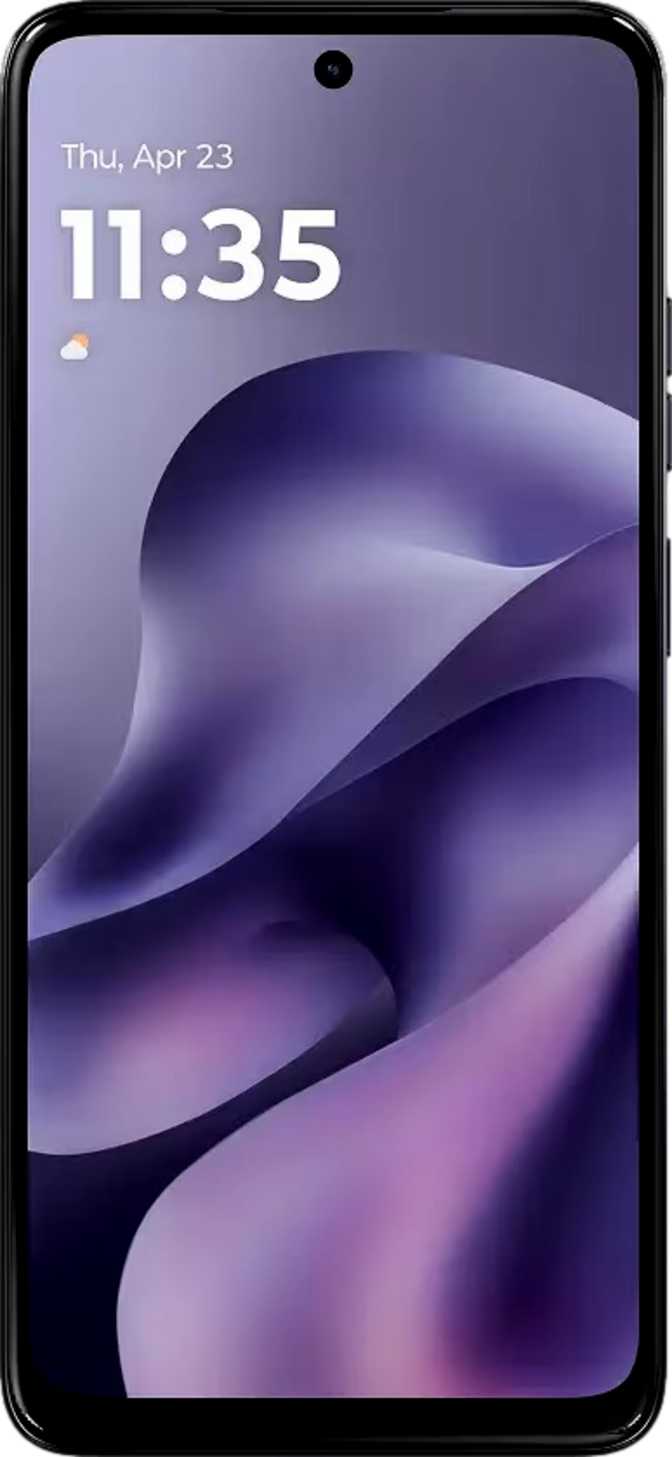
Motorola Moto G17 Review: Big Battery, Smart Trade-Offs Explained
SmartphonesThe budget Android market is crowded with phones that promise everything and deliver frustration. Motorola's Moto G17 takes a different approach: identify the features that actually matter to everyday users, execute them well, and skip the rest. The result is a phone that feels more considered than its price tag suggests — but only if your expectations are calibrated to reality. This review breaks down exactly what you're getting, where Motorola made smart trade-offs, and where you will genuinely feel the limitations.
Quick Verdict
Strong budget value
Design and Build: Slim, Solid, and Splash-Ready
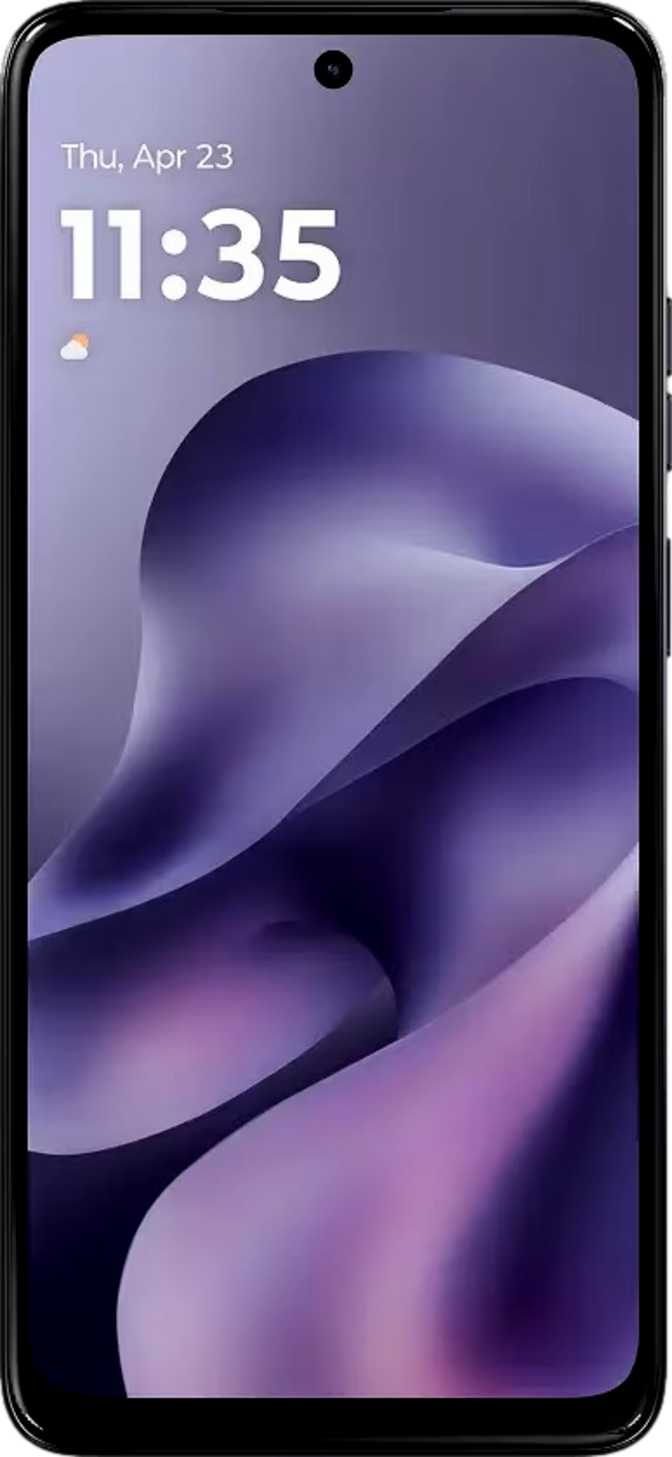
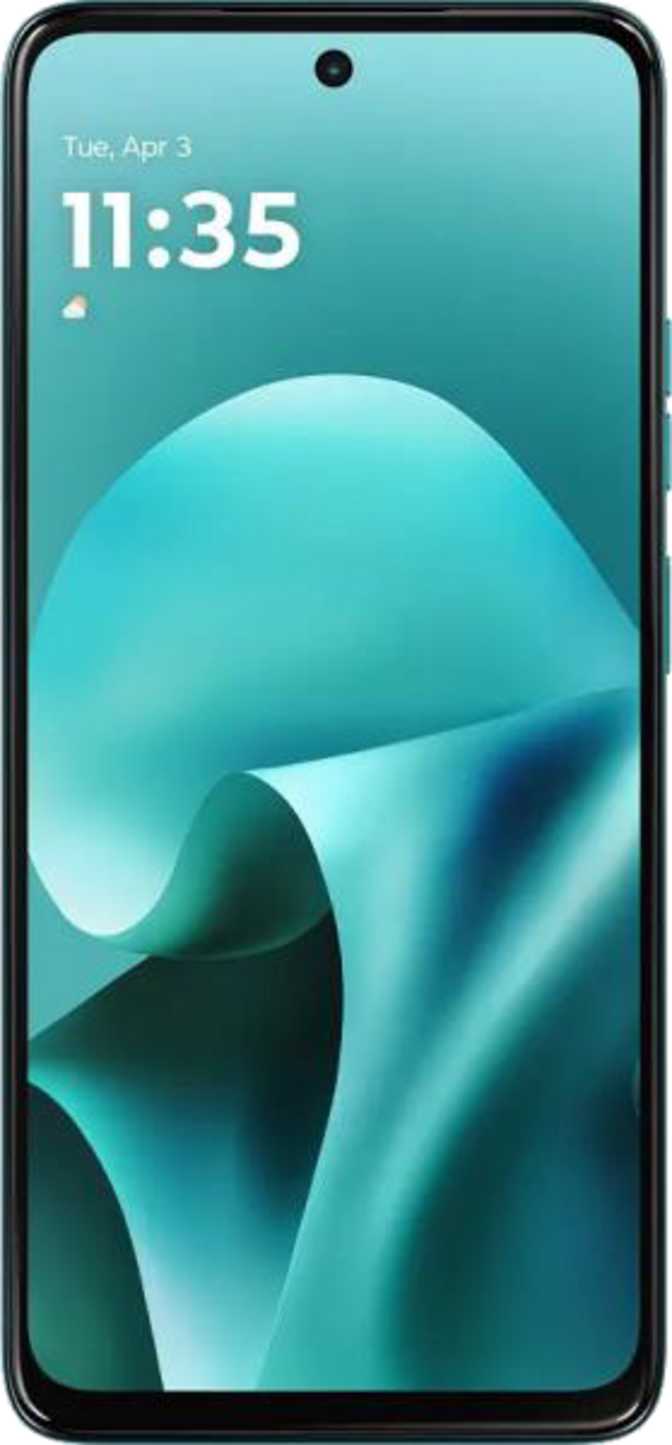
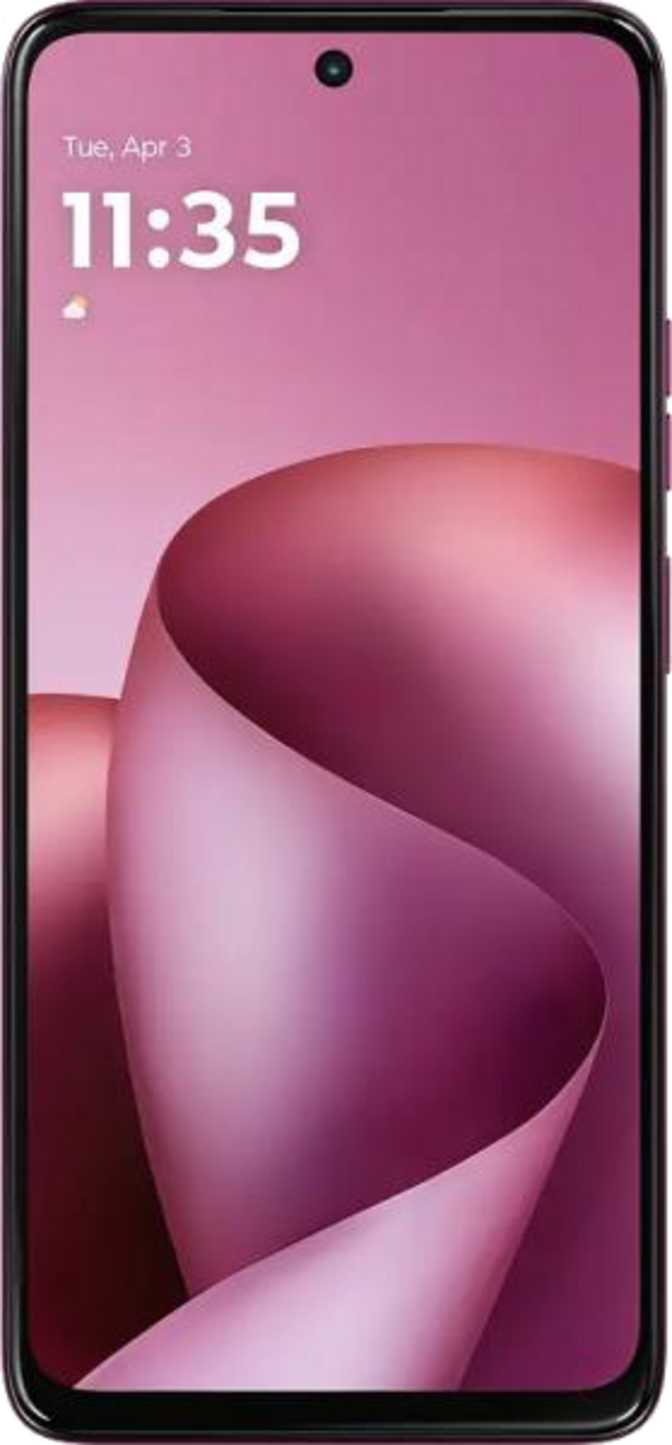
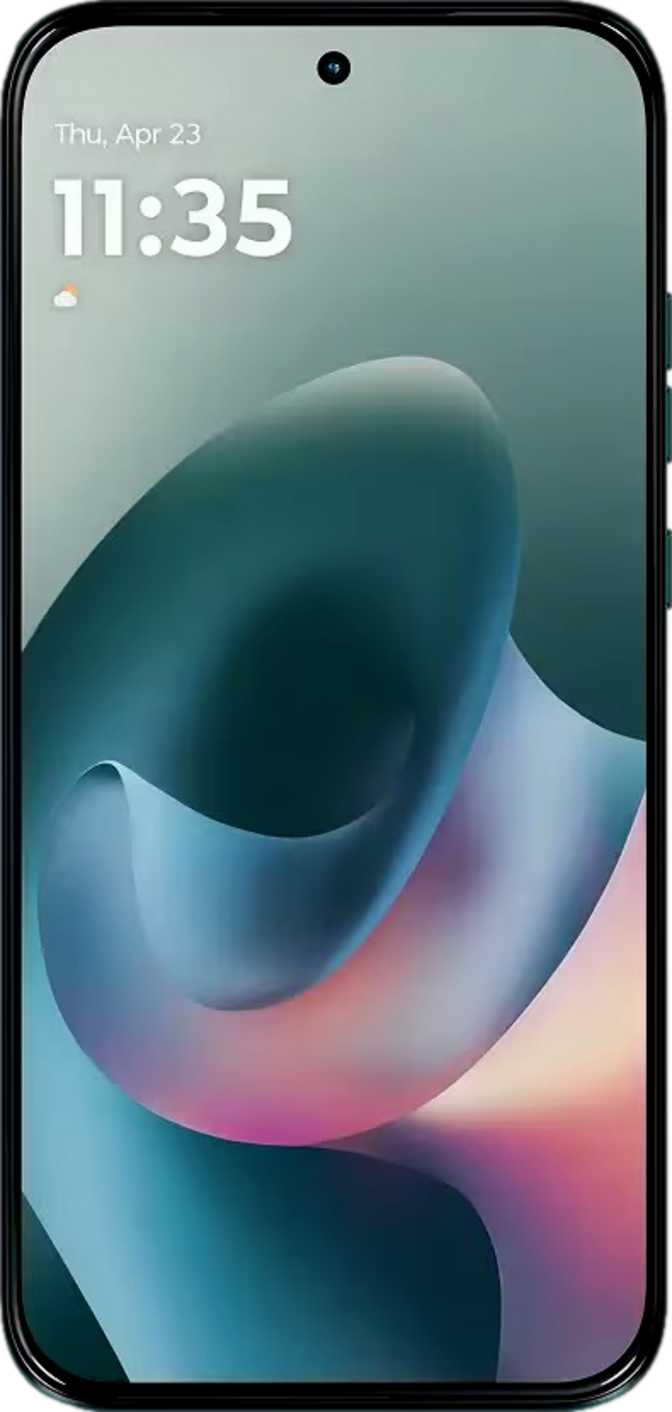
At 8.2mm thick, the Moto G17 is noticeably slim for a budget phone. Many devices in this class carry a chunky feel that betrays their price; this one doesn't. It sits comfortably in the hand without feeling like a brick, and the 76mm width keeps one-handed reach reasonable despite the large screen footprint.
IP64
Dust-proof and splash-resistant from every direction — uncommon at this price tier.
8.2 mm
Notably slim profile that avoids the chunky feel common in budget-tier handsets.
Gorilla Glass 3
Meaningful scratch resistance against keys, coins, and everyday pocket hazards.
The IP64 rating deserves emphasis. The "6" means full protection against dust ingress. The "4" means the phone handles water splashing from any direction. In practical terms, you can use it confidently in the rain, near a pool, or in a dusty workshop. It won't survive submersion, but it will survive real life — and that kind of assurance is genuinely uncommon at this price.
The phone does not fold, nor is it built to military-spec ruggedness. It is a refined everyday device — and the Gorilla Glass 3 screen protection reflects Motorola's emphasis on long-term durability over short-term cost savings.
Display: Big, Sharp, and Bright Enough
Size and Sharpness
The 6.72-inch screen makes the Moto G17 a large-format phone by any standard. For media consumption, social scrolling, and reading, the extra real estate is genuinely useful. At Full HD+ resolution (1080 x 2400 pixels), the pixel density reaches roughly 392 pixels per inch — text is crisp, icons are sharp, and images look clean at normal viewing distances.
Panel Technology and Brightness
The display uses IPS LCD technology. For buyers accustomed to OLED screens on higher-end phones, the difference is noticeable: blacks aren't as deep, contrast isn't as dramatic, and colors are slightly less vivid. That said, IPS LCD at this quality level delivers accurate, natural colors that many users actually prefer to oversaturated OLED panels.
If you're a streaming enthusiast wanting Netflix or YouTube content in high dynamic range, that capability isn't here. For standard-definition and HD streaming, the screen performs very well. The absence of an Always-On Display means checking notifications requires waking the screen fully each time.
Performance: Competent for Daily Use, Not for Pushing Limits
The Processor in Plain Terms
The Moto G17 runs on the MediaTek Helio G81 Ultra — a chip built on a 12-nanometer manufacturing process. At 12nm, it sits in the capable-but-not-cutting-edge category, designed for efficient day-to-day operation rather than peak throughput. The eight-core layout pairs two higher-performance cores at 2GHz with six efficiency cores at 1.8GHz. This big.LITTLE architecture lets the phone apply more processing power when opening apps, then coast on lighter cores during passive use — directly benefiting battery life across the day.
Real-World Speed
Single-Core Score
Geekbench 6
Budget tier — responsive for everyday tasks
Multi-Core Score
Geekbench 6
Comfortable for daily multitasking
Social media scrolling, web browsing, HD video streaming, and casual gaming all run without drama. Demanding 3D games, video editing, or keeping many heavy apps open simultaneously will show the chip's ceiling — expect occasional slowdowns and longer load times under heavy load.
Memory and Storage
4GB RAM
Adequate for moderate multitasking. Under sustained pressure from many open apps, the phone will reload background tasks rather than hold them all in memory simultaneously.
128GB Storage + microSD
Generous at this price and expandable further via the card slot — useful for offline media libraries, downloaded maps, or large photo archives.
Camera System: More Capable Than the Numbers Suggest
The main camera offers a 50-megapixel sensor — capturing significant detail, especially useful when cropping shots after the fact. The secondary 5-megapixel depth camera enables portrait-mode background separation. There is no telephoto lens and no ultra-wide lens; zooming in means a digital crop, with quality degrading progressively as you zoom further in.
Camera Strengths
- Phase-detection autofocus — faster and more reliable for moving subjects
- Back-illuminated sensor improves low-light capture
- Manual ISO, exposure, white balance, and focus controls
- HDR mode, burst mode, timelapse, and panorama
- Continuous autofocus during video recording
- 32-megapixel front camera with real portrait detail
Camera Limitations
- No optical image stabilization — handheld video and low-light stills more prone to blur
- No optical zoom — digital crop only
- Video capped at 1080p / 30fps — no 4K option
- No front-facing flash — night selfies rely on ambient light
- No RAW file output for post-processing
- No ultra-wide or telephoto lens in the system
Video Capabilities
Video recording tops out at Full HD (1080p) at 30 frames per second — standard quality well-suited to social media and everyday documentation. Slow-motion recording is supported for capturing fast-action moments in extra detail. This ceiling won't satisfy users wanting cinematic 4K output, but for everyday use the quality is entirely adequate.
Battery Life: Built to Last the Full Day and Then Some
Large-capacity cell
Charger Included in BoxThe Moto G17 holds one of the larger batteries available at this price. Paired with an efficient chip architecture, the result is dependable all-day — and often into-the-next-morning — battery life for typical users. Heavy users running navigation, streaming, and gaming simultaneously may see a shorter day, but light-to-moderate users should routinely reach bedtime without anxiety.
18W Fast Charging
Recovers a meaningful charge in roughly an hour from low. A charger is included in the box — a detail no longer guaranteed from all manufacturers at any price point.
Software Experience: Android 15 With Useful Additions
The Moto G17 ships with Android 15 — the most current version at launch — meaning you start with the latest privacy improvements, performance refinements, and app compatibility from day one. Motorola's interface stays close to stock Android, avoiding the heavily skinned approach that some manufacturers use to push their own ecosystem and pre-installed apps.
Privacy Features
- Block app tracking
- Clipboard access warnings
- Granular camera and microphone access controls
- Location privacy options
- On-device machine learning for local processing
Usability Highlights
- Split-screen multitasking
- Picture-in-Picture (PiP) mode
- Full-page scrolling screenshots
- Dynamic theming — interface colors adapt to your wallpaper
- Offline voice recognition
- Multi-user support and child lock
Audio: A Rare Full Package at This Price
The audio setup on the Moto G17 is stronger than the competition at this price tier. Stereo speakers deliver sound from two directions — a meaningful improvement over the single-speaker budget devices that dominate this segment. Dual-channel audio makes a real difference when watching videos, listening to music without headphones, or gaming.
Stereo Speakers
Dual-channel audio — a notable advantage for media and gaming
3.5mm Jack
Plug in wired headphones without needing an adapter
FM Radio
Local radio without consuming mobile data
Bluetooth 5.4
Current standard for wireless headphones and speakers
High-resolution Bluetooth codecs such as aptX HD and LDAC are not supported. Standard Bluetooth audio quality works fine for everyday listening — this limitation primarily affects audiophiles using premium wireless headphones that support codec-level lossless transmission.
Connectivity: Solid Foundations, One Notable Gap
The 5G Question
Connectivity at a Glance
Wi-Fi 5 (802.11ac)
Fast and stable on modern routers
NFC Included
Contactless payments via Google Pay
Dual SIM
Separate personal and work numbers
GPS + Galileo
Enhanced satellite positioning accuracy
USB-C (USB 2.0)
Reversible connector; slow file transfers by cable
Fingerprint Scanner
Fast biometric unlock
Who Should Buy the Moto G17 — And Who Shouldn't
This Phone Is For
- First-time smartphone buyers who want a reliable, full-featured device without overspending on features they won't use.
- Budget-conscious upgraders moving from an older device who want a tangible improvement in screen size, storage, and battery endurance.
- Battery-first buyers who are tired of phones that need a top-up before the workday ends.
- Photography hobbyists who want manual camera controls and a capable main sensor without paying premium prices.
- Media consumers who want a large, sharp screen for streaming, reading, and social browsing.
This Phone Is Not For
- 5G-focused buyers who want future-proof network access or already live where 5G is the primary connection experience.
- Mobile gamers playing graphically demanding titles who need significant processing headroom and consistent frame rates.
- Wireless charging users who've built their charging workflow around pads rather than cables.
- Videographers who need 4K resolution or optical stabilization for smooth, high-quality footage.
- Heavy multitaskers who keep many demanding apps running and will frequently hit the RAM ceiling.
How It Compares: Moto G17 in the Budget Landscape
The Moto G17 holds competitive or superior positions in most physical categories — particularly IP rating, battery, front camera resolution, NFC, and audio. Where it concedes ground is the absence of 5G, which some competing devices at similar prices now offer.
| Feature | Moto G17 | Typical Budget Competition |
|---|---|---|
| IP Rating | IP64 Rated | IP52 or none |
| Display | 6.72", Full HD+ | 6.5"–6.7", varies |
| Brightness | 800 nits | 500–700 nits typical |
| Battery | 5,200 mAh | 4,000–5,000 mAh |
| Fast Charging | 18W + Charger Included | 10–18W, charger often excluded |
| Front Camera | 32 MP | 8–16 MP typical |
| Storage | 128GB + microSD | 64–128GB, varies |
| NFC | Included | Often omitted |
| 3.5mm Jack | Included | Increasingly omitted |
| Speakers | Stereo | Often mono |
| 5G | Not Supported | Some competitors include it |
Honest Assessment: Strengths and Limitations
The Moto G17 succeeds most visibly in areas that directly affect daily durability and usability. The IP64 certification, the included charger, the retained headphone jack, the stereo speakers, the NFC — these feel like decisions made by a manufacturer listening to actual user frustrations rather than cutting corners wherever the spec sheet allows.
The display is one of the better screens at this price: bright enough for outdoor use, sharp enough to feel premium, and large enough to make media genuinely enjoyable. The 800-nit brightness is a practical advantage over dimmer competitors that go nearly invisible in sunlight.
Battery life is the phone's quiet strength. The large-capacity cell, combined with a chip designed for efficiency over raw power, means the Moto G17 will comfortably outlast the day for most users. For anyone who has suffered through a phone needing a charge by mid-afternoon, this alone is a compelling argument.
The camera system delivers more than a spec sheet suggests — manual controls, phase-detection autofocus, HDR mode, and a high-resolution front sensor create a genuinely usable photography experience. The absence of optical image stabilization is a real limitation for low-light shooting and handheld video, but it is a trade-off clearly made to keep costs in check rather than an oversight.
The 4GB of RAM creates a ceiling that power users will regularly encounter. The 4G-only connectivity is a legitimate long-term consideration. The USB 2.0 transfer speed is frustrating for anyone who moves large file libraries by cable. For the right buyer, these are acceptable trade-offs — but they deserve honest acknowledgment before purchase.
Frequently Asked Questions
Final Verdict: Smart Priorities, Honest Trade-Offs
The Motorola Moto G17 is a well-constructed budget phone that gets the fundamentals right in ways that genuinely matter. The IP64 rating, the large battery with a charger included, the sharp bright display, the stereo speakers, the headphone jack, NFC, and clean Android 15 — this combination of features is hard to find together in one device at this price.
The processor and RAM tell you exactly what this phone is: a capable daily driver, not a performance device. Accept that framing, and the G17 delivers strong satisfaction. The 5G omission is the one factor worth weighing seriously if you plan to keep this phone for several years in a 5G-mature market.
For the buyer who wants a reliable, durable, feature-complete everyday smartphone without spending heavily, the Moto G17 makes a convincing case for itself.