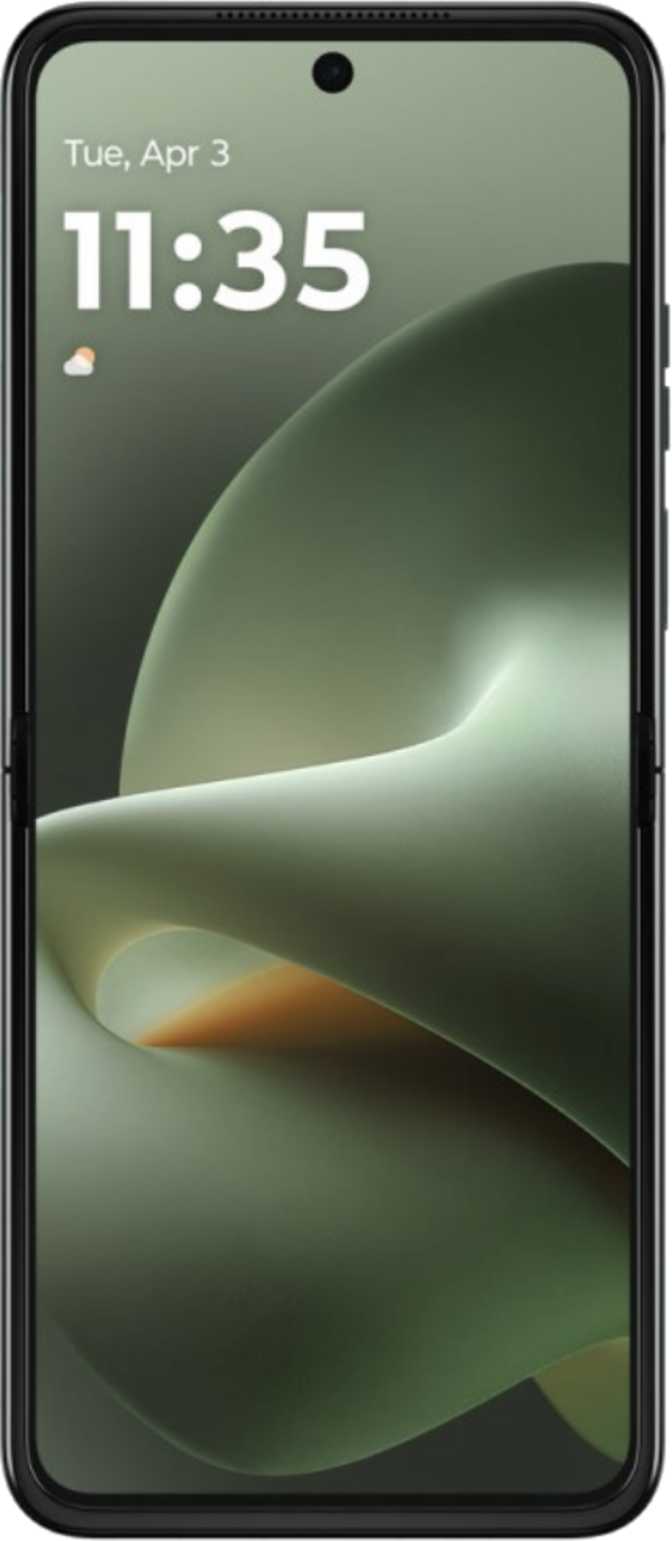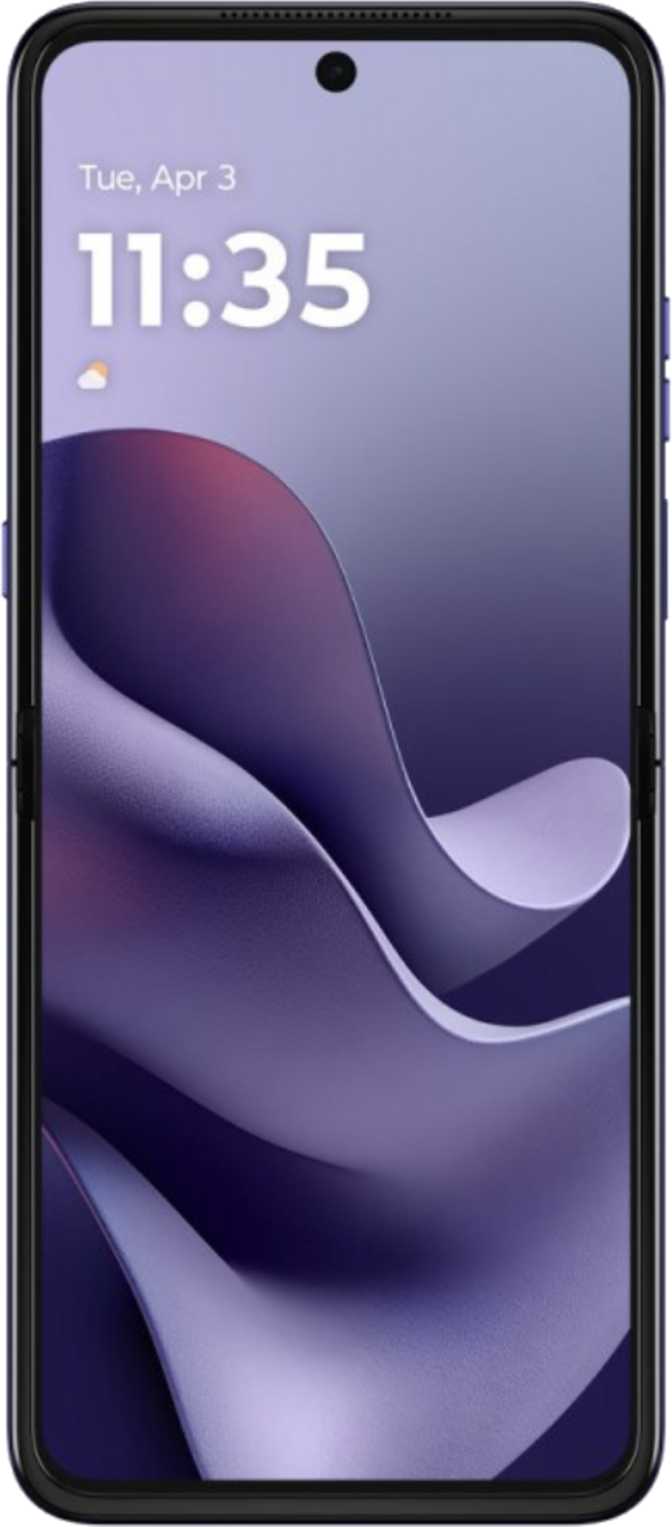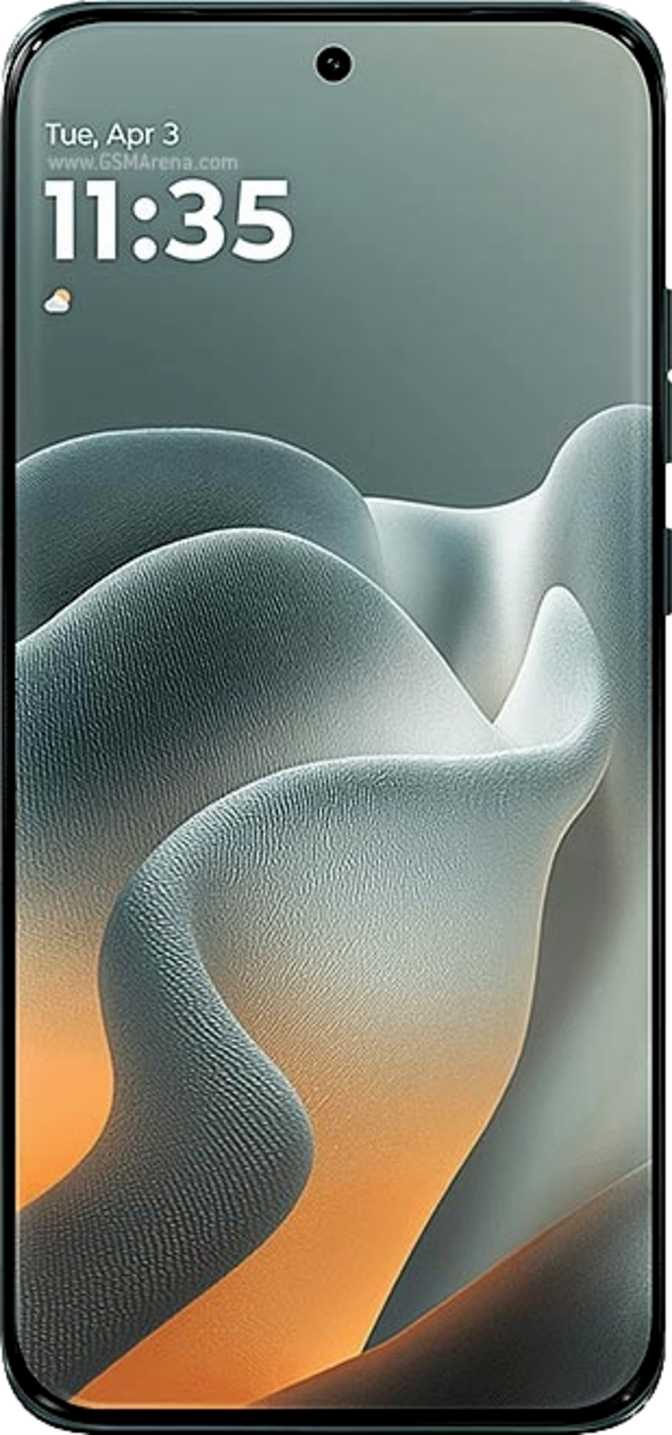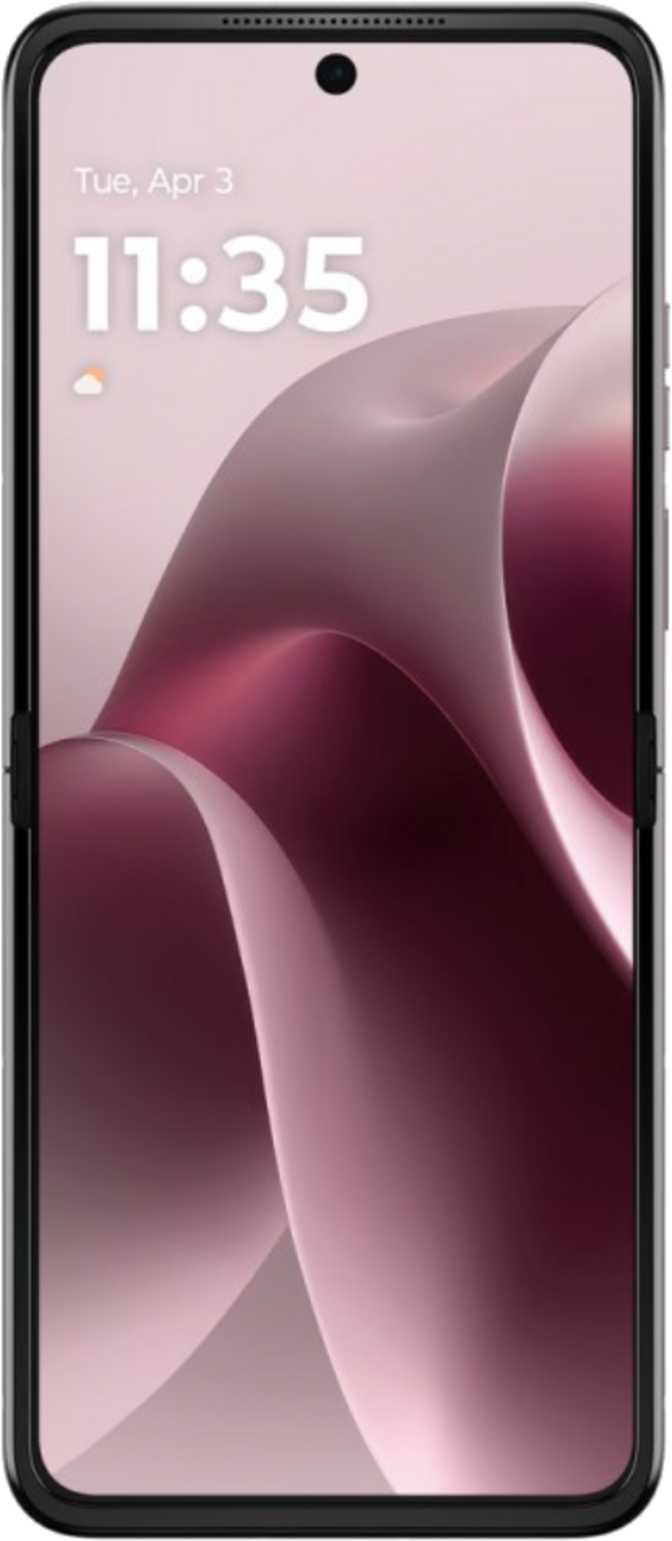
Motorola Razr 70 Review: A Foldable Flip Phone That Finally Delivers
SmartphonesThe clamshell revival has matured past the novelty phase, and the Motorola Razr 70 is proof. Where early folding phones demanded patience from their owners — middling processors, cramped cover screens, batteries that barely lasted the commute — this generation arrives with a cohesive feature set that demands far fewer trade-offs than ever before. But fewer compromises is not the same as none, and anyone spending serious money on a flip-form-factor phone deserves to know exactly where the line is drawn.
Design & Build Quality
The Physical Form Factor
Open the Razr 70 and you are holding a phone that feels premium from the first moment. At 188 grams, it sits slightly heavier than a conventional slab phone of comparable screen size — folding hinges and a dual-chassis construction account for that — but the weight distributes evenly and never feels unbalanced in hand. Folded closed, it slips into a front pocket without the rectangular awkwardness of a traditional tall smartphone; the square compact form is one of the strongest practical arguments for the flip design.
The open dimensions — 74mm wide and just over 171mm tall — land in a comfortable zone for single-handed reaching, though users with smaller hands will occasionally stretch for the top corners. The 7.3mm profile when unfolded is notably slim for a foldable, where the competing engineering pressures of hinge thickness and battery volume typically push devices considerably thicker.
IP48 Water Resistance Explained
The IP48 rating looks similar to the IP68 found on flagship competitors but represents something meaningfully different. The "4" means protection against solid particles above 1mm — not sealed against fine dust, though this rarely matters for pocket-carried phones. The "8" confirms genuine submersion protection tested beyond one metre in fresh water.
Display — Two Screens, One Strong Story
The Main 6.9-Inch OLED Panel
Unfold the Razr 70 and the first thing that registers is how much screen you get for the physical footprint of a foldable. The 6.9-inch OLED panel is large even by slab-phone standards, and OLED technology means each pixel generates its own light — delivering the deep blacks and vivid colour that LCD-based phones simply cannot replicate.
At around 413 pixels per inch, sharpness is a non-issue — this exceeds the threshold beyond which the human eye stops distinguishing individual pixels at normal viewing distances. The 120Hz refresh rate makes scrolling and animation feel genuinely fluid compared to the 60Hz standard most people grew up with. A 300Hz touch sampling rate — how often the screen reads your finger's position — means touch input feels immediate rather than reactive.
HDR10, HDR10+, and Dolby Vision support covers all three major high-dynamic-range standards. This matters for streaming — Netflix, Disney+, and Apple TV+ each use different HDR formats, and the Razr 70 handles all of them as creators intended. The panel also uses damage-resistant glass for everyday peace of mind.
The Cover Screen
The exterior display when folded closed operates at just over 1,000 pixels on each side — a square-ish panel with enough resolution to be genuinely interactive, not just glanceable. It handles notification previews, quick replies, media controls, and even full camera use where the rear lenses frame the subject while the cover screen serves as the viewfinder. This transforms the folded phone from a closed brick into a functional mini-device, reducing how often you need to unfold at all.
Display Specifications
| Technology | OLED / AMOLED |
| Screen Size | 6.9 inches |
| Resolution | 1080 × 2640 px |
| Pixel Density | 413 ppi |
| Refresh Rate | 120Hz |
| Touch Rate | 300Hz sampling |
| HDR Support | HDR10 · HDR10+ · Dolby Vision |
| Protection | Damage-resistant glass |
| Cover Screen | 1056 × 1066 px (~3.6") |
Performance — MediaTek Dimensity 7400X Under the Hood
The Processor in Plain Terms
The Dimensity 7400X is a mid-range chip built on a 4-nanometer manufacturing process — the same foundry node used by flagship processors. That precision matters because it directly affects both performance efficiency and heat management: the chip runs cooler and draws less power per unit of work than older-generation designs.
Its architecture pairs four performance cores running at 2.6GHz with four efficiency cores at 2GHz. This big.LITTLE arrangement means the phone deploys its fast cores when needed — gaming, video editing, demanding apps — then silently shifts load to efficiency cores during lighter tasks — reading, messaging, music — to preserve battery life. Users configure nothing; it happens automatically.
Memory & Storage
Eight gigabytes of DDR5 RAM running at 6,400MHz provides the headroom modern Android needs to keep multiple apps resident and responsive. Switching between a dozen open apps, returning to a paused game, or running navigation in the background during a call — these multitasking scenarios stay smooth.
The 256GB internal storage is generous but non-expandable — no microSD slot, so what you buy is what you work with. That comfortably holds roughly 40,000 standard photos, several hundred hours of downloaded video, or most real users' complete app libraries. Heavy 4K video shooters should plan active storage management.
Camera System — 50MP Dual Rear, More Nuanced Than the Numbers Suggest
Main & Ultrawide Lenses
The Razr 70 carries two 50-megapixel rear cameras — a primary lens and an ultrawide — which is worth pausing on because resolution alone tells only part of the story. The primary lens gathers moderate amounts of light per shot through a relatively tight aperture. In daylight, images are detailed and accurate. Low-light performance is competent rather than exceptional — smaller individual pixels mean each photosite collects less light than the larger-sensor camera phones at the premium tier.
The secondary 50MP camera uses a wider aperture, making it the more light-gathering of the two. It takes the ultrawide role — fitting more of a scene into frame — while the brighter aperture partially compensates for the challenges of wide-angle low-light photography. Phase-detection autofocus operates quickly for stills, and continuous autofocus during video keeps subjects sharp throughout a recording.
Optical image stabilization physically compensates for hand shake during both photos and video — meaningful for footage quality and handheld long-exposure shots. The 32MP front camera is high-resolution for a selfie system, and using it via the cover screen as a viewfinder allows rear-camera quality for self-portraits.
Video & What the Cameras Do Well
4K recording at 30 frames per second is the ceiling. Both HDR10 and Dolby Vision video are supported, and continuous autofocus ensures subjects stay sharp even while moving through frame. Slow-motion capture is available for creative use.
Camera Strengths
- Everyday photos, travel shots, social content
- Cover screen selfies using full rear camera quality
- OIS for smooth video and low-light stills
- Manual controls: ISO, exposure, focus, white balance
Camera Limitations
- No RAW file output — JPEG only
- No optical zoom — digital zoom degrades quality
- Focal range limited to ~12–25mm equivalent
- Smaller pixels limit difficult low-light performance
Battery Life & Charging — Comfortable Daily Endurance
Capacity in Real-World Terms
The Razr 70's battery comfortably covers a full day of mixed use for most people — social media, some navigation, streaming, messaging, and calls — with meaningful buffer before reaching critical levels. Light users will find themselves charging every day and a half; heavy users with always-on screen, gaming, and extended camera use should plan to charge daily.
For a foldable phone, this is a genuinely positive result. Earlier flip-format phones were significantly compromised in this category due to the physical constraints of fitting a battery inside a hinged chassis. The Razr 70 has reached the point where battery life is no longer a reason to avoid the form factor entirely.
Charging Overview
| Method | Speed | Note |
|---|---|---|
| Wired | 30W | ~50% in 30 min |
| Wireless | 15W Qi | Works on existing Qi pads |
| Reverse | — | Not supported |
| In Box | — | Charger not included |
Software Experience — Android 16
Running Android 16, the Razr 70 sits at the top of the Android version ladder. Motorola's software layer sits lightly on top of the base Android experience — closer to stock Android than heavily skinned alternatives — which generally means a cleaner interface and less pre-installed bloatware to manage.
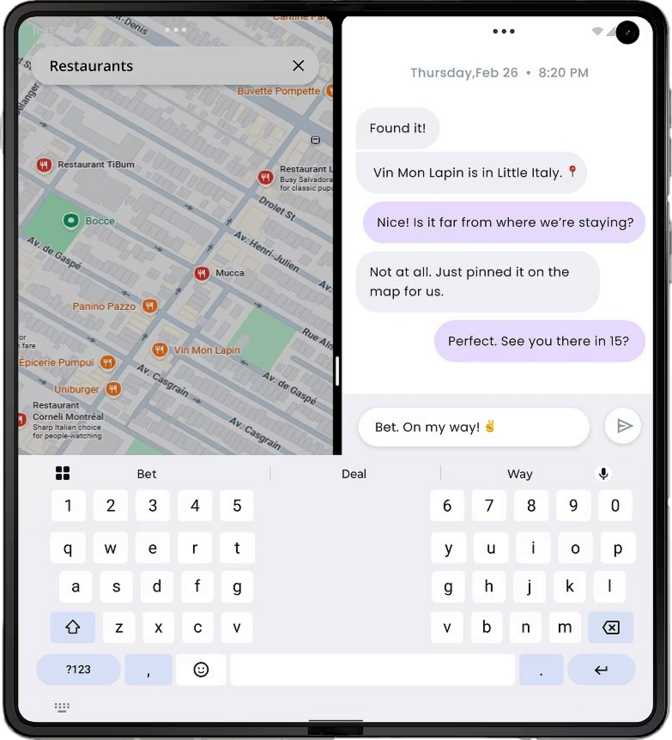
The foldable-specific experience centres on how the cover screen and main display interact. Motorola's implementation allows a range of apps to run on the cover display without unfolding, and the transition between the two is handled natively within the OS. Split-screen multitasking, picture-in-picture mode, and widget support make the most of the large internal panel.
Privacy & Productivity Features
- Granular location, camera & microphone privacy controls
- Clipboard access warnings on every paste
- App tracking restrictions
- Offline voice recognition — works without internet
- Split-screen multitasking & picture-in-picture mode
- Dynamic theming, dark mode & extra-dim screen option
- Battery health monitoring built in
- No cross-site tracking blocking (use browser settings or VPN)
- No Mail Privacy Protection
Audio & Connectivity
Bluetooth Audio — Punching Above Its Weight
The Razr 70's wireless audio story is unexpectedly strong for a phone at this positioning. The full aptX codec family — including aptX Lossless — is supported, enabling CD-quality wireless audio to compatible headphones. This is genuinely unusual at this price tier and represents real value for music-first listeners.
| Codec | Supported | Quality Tier |
|---|---|---|
| aptX Lossless | CD-quality wireless | |
| aptX Adaptive | Variable hi-res | |
| aptX HD | Hi-res lossless | |
| aptX (standard) | Enhanced standard | |
| LDAC (Sony) | Not supported |
Network Connectivity
5G support covers the full current network tier. Wi-Fi 6E reaches into the 6GHz band — the least congested wireless frequency available — providing faster speeds and lower latency in dense environments with compatible routers. NFC enables tap-to-pay and near-field data transfers. Galileo satellite support improves GPS positioning in urban canyons where standard satellite angles are limited.
Connectivity Specifications
| Cellular | 5G (integrated LTE) |
| Wi-Fi | Wi-Fi 6E (802.11ax) |
| Bluetooth | 5.4 |
| NFC | Yes — tap-to-pay ready |
| SIM | 1 nano-SIM + 1 eSIM |
| USB | Type-C · USB 2.0 |
| Navigation | GPS + Galileo |
| Sensors | Gyroscope, barometer, compass, accelerometer |
Who Should Buy the Motorola Razr 70
This Phone Is For
-
People who genuinely want a foldable flip phoneThe form factor is the primary reason to choose this phone, and it delivers on that premise reliably every day.
-
Everyday users prioritizing style and practicalityCalls, social media, streaming, navigation, everyday photography — the Razr 70 handles all without meaningful compromise.
-
Audiophiles with compatible wireless headphonesThe aptX Lossless implementation is genuinely unusual at this price tier and delivers real value for music-first listeners.
-
Users upgrading from older or mid-range phonesThe jump in display quality, software modernity, and camera capability from a several-year-old device will be pronounced.
This Phone Is NOT For
-
Mobile gamers prioritizing GPU performanceThe Dimensity 7400X handles casual gaming fine, but competitive titles at maximum settings will reveal the chip's ceiling.
-
Photography enthusiasts who shoot RAW or need telephotoThe JPEG-only camera system without optical zoom will frustrate anyone accustomed to a premium camera phone's full toolkit.
-
Power users who need maximum expandable storage256GB with no microSD expansion means disciplined storage management for heavy media creators.
-
Buyers who want first-day OS updatesMotorola's update cadence is not on par with Google Pixel or Samsung's flagship software support timelines.
How It Compares to the Alternatives
The Razr 70 sits between the Samsung Galaxy Z Flip6 (same form factor, higher price, flagship power) and the Google Pixel 9a (traditional slab, stronger camera software, no cover screen).
| Feature | Motorola Razr 70 | Samsung Galaxy Z Flip6 | Google Pixel 9a |
|---|---|---|---|
| Form Factor | Foldable clamshell | Foldable clamshell | Traditional slab |
| Main Display | 6.9" OLED · 120Hz | 6.7" OLED · 120Hz | ~6.3" OLED |
| Processor Tier | Mid-range (Dimensity 7400X) | Flagship (Snapdragon 8 Gen 3) | Upper-mid (Tensor G4) |
| Cover Screen | |||
| Wireless Charging | 15W Qi | Yes | Yes |
| RAW Camera Capture | |||
| Optical Zoom | |||
| USB Standard | USB 2.0 | USB 3.2 | USB 3.2 |
| Charger in Box |
Honest Strengths & Weaknesses
Strengths
The Razr 70 does several things genuinely well. The display is one of the best screens available at this price regardless of form factor — the combination of size, sharpness, full HDR standard support, and refresh rate exceeds what most buyers in this range are accustomed to seeing.
The audio codec support is a genuine differentiator. Lossless wireless quality is something most phones of any price do not offer, and for music listeners invested in quality wireless headphones, this matters every single day.
The IP48 rating is meaningfully more water protection than foldables have historically offered, and the cover screen gives the folded phone genuine usefulness that early flip revivals simply did not provide.
Battery life reaching all-day territory for a foldable removes a historical objection to the form factor entirely — a significant quality-of-life win that should not be understated.
Weaknesses
The USB 2.0 standard feels like a cost-saving decision that aging has not been kind to. USB 3.x is available on competing phones, and the difference is noticeable for anyone who regularly moves large files — especially video — between their phone and a computer.
The camera system, while capable for everyday photography, lacks the depth that camera-focused buyers will want. No RAW output, no optical zoom, and smaller pixels in difficult lighting create a real gap versus premium camera phones at similar or even lower prices.
The Dimensity 7400X runs Android 16 smoothly, but buyers should understand that smooth for daily use and powerful for sustained demanding workloads are not the same claim.
The absent in-box charger is a real additional cost at purchase that should be factored into the effective price — frustrating regardless of how common the practice has become industry-wide.
Questions Real Buyers Ask
Final Verdict
Motorola Razr 70 — Our Recommendation
The Motorola Razr 70 makes the most compelling case for the foldable flip format at a non-flagship price. It does this by being genuinely good — not merely acceptable — across most of its specifications. The display is exceptional for the price, the audio capabilities are unexpectedly strong, the battery reaches all-day territory reliably, and the cover screen gives the folded phone genuine usefulness that earlier flip revivals simply did not provide.
The trade-offs are specific and clear: the processor is mid-range, the camera has real limitations beyond everyday shooting, and the USB 2.0 port is a legitimate inconvenience for heavy file-transfer users. The missing charger is a real additional cost at purchase that should be factored into the effective price.
Purchase Verdict
If the folding form factor is what draws you to the Razr 70, it delivers on that premise at a price point that makes sense. For buyers who want a phone that turns heads, fits any pocket, and handles daily life without complaint — this is a confident recommendation.