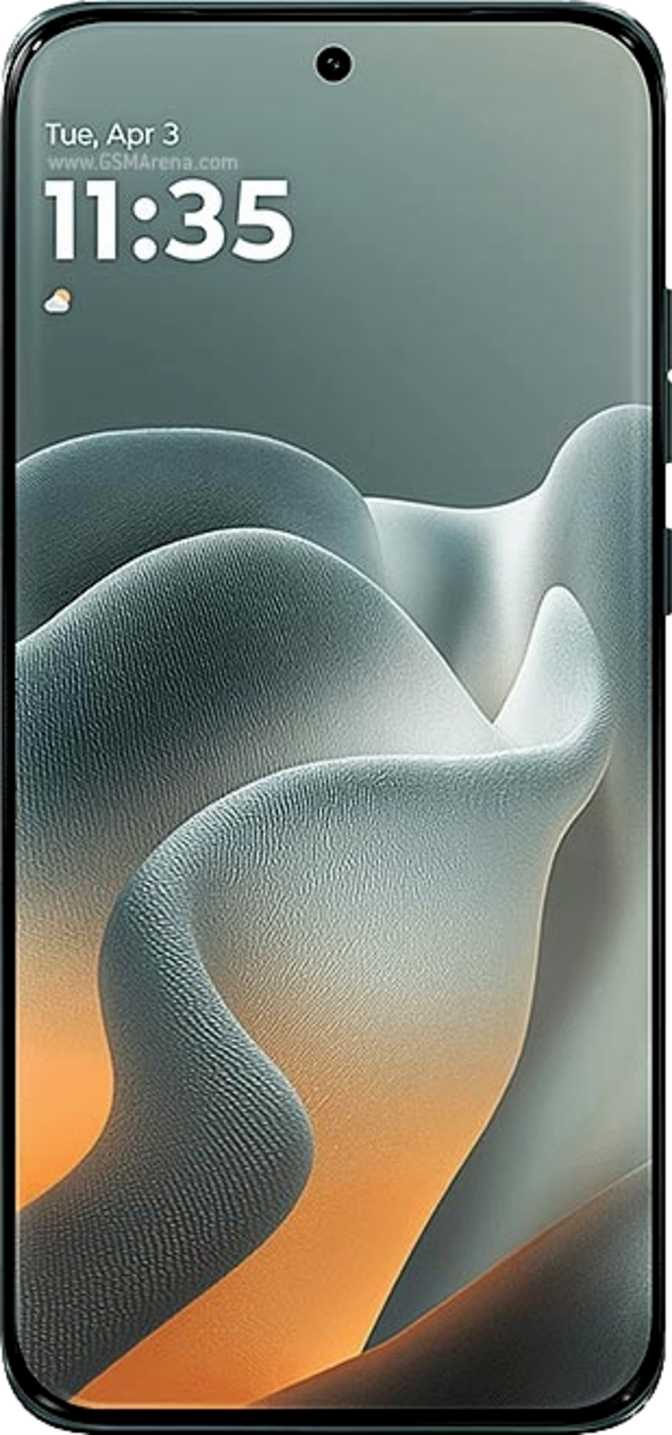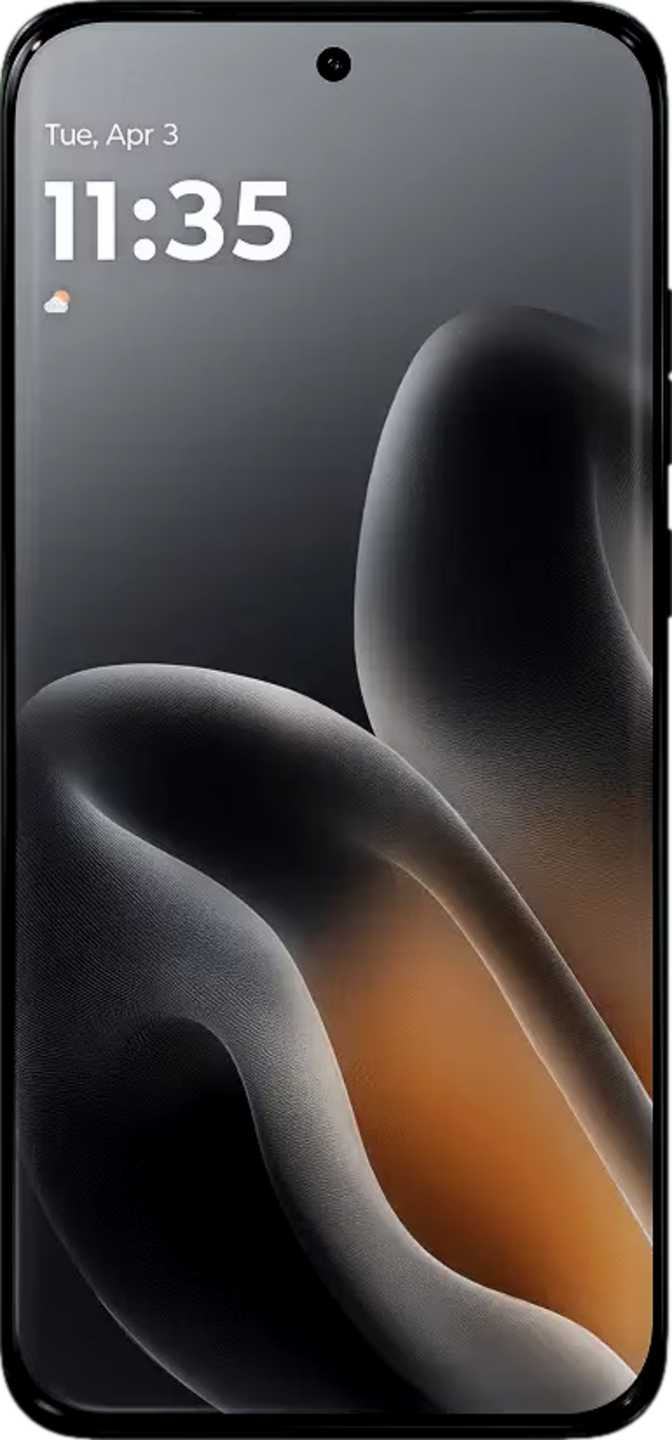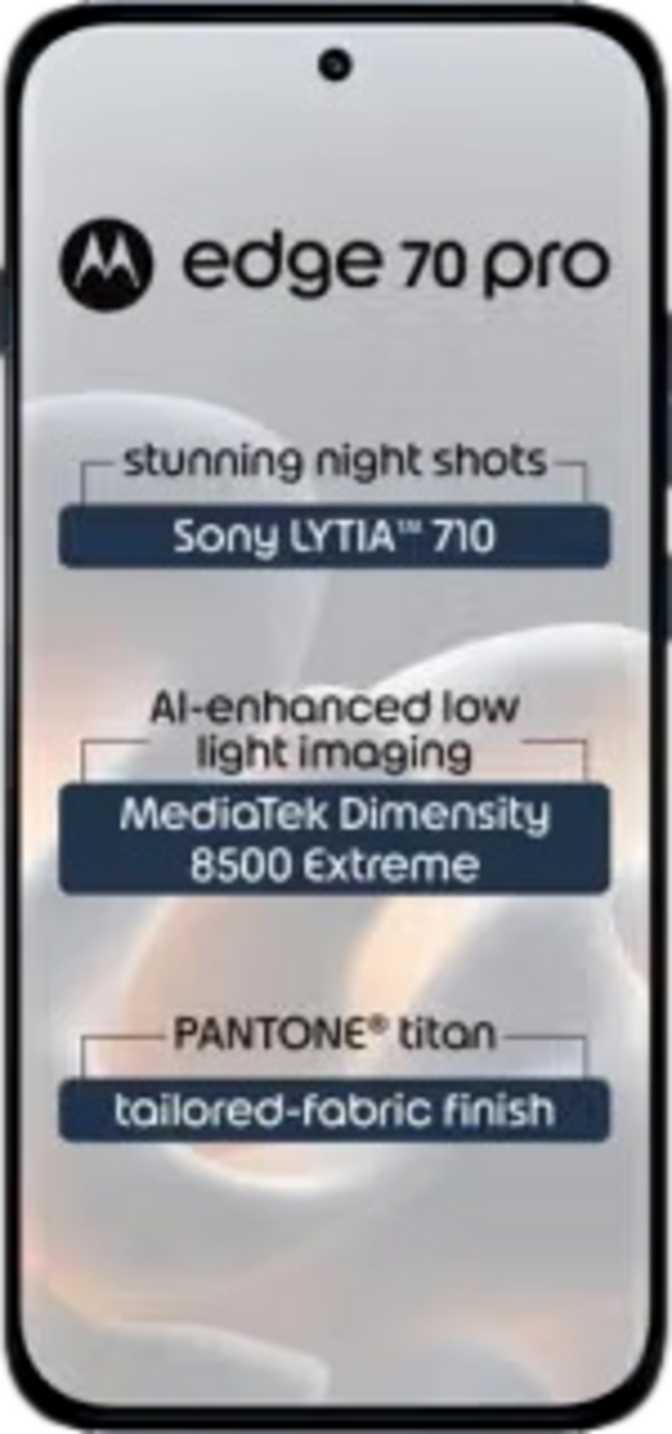
Motorola Edge 70 Pro Review: Battery Champion in a Slim 7mm Frame
SmartphonesThe mid-to-upper Android segment is one of the most brutally competitive spaces in consumer technology. Brands fight for buyers who refuse to pay flagship prices but also refuse to compromise on display quality, camera versatility, and day-to-day stamina. The Motorola Edge 70 Pro targets exactly those buyers: a large, sharp OLED panel, dual 50-megapixel rear cameras, a processor built on 4-nanometer silicon, and a battery large enough to make charger anxiety a distant memory. Whether that positioning holds up in real-world use is what this review unpacks completely.
Editorial Score
Design and Build Quality
At 7 millimeters thick, the Edge 70 Pro is genuinely slender — noticeable when it slides into a pocket and when you pick it up. That slimness does not come at the cost of structural confidence; the phone feels purposefully assembled rather than plasticky-thin. At 190 grams, it lands in a balanced range: lighter than most 6.8-inch devices, heavy enough to feel premium in hand.
The footprint puts it squarely in large-phone territory. One-handed use is limited, as it is on virtually every device in this screen size class. Two-handed grip feels secure, aided by the curved display edges that slope naturally into the frame.
Screen protection comes from Corning Gorilla Glass 7i — the same protective layer found on several devices a full price tier above. It resists everyday scratches and minor drops better than unbranded glass, though no glass is invulnerable to concrete at an unfortunate angle.
IP69: The Waterproofing Step Most Phones Skip
The Edge 70 Pro carries an IP69 rating — not the more common IP67 or IP68 found on competing devices. IP69 certifies resistance to high-pressure, high-temperature water jets, making it more comprehensive than simple submersion protection. Submersion depth is rated to 1.5 meters, covering accidental drops in the pool, sink, or during a sudden downpour.
The display curves gently at the left and right edges, contributing to the premium visual impression and making edge swipe gestures feel fluid. Curved screens are more prone to incidental touch registration and can make screen protectors harder to apply flush — a practical trade-off that applies here as on every curved-screen device.
| Weight | 190 g |
|---|---|
| Thickness | 7 mm |
| Height | 162.7 mm |
| Width | 75.6 mm |
| IP Rating | IP69 |
| Waterproof Depth | 1.5 m |
| Screen Glass | Gorilla Glass 7i |
| Display Shape | Curved edges |
| Form Factor | Standard slab |
Display: A 6.8-Inch OLED That Punches Hard
449 ppi
At normal viewing distance, individual pixels are invisible. Text renders like ink; fine photo detail stays crisp at any screen size.
144Hz Refresh
Scrolling and animations run with a glassy smoothness that 60Hz screens simply cannot replicate. Gamers benefit from the higher frame ceiling.
1,800 nits
Peak brightness high enough to remain legible in direct sunlight — a real-world test many smartphones fail.
240Hz Touch
Touch sampling is separate from visual refresh. At 240Hz, tap and gesture response is near-instantaneous — critical during fast-paced gaming.
HDR10+, OLED Blacks, and Always-On Display
OLED technology means each pixel generates its own light, producing absolute black levels and color contrast that LCD-based screens cannot replicate. Dark scenes retain shadow detail, colors appear vivid, and the overall image has a depth that genuinely elevates media consumption.
The panel supports both HDR10 and HDR10+ — the dynamic metadata standard that adjusts HDR calibration scene-by-scene rather than applying a single tone-map to an entire piece of content. Compatible streaming video benefits from more precise highlight and shadow rendering as a result.
Always-On Display keeps the clock and notification indicators visible when the phone is idle without requiring a full screen wake. On OLED hardware this is power-efficient — only the relevant pixels activate. Dolby Vision is not supported, which matters to a small subset of enthusiasts but has no impact on the vast majority of streaming and photo content.
| Panel Type | OLED / AMOLED |
|---|---|
| Screen Size | 6.8 inches |
| Resolution | 1272 × 2772 px |
| Pixel Density | 449 ppi |
| Refresh Rate | 144Hz |
| Touch Sampling | 240Hz |
| Peak Brightness | 1,800 nits |
| HDR Support | HDR10 & HDR10+ |
| Always-On Display | Yes |
| Glass Protection | Gorilla Glass 7i |
Performance: What the Dimensity 8500 Actually Delivers
The Processor in Plain Terms
The MediaTek Dimensity 8500 is built on 4-nanometer manufacturing — the same fabrication scale used in flagship chips from leading manufacturers. Smaller transistors mean more processing power packed into less space while generating less heat and consuming less power. This has direct consequences for sustained performance during extended gaming sessions, video export tasks, or running many apps simultaneously.
The eight-core CPU is arranged in three groups: one high-performance core at 3.4GHz for demanding single-threaded tasks, three cores at 3.2GHz for intensive parallel workloads, and four efficiency cores at 2.2GHz for background activity. The system dynamically assigns work to the most appropriate cluster — a heavy task like rendering a video gets the fast cores; a notification check happens on an efficiency core without wasting power.
Memory and Storage
12GB of DDR5 RAM operating at 4,800MHz provides the headroom to keep many apps loaded simultaneously. Switching between a navigation app, a media player, a messaging thread, and a browser happens without reload delays. The DDR5 standard delivers peak memory bandwidth of 76.8GB per second — a figure that directly affects photo processing speed, game loading times, and multitasking responsiveness.
The 256GB of internal storage is generous for this segment. There is no microSD card slot, so this is the fixed capacity. For most users, 256GB comfortably accommodates years of apps, photos, and downloaded content. Buyers who routinely carry large video libraries should plan accordingly.
Gaming and Graphics
The Mali G720 MP8 GPU supports DirectX 12 and OpenGL ES 3.2, aligning it with current-generation mobile game requirements. For the majority of popular mobile titles, performance is strong at high settings. Very demanding games at absolute maximum fidelity running at the full 144fps may require some settings compromise — this is a performance-tier chip, not a flagship-tier one, and honest framing matters here.
On-device machine learning is supported, enabling AI-assisted photography, offline voice recognition, and real-time translation without requiring a cloud connection. This matters for privacy, speed, and functionality in areas with limited signal.
| Chipset | Dimensity 8500 |
|---|---|
| Process Node | 4 nm |
| CPU Cores | 8-core (big.LITTLE) |
| Top Core Speed | 3.4 GHz |
| RAM | 12GB DDR5 |
| RAM Speed | 4,800 MHz |
| Memory Bandwidth | 76.8 GB/s |
| Internal Storage | 256 GB |
| Storage Expansion | None |
| GPU | Mali G720 MP8 |
| DirectX | DirectX 12 |
| L3 Cache | 6 MB |
Camera System: Three 50-Megapixel Sensors Explained
Rear Camera Configuration
Both rear sensors resolve at 50 megapixels — a meaningful choice compared to the common approach of pairing a high-resolution primary sensor with a much lower-resolution secondary. The first lens opens at f/2.0 and the second at f/1.8; the wider aperture on the second lens allows more light in, typically indicating optimization for different lighting conditions or a different focal perspective rather than being a throwaway ultrawide.
The focal length range spans from 12mm to 24mm in full-frame equivalent terms, covering a wide-angle perspective well suited to landscapes, architecture, and environmental portraits. Optical Image Stabilization physically compensates for hand movement — the practical result is sharper shots in low light and smoother handheld video compared to digital-only stabilization.
No Optical Zoom — A Real Limitation to Know
There is no optical zoom on this device. The camera covers wide and standard focal lengths only. Digital zoom is available but introduces image degradation at higher magnifications. Buyers who regularly photograph distant subjects — wildlife, sports from the stands, or architecture at reach — will find this a genuine shortcoming.
Autofocus: Three Systems Working Together
Autofocus combines phase detection, laser, and touch-based selection simultaneously. Phase detection is fast and accurate for stationary and moving subjects. Laser autofocus adds precision for close or low-contrast scenes where phase detection can struggle. Continuous autofocus during video recording keeps subjects sharp through movement. This combination handles family events, travel photography, casual sports, and portrait work very well.
Video Capabilities
Video recording reaches 4K at 60 frames per second. Shooting at 60fps captures motion more fluidly than the standard 30fps — relevant for travel footage, action subjects, or any content intended for large-screen playback. Slow-motion recording and timelapse are both supported. HDR10 video recording is available, preserving highlight and shadow detail in high-contrast scenes.
RAW format capture is not supported — every shot is processed and delivered as JPEG. For casual photographers and social content creators, this is a non-issue. Photographers who rely on full post-processing control in desktop software like Lightroom will find that workflow closed off.
Front Camera
The selfie camera resolves at 50 megapixels with an f/1.9 aperture wide enough to perform well in indoor and dim light. This is a genuinely capable front camera for video calls, social content, and portrait selfies. There is no front-facing flash, which limits performance in very dark environments where ambient light is minimal.
| REAR CAMERAS | |
| Resolution | 50 + 50 MP |
|---|---|
| Apertures | f/2.0 & f/1.8 |
| OIS | Yes |
| Autofocus | Phase + Laser + Touch |
| Video (max) | 4K @ 60fps |
| Focal Range | 12mm – 24mm |
| Optical Zoom | None |
| RAW Support | No |
| HDR Video | HDR10 |
| FRONT CAMERA | |
| Resolution | 50 MP |
| Aperture | f/1.9 |
| Front Flash | None |
Battery Life and Charging: Built to Last
Capacity That Redefines the Bar
The 6,500mAh battery is large by any standard in this form factor. Many well-regarded smartphones carry cells in the 4,500 to 5,000mAh range and are considered respectable performers. An additional 1,500mAh beyond that norm represents a meaningful reserve, not a marginal gain. Combined with the efficiency advantages of the 4-nanometer processor — which does more work per unit of energy consumed — two days between charges is a realistic expectation for average users under moderate use.
90W Fast Charging: What It Means in Practice
90W wired fast charging dramatically reduces the time the phone spends tethered to a cable. A battery of this size charged at this speed can typically recover from critically low to full in a fraction of the time required by standard 18W or 25W charging. A charger is included in the box — a meaningful detail at a time when many brands have removed it from the package entirely.
Battery health monitoring lets users track the long-term condition of the cell over time — useful for understanding degradation and making informed decisions about device longevity. The battery is non-removable, as is standard across modern sealed smartphones.
| Capacity | 6,500 mAh |
|---|---|
| Fast Charging | 90W wired |
| Wireless Charging | No |
| Reverse Wireless | No |
| Charger Included | Yes |
| Removable | No |
| Battery Health | Monitoring supported |
Software: Android 16 with Motorola Additions
The Edge 70 Pro ships with Android 16, placing it at the current head of the Android software generation. Motorola's interface layer sits lightly on top — it adds features without dramatically restructuring the default Android experience, which many users prefer. The OS update pipeline runs through Motorola rather than directly from Google, which can mean a slight delay in receiving security patches compared to Pixel devices — worth knowing for security-conscious buyers.
Privacy Controls
- Clipboard access warnings alert you whenever an app reads copied content
- Granular camera and microphone permission controls per individual app
- App tracking restrictions limit cross-app data sharing
- Location privacy options with granular sharing controls
- On-device machine learning for AI features without cloud dependency
- Cross-site tracking blocking is not a built-in system feature — browser apps must address this independently
Productivity and Usability
- Split-screen multitasking and Picture-in-Picture video
- Full-page scrolling screenshots and dynamic theming
- App offloading to free storage space without full deletion
- Offline voice recognition — voice commands work without any network connection
- Extra-dim display mode for comfortable reading in very dark environments
- OS updates pass through Motorola's pipeline, not directly from Google — patches may arrive slightly later than on Pixel devices
Audio and Connectivity
Audio
Stereo speakers deliver sound from two directions — a meaningful improvement over mono setups for video playback and gaming. There is no 3.5mm headphone jack; wired headphones require a USB-C adapter, a small but ongoing friction point for buyers who prefer wired audio.
Bluetooth 5.4 ensures stable, low-latency wireless connection. However, aptX, aptX HD, aptX Adaptive, and LDAC codecs are all absent. Audiophiles using LDAC-compatible headphones for high-resolution wireless audio will notice the gap. For listeners using standard wireless earbuds or popular over-ear headphones, the absence of these codecs has no practical impact on everyday listening quality.
Two microphones handle voice capture, supporting noise reduction during calls and voice recording in noisy environments.
Connectivity at a Glance
| Feature | Specification | Notes |
|---|---|---|
| Wi-Fi | Wi-Fi 7 | Also 4/5/6/6E backward compat. |
| 5G | Yes | Fast mobile data where available |
| Bluetooth | 5.4 | Stable, low-latency |
| NFC | Yes | Google Pay, contactless payments |
| SIM Cards | Dual SIM | Two physical SIMs supported |
| USB Port | USB-C | USB 2.0 speeds only |
| GPS | GPS + Galileo | Strong multi-region accuracy |
| Fingerprint | Yes | Biometric security |
| microSD | No slot | 256GB is fixed capacity |
USB 2.0: The Hidden Speed Limit
The USB-C port operates at USB 2.0 data transfer speeds. This is functional for charging and basic file movement, but moving large video files between the phone and a computer will feel noticeably slow compared to USB 3.x capable devices. Buyers who regularly transfer 4K footage via cable should factor this into their decision.
Who the Motorola Edge 70 Pro Is For
- You want a large, high-quality OLED display for media consumption without paying flagship prices
- Battery stamina is your priority — the large capacity backed by 90W charging is one of the strongest arguments for this device
- You shoot mostly stills and casual video in wide and standard focal lengths
- Waterproofing at a level more comprehensive than the standard IP68 matters to you
- You are comfortable with cable-only charging and do not rely on wireless pads
- You want a clean, near-stock Android experience on the latest OS version
- You rely on wireless charging — its absence is absolute, not configurable or patchable with an accessory
- You regularly photograph distant subjects and need optical telephoto zoom
- You shoot RAW for post-processing — RAW capture is not supported on this device at all
- You regularly transfer large video files via cable and expect USB 3.x speeds
- You need LDAC or aptX for high-resolution wireless audio through premium headphones
- Expandable storage is non-negotiable — there is no microSD card slot
How It Compares to the Competition
The table below positions the Edge 70 Pro against two typical competitors in the same price tier. Purple-shaded cells reflect areas where the Edge 70 Pro holds a clear advantage over both rivals.
| Feature | Motorola Edge 70 Pro | Upper-Mid Competitor A | Upper-Mid Competitor B |
|---|---|---|---|
| Display | 6.8" OLED, 144Hz | 6.7" OLED, 120Hz | 6.78" AMOLED, 120Hz |
| Peak Brightness | 1,800 nits | ~1,600 nits | ~1,200 nits |
| IP Rating | IP69 | IP68 | IP68 |
| Battery Capacity | 6,500 mAh | ~5,000 mAh | ~5,500 mAh |
| Charging Speed | 90W wired | 67W wired | 45W wired |
| Wireless Charging | No | Yes | Yes |
| Front Camera | 50 MP | 16 MP | 32 MP |
| Wi-Fi Standard | Wi-Fi 7 | Wi-Fi 6E | Wi-Fi 6 |
| Optical Zoom | None | 2x – 3x | None |
| Charger Included | Yes | No | Yes |
Honest Strengths and Weaknesses
- Display ExcellenceThe 1,800-nit brightness, 144Hz refresh rate, HDR10+ support, and 449ppi density combine into a panel that stands up to daily scrutiny. This is among the best displays in its price range.
- Battery and ChargingThe 6,500mAh capacity combined with 90W fast charging is difficult to match at this tier. In a category where all-day battery life is often a marketing promise, the Edge 70 Pro has the reserves to back the claim.
- IP69 WaterproofingMost competitors stop at IP68. The high-pressure jet certification matters when things go wrong unexpectedly — a kitchen splash, beach trip, or a rainy outdoor event.
- Balanced Camera SystemThe dual 50-megapixel rear configuration is more balanced than the high-primary-plus-throwaway-secondary approach common at this price. The 50MP front camera is a genuine differentiator.
- Future-Proof ConnectivityWi-Fi 7 and Bluetooth 5.4 place this phone ahead of most competitors in wireless infrastructure readiness for the years ahead.
- No Wireless ChargingThis is a hard stop with no workaround. For buyers who have built their daily routine around charging pads, this is a deal-breaker — not a minor inconvenience.
- No Optical ZoomThe camera covers wide and standard focal lengths only. Distant subjects suffer from digital zoom degradation, which limits versatility for travel and event photography in a meaningful way.
- USB 2.0 Data SpeedsA dated constraint on an otherwise forward-looking device. Large file transfers feel slow, and this particularly affects buyers who shoot 4K video and edit on a computer.
- No RAW Photo SupportJPEG-only output closes off professional and serious amateur post-processing workflows. A non-issue for social shooters but a real gap for desktop-editing photographers.
- No aptX or LDACHigh-resolution wireless audio codec support is absent. Standard earbuds are entirely unaffected, but dedicated audiophiles using LDAC headphones will notice the missing support.
Questions Real Buyers Ask Before Purchasing
Final Verdict
Overall Score
RECOMMENDEDThe Motorola Edge 70 Pro is a focused, well-executed device that delivers specific advantages with conviction. Its display is among the best in its price range — brightness, pixel density, refresh rate, and HDR support combine into a panel that stands up to genuine daily scrutiny. The battery and charging combination is difficult to match at this level; the large capacity backed by 90W fast charging delivers on the all-day promise that many competitors only make on paper.
The IP69 waterproofing is genuinely differentiated. Most competitors stop at IP68. The high-pressure jet certification matters when things go wrong in ways you did not plan. The balanced dual 50-megapixel rear camera, the 50-megapixel front sensor, and Wi-Fi 7 connectivity further reinforce a product that punches meaningfully above typical expectations for this price tier.
Where the device asks for compromise, those gaps are specific and real. No wireless charging is a hard stop for users who rely on charging pads. No optical zoom limits photographic reach. USB 2.0 data speeds feel dated on an otherwise forward-looking device. None of these undermine the core product, but they are real and must be factored honestly.
Purchase Verdict
Recommended for media-focused users and anyone who values battery stamina, IP69 protection, and display quality above wireless charging convenience. If telephoto zoom or wireless charging are non-negotiable priorities, competing devices serve those needs better — but for everyone else, the Motorola Edge 70 Pro makes a compelling, well-balanced case for the money.