JBL Tune 530BT Full Review: Does the 76-Hour Battery Justify It?
HeadphonesAt a Glance
Performance Overview
Design and Build Quality
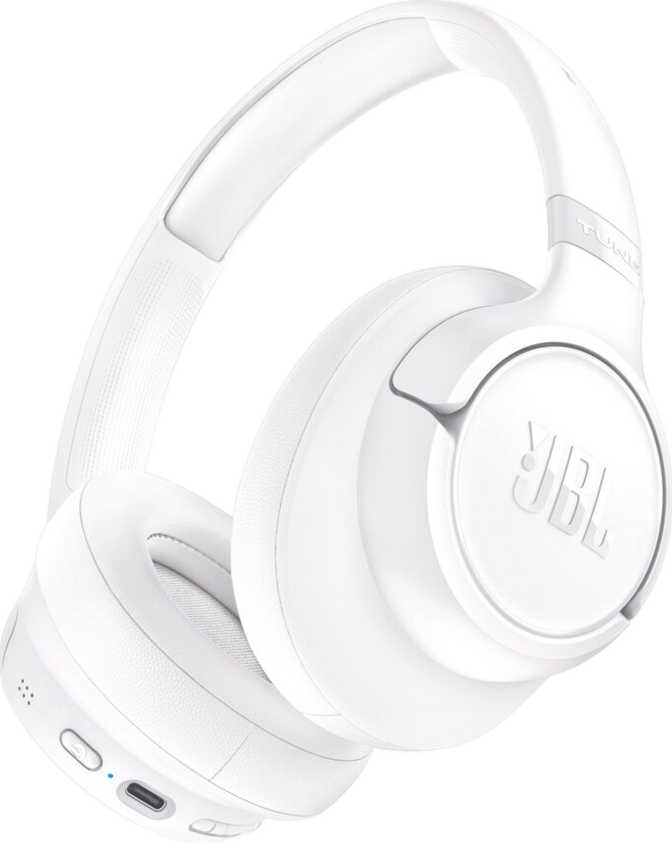
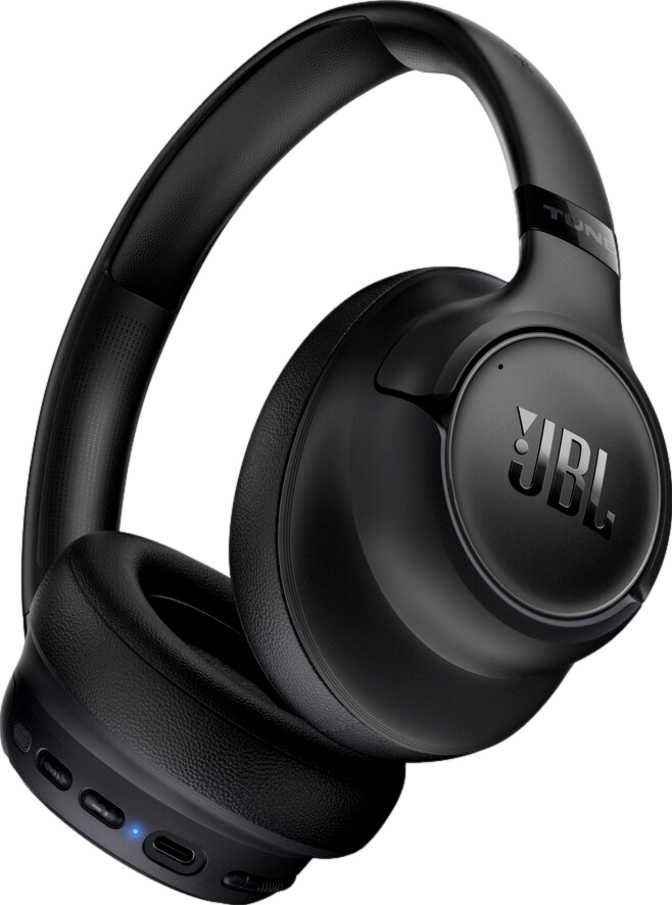
The JBL Tune 530BT uses an on-ear configuration, positioning the earcups against the surface of your ears rather than surrounding them entirely. The practical advantage is a noticeably lighter and more compact headphone than over-ear alternatives — something you feel immediately when wearing them for extended periods or slipping them into a bag.
On-Ear Fit
The earcup pressure rests on the ear itself rather than around it, keeping the headphones compact. Very long sessions — four hours or more — can bring some fatigue at the contact points, which is characteristic of the on-ear design generally. If marathon listening sessions are typical for you, factor this in upfront.
Foldable and Travel-Ready
The earcups collapse inward against the headband, reducing the headphones to a bag-friendly footprint without needing a dedicated hard case. Combined with overall lightweight construction, this makes the Tune 530BT a practical travel companion that doesn't require planning your bag around it.
Detachable, Tangle-Free Cable
When the battery runs out — or when a flight's in-seat system requires a wired connection — you plug in the included cable and keep listening. The tangle-resistant design means it pulls cleanly from a bag pocket every time, without the knotted mess that standard cables create in confined spaces.
No Water Resistance
The Tune 530BT carries no moisture or sweat protection rating of any kind. This suits commuting, desk work, studying, and travel well. It rules out gym sessions, runs in uncertain weather, or any environment where perspiration is likely. That boundary is fixed and worth knowing before purchasing.
Sound Quality
What the Drivers Deliver
The drivers inside the Tune 530BT measure 33mm — on the smaller side for a headphone of this type. Driver size isn't the sole predictor of audio quality, but it carries implications: smaller drivers tend to prioritize midrange clarity and treble extension, while bass output requires more deliberate tuning to compensate for reduced physical displacement.
The frequency response covers the full audible spectrum — from the deepest bass to the highest register of treble that human hearing can detect. What matters in real listening is how balanced and natural the headphone sounds across the range that actually matters: vocals, instruments, and rhythmic foundation.
One hardware detail that audio-conscious buyers will notice: the driver construction does not use neodymium magnets, which are the rare-earth components found in most headphones at this and higher price points. Neodymium magnets typically contribute to higher sensitivity and cleaner transient response. The Tune 530BT uses an alternative magnetic structure — not automatically inferior, but a material difference from the majority of competitors worth acknowledging.
Sound Feature Summary
-
Closed-Back DesignSound directed inward, physically isolated
-
Passive Noise IsolationReduces moderate ambient sound effectively
-
Full Stereo SeparationLeft and right channels fully independent
-
No Active Noise CancellationPhysical isolation only — no signal processing
-
No Spatial AudioStandard stereo output
-
No Neodymium DriversAlternative magnetic construction
Battery Life: The Number That Changes Everything
The battery inside the JBL Tune 530BT is rated for 76 hours of wireless playback. If you listen to music for three hours every day, you would charge these headphones roughly once every three and a half weeks. Even heavy users at six hours per day would need to find the charging cable about twice a month.
Manufacturer battery ratings are measured at moderate volume under controlled conditions, so real-world use at higher volumes or during extended call time will reduce that figure. Even so, the margin relative to competitors is wide enough that the Tune 530BT remains a clear endurance leader under any realistic listening pattern.
Battery Life in Context
USB-C Charging
Charging uses the current universal connector standard — the same cable that works for most modern phones and laptops. No proprietary connector to track down. An onboard battery level indicator shows remaining charge so you're never caught off guard mid-session.
No Wireless Charging
Wireless charging is not available, which is expected for this segment. Given how rarely you'll need to charge these at all, it is genuinely difficult to frame this as a meaningful limitation in everyday use. The cable-based top-up takes only occasional attention.
Connectivity: Bluetooth 6 and LE Audio
Bluetooth 6 — The Current Standard
The Tune 530BT ships with Bluetooth 6, the most recent version of the wireless audio specification. Bluetooth 6 brings improvements in connection stability, power efficiency, and latency over its predecessors. For daily use, this means a more reliable link to your source device and, paired with the already-substantial battery, even more efficient power management.
LE Audio and the LC3 Codec
LE Audio is a Bluetooth audio framework built for the modern wireless landscape, centered on a codec called LC3. LC3 delivers audio quality that matches or exceeds the older SBC baseline while using less power and introducing lower latency. On a source device that supports LE Audio — an increasing number of modern Android smartphones and laptops — the Tune 530BT connects via LC3 automatically. No configuration required. For buyers thinking about long-term value, this forward-compatible design is a genuine advantage.
Codec Support
| Codec | Status | Notes |
|---|---|---|
| LC3 (LE Audio) | Supported | High efficiency, lower latency |
| SBC | Fallback Only | Baseline Bluetooth standard |
| AAC | Not Supported | Impacts Apple device users |
| aptX / aptX HD | Not Supported | — |
| LDAC | Not Supported | Hi-Res Audio codec |
Dual-Device Multipoint
The Tune 530BT connects to two source devices simultaneously — your phone and laptop are both paired and active at the same time. When a call arrives on your phone while music plays from your laptop, the headphones handle the switch automatically. For anyone splitting time between a computer and a phone, this is a practical daily feature.
Wireless Range
The specified wireless range is 10 meters — approximately 33 feet. This covers all typical use cases: phone in your pocket, laptop on your desk, tablet across a room. Some competitors at this price point advertise longer ranges; 10 meters is on the conservative end for a Bluetooth 6 device. Standard room-to-room use is not affected.
Call Quality: Four Microphones at Work
The Tune 530BT includes four microphones configured for noise reduction during calls. Most headphones in this price range include one or two microphones. Four microphones allow more sophisticated signal processing — isolating the speaker's voice from surrounding ambient sound, reducing keyboard noise, and filtering background conversations that would otherwise bleed into your call.
For video meetings, remote work, and student use, this is a real differentiator. Your voice arrives clearly to the other party even in environments that would overwhelm a simpler single-microphone system.
Who This Headphone Is Built For — and Who It Isn't
The Right User
-
Commuters and Daily ListenersWho are tired of weekly charging and want headphones that stay ready without active management
-
Hybrid WorkersWho need reliable call quality and simultaneous connections to both a phone and a laptop throughout the day
-
Android UsersWith LE Audio-capable devices who will get the most from Bluetooth 6 and LC3 audio quality
-
Budget-Conscious BuyersPrioritizing practical endurance and modern wireless over audiophile codec features
-
TravelersWho want a foldable headphone with a wired cable fallback when Bluetooth isn't practical
Not the Right Fit
-
iPhone and Mac Users Without LE AudioWho rely on AAC for wireless audio quality and whose devices don't yet support LE Audio
-
Listeners in Loud EnvironmentsAircraft, busy transit, open trading floors — places where passive isolation alone is not sufficient
-
Athletes and Fitness UsersDue to the complete absence of any sweat or water protection rating
-
AudiophilesSeeking high-resolution wireless transmission via LDAC or aptX Adaptive
-
Ambient Sound Mode UsersWho rely on transparency mode for situational awareness while wearing headphones
How It Stacks Up Against the Competition
Where the JBL Tune 530BT leads and where it concedes ground to typical alternatives in the same price range.
| Feature | JBL Tune 530BT | Typical Budget Competitor |
|---|---|---|
| Battery Life | 76 hours | 30–50 hours |
| Bluetooth Version | Version 6 | 5.0 – 5.3 |
| LE Audio | Rarely | |
| Active Noise Cancellation | Sometimes | |
| AAC Codec | Often | |
| Water Resistance | None | Sometimes IPX4 |
| Multipoint Devices | 2 | 1 – 2 |
| Microphone Count | 4 Mics | 1 – 2 |
| Wired Backup | Detachable cable | Inconsistent |
Honest Assessment
Where It Genuinely Excels
The battery life is not a minor upgrade over category norms — it's the kind of margin that changes how you relate to the product. Users who have adapted their weekly routines around charging headphones will find that habit simply disappears. For many buyers, that alone justifies serious consideration.
The adoption of Bluetooth 6 with LE Audio is a forward-looking choice. As more source devices join the LE Audio ecosystem, the audio quality and latency advantages of LC3 become more tangible to more users. Purchasing now means you're already on the right side of that transition.
The four-microphone call setup is quietly impressive at this price point. It competes with headphones sold at significantly higher margins, and for users whose headphones double as a daily work headset, it delivers real-world value that raw specs don't fully capture.
The combination of wireless capability with a detachable cable fallback adds practical versatility that wireless-only headphones cannot match — on a long flight, in a rental car, or at a hotel with older audio connections, the cable is always available as a backup.
Where It Falls Short
The codec situation is a limitation that cannot be configured around. Without AAC, Apple users on devices that haven't adopted LE Audio are limited to SBC for wireless audio — a real step down in quality that becomes more noticeable as listening attention increases. This is not a subtle technical footnote; it's a tangible difference for a significant share of potential buyers.
The absence of active noise cancellation will disappoint anyone who assumed a modern wireless headphone automatically includes it. In loud transit environments, aircraft, or dense open offices, passive isolation has a ceiling that physical design alone cannot break through.
No water or sweat resistance is a hard constraint. The lifestyle use cases that would otherwise make the battery life advantage more compelling — gym sessions, cycling commutes, outdoor runs — are simply off the table.
The missing ambient sound mode and auto-pause functionality are quality-of-life features that users who've previously owned headphones with them will immediately notice. They're not deal-breakers alone, but they represent a comfort floor that isn't reached here.
Questions Real Buyers Are Asking
The Final Verdict
The JBL Tune 530BT makes its case on a foundation that most headphones in its category can't match: battery life so far beyond the norm that it effectively removes charging as a recurring concern.
Add Bluetooth 6 with LE Audio, a four-microphone call setup that punches well above its price, dual-device connection, and a wired fallback via a detachable cable — and the practical value proposition is genuinely strong for the right profile of user.
The compromises are specific and predictable rather than pervasive. No AAC hurts Apple users without LE Audio support. No active noise cancellation limits usefulness in genuinely loud environments. No water resistance closes off fitness and outdoor use cases entirely.
- Battery endurance is your top priority
- You're an Android user with a modern device
- Strong call quality is essential to your work
- You want a reliable wired fallback option
- You travel frequently and value portability
- You need AAC for iPhone audio quality
- Active noise cancellation is essential
- You need water or sweat protection
- LDAC or aptX HD are required
- You rely on ambient sound or transparency mode