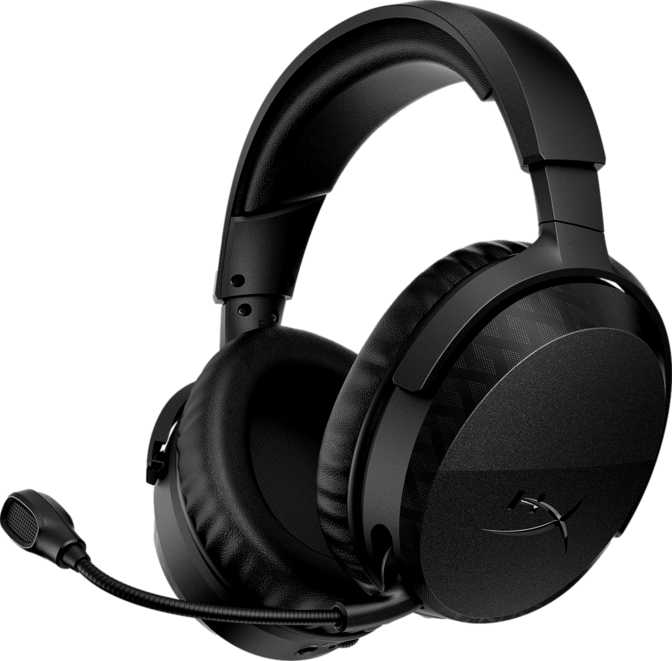
HyperX Cloud Stinger 3 Wireless Review: Real-World Performance Test
PC and Gaming HeadsetsMost wireless gaming headsets force a compromise: exceptional battery life or solid audio quality, a reasonable price or true multi-platform freedom. The HyperX Cloud Stinger 3 Wireless challenges that assumption — stacking category-leading endurance, genuine cross-platform compatibility, and a dual-wireless connection system into one of the more approachable price points in the category. Whether that combination holds up under scrutiny, and for whom it actually makes sense, is what this review unpacks.
Design and Build: Practical Over Flashy
Form Factor and Everyday Comfort
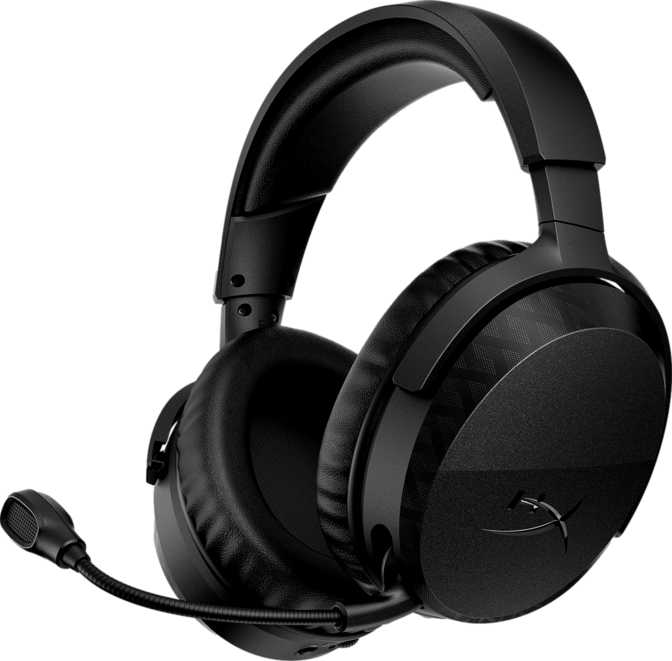
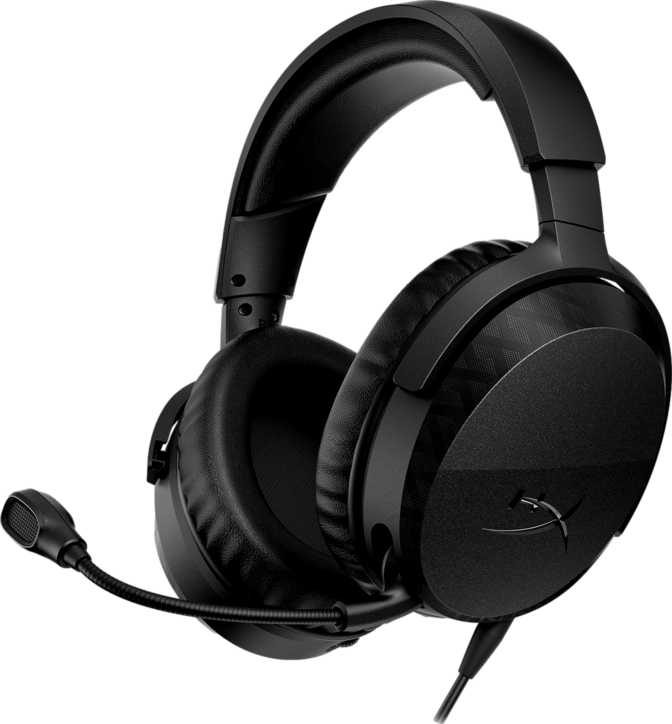
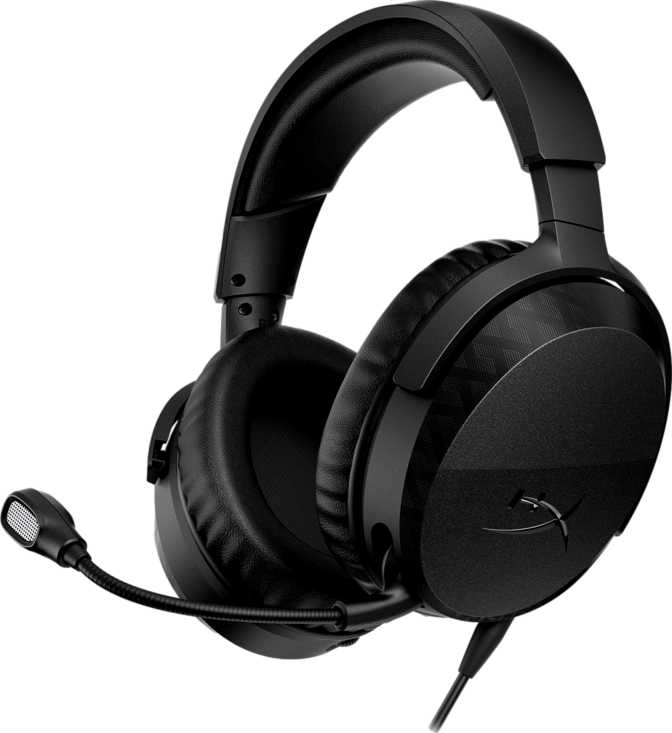
The Cloud Stinger 3 Wireless is a closed-back, over-ear headset — meaning the ear cups fully enclose your ears rather than resting on them. That distinction matters for two reasons: isolation and immersion. Closed-back designs keep environmental noise out and your audio in, which is valuable in shared living spaces, open offices, or anywhere you want to focus without a perfectly quiet room being required.
The headset folds flat, which genuinely changes how portable it is. Tossing a rigid headset into a bag is always a negotiation; a folding design turns travel and storage into non-issues. It is a small detail, but the difference between a headset that goes everywhere with you and one that stays on your desk is often exactly this kind of practical engineering.
Controls and Physical Interaction
All controls sit directly on the headset — there is no in-line cable remote. The on-ear placement becomes intuitive quickly: volume adjustments and microphone muting are handled without reaching for a controller or software interface. The dedicated mic mute means silencing yourself mid-game or mid-call is a single-touch action rather than a hunt through settings menus.
Audio Performance: What Those Drivers Actually Do
Driver Size and Frequency Coverage in Real Terms
The Cloud Stinger 3 Wireless uses 50-millimeter drivers — one per ear. Most consumer gaming headsets in the budget-to-mid tier use 40mm drivers. The additional surface area of a 50mm driver allows for more air movement, which typically translates to fuller bass reproduction and stronger low-mid presence — the kind of difference you feel during explosions, heavy footstep tracking, and cinematic soundtrack moments.
The frequency range extends from the very bottom of audible sound to well beyond what human hearing can resolve, meaning no part of a game's audio mix, music track, or voice call falls outside what these drivers can reproduce. What matters more than the headline numbers is how the drivers handle the middle ground — the mids and highs that carry voice clarity, weapon detail, and spatial cues — and the 50mm units here are sized to handle that responsibly.
Volume Ceiling and Headroom
At 114 decibels per milliwatt, the sensitivity rating on these drivers is high. The headset reaches significant volume before drawing substantial power — a practical advantage for users who game in noisier environments and need to push output without depleting the battery quickly. Most gaming headsets are considered adequate at anything above 100dB/mW; 114dB/mW gives you meaningful headroom above that baseline.
Passive Noise Isolation — No ANC, and Why That Is the Right Call Here
The Cloud Stinger 3 Wireless does not include active noise cancellation. ANC uses microphones and processing to electronically counteract ambient sound — adding cost, battery drain, and occasional audio artifacts to the experience. What this headset offers instead is passive noise isolation: the physical seal of closed-back ear cups blocking external sound without any electronics involved.
For gaming, passive isolation is often the smarter design choice. ANC introduces latency artifacts and signal processing that can subtly alter audio character. A well-sealed closed-back design does its job without those trade-offs. If you need commuter-grade active cancellation for planes and subway platforms, this headset is not that product — but for home and office gaming, the passive approach handles it well.
Stereo Audio: No Virtualization, No Processing Artifacts
This headset delivers standard stereo — two channels, one per ear — with no built-in surround sound virtualization or spatial audio processing. Virtualized surround applies software processing to simulate directional audio, and results vary widely between implementations. The Cloud Stinger 3 Wireless delivers a clean, unprocessed stereo signal. If your platform or game supports spatial audio through external software, this headset can still benefit from that processing on the receiving end without interference.
Microphone: Voice Clarity When It Counts
The headset includes a single built-in microphone with noise-canceling processing. Unlike higher-end headsets where the mic can be detached and stored, this one is integrated — it stays with the headset at all times. For users who frequently switch between gaming and casual public use, that is worth knowing: the microphone cannot be removed for a cleaner profile.
The microphone is calibrated to capture direct speech cleanly while filtering out background noise — a balance that suits gaming, calls, and streaming commentary far better than broadcast-quality recording, which is exactly the right priority for a gaming headset. The dedicated mute function works independently, letting you silence the mic without affecting audio output. In practical team gaming, that distinction matters more than it initially seems.
Microphone at a Glance
- Built-in noise-canceling processing
- Dedicated one-touch mute control
- Calibrated for voice communication
- Fixed — cannot be detached or stored
Battery Life and Charging: The Headline Number That Holds Up
80 Hours Between Charges
Eighty hours of wireless playback is not a modest spec — it is a category-leading figure. To frame it practically: gaming four hours a day, every day, means this headset needs charging roughly twice a month. Players with more moderate sessions of one to two hours daily could realistically go weeks without reaching for the cable.
Battery Life in Context
The endurance advantage is most meaningful for players who dislike frequent charging or who travel and want the headset to last a full trip without hunting for a USB port. Real-world performance under mixed-use conditions will land somewhat below the rated maximum, but even conservatively the Cloud Stinger 3 Wireless comfortably doubles most competitors in its class.
Charging: USB-C, Four Hours to Full
The headset charges over USB-C — the same connector used by most modern phones, laptops, and gaming controllers. That universality means one fewer proprietary cable to track down. A full charge from depleted takes approximately four hours, reasonable for the battery capacity involved.
A built-in battery level indicator means you will never be caught off guard mid-session. The battery is not user-removable — standard practice across gaming headsets in this class — and for the foreseeable product lifespan, this is a non-issue.
Wireless Connectivity: Two Systems, One Headset
2.4GHz and Bluetooth 5.2 Together
The Cloud Stinger 3 Wireless supports two independent wireless connection methods: a dedicated 2.4GHz radio connection via USB dongle, and Bluetooth 5.2. These are not competing modes — they are complementary, and understanding the distinction makes the headset significantly more useful in daily practice.
The dedicated 2.4GHz radio is the gaming-primary mode. It prioritizes low latency and stable signal delivery, making it the correct choice any time audio sync matters — gaming, streaming video, or anything where even a fraction of a second of audio delay is perceptible.
Plug the included USB dongle into your console or PC and the headset connects without additional configuration.
Bluetooth 5.2 handles connections to a phone, tablet, or laptop without the dongle. The connection reaches up to 20 meters in open space. AAC codec support means better audio quality than baseline Bluetooth when the connected device supports it — covering most Apple devices and many Android phones.
Both wireless systems can run simultaneously: game audio on 2.4GHz, phone calls on Bluetooth.
Platform Compatibility
The Cloud Stinger 3 Wireless officially supports PC, PlayStation, and Nintendo Switch. The 2.4GHz dongle handles PlayStation and Switch connections; Bluetooth adds PC coverage alongside the dongle option.
Who This Headset Is Actually For
- Multi-platform householdsPlayers who own a PC and a PlayStation or Switch and want one headset to cover both without extra adapters or separate purchases.
- Set-it-and-forget-it usersAnyone who dislikes charging electronics frequently will find the runtime genuinely liberating. This headset tolerates neglect in the best way.
- Shared living situationsClosed-back design and no RGB lighting keep sessions private and visually unobtrusive — appropriate for apartments, dorms, and offices alike.
- Serious gamers on a mid-range budget50mm drivers and a dedicated 2.4GHz radio are genuinely mid-range features available here at a competitive price.
- Xbox-primary playersWithout official Xbox wireless certification, functionality requires the USB dongle in an available port — verify your specific console setup beforehand.
- Active noise cancellation requirementsIf you commute, fly frequently, or work in genuinely loud environments, passive isolation alone will not be sufficient.
- High-fidelity Bluetooth listenersWithout aptX HD or LDAC, audiophiles streaming lossless music over Bluetooth will not reach maximum audio fidelity.
- Streamers and content creatorsThe fixed, non-detachable microphone is always visible on camera — a separate mic setup is usually preferred for on-camera production.
How It Compares to the Competition
The wireless gaming headset market at this price tier is competitive. Here is how the Cloud Stinger 3 Wireless positions itself against the alternatives buyers most commonly consider:
| Feature | HyperX Cloud Stinger 3 Wireless | Typical 40-hr Competitor | ANC-Equipped Alternative |
|---|---|---|---|
| Battery Life | ~80 hours | 20–40 hours | 20–35 hours |
| Driver Size | 50 mm | 40 mm | 40 mm |
| Active Noise Cancellation | Not included | Not included | Included |
| 2.4GHz + Bluetooth | Both | Typically one or the other | Often Bluetooth-only |
| Foldable Design | Yes | Varies by model | Often yes |
| Platform Support | PC, PS, Switch | Varies by model | Often PC / phone focus |
| USB-C Charging | Yes | Varies by model | Yes |
Honest Strengths and Where It Falls Short
What It Gets Right
- 80-hour battery runtime — doubles or quadruples most competitors. A genuine differentiator, not a marketing number you never actually benefit from.
- 50mm drivers deliver fuller bass and stronger low-mid presence than the 40mm units common at this price tier.
- Dual wireless (2.4GHz + Bluetooth 5.2) — a combination that is relatively uncommon and well-implemented at this price point.
- Multi-platform support across PC, PlayStation, and Switch without separate purchases or additional adapters.
- USB-C charging and a battery level indicator — conveniences that should be standard but are not always present at this tier.
- Foldable, no-RGB design — genuinely portable and appropriate in any setting.
Where It Falls Short
- Fixed microphone cannot be removed — limits on-camera aesthetics and the headset's versatility outside of gaming contexts.
- No active noise cancellation — effective for home gaming, but not the right tool for commuting or loud work environments.
- No high-resolution Bluetooth codecs — AAC is solid but the ceiling is below what aptX HD or LDAC-equipped headsets offer for music listening.
- No official Xbox wireless support — Xbox players should verify USB dongle compatibility with their specific console setup.
- No analog wired fallback — when the battery is depleted, the headset is non-functional until recharged.
The Cloud Stinger 3 Wireless earns genuine respect in areas that most buyers consider dealbreakers: battery longevity, connection reliability, and multi-platform coverage. These translate directly into fewer frustrations over months of ownership. The weaknesses are real but clearly scoped — they matter most to buyers with specific needs this headset was never designed to fulfill.
Answers to Questions Real Buyers Ask
Final Verdict: A Deliberate, Well-Targeted Headset
The HyperX Cloud Stinger 3 Wireless is one of the more sensibly designed gaming headsets in its class — not because it is the flashiest or most feature-packed option, but because it makes smart, deliberate choices about where to invest its budget. The 80-hour runtime is its defining characteristic and a genuine differentiator. The dual-wireless system is useful in daily practice, not just on the spec sheet. The 50mm drivers deliver the kind of sound that rewards long gaming sessions, and the multi-platform support covers the most common console setup without requiring multiple purchases.