Huawei Nova 15 Max Full Review: Battery Life Champion With Trade-offs
SmartphonesOverall Rating
RecommendedCategory Scores
Quick Verdict
- 8,500mAh battery — genuine two-day endurance
- 6.84” OLED 120Hz at 444 ppi — sharp and fluid
- Wi-Fi 7 — future-ready wireless connectivity
- Impressively slim 8mm despite the massive battery
- No 5G — 4G LTE only
- No OIS and no optical zoom on camera
- No wireless charging support
The Huawei Nova 15 Max sits in an interesting position. It brings a flagship-sized screen, a substantial battery that could outlast almost anything in its class, and a polished OLED display — yet pairs all of that with some choices that will immediately matter to certain buyers. This is a phone built for people who prioritise endurance, screen real estate, and everyday comfort over bleeding-edge connectivity or computational photography tricks. Whether those priorities match yours is exactly what this review is here to sort out.
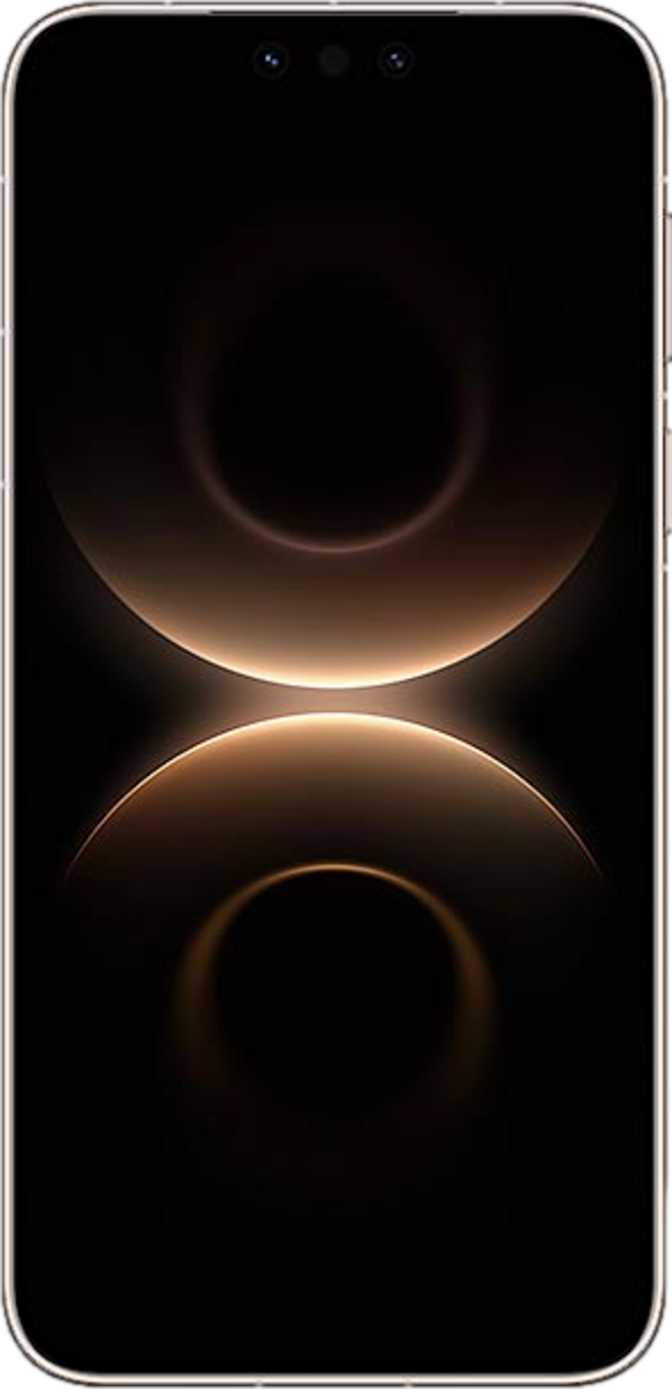
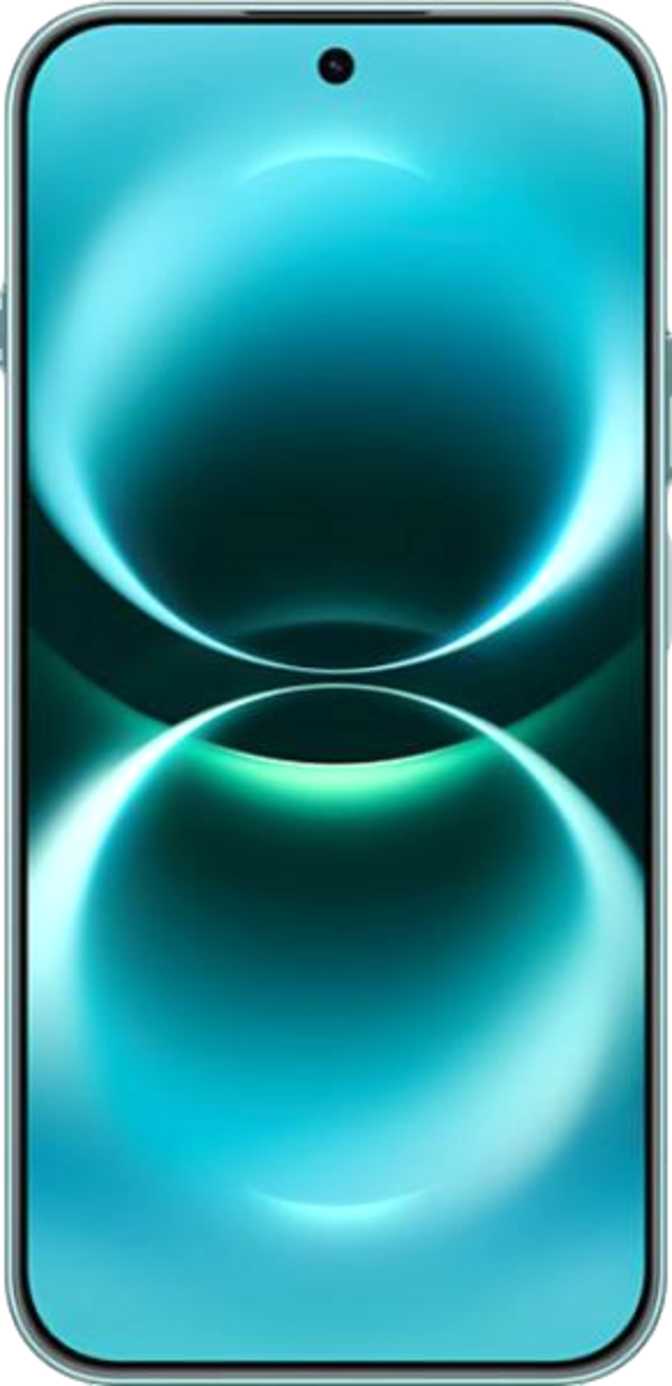
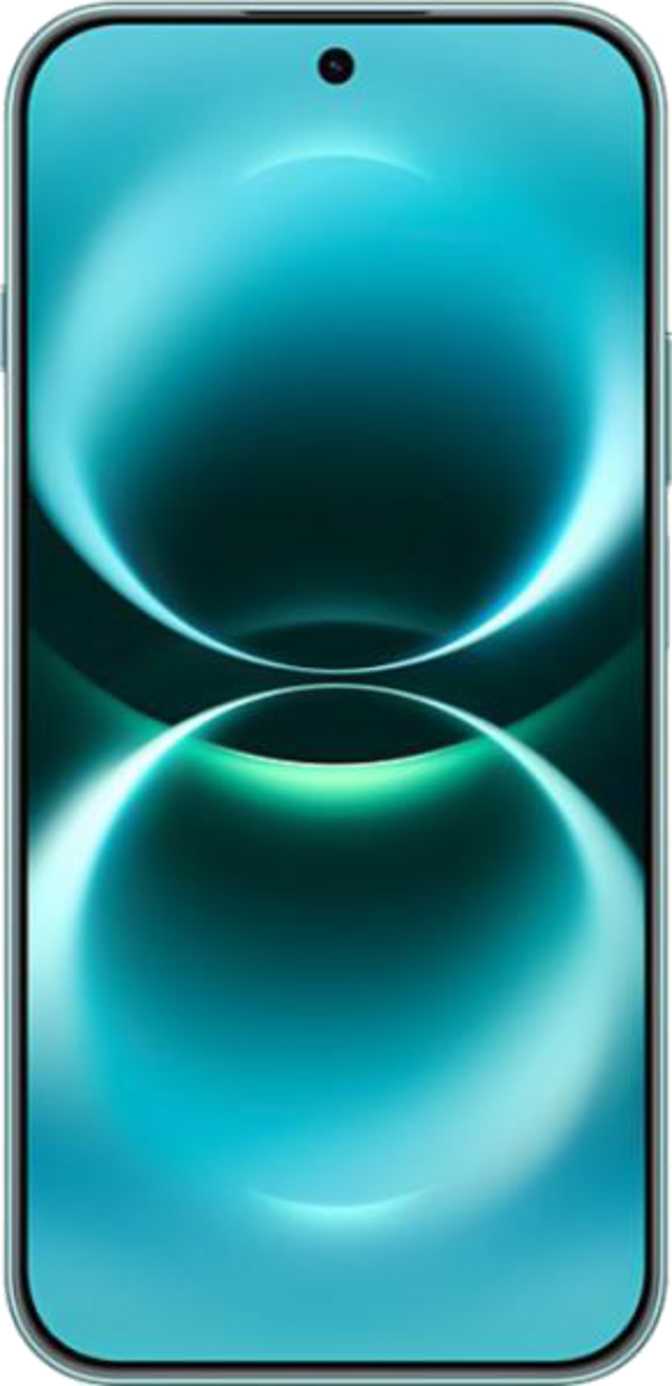
At 163.3mm tall and 78mm wide, the Nova 15 Max is unambiguously a large phone. It belongs in the same physical territory as other “Max” and “Ultra” devices — you will notice it in your pocket, and one-handed use is largely a compromise rather than a feature. That said, Huawei has kept the thickness to a clean 8mm, which is genuinely slim for a device carrying the battery capacity this phone holds. Most phones with comparable power reserves end up noticeably thicker.
The weight comes in at 232g. That is not light — users coming from mid-range or compact handsets will feel the difference immediately — but it is well within the range of other large-screened flagships. After a week of use, most people stop noticing it; the balance is solid enough that the phone never feels unwieldy in the hand.
There is no mention of branded damage-resistant glass on the display, which is a notable omission at this size tier. Competing devices in a similar price bracket typically specify Gorilla Glass or equivalent protection. This does not mean the screen is fragile, but buyers who routinely skip screen protectors should be aware. A case and screen protector are sensible investments.
The design is flat rather than curved at the edges, which many users will actually prefer — flat displays are easier to case, easier to use at the edges, and less prone to accidental touches.
- Impressively slim at 8mm for the battery size it carries
- Flat display panel — easier to case and use at the edges
- 232g is noticeably heavy vs. average handsets
- Glass protection is unspecified — use a screen protector
The 6.84-inch OLED panel is one of the strongest arguments for buying this phone. OLED technology means each pixel produces its own light, delivering true blacks, vivid contrast, and colours that hold up in direct sunlight far better than LCD alternatives. At this screen size, the difference between OLED and a lesser display type is not subtle — it is something you feel every time you scroll through photos or watch video.
The pixel density of 444 pixels per inch is high. To put that in perspective: at normal viewing distances, human vision begins to struggle to distinguish individual pixels anywhere above roughly 300 ppi. At 444, text is sharp enough that font rendering looks almost typographic, and fine detail in photography or maps is rendered cleanly. The resolution — approximately 1272 by 2756 pixels — is a tall, narrow format well suited to vertical scrolling and video content.
The 120Hz refresh rate is where you feel the software. Scrolling is fluid to a degree that, once experienced, makes a 60Hz display feel sticky and slow by comparison. This matters not just for video but for every swipe through menus, every keyboard interaction, every browser scroll. It is one of those specifications that affects daily satisfaction more than people expect before they experience it.
Display Strengths
- True OLED blacks & contrast
- 444 ppi — beyond visible pixel threshold
- 120Hz fluid in all conditions
Display Limitations
- No HDR10 support
- No Dolby Vision
- No Always-On Display
- Glass protection unspecified
The Huawei Nova 15 Max runs on the HiSilicon Kirin 8000, paired with the Maleoon 910 graphics processor. The chip is built on a 5-nanometre manufacturing process — the same generation of fabrication used in premium processors from other major manufacturers. Smaller process nodes mean more transistors fit into the same physical space, which translates to better performance per watt and reduced heat generation compared to older chip designs.
The CPU arranges its cores in a layered configuration: a high-performance core running at 2.2GHz handles demanding single-threaded tasks, three mid-tier cores at 1.5GHz manage background work, and four efficiency cores at 2.0GHz handle the routine, always-on load. This architecture — known as big.LITTLE — applies the right amount of computing power to each task rather than running the full processor at maximum drain constantly. The practical result is a balance between responsiveness and battery efficiency that a single uniform-core design could not achieve.
The 8GB of RAM operates at a high data speed, meaning the processor rarely has to wait on memory access even when switching between multiple demanding applications. The phone supports memory configuration up to 16GB, which suggests the hardware architecture has headroom for expanded configurations depending on market variants.
For everyday tasks — multitasking between social apps, productivity tools, video streaming, casual gaming — the Kirin 8000 is more than sufficient. Heavier computational work such as sustained 3D gaming or video export will produce some heat and may see occasional frame rate moderation, which is expected behaviour for a chip at this thermal design power level.
| Chipset | HiSilicon Kirin 8000 |
| Process Node | 5nm |
| GPU | Maleoon 910 (750MHz) |
| CPU Config | 1×2.2 + 3×1.5 + 4×2.0 GHz |
| RAM | 8GB DDR4 @ 2200MHz |
| Max RAM | 16GB |
| Storage | 128GB (fixed) |
| Architecture | 64-bit, big.LITTLE |
Main Camera Capabilities
The rear camera leads with a 50-megapixel sensor behind a lens with a wide f/1.9 aperture. The aperture is the more important number of the two for most practical photography: a wider aperture (lower f-number) allows more light to reach the sensor per unit of time, which directly benefits low-light photography. At f/1.9, the Nova 15 Max handles indoor and evening shots with reasonable competence.
Phase-detection autofocus works by measuring how far out of focus a subject is and driving the lens to the correct position in one calculation rather than by trial and error. The result is fast, accurate focusing even on moving subjects. Continuous autofocus during video recording means the camera tracks subjects automatically while filming.
Combined with slow-motion recording, timelapse, and burst mode, the video and creative feature set is broader than a single spec number suggests.
Manual Controls Available
For users who want creative control, the full manual suite allows precise override of automatic decisions. Note that the phone outputs processed JPEG files only — RAW capture is not supported.
Critical Camera Limitations
Approximately 70% more energy storage than a typical large-screen flagship (4,700–5,100mAh)
The battery capacity is exceptional by any current standard. Most flagship smartphones carry batteries in the range of 4,000 to 5,000mAh. The Nova 15 Max carries 8,500mAh — roughly 70% more energy storage than a typical large-screen flagship. This single specification separates it from nearly everything else available.
In real-world terms, a phone of this size and efficiency profile should comfortably handle two full days of moderate use — calls, messaging, social media, navigation, and some video — without needing a charge. Heavy users who treat a phone hard with sustained screen time and gaming might reduce that to a solid day and a half. Light users may find themselves charging every two to three days.
For frequent travellers, field workers, or anyone whose charging access is unreliable, this is a transformative specification. The 40W wired fast charging means that even when the battery reaches a low level, topping up happens quickly.
The Huawei Nova 15 Max ships with Android 16, a recent version of the Android platform, and the software layer includes a meaningful set of privacy and productivity tools that go beyond the basic Android defaults.
Clipboard monitoring alerts the user when an application accesses clipboard content — a useful safeguard against apps silently reading copied text such as passwords or addresses. Location privacy controls, camera and microphone access indicators, and app tracking restrictions give users active tools to manage what applications can see and do. The ability to block app-level tracking is a practical safeguard, though cross-site tracking in the browser is not blocked at the system level.
Dynamic theming adapts the system colour palette to user wallpapers. Split-screen multitasking, picture-in-picture mode, scrolling screenshots, and live text recognition in images round out a productivity-oriented feature set. Offline voice recognition means voice commands function without a network connection.
- Clipboard access warnings
- Camera & mic privacy indicators
- App tracking blocker
- Offline voice recognition
- Split-screen multitasking
- Dark mode & dynamic theming
- On-device machine learning
- No cross-site tracking block
- No direct Android vendor updates
Wi-Fi 7 support is a genuinely impressive inclusion. Wi-Fi 7 is the most current generation of wireless networking and delivers substantially faster throughput and lower latency than Wi-Fi 6 and especially Wi-Fi 5. In a home or office running a Wi-Fi 7 router, the Nova 15 Max will perform at the top of its wireless class. This future-proofs the phone against network infrastructure upgrades.
Bluetooth 5.2 handles wireless audio and device pairing with low energy consumption and stable connections. NFC enables contactless payments and device pairing. The infrared sensor is a detail worth highlighting — the Nova 15 Max can function as a universal remote control for televisions, air conditioning units, and other IR-controlled appliances, a feature that has largely disappeared from mainstream smartphones and is here preserved. Dual SIM support handles separate personal and work lines, or local SIMs when travelling.
No 5G — What This Means For You
This phone operates on 4G LTE networks only. In areas with strong 4G infrastructure, the practical day-to-day experience is often indistinguishable from 5G for most use cases — streaming, messaging, and browsing work fine. However, buyers in markets with strong 5G rollout, or buyers who anticipate keeping this phone for several years, should weigh the long-term relevance of 4G-only connectivity carefully.
USB speed note: The USB-C port operates at USB 2.0 speeds for data transfer. Moving large video libraries or bulk photo backups via cable will take noticeably longer than USB 3.0 capable devices.
- Wi-Fi 7 (802.11be)
- Bluetooth 5.2
- NFC (payments ready)
- Infrared remote control
- Dual SIM support
- GPS + Galileo navigation
- USB-C connector
- No 5G support
- USB 2.0 speed only
- No microSD expansion
Stereo speakers mean audio from video playback, calls on loudspeaker, and gaming comes from both sides of the device rather than a single point, producing a wider and more immersive sound stage. For a phone regularly used without headphones, stereo output makes a real difference in perceived audio quality.
There is no 3.5mm headphone jack. Wired audio requires a USB-C adapter or USB-C native earphones. Wireless audio via Bluetooth is the expected primary route, though the absence of aptX HD or LDAC codec support means high-resolution Bluetooth audio is not available. Standard Bluetooth audio quality will satisfy the overwhelming majority of users; audiophiles seeking lossless wireless will need to look elsewhere.
- Stereo speakers
- Bluetooth 5.2 audio
- No 3.5mm headphone jack
- No aptX / aptX HD
- No LDAC support
- No FM radio
- Battery life is your top priority and daily charging anxiety frustrates you
- You consume a lot of video, browsing, or reading content on your phone
- You work where charging access is limited or unreliable
- Your market has strong 4G infrastructure and 5G is not a near-term priority
- You want an infrared remote control for home appliances built into your phone
- You value Android’s flexibility combined with a strong privacy control set
- You want a large, sharp, fluid screen without paying flagship prices
- You are in a 5G coverage area and plan to keep the phone for three or more years
- Photography is important and you need OIS, optical zoom, or RAW file output
- You rely on wireless charging as part of a daily routine
- You prefer a compact one-handed phone — this device genuinely needs two hands
- You need LDAC or aptX HD for high-fidelity Bluetooth audio
- You regularly transfer large file batches to a computer and need fast USB speeds
- Google Play availability is critical for your region — verify your variant first
The Nova 15 Max does not compete across every specification category — it wins decisively on battery and holds its own on display, while trading connectivity and camera capability for endurance. Here is how it stacks up against logical alternatives at a glance.
| Feature | Huawei Nova 15 Max | Typical Mid-Range Rival | Typical Flagship |
|---|---|---|---|
| Display | 6.84” OLED 120Hz | 6.5–6.7” OLED / LCD | 6.7–6.9” OLED |
| Pixel Density | 444 ppi | 380–420 ppi | 400–460 ppi |
| Battery Capacity | 8,500mAh | 4,500–5,000mAh | 4,700–5,100mAh |
| Fast Charging | 40W | 25–33W | 45–120W |
| Wireless Charging | No | Sometimes | Usually Yes |
| 5G | No | Often Yes | Yes |
| Optical Zoom | None | 2–5× | 3–10× |
| OIS | No | Often Yes | Yes |
| Wi-Fi Generation | Wi-Fi 7 | Wi-Fi 6 | Wi-Fi 6 / 7 |
| Chipset Process | 5nm | 4–6nm | 3–4nm |
The battery and display combination is genuinely compelling. The OLED panel at 444 ppi with a 120Hz refresh rate represents display quality that would have been considered flagship territory not long ago. The 8,500mAh reserve is the kind of specification that changes how you relate to your phone — battery anxiety becomes essentially irrelevant.
The Kirin 8000 on a 5nm process is a capable, efficient chip. For the everyday workload this phone is designed around, efficiency matters more than peak performance, and the big.LITTLE architecture ensures computing power is allocated intelligently rather than wastefully.
Wi-Fi 7 support is unusually advanced for this category and represents genuine future value. The infrared remote capability, full manual camera controls, dual SIM support, and strong privacy toolset complete a package that serves its intended audience very well.
The camera system is where weaknesses accumulate. The lack of OIS, optical zoom, and RAW output puts the camera behind competitors who have invested heavily in computational photography. This is not a camera-first phone — it can produce good images in good light with skilled manual control, but it will not win shoot-offs against imaging-focused devices.
The 4G-only limitation is a longer-term concern. Depending on your market and how long you plan to keep this device, it may be irrelevant or it may be a real constraint. The USB 2.0 data transfer speed is an increasingly dated specification as media file sizes keep growing.
The absence of wireless charging, unspecified glass protection, and the very large form factor are real trade-offs that require honest self-assessment. No device at any price is universally optimal, and the Nova 15 Max is no exception.
Final Verdict
Score: 7.5 / 10 — RecommendedThe Huawei Nova 15 Max earns a clear recommendation for a specific buyer: someone who wants a large, beautiful display, exceptional battery endurance, and a capable everyday smartphone experience — and who either does not need 5G connectivity or is comfortable that their current network situation makes 4G sufficient.
For that buyer, the combination of a 6.84-inch 120Hz OLED panel, an 8,500mAh battery, and a Wi-Fi 7 capable chip built on an efficient 5nm process is genuinely hard to match in this category. The battery life alone changes how you use a smartphone — and for a significant portion of buyers, that change is exactly what they have been looking for.
If you are a camera-centric user, a 5G network user who plans to hold the device long-term, or someone who relies on wireless charging as part of a daily routine, the Nova 15 Max makes meaningful sacrifices that its competitors do not. In those cases, the search should continue.
Buy it for the battery. Enjoy it for the screen. Understand the trade-offs before you commit.