Huawei Enjoy 90 Pro Max Full Review: Big Battery, Real Trade-Offs

Huawei Enjoy 90 Pro Max Full Review: Big Battery, Real Trade-Offs

Smartphones
8.0 out of 10

Exceptional endurance. Real camera limits.

Battery Life
9.7 / 10
Display
9.0 / 10
Performance
7.5 / 10
Camera System
6.2 / 10
Build Quality
8.2 / 10
Connectivity
8.5 / 10

Most phones in the upper-mid range force you to choose: a beautiful display, or a battery that lasts, or a premium build—rarely all three without paying flagship prices. The Huawei Enjoy 90 Pro Max makes a clear argument that the trade-off doesn’t have to be so severe. With a screen that dominates the palm, a battery capacity that borders on the absurd, and a chipset built on modern manufacturing principles, this phone targets the user who is tired of hunting for a charger before the day ends.

There are real limitations here—particularly around the camera system and a few connectivity choices—that matter depending on who you are and what you demand from a phone. This review examines every layer to help you decide whether its strengths justify its shortcomings.

6.84″ OLED
444 ppi · 120Hz
8,500 mAh
Nearly 2× the average
512 GB
Internal storage
IP65 Rated
Dust & water jet proof

Design and Build Quality

Physical presence, protection, and everyday durability

Physical Presence

At 163.3 mm tall and 78 mm wide, the Huawei Enjoy 90 Pro Max is unambiguously a large phone. One-handed use will feel like a stretch for smaller hands. That said, Huawei has kept the body to just 8 mm thin—a sleek, purposeful silhouette that most large-screened devices never achieve. The 232 g weight distributes evenly across the frame rather than feeling lopsided.

That thinness is a genuine achievement. Large-screened phones often balloon in depth to accommodate a bigger battery—the Enjoy 90 Pro Max sidesteps that trap entirely, maintaining a profile that slides in and out of pockets without snagging.

IP65 Protection

The IP65 rating means full protection against dust ingress and resistance to sustained water jets from any direction. This is genuine, tested protection—not a marketing splash-resistance claim. You can use this phone in the rain, rinse it under a tap, or keep it in a steamy bathroom without anxiety.

The display surface uses branded damage-resistant glass, adding meaningful scratch and knock resilience without an immediate screen protector purchase. The solid, non-folding form factor keeps structural integrity high with no hinge-related failure points anywhere in the design.

IP65 vs. IP68: IP65 means water jet resistance—comfortable for rain and rinsing, but not submersion. Competing phones at similar prices often carry IP67 or IP68 ratings, which survive dunking to defined depths. If waterproof submersion protection matters to you, this is a genuine point of comparison.

Display: Where This Phone Earns Attention

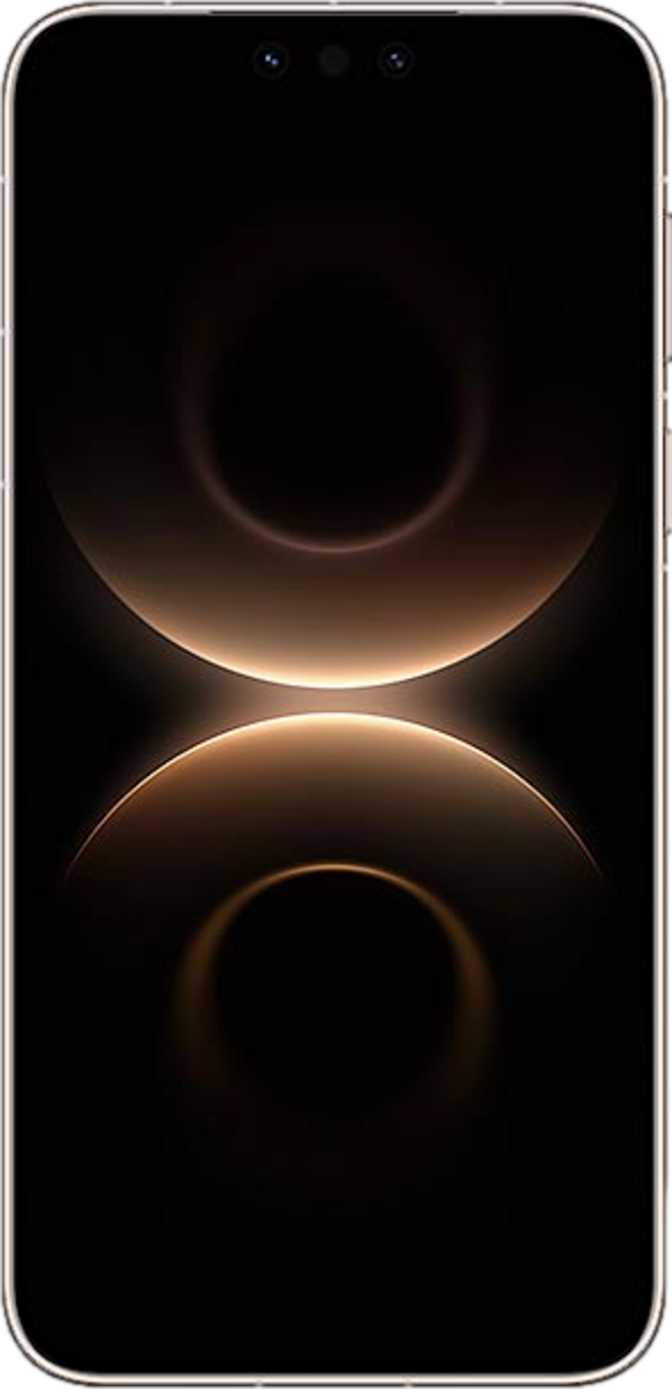
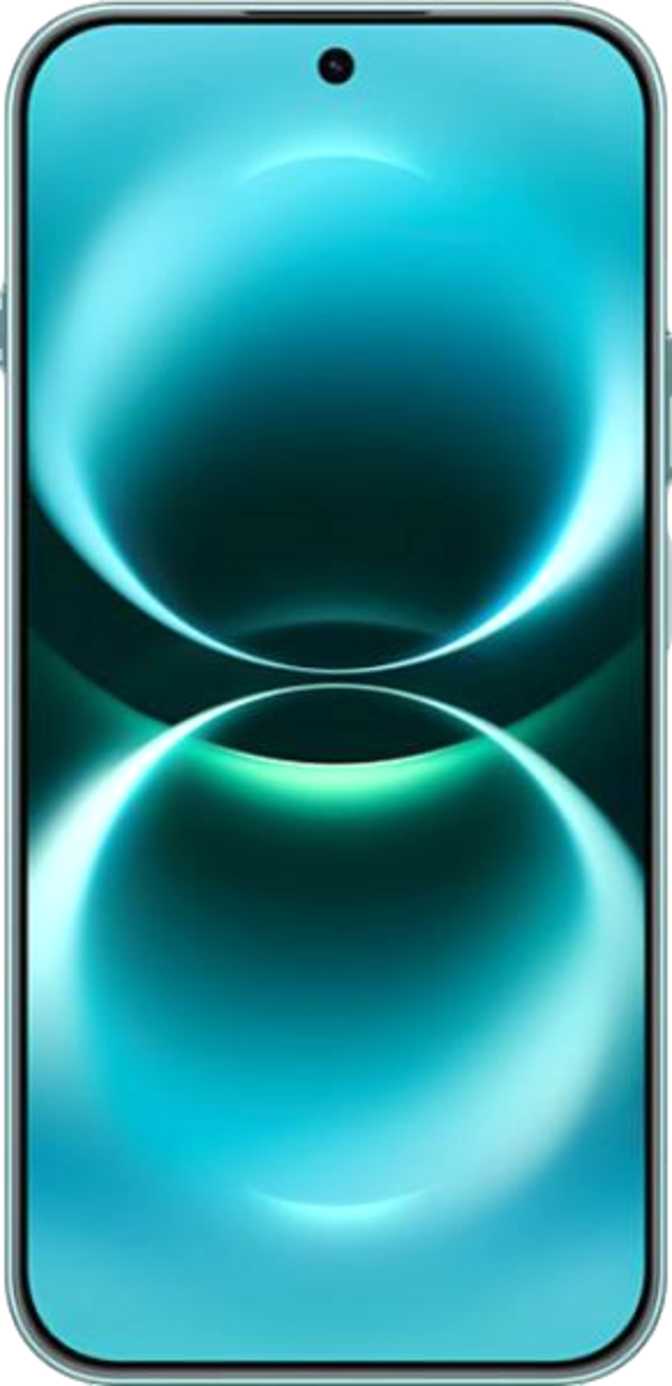
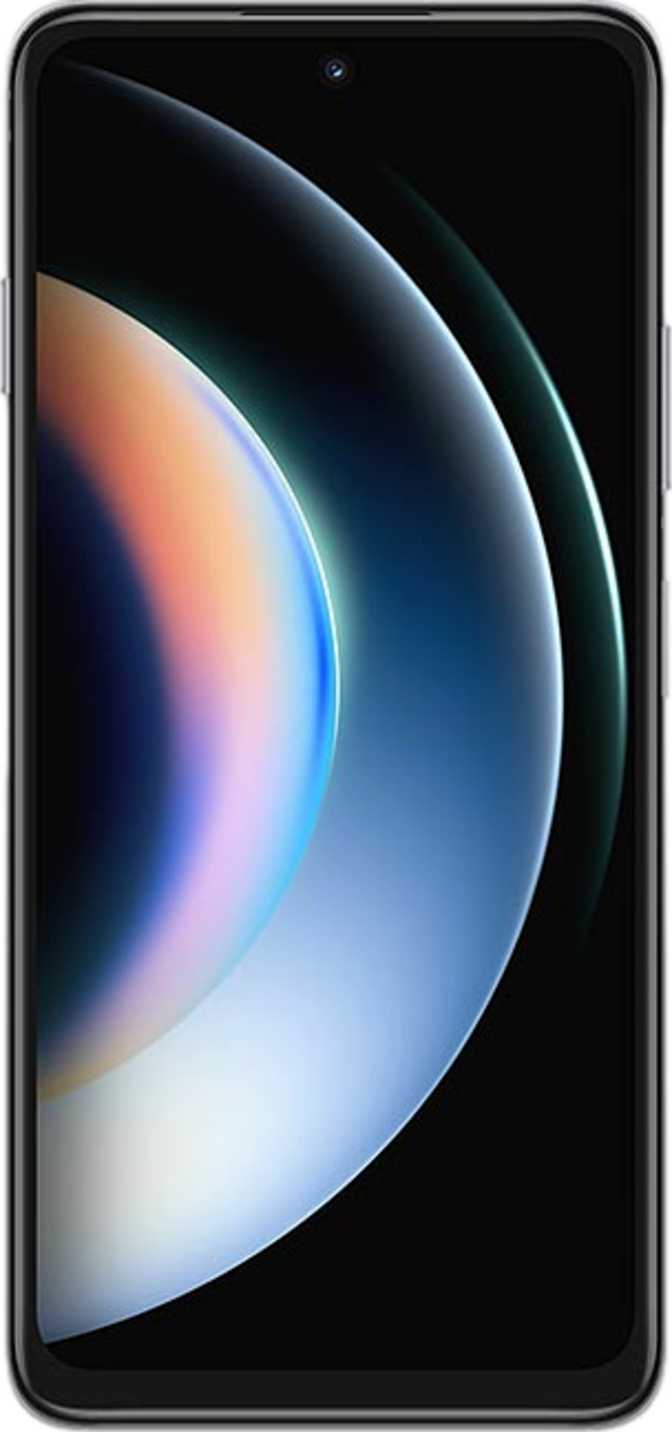
6.84″ OLED · 444 ppi · 120Hz · Damage-resistant glass

Size and Sharpness

The 6.84-inch OLED panel is the visual centerpiece of the Enjoy 90 Pro Max. Its pixel density of 444 pixels per inch sits well beyond the threshold where individual pixels become visible under normal use. Text looks laser-printed. Icons are crisp. Even small fonts in documents and apps render without fuzziness. For context, human vision at typical phone-reading distances stops distinguishing individual pixels around 300 ppi—this display delivers 48% beyond that margin.

OLED Technology and 120Hz Motion

OLED means each pixel generates its own light and can switch completely off when displaying black—delivering true black levels rather than the dark grey of LCD panels. High-contrast scenes look dramatically richer. Colors appear vivid without the washed-out quality of older technologies, and the panel’s natural efficiency means comfortable extended viewing without aggressive brightness requirements.

The 120Hz refresh rate doubles the cadence of a standard 60Hz screen. Scrolling feels physically different—responsive, fluid, and immediate. Gaming, particularly fast-paced titles, benefits directly from the higher output rate.

Display at a Glance

  • 6.84″ OLED / AMOLEDTrue blacks, rich contrast
  • 444 ppiSharp beyond perception threshold
  • 120Hz Refresh RateFluid scrolling and gaming
  • Damage-resistant glassBranded surface protection
  • No HDR10 / Dolby VisionHDR streaming not certified
  • No Always-On DisplayScreen fully off when idle
No HDR certification. The display lacks HDR10, HDR10+, and Dolby Vision support. Streaming platforms that deliver HDR-flagged content to certified displays will render those streams in standard dynamic range on this phone. The panel is still excellent, but it sits outside the premium HDR certification ecosystem that competing devices in this category often carry.

Performance: The Kirin 8000 in Real Terms

HiSilicon Kirin 8000 · 5 nm · 8 GB DDR4 RAM · 512 GB storage

Chipset Architecture

The Kirin 8000 is fabricated on a 5-nanometer process. Smaller transistors pack more computing power into less space while generating less heat and consuming less energy. This manufacturing choice places the Enjoy 90 Pro Max well above devices built on older, larger process nodes.

The processor uses a cluster-based design: one high-performance core at 2.2 GHz for demanding single-threaded tasks, three efficiency cores at 1.5 GHz for light background work, and four general-purpose cores at 2.0 GHz for everyday activity. This architecture scales power draw to actual workload rather than running at full throttle constantly. The Maleoon 910 GPU runs at 750 MHz—and with a 6W thermal design ceiling, it runs cool under sustained load rather than throttling aggressively.

Memory and Storage

Eight gigabytes of DDR4 RAM running at 2,200 MHz keeps multitasking genuinely responsive. A dozen apps stay in memory, switch cleanly, and return to their previous state without the system dumping background processes mid-session. The device supports configurations up to 16 GB of RAM, suggesting a higher-memory variant exists for heavier workloads.

The 512 GB internal storage is the standout figure here. It is enough space to hold years of photos and videos, a large local music library, multiple sizeable games, and still have room to spare—permanently. There is no memory card slot, so 512 GB is both the starting point and the ceiling. For most users, it’s a permanent solution rather than a temporary measure.

What to Expect Day-to-Day

The Kirin 8000 handles social media, video streaming, navigation, productivity apps, and moderate gaming without the thermal throttling or slowdown that affects cheaper silicon. For the most graphically intensive current-generation 3D games, reduced settings may be required to maintain consistent frame rates—but this is squarely capable performance for the overwhelming majority of real-world tasks.

The 5nm architecture and low thermal output suggest sustained performance under extended use rather than burst-and-throttle behavior. In gaming sessions, that distinction matters: consistent mid-range performance rather than a hot, throttling device.

Camera System: Capable, With an Honest Ceiling

50 MP main · f/1.9 aperture · 4K 30fps video · 8 MP front camera

What the Main Camera Does Well

The 50-megapixel primary camera with an f/1.9 aperture delivers a real optical advantage in low-light situations. A wider aperture opening admits more light, directly reducing the noise and grain that plagues phone photography in dim environments. Indoor shots, evening scenes, and shaded outdoor settings all benefit from this optical character.

Phase-detection autofocus measures light convergence to determine focus distance—the same fundamental technology used in dedicated cameras. The result is fast, confident focus acquisition even on moving subjects. Manual control options are extensive for this price tier: exposure, ISO sensitivity, focus point, and white balance can all be overridden individually.

4K video at 30 frames per second covers standard content creation needs. Continuous autofocus during recording keeps subjects sharp as they or the camera moves. Slow-motion, burst mode, timelapse, HDR mode, and in-camera panorama round out a practical feature set.

Camera Features

  • 50 MP · f/1.9 wide aperture
  • Phase-detection autofocus
  • 4K video at 30 fps
  • Slow motion & timelapse
  • Full manual controls (ISO, WB, exposure)
  • No optical image stabilization
  • No optical zoom (digital only)
  • No BSI sensor

Three Camera Limitations Worth Understanding

No Optical Image Stabilization (OIS)
Without physical lens movement to counteract hand shake, handheld low-light photography and video recorded while moving will show more blur and wobble than OIS-equipped alternatives. This is the absence that impacts everyday shooting most.
No Optical Zoom
Any zoom applied is purely digital—the phone crops and enlarges the existing sensor image, degrading quality with distance. Photos of subjects that are far away will be notably limited compared to phones with a dedicated telephoto lens.
No BSI Sensor
Back-side illuminated sensors outperform conventional CMOS sensors in low-light conditions. The wide aperture partially compensates, but this is a meaningful technical ceiling in challenging lighting that the aperture alone cannot fully overcome.

Front Camera

The 8-megapixel front camera with an f/2.0 aperture handles selfies and video calls adequately. It is not a headline specification—competing phones at this price commonly offer 16 MP or higher front sensors with better apertures. For casual social content and daily video calls it does the job, but portrait photographers who prioritize selfie quality will find the ceiling lower than they’d prefer.

Battery Life: The Defining Feature

8,500 mAh capacity · 40W wired fast charging

A Category-Defying Capacity

The 8,500 mAh battery is the figure that sets the Huawei Enjoy 90 Pro Max apart from the overwhelming majority of its competition. Most smartphones—including those costing significantly more—ship with batteries between 4,000 and 5,000 mAh. This phone carries nearly twice that capacity.

In practical terms: where a typical smartphone on moderate usage reaches 20% battery by late evening, this phone will still be sitting above half charge. For heavy users—streaming video, GPS navigation, calls, and social media throughout a full workday—two full days between charges is a realistic expectation. Light users may push closer to three days.

This is a phone you can stop thinking about in battery management terms. No midday top-ups. No wall-hugging at airports. No rationing screen brightness to survive until bedtime. For anyone with genuine battery anxiety or who frequently lacks access to charging, this single specification is transformative.

Capacity Comparison

Enjoy 90 Pro Max 8,500 mAh
Typical competitor ~5,000 mAh
Average smartphone ~4,500 mAh

Based on category averages. Individual use varies by workload.

Charging Speed

40W wired fast charging brings the battery from empty to roughly 50% in about 30–40 minutes, with a full charge taking approximately 90 minutes. Given the battery’s scale, that speed is proportionally reasonable—though not class-leading compared to 65W or higher alternatives.

  • No wireless charging
  • No reverse wireless charging

Connectivity: Modern Where It Counts

5G · Wi-Fi 7 · Bluetooth 6 · NFC · Infrared blaster · Dual SIM

Wireless Standards

The Enjoy 90 Pro Max supports Wi-Fi 7—the most current wireless standard available. Wi-Fi 7 offers dramatically higher throughput and better performance in congested environments like apartment buildings and offices. You’ll see the full benefit with a compatible Wi-Fi 7 router, but having the capability future-proofs the device for next-generation home networking hardware that’s rapidly becoming mainstream.

Bluetooth 6 brings improved connection stability, lower latency, and better simultaneous device handling. 5G and dual SIM support complete the wireless picture—practical for separate personal and work numbers or for international travel with a local data SIM alongside your home card.

Notable Features

  • Infrared BlasterControls TVs, air conditioners, projectors, and other IR devices. An increasingly rare feature that competitors have been quietly dropping from modern phones.
  • Fingerprint Scanner & NFCBiometric unlock plus tap-to-pay and NFC device pairing via NFC.
  • GPS + Galileo PositioningMulti-constellation positioning with Galileo support improves accuracy, particularly across Europe.
  • USB-C — USB 2.0 SpeedCurrent-standard USB-C connector, but data transfer runs at USB 2.0 protocol speeds. Charging is fully unaffected; large file transfers to a PC will be slow.
USB 2.0 transfer speed sits awkwardly alongside 512 GB of storage. You have enormous space to fill, but offloading large video libraries to a computer will be noticeably slow compared to USB 3.x devices. For most users this is a minor inconvenience; for media professionals managing large files regularly, it becomes a genuine workflow friction point.

Audio and Software

Stereo speakers · no headphone jack · split-screen multitasking

Audio

Dual stereo speakers provide left-right audio separation—videos, games, and music all sound more spatially accurate than a single-speaker setup. Whether the driver quality satisfies serious listeners is something the hardware specs alone cannot resolve, but stereo output is a minimum expectation for a device with a screen this large.

The 3.5 mm headphone jack is absent. Wired audio requires a USB-C adapter or USB-C headphones. The phone does not support high-resolution Bluetooth audio codecs (no aptX, aptX HD, or LDAC), meaning wireless audio defaults to standard-quality transmission. For typical streaming this is imperceptible, but audiophiles using high-resolution wireless headphones will not receive the full codec benefit those headphones offer.

Software Features

  • Split-screen multitasking
  • Multi-user profile support
  • Dark mode (reduces eye strain, saves OLED battery)
  • Camera & microphone privacy controls
  • Child lock & customizable notifications
  • Battery health monitoring tool
  • OS updates via carrier channels, not direct from vendor

Who Should Buy the Huawei Enjoy 90 Pro Max

Matching the phone to the right buyer

This Phone Is For You If…

  • You need genuine all-day—and beyond—battery lifeLong days, heavy usage, unreliable charging access: this phone addresses that more aggressively than almost anything else at this price tier.
  • You consume a lot of media on your phoneA 6.84-inch OLED at 444 ppi with 120Hz is a genuinely excellent screen for video, reading, and gaming.
  • You want to stop managing storage permanently512 GB eliminates the compromises most users make—no more deleting photos to make room or choosing between apps.
  • You travel or work outdoors frequentlyIP65 protection, dual SIM, an enduring battery, and Galileo GPS make this a reliable field and travel companion.
  • You want future-proof wireless hardwareWi-Fi 7 and Bluetooth 6 are current-generation standards that most competitors at this price haven’t yet adopted.

Look Elsewhere If…

  • Camera quality is your primary reason to buyNo OIS, no optical zoom, and a conventional sensor put a real ceiling on what this camera can produce compared to photography-focused alternatives.
  • You’re a selfie-first content creatorThe 8 MP front camera is functional but below the standard set by competing phones investing more in front-facing photography.
  • You rely on wireless chargingNo wireless charging support at all. This requires a habit change, not just an inconvenience workaround.
  • You care about HDR video playbackWithout HDR10 or Dolby Vision certification, HDR-mastered streaming content won’t display as its creators intended.
  • You frequently offload large files to a PCUSB 2.0 transfer speeds make moving large video libraries slow and frustrating.

How It Compares to the Alternatives

Huawei Enjoy 90 Pro Max vs. typical upper-mid-range competition

Feature Huawei Enjoy 90 Pro Max Typical Competitor
Battery Capacity ~8,500 mAh ~4,500–5,000 mAh
Display 6.84″ OLED · 444 ppi 6.4″–6.7″ OLED · 400–430 ppi
Refresh Rate 120Hz 90Hz–120Hz
Internal Storage 512 GB 128–256 GB (512 GB premium)
Wi-Fi Standard Wi-Fi 7 Wi-Fi 6 (Wi-Fi 7 rare at this tier)
Optical Stabilization (OIS) None Usually included
Optical Zoom None 2x–3x telephoto common
Wireless Charging None Increasingly standard
HDR Display None HDR10 common
IP Rating IP65 IP67–IP68 common
USB Transfer Speed USB 2.0 USB 3.x on many alternatives

Comparison based on category averages. Individual competitor specifications vary by model and region.

Strengths and Weaknesses

What It Does Well

The Enjoy 90 Pro Max’s most significant accomplishment is battery life. No phone at this tier delivers this level of endurance, and for users who have normalized daily charging as an unavoidable ritual, this phone genuinely changes that relationship. Combined with the large, sharp OLED display and generous storage, the core daily experience—looking at things, storing things, using the phone without anxiety—is excellent.

The connectivity suite is genuinely modern. Wi-Fi 7 and Bluetooth 6 are current-generation standards that most phones at this price haven’t yet adopted. The infrared blaster is a small but practical inclusion that competitors have been quietly dropping. Build quality reflects real investment in longevity: a slim profile for this size, IP65 certification, and damage-resistant glass all contribute to a phone built to last.
Where It Falls Short

The camera system is the honest caveat. No OIS, no optical zoom, and a conventional sensor set a lower ceiling than competing phones that invest more in stabilization, zoom hardware, and sensor technology. The camera is good in favorable conditions and mediocre when pushed. The 8 MP front camera reinforces that message—it is below the standard set by competing devices in this bracket.

The USB 2.0 transfer speed sits awkwardly alongside 512 GB of storage space you’re invited to fill. The absence of wireless charging and HDR display support narrow the audience meaningfully—neither is a universal dealbreaker, but both matter to specific user groups. Software update delivery via carrier channels rather than directly from the manufacturer may also mean slower rollouts and a shorter supported lifespan.

Frequently Asked Questions

Answers to what buyers search before purchasing

The phone supports 5G and includes an integrated LTE modem. However, compatibility with a specific carrier’s network depends on which radio frequency bands the regional variant of the phone supports. Always confirm band compatibility directly with your carrier before purchasing, particularly if you are buying from outside the phone’s primary market region.

For the large majority of mobile games, yes. Casual and mid-tier titles run at high settings without issue. The most demanding current-generation 3D games may require reduced graphical settings to maintain consistent frame rates. The 5nm architecture and 6W thermal ceiling suggest capable sustained performance rather than burst-and-throttle behavior—meaning performance should hold up through extended gaming sessions rather than degrading as the device heats up.

For most users, yes. There is no memory card slot, so 512 GB is both the starting point and the ceiling. But reaching that ceiling requires storing thousands of uncompressed photos, hundreds of hours of 4K video, or an enormous app library simultaneously. Normal day-to-day use will not approach the limit. Just be aware that USB 2.0 transfer speeds mean large file offloads to a PC will take some time.

Yes. Dual SIM support lets you keep your home SIM active while inserting a local data SIM in the second slot. GPS positioning includes Galileo satellite system support, which improves location accuracy particularly across Europe. Confirm that the regional variant you purchase supports the network bands used in your destination country before travelling.

Heavy users—streaming, navigation, calls, and social media across a 16-hour day—should realistically end the day with battery remaining and face no need for a midday charge. Light-to-moderate users can typically stretch to two full days without plugging in. The 8,500 mAh capacity is nearly twice that of the average smartphone, and the efficient 5nm chipset draws less power per task, compounding that advantage. This isn’t manufacturer optimism—it’s a direct consequence of the hardware.

For social media, group shots, food photography, landscapes in good light, and general everyday use—yes. The 50 MP sensor with f/1.9 aperture and phase-detection autofocus performs well in standard conditions. Where it struggles is in handheld low-light photography (no OIS means blur risk), distant subjects (no optical zoom), and creative portrait work that benefits from a dedicated telephoto lens. If photography is an occasional tool rather than the primary reason you’re buying, the camera is entirely adequate.

Final Verdict

Is the Huawei Enjoy 90 Pro Max worth buying?

The Huawei Enjoy 90 Pro Max is a purposeful phone built around a specific vision: massive endurance, a large premium display, and generous storage at a price where that combination normally doesn’t exist. If those are your priorities—and for a significant portion of real-world users, they are—this phone delivers on its promise convincingly.

The camera system is the honest caveat. It handles everyday photography competently, but the ceiling is lower than competing phones that invest more in stabilization, zoom, and sensor technology. If the camera is your primary purchase driver, this isn’t your phone. The 8 MP front camera reinforces that message.

For the road warrior who needs two days without a charger, the media consumer who wants a spectacular screen to watch on, the user who refuses to delete photos to free space, or the outdoor type who needs a phone that won’t die mid-adventure—this is a genuinely strong buy. The weaknesses are real, but they are specific. If they don’t describe your use case, the strengths are substantial.

Best For

  • Battery-first buyers and heavy power users
  • Heavy media consumers and streamers
  • Frequent travelers and outdoor workers
  • Anyone who wants to stop managing storage

Skip If You Need

  • A strong camera with OIS and telephoto zoom
  • Wireless charging capability
  • HDR-certified video playback
  • High-quality selfie photography
Mariam Touré Conakry, Guinea

Smartphone Accessibility & Inclusive Design Reviewer

Assistive technology specialist and inclusive design advocate who reviews smartphones and tablets through the lens of accessibility. Evaluates screen reader support, haptic feedback quality, one-handed usability, large-text rendering, and voice control responsiveness for users with diverse needs.

Accessibility Tech Inclusive Design Screen Readers Adaptive Smartphones Assistive Hardware
  • MA in Disability Studies
  • Certified Professional in Accessibility Core Competencies (CPACC)
View Full Profile