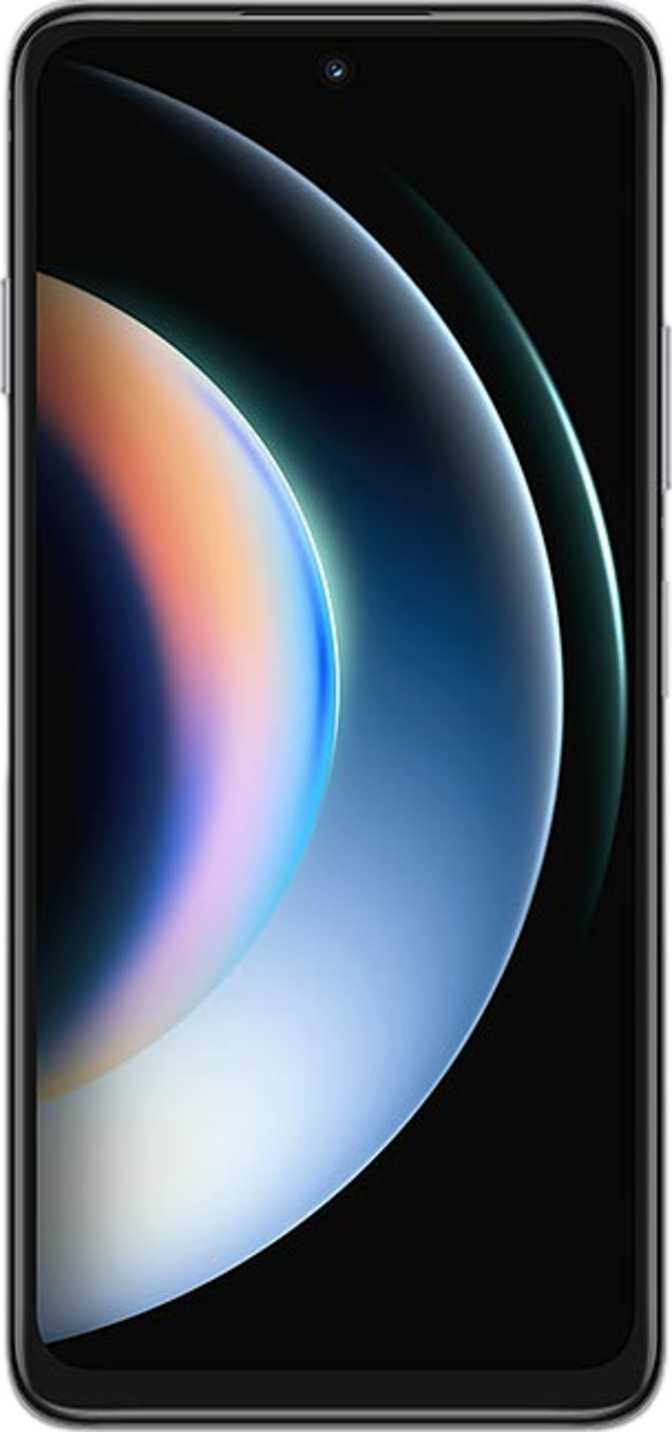
Huawei Enjoy 90 Full Review: Endurance Champion With Caveats
SmartphonesThe budget-to-midrange smartphone market is brutally competitive. Manufacturers make hard choices: sacrifice the display, cut the processor, or trim the battery. The Huawei Enjoy 90 takes a different path — it stacks size and stamina above all else, pairing a massive battery with a large screen and a capable 5nm processor. The compromises are real, though, and some will matter more to you than others.
Editor's Score Breakdown
Design and Build: Bigger Than It Looks on Paper
Physical experience, materials, and durability
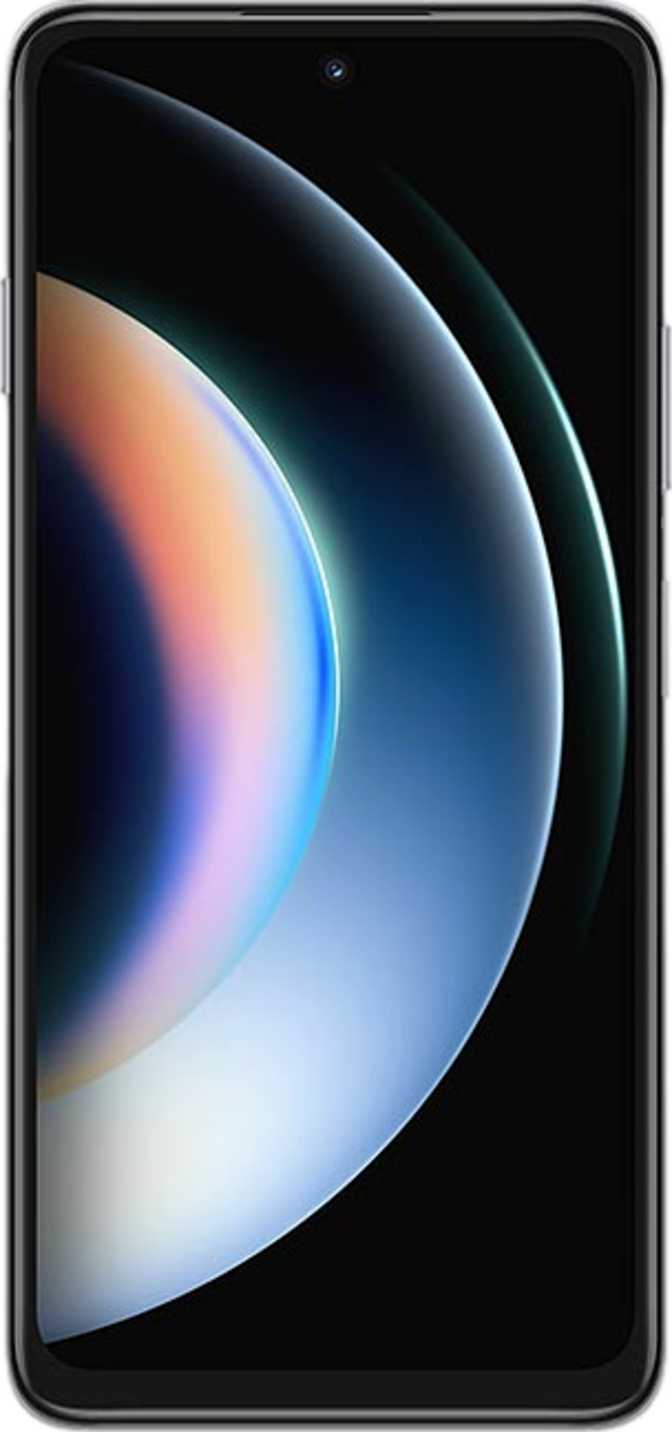
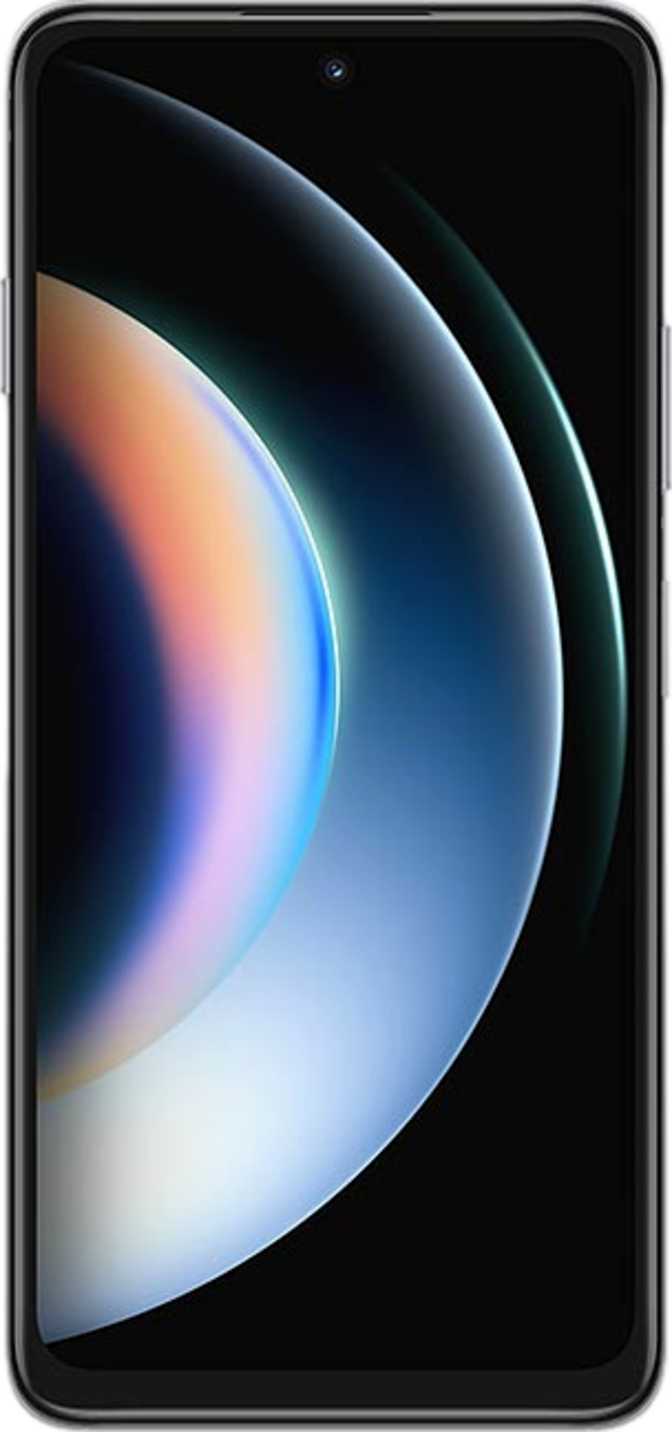
At first glance, 212 grams sounds heavy. In practice, the Enjoy 90 is surprisingly well-distributed for a phone of this size. The chassis measures 166mm tall and nearly 77mm wide, putting it firmly in large-phone territory — one-handed operation is possible but not comfortable for smaller hands. If you regularly use your phone for extended video sessions, reading, or content creation, that extra screen real estate pays dividends.
The 8.3mm profile is notably slim given the battery capacity packed inside. Many phones with smaller power cells end up thicker, so the engineering here deserves acknowledgment.
The display is covered by branded damage-resistant glass, offering a meaningful step up from unprotected glass in terms of scratch and minor impact resilience.
| Height | 166.1 mm |
| Width | 76.6 mm |
| Thickness | 8.3 mm |
| Weight | 212 g |
| IP Rating | IP64 |
| Glass Protection | Damage-Resistant Glass |
IP64 — What It Actually Means for You
The IP64 rating confirms full dust protection and resistance to water splashing from any direction. The phone won't survive submersion, but rain, poolside mishaps, and dusty outdoor environments are all within its tolerance. For a phone at this price tier, that level of environmental protection is not a given — it adds genuine everyday reassurance.
Display: Smooth and Bright, but Resolution Is the Compromise
6.67-inch IPS LCD, 120Hz, 850 nits
The 120Hz Advantage
The screen refreshes 120 times per second — this is what makes scrolling feel smooth and animations appear crisp rather than choppy. Everything from social media feeds to casual gaming feels noticeably more fluid than on standard 60Hz phones. Most users feel the difference immediately, even without knowing exactly why.
Outdoor Brightness
At 850 nits of typical brightness, outdoor legibility is genuinely good. Reading maps in sunlight or glancing at notifications on a bright day is comfortable — better performance than many phones in the same category.
Where the Trade-Off Lives
Stretched across a 6.67-inch panel, the pixel density lands at around 264 pixels per inch. Text is readable and icons are clear enough, but look closely at fine detail, diagonal edges in images, or small on-screen text and you will see visible pixelation. Users upgrading from a budget phone may not notice. Users stepping down from a mid-range or flagship device will.
The display does not support HDR10 or Dolby Vision, so streaming services that offer enhanced contrast and color depth on compatible screens will not activate those modes here. What you get is a competent, natural-looking LCD — not a cinematic HDR display.
| Spec | Value | What It Means |
|---|---|---|
| Panel Type | IPS LCD | Accurate colors, wide viewing angles — solid for media consumption |
| Screen Size | 6.67 inches | Large format — great for video, reading; challenging for one-handed use |
| Resolution | 720 x 1604 px (HD) | Below the 1080p standard — visible at close range on a screen this large |
| Pixel Density | 264 ppi | Adequate; competitors at this price often exceed 390 ppi |
| Refresh Rate | 120Hz | Smooth scrolling and animation — a genuine quality-of-life upgrade |
| Brightness | 850 nits | Good outdoor visibility in direct sunlight |
| HDR Support | None | Premium streaming HDR modes will not activate on this display |
Performance: A 5nm Engine That Punches Above Its Weight
HiSilicon Kirin 8000A · 8GB RAM · 256GB Storage
The Processor in Context
The HiSilicon Kirin 8000A, built on a 5-nanometer manufacturing process, is the heart of the Enjoy 90. Smaller transistors mean more computational work per unit of power — the practical result is meaningful performance without running hot or aggressively draining the battery. The 6W thermal ceiling reinforces this: the chip is designed for sustained efficiency rather than short-burst sprints.
Single-core speed governs most everyday interactions — opening apps, typing, browsing. Multi-core performance matters when video encoding, gaming, or running multiple heavy apps simultaneously. These numbers place the Enjoy 90 comfortably above entry-level chipsets from recent generations and in the lower-mid tier of current midrange performance.
Everyday use — messaging, calls, social media, navigation, streaming — will feel quick and responsive. Sustained gaming sessions with graphically demanding titles will work, but may show frame drops under prolonged load.
Single-Core Score
Multi-Core Score
- Process node: 5nm (efficient)
- TDP: 6W (runs cool)
- RAM: 8GB DDR4 @ 2200MHz
- Storage: 256GB internal
- Virtual RAM expansion to 16GB
- GPU: Mali G610 @ 864MHz
Memory and Storage
Eight gigabytes of RAM with virtual expansion support means the phone juggles apps effectively — frequent app-switchers won't see constant reloads. The 256GB of built-in storage is genuinely generous: enough for thousands of photos, a substantial music library, and dozens of apps without management anxiety. There is no microSD card slot — what you have at purchase is what you keep.
Graphics and Gaming
The Mali G610 GPU handles graphics at 864MHz. It's capable for casual and mid-tier gaming, but it is not the chip you'd choose for GPU-intensive workloads. Titles like casual racing games or mid-range RPGs run well; the most graphically demanding mobile games may struggle to maintain peak frame rates under sustained load.
Camera: Capable Main Shooter, Modest Everywhere Else
50MP single rear camera · 8MP front · 4K @ 30fps video
Main Camera
The 50-megapixel primary sensor captures images with a wide f/1.8 aperture, allowing more light to reach the sensor — particularly useful indoors or in evening photography. Phase-detection autofocus enables fast, accurate subject locking, and continuous autofocus during video recording means moving subjects stay sharp without manual adjustment.
The camera supports 4K video at 30 frames per second — a useful ceiling for archiving or social content. Slow-motion capture, time-lapse, panoramas, HDR mode, and a full manual control suite (ISO, exposure, focus, white balance) round out a feature set that goes well beyond what most phones at this level offer in terms of creative control.
No Optical Image Stabilization: Handheld video can appear shaky without deliberate technique. Low-light photography without OIS means you need to hold the phone steadier for longer captures. Electronic stabilization compensates partially, but is not a substitute.
No Optical Zoom, No Extra Lenses: There is no ultra-wide and no dedicated telephoto. Digital zoom crops into the sensor and reduces quality proportionally. Users relying on versatile multi-camera systems will find this limiting.
| Feature | Available |
|---|---|
| Phase-Detection Autofocus | |
| Continuous AF (Video) | |
| 4K @ 30fps Video | |
| Slow-Motion Video | |
| HDR Photo Mode | |
| Manual ISO / Exposure | |
| Manual White Balance | |
| Time-Lapse | |
| Panorama | |
| Optical Image Stabilization | |
| Optical Zoom | |
| Ultra-Wide Lens | |
| RAW Capture | |
| HDR10 Video Recording |
The 8-megapixel front camera with an f/2.0 aperture covers the basics for video calls and self-portraits. It won't produce the sharp, detailed selfies that higher-resolution front sensors deliver, and there is no front-facing flash for low-light use. For users who prioritize front-camera quality, this is worth weighing carefully before purchase.
Battery Life: The Enjoy 90's Strongest Argument
6620 mAh · 40W wired fast charging
The battery inside the Enjoy 90 is exceptional for its class — among the highest-endurance options available in the midrange segment. Users with average to moderate usage patterns (calls, social media, messaging, streaming) will typically reach the end of a full day with charge to spare. Heavy users — those on the phone for several hours, streaming video, or using navigation extensively — should still expect a full day, with potential to stretch into a second day under lighter use.
The 40W wired charging brings the battery from critically low to a significant charge in roughly an hour, and a full top-up in under two hours is realistic. This is a meaningful quality-of-life feature: a short charge window while getting ready in the morning can add hours of use, meaning you don't need to nurse the phone overnight every night.
No Wireless Charging: The Enjoy 90 does not support wireless or reverse wireless charging. Users embedded in a wireless charging ecosystem will need to return to wired cables — a genuine lifestyle adjustment if you've grown accustomed to pad-based charging.
6620 mAh
Exceptional for the midrange segment
Fast Charging
40W
Full Charge
< 2 hrs
Wireless
None
Removable
No
Connectivity: Surprisingly Modern — With Key Gaps
Wi-Fi 7 · Bluetooth 6 · 5G · No NFC · No headphone jack
-
Wi-Fi 7 Support
Places it alongside flagship devices in wireless networking. Users with modern routers get faster speeds and lower latency on Wi-Fi.
-
Bluetooth 6
Ahead of most midrange devices, enabling more stable and efficient wireless audio connections.
-
5G Ready
Integrated 5G means fast mobile data in covered areas without future upgrade pressure.
-
GPS + Galileo Positioning
Dual satellite system support delivers accurate navigation in more challenging environments.
-
Fingerprint Scanner
Biometric unlock included for quick, secure access.
-
No NFC
Contactless payments (Google Pay, Samsung Pay equivalents) are not possible. A significant omission for users who tap to pay regularly.
-
No 3.5mm Jack
Wired headphone users will need a USB-C adapter. The phone also lacks premium Bluetooth audio codecs (aptX, LDAC) — standard Bluetooth quality applies.
-
Mono Speaker Only
No stereo soundscape for media playback. Speaker output is functional but not immersive.
-
No Gyroscope
Limits augmented reality applications and motion-controlled games that depend on rotational sensing.
-
USB 2.0 Transfer Speeds
Adequate for charging and basic file transfer, but slow when moving large video files to a computer.
Software and Daily Usability
Huawei ecosystem · No Google Mobile Services
The Enjoy 90 ships with Huawei's operating environment, which includes a privacy-conscious feature set: camera and microphone access controls, battery health monitoring, child safety locks, and multi-user support. Split-screen multitasking, customizable notifications, widgets, and voice commands are all present and functional.
The Most Important Factor to Evaluate Before Buying
Huawei devices do not run Google Mobile Services. The Google Play Store, Gmail, Google Maps, YouTube, and any app relying on Google's frameworks are not available through official channels. Huawei's own AppGallery provides an alternative ecosystem, and sideloading APKs is possible for experienced users — but this is a fundamental difference from the Android experience most users expect. If your daily workflow depends on Google apps, this is the single most consequential factor in your purchase decision.
- Split-screen multitasking
- Dark mode
- Battery health monitoring
- Child lock / parental controls
- Camera / mic privacy toggles
- Multi-user support
- Widgets and voice commands
- No Google Mobile Services
- No direct OS vendor updates
Who Should Buy the Huawei Enjoy 90
Match your priorities before committing
- Prioritize battery life above all else and want to minimize charging frequency
- Need environmental protection (rain, dust, splashing) at a midrange price
- Value a large, bright screen with smooth scrolling for media and reading
- Are comfortable with Huawei's ecosystem and AppGallery
- Want 5G and Wi-Fi 7 without paying flagship prices
- Use manual camera controls and want creative shooting options in the core categories
- Rely on Google apps and services as daily essentials
- Use contactless payments regularly and depend on NFC
- Prioritize a sharp, full-HD display or HDR content playback
- Want versatile multi-camera setup with optical zoom or ultra-wide
- Shoot handheld video regularly and need optical stabilization
- Depend on premium wireless audio codecs for headphone listening
- Play gyroscope-dependent games or use AR applications regularly
Competitive Positioning
How the Enjoy 90 stacks up against typical midrange Android alternatives
| Feature | Huawei Enjoy 90 | Typical Midrange Android (Google) | Verdict |
|---|---|---|---|
| Battery Capacity | Exceptionally Large | Usually Moderate | Enjoy 90 leads clearly |
| Display Resolution | HD 720p | FHD 1080p standard | Competitors sharper |
| Processor Node | 5nm efficient | Varies | Competitive |
| Google Services | Not Available | Full Support | Critical differentiator |
| NFC Payments | No | Usually yes | Matters for contactless pay |
| Charging Speed | 40W | 18W–67W range | Competitive |
| IP Rating | IP64 | Often IP52 or none | Enjoy 90 stronger |
| Wi-Fi Generation | Wi-Fi 7 | Often Wi-Fi 6 | Enjoy 90 ahead |
| Rear Cameras | Single lens | Often dual or triple | Competitors more versatile |
The Enjoy 90 leads on battery, environmental resilience, and wireless connectivity generation, while trailing on display resolution, camera versatility, Google ecosystem access, and NFC.
Frequently Asked Questions
Answers to the questions real buyers search before purchasing
Final Verdict
The bottom line — who gets value, and who should look elsewhere
The Huawei Enjoy 90 is a battery-first phone for users who know exactly what they want: long endurance, solid build quality, a smooth display, and modern wireless connectivity — all in a durable, well-designed chassis. It delivers on all of those promises without hedging.
The engineering reflects a deliberate set of priorities. The battery and chipset efficiency combination is impressive — Huawei has built a phone that keeps running when competitors need a charger. The IP64 rating adds real-world durability confidence. The 120Hz screen and 850-nit brightness make it a capable daily driver for content consumption, even if it never produces the visual richness of a 1080p panel.
The weaknesses are structural rather than manufacturing failures. The 720p resolution is a product-line decision that saves cost while visibly affecting quality on a screen this large. The single rear camera without optical stabilization leaves it behind peers offering more photographic flexibility. The absence of NFC affects a growing segment of users who treat tap-to-pay as non-negotiable.
The Google services situation is the elephant in the room. It is not a flaw in the device — it is a consequence of the broader landscape that has shaped Huawei's software access. For users in markets where AppGallery has strong coverage, or who operate within Huawei's own ecosystem, the hardware stands on its own merits. For anyone whose digital life runs through Google, no battery size or IP rating can offset that fundamental gap.
Purchase Verdict
Buy it — if your priorities align
Best suited for: users valuing battery endurance, durability, and the Huawei ecosystem over Google services, NFC, and display resolution.
- Outstanding battery life
- Genuine IP64 protection
- Wi-Fi 7 + 5G future-proofing
- No Google Services
- HD display only
- No NFC payments