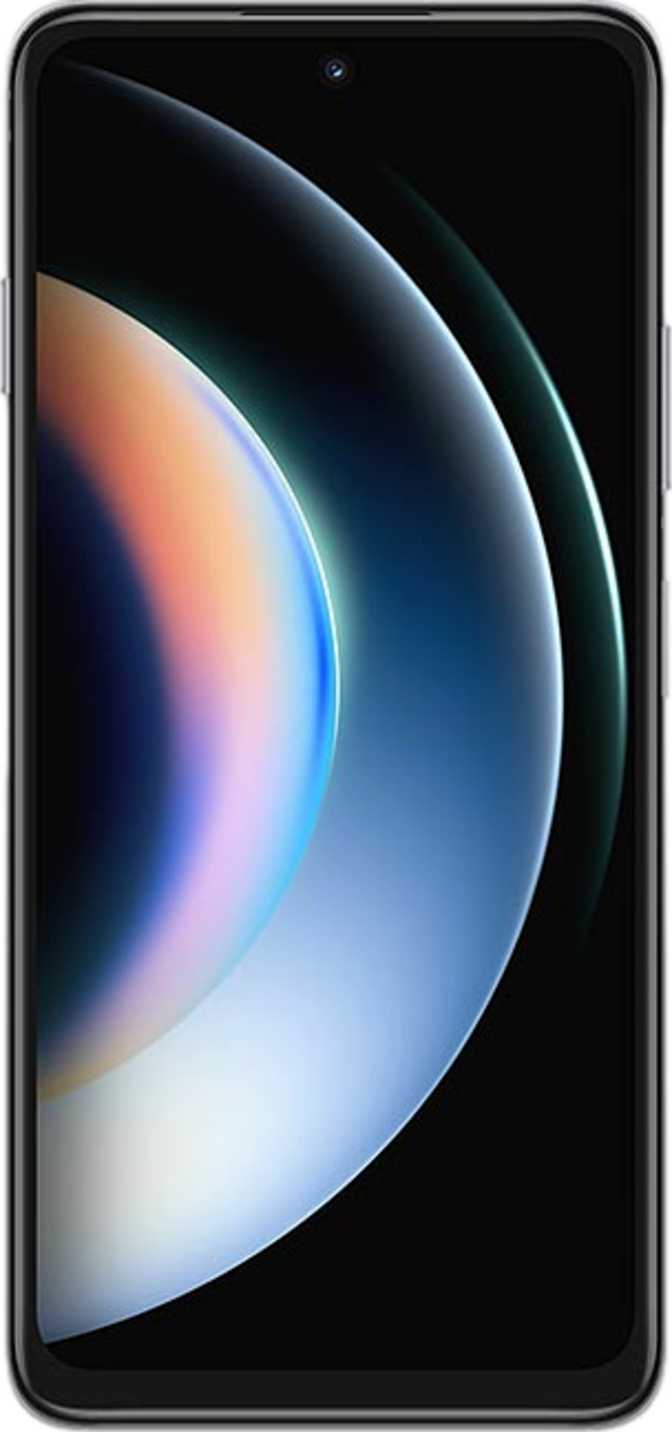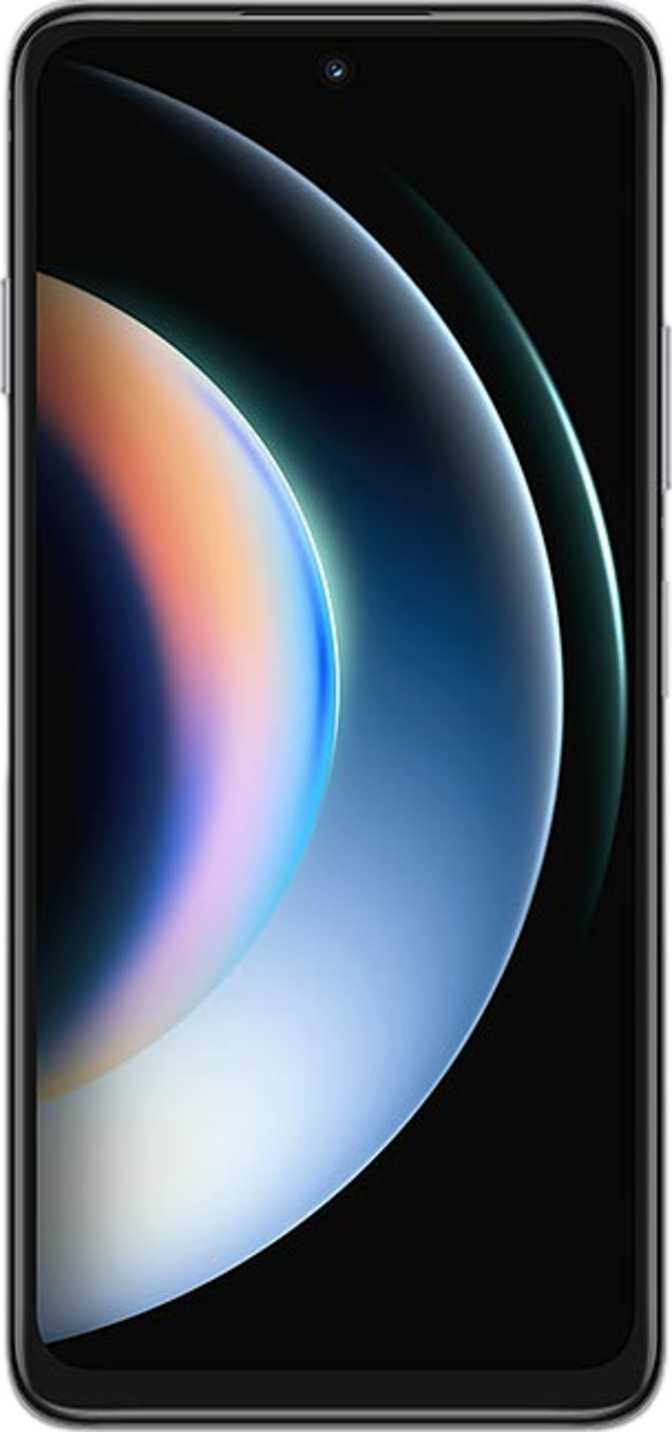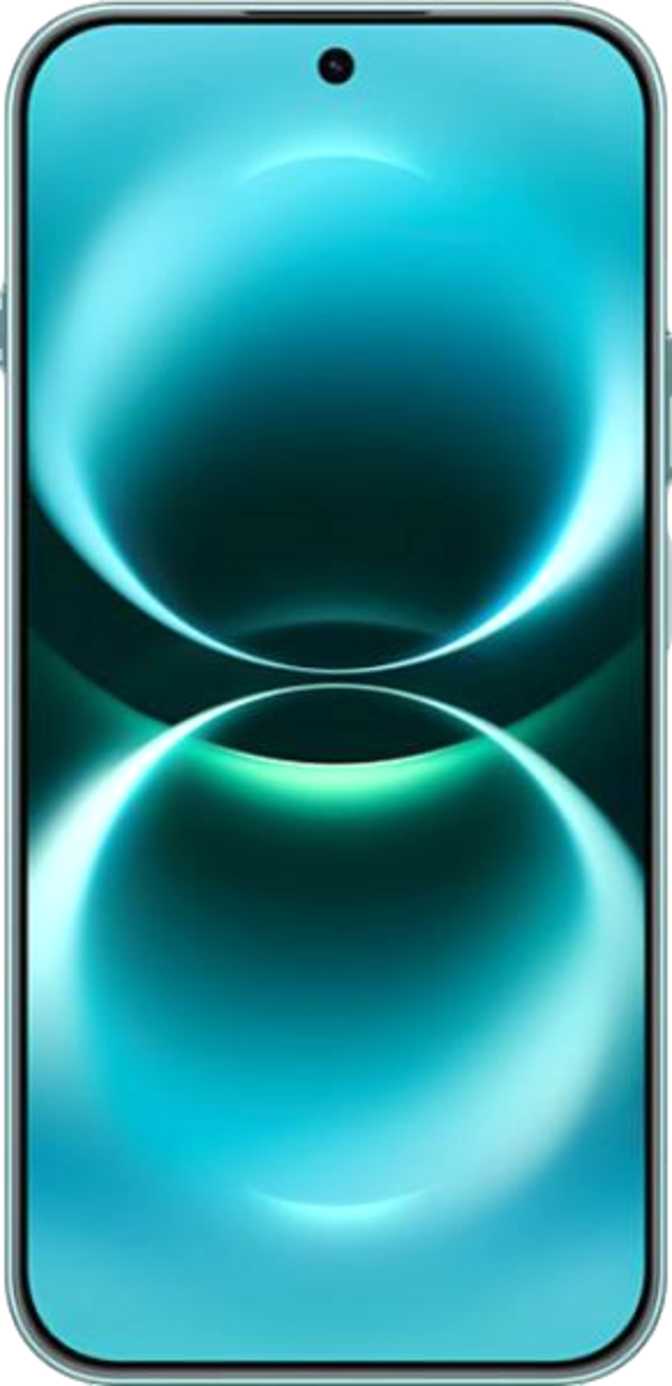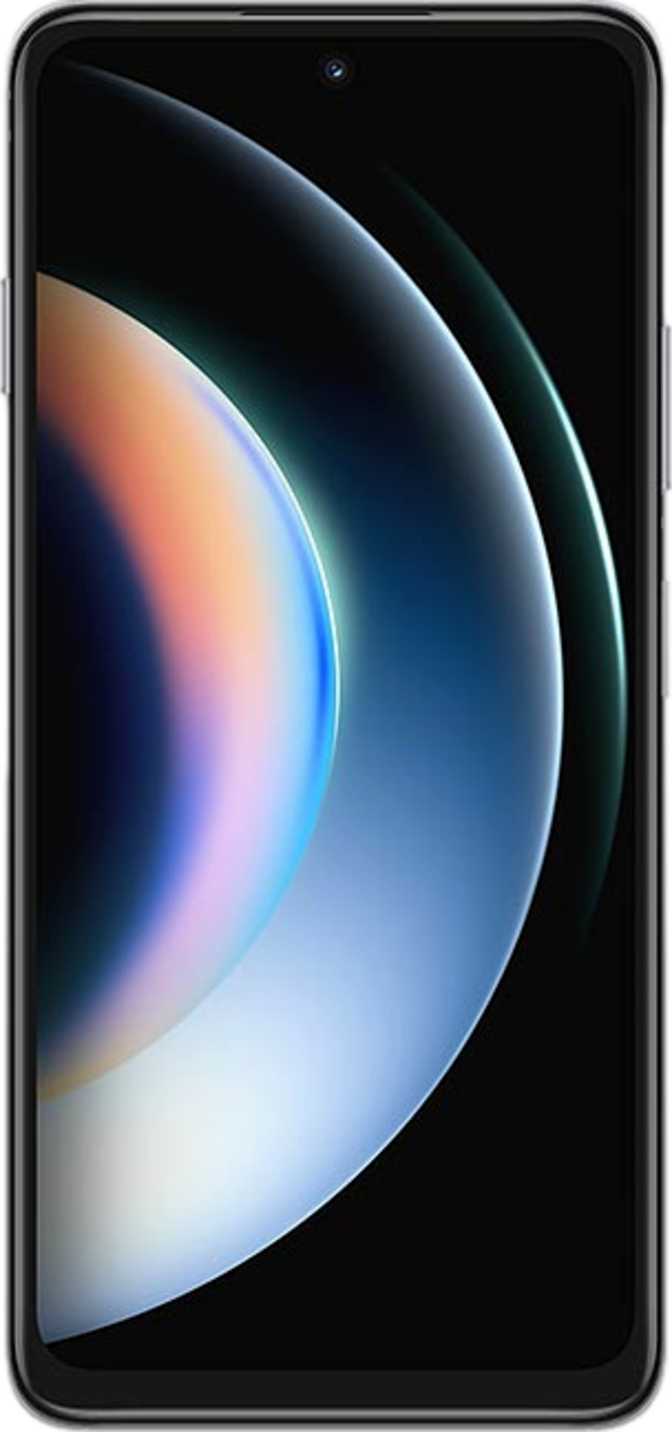
Huawei Enjoy 90m Plus Full Review: Endurance Over Everything
SmartphonesThe budget-to-midrange smartphone market is crowded with phones that promise everything and deliver something. The Huawei Enjoy 90m Plus takes a different approach: it makes deliberate choices about where to spend and where to save, and the result is a phone with genuine strengths that suit a specific kind of buyer very well. Whether those choices align with your priorities is exactly what this review will help you figure out.
Key Specifications at a Glance
Based on hardware specification
analysis and performance inference
Design and Build: A Phone That Feels More Expensive Than It Is
212 g · 8.3 mm thin · 166.1 × 76.6 mm · IP64
Pick up the Enjoy 90m Plus and the first thing you notice is that it doesn't feel like a budget device. At 8.3mm thick — slimmer than most phones in this price class — it slides into a pocket without protest. The footprint is large by any measure: the 166mm height and 76.6mm width put it firmly in the two-hand operation category for most people. If you have smaller hands, reaching the top of the screen comfortably will require a grip adjustment.
The 212g weight is noticeable but not uncomfortable. It's heavier than ultra-light flagships, but that heft contributes to a sense of solidity that cheap-feeling plastics simply can't replicate.
IP64 Protection — Above Its Price Class
The IP64 certification means the phone is completely dust-tight — nothing gets in through any gap or port — and it handles water splashes from any direction without issue. This is not submersion protection, but rain, kitchen counters, and sweaty gym sessions are genuinely not a concern. For a mid-range phone, this level of environmental protection is meaningful and typically absent from competing devices.
The display is protected by branded damage-resistant glass, adding scratch resistance beyond standard glass. It's not sapphire, and it will scratch if badly mistreated, but accidental drops and keys sharing a pocket won't immediately mark it up.
Display: Large and Bright, with One Honest Trade-Off
Size and Smoothness
The 6.67-inch screen gives content genuine room to breathe — video, social media, and reading all feel immersive at this size. Paired with a 120Hz refresh rate, scrolling and navigation feel fluid in a way that 60Hz screens simply can't match. Once you use a 120Hz display daily, returning to 60Hz feels like watching video through a gauze curtain.
Outdoor Visibility
With a peak typical brightness of 850 nits, this screen holds up well in daylight. While it won't match the 1000+ nit peaks of premium OLED panels, it's bright enough that you won't be cupping the screen with your hand every time you step outside.
The Resolution Trade-Off
The IPS panel technology delivers accurate colours and wide viewing angles. Blacks aren't as deep as OLED, but there is no green tint at low brightness and no burn-in risk over time. The screen does not support HDR10 or Dolby Vision, so streaming platforms deliver standard dynamic range content.
| Technology | IPS LCD |
|---|---|
| Size | 6.67 inches |
| Resolution | 720 × 1604 px |
| Pixel Density | 264 ppi |
| Refresh Rate | 120 Hz |
| Peak Brightness | 850 nits |
| Protection | Damage-resistant glass |
| HDR Support | None |
| Always-On | None |
Performance: A Capable Chip with Real Credentials
The Processor
The Kirin 8000, built on a 5-nanometer manufacturing process, is the engine running this phone. The 5nm fabrication node is the same generation used by flagship chips in premium devices, meaning the Kirin 8000 is power-efficient and thermally controlled in ways that older chip designs aren't. A processor that runs cool doesn't throttle under sustained load — performance stays consistent whether you've been gaming for ten minutes or an hour.
The CPU uses a multi-cluster big.LITTLE configuration: one high-performance core running at up to 2.2 GHz for demanding single-threaded tasks, a middle cluster handling the range between light and heavy work, and four efficiency cores for background processes. The phone allocates processing power intelligently — light tasks barely wake the big cores, preserving battery life, while demanding tasks get full horsepower.
Memory and Storage
Eight gigabytes of RAM sits comfortably above the threshold for smooth multitasking. A dozen apps can stay in the background without being automatically cleared, so switching between music, navigation, and messaging doesn't mean waiting for apps to reload.
Graphics
The Maleoon 910 GPU is Huawei's own graphics architecture, tuned to work within the Kirin 8000's thermal envelope. Casual gaming and most titles in the app store run without issue. Demanding 3D games at maximum settings may require visual quality compromise to maintain smooth frame rates — expected behaviour at this performance tier.
| Chip | Kirin 8000 |
|---|---|
| Process | 5 nm |
| CPU | 1×2.2 + 3×1.5 + 4×2.0 GHz |
| GPU | Maleoon 910 |
| RAM | 8 GB LPDDR4 |
| Storage | 256 GB |
| TDP | 6W |
| Architecture | 64-bit, big.LITTLE |
Cameras: Capable Every Day, Limited for Specialists
A 50-megapixel sensor with an f/1.8 aperture provides a solid photographic foundation. The wide aperture lets in more light in dim conditions, directly improving low-light results. In daylight, 50 megapixels gives room to crop aggressively without losing sharpness.
Phase-detection autofocus locks quickly and handles moving subjects well. Continuous autofocus during video recording keeps subjects sharp throughout movement — useful for recording children, pets, or any scenario where the subject doesn't hold still.
The 8-megapixel front camera at f/2.0 is functional for video calls and selfies in good light. In low light it shows its limits, and there is no front-facing flash — selfies in dark environments rely entirely on ambient lighting.
Single lens, no depth mapping. Suitable for everyday use; not a standout selfie camera.
Manual Controls and Creative Flexibility
Where this camera excels is in manual control depth. For users who enjoy going beyond auto mode, the camera app provides genuine creative flexibility that cheaper phones often withhold:
Battery Life: One of the Strongest Arguments for This Phone
6620 mAh · 40W wired fast charging · Non-removable
The battery in the Enjoy 90m Plus is significantly larger than what most similarly sized phones carry. In practical terms, this phone is built to last beyond a single day. Light-to-moderate users — calls, messaging, social media, and occasional streaming — will likely stretch comfortably into a second day. Heavy users who spend hours at high brightness, on 5G data, and gaming will typically still clear a full day without anxiety about finding a charger.
40W fast charging means that when you do plug in, you're not waiting for hours. From a low battery, roughly an hour of charging gets you back to a level that carries you through the rest of the day. This isn't the fastest charging available — some phones push past 100W — but 40W is genuinely fast in practical terms.
The phone does not support wireless or reverse wireless charging, so a cable is always required. A battery health monitoring feature in the operating system lets you track capacity degradation over time — a useful tool for long-term ownership decisions.
Estimates inferred from battery capacity relative to typical mid-range consumption patterns.
Connectivity: Mostly Modern, with Two Notable Gaps
What Is Present
- 5G Connectivity
Ready for fast mobile data networks — future-proofs the cellular experience for years ahead.
- Wi-Fi 7 (802.11be)
The latest Wi-Fi generation, delivering improved performance in congested environments. Backward-compatible with older routers.
- Bluetooth 6
Newest standard, with improved connection stability and power efficiency over prior Bluetooth versions.
- Dual SIM + USB-C
Two SIM cards simultaneously for separating personal and work numbers. USB-C connector for universal charging. Note: USB 2.0 speeds internally — wired file transfers are slow.
- GPS + Galileo
Dual-satellite navigation improves location accuracy in dense urban environments where GPS signals bounce between buildings.
Notable Absences
Near-field communication enables tap-to-pay at contactless terminals. If you rely on mobile payments, this phone cannot replace that workflow. There is no software workaround — this requires hardware that simply isn't present.
Wired headphones with a standard plug need a USB-C adapter (sold separately) or a switch to Bluetooth. Not a dealbreaker for everyone, but a daily friction point for wired headphone users.
One speaker handles calls and notifications without complaint, but music and video playback won't satisfy anyone who cares about audio quality.
The USB-C connector uses USB 2.0 protocol internally. Wired file transfers are slow by current standards — relevant mainly if you regularly back up large files over cable.
Software and Daily Usability
The operating system includes a practical set of daily features with privacy and usability controls that go beyond what many devices at this tier provide.
Who Should Buy This Phone — and Who Should Look Elsewhere
- Battery endurance is your top priority and you want a phone that won't need babying through the day
- You want meaningful environmental protection — complete dust resistance and splash immunity — at a mid-range price
- 5G and the latest Wi-Fi generation matter to your current or near-future connectivity setup
- You appreciate manual camera controls and want photographic flexibility without paying flagship prices
- 256 GB of built-in storage means you'll never face a storage-full notification in normal use
- Contactless mobile payments are not a regular part of your daily routine
- You use tap-to-pay regularly — no NFC means no contactless payments, with no software workaround
- Display sharpness matters and you're accustomed to Full HD resolution on a large screen
- You listen to music through wired headphones and don't want to carry or use an adapter
- Stereo speakers are important for your video and music consumption habits
- Wireless charging is a convenience you've come to rely on in your daily routine
- You need a telephoto camera for zoom photography — this system has no optical zoom lens
How It Compares to the Competition
| Feature | Huawei Enjoy 90m Plus | Competitor A (Mid-Range) | Competitor B (Mid-Range) |
|---|---|---|---|
| Display | 6.67" LCD 120Hz | 6.6" AMOLED 90Hz | 6.5" LCD 120Hz |
| Resolution | HD+ (720p) | Full HD+ (1080p) | Full HD+ (1080p) |
| Chipset Node | 5 nm | 6 nm | 6 nm |
| Battery | Extra Large | Standard Large | Standard Large |
| NFC | No | Yes | Yes |
| IP Rating | IP64 | IP52 | None |
| Wi-Fi Generation | Wi-Fi 7 | Wi-Fi 6 | Wi-Fi 5 |
| Headphone Jack | No | Yes | Yes |
The Enjoy 90m Plus leads clearly on battery capacity, IP protection, and wireless connectivity generation. Display resolution and NFC are the primary areas where mid-range competitors pull ahead.
Honest Strengths and Weaknesses
The Enjoy 90m Plus is built around a coherent philosophy: maximize endurance, modernize connectivity, and protect the hardware from real-world daily abuse. On those terms, it succeeds. The battery endurance is exceptional — among the best available at this price tier. The IP64 protection exceeds what this price bracket typically delivers, and Wi-Fi 7 with Bluetooth 6 put it ahead of most peers in wireless connectivity standards.
The 5nm chipset is a legitimate manufacturing process advantage over competitors still on 6nm or older nodes. Performance stays consistent under sustained load, and the thermal efficiency of the design means the phone won't slow down during extended gaming or heavy use. The 256 GB storage is genuinely generous — you are unlikely to fill it under normal usage patterns.
The HD+ resolution is the most visible compromise. On a 6.67-inch screen, the pixel density gap versus Full HD competitors is noticeable to anyone who examines fine text or detailed images closely. This isn't a flaw in the traditional sense — it is a deliberate trade-off that freed budget for the battery and build quality. The question is whether that exchange suits your priorities.
The lack of NFC is the hardest limitation to work around — there is no software substitute for hardware that simply isn't there. The single speaker and absent headphone jack limit the appeal for media-focused users. The camera's lack of OIS and optical zoom defines clear performance boundaries that no app setting can overcome. Within its defined scope, the camera performs reliably; outside that scope, it shows its limits clearly.
Frequently Asked Questions
Final Verdict
A Purposeful Phone That Knows What It Is
The Huawei Enjoy 90m Plus earns a clear recommendation for a specific buyer: someone who wants a phone that lasts, handles daily life without fuss, connects to modern networks, and costs less than premium alternatives.
The battery endurance is exceptional. The build quality exceeds expectations for the price. The 5nm chip delivers performance that holds up under real daily use, and Wi-Fi 7 with Bluetooth 6 put it ahead of most peers in wireless connectivity. The IP64 protection is above what this price bracket normally provides.
The trade-offs are real and must not be minimised. HD+ resolution on a large screen is the most visible compromise. No NFC is a dealbreaker for anyone who taps to pay. No headphone jack and a single speaker limit appeal for media-focused users.
If battery life is your first question when evaluating a phone and contactless payments aren't part of your routine, the Enjoy 90m Plus offers a compelling combination of endurance, protection, and forward-looking connectivity that genuinely outperforms much of the competition at its tier.