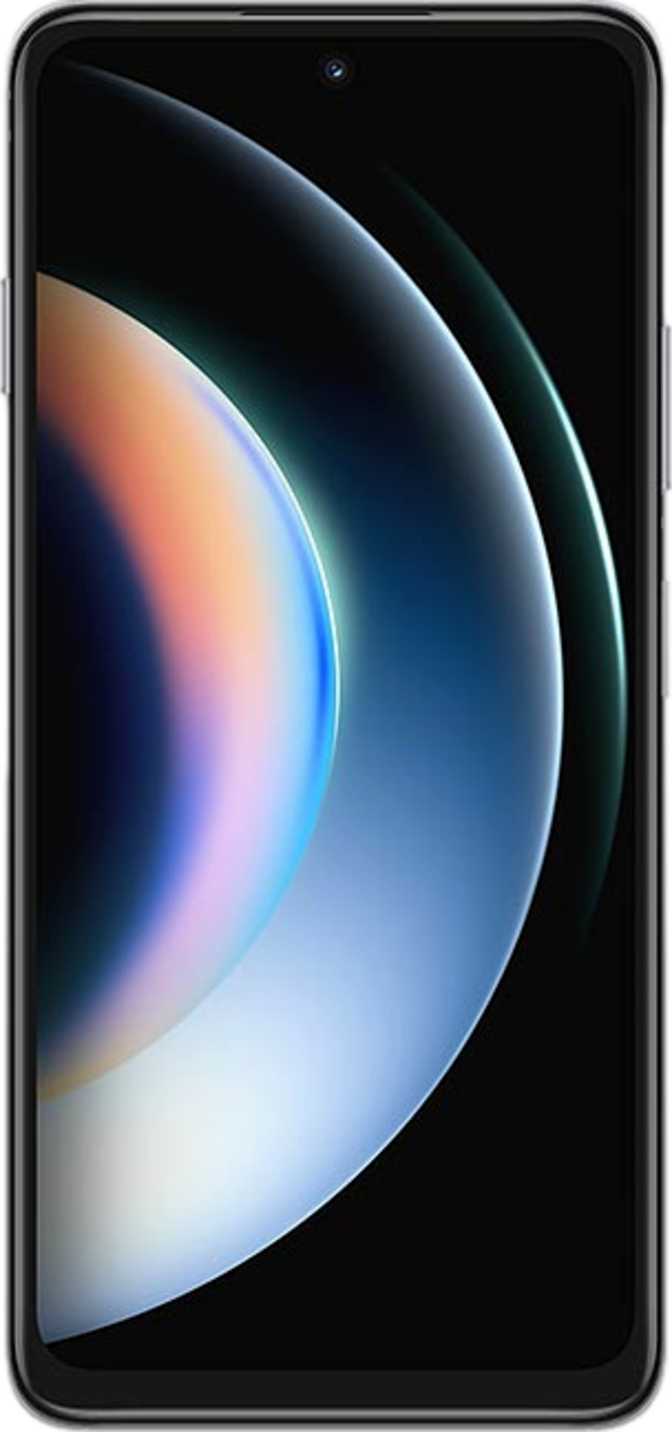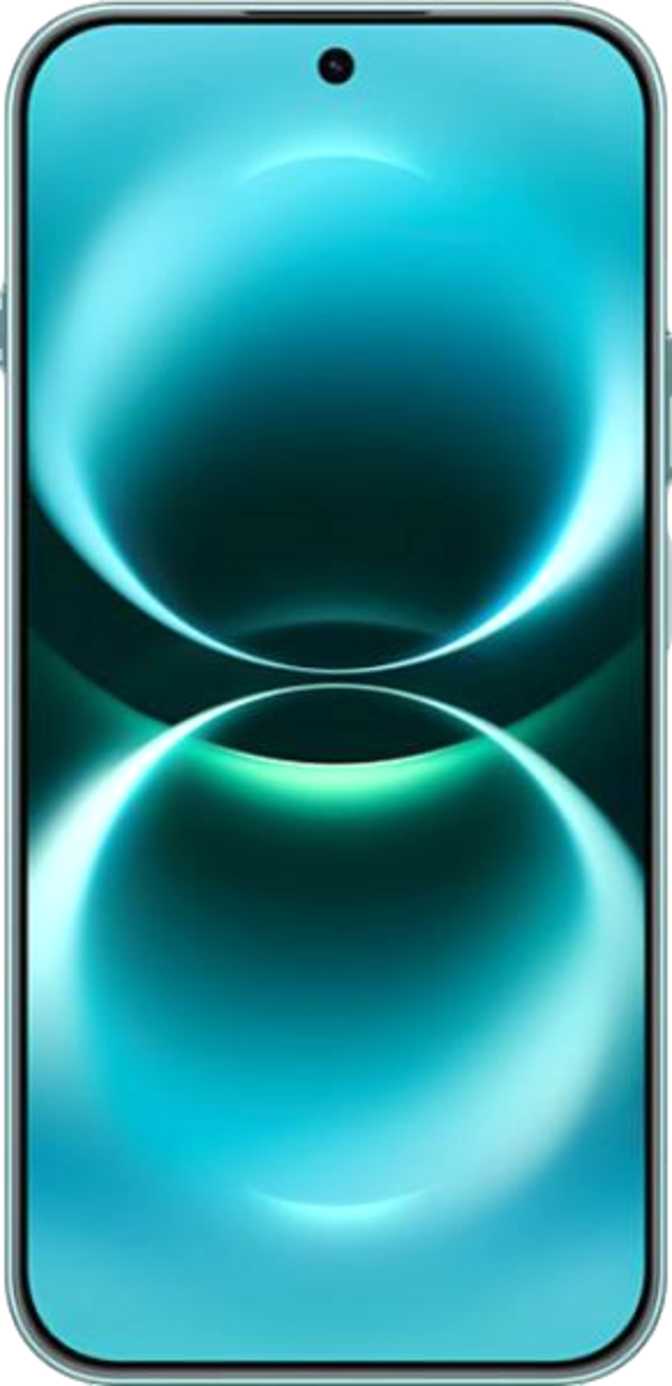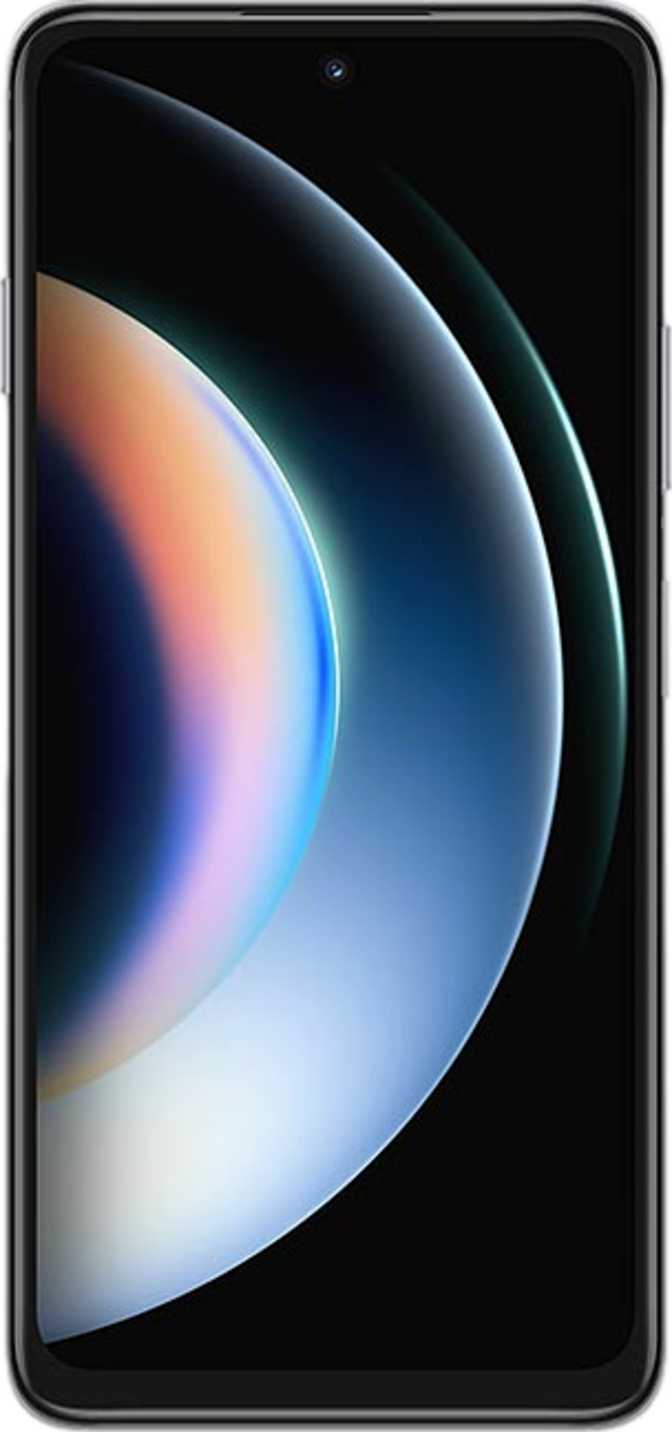
Huawei Enjoy 90 Plus Review: Battery Life That Actually Lasts
SmartphonesThe Huawei Enjoy 90 Plus is built around a simple, compelling promise: give everyday users a large-screen phone with serious endurance, capable hardware, and a competitive camera — without demanding a flagship price. In a market crowded with look-alike mid-rangers, this device makes a few genuinely interesting choices alongside some equally deliberate trade-offs. Whether those trade-offs matter to you depends entirely on how you use a phone.
Before reading further: this phone runs Huawei's HMS ecosystem, not Google's Android. The Google Play Store, Maps, Gmail, and all Google services are absent by default. For buyers already inside the Huawei ecosystem, this is a non-issue. For everyone else, it is the most important factor to evaluate before purchasing.
Design and Build Quality
Physical experience, dimensions, and durability
At first glance, the Huawei Enjoy 90 Plus is a large phone. Measuring over 166mm tall and nearly 77mm wide, this is a two-handed device for most people. What genuinely surprises is how slim it feels: at 8.3mm, it sits noticeably thinner than many phones packing a comparable battery — a real engineering achievement given what is inside.
At 212g, the weight is honest for this size. It distributes well in hand and never feels unbalanced — comparable to a slightly thick paperback. Extended use does not become fatiguing.
IP64 Dust and Splash Protection
Fully dustproof and protected against water splashing from any direction. Rain, kitchen spills, and gym sessions are covered without concern. Not rated for submersion, but for everyday life this protection level is genuinely practical and reassuring.
Damage-Resistant Glass
The display is covered by branded damage-resistant glass, adding meaningful scratch and drop protection beyond bare glass. The build is conventional rather than ruggedized — this is a sleek everyday device, not a field phone.
Display: A Big Screen with One Honest Limitation
6.67-inch IPS LCD · 120Hz refresh rate · 850 nits brightness
What the Screen Gets Right
The 6.67-inch IPS LCD panel delivers a large, comfortable viewing area well suited to media, reading, and navigation. The 120Hz refresh rate — once reserved for premium devices — makes scrolling through feeds and menus noticeably fluid. Once you experience this, returning to a slower screen feels like watching video through a window. Huawei includes it here without any asterisks.
At 850 nits of typical brightness, the screen remains readable in direct sunlight and comfortable in darkened rooms when dimmed. Outdoor visibility is a genuine strength, not a source of frustration.
Display at a Glance
- Panel Type
- IPS LCD
- Screen Size
- 6.67 inches
- Refresh Rate
- 120 Hz
- Peak Brightness
- 850 nits
- Resolution
- HD+ (720 x 1604)
- Pixel Density
- 264 ppi
- HDR Support
- Not supported
- Protective Glass
- Yes — branded
The Resolution Trade-Off Worth Understanding
The screen resolution is HD+ — 720 by 1604 pixels across a 6.67-inch panel — producing 264 pixels per inch. At normal viewing distances the human eye begins to perceive individual pixels below roughly 300 ppi. At 264 ppi, fine text and sharp lines are subtly softer than on a Full HD+ panel of the same size.
In practice: social media, streaming video, and general browsing will look perfectly fine. Side-by-side against a Full HD+ device, there is a noticeable difference in text crispness. The panel also does not support HDR10 or Dolby Vision, so streaming content plays in standard dynamic range. Colors and contrast are LCD-typical — accurate and pleasant, without the deep blacks of an OLED.
Performance: Kirin 8000 in the Real World
HiSilicon Kirin 8000 · 5nm · Maleoon 910 GPU · 8GB DDR4 RAM
The Chipset Explained
The HiSilicon Kirin 8000 is manufactured on a 5-nanometer process — the same fabrication scale used in many upper-tier processors. A smaller node means more processing capability per unit of energy consumed, which directly benefits a phone designed around all-day endurance.
The CPU uses a multi-cluster architecture: one high-performance core handles demanding tasks, a cluster of four balanced cores manages the middle ground, and three efficiency cores cover light background work. The processor shifts workloads intelligently — heavy tasks get full power, idle tasks sip battery. With a 6-watt thermal ceiling, this is a chip tuned for sustained efficiency over raw peak output.
The Maleoon 910 GPU handles graphics at 750MHz. Day-to-day gaming, image processing, and UI rendering all sit within comfortable territory. Demanding 3D titles will run, though not at the ceiling a flagship GPU would reach.
Memory and Storage
8 gigabytes of fast DDR4 RAM keeps apps resident so switching between them feels snappy. Background processes will not force foreground apps to reload — a frustration common on phones with less memory. The phone also supports software-expanded memory up to 16GB by using storage space as virtual RAM, which helps in unusually heavy multitasking sessions.
The 512 gigabytes of internal storage is the standout number at this price tier. Offline maps, music libraries, downloaded shows, thousands of photos, and large app installations coexist without any active management. There is no external memory slot, but with this fixed capacity, most users will never feel the constraint.
Camera System: Capable Shooter with Clear Limits
50MP main · f/1.8 aperture · 4K video · 8MP front camera
Main Camera
The primary camera uses a 50-megapixel CMOS sensor behind an f/1.8 aperture lens. The wide aperture lets more light in during low-light shooting, helping preserve detail and manage noise when conditions are less than ideal. Phase-detection autofocus enables fast, confident subject locking for stills, and continuous autofocus keeps moving subjects sharp throughout video recording.
The manual controls are thorough — ISO, white balance, exposure, and focus can all be adjusted independently. This is a genuine photographer's mode, not a token checkbox. Video tops out at 4K at 30 frames per second, with slow-motion and timelapse both supported. In-camera HDR mode helps manage high-contrast lighting scenarios.
No Optical Image Stabilization (OIS): Without physical lens or sensor stabilization, handheld low-light stills and video at slower shutter speeds require steadier hands. Bracing against a surface or using a tripod meaningfully improves results in challenging light. In good light, this absence is largely invisible.
No Optical Zoom: Digital zoom crops the sensor rather than using a dedicated telephoto lens. Subjects at distance — wildlife, sports, candid shots — will lose detail compared to a phone with a telephoto camera.
Front Camera
The 8-megapixel front camera sits behind an f/2.0 aperture. No front flash means night selfies rely on ambient light or screen brightness. For daytime and well-lit indoor use, 8MP at f/2.0 is adequate for the typical front-camera scenario.
Camera Feature Checklist
- 50MP CMOS sensor
- f/1.8 wide aperture
- Phase-detection autofocus
- 4K video at 30 fps
- Continuous autofocus in video
- Slow-motion video recording
- Timelapse mode
- In-camera HDR mode
- Manual ISO, white balance, exposure
- Burst mode and panorama
- No optical image stabilization
- No optical zoom
- No RAW file capture
Battery and Charging: The Headline Strength
6,620 mAh capacity · 40W wired fast charging · USB-C
The battery capacity sits among the most generous available at this price tier — and that matters daily. For most users, this is a phone that starts the day fully charged and ends it with substantial reserve remaining. Heavy users — those spending hours on streaming, navigation, or calls — will comfortably complete a full day. Moderate users may find two days between charges is genuinely achievable.
The 40-watt wired fast charging replenishes the battery at a meaningful rate. Even from critically low, a short charge window returns significant usable capacity. The combination of exceptional battery size with solid charging speed is the strongest value proposition this phone offers.
What this phone does not support:
- Wireless charging — all power is delivered through the USB-C port
- Reverse wireless charging — accessories cannot be topped up wirelessly
- Removable battery — this is a sealed unit
For most users these absences are non-issues. For those who have built wireless charging into a bedside or desk routine, the wired-only approach is worth knowing before purchasing.
Connectivity: Future-Ready Where It Counts
5G · Wi-Fi 7 (802.11be) · Bluetooth 6.0 · Dual SIM · GPS + Galileo
5G ensures this phone operates at full network speed on compatible carriers, extending its useful lifespan as coverage expands. Wi-Fi 7 support is genuinely forward-looking at this price point — it delivers faster throughput and lower latency than previous Wi-Fi generations when paired with compatible routers. Bluetooth 6.0 is the current standard for wireless audio and device pairing. Dual SIM accommodates two numbers simultaneously, ideal for balancing work and personal lines or international travel with a local SIM.
- 5G connectivity
- Wi-Fi 7 (802.11be) + Wi-Fi 6 + Wi-Fi 5
- Bluetooth 6.0
- Dual SIM support
- USB Type-C port
- Fingerprint scanner
- GPS + Galileo satellite navigation
- IP64 dust and splash protection
- No NFC — contactless payments and NFC pairing unavailable
- No 3.5mm headphone jack — requires USB-C adapter or Bluetooth
- No stereo speakers — single mono speaker only
- No hi-res Bluetooth codecs — aptX HD, LDAC, aptX Adaptive absent
- No gyroscope — AR apps and gyro-dependent games limited
- No wireless charging — wired USB-C only
- USB 2.0 speeds — large file transfers will be slow
Who This Phone Is Built For
Use-case alignment and real-world fit
Excellent Match For
- Heavy daily users who hate charging anxietyThe battery is the defining feature. If you reach for a charger by mid-afternoon, this phone changes that daily pattern.
- People who store a lot locally512GB means music collections, offline maps, downloaded shows, and years of photos coexist without active management.
- Budget buyers wanting 5G and Wi-Fi 7Future-relevant networking features at a mid-range price extend this phone's usable lifespan significantly.
- Dual-SIM usersTwo numbers managed simultaneously — ideal for travelers and professionals separating work from personal life.
- Casual-to-intermediate photographers in good lightThe 50MP sensor with phase-detection AF and full manual controls produces strong results in daylight and well-lit indoor settings.
Poor Match For
- Google ecosystem usersNo Play Store, Maps, Gmail, or Google services by default. This is a fundamental shift that demands honest evaluation before committing.
- NFC payment usersIf tapping your phone at checkout is a daily habit, the absence of NFC creates a real, recurring inconvenience.
- Zoom photographersNo optical zoom means magnified shots lose detail. Wildlife, sports, and candid distance photography will be noticeably limited.
- AR enthusiasts and gyro-dependent gamersWithout a gyroscope, augmented reality applications and many gyro-controlled games simply will not function as intended.
- Premium audio usersNo high-resolution Bluetooth codecs and a single mono speaker set a low audio ceiling. Audiophiles will find better options elsewhere.
How It Compares to the Mid-Range Competition
Huawei Enjoy 90 Plus vs. typical alternatives in the same tier
| Feature | Huawei Enjoy 90 Plus | Typical Mid-Range Rival |
|---|---|---|
| Battery Capacity | Exceptional — class-leading | Average to good |
| Internal Storage | 512GB — unusually generous | 128GB or 256GB standard |
| Refresh Rate | 120Hz | 90Hz or 120Hz |
| Display Resolution | HD+ (720p) | Full HD+ (1080p) common |
| Chipset Process | 5nm | 4nm–6nm typical range |
| NFC | Not present | Usually included |
| Wireless Charging | Not supported | Sometimes included |
| Optical Image Stabilization | Not present | Sometimes included |
| Google Services | Not available | Present on Android |
| 5G Support | Present | Increasingly standard |
| Wi-Fi Generation | Wi-Fi 7 | Wi-Fi 6 typical |
The Huawei Enjoy 90 Plus wins on storage generosity and battery capacity more decisively than it loses on display resolution or NFC — provided the Google ecosystem absence is not a barrier for the buyer in question.
Strengths and Weaknesses: An Honest Assessment
The full picture — what it does well and where it falls short
Where It Excels
The Huawei Enjoy 90 Plus is a phone of deliberate priorities. Its battery capacity alone places it well above the category norm — this is not a marginal advantage, it is a meaningful one that changes daily behavior. Users who currently reach for a charger by mid-afternoon will not have that problem here.
The 512GB of storage at a mid-range price is the kind of specification buyers appreciate over months of use, not just at purchase. Combined with the 120Hz display's fluid motion and the 5nm chipset's efficiency, the everyday experience consistently exceeds what the price point would suggest.
Wi-Fi 7 and 5G together ensure this phone operates on current infrastructure and adapts as networks evolve — an important consideration when evaluating two to three years of real-world use.
Where It Falls Short
The HD+ resolution is the most visible compromise, particularly for users who read extensively on their phone or scrutinize images closely. Side-by-side with a Full HD+ device, fine text and detailed photos are softer — not dramatic, but real. The single mono speaker and absent high-fidelity Bluetooth codecs suggest audio was not a priority in the design brief.
The missing NFC is the gap most likely to cause post-purchase regret for users migrating from NFC-equipped devices. Contactless payment is a daily habit for many people, and that habit simply does not transfer here.
The camera performs well within its limits but does not stretch beyond them gracefully. Low light without a stable surface, and distant subjects, both expose the absence of OIS and optical zoom in ways that are difficult to work around through technique alone.
Questions Buyers Ask Before Purchasing
Straightforward answers to the most common searches about this phone
The Huawei Enjoy 90 Plus is a focused device. It does not try to compete on every specification — it chooses endurance, storage, and capable everyday performance as its core strengths, and it delivers on all three more convincingly than most competitors at this price.
If you prioritize a phone that lasts all day without anxiety, stores everything you own without management, connects to current and next-generation networks, and handles daily photography and tasks without friction — this phone represents genuine value.
If you need NFC payments, Google's ecosystem, a sharp Full HD+ display for close-up reading, OIS for low-light photography, or stereo audio — those needs should steer you toward alternatives. This phone does not cover them.
The decisive factor:
The buy decision ultimately rests on one question before all others: are you in, or willing to join, the Huawei ecosystem? If yes, the Huawei Enjoy 90 Plus earns a confident recommendation for value-seeking buyers who live on their phone all day and want to stop worrying about the charger.
- Need all-day battery life
- Want 512GB storage
- Use Huawei's ecosystem
- Want 5G on a mid-range budget
- Rely on Google services
- Depend on NFC payments
- Need optical zoom
- Want a sharp FHD+ display