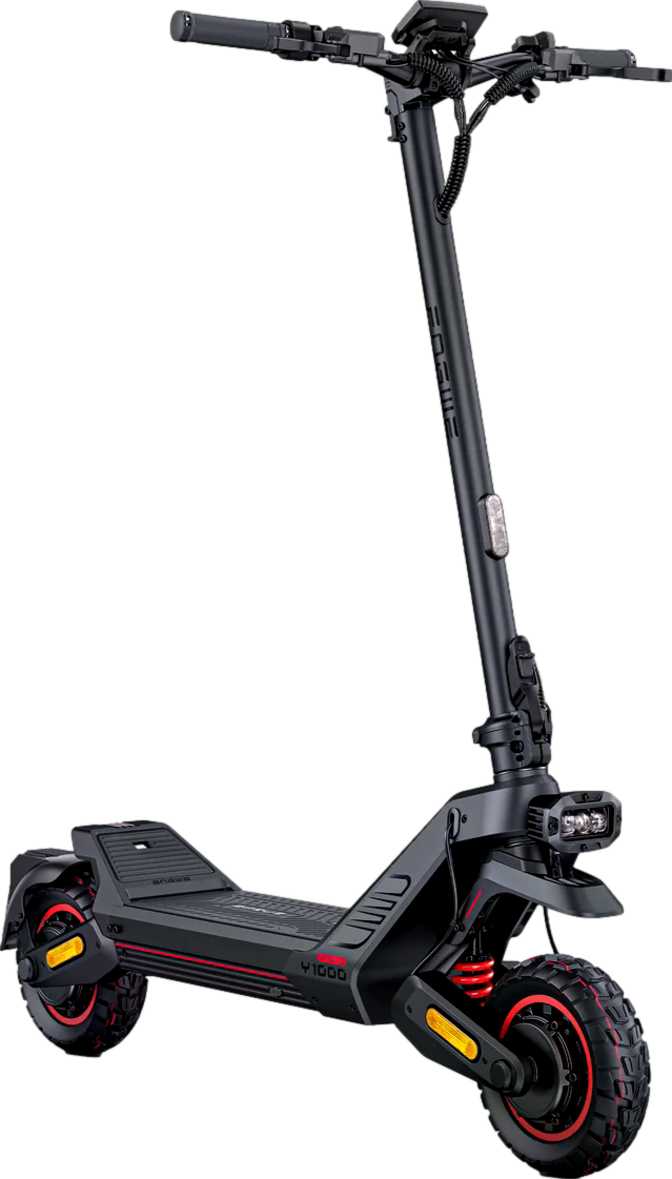
Engwe Y1000 Review: High-Performance Dual-Motor Scooter Tested
Electric ScootersEngwe Y1000 — Key Figures at a Glance
Most electric scooters ask you to compromise. You either get a lightweight commuter that struggles on hills and runs out of charge before your workday ends, or you get a powerful machine so heavy it feels like dragging furniture through a subway station. The Engwe Y1000 was built with the premise that serious riders should not have to choose — and its specification sheet backs that up with numbers that sit well above anything in the mainstream commuter category.
This is a dual-motor, high-voltage electric scooter with a battery capacity that rivals some electric bicycles, a top speed that will get you ticketed on most bicycle paths, and a weight that demands you have a plan for where you are parking it. It is not a casual toy. Understanding exactly what that means for your daily life is the entire purpose of this review.
Build Quality and Physical Design
A Machine That Feels Like It Means Business
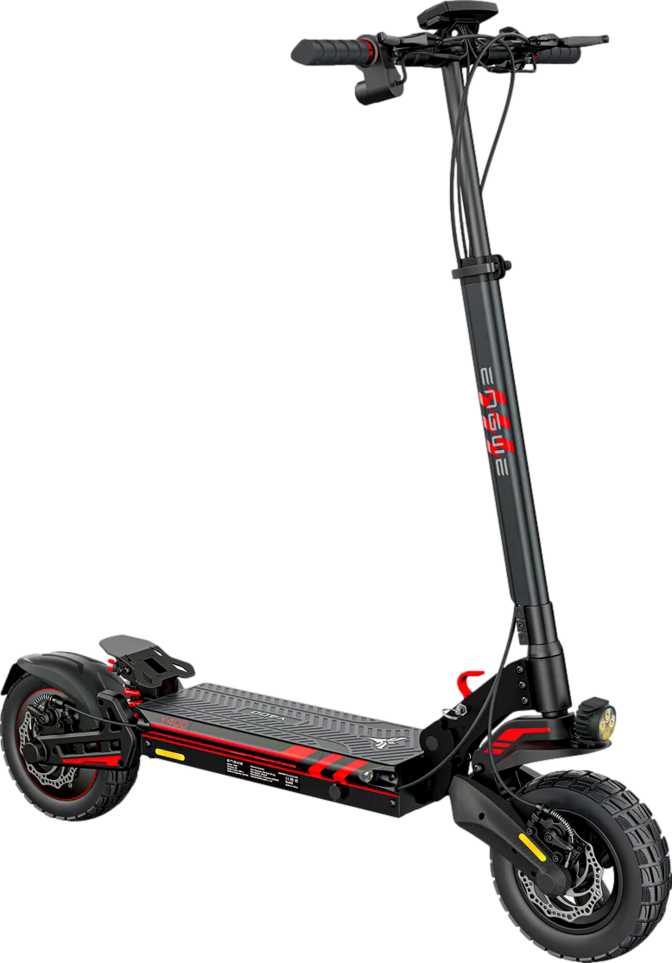
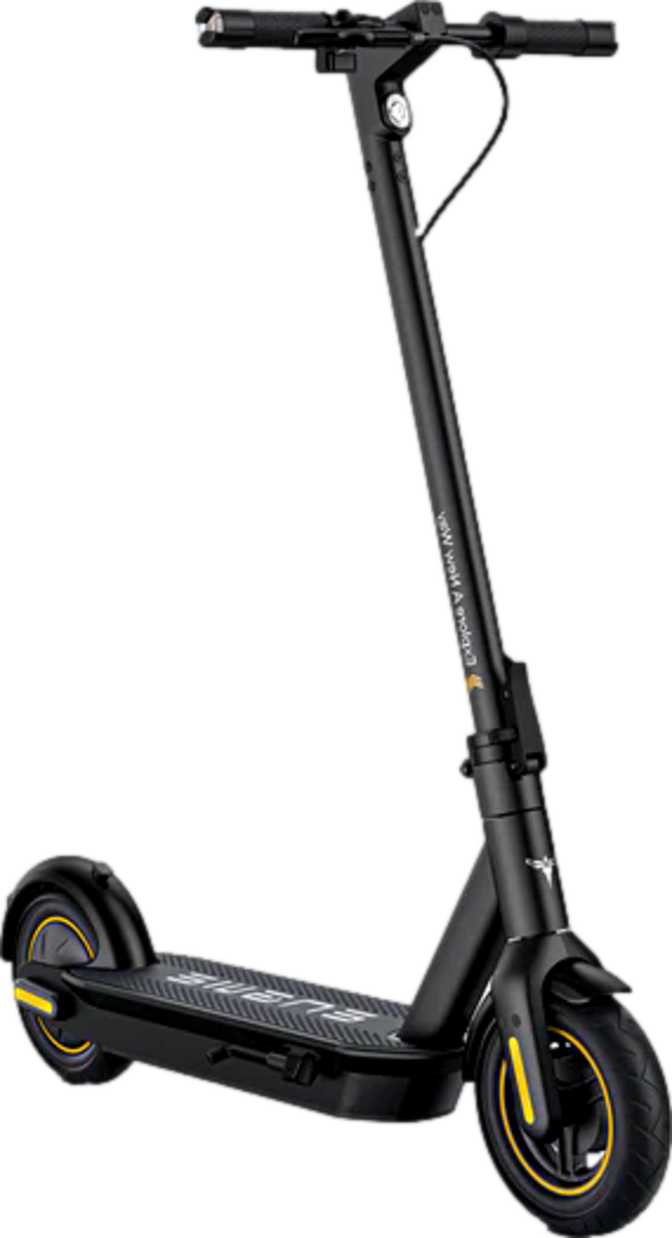
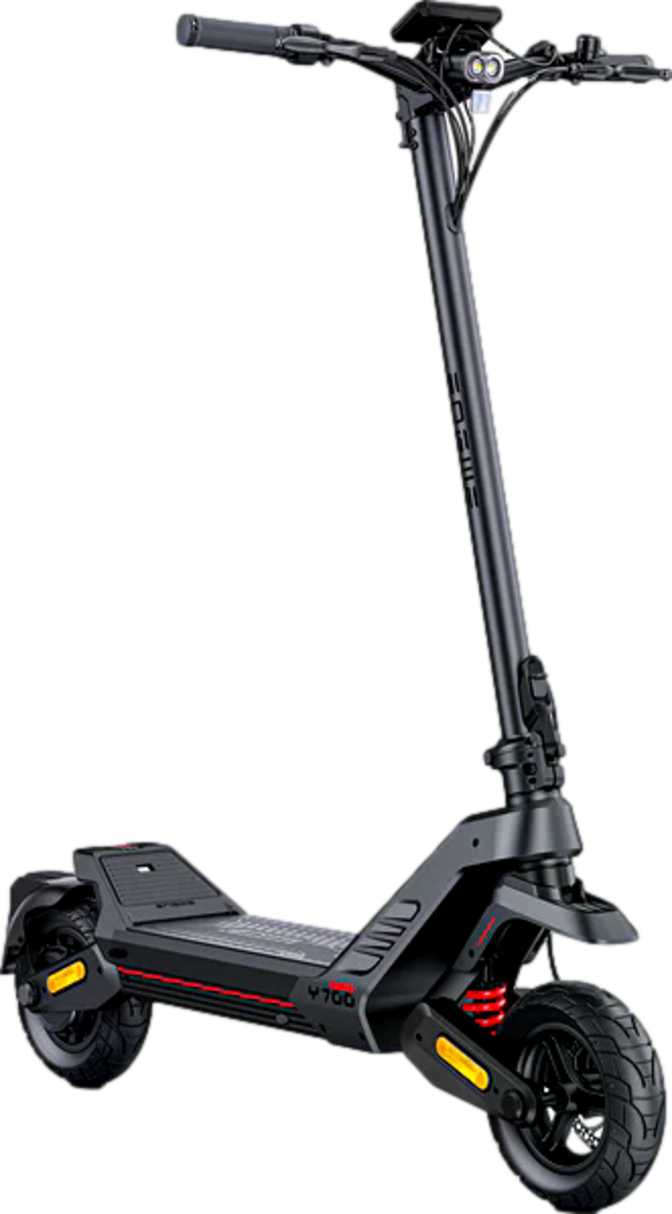
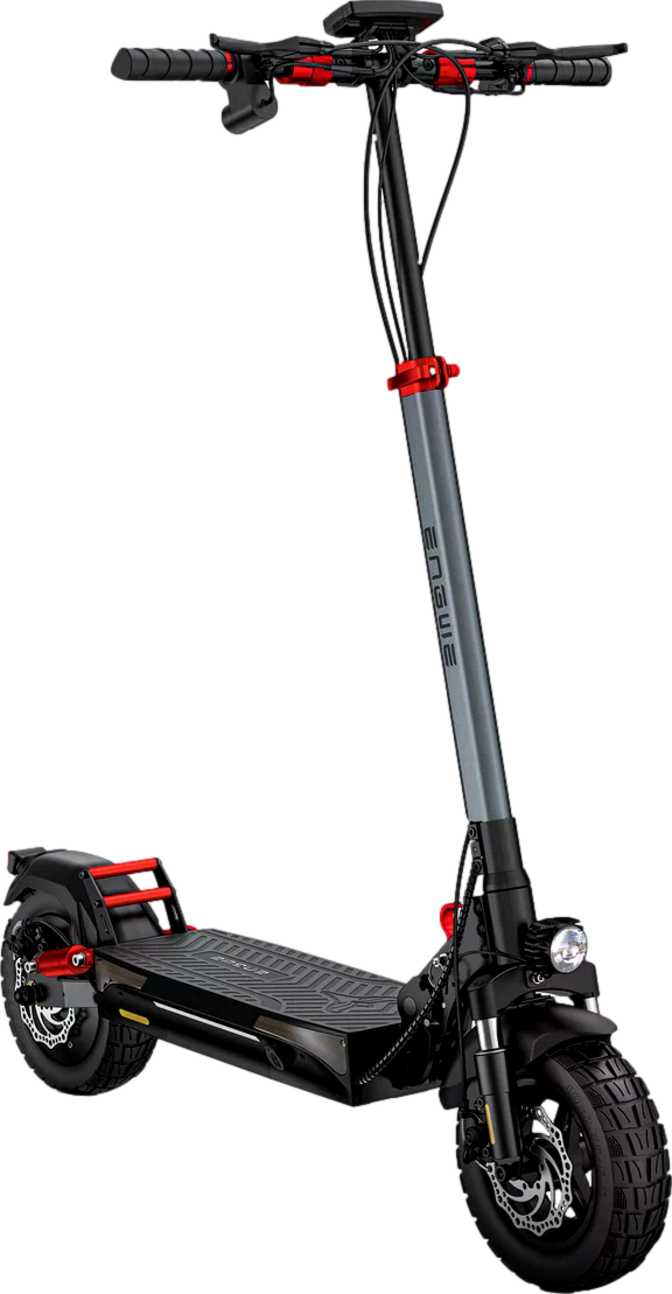
Pick up the Engwe Y1000 — or more accurately, push it — and the first thing that registers is its mass. At just over 31 kilograms, this scooter is roughly the same weight as a large dog or a mid-size carry-on bag stuffed to airline limits. That number is important context for everything that follows, because the Y1000's weight is both a direct consequence of its performance engineering and the most meaningful trade-off you will make by choosing it.
The physical footprint is substantial: standing approximately 133 cm tall and spanning 127 cm across the handlebars, this is a full-size machine with a commanding presence. It is emphatically not a device you tuck under your desk or carry up three flights of stairs without planning the effort in advance.
Folding Mechanism
Despite the weight, the Y1000 does fold — a feature that changes the calculus considerably for riders with a car boot, a ground-floor storage space, or an office with a service elevator. Folding reduces the vertical profile and makes the scooter storable in compact configurations. What it does not do is make the scooter light. If your usage scenario requires frequent carrying up stairs or onto crowded public transport, the folding mechanism provides limited practical relief.
Tires, Suspension, and Ride Comfort
The Y1000 rolls on 10-inch air-filled tires — pneumatic rubber that absorbs road vibration in a way solid foam-filled alternatives simply cannot replicate. On cracked pavement, cobblestones, or uneven urban surfaces, the difference is felt immediately in your wrists and knees. Combined with a full suspension system — both front and rear — the ride quality is notably composed for a scooter in this performance class.
Suspension on a scooter this powerful matters for more than comfort. At speeds approaching 60 km/h, even minor surface irregularities can translate into handling instability. The Y1000's suspension setup addresses this by keeping tires in consistent contact with the road, which directly supports braking effectiveness and cornering confidence.
Lighting
Front and rear lights are integrated into the chassis. This is a minimum requirement for any machine capable of the speeds the Y1000 reaches — and it is handled here as a built-in feature rather than an afterthought. Riders venturing out at dawn, dusk, or after dark can do so with visibility equipment already in place, though local regulations on lighting standards for personal electric vehicles should always be verified independently.
Weather Resistance
The Y1000 carries an IPX5 rating, which means it has been tested to withstand directed water jets from any angle. In practical terms: you can ride through rain, roll through puddles, and rinse down the deck with a hose without causing electrical damage. What IPX5 does not cover is prolonged submersion or sustained high-pressure washing of sensitive electrical components. Wet-weather commuting is supported; river crossings are not.
Performance: Dual Motors and What They Actually Deliver
Power You Can Feel Immediately
The Y1000 runs two motors with a combined output of 2,100 watts. To put that in context: the majority of commuter-grade scooters operate on a single motor producing between 250 and 500 watts. Budget performance scooters might reach 1,000 watts. The Y1000 more than doubles that ceiling, placing it firmly in the high-performance category alongside machines that are typically priced significantly higher.
Dual-motor configurations deliver power to both wheels simultaneously. The practical effect is dramatically improved acceleration from a standstill, significantly better traction on loose or wet surfaces where a single driven wheel might spin out, and the ability to climb steep gradients without the motor struggling or overheating.
Top Speed and Legal Context
Torque and Hill Climbing
The combined motor torque output of 28 Nm determines how aggressively the Y1000 launches from rest and how confidently it climbs inclines. Urban environments with steep streets, bridge approaches, or parking structure ramps that defeat lighter scooters are well within this machine's capability. Riders carrying additional load — bags, protective gear, or simply a heavier frame — will notice less performance degradation than they would on a single-motor alternative.
Braking
Both front and rear braking systems are fitted. At 60 km/h, stopping distance is a genuine safety variable, not a specification afterthought. Dual braking allows the rider to distribute stopping force across both wheels, reducing the risk of wheel lockup that can occur when only one end of the scooter is braking hard. The combination of effective brakes with the Y1000's suspension and pneumatic tires creates a stopping system that is coherent with the machine's speed capabilities — a balance that is not guaranteed on all high-speed scooters.
Weight Capacity
The Y1000 supports riders up to 120 kilograms. This is a meaningful specification for a performance vehicle, where weight directly affects acceleration response and braking distance. The 120 kg ceiling is inclusive for the vast majority of adult riders and accommodates carrying a moderate amount of cargo or equipment without approaching structural limits.
Battery and Real-World Range
A Battery That Defines the Category
The Y1000's battery stores 1,170 watt-hours of energy. That figure needs a comparison to land properly: most commuter scooters carry between 250 and 500 Wh. Premium long-range scooters typically reach 600–800 Wh. The Y1000's pack is more than double a typical high-end commuter battery, and it is directly responsible for both the machine's 100 km range claim and its substantial weight.
What 100 Kilometres Actually Means
The claimed range of 100 km per charge represents optimal conditions — moderate speeds, flat terrain, a rider within the mid-range of the weight capacity, and moderate ambient temperature. Real-world range under demanding conditions — maximum speed, hilly terrain, cold weather, or a heavier rider — will be lower. A practical planning estimate for daily use under mixed urban conditions might sit between 65 and 85 km, which is still extraordinary by any scooter standard.
For context: the average urban commute in most major cities is under 15 km each way. Even at a conservative real-world range estimate, the Y1000 could handle a week of typical round-trip commuting on a single charge.
Charging Time and the Fixed Battery
A full charge from empty requires approximately six hours. This is a direct consequence of the battery's size — more energy storage means more time to replenish it — and it falls within an acceptable range for overnight charging. Plugging in when you arrive home and leaving the Y1000 on charge through the night is the natural usage rhythm this scooter is designed around.
The battery cannot be removed. If you live in an apartment without access to a charging point near where you store the scooter, charging becomes a genuine logistical challenge. You cannot bring a battery pack upstairs and charge it in your kitchen — the entire 31+ kg machine must be within reach of a power outlet during every charge cycle. Riders with a garage, a ground-floor storage space, or dedicated outdoor charging infrastructure will not notice this limitation. Everyone else should think carefully before committing.
Battery Level Indicator
A real-time battery level display is built into the scooter's interface. At the performance level of the Y1000, range anxiety management is important — knowing your remaining charge before committing to a route prevents inconvenient mid-journey power shortages.
Smart Features and Connectivity
The Y1000 connects to a dedicated smartphone application. App connectivity on performance scooters of this class typically provides riding mode selection — which directly affects speed limits and power delivery — trip logging, battery status monitoring, and remote locking. The app layer transforms the Y1000 from a fixed-configuration machine into one that can be tuned to match context: a restricted urban mode for legal compliance on city streets, and an unrestricted mode for off-road or private land use.
For commuters who travel through multiple legal speed zones, or riders who share the scooter with a less experienced family member, software-controlled performance management is a genuinely practical feature rather than a marketing bullet point.
Who Should Buy the Engwe Y1000
Right For You If...
- You have a medium-to-long daily commute (15–40 km each way) and want to complete it without range anxiety or mid-day charging.
- You live or work in a hilly area where underpowered scooters lose speed on every incline.
- You have secure, ground-floor storage with reliable access to a power outlet.
- You want a scooter that handles real urban road conditions — uneven surfaces, potholes, drainage grates — without punishing your joints.
- You ride in a jurisdiction where a high-speed, high-power personal electric vehicle is legally permitted.
- You are a heavier rider (up to 120 kg) who has found other scooters feel sluggish or underpowered under load.
Probably Not For You If...
- You need to carry the scooter up stairs daily — at over 31 kg, this is impractical for most people to sustain.
- You rely on public transport for part of your journey and need to bring the scooter onto a bus or train at rush hour.
- You are a light or casual rider whose journeys are under 10 km on flat ground — the Y1000 is significantly more machine than the use case demands.
- You live in a city with strict 25 km/h e-scooter speed limits and have no legal pathway to operate a 60 km/h vehicle.
- Your parking situation requires charging more than a few metres from where you store the scooter.
How the Engwe Y1000 Compares to Its Alternatives
The Y1000's position against the logical alternatives a buyer in this category would consider.
| Feature | Engwe Y1000 | Typical Premium Commuter | Typical High-Performance Rival |
|---|---|---|---|
| Motor Configuration | Dual motor | Single motor | Single or dual |
| Combined Power Output | ~2,100 W | 500–1,000 W | 1,000–1,500 W |
| Battery Capacity | ~1,170 Wh | 400–600 Wh | 600–900 Wh |
| Claimed Range | 100 km | 40–60 km | 60–80 km |
| Top Speed | 60 km/h | 25–35 km/h | 40–55 km/h |
| Suspension | Full — front & rear | Often front-only | Front, sometimes dual |
| Weight | ~31.6 kg | 12–18 kg | 20–28 kg |
| Removable Battery | No | Often yes Often yes | Sometimes |
Comparison values represent typical market category benchmarks, not specific competing models.
Honest Assessment: Strengths and Trade-offs
Where the Y1000 Excels
The Y1000's strengths are not subtle. Its battery endurance is exceptional for the category — handling a full week of typical commuting before needing a charge is a claim very few electric scooters can honestly support. The dual-motor setup delivers confidence and traction that single-motor alternatives cannot replicate, particularly on wet roads and steep inclines where a single driven wheel's limitations become immediately apparent.
The suspension-plus-pneumatic-tire combination produces a ride quality that makes long daily commutes genuinely comfortable rather than merely tolerable. The IPX5 rating means wet-weather use is designed in from the ground up. The app connectivity and fully integrated lighting round out a feature package that is difficult to fault on paper — and in practice, these systems work together cohesively.
Where It Asks for Compromise
The 31+ kg mass is the single most defining characteristic of ownership experience. Every interaction with the scooter — loading it into a vehicle, moving it around a storage space, recovering from a tip-over — involves managing that weight. Riders who underestimate this tend to grow frustrated with the machine regardless of how impressive it performs in motion.
The non-removable battery amplifies the weight issue. If you cannot charge the scooter where it lives, it creates a problem that no performance specification can solve. This is not a design flaw — it is an engineering choice that prioritises range over convenience, and it is the right choice for riders whose charging access is straightforward. For everyone else, it is a deal-breaker worth identifying before purchase rather than after.
Common Questions Before Purchasing
Final Verdict
The Engwe Y1000 is a confident answer to a specific question: what does an electric scooter look like when the design priority is performance and range rather than portability? The answer is a machine with dual-motor traction, battery endurance that handles a full week of typical commuting before needing a charge, and a ride quality that genuinely rivals electric bicycles in the same price range.
It earns a strong recommendation for riders who have the right infrastructure — ground-floor storage, access to a charging point, and a commute that justifies the investment — and who operate in a legal context where its capabilities can be used appropriately. For everyone else, the Y1000 is the correct answer to the wrong question.