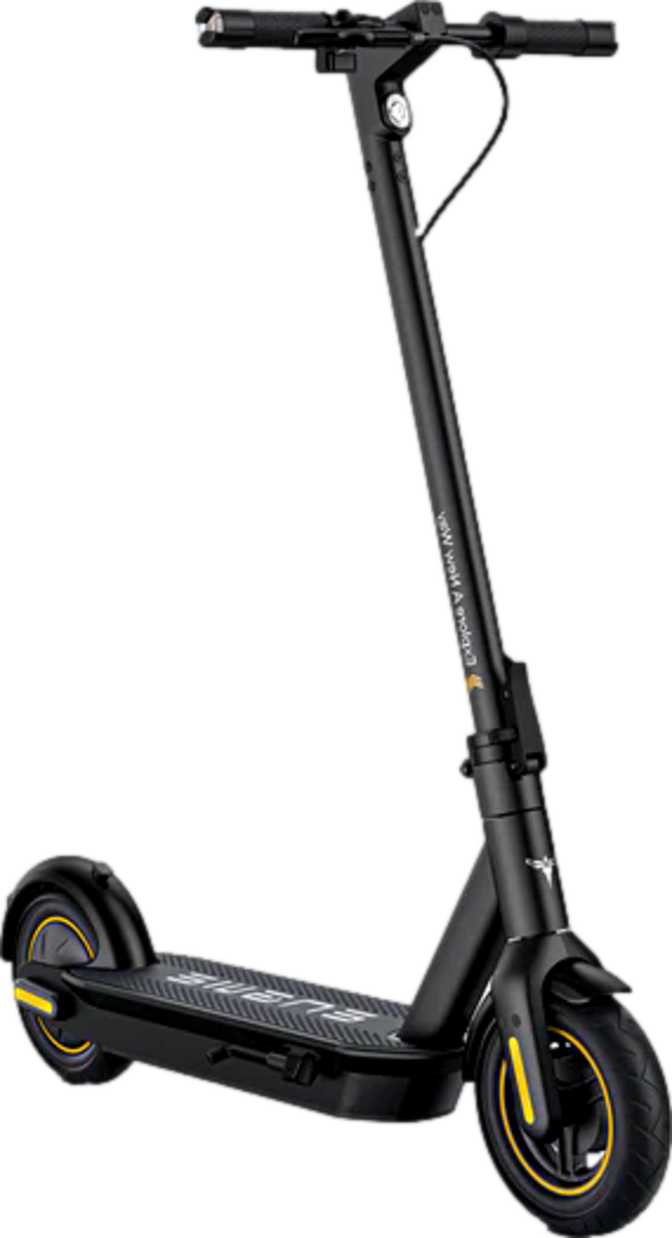
Engwe Y10 Electric Scooter: Full Review for Urban Commuters
Electric ScootersElectric scooters at this specification level all promise freedom from traffic, cheaper commutes, and the satisfaction of skipping the bus queue. Most deliver on some of those promises. The Engwe Y10 makes a credible case for delivering on all three — but only if you are the right rider. This is a 350-watt, 25 km/h adult commuter scooter with a genuinely large battery, a solid build, and a design philosophy built around practicality over flash. It will not win drag races and it is not meant to. What it offers instead is a long-legged, weather-tolerant daily rider that folds down for storage without drama.
Editorial Verdict
4 / 5
Strong everyday commuter
RecommendedCategory Performance at a Glance
Editorial assessments based on specification analysis and category comparison.
Design, Build Quality, and Physical Experience
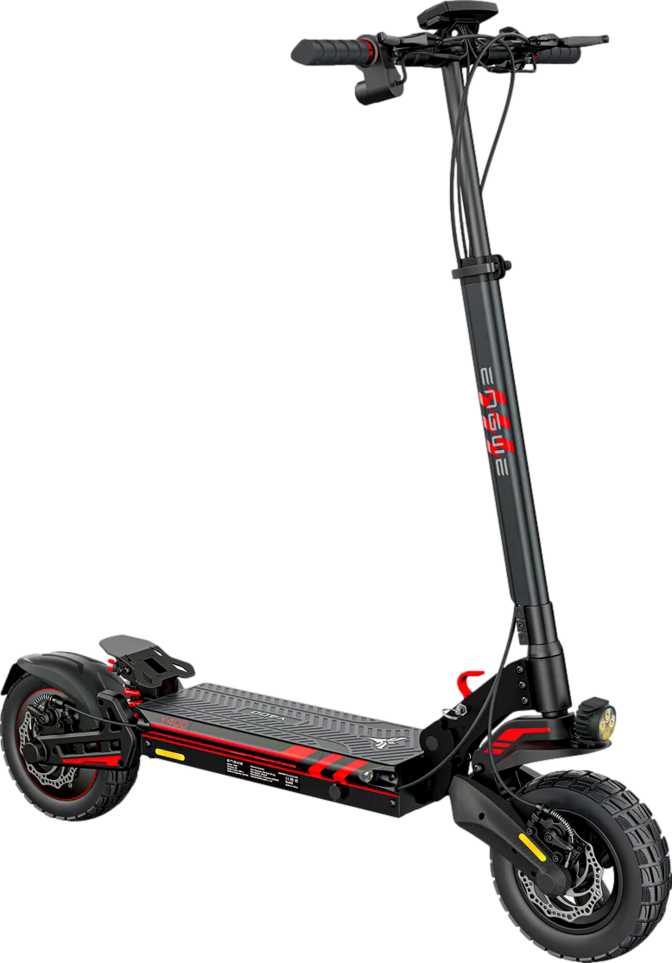
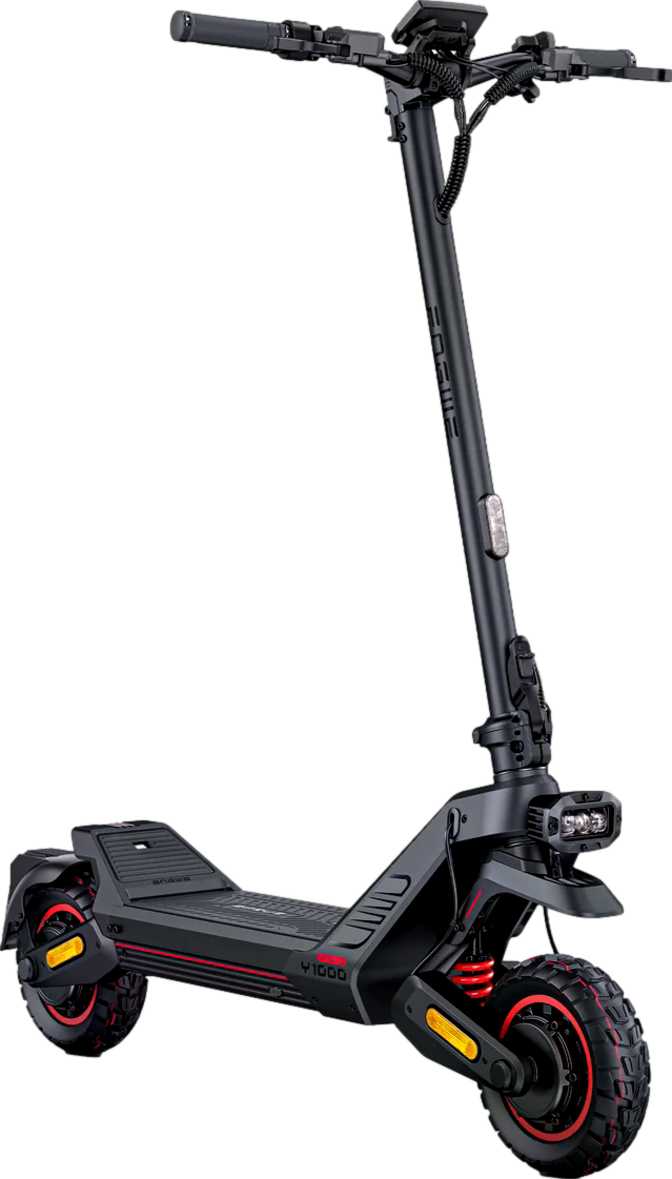
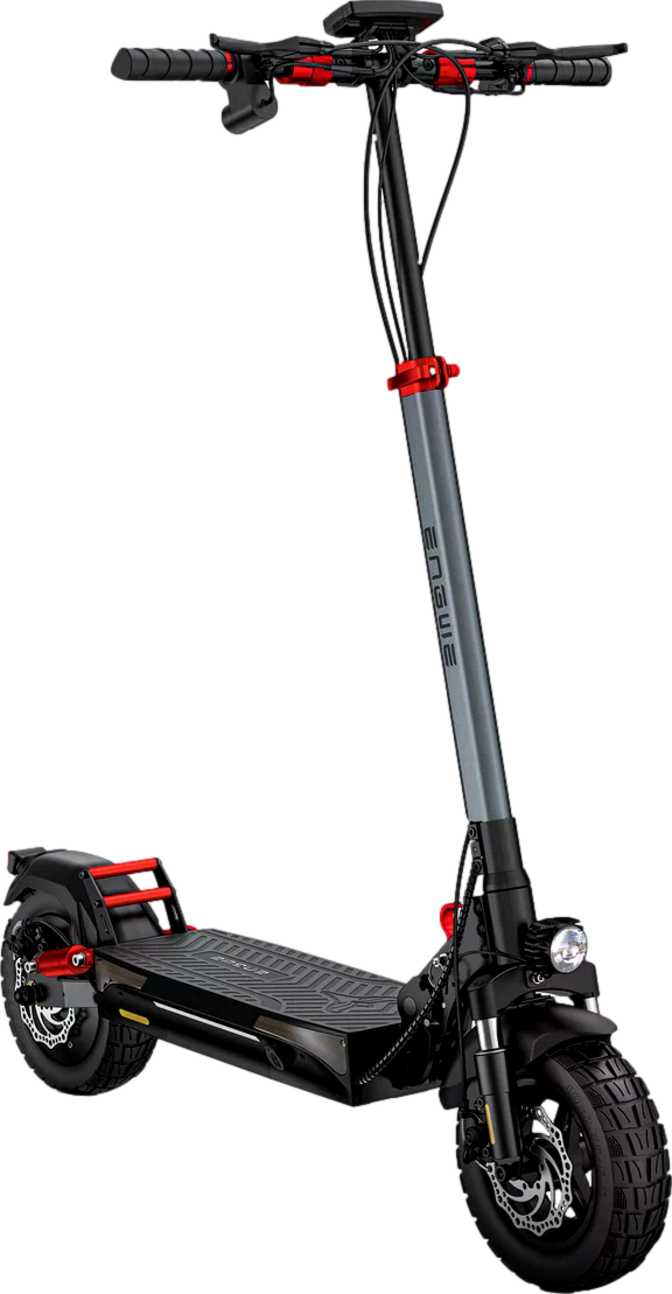
At just over 17 kilograms, the Engwe Y10 sits firmly at the heavier end of the commuter scooter category. That mass signals something useful: the frame is substantial, the components are not pared back to hit a weight target, and the battery is large enough to matter.
Size and Footprint
Standing 120 cm tall when unfolded with handlebars spanning 118 cm, the Y10 offers a riding position that feels spacious. Riders up to around 6'2" should find the fit comfortable without adjustment issues.
Folding Mechanism
The stem folds down and the handlebar locks flat into a profile that slides under a desk or stands upright in a corner. The weight means stair-carrying regularly will become a genuine daily chore, not a minor inconvenience.
Integrated Lighting
Front and rear lights are built into the chassis — not bolt-on accessories. The rear light acts as a running light and braking indicator. No separate batteries, no loose accessories, and legal compliance from day one.
IP54 Weather Resistance
The "5" means dust-protected; the "4" means water splashed from any direction is handled safely. Rain, puddles, and wet commutes are within design tolerance. Submersion is not.
Performance: What 350W and 25 km/h Actually Means
Raw specification values are less useful than what they mean in practice. Here is how the Y10's performance figures translate to a real commute.
Speed in Context
The Y10 caps at 25 km/h. In most of Europe and many other markets, this is the legal ceiling for e-scooters that can be ridden without a full vehicle licence on dedicated infrastructure. That speed cap is a feature, not a flaw. In practice, 25 km/h moves you comfortably ahead of cycling lanes and significantly faster than walking, with no legal exposure in compliant markets.
Motor Power and Gradient Climbing
The single 350W motor is well-matched to this scooter's intended role. On flat terrain it pulls cleanly and responsively. The Y10 handles inclines up to 10 degrees — roughly equivalent to a moderately steep urban street. Most city commutes involve nothing steeper. A sustained 15–20% grade will push the motor hard, particularly for riders near the 150 kg weight ceiling.
Braking System
Both front and rear brakes are present. Dual brakes are the baseline safety requirement for any commuter scooter — a single brake means longer stopping distances and more mechanical wear concentrated on one component. The Y10 meets this standard. There is no regenerative braking, meaning every deceleration is purely mechanical. The large battery compensates for any range difference this creates.
Top Speed
25 km/h
Legal limit in most EU markets
Motor Output
350W
Single rear motor
Max Climbing Angle
10 degrees
Moderate urban hills handled
Max Rider Weight
150 kg
Among the highest in this class
Brake Setup
Dual Brakes
Front and rear, no regen
Tires and Ride Comfort
Tire type is one of the most consequential choices in scooter design, with direct implications for ride quality, maintenance demands, and surface tolerance.
- Air cushioning absorbs road vibration naturally
- Noticeably smoother ride on imperfect surfaces
- Reduces fatigue over longer commutes significantly
- Risk of punctures adds a maintenance overhead
- Zero puncture risk whatsoever
- No maintenance required on the tires themselves
- Transmits every road irregularity directly to rider
- Fatiguing over commutes of 20 minutes or longer
10-Inch Wheels: The Right Size for Urban Use
The 10-inch pneumatic tires on the Y10 are large enough to offer useful cushioning on standard urban surfaces — cracked asphalt, road joins, manhole covers — while still fitting within the practical dimensions of a commuter scooter. They are not as forgiving as the 12-inch wheels found on larger commuter models, but they are significantly better than the solid rubber alternatives common at lower price points.
No Suspension: What That Means Day to Day
The Y10 does not have a dedicated suspension system. On smooth to moderately rough urban roads, the pneumatic tires do enough work to keep the ride acceptable. On genuinely poor surfaces — deep potholes, gravel paths, or significant kerb drops — the absence of suspension becomes noticeable. If part of your route involves unpaved or heavily deteriorated surfaces, this is a real limitation. On standard city pavement, most riders will not miss it.
Tire Specification
- Diameter
- 10 inches
- Type
- Pneumatic (air-filled)
- Suspension
- None
Battery Life and Real-World Range
The battery is the Engwe Y10's single strongest differentiator. At a capacity that places it firmly in the upper tier of the mainstream category, it reframes the commuter experience away from daily charging anxiety.
Battery Capacity
468 Wh
Upper tier for this price point. Many competitors carry 30–40% less.
Claimed Range
65 km
Realistic estimate: 40–50 km under typical urban conditions.
Full Charge Time
6 Hours
Plug in overnight, ride fully charged every morning.
Understanding Real-World Range
Manufacturer range figures are achieved under optimal conditions: lighter rider, flat terrain, lower speed, and moderate temperature. A realistic, conservative estimate for a rider of average weight on typical urban terrain is 40–50 km per charge. A 10 km daily round-trip commute means the Y10 could cover most of a working week without needing a charge — a meaningful improvement over the majority of competing models in the same price bracket.
The Fixed Battery: A Real Constraint for Some
The battery is not removable. Anyone who cannot bring the scooter indoors for charging — stored in a locked outdoor unit or a car boot — cannot detach the battery and carry it to a wall socket. If your storage situation requires a removable battery, this needs to factor prominently into your purchase decision before anything else.
No Regenerative Braking: Minor, Not Critical
Some electric scooters recover a small amount of energy when braking and feed it back into the battery. The Y10 does not do this. On the scale of real-world range impact, regenerative braking on scooters typically adds a few percentage points to total distance. The Y10's large battery comfortably compensates for this absence.
Battery Level Indicator Included
A battery level display is built into the scooter's dashboard. You always know your remaining range — no guesswork mid-journey.
Smartphone App Integration
The Engwe Y10 pairs with a dedicated smartphone application, adding a layer of control and visibility that goes beyond the onboard display.
Remote Lock
Lock the scooter from your phone — a theft deterrent layer on top of any physical lock.
Ride Statistics
Track distance, speed, and ride history over time directly from the app.
Battery Monitoring
Monitor battery health and charge status remotely, including charge-level history.
Ride Mode Settings
Adjust riding modes and configure scooter settings without touching physical buttons.
Who the Engwe Y10 Is For — and Who Should Look Elsewhere
A scooter that tries to be everything to everyone ends up serving no one well. The Y10's focused design means it excels for a specific type of rider and genuinely underperforms for another.
Urban commuters covering 10–25 km daily
The battery handles most of a working week before needing a charge.
Heavier riders needing more than 120 kg capacity
The 150 kg load rating is one of the highest in this price segment.
Commuters in changeable weather conditions
IP54 means standard rain and puddle exposure is handled without concern.
People with office or car-boot storage needs
The folding design tucks the Y10 under a desk or into a vehicle boot.
Markets where 25 km/h is the legal ceiling
The Y10 is calibrated for compliance — no tuning or workarounds needed.
Riders who carry the scooter upstairs regularly
At over 17 kg, daily stair-carrying will wear thin fast. A lighter model fits better.
Routes with serious sustained hills
The 10° maximum climbing angle handles moderate gradients, not steep or extended inclines.
Off-road or rough unpaved routes
No suspension and 10-inch tires are not the right setup for gravel or poor surfaces.
Anyone who cannot charge the scooter indoors
The fixed, non-removable battery requires the whole scooter to be near a power outlet.
How the Engwe Y10 Compares to Its Closest Rivals
The Y10 competes in a well-populated segment. The table below shows how it holds up against typical alternatives at a comparable price point.
| Feature | Engwe Y10 | Budget Competitor | Mid-Range Alternative |
|---|---|---|---|
| Battery Capacity | 468 Wh | 275–350 Wh | 360–500 Wh |
| Claimed Range | 65 km | 25–40 km | 45–60 km |
| Motor Power | 350W | 250–350W | 350–500W |
| Top Speed | 25 km/h | 25 km/h | 25–30 km/h |
| Weight Capacity | 150 kg | 100–120 kg | 120–150 kg |
| Tire Type | Pneumatic | Often solid rubber | Pneumatic |
| Suspension | None | Rarely present | Sometimes front |
| Folding | Yes | Yes | Yes |
| IP Rating | IP54 | IP54 or unrated | IP54–IP65 |
| Removable Battery | No | Rarely | Sometimes |
Competitor values represent typical category ranges, not specific models.
Honest Assessment: Strengths and Weaknesses
Every product has trade-offs. The Y10 makes several sound decisions and a few that will matter significantly depending on your specific situation.
Where the Y10 Earns Its Place
The battery is the Y10's defining advantage. Carrying 468 Wh at its price point is not a trivial achievement — most competitors in the same bracket carry meaningfully less. In daily use, not charging every single night is a genuine lifestyle improvement that is easy to underestimate until you experience the alternative.
The 150 kg weight capacity signals an engineering choice that many manufacturers skip. It reflects a design built for real riders, not an optimistic marketing spec sheet.
IP54 protection, integrated lighting, pneumatic tires, and dual brakes combine to make this a complete, ready-to-use commuter from day one — no accessories required for basic compliance and safety.
Where the Y10 Falls Short
The weight is a daily inconvenience for anyone who cannot keep the scooter at ground level. At over 17 kilograms, this is a machine you commute on, not one you carry through a building. That distinction has to be honest and upfront before purchase.
The absence of suspension will be felt on poor road surfaces. Pneumatic tires provide meaningful cushioning, but they do not replicate what a proper front fork spring would deliver on genuinely rough terrain.
The non-removable battery is the most consequential structural limitation. It saves on manufacturing complexity but creates a real constraint for anyone without reliable indoor scooter storage. For those riders, this single factor may outweigh every other advantage the Y10 holds.
Common Questions Before You Buy
The questions real buyers search for — answered directly.
A Serious Commuter Tool with One Key Caveat
The Engwe Y10 is not trying to be everything to everyone, and that focused intent works in its favour. As an urban commuter scooter for adults who can keep it at street level or ground-floor storage, it is a well-specified, practical machine. The battery alone sets it apart from most competitors — not because the number is impressive on paper, but because in daily use, not worrying about charging every single night is a genuine lifestyle improvement.
The rider it serves best has a 10–20 km daily commute, access to an indoor charging point, predominantly flat or moderately hilly routes, and needs to fold the scooter for storage without carrying it far. For that rider, this is a purchase that makes sense without reservations.
The rider it does not serve well must carry the scooter up stairs regularly, rides on poor surfaces, or needs to charge from a detached battery. For those use cases, look at alternatives with a lighter build, front suspension, or a removable battery before committing here.
Overall Rating
4 / 5
Standout Strength
Battery Range
Key Limitation
Fixed Battery
Best For
Urban Commuters