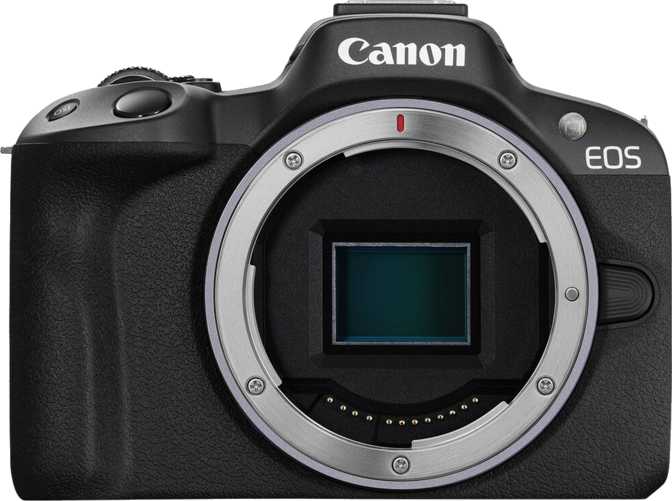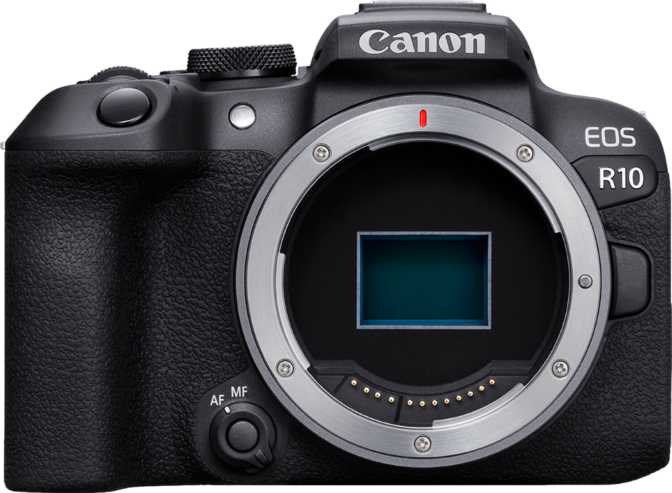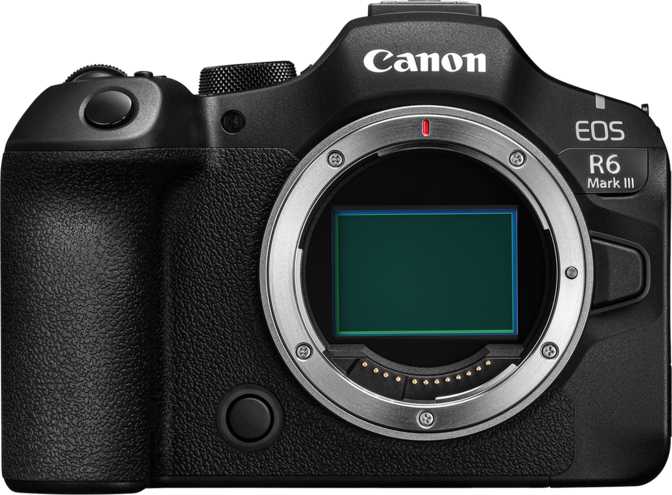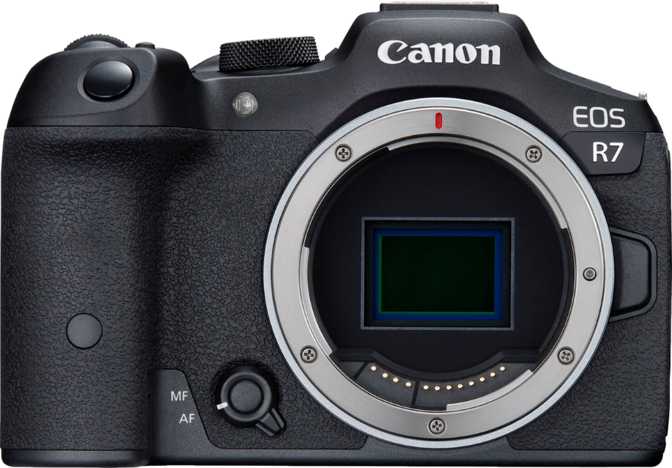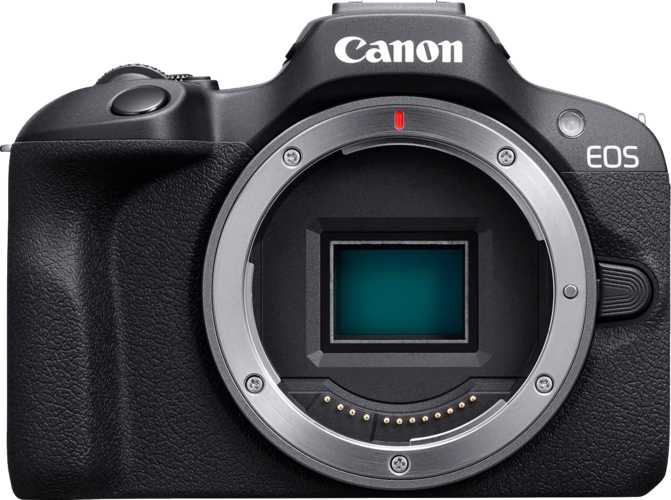
Canon EOS R100 Review: An Honest Look at Canon's Entry Mirrorless
CamerasWho the Canon EOS R100 Is Really For
Buying your first interchangeable-lens camera feels far more complicated than it needs to be. Walk into any camera store — or fall down any online forum — and the flood of acronyms and brand loyalties can feel overwhelming. The Canon EOS R100 exists to cut through that noise: a compact, lightweight mirrorless that delivers genuine 24MP image quality without requiring you to master photography theory before your first shot. This is Canon's entry point into its RF mirrorless system — purposeful, honest about its trade-offs, and squarely aimed at first-time buyers who want real results without the learning curve of a professional body. Understanding where its ceiling sits is the difference between a smart purchase and a frustrating one six months later.
Editor's Rating
4.0 / 5
Recommended Entry-Level RF Mirrorless
Key Specifications at a Glance
The figures that define real-world performance
24.1MP
Sensor Resolution
APS-C
Sensor Format
3,975
Phase-Detection AF Points
6.5fps
Continuous Shooting
4K/24p
Max Video Resolution
~340
Shots Per Charge
356g
Body Weight
RF
Lens Mount System
Design, Build, and Physical Experience
Compact, practical, and honest about its priorities
Size and Weight
At 116mm wide, 86mm tall, and 69mm deep, the EOS R100 is genuinely compact for a mirrorless camera. At 356 grams body-only, it is light enough to carry all day without shoulder fatigue — a contrast to the bulk of the DSLRs many buyers are leaving behind.
The grip depth is modest, a natural consequence of the compact frame. Larger hands with longer fingers may find extended shooting sessions less comfortable with heavier RF lenses attached — a trade-off worth considering before purchase.
Screen and Viewfinder
The 3-inch rear screen with 1,040,000-dot resolution is clear and sharp for reviewing shots and navigating menus. However, it neither tilts nor flips, and it is not touch-sensitive — meaning low-angle, overhead, and self-portrait scenarios require working around the fixed panel rather than with it.
The electronic viewfinder delivers 100% frame coverage — what you see is exactly what the sensor captures. This is genuinely useful in bright sunlight where rear screens wash out, and its presence at this price point adds real daily value.
Weather Sealing
The EOS R100 has no weather sealing. It should not be used in rain, mist, dusty environments, or near splashing water. Canon rates it for operation between 0°C and 40°C, which covers mild to warm outdoor use but rules out winter shoots in genuinely cold climates.
For travel, family, and indoor photography this is no issue. For outdoor adventure or unpredictable weather, a sealed alternative is the better fit.
Sensor and Image Quality
24 megapixels that genuinely punch above entry-level
Resolving Power in Real Terms
The 24.1-megapixel APS-C sensor captures images with enough resolution to print a high-quality image at roughly 20×30 inches without degradation, to crop significantly into a photo and retain a usable frame, and to comfortably exceed the requirements of social media, websites, and editorial print use.
Individual photosites measure 3.72 micrometers — a reasonable size for an APS-C chip at this resolution, sitting in normal territory for the class: capable in daylight and artificial light, progressively noisier as conditions darken.
Low Light and ISO Performance
The native ISO range reaches 12,800, with an expanded setting at 25,600 available as a last resort. Here is how to think about each tier in practice:
- ISO 800–1600Clean and detailed — use with confidence
- ISO 3200–6400Visible noise, manageable in RAW post-processing
- ISO 25600Last resort — significant grain expected
No in-body image stabilization (IBIS). Handheld low-light photography depends entirely on whether the attached lens includes optical stabilization — a key factor in lens selection for this camera.
Autofocus System
The phase-detection autofocus system maps 3,975 individual focus points across the frame. Phase detection acquires focus quickly and accurately — particularly for subjects that are not moving erratically — and AF tracking locks onto a subject and follows it across the frame as it moves.
Subject tracking is genuinely useful for family photographers capturing moving children or anyone shooting events where subjects don't hold still. It will not match the subject recognition sophistication of Canon's higher-end bodies, but it performs clearly above the checkbox-feature level at this price.
AF Quick Reference
- AF Type
- Phase Detection
- AF Point Count
- 3,975
- Subject Tracking
- Yes
- Video AF Type
- Phase Detection
- Power-On Delay
- ~0.9 sec
Performance: Speed, Controls, and Processing
Capable where it counts, honest about its tier
Burst Speed and the Digic 8 Processor
The Digic 8 image processor is Canon's proven entry-level workhorse — handling autofocus calculations, noise reduction, and in-camera JPEG rendering reliably. It is not Canon's newest chip, but it is well-matched to the demands of this camera category.
Continuous shooting at 6.5 frames per second means that a child blowing out birthday candles, a dog catching a ball, or a friend jumping for a photo can be captured as a sequence — giving you multiple frames to choose the sharpest from. This rate handles casual action and everyday events well. It is not designed for professional sports or wildlife photography, and photographers in those genres will know immediately that they need a higher-tier body.
Maximum shutter speed reaches 1/4,000th of a second — fast enough to freeze most everyday motion cleanly. Long exposures extend to 30 seconds for night photography and light painting.
Manual Controls and File Formats
Every primary exposure variable is manually adjustable. Beginners can start in automatic modes and progressively take control as their skills develop — the camera grows with the photographer rather than imposing a ceiling on learning.
Full Manual Control Checklist
Both standard and lossless compressed RAW formats are supported, preserving complete sensor data for post-processing in Lightroom, Capture One, or Canon's Digital Photo Professional. The RAW implementation here is the full version — not a trimmed-down entry-level interpretation.
Video: 4K With Important Caveats
Capable enough for casual creators, limited for dedicated videographers
4K Resolution and Bitrate
The EOS R100 records 4K video at up to 24 frames per second — the standard cinematic frame rate used by film and television. At 120 Mbps maximum bitrate, the data captured is dense enough for color grading and editing without immediate quality loss.
The key caveat is clear: 4K is capped at 24fps. Those who want smoother high-resolution motion — 4K at 60fps — will not find it here. Full HD at higher frame rates provides smoother playback and slow-motion capability, making it the practical choice for events, interviews, or footage where fluid motion matters more than resolution.
Additional Video Features
Audio Capabilities
The audio setup is more capable than most buyers expect at this price. The built-in stereo microphone provides two-channel recording with no accessories required. Both a 3.5mm microphone input and a 3.5mm headphone jack are present:
- Connect an external microphone for significantly improved recording quality
- Monitor recording levels in real time through headphones while shooting
A genuine differentiator: Many competing entry-level cameras include only a microphone input. The addition of headphone monitoring for real-time level checking is unusually complete at this price tier.
Battery Life: Plan Around It
Real-world endurance and practical charging strategy
The rated capacity of approximately 340 shots per charge — measured under the CIPA standardized testing methodology that simulates real mixed-use shooting conditions — sits on the lower end for a mirrorless camera. A full day of casual shooting, such as a family outing with intermittent picture-taking, will likely require either a charged spare battery or a top-up before day's end.
The compact removable battery reflects the camera's overall small form factor. The USB-C port enables charging directly from power banks or laptop chargers, which is a practical convenience for travel.
Practical Battery Strategy
One spare battery eliminates battery anxiety for most shooting days. Two spares make intensive full-day shoots entirely manageable. The batteries are affordable and compact enough to carry without additional bulk.
Battery at a Glance
~340
shots per charge (CIPA)
56% relative to class range (250–600 shots)
Connectivity, Ports, and the RF Ecosystem
Wireless features, physical connections, and long-term lens investment
Wireless Features
Wi-Fi connectivity enables wireless image transfer to a smartphone, remote camera control via Canon's mobile app, and sharing to social platforms without removing a memory card. The Wi-Fi implementation is an older 802.11n standard — sufficient for occasional photo transfer, but noticeably slower than newer standards when moving large batches of RAW files.
Bluetooth 4.2 maintains a persistent low-energy connection to a paired smartphone, useful for location data tagging via the phone's GPS — since the camera has no built-in GPS module — and for remote triggering. There is no NFC tap-to-pair; initial pairing happens through the standard wireless setup process.
Ports and Physical Connections
| Port / Feature | Present | Notes |
|---|---|---|
| USB-C | Charging + data transfer (USB 2.0 speed) | |
| HDMI Output | Connect to monitors or TVs | |
| 3.5mm Mic Input | External microphone support | |
| 3.5mm Headphone | Real-time audio monitoring | |
| Hot Shoe | Standard; no advanced multi-function variant | |
| Memory Card Slot | Single SD card slot | |
| GPS | Via connected smartphone only | |
| NFC | Not available |
The Canon RF Ecosystem: A Key Long-Term Argument
The EOS R100 uses Canon's RF lens mount — the same standard used across Canon's entire mirrorless lineup from entry-level to professional. This is the camera's most strategic advantage for a first-time buyer: every RF lens purchased for this body works without modification on any future Canon RF camera, including full-frame models.
The RF ecosystem covers affordable kit zoom lenses through to high-end professional primes and telephotos. Canon's optional EF-EOS R adapter also unlocks access to Canon's vast back-catalog of EF and EF-S lenses — covering virtually every focal length and budget.
Ecosystem Advantage Summary
- Same lens mount as Canon's full-frame professional bodies
- Lenses retain full value when upgrading to a higher-tier RF body
- EF/EF-S adapter access to hundreds of existing Canon lenses
- Growing RF lens catalog at all price tiers
Real-World Usage: Right Camera, Wrong Camera
Honest guidance on who will thrive with the EOS R100 — and who will not
This Camera Is Right For
- First-time mirrorless buyers
Genuine image quality and room to grow without requiring expert knowledge from day one
- Parents and family photographers
Noticeably better than smartphone quality indoors and in varied lighting, especially with moving children
- Students and photography hobbyists
Manual controls for deliberate skill development without overwhelming complexity
- Compact travel photographers
Light and small enough for all-day carry without the bulk and fatigue of larger systems
- Budget-conscious RF ecosystem entrants
Invest in lenses now; upgrade the body later when budget allows
This Camera Is Not Right For
- Sports and wildlife photographers
High-speed burst rates, deep buffer, and advanced subject recognition are needed for these genres
- Vloggers and self-facing content creators
The fixed, non-articulating screen makes front-facing framing a genuine daily frustration
- Dedicated videographers
4K is capped at 24fps; smooth high-resolution slow motion is not available
- Regular outdoor and adventure photographers
No weather sealing means exposure to rain, mist, or dust risks damage
- Frequent low-light handheld shooters
Without IBIS, low-light performance depends entirely on lens-side optical stabilization
Competitive Context: How the EOS R100 Sits in the Market
Compared against what typical entry-level mirrorless alternatives offer at comparable prices
| Feature | Canon EOS R100 | Typical Entry Mirrorless Rival |
|---|---|---|
| Sensor Resolution | 24.1 MP APS-C | 20–26 MP APS-C |
| In-Body Stabilization | Sometimes included | |
| Touchscreen | Usually included | |
| Tilting / Flip Screen | Often tilting | |
| Weather Sealing | Rarely at this tier | |
| 4K Video | 24fps cap | 24–30fps typical |
| Audio I/O | Full (mic + headphone) | Often mic input only |
| Lens Ecosystem | Canon RF (growing, premium) | Varies by brand |
| CIPA Battery Life | ~340 shots | 300–400 shots typical |
| Body Weight | 356 g | 350–450 g typical |
The EOS R100 trades certain conveniences — touchscreen, articulating display, IBIS — that some competitors include at similar price points. What it offers in return is Canon's color rendering and metering heritage, a maturing RF lens ecosystem with a clear upgrade path, and a compact, purposeful body that does not overwhelm its intended user. Its strongest argument over alternatives is the long-term value of the RF mount as a platform investment.
Strengths and Weaknesses: An Honest Assessment
What the EOS R100 genuinely delivers and where it honestly falls short
What It Gets Right
The EOS R100's biggest strengths are consistency and clarity of purpose. The 24-megapixel APS-C sensor delivers the real article — colors render with the warmth and accuracy that has made Canon a default choice for portrait and family photography. This is not a marketing exercise; the image quality ceiling for a beginner using this camera is far above where most casual photographers ever push it.
The autofocus system is legitimately fast and tracks subjects competently, removing one of the historically frustrating barriers for beginner photographers. Compact dimensions mean this camera actually gets picked up and used, rather than left home because it felt like too much to carry.
The audio capabilities — stereo microphone, external mic input, and headphone monitoring — are unusually well-considered for an entry-level body. And the RF ecosystem's lens range is genuinely extensive for anyone planning to stay with Canon long-term.
The EVF with 100% frame coverage and the full suite of manual controls are also above what strictly entry-level pricing might suggest.
Where It Falls Short
The fixed, non-touch screen is the most tangible daily reminder that this is an entry-level product. In an era where most people navigate everything by touch, pressing physical buttons to move a focus point feels deliberately retrograde — and competitors at this price range frequently do better here.
The absence of any stabilization — on the body or automatically implied across all lens options — means handheld performance in dim light is genuinely dependent on lens choice. Buyers who don't pay attention to this detail at the time of purchase may be disappointed with handheld indoor shots.
The battery life requires either nightly charging discipline or a spare battery in the bag — and while the USB-C charging is convenient, it is not a substitute for adequate capacity on a full shooting day.
The USB 2.0 data transfer speed is a minor friction point that mainly surfaces when importing large RAW file batches to a computer. It does not affect shooting performance, but it is a small anachronism given the modern USB-C connector on the body.
Questions Real Buyers Ask Before Purchasing
Honest answers to the searches that brought you here
Final Verdict: A Clear, Direct Recommendation
The Canon EOS R100 is exactly what it claims to be — and that clarity is genuinely valuable. A compact, 24-megapixel mirrorless camera with solid autofocus, Canon's respected color rendering, a genuinely useful electronic viewfinder, and full access to the RF lens ecosystem. It does not pretend to be something for everyone.
Buy It If...
You are entering mirrorless photography for the first time, want an honest upgrade from smartphone quality, and plan to grow into Canon's lens ecosystem. The R100 will not hold back a developing photographer for a very long time.
Skip It If...
A touchscreen, tilting display, or in-body stabilization are non-negotiable for how you shoot — those needs point clearly toward the EOS R50 or comparable alternatives from other brands. Video-first creators should also look elsewhere.
Overall Verdict
Recommended — Best Entry Point Into Canon RF
Full Specification Sheet
Complete technical reference for the Canon EOS R100
| Type | Mirrorless |
| Dimensions (W×H×D) | 116 × 86 × 69 mm |
| Body Weight | 356 g |
| Screen Size | 3.0 inches |
| Screen Resolution | 1,040,000 dots |
| Touch Screen | |
| Articulating Screen | |
| Viewfinder Type | Electronic (EVF) |
| Viewfinder Coverage | 100% |
| Tilting Viewfinder | |
| Weather Sealed | |
| Hot Shoe | |
| Built-in Flash | |
| Operating Temp. | 0°C – 40°C |
| Sensor Size | APS-C |
| Lens Mount | Canon RF |
| Resolution | 24.1 MP |
| Pixel Size | 3.72 µm |
| Native ISO Range | Up to 12,800 |
| Expanded ISO | Up to 25,600 |
| AF Points | 3,975 |
| Phase Detection (Photo) | |
| AF Tracking | |
| Continuous Shooting | 6.5 fps |
| Max Shutter Speed | 1/4,000 s |
| Max Exposure | 30 seconds |
| In-Body Stabilization | |
| Power-On Delay | ~0.9 sec |
| Max Video Res. | 4K / 24fps |
| Video Bitrate | 120 Mbps |
| Slow Motion | |
| Time-lapse | |
| 3.5mm Mic Input | |
| Headphone Output | |
| Battery Life (CIPA) | ~340 shots |
| Processor | Digic 8 |
| RAW Support | Yes (incl. lossless) |
| Wi-Fi | Wi-Fi 4 (802.11n) |
| Bluetooth | 4.2 |
| USB | Type-C (USB 2.0) |
| HDMI Output | |
| GPS |