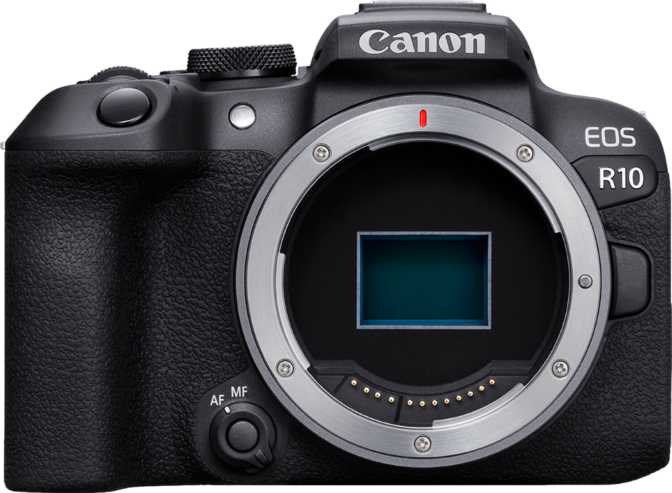
Canon EOS R10 Full Review: Class-Leading AF in a Compact APS-C Body
CamerasAt a Glance
Overall Rating
out of 10
Score Breakdown
Design & Build Quality
A compact, well-proportioned body built for portability — with one notable trade-off.
426g
Body Weight
3″
Touchscreen
2.36M
EVF Dots
100%
Viewfinder Coverage
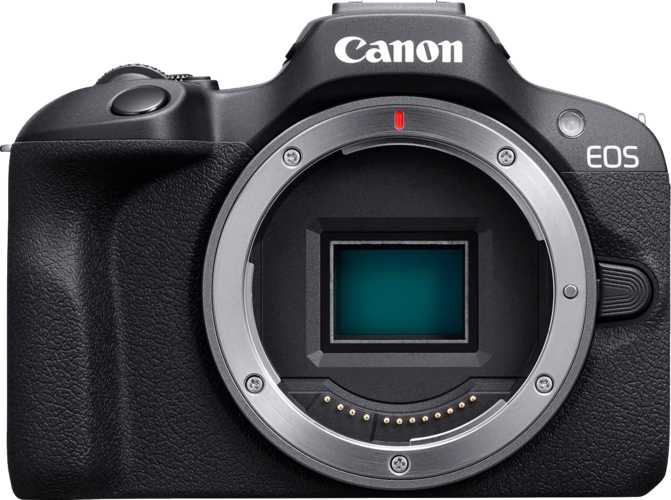
The EOS R10 is a genuinely compact mirrorless camera — just over 420 grams and measuring roughly 122mm wide by 88mm tall. That lightness is immediately noticeable in hand and translates into a camera comfortable to carry all day during travel or street shooting. Most adults will find the grip workable, though hands on the larger side may want to consider Canon's dedicated accessory grip for extended sessions.
The construction is polished plastic throughout — no magnesium alloy. In practice that means a body that feels light and functional rather than premium. The finish holds up well to everyday handling, but it does not carry the mechanical confidence of a metal-bodied alternative at a higher price tier.
The 3-inch touchscreen articulates fully — rotating and flipping out completely rather than tilting on a single axis. For self-recording, overhead angles, or low-to-the-ground framing, this flexibility is meaningfully more useful than a tilt-only design. The EVF resolves at 2.36 million dots with 100% frame coverage, sharp enough for precise manual focus and practical in bright sunlight when the rear screen becomes difficult to read.
The hot shoe uses Canon's advanced multi-function interface, compatible with current Canon flash and wireless accessories — a practical step up from the basic hot shoe found on older entry-level bodies. There is no tilting viewfinder, which is typical at this price tier and rarely a practical concern for the intended audience.
- Width
- 122.5 mm
- Height
- 87.8 mm
- Depth
- 83.4 mm
- Weight
- 426.4 g
- Operating Temp
- 0°C – 40°C
- Screen
- 3″ Flip-Out Touch
Sensor & Image Quality
24 megapixels on APS-C — more than enough resolution for most photographers, with a predictable low-light ceiling.
The R10's 24.2-megapixel APS-C sensor produces files with enough detail for large-format prints and generous post-processing crops. At this resolution, a single frame can yield a clean A2 poster with room to spare — more than adequate for travel, family, events, and general photography that doesn't end in billboard production.
The APS-C format is roughly two-thirds the size of a full-frame sensor. In good lighting, the practical difference from full-frame is minimal. In dark environments, the gap becomes more apparent because a smaller sensor captures less total light per frame.
Individual pixels measure approximately 3.7 microns — on the smaller end for this sensor format. Smaller pixels tend to introduce more noise in low-light conditions than sensors built with fewer, larger pixels. In practical terms, the R10 performs confidently from base ISO through around ISO 3,200, produces web-usable results up to about ISO 6,400, and shows increasing noise above that threshold. It is not a low-light specialist and the specifications make no suggestion otherwise.
The sensor uses conventional CMOS technology without back-side illumination or a stacked architecture — both of which improve light efficiency at the pixel level and appear in Canon's higher-priced options. Their absence reflects deliberate price-tier engineering. RAW capture, including lossless compressed RAW, is fully supported, giving post-processing photographers complete control over their files.
- Resolution24.2 MP
- FormatAPS-C
- Pixel Size3.72 μm
- Native ISO100 – 32,000
- Expanded ISOUp to 51,200
- BSI SensorNo
- Stacked CMOSNo
- RAW CaptureYes
- In-Camera HDRYes
Autofocus: The R10’s Standout Feature
651 phase-detection points, intelligent subject tracking, and professional-tier AF logic at an entry-level price.
Why the AF System Matters More Than Any Other Spec
The autofocus system is the single most compelling reason to choose the EOS R10. Getting 651-point phase-detection AF with subject tracking — the same fundamental technology found in Canon's professional bodies — at an accessible price point represents genuinely exceptional value. This is the specification that makes the R10 perform above its class in real shooting conditions, not just on a comparison spreadsheet.
651
AF Points
15 fps
Burst Speed
People
Animals
Vehicles
Tracked Subjects
Photo & Video
Phase-Detection AF
How Phase-Detection Works
Phase-detection autofocus calculates subject distance directly, rather than hunting back and forth as older contrast-detection systems do. The practical result is focus acquisition that is faster, more decisive, and more reliable when tracking subjects moving toward or away from the camera.
With 651 focus points spread across the frame, the system can track subjects as they move toward the edges — not just when they remain center-frame. That spatial coverage is critical for sports, wildlife, and candid shooting where well-composed subjects rarely stay in the middle of the image.
Subject Tracking in Real Shooting
The R10 identifies people, animals (including birds in flight), and vehicles automatically, locking on and following as subjects move through the frame. Touch autofocus lets you direct tracking to a specific person by tapping the rear screen — useful in busy scenes with multiple subjects in the same frame.
Continuous phase-detection AF operates during video recording, making the R10 a practical solo video tool. Touch-to-select subject tracking during a talking-head video means the camera manages focus independently — a genuine workflow improvement for content creators shooting without a dedicated camera operator.
Video Capabilities
High-bitrate 4K, cinema modes, and capable AF — with one missing port that limits serious audio work.
Resolution, Bitrate & What They Mean
The R10 captures 4K video at up to 30 frames per second, covering the standard requirement for broadcast, streaming, and social media content. A 24p cinema mode offers the slower, more filmic cadence associated with movie production — a feature that was once reserved for significantly more expensive cameras.
The video bitrate reaches 230 Mbps — notably high for this price tier. Higher bitrate preserves more visual detail per second of footage and provides greater flexibility when adjusting color and exposure in post-production. For YouTube creators, short-film producers, or anyone who edits before publishing, this headroom is tangibly useful rather than a marketing footnote.
Slow-motion recording and a built-in timelapse mode extend the creative toolkit without additional hardware. The fully articulating screen combined with continuous phase-detection AF makes the R10 workable for solo vlogging — the camera manages focus independently while the creator addresses the lens directly.
- Max Resolution4K / 30fps
- Max Bitrate230 Mbps
- Cinema Mode24p
- Slow MotionYes
- TimelapseBuilt-in
- Stereo MicBuilt-in
- Mic Input (3.5mm)Yes
- Headphone JackNone
- Live StreamingNative
Battery Life & Charging
Adequate for casual shooting days — plan for a spare on extended or professional sessions.
450
shots per charge (CIPA rated)
Carry a spare batteryUnderstanding the Battery in Real Use
The CIPA-rated 450-shot figure is measured under standardized conditions — a balanced mix of live view and viewfinder use without flash. In practical terms, a casual shooting day covering 200 to 300 frames at a family outing or travel day can typically be completed on a single charge without concern.
Event photographers shooting burst sequences, videographers running extended recordings, or anyone using the EVF heavily will deplete the battery faster. A spare is a sensible investment for full-day sessions — and critically, the battery is fully removable and swappable, avoiding the locked-in battery designs that limit some compact competitors.
Charging via USB-C is a practical convenience: any compatible modern laptop charger or power bank can top up the battery on the road, eliminating the need for a separate proprietary charger. For photographers who already travel with USB-C hardware, this removes one more accessory from the kit entirely.
Connectivity & Lens Ecosystem
Current wireless features and access to Canon’s best glass — alongside some older-generation port specifications.
- Wi-FiWi-Fi 4 (802.11n)
- Bluetooth4.2
- NFCNone
- Built-in GPSVia smartphone
- Remote App ControlYes
- Live StreamingNative
- USBUSB-C (2.0 speed)
- HDMI OutputYes
- Card Slots1 (Single)
- 3.5mm Mic InputYes
- Headphone OutNone
- Lens MountCanon RF
The RF Mount Advantage
Buying the R10 means full access to Canon's RF lens lineup — the same mount used on Canon's top-tier full-frame bodies. Every current and future RF optic is compatible, including high-performance primes and zooms built for professional use.
The 1.6x crop factor extends telephoto reach meaningfully — a 300mm RF lens delivers an equivalent field of view of approximately 480mm on this sensor, making the R10 an unexpectedly capable wildlife and sports platform when paired with the right glass.
Who Is the R10 For?
The R10 excels in specific contexts. Knowing whether you fall inside or outside those contexts is the key purchase decision.
This Camera Is a Strong Fit If You Are...
-
A Travel or Street Photographer
The compact footprint, 24MP output, and articulating screen make for a highly capable, portable kit that doesn't draw attention or fatigue your shoulders on long days.
-
A Family and Events Photographer
The subject-tracking AF and 15fps burst mode make capturing unpredictable moments — children, pets, candid celebrations — genuinely achievable without professional skill or constant manual intervention.
-
A Content Creator or Vlogger
The flip-out screen, 4K at 230Mbps, microphone input, and native live streaming support form a capable solo content production setup for YouTube, social media, and streaming platforms.
-
A Wildlife or Action Photographer (Entry Tier)
The tracking AF, burst speed, and RF mount's telephoto crop factor combine to make bird-in-flight and action photography accessible without a professional-body price tag.
Consider Something Else If You Need...
-
Weather Sealing
Wedding photographers, outdoor sports photographers, and environmental documentary shooters need at least splash resistance. The R10 offers none — the Canon R7 or R8 are the natural next steps.
-
Professional Audio Monitoring
The missing headphone jack prevents real-time audio monitoring. For interview setups, event coverage, or any situation where audio mistakes can't be caught in post, this is a genuine operational blocker.
-
Serious Low-Light Performance
Concert photographers, astrophotographers, and dark venue specialists will find the R10's sensor physics a hard constraint compared to full-frame alternatives or APS-C sensors with larger individual pixels.
-
Dual-Card Redundancy
Photographers covering critical unrepeatable events who require backup storage on a second card will find the single-slot design a firm professional disqualifier.
How the R10 Compares to Its Rivals
Stacked against its four most logical alternatives across the APS-C mirrorless market.
| Feature | Canon EOS R10 | Canon EOS R7 | Sony ZV-E10 II | Fujifilm X-S20 |
|---|---|---|---|---|
| Sensor Format | APS-C | APS-C | APS-C | APS-C |
| Resolution | 24.2 MP | 32.5 MP | 26 MP | 26.1 MP |
| Weather Sealing | No | Yes | No | Yes |
| In-Body Stabilization | No | Yes | No | Yes |
| Burst Speed | 15 fps | 15 fps | 11 fps | 30 fps (elec.) |
| Dual Card Slots | No | Yes | No | No |
| Headphone Jack | No | Yes | No | Yes |
| AF Points | 651 | 651 | 759 | 425 |
| Video Bitrate | 230 Mbps | – | – | – |
| Native Live Streaming | Yes | Limited | Yes | Limited |
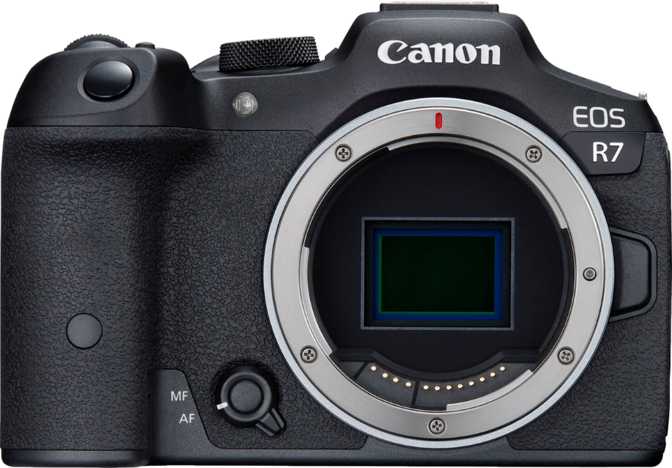
R7 vs R10: The Sibling Upgrade
The R7 resolves every major limitation the R10 carries — weather sealing, in-body stabilization, dual slots, headphone jack, and higher resolution. It is the natural step up. The question is whether those additions are worth the additional cost given your actual shooting habits.
Fujifilm X-S20: The Video Creator Alternative
The X-S20 adds in-body stabilization and a headphone jack at a comparable price, with Fujifilm's film simulation color profiles. A strong alternative for video-first buyers who aren't invested in the RF lens ecosystem.
Questions Buyers Ask Before Purchasing
Direct answers to the real-world questions that drive Canon EOS R10 searches.
Honest Assessment: Strengths & Weaknesses
-
Autofocus That Outperforms Its Price
The 651-point phase-detection system with intelligent subject tracking is the R10's defining advantage. It performs at a level that was exclusively professional territory not long ago.
-
RF Mount Access at Entry Cost
Committing to the RF ecosystem here means every Canon RF lens — current and future — is available as your kit grows. That long-term upgrade path has genuine financial and creative value.
-
Genuinely Compact and Portable
The body's size and weight are among its most practical attributes. Carrying it all day, packing it in a small bag, or having it ready without setup friction — these are real daily benefits.
-
High-Bitrate 4K Video
230Mbps is a compelling figure for this tier. Combined with the flip-out screen and continuous AF, the R10 delivers a capable solo video production platform at an accessible price.
-
USB-C Charging
A small but genuinely useful convenience — charge from the same cable as your laptop, phone, or power bank without carrying additional proprietary hardware.
-
No Weather Sealing
This is the most significant omission relative to the competitive landscape. Several cameras at similar prices include at least splash resistance — Canon has made a deliberate choice here that affects the R10's usability in real outdoor conditions.
-
No In-Body Image Stabilization
Relying entirely on lens-based stabilization means handheld performance varies significantly depending on which RF lens is attached. Non-IS lenses on this body require faster shutter speeds to avoid blur.
-
No Headphone Jack
The 3.5mm microphone input without a corresponding monitoring output is a video workflow limitation that will frustrate any creator who needs to verify audio levels in real time.
-
Single Card Slot & Older Connectivity
One memory card slot rules out professional-level backup redundancy. USB 2.0 speeds and Wi-Fi 4 create friction when handling large RAW file workflows — both are older-generation specifications at a time when faster options are available in this category.
-
Moderate Battery Endurance
450 rated shots is adequate but not generous. Full-day professional shooting without a spare battery is a risk — carry one.
Final Verdict
Canon EOS R10 — Our Recommendation
The Canon EOS R10 is a well-focused camera that makes an honest, considered set of trade-offs to deliver genuine capability at its price point. The autofocus system and RF mount access are its headline strengths — and they are real strengths that translate into better images and better shooting experiences in the situations this camera was built for.
Overall Score
8.2
out of 10
Purchase Verdict
If you are a photography enthusiast building a Canon RF kit for the long term, shooting primarily stills or casual video, and working in normal environmental conditions — buy the R10. The autofocus system alone justifies serious attention, and the RF mount locks in a lens ecosystem that will remain relevant and expansive for years ahead.
If weather sealing, in-body image stabilization, or professional audio monitoring are requirements rather than preferences, the Canon R7 or the Fujifilm X-S20 deserve equal consideration before you commit — at additional cost, but with those gaps closed.
The R10 is not a camera that tries to be everything to everyone. It knows what it is: an accessible, capable, RF-ecosystem entry point with a tracking autofocus system that outperforms its price tag. For the buyer it was designed for, that is exactly the right camera.
Sensor
24.2 MP APS-C
Autofocus
651 Points w/ Tracking
Video
4K / 230 Mbps
Mount
Canon RF System