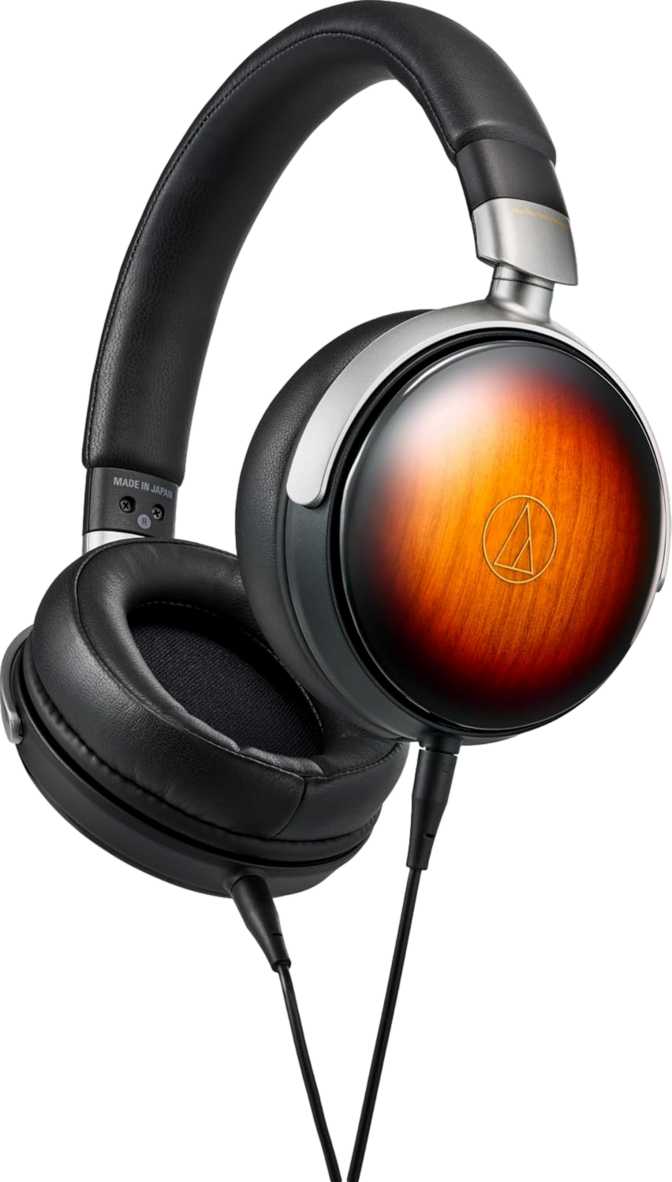
Audio-Technica ATH-WP900SE Review: A Serious Wired Headphone for Serious Listeners
HeadphonesThere is a particular type of headphone buyer who has already grown tired of the wireless arms race. They are not interested in codec negotiations, battery anxiety, or touch controls that misfire. They want one thing: to hear music exactly as it was recorded, through a transducer capable of delivering it. The Audio-Technica ATH-WP900SE is built for that person — and it makes no apology for being exactly what it is.
This is a wired, closed-back, over-ear headphone with a frequency range that extends well beyond what most human ears can consciously detect, driven by one of the largest driver configurations in its class. It is a purely analog listening instrument. If you are shopping for noise cancellation, voice calls, or a Bluetooth connection, stop here — this headphone was not designed for any of those things, and its strengths only emerge when you let it do what it was built to do.
Build Quality and Physical Design
Comfort, materials, and portability
How It Feels to Wear
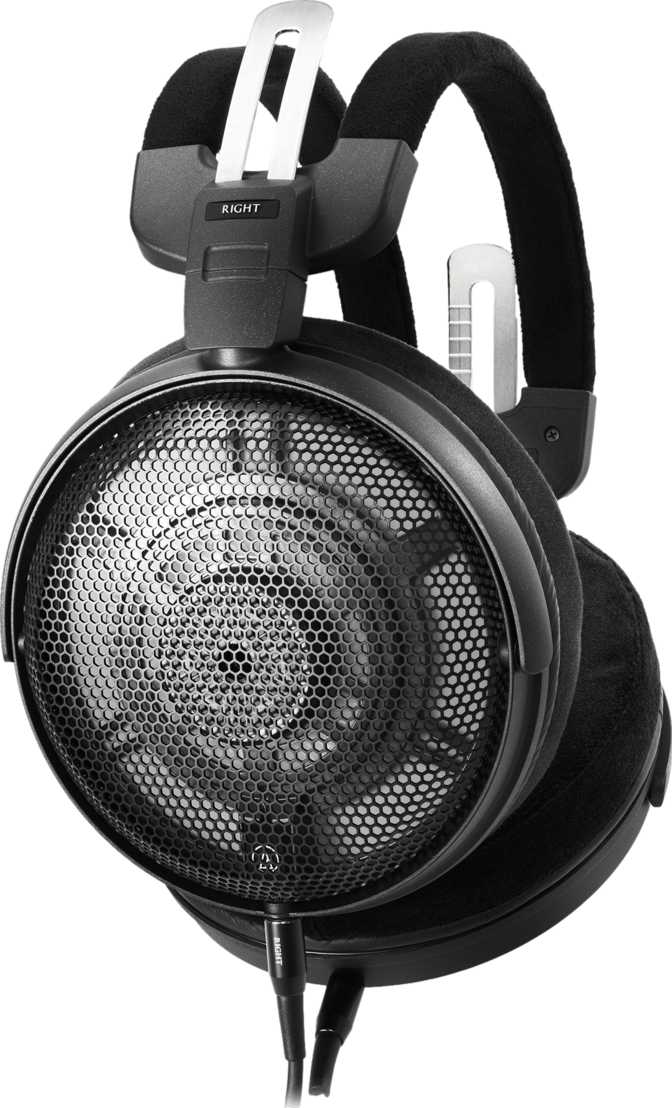
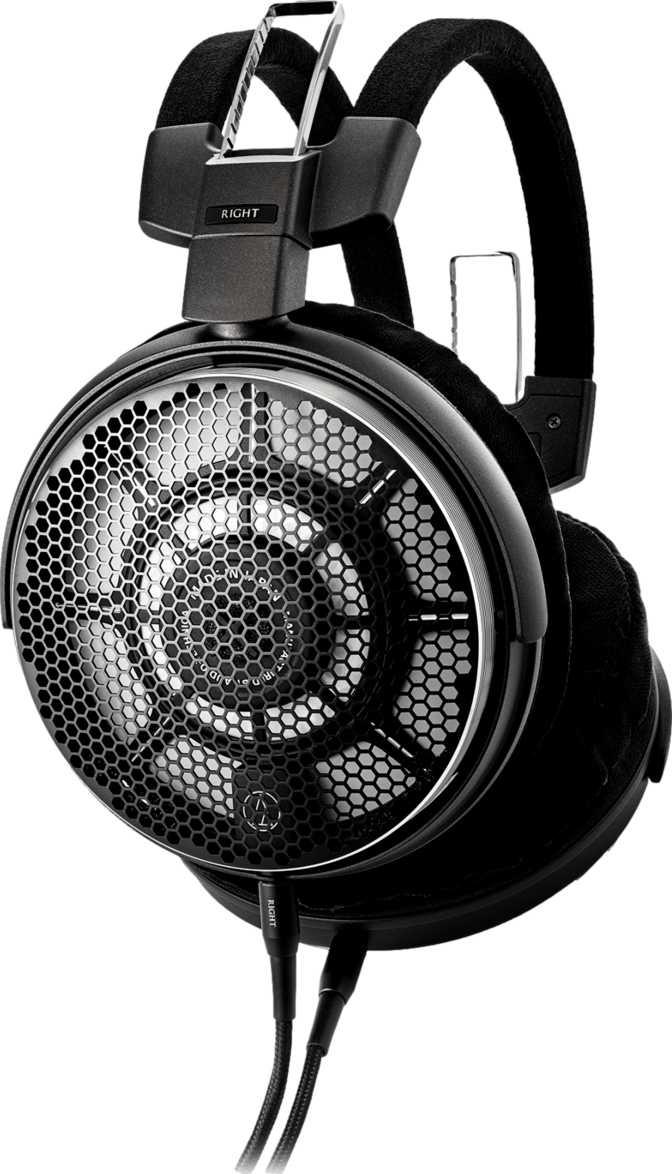
At 235 grams, the ATH-WP900SE sits in a favorable place for an audiophile over-ear headphone. It is not ultralight, but it is meaningfully lighter than many premium over-ear competitors that push past the 300-gram mark. Over long listening sessions — the kind this headphone is designed for — that weight difference becomes noticeable in neck fatigue and overall comfort.
The over-ear fit fully encircles the ears rather than resting on them. This matters for two reasons: it creates a better acoustic seal that supports the passive noise isolation the headphone relies on, and it distributes pressure across a broader surface area, which is generally more comfortable during extended use.
Portability Without Compromise
Despite its audiophile orientation, the ATH-WP900SE is designed to travel. It folds into a more compact form factor, and a travel bag is included in the box — a detail that signals Audio-Technica's intent for this headphone to accompany its owner beyond the listening room.
The cable is detachable, measuring 1.2 meters in its standard configuration. That length is optimized for desktop or seated listening — long enough to reach an amplifier or DAC on a desk, short enough to avoid floor-level tangles. The tangle-resistant cable construction means the cord itself stores cleanly when not in use, which matters more than it sounds when you are packing and unpacking frequently.
For a headphone in this category, the combination of a foldable frame, included travel bag, and detachable cable represents a thoughtfully complete physical package.
There is no water resistance rating on this headphone. Acoustic engineering takes priority over environmental sealing by design. This is not a headphone for commuting in rain or gym sessions — treat it accordingly.
Sound Performance: Reading the Specifications
Driver analysis, frequency response, impedance, and noise isolation
The Driver — Size and Implication
The ATH-WP900SE uses a 53mm driver unit. Most consumer over-ear headphones use drivers in the 40mm range. Some premium models reach 45–50mm. At 53mm, the transducer has significantly more surface area moving air, which tends to translate into improved low-frequency authority and a more expansive soundstage — particularly relevant for a closed-back design that must generate its sense of space through acoustic engineering rather than natural room bleed. Larger drivers are not automatically better, but in the hands of a focused engineering team, the physical advantage is real.
Frequency Response: The Hi-Res Credential
The headphone's stated frequency range extends from 5Hz at the low end to 50,000Hz at the top. Human hearing typically tops out around 18–20kHz, so why does 50kHz matter?
Hi-Res Audio certification requires reproduction up to at least 40kHz. The ATH-WP900SE's ceiling clears that threshold comfortably, making it fully compatible with high-bitrate lossless formats like FLAC, ALAC, and DSD. The 5Hz lower bound also means sub-bass frequencies are handled without artificial roll-off — contributing to a sense of weight and foundation that narrower-range headphones cannot match.
Impedance and Sensitivity: Source Matching
At 37 Ohms, the ATH-WP900SE sits in a practical middle zone. It is too demanding to drive optimally from a smartphone's output — built for low-impedance earbuds — but does not require the high-powered amplifiers that 250 or 300 Ohm studio headphones demand.
A portable DAC/amplifier, a laptop headphone output, or a modest desktop DAC is sufficient. The sensitivity rating of 98 dB per milliwatt means it will reach listening volumes without straining most mid-range sources — but audiophile-grade upstream equipment reveals proportionally more of its capability.
Passive Noise Isolation
Without active noise cancellation electronics, the ATH-WP900SE achieves isolation the traditional way — through physical acoustic sealing. The closed-back design combined with proper over-ear fit creates a barrier that attenuates ambient sound passively.
This preserves audio purity: there are no digital noise-processing circuits in the signal path that can introduce phase artifacts or alter the frequency response. The trade-off is that passive isolation is less aggressive than a well-implemented ANC system in chaotic environments like aircraft cabins or loud open offices. In moderately noisy environments — a quiet café, a home office — the isolation is more than sufficient.
Key Features Explained
What the specifications mean for real-world use
Detachable Cable System
Cables fail — connectors wear, wires develop intermittent shorts. On a headphone this capable, that failure should not end its life. A replacement cable restores full function at a fraction of the cost of replacement, making the detachable system a form of long-term investment protection.
1.2m Tangle-Resistant Cable
The standard cable length is calibrated for seated, stationary listening — not commuting. Users who want a longer run to an amplifier on a shelf, or a shorter cable for portable use, will find the detachable system accommodates third-party cable upgrades as well.
Foldable Design with Travel Bag
The fold mechanism allows the earcups to rotate into a compact orientation, and the included bag protects the headphone during transport. For the price point and positioning of this headphone, including the bag rather than requiring a separate purchase is a mark of completeness.
No Microphone, No Controls
This is a deliberate design choice, not an omission. Placing control electronics and microphone capsules on a headphone introduces components that can degrade the acoustic path. The ATH-WP900SE is built as a pure listening device. Users who need to take calls will require a separate solution.
Who Should Buy the ATH-WP900SE
Matching the headphone to its ideal listener
Strong Match For
- Music listeners who own or plan to invest in a DAC or portable amplifier, and want headphones that fully respond to upstream quality
- Hi-Res Audio listeners who stream or own lossless audio collections and want headphones technically capable of delivering the full resolution
- Home listeners who want a premium closed-back option without the coloration that active noise cancellation can introduce
- Travelers who want serious audio quality on the move and value the combination of portability features and acoustic performance
- Audiophiles who are done managing batteries and Bluetooth latency, and simply want a wire in their music
Not the Right Choice For
- Anyone who primarily takes calls or attends video meetings — the complete absence of a microphone rules it out for any voice communication use
- Gym users or active listeners — no moisture resistance and a 1.2-meter wired cable present two immediate practical obstacles
- Listeners on a device-only budget connecting directly to a smartphone — the headphone will function but will not reach its potential without appropriate amplification
- Buyers seeking active noise cancellation for loud transit environments or aircraft use — passive isolation has its limits in genuinely chaotic spaces
Competitive Positioning
How the ATH-WP900SE compares to logical alternatives in the wired audiophile category
| Feature | ATH-WP900SE | Typical Competitor A | Typical Competitor B |
|---|---|---|---|
| Driver Size | 53mm | 40–45mm | 50mm |
| Frequency Ceiling | 50,000 Hz | 20,000–25,000 Hz | 40,000 Hz |
| Foldable | |||
| Detachable Cable | |||
| Travel Bag Included | |||
| Microphone | |||
| Wireless Option |
The absence of wireless is the most significant competitive differentiator in the current market. For buyers who have already decided that wired is the right approach, this is simply a non-issue. For buyers still undecided, the ATH-WP900SE implicitly asks them to commit to that philosophy — and it makes a compelling case through everything else it offers.
Honest Assessment
Strengths and weaknesses, stated plainly
Where It Genuinely Excels
The ATH-WP900SE is genuinely impressive in what it sets out to do. The frequency architecture is among the most capable in closed-back headphones at this class — a 50kHz ceiling combined with a 5Hz floor gives the headphone real credentials for high-resolution playback, and the 53mm driver has the physical capacity to back up those numbers with actual acoustic performance.
The detachable cable and foldable design also represent genuine usability thinking. Audio-Technica could have built a headphone this capable as a strictly desktop device — the choice to include portability features without compromising the transducer quality is commendable. For a listener building a stationary or semi-portable audiophile setup, this headphone competes seriously with alternatives costing significantly more.
Where It Invites Criticism
Where the headphone invites criticism is in its uncompromising narrowness of purpose. The complete absence of a microphone, inline controls, or any wireless capability means that for a meaningful portion of buyers, some tasks simply cannot be delegated to it. This is not a weakness in the engineering — it is a constraint in the design philosophy.
The 37 Ohm impedance is also worth flagging honestly: while it is not difficult to drive, it does reward better sources noticeably. Budget-conscious buyers who do not plan to invest in even a modest DAC dongle may not hear the headphone at its best — and that represents a real hidden cost to factor into the purchase decision.
Questions Buyers Actually Ask
Straightforward answers before you commit
Final Verdict
The Audio-Technica ATH-WP900SE is a headphone with a clear identity and the technical specification to back it up. It is a dedicated high-resolution listening instrument — closed-back, wired, microphone-free — and everything in its design serves that single purpose. The 53mm drivers, the 50kHz frequency ceiling, the 5Hz low-end extension, and the thoughtful portability features all point toward a headphone that was engineered rather than assembled.
For the listener who wants to sit with an album and hear it properly — no battery management, no codec latency, no ambient sound mode to toggle — the ATH-WP900SE makes a compelling case for itself. Pair it with even a modest DAC and a high-resolution audio library, and it will deliver genuinely satisfying results.
The recommendation comes with a clear caveat.
This headphone earns its value only if its wired, call-free, stationary listening identity aligns with how you actually listen. If it does, it is a strong choice in its category. If it does not, spending money on its technical accomplishments to use it as a secondary audio device would be a poor trade.