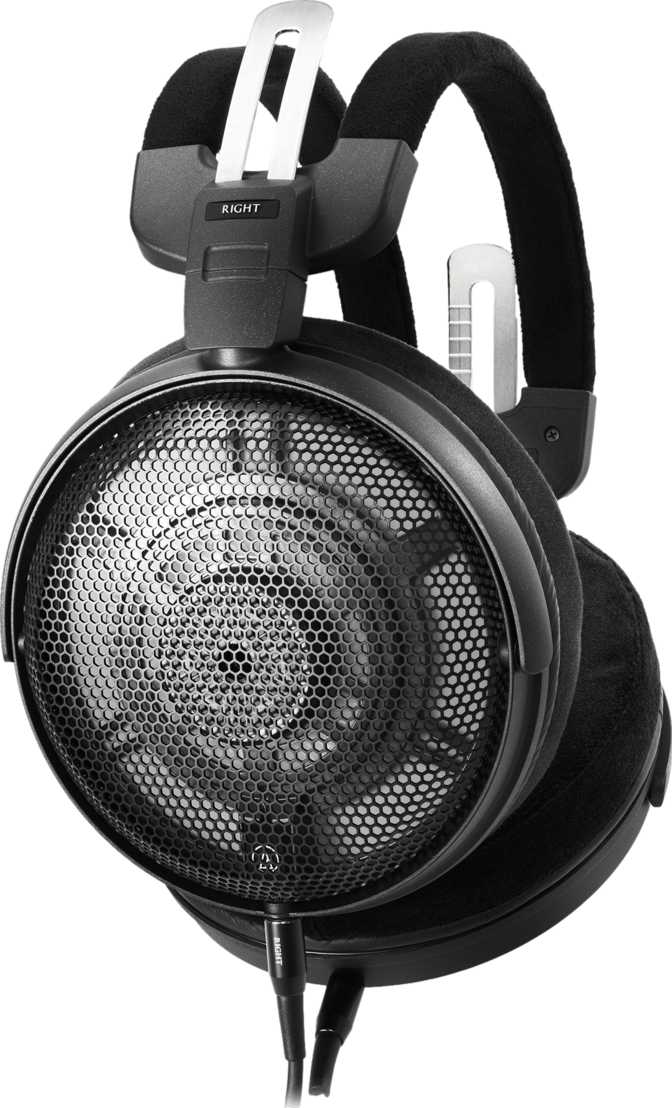
Audio-Technica ATH-ADX3000 Review: A Precision Audiophile Headphone
HeadphonesSpecifications at a Glance
The Audio-Technica ATH-ADX3000 is not a headphone for everyone, and that's exactly what makes it exceptional for the right listener. This is a statement-level open-back, over-ear headphone built without compromise for home listening — no wireless convenience, no active noise cancellation, no microphone — just pure acoustic performance delivered through one of the largest dynamic driver units you'll find in a consumer headphone.
If you're comparing it to everyday earbuds or the noise-cancelling headphones you wear on the subway, the ATH-ADX3000 exists in a completely different category. It's a precision listening instrument designed to reproduce music the way it was intended to sound in the studio.
Design and Build: A Headphone Meant to Be Worn, Not Carried
Physical Form and Fit
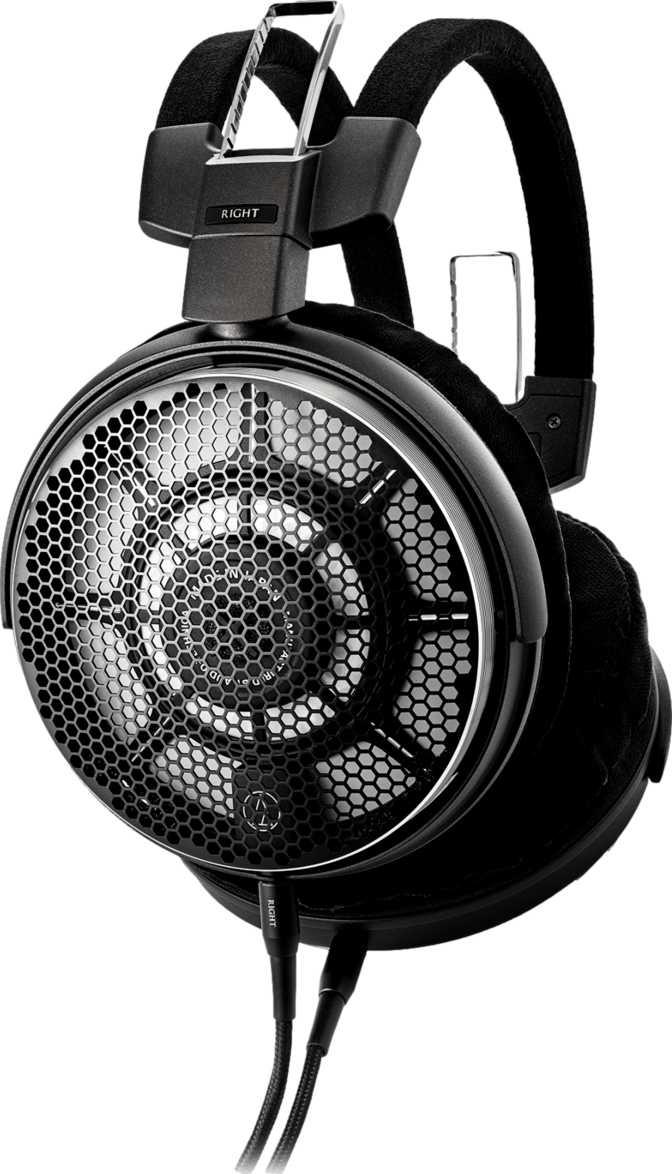
Open-back headphones at this tier rarely prioritize portability, and the ATH-ADX3000 is no exception — in the best possible way. The open-back structure isn't a limitation; it's the fundamental reason this headphone sounds the way it does.
At 257 grams, the ATH-ADX3000 is notably light for a headphone with this driver size and build tier. Many full-sized audiophile headphones in this class weigh considerably more — some approaching or exceeding 400 grams. Over a two- or three-hour listening session, that weight difference is far from trivial. Ear and neck fatigue from physical mass is a real concern with heavy headphones, and Audio-Technica has kept this design genuinely comfortable for extended use.
The headphone does not fold, and no travel bag is included. This is a design statement, not an oversight. The ATH-ADX3000 belongs at a fixed listening position: your desk, your listening chair, your dedicated audio setup. It is not designed for commutes, gym sessions, or travel.
Cable Design and a Caveat
The attached cable stretches to three meters — long enough to reach an amplifier across a listening room without awkward stretching, and treated to resist tangling over time. That tangle resistance matters when a cable is this long; without it, daily use turns into a constant untangling exercise.
The cable is not detachable, which deserves honest discussion. If the cable is ever damaged at the connector or anywhere along its length, replacement requires a professional repair rather than simply swapping in a third-party cable. At this performance tier, a detachable cable is an expectation many buyers bring. Its absence here is one genuine trade-off in an otherwise well-considered design.
The non-detachable cable is this headphone's most practical long-term vulnerability. Any cable damage escalates from a minor inconvenience to a professional repair. Factor this into your purchase decision if you value repairability.
Understanding the Open-Back Design
The open-back design is the single most important thing to understand about this headphone before purchasing it. Unlike closed-back headphones where the ear cups seal around your ear and trap sound inside, open-back headphones have perforated or grille-covered ear cups that allow air — and sound — to flow freely in both directions.
Without a sealed chamber behind the driver, sound has nowhere to echo or accumulate. This produces a spatial presentation that closed-back headphones fundamentally cannot replicate — music feels like it exists around you rather than inside your head. Stereo imaging becomes precise and natural. Audiophiles use the term "the headphone disappears" to describe this quality: at its best, you stop noticing the hardware and hear only the recording.
Sound Performance: What Those Specifications Actually Mean
Raw specification numbers only tell part of the story. Here's what each acoustic metric means for real-world listening.
Driver Size and Dynamic Scale
The 58-millimeter dynamic driver at the heart of the ATH-ADX3000 is unusually large. Most consumer headphones — including many well-regarded ones — use drivers in the 40 to 45-millimeter range. Some premium headphones step up to 50 millimeters. At 58 millimeters, the driver physically displaces more air with each cycle, which contributes to fuller low-frequency response and a wider dynamic range — the gap between the softest and loudest passages in music.
The engineering choice signals a headphone that prioritizes scale and dynamic presence. Combined with the open-back design, this gives the ATH-ADX3000 the physical authority to convey an orchestra, a rock band, or an electronic production at real acoustic scale.
Frequency Response: Beyond Human Hearing
The ATH-ADX3000 covers frequencies from 5 hertz — well below the threshold of human hearing — up to 45,000 hertz, far beyond what any person can consciously perceive. A standard headphone specification runs from around 20 hertz to 20,000 hertz.
Ultra-low frequency reproduction contributes to the physical sensation of bass. The extreme high-frequency extension allows the headphone to render high-resolution audio files in their entirety — those recorded at 96kHz or 192kHz contain information the ATH-ADX3000 can reproduce faithfully without hitting a ceiling.
Hi-Res Audio CapableImpedance: Should You Use an Amplifier?
The ATH-ADX3000 presents a 50-ohm impedance load. Low-impedance headphones in the 16 to 32-ohm range run easily from smartphones and laptops. High-impedance models at 150 to 600 ohms essentially require a dedicated headphone amplifier to reach their potential.
At 50 ohms, the ATH-ADX3000 sits in a middle zone — but closer to the amplifier-preferred side. Your phone or laptop will technically drive it, but the headphone's full dynamic range, bass control, and imaging precision only emerge when paired with a dedicated amplifier or DAC/amp combination. Budget for one when purchasing this headphone.
Sensitivity and Source Quality
The ATH-ADX3000's sensitivity rating indicates it isn't excessively power-hungry for its impedance class. It will play at reasonable volumes without a monstrous amplifier. However, it rewards clean amplification above all else.
Pairing it with a source that introduces electrical noise may surface audible hiss — particularly at lower volume levels. A dedicated DAC/amp unit isn't just about loudness; it's about background silence that allows the headphone's true resolution to reveal itself. The cleaner the signal, the more rewarding the experience.
What the ATH-ADX3000 Doesn't Have — And Why That's Intentional
Every item on this list is a deliberate engineering decision, not a budget cut. Understanding these omissions before purchasing is essential — for some buyers, they are disqualifying.
The ATH-ADX3000 makes no attempt to suppress ambient sound electronically. The open-back design provides no passive isolation either. This headphone demands a quiet environment to function as intended.
No Bluetooth, no wireless pairing, no wireless latency to manage. The connection is wired — a deliberate tradeoff that eliminates signal compression and keeps the signal path uncompromised.
This headphone cannot be used for calls, gaming voice chat, video conferencing, or any communication purpose. Zero microphone integration. A separate microphone is required if communication is a priority.
No remote on the cable to adjust volume, skip tracks, or pause playback. Your source device or amplifier handles all controls. This keeps the cable's signal path free of additional circuitry.
Even light sweat or incidental moisture exposure could cause damage. This is strictly an indoor, dry-environment instrument. No gym sessions, no outdoor listening, no commuting in rain.
The ATH-ADX3000 ships without a carry case or protective solution. Since it doesn't fold either, safe transport or storage requires sourcing your own case — a genuine gap at this performance tier.
Who Should — and Who Should Not — Buy the ATH-ADX3000
Honest fit assessment matters more than broad enthusiasm. Here's where this headphone succeeds and where it fails for different buyers.
The ATH-ADX3000 Is Right For You If:
- You listen to music at home in a reasonably quiet room — at a desk, in a dedicated chair, or in a purpose-built listening space.
- You already own or plan to purchase a headphone amplifier or DAC/amp combination.
- You listen to high-resolution audio files, lossless streaming, vinyl records through a phono preamp, or CD-quality digital sources.
- You want a headphone light enough to forget you're wearing it across a long listening session.
- You are a recording engineer, musician, or producer who uses headphones for critical reference listening.
The ATH-ADX3000 Is Not Right For You If:
- You commute, travel frequently, or use headphones outside the home.
- You share a living space and need to avoid disturbing others while listening.
- You want to take calls, use voice chat in games, or join video meetings through your headphones.
- Your only source devices are a phone or laptop with no external amplification.
- You need wireless freedom or listen in noisy environments where any isolation matters.
- Your budget doesn't comfortably stretch to also purchasing an amplifier alongside this headphone.
Competitive Positioning: Where the ATH-ADX3000 Stands
The ATH-ADX3000 doesn't compete with wireless or noise-cancelling headphones — those serve entirely different use cases. Its real competition is other premium open-back, wired headphones from manufacturers like Sennheiser, Beyerdynamic, and AKG.
What tends to differentiate the ATH-ADX3000 within that field is the combination of an extreme frequency range with a chassis that stays notably light. Some rivals with comparable driver sizes carry considerably more physical mass — a meaningful difference for long-session comfort.
| Attribute |
ATH-ADX3000
Audio-Technica
|
Closed-Back Audiophile Rival
Same price tier
|
Wireless ANC Rival
Consumer tier
|
|---|---|---|---|
| Design Type | Open-back | Closed-back | Closed-back |
| Soundstage | Expansive, natural | Narrower, more intimate | Compressed |
| Sound Isolation | None | Moderate | High (via ANC) |
| Frequency Range | 5 Hz – 45,000 Hz | ~20 Hz – 20,000 Hz | ~20 Hz – 20,000 Hz |
| Driver Size | 58 mm | Typically 40–50 mm | Typically 30–40 mm |
| Amp Recommended | Yes | Usually not | N/A (internal amp) |
| Portability | No | Sometimes | Yes |
| Wireless | No | Sometimes | Yes |
| Microphone | No | Sometimes | Yes |
Honest Assessment: Where It Excels and Where It Falls Short
Where the ATH-ADX3000 Excels
The acoustic engineering here is purposeful and coherent. The 58-millimeter driver, the extreme frequency bandwidth, and the open-back architecture are three elements that reinforce each other toward a single goal: the most natural, spacious, and resolving listening experience a dynamic driver can produce. For listeners who have lived exclusively with closed-back headphones, the first time hearing music through a quality open-back can be genuinely disorienting — the sense of space and three-dimensionality is that different.
The weight is a genuine, understated strength. Audiophile headphones at this driver size frequently sacrifice physical comfort in pursuit of acoustic performance. The ATH-ADX3000 stays comfortable across extended listening sessions, which matters enormously when you're using a headphone for two, three, or four hours at a stretch. Discomfort ends listening sessions prematurely, regardless of audio quality.
The frequency extension into Hi-Res Audio territory makes this headphone genuinely forward-compatible. As high-resolution audio formats become more accessible through streaming and digital purchases, the ATH-ADX3000 is already equipped to render them fully.
Where It Falls Short
The fixed cable is the most practical limitation for long-term ownership. Cables wear over time — particularly at strain points near the headphone cup and the plug — and without a detachable design, any cable damage escalates from a minor inconvenience to a service call. At this price tier, this omission stands out.
The complete absence of sound isolation places a real constraint on use. Open-back is a deliberate and acoustically valuable design choice, but for buyers who don't have access to a quiet, controlled listening space, the ATH-ADX3000 is functionally unusable in practice — not because of any performance limitation, but because ambient noise will overwhelm the listening experience it's built to deliver.
The amplification requirement adds cost and complexity to the total purchase. Buyers who approach this headphone as a standalone purchase without a dedicated amp will leave significant performance on the table.
The absence of any carrying case at this tier is a genuine gap. Safe transport or storage requires sourcing your own protective solution.
Questions Buyers Ask Before Purchasing
Answers to the questions most commonly searched before buying the ATH-ADX3000.
Our Verdict
The Audio-Technica ATH-ADX3000 is a purpose-built audiophile headphone, and it is excellent at exactly what it sets out to do. The 58-millimeter driver, the bandwidth that extends well into high-resolution audio territory, the open-back acoustic design, and the thoughtfully controlled weight form a coherent package aimed at listeners who treat the listening experience as an end in itself — not a background activity, not a multitasking feature.
It makes real demands of its owner: a quiet room, a quality amplifier, a resolving source, and a willingness to give music focused attention. In return, it delivers a listening experience that most headphones are architecturally incapable of producing — a soundstage that feels genuinely spatial, a frequency range that renders high-resolution recordings in full, and a physical comfort level that sustains hours of deep listening without fatigue.
If you're purchasing this headphone with clear eyes about what it requires and what it deliberately omits, you will almost certainly be satisfied. If you're hoping it will also work for commutes, video calls, and casual use — keep looking. The ATH-ADX3000 is not the right tool for those jobs, and no amount of acoustic achievement changes that.