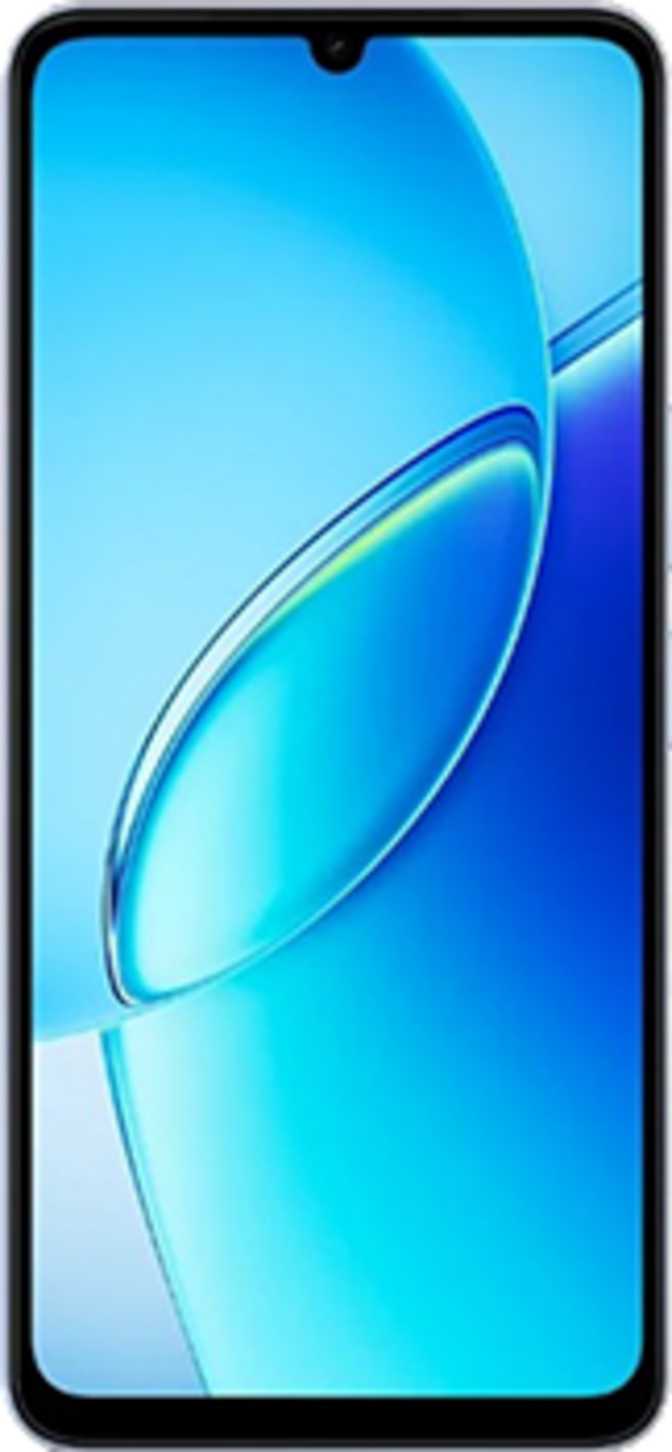
Vivo Y6t Review: A Budget Phone That Earns Its Keep
SmartphonesThe Vivo Y6t makes its case through practical, everyday reliability rather than flashy headline specs. An IP65-rated body, a 4-nanometre Snapdragon 4 Gen 2 chipset, 5G, NFC, and a battery large enough to deliver two full days of use — that combination is uncommon at this price. The trade-offs are real, particularly in the camera and display, but the question is whether those limits matter given how most buyers actually use a phone.
Recommended
Best for practical, long-haul users
Key Specifications at a Glance
Design and Build Quality
More durability than the price suggests
The Vivo Y6t carries an IP65 rating — a certification confirming it is fully dust-tight and protected against low-pressure water jets from any direction. You can use this phone in rain, near a sink, or in a dusty workshop without anxiety. IP65 protection at this price tier is far from standard, and it is one of the first things any practical buyer should notice.
At 8.4 mm thick and 209 grams, the phone sits in the hand with a sense of solidity. It is not feather-light, but that weight communicates build quality rather than bloat. The dimensions — 167.4 mm tall and 77.1 mm wide — put it firmly in large-phone territory. One-handed use will be a stretch for smaller hands, but the footprint is reasonable for a 6.74-inch screen.
Keep in mind: The display does not feature branded damage-resistant glass. A basic protective case is advisable to guard against drops and scratches in daily use.
- Height167.4 mm
- Width77.1 mm
- Thickness8.4 mm
- Weight209 g
- IP RatingIP65
- FoldableNo
Display: The 120Hz Advantage Explained
A smooth screen that makes the trade-off clear
What 120Hz Actually Means for Daily Use
The Vivo Y6t uses a 6.74-inch IPS LCD panel running at 120 Hz. Many phones at similar prices run at 60 Hz — meaning the screen redraws 60 times per second. At 120 Hz, the display refreshes twice as often, translating directly into scrolling that looks smooth, animations that feel crisp, and interactions that respond instantly. It is one of those differences you cannot unsee once you have experienced it.
The resolution sits at 720 x 1600 pixels, yielding a pixel density of 260 pixels per inch. At typical viewing distances, text and icons appear clear. The lower resolution is part of what enables the battery to last as long as it does at 120 Hz — a 1080p panel at the same refresh rate would demand significantly more power.
Where the Display Has Limits
This is an LCD panel, not OLED. Blacks will appear dark grey rather than true black, and contrast will not match OLED screens. There is no HDR10, Dolby Vision, or Always-On Display. For casual video, social media, and everyday use the screen is perfectly adequate. For premium streaming content, this is the honest trade-off to understand before purchasing.
- Size6.74 inches
- TechnologyIPS LCD
- Resolution720 x 1600 px
- Pixel Density260 ppi
- Refresh Rate120 Hz
- HDR SupportNone
- Always-On DisplayNo
Refresh Rate vs. Typical Rivals
Performance: A Chipset That Punches Above Its Price
Modern chip architecture brought to an accessible price point
The Processor in Plain Terms
The Snapdragon 4 Gen 2 is built on a 4-nanometre manufacturing process. The smaller the nanometre figure, the more efficient the chip — it does more work per unit of power, generates less heat, and enables better sustained performance. Many competitors at this price still use older, larger-process chips that run warmer and drain the battery faster. The Snapdragon 4 Gen 2 is Qualcomm's effort to bring modern efficiency to the accessible end of the market.
The processor combines two high-performance cores at 2.2 GHz with six efficiency cores at 2.0 GHz — an architecture called big.LITTLE that routes demanding tasks to the faster cores and everyday tasks to the more power-efficient ones. This is the same structural approach used in flagship chips, scaled for accessible pricing. Eight CPU threads mean multitasking stays smooth in everyday scenarios.
Memory and Storage
Six gigabytes of RAM on a DDR5 standard is meaningfully capable for this class. Most daily tasks — streaming, browsing, social media, navigation — run comfortably without constant reloading. Virtual RAM expansion can push available memory up to 16 GB, helping when running more apps simultaneously.
Storage comes in at 256 GB — generous at this price point where 128 GB is still standard. Photos, offline music, downloaded shows, and a full app library can coexist without constant management. The microSD card slot means further expansion is always available.
Graphics and Gaming
The Adreno 613 GPU supports DirectX 12 and OpenGL ES 3.2, covering the full range of current-generation mobile games and graphics APIs. Casual and mid-tier games run well. Graphically intensive games at their highest settings will require compromises in visual quality or frame rate, but the 120 Hz display means frame delivery feels smooth when the GPU can keep up. There is no gyroscope on this phone, which rules out motion-based gaming controls on titles that require it — worth checking before purchasing if that matters to your gaming habits.
Camera System: Practical Over Impressive
Honest capabilities with clearly stated limitations
The rear camera uses a 13-megapixel sensor with an f/2.2 aperture — a reasonably wide opening that helps admit light in lower-light conditions. There is no optical image stabilisation, which means handheld shots in dim conditions or of moving subjects carry a higher risk of motion blur. For daytime outdoor photography and well-lit indoor shots, results are usable.
Phase-detection autofocus focuses faster and more accurately than the older contrast-detection method — this matters when photographing children, pets, or anything in motion. Slow-motion video, HDR mode, panorama, and manual controls for ISO, white balance, and focus offer more creative range than typical entry-level cameras provide.
- Phase-detection autofocus
- HDR mode & manual controls
- Slow-motion video support
- Panorama mode included
- No optical image stabilisation
- No optical zoom
- Max video: 1080p at 30 fps
The 5-megapixel front camera with an f/2.2 aperture handles selfies and video calls. It is a single-lens setup without a front flash, so low-light selfies depend entirely on ambient lighting. Adequate for well-lit video calls and casual selfies; not the camera to rely on in a dim restaurant or at night.
For the core use case of video calls — remote work meetings, family catch-ups, social streaming — it delivers a clear, functional image. The aperture width means it performs better than many front cameras at this tier in natural daylight.
- Suitable for video calls
- f/2.2 aperture
- No front-facing flash
- Low-light selfies depend on ambient light
Battery Life: The Strongest Argument for Buying This Phone
Two-day capability that redefines the budget tier
The 6,500 mAh battery is the Vivo Y6t's most compelling specification. Most mainstream smartphones ship with batteries in the 4,500 to 5,000 mAh range. The Y6t carries meaningfully more capacity — enough that genuine two-day battery life under moderate use is a realistic expectation, not a marketing claim.
Heavy users — those who stream video, play games, and stay online most of the day — should still expect a full day comfortably. Light to moderate users will regularly reach the end of a second day without charging. For anyone who travels frequently, works long shifts, or simply dislikes the daily charging ritual, this battery is a practical differentiator that no spec sheet comparison can fully convey.
Charging reality: 15W wired only — no wireless charging. A full charge from empty takes a few hours at this speed. Practical advice: top up overnight and this phone will last comfortably until well into the next evening.
Battery Capacity Comparison
Comparison based on industry category averages for this price tier.
Software and Privacy: Android 16 with Real Controls
A current OS platform with meaningful privacy protections built in
The Vivo Y6t ships with Android 16, which is a notable advantage at this price. A current Android version means access to the latest security patches, feature updates, and full app compatibility — a platform that will feel capable for years rather than one bought knowing it is already a generation behind.
Privacy Controls
- App tracking blocker
- Camera & microphone access management
- Location privacy options
- Clipboard warnings
- On-device machine learning
Daily Use Features
- Split-screen multitasking
- Picture-in-Picture mode
- Full-page scrolling screenshots
- Dark mode & extra-dim display
- Dynamic theming & widgets
Smart Features
- Live Text (reads text in photos)
- Offline voice recognition
- Battery health monitoring
- Multi-user system support
- Child lock & parental controls
Connectivity: 5G, NFC, and a Few Thoughtful Extras
More connected than most phones at this price point
5G support places the Vivo Y6t ahead of devices at similar or even higher prices that still ship with 4G-only modems. Download speeds on a 5G network can theoretically reach 2,500 Mbps under ideal conditions — in practical terms, faster app downloads, smoother video streaming, and more responsive browsing when a 5G signal is available.
NFC enables contactless mobile payments — another feature budget phones frequently omit and buyers later regret missing. The 3.5 mm headphone jack is retained, meaning existing wired headphones work without any adapter.
Bluetooth 5.1 includes aptX, aptX HD, and aptX Adaptive support — a surprisingly premium audio codec stack at this segment. aptX Adaptive in particular delivers higher-quality wireless audio with lower latency compared to standard Bluetooth streaming, making a real difference with compatible wireless earbuds.
An infrared blaster is built in, allowing the phone to control televisions, air conditioners, and other home appliances — small, but genuinely useful for the right household. Wi-Fi covers both Wi-Fi 4 and Wi-Fi 5 standards. Wi-Fi 6 is absent, which means the Y6t won't take full advantage of the latest routers on congested networks, though for most home broadband connections this is not a meaningful limitation.
- 5G (Sub-6 GHz)
- Wi-Fi 5 (802.11ac)
- Bluetooth 5.1 + aptX Adaptive
- NFC — contactless payments
- USB Type-C
- 3.5 mm headphone jack
- Infrared blaster
- Dual SIM + microSD
- GPS + Galileo
- Fingerprint scanner
- No Wi-Fi 6
- No gyroscope
Who Should Buy the Vivo Y6t — And Who Shouldn't
Match your priorities to this phone's genuine strengths
- Long-haul users who dislike charging daily. The battery capacity alone makes this the right choice for anyone who travels, works long shifts, or finds the daily charging ritual frustrating.
- Practical buyers who need durability. IP65 protection means this phone handles working environments, outdoor use, and accidental splashes without a trip to the repair shop.
- First smartphone buyers or those upgrading from older budget devices. The Snapdragon 4 Gen 2, 256 GB of storage, and Android 16 offer a meaningful generational leap.
- Music listeners on wired and wireless. The headphone jack plus aptX Adaptive Bluetooth covers both listening styles exceptionally well.
- Photography enthusiasts. The single rear camera without OIS and limited megapixel count won't satisfy anyone who cares about camera quality as a primary purchase criterion.
- Premium video viewers. The 720p LCD panel without HDR doesn't deliver the visual experience that OLED HDR screens provide at comparable price points.
- Performance gamers. The GPU handles casual gaming well, but graphically demanding titles at maximum settings will require visual compromises.
- Those who need fast wireless charging. 15W wired-only charging is functional but slow against a mid-range market that regularly offers 30–65W speeds.
How the Vivo Y6t Compares to Its Natural Rivals
Where this phone wins, loses, and trades blows
| Feature | Vivo Y6t This Phone | Budget Rival Older chip | OLED Competitor Same price |
|---|---|---|---|
| Chipset Process | 4 nm | 6–12 nm | 6 nm |
| Display & Refresh Rate | IPS LCD · 120Hz | IPS LCD · 90Hz | AMOLED · 60–90Hz |
| Battery Capacity | 6,500 mAh | ~5,000 mAh | ~4,500 mAh |
| Water Resistance | IP65 | None | IP52 |
| NFC | Rarely | Sometimes | |
| 5G | Sometimes | Sometimes | |
| Built-in Storage | 256 GB | 128 GB typical | 128 GB typical |
| Headphone Jack | Often no |
The core trade-off against OLED alternatives is clear: the Y6t gives more battery, better water protection, a newer chipset, and 120 Hz — in exchange for an LCD panel rather than AMOLED. Neither choice is objectively wrong; it depends entirely on what you use your phone for most.
Honest Assessment: Strengths and Weaknesses
- Industry-leading battery capacity for this segment — realistic two-day endurance for moderate users is a genuine differentiator
- IP65 water and dust resistance is genuinely unusual at this price and invaluable for working environments and outdoor use
- 4nm Snapdragon 4 Gen 2 brings modern efficiency, lower thermal output, and better sustained performance than older-process rivals
- 256 GB of built-in storage at a price point where 128 GB is still the category standard
- 5G, NFC, and aptX Adaptive Bluetooth form a connectivity package most peers in this range simply don't match
- Android 16 out of the box ensures long software viability and current security protections from day one
- Single rear camera without optical image stabilisation limits quality in low light and when shooting fast-moving subjects
- 720p LCD without HDR is a genuine step down from OLED alternatives offering true blacks and richer colour depth
- 15W wired-only charging is slow against a mid-range market that now regularly offers 30–65W speeds
- No gyroscope limits motion-based gaming controls and certain augmented reality applications
- No branded display glass — a protective case is advisable to guard the screen against drops in daily use
Frequently Asked Questions
Answers to what real buyers search for before purchasing
Final Verdict
The Vivo Y6t is a focused, practical phone that earns its place in the budget segment by being excellent at the things most people actually use a phone for, rather than chasing the specs that look impressive on paper. The battery is legitimately exceptional for this tier. The IP65 certification removes a category of worry that most budget phones leave open. The Snapdragon 4 Gen 2 with 256 GB of storage and Android 16 gives you a platform that will feel capable for years.
Buy this phone if long battery life, durability, and daily reliability matter more to you than camera quality or display richness. If photography is a primary priority, or you watch a lot of premium HDR video, weigh the camera and screen limitations honestly against your daily habits before deciding. For the buyer who wants a phone they can rely on through a full day and well into the next — without worrying about rain, dust, or the nearest power outlet — the Vivo Y6t is a clear, confident recommendation.