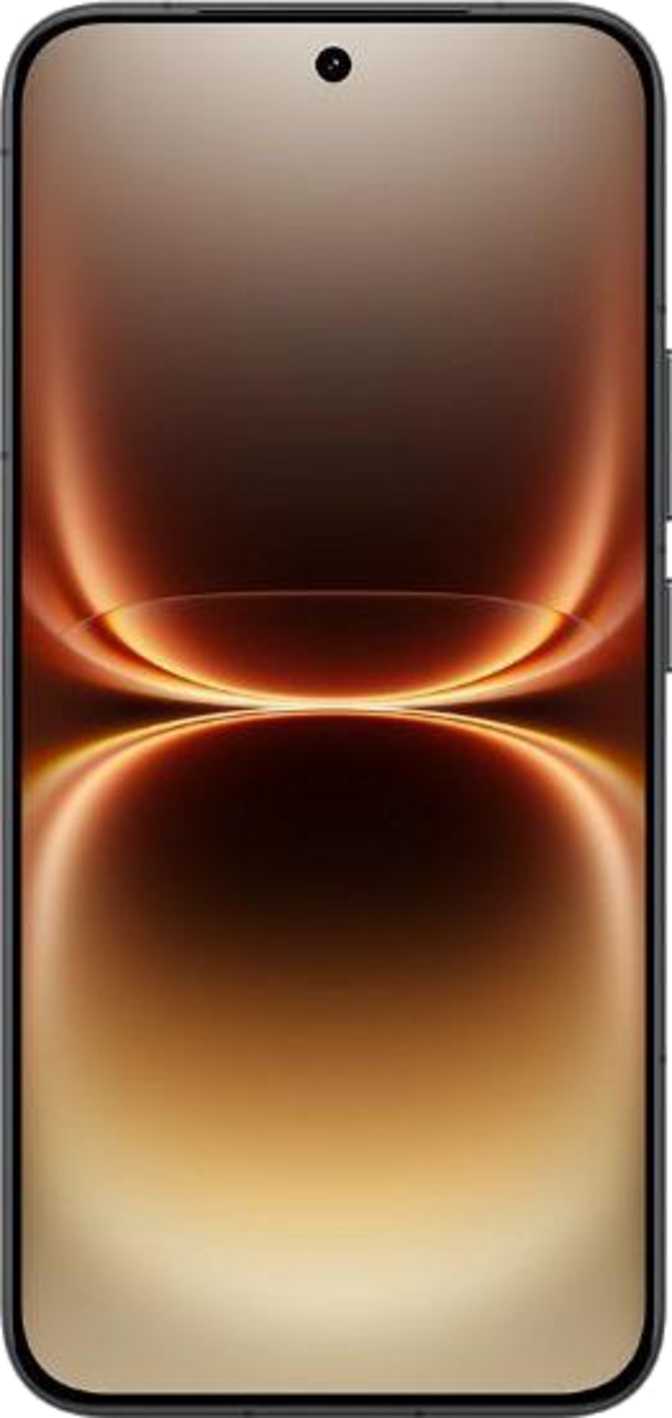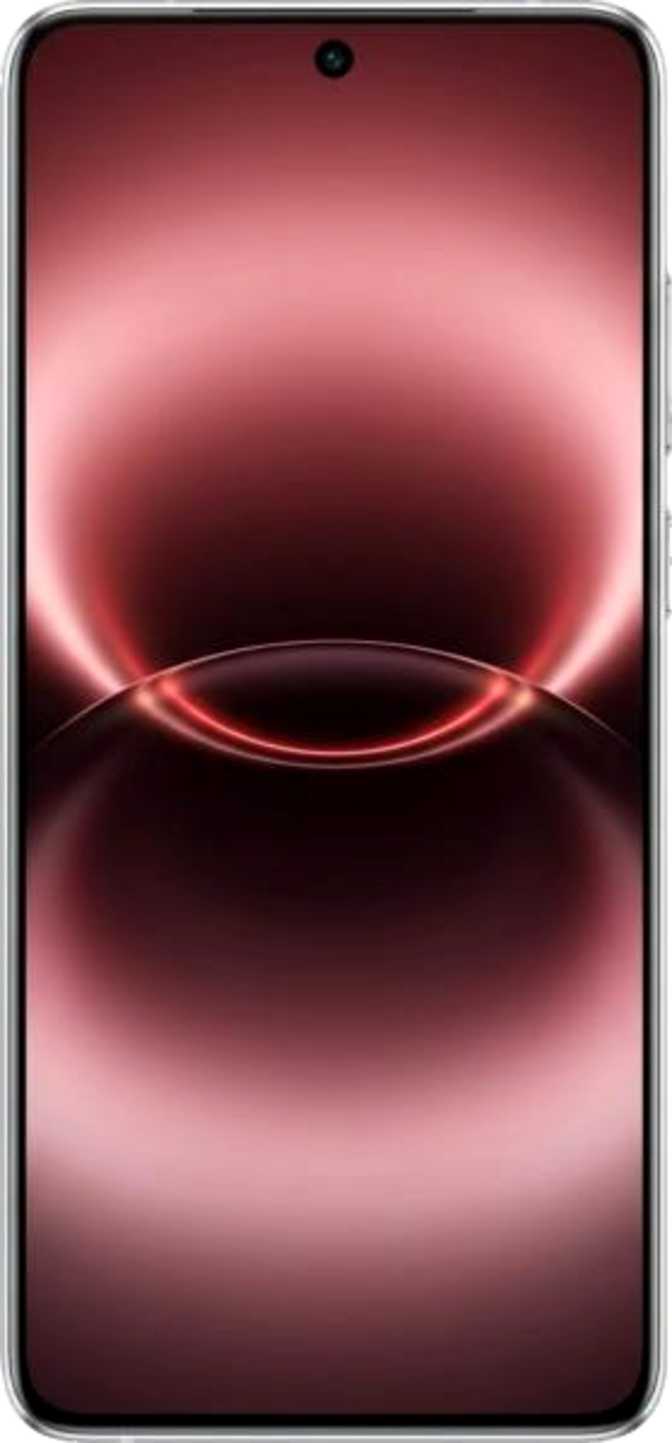
Vivo X300 Ultra Full Review: The Flagship That Refuses to Compromise
SmartphonesThe flagship Android space is crowded with phones that promise the world and deliver somewhere around the suburbs. The Vivo X300 Ultra takes a different approach: stack every meaningful specification to its absolute ceiling, wrap it in a body that can survive genuine punishment, and charge accordingly. Whether that trade-off works for you depends entirely on what you actually need from a phone — and this review exists to help you figure that out before the money leaves your account.
Design and Build Quality
A phone built for the real world — not just the lab test.
Military-Grade Protection
Most flagships carry IP68, which covers submersion in still water. The X300 Ultra steps further with IP69 — a rating that adds resistance to high-pressure, high-temperature water jets of the kind used in industrial cleaning environments. It is also rated to 1.5 metres depth, covering every common immersion scenario. Rain, pool splashes, and the occasional hard rinse are all well within its envelope.
Build & Dimensions
- Weight
- 237 g — Substantial Heft
- Thickness
- 8.2 mm — Impressively Restrained
- Dimensions
- 163 × 76.8 mm
- Display Glass
- Branded Damage-Resistant Glass
What the Weight Means in Practice
At 237 grams, the X300 Ultra sits at the heavier end of the flagship range — a direct consequence of the massive battery, complex camera module, and IP69 sealing. For desk use, car mounts, or bag carry, it rarely matters. For extended one-handed sessions or long gaming stretches, the weight becomes noticeable over time.
The flat display — not curved — pays off in better screen protector compatibility and eliminates the accidental edge-touch problem curved panels introduce.
Display: The Panel That Sets the Standard
A 6.82-inch OLED panel with every major HDR standard, a sharpness level that exceeds what the eye can resolve, and a refresh rate that makes everything feel physical.
What These Numbers Mean in Real Life
OLED technology delivers true blacks by switching individual pixels off entirely — there is no backlight bleed, no washed-out dark scenes. At 510 pixels per inch, individual pixels are not visible at any normal viewing distance. The 1440 × 3168 resolution distributed across that 6.82-inch surface produces images that simply look real.
The 144Hz refresh rate makes scrolling feel physical rather than digital. For gaming, it provides a tangible responsiveness advantage over standard 60Hz screens. The Always-On Display lets you check the time and notifications without waking the panel — a quality-of-life feature that, once used daily, you cannot easily go back from.
HDR Support — The Complete Stack
The X300 Ultra supports all three major HDR standards simultaneously. This matters because streaming services use different formats: some platforms encode in Dolby Vision, others in HDR10+, and virtually all support HDR10 as a baseline. Having the full set means you are never watching content in a downgraded format regardless of which platform you choose. In a dark room, the Dolby Vision difference is immediately visible.
Performance: Built for Tasks That Don't Exist Yet
The Qualcomm Snapdragon 8 Elite Gen 5 on a 3-nanometer process represents the current ceiling of mobile silicon — not a trimmed-down variant, but the full configuration.
Benchmark Performance
Geekbench 6 · Scores represent the absolute performance frontier for consumer mobile hardware
The Architecture Explained
The 3-nanometer manufacturing process packs more transistors into less physical space than previous generations — delivering more power with less heat and better energy efficiency as a result. The CPU pairs two high-performance cores running at 4.6GHz for latency-sensitive tasks with six efficiency cores at 3.62GHz for lighter background workloads. The phone stays fast without burning battery when you're just browsing.
The Adreno 830 GPU at 1,200MHz with 1,536 shader units can feed the 144Hz QHD+ panel at maximum game settings without compromise — the display and the chip are genuinely matched to each other.
Camera System: The Core Selling Point
A 14–85mm focal range, 8K video, RAW format shooting, and a multi-system autofocus that rarely misses. This is a legitimate camera tool, not a consumer snapshot device.
Focal Range & Optical Zoom
The system spans 14mm to 85mm — a practical range covering wide-angle environments and architecture at one end, and flattering portrait photography at the other. The 85mm maximum is traditionally the most flattering focal length for portraits because of how it renders facial proportions with minimal distortion. The 3.7x optical zoom sits within this range, delivering true optical magnification without the quality loss that digital cropping introduces.
Optical Image Stabilisation physically moves lens elements to counteract hand movement. This has a measurable impact on sharpness, especially in low light or at the telephoto end of the range where motion amplifies blur.
Autofocus System
Phase-detection autofocus determines the direction and magnitude of focus error and corrects in a single movement, rather than hunting through the focus range until it finds sharpness. Laser autofocus supplements this with reliable distance measurement in dark or low-contrast scenes where phase-detection alone may struggle.
Together, these two systems produce fast, accurate focus in virtually any lighting condition — including environments where single-system cameras would miss.
Video Capabilities
- 8K at 30fps Main CameraPost-production headroom for cropping, reframing, and stabilisation without output quality loss
- HDR10 Video RecordingWide dynamic range captured directly in footage
- Slow-Motion RecordingFast motion captured with detail invisible at standard speed
- Continuous AF During VideoSubjects stay sharp during movement without manual intervention
Manual Controls & RAW
- RAW Format ShootingFull unprocessed sensor data — complete editing control in post-production
- Manual ISO & ExposureFull control over sensor sensitivity and incoming light
- Manual White BalanceAccurate colour temperature calibration per scene
- Burst Mode & TimelapseRapid sequential capture for fast subjects · long-form scene compression
Front Camera
The 50-megapixel front camera with an f/2.5 aperture delivers enough resolution to crop aggressively while maintaining output detail — useful for content creators and video callers alike. There is no front-facing flash, which is standard in this category. The sensor uses a BSI (back-illuminated) design, which improves light capture efficiency in lower-light conditions.
Battery Life and Charging
Among the largest batteries in any non-rugged flagship, paired with the fastest wired and above-average wireless charging available. Energy management stops being a concern.
At moderate use — social media, messaging, calls, streaming — this comfortably supports more than a full day per charge, with many users reporting reaching the end of a second day before needing to plug in.
From empty to full in well under an hour. A 15–20 minute connection restores a meaningful portion of the battery, making opportunistic top-ups practical throughout the day rather than a nightly ritual.
Most wireless chargers operate at 15–25W. At 40W, the wireless pad becomes a realistic daily charging method — not just a slow overnight fallback. Reverse wireless charging is not supported.
Software and Privacy
Android 16 with Vivo's feature-dense overlay, comprehensive privacy controls, and a productivity toolkit that covers most professional needs.
Privacy Controls
- Clipboard Access WarningsNotified when apps read your clipboard data
- Camera & Microphone ControlsBlock access per application at the system level
- Location Privacy OptionsGranular control over location sharing per app
- App Tracking BlockPrevent apps from profiling behaviour across sessions
- On-Device Machine LearningAI features processed locally — not sent to external servers
- Offline Voice RecognitionVoice commands work without an active internet connection
Productivity & Usability
- Split-Screen MultitaskingTwo apps running side by side simultaneously
- Picture-in-PictureVideo continues while navigating other apps
- Full-Page Scrolling ScreenshotsCapture entire long-form pages in a single shot
- Multi-User SupportSeparate work and personal profiles on one device
- Dynamic Theming & Dark ModeAdaptive visual styling across the system
- Extra Dim ModeScreen brightness drops below the standard hardware minimum
Connectivity and Audio
Wi-Fi 7, Bluetooth 5.4, dual SIM, satellite SOS, and an infrared remote — this phone maintains capabilities most Western flagships have quietly discontinued.
Wireless Connectivity
- Wi-Fi 7 (802.11be)Current ceiling of consumer wireless networking — backward compatible with all prior standards
- 5G with Dual SIMTwo independent lines or data plans active simultaneously
- Satellite SOSEmergency distress signal directly via satellite where no cellular coverage exists
- NFCContactless payments, transit cards, device pairing
- Infrared SensorUniversal remote for televisions, air conditioning, and other IR-controlled appliances — largely absent from most current flagships
Wired & Audio
- USB-C · USB 3.2High-speed data transfer for large files including 8K footage · video output to external displays
- Stereo SpeakersDual-driver sound with genuine stereo width — media, gaming, and calls all benefit
- aptX Adaptive Bluetooth AudioDynamic bitrate — the current pinnacle of the aptX family with both high-quality and low-latency modes
- aptX HD Also SupportedHigh-resolution wireless audio for compatible devices
- No 3.5mm Headphone Jack · No LDACWired audio requires USB-C or adapter · Sony headphone users will not get their highest-quality codec
Who Should Buy the Vivo X300 Ultra?
- Mobile photographers and videographers
8K recording, RAW support, full manual controls, and a meaningful telephoto reach — all without carrying a separate camera.
- Power users who dislike battery anxiety
The 6,600 mAh capacity combined with 100W charging means energy management is simply not part of daily planning.
- Heavy multitaskers
16GB of fast RAM keeps every app loaded. 1TB means no file ever needs deleting to free space.
- Outdoor and adventure users
IP69 covers scenarios that damage IP68 phones. Satellite SOS adds a safety layer where cellular coverage fails entirely.
- Travellers and digital nomads
Dual SIM, satellite SOS, Wi-Fi 7, and infrared remote make this a capable all-situations travel companion.
- Those prioritising a compact or lightweight phone
At 237 grams and 76.8mm wide, this demands two-handed use. Smaller hands will find extended one-handed operation tiring.
- Budget-conscious buyers
Every specification sits at the top of the market, and the pricing reflects that. The value is real but absolute, not relative.
- Audiophiles with Sony headphones
LDAC is not supported. WH-1000XM and WF-1000XM owners will not get the highest-quality codec their headphones support.
- Users who prefer stock Android
Vivo's software layer over Android 16 is feature-dense. Those who value a clean, unmodified Google experience may find it overwhelming.
Competitive Positioning
How the X300 Ultra stacks up against category norms for flagship Android devices at this price tier.
| Feature | Vivo X300 Ultra | Typical Flagship Competitor |
|---|---|---|
| Water Resistance | IP69Pressure jet + immersion | IP68 — immersion only |
| Battery Capacity | 6,600 mAh | 4,500–5,000 mAh typical |
| Wired Charging | 100W | 30–67W typical |
| Wireless Charging | 40W | 15–25W typical |
| Base Storage | 1 TB | 128–256GB typical |
| RAM | 16GB DDR5 | 8–12GB typical |
| Wi-Fi Standard | Wi-Fi 7 | Wi-Fi 6E common |
| Satellite SOS | Yes | Limited to select models |
| Infrared Remote | Yes | Largely absent from flagships |
| Headphone Jack | No | Absent on most flagships |
| LDAC Support | No | Varies by manufacturer |
| Expandable Storage | No | Absent on most flagships |
Honest Strengths and Weaknesses
Where It Genuinely Excels
The X300 Ultra's strengths are not marginal improvements — they are categorical advantages in specific areas. The IP69 rating alone places it in a protection tier most flagships simply do not reach. The battery and charging combination is class-leading: a very large capacity paired with 100W wired and 40W wireless charging means energy management stops being a daily concern in a way no other mainstream flagship quite matches.
The chipset and memory configuration represent the actual ceiling of current mobile silicon — not a slightly below-top variant trimmed for cost. The camera's focal range from 14mm to 85mm is well-chosen for real-world utility: the wide end covers environments usefully, while the 85mm upper end serves portrait photography without requiring extreme zoom that degrades in low light.
RAW support and full manual controls make this a legitimate tool for photographers. The infrared sensor and satellite SOS are capabilities Vivo has maintained where most competitors have quietly removed them.
Where It Falls Short
The weight is the most honest concern. At 237 grams, the X300 Ultra is noticeable after extended use, and users accustomed to lighter devices will feel the difference acutely. Combined with the 76.8mm width, one-handed use is a compromise rather than a comfortable default. The trade-off is understandable — it is the cost of the battery and camera system inside — but it is real and should not be dismissed.
The software layer, while feature-rich, is not stock Android. Users who value a clean, unmodified Google experience will need to accept Vivo's overlay. It is not unusable — it is feature-dense — but it is a preference gap that genuinely exists.
LDAC's absence is specific but meaningful. Sony WH-1000XM and WF-1000XM headphone owners will not get the highest-quality codec their headphones support. aptX Adaptive covers most wireless audio scenarios excellently, but it is not LDAC, and users who have tuned their listening setup around Sony's codec will know the difference on complex audio at high volumes.
Common Questions From Real Buyers
Final Verdict
The Vivo X300 Ultra is not trying to be everything to everyone. It is trying to be the absolute best version of a specific type of phone: a large-format, high-performance flagship with serious camera credentials, exceptional endurance, and protection that exceeds category norms at every level.
If you are a power user who wants a phone that can genuinely replace a camera for most shooting scenarios, sustain heavy use across a full day and into the next, handle whatever environmental punishment daily life delivers, and never slow down regardless of what you throw at it — this is one of the most complete packages current mobile hardware allows.
If you prioritise a compact form factor, a stock Android experience, LDAC audio, or a lighter impact on your budget, the X300 Ultra will frustrate you in the areas that matter to you specifically. Know your use case before you commit.