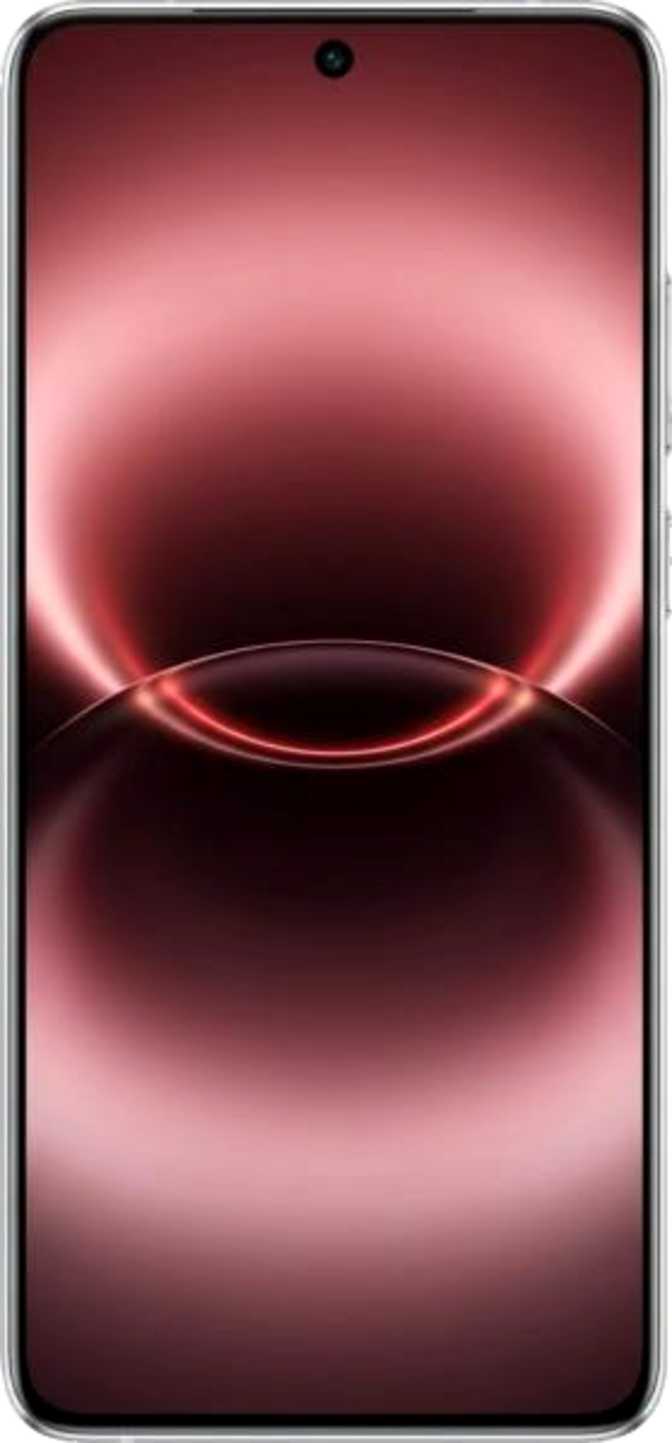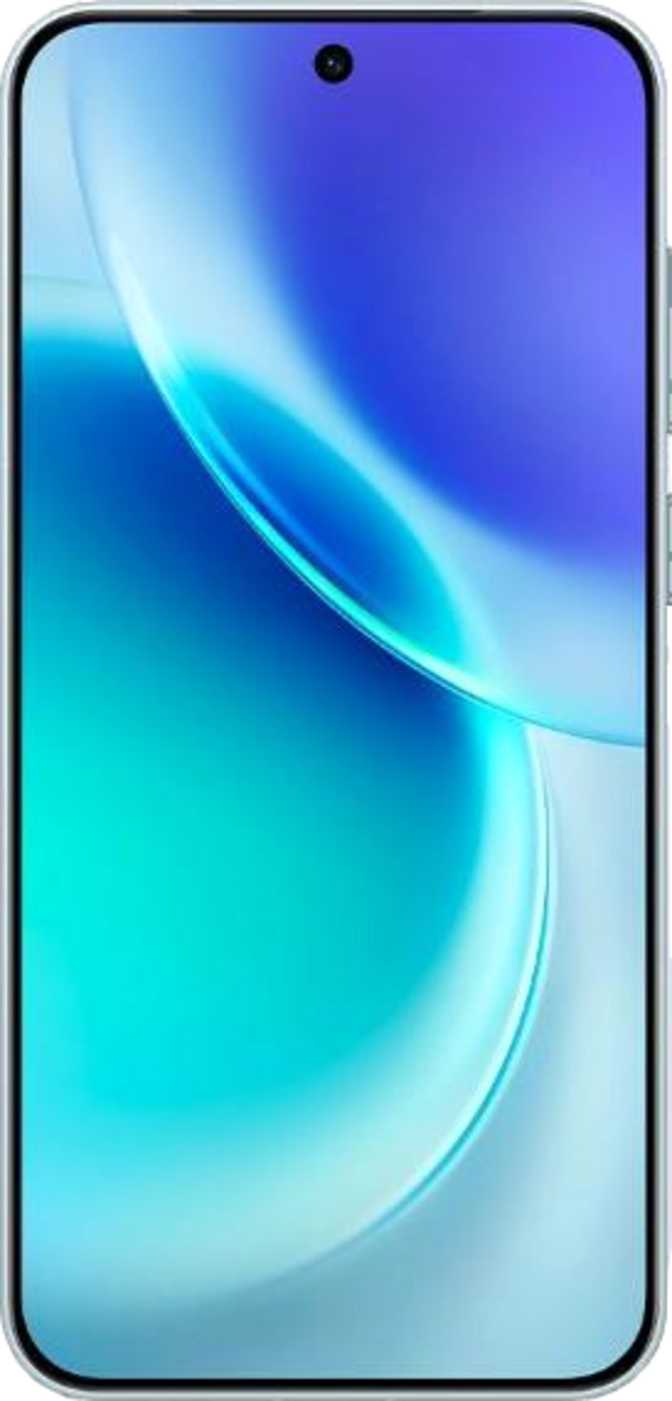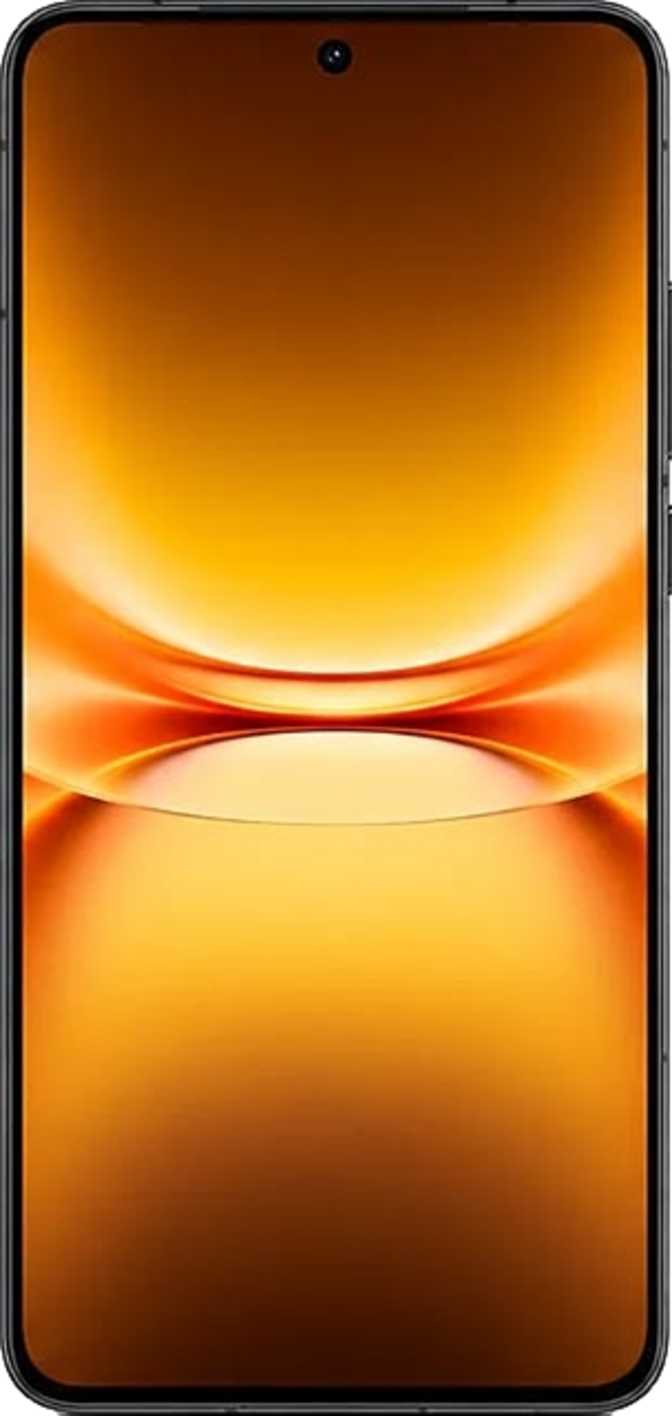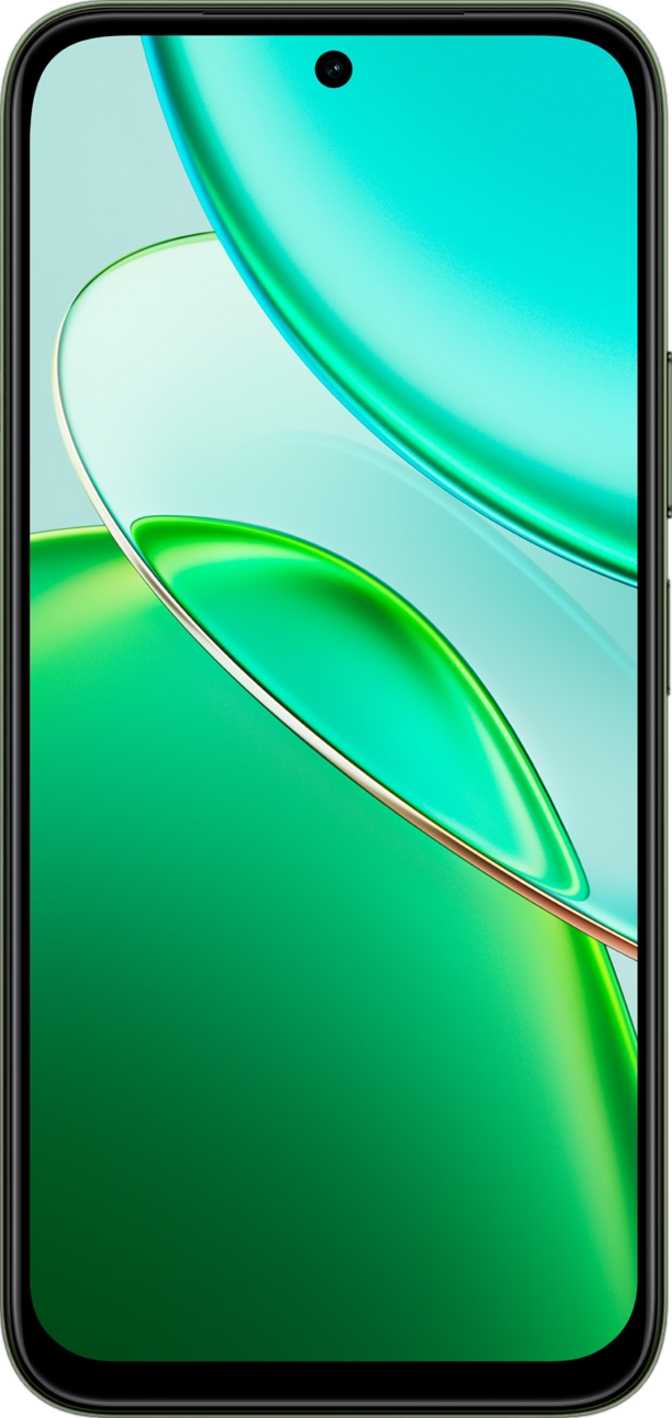
The mid-to-upper smartphone market is crowded with devices that promise flagship performance at a friendlier price, but few manage to deliver without a meaningful compromise somewhere along the way. The Vivo X300 FE enters this space with an unusually complete specification sheet — a proper flagship-grade processor, a substantial battery, wireless charging, and an IP69 waterproof rating — packaged in a chassis that doesn't feel like it was designed on a budget. Whether those features translate into a phone worth buying depends entirely on who's asking. This review works through every layer so you can decide with confidence.
Design and Build Quality
Slim, sealed, and refined for everyday use
At 8mm thin and 191 grams, the Vivo X300 FE occupies a sweet spot that is getting harder to find. It is thin enough to slide into a jeans pocket without bulk, yet heavy enough to feel substantial in the hand — not a hollow, cheap-feeling slab. The 71.8mm width keeps one-handed reach manageable for most adult hands without drifting into territory where you are constantly adjusting your grip.
The chassis is not classified as a rugged phone — it lacks the rubberized bumpers or military-drop-standard certifications of purpose-built tough devices. What it offers instead is a refined, everyday device that handles the kinds of accidents real life actually throws at a phone, with significantly more confidence than most competitors at this size.
Understanding IP69 Waterproofing
IP69 is the highest waterproof classification in the international standard — it covers not just submersion to 1.5 meters, but high-pressure, high-temperature water jet exposure as well. Most competing phones in this price range carry IP68, which covers submersion alone. The X300 FE goes a meaningful step further.
- Height150.8 mm
- Width71.8 mm
- Thickness8 mm
- Weight191 g
- IP RatingIP69
- Waterproof Depth1.5 m
- Rugged BuildNo
- Folding DesignNo
Display: Sharp and Smooth, with Honest Caveats
6.31″ OLED · 461 ppi · 120Hz refresh rate · No HDR certification
What the Screen Does Well
The 6.31-inch OLED panel produces true blacks, vivid contrast, and colors that hold up in direct sunlight. Each pixel generates its own light rather than relying on a backlight, which gives the display a depth and purity that LCD panels cannot match. At 461 pixels per inch — a density that surpasses most competing phones at this screen size — text is razor sharp and photos look detailed in a way lower-density panels simply cannot reproduce.
The 120Hz refresh rate makes scrolling through social media, web pages, or long documents feel fluid and natural rather than stuttery. Think of refresh rate as how many times per second the screen redraws itself — at 120Hz, motion looks nearly twice as smooth as the standard 60Hz screens still found on many competing phones.
Confirmed Limitations
The X300 FE's display does not support HDR10, HDR10+, or Dolby Vision — the three main standards that unlock richer color and contrast when streaming premium content from services like Netflix or YouTube. For most everyday use, the absence is invisible. For regular watchers of movies and streaming series, this is a genuine limitation worth weighing before buying.
The phone lacks an Always-On Display mode — the screen stays fully off when idle, and you will need to tap or raise the device to check notifications. The screen is flat rather than curved, which avoids accidental edge-touch issues and makes applying a screen protector a straightforward job.
- Panel TypeOLED / AMOLED
- Screen Size6.31 in
- Resolution1216 × 2640 px
- Pixel Density461 ppi
- Refresh Rate120 Hz
- HDR10No
- Dolby VisionNo
- Always-On DisplayNo
- Damage-Resistant GlassNo
- Curved ScreenNo (Flat)
Performance: Flagship-Grade Without Compromise
Snapdragon 8 Gen 5 · 3nm · 12 GB DDR5 RAM · 512 GB storage
The Processor Explained
The Snapdragon 8 Gen 5 is built on a 3-nanometer manufacturing process — the same fabrication generation used in the most powerful chips in consumer electronics today. Smaller transistors mean more processing capacity packed into less physical space, generating less heat per unit of work. The practical result is better sustained performance during extended sessions — heavy workloads don't cause the chip to throttle down after a few minutes to avoid overheating, which is a real problem with older designs.
The CPU pairs two high-performance cores running at frequencies that represent the top of what mobile processors currently achieve with six efficiency cores that handle lighter tasks — web browsing, messaging, background processes — without drawing unnecessary power. This architecture is what allows the phone to feel snappy in everyday tasks while still lasting a full day on a charge.
Geekbench 6 Benchmark Results
These scores place the X300 FE firmly at the top tier of mobile processors — territory typically occupied by the current flagship generation from the major manufacturers. Demanding tasks like photo editing, video rendering, gaming, and large file operations are handled without visible slowdown.
- ChipsetSnapdragon 8 Gen 5
- Process Node3 nm
- CPU Layout2×3.8 + 6×3.32 GHz
- GPUAdreno 840 @ 1200 MHz
- RAM12 GB DDR5
- RAM Speed4,800 MHz
- Max Supported RAM24 GB
- Memory Bandwidth84.8 GB/s
- Internal Storage512 GB
Camera System: Capable, with One Significant Limitation
50+50+8 MP triple rear · 3× optical zoom · 50 MP front · No OIS
The Rear Camera Setup
The X300 FE uses a triple-camera array across the back. Both the primary and secondary rear cameras resolve at 50 megapixels, while a third handles a narrower field of view at 8 megapixels. The primary shooter has the fastest aperture of the three at f/1.6, meaning it gathers the most light in low-light conditions where camera performance is most challenged.
Optical zoom extends to 3×, covering a focal range equivalent to roughly 23mm to 70mm in traditional photography terms. The 23mm starting point handles wide-angle shots naturally, and 70mm compression is useful for portraits and moderate telephoto captures without the distortion you get from a pure digital crop.
Phase-detection autofocus — the faster, more accurate variety that doesn't hunt or stutter — handles still photos, and continuous autofocus operates during video recording. Full manual control over ISO, white balance, and exposure is available for users who want creative control. Slow-motion video, time-lapse, panorama, burst mode, and HDR shooting are all supported.
Front Camera
The 50-megapixel front camera with an f/2.0 aperture is genuinely competitive for selfies and video calls. High resolution combined with a wide aperture produces well-lit, detailed self-portraits — not the soft, blurry front-camera results that budget phones frequently deliver.
- Rear Cameras50 + 50 + 8 MP
- Main Aperturef/1.6
- Optical Zoom3×
- Focal Range23 – 70 mm
- Autofocus TypePhase-Detection
- OISNo
- RAW ShootingNo
- Front Camera50 MP / f/2.0
Included Camera Features
- Slow-motion video recording
- HDR mode for stills
- Time-lapse recording
- In-camera panorama
- Burst / serial shot mode
- Manual ISO & white balance
- Manual focus & exposure control
Battery and Charging: One of the Strongest Arguments for This Phone
6,500 mAh · 90W wired · 40W wireless charging
The battery in the X300 FE is substantially larger than the typical capacity found in similarly sized smartphones, which usually ranges between 4,500mAh and 5,000mAh. At 6,500mAh, the difference is not trivial. For the vast majority of users, the phone will comfortably cover a full day without reaching for a charger. For light-to-moderate users, two days between charges is a realistic expectation.
What makes the battery story even more compelling is the charging ecosystem around it. Wired charging at 90 watts is fast enough to take the battery from critically low to roughly half capacity in under thirty minutes — a meaningful difference when rushing out the door. Wireless charging at 40 watts is equally impressive: most phones cap wireless charging at 15 watts, and even premium flagships rarely exceed 50 watts wirelessly. The X300 FE sits near the top of what the technology currently delivers.
- Capacity6,500 mAh
- Wired Charging90W
- Wireless Charging40W
- Reverse WirelessNo
- Removable BatteryNo
- Battery Health CheckYes
Maximum Wireless Charging Speed
40W
Requires a compatible Vivo wireless charger. Standard Qi chargers will work at reduced speeds.
Audio: A Rare Highlight at This Price Point
3.5mm headphone jack · Stereo speakers · Bluetooth 6 · No LDAC or aptX
The inclusion of a 3.5mm headphone jack deserves direct acknowledgment. It is increasingly rare in phones marketed as premium devices, and its presence here is a practical win. If you own wired headphones — whether a pair of quality earbuds, studio monitors, or audiophile-grade over-ear cans — you can connect them directly without a dongle, adapter, or extra cable to carry and lose. No Bluetooth latency. No adapter charging.
Stereo speakers deliver audio from two separate directions rather than a single bottom-mounted unit. For watching videos, gaming with the phone held horizontally, or taking video calls in a room, stereo makes a perceptible difference in immersion and positional clarity.
The phone does not support high-resolution wireless audio codecs like LDAC or aptX Adaptive, which means premium Bluetooth headphones will not deliver their highest audio quality wirelessly. For most listeners this distinction is genuinely inaudible, but dedicated audiophiles should note the absence before pairing a high-end set of wireless cans.
Audio Features
- 3.5mm headphone jack — wired audio without adapters
- Stereo speakers — dual-direction audio output
- Bluetooth 6 — latest-generation wireless audio standard
- No LDAC — hi-res wireless codec absent
- No aptX or aptX HD / Adaptive / Lossless
- No FM radio
Connectivity: Mostly Modern, One Dated Detail
Wi-Fi 7 · 5G · Bluetooth 6 · NFC · USB-C · USB 2.0 speed
Where It Shines
Wi-Fi 7 support is a forward-looking inclusion. This is the latest generation of wireless networking, and while routers with Wi-Fi 7 are not yet ubiquitous in homes, the X300 FE will be fully ready to take advantage of faster, lower-latency networking as infrastructure catches up. Wi-Fi 6 and 5 compatibility ensures backwards compatibility with current hardware you almost certainly already own.
Bluetooth 6 is current-generation and handles wireless audio, peripherals, and data exchange with modern efficiency. NFC supports contactless payments and quick device pairing. GPS paired with Galileo satellite support improves positioning accuracy, particularly in dense urban environments where standard GPS signal can be inconsistent between tall buildings.
The infrared sensor — increasingly rare on modern smartphones — allows the X300 FE to function as a remote control for televisions, air conditioners, and other IR-compatible appliances. Users who rely on this tend to genuinely appreciate having it built in rather than requiring a separate device or dedicated remote.
- 5GYes
- Wi-FiWi-Fi 4 / 5 / 6 / 7
- Bluetooth6.0
- NFCYes
- SIM CardsDual SIM
- USB PortUSB-C
- USB SpeedUSB 2.0
- GPS + GalileoYes
- Infrared SensorYes
- Fingerprint ScannerYes
- GyroscopeYes
- Accelerometer + CompassYes
Software: Android 16 with Meaningful Privacy Controls
Android 16 · On-device ML · Dark mode · Full privacy toolkit
The X300 FE ships with Android 16, the latest available version of Google's mobile operating system. The privacy toolkit is substantial: individual app-level control over camera and microphone access, granular location permission options, the ability to block tracking across applications, and clipboard access monitoring that alerts you when an app reads what you have copied.
Who This Phone Is For — and Who Should Look Elsewhere
- Heavy mobile users who need all-day battery with fast top-up capability — no mid-day panic about finding a charger
- People who use their phone near water — at the pool, in rain, in kitchens, or in physically demanding environments
- Users who still rely on wired headphones and refuse to sacrifice the audio jack
- Gamers and power users who need top-tier processing for demanding titles and heavy multitasking
- Anyone who wants a manageable screen size — 6.31 inches — without compromising display sharpness or color quality
- You shoot a lot of handheld video and need optical stabilization for smooth, blur-free footage
- You watch significant amounts of HDR streaming content and want the display to deliver the full effect
- You are a photography enthusiast who edits from RAW files in Lightroom or similar software
- You regularly transfer large video libraries or full backups to a computer over USB and need fast transfer speeds
- You rely on an Always-On Display to check the time and notification count without waking the screen
Competitive Positioning
How the Vivo X300 FE stacks up against logical alternatives in the same market segment
| Feature | Vivo X300 FE | Typical Mid-Flagship | Typical True Flagship |
|---|---|---|---|
| Waterproof Rating | IP69 | IP68 | IP68 |
| Processor Tier | Top-tier (3nm) | Mid-tier | Top-tier |
| Battery Capacity | Extra-large | Standard | Standard to large |
| Wireless Charging | 40W | 15W | 30–50W |
| Optical Stabilization | No | Yes | Yes |
| 3.5mm Headphone Jack | Yes | No | No |
| HDR Display Support | No | Varies | Yes |
| USB Transfer Speed | USB 2.0 | USB 2.0 – 3.2 | USB 3.2 |
| Included Storage | 512 GB | 128–256 GB | 256–512 GB |
The X300 FE outperforms alternatives in waterproofing, battery capacity, and wireless charging speed while underperforming in OIS, HDR display standards, and USB transfer speed. No competitor at the same general price point wins across all categories — which is the honest truth of the segment.
Real Buyer Questions, Answered
Common questions people search before buying the Vivo X300 FE
The Vivo X300 FE doesn't fit neatly into a single category, and that's part of what makes it worth taking seriously. The processing power of a true flagship, the waterproofing of a phone designed for harsh conditions, the battery endurance of a two-day device, and the charging speed of a premium competitor — wrapped in a chassis that keeps the headphone jack most phones at this tier have abandoned. That combination doesn't currently have many rivals.
The compromises are real: the absent optical stabilization limits camera versatility in exactly the situations where people most want reliable photos — low light and handheld video. The lack of HDR display support is a genuine gap at this performance tier. And USB 2.0 is a decision that will frustrate anyone who works with large files regularly. These are not footnotes — they are daily-use trade-offs that matter for specific buyers.
Standout Strengths
- IP69 waterproofing — the highest standard, not just adequate
- Snapdragon 8 Gen 5 — genuine top-tier processing in a non-premium wrapper
- 6,500 mAh battery — substantially above category norms
- 40W wireless + 90W wired charging — fast on both fronts
- 3.5mm headphone jack — a rare and welcomed inclusion
Real Trade-offs to Accept
- No OIS — low-light photos and handheld video suffer without it
- No HDR display support — streaming quality hits a ceiling
- USB 2.0 only — wired file transfers are slow for large volumes
- No RAW photo capture — limits post-processing flexibility
- No branded screen glass protection included
Our Recommendation
Buy it if battery endurance, IP69 protection, and flagship performance are your priorities. Pass if camera stabilization, HDR streaming, or fast USB transfers matter more to your daily use than any other single feature.