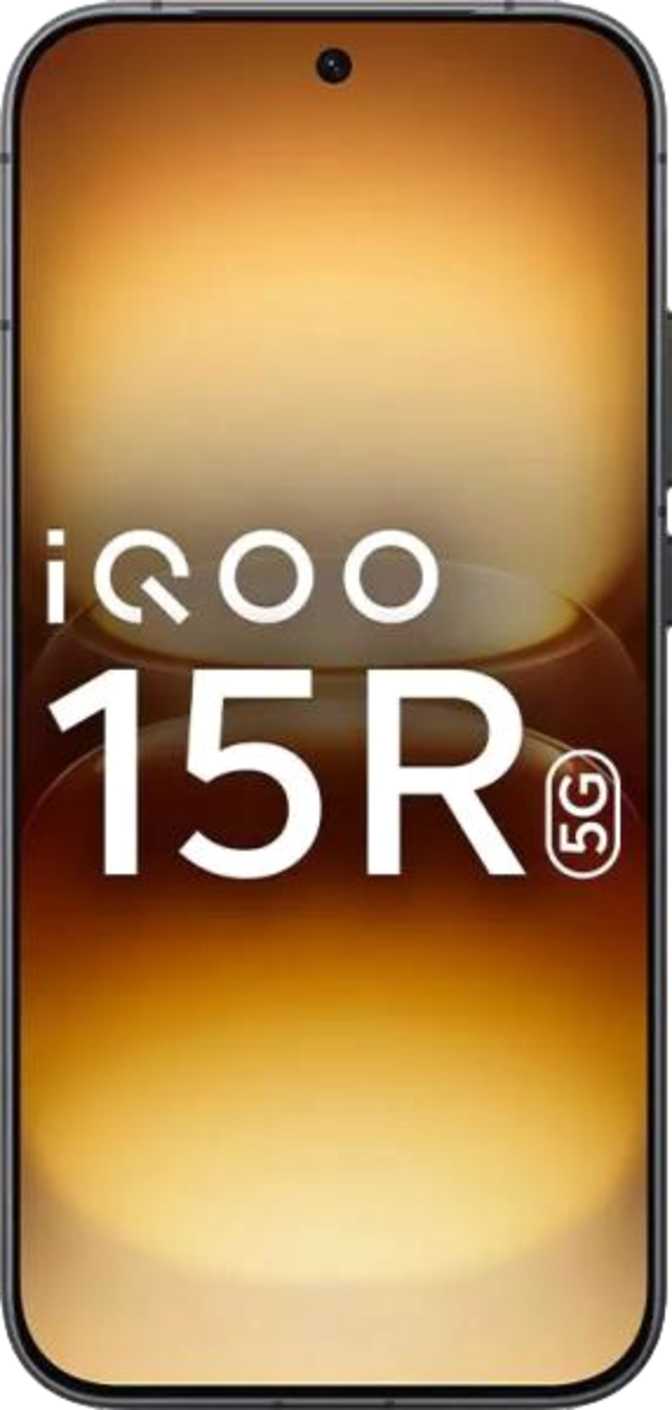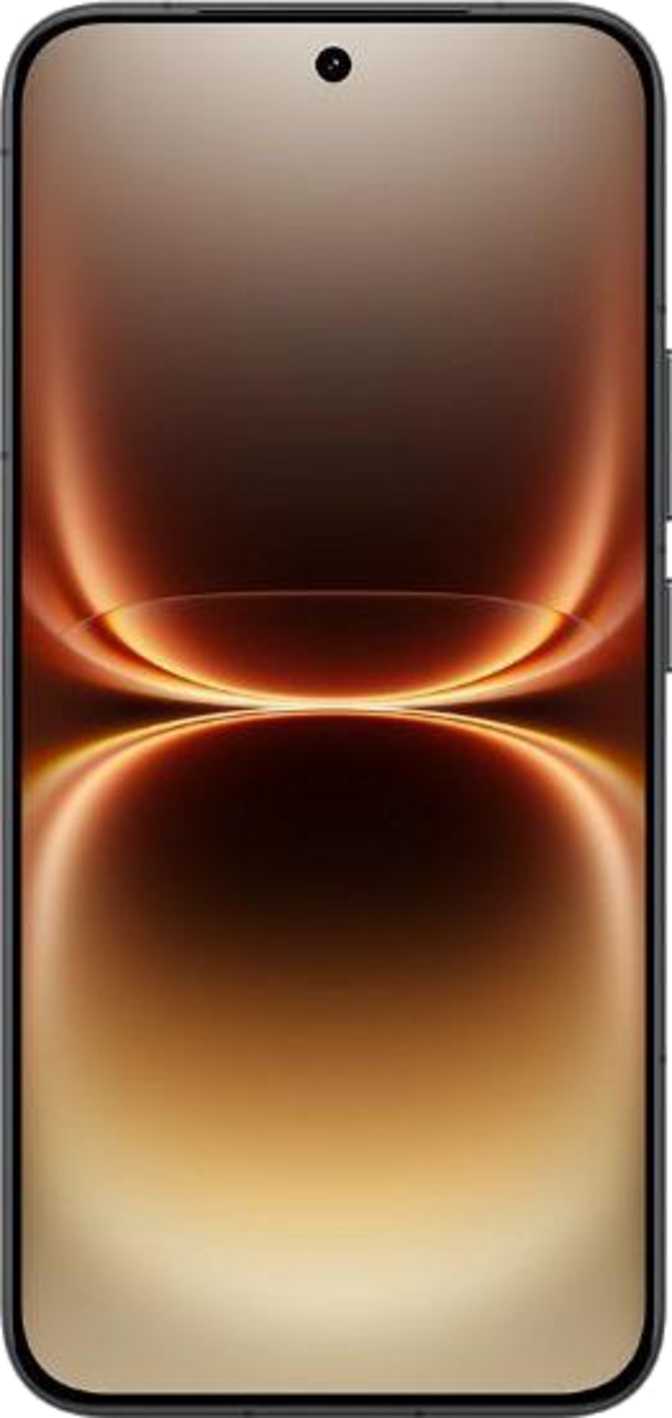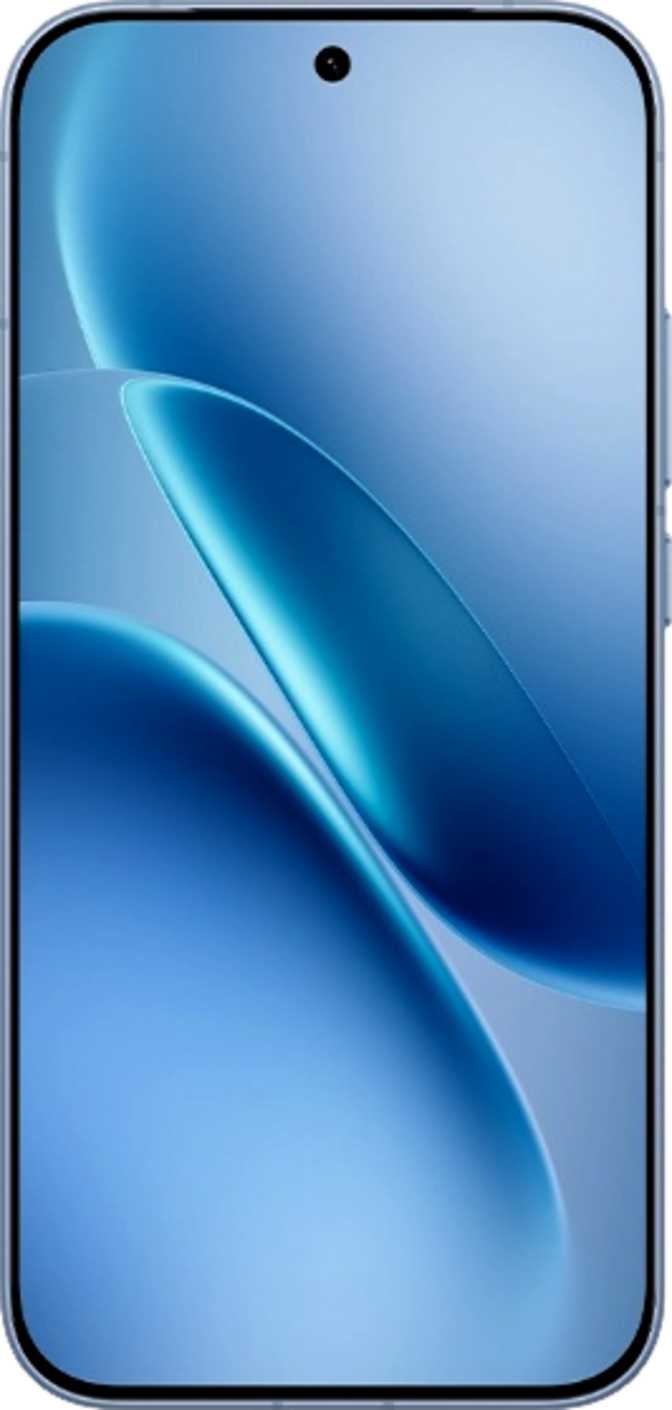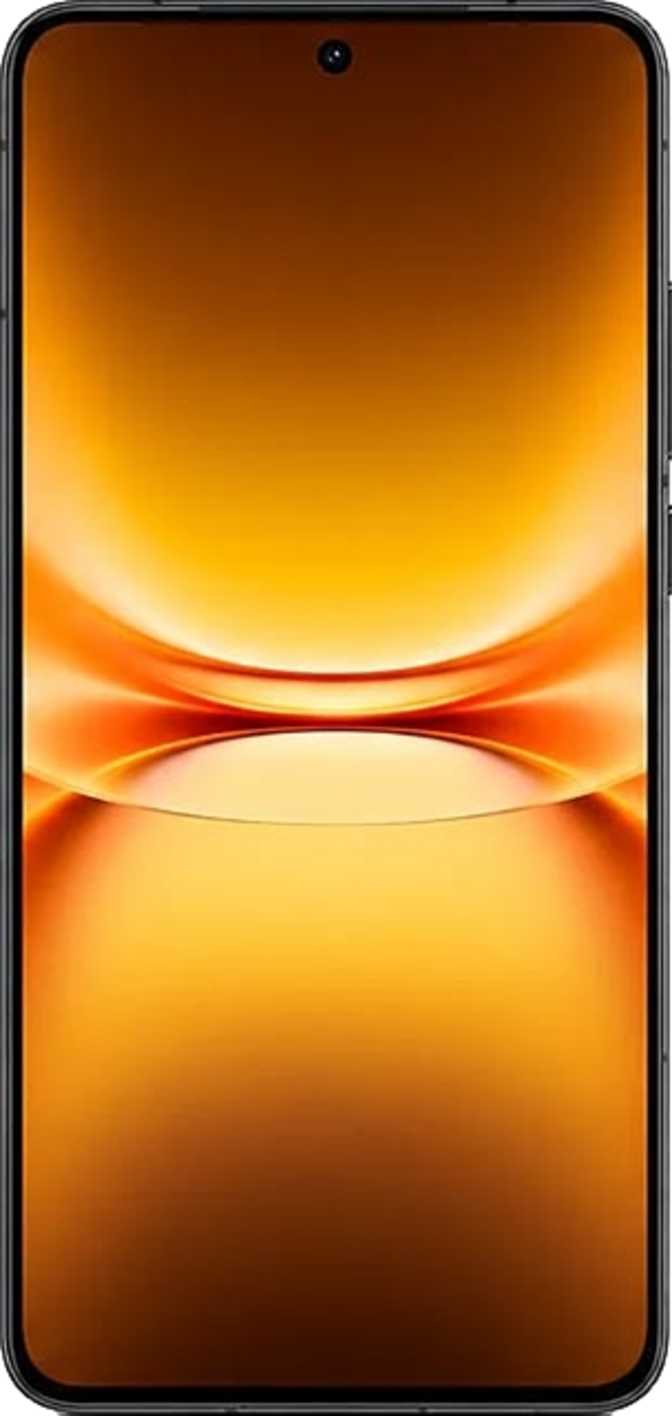
Vivo iQOO 15T Full Review: Flagship Power and a Massive Battery
SmartphonesQuick Verdict
The iQOO 15T is a performance-first flagship that refuses to apologize for its choices. Exceptional processing power, a massive battery with genuinely fast wired charging, and a high-resolution camera system make it one of the most capable daily drivers available — provided you can accept the absence of wireless charging and a dedicated telephoto lens.
Design and Build Quality
At 8.3mm thick, the iQOO 15T sits at a genuinely competitive thinness for a phone carrying the battery capacity it does. The weight is distributed across a 163.4mm x 76.7mm frame, making it feel balanced rather than top-heavy in the hand. It won't feel like a featherweight coming from lighter handsets, but extended use rarely causes fatigue.
The IP68 certification handles submersion to 1.5 meters in fresh water without damage. This is not a ruggedized device with a reinforced chassis, but accidental water exposure from rain, splashes, or a drop into a sink is handled without drama. For most users, this level of protection is exactly sufficient.
Physical Dimensions at a Glance
- Height
- 163.4 mm
- Width
- 76.7 mm
- Thickness
- 8.3 mm
- Weight
- 223 g
- IP Rating
- IP68
- Display Shape
- Flat (non-curved)
The Display: When Flagship Isn't a Stretch
Sharpness
At 510 pixels per inch, individual pixels are completely imperceptible under any normal viewing condition. Text renders razor-edged, fine photo detail is reproduced with precision, and the overall effect is that everything on screen looks real rather than reproduced. Most premium Android phones target 400–450 ppi — this surpasses that meaningfully.
Smoothness
At 144 refreshes per second, scrolling, gaming, and animated transitions feel frictionless — physically different from a standard 60Hz panel. The adaptation runs in one direction only: once you've used it, going back to a slower display feels immediately sluggish.
Brightness & HDR
1800 nits makes outdoor readability genuinely good, not just adequate — you won't cup your hand over the screen in sunlight. HDR10 and HDR10+ support delivers richer color and shadow detail when streaming HDR-graded content. Dolby Vision is not supported, which primarily matters to Apple TV+ subscribers.
Performance: The Dimensity 9500 Unpacked
MediaTek Dimensity 9500
3nm Flagship Processor
Built on the most advanced 3-nanometer manufacturing process available, the Dimensity 9500 achieves more work per clock cycle while generating less heat and drawing less power than older chip designs — the foundation of both sustained performance and strong battery endurance.
- Process Node
- 3 nm
- Core Configuration
- 1 + 3 + 4 (8-core)
- Peak Core Clock
- 4.21 GHz
- RAM (DDR5)
- 16 GB
- RAM Bandwidth
- 85.3 GB/s
- Internal Storage
- 1 TB
- GPU
- Mali G1 Ultra MP12
- GPU Clock
- 1750 MHz
Geekbench 6 Benchmark Scores
Geekbench 6 is an industry-standard CPU test. Single-core reflects everyday app speed and UI responsiveness; multi-core reflects demanding parallel workloads like gaming and video processing.
Governs app launches, typing speed, and UI responsiveness — the score that matters most for daily feel
Governs video rendering, gaming frame rates, and simultaneous AI workloads
Memory and Storage Reality
16GB of DDR5 RAM keeps dozens of apps suspended simultaneously — switching back to any app hours later resumes it instantly rather than reloading from scratch. The 1TB of storage is enough for most users to go years without managing space. There is no microSD slot, so this capacity is fixed for the device's lifetime. The maximum supported memory configuration reaches 24GB, indicating the platform can accommodate RAM expansion features.
Camera System: Ambition at 200 Megapixels
The 200MP main sensor does not produce 200-megapixel files by default. Pixel-binning combines smaller sensor pixels into larger effective ones, improving low-light performance and producing practical file sizes. The full 200MP mode is available manually for situations requiring extreme crop flexibility — useful for large-format printing or digitally zooming into a scene after capture.
Optical Image Stabilization physically counteracts hand tremor using a moving lens element. The result is noticeably sharper handheld shots in dim conditions and smoother video footage without the artificial smoothing that electronic stabilization introduces.
The 50MP secondary lens at f/1.9 — a slightly wider aperture than the main camera — offers a complementary focal perspective for portraits or ultrawide shots, rounding out the dual-camera rear system.
Camera Controls and Capabilities
Video Recording
The camera records at 8K resolution (4320p) at 30 frames per second. At this resolution, downscaled 4K and Full HD clips retain extraordinary detail. Continuous autofocus operates throughout recording, keeping moving subjects sharp without manual correction. Dolby Vision video recording is not available. Slow-motion recording is supported for creative capture of fast-moving subjects.
Front Camera
The 16MP selfie camera at f/2.5 is positioned traditionally at the top of the display — not under-display. It handles portrait photography and video calls without notable limitations. No front-facing flash is included. The front system is a single lens with no secondary ultrawide option.
Battery Life: The Most Underrated Specification
The iQOO 15T carries a battery large enough that heavy users — spending significant time gaming, streaming video, or navigating — should comfortably reach the end of their day with capacity remaining. Moderate users are realistically looking at multi-day endurance between charges, which eliminates the daily charging anxiety that most flagship phones impose.
The 100W wired charging replenishes that large cell faster than most competitors manage with considerably smaller batteries. A near-full charge in under an hour is a realistic expectation, and 15–20 minutes of charging delivers meaningful runtime for users who need a quick top-up before heading out.
Software and Privacy: Android 16
Shipping with Android 16 places the iQOO 15T at the front of the Android ecosystem. The software layer adds several features that meaningfully improve daily use and give privacy-conscious users real tools to work with.
Productivity and Utility
- Split-Screen Multitasking — run two apps side-by-side on the large display for comparing documents, referencing recipes while messaging, or watching video while browsing
- Picture-in-Picture — video or calls float in a window while you use other apps
- Full-Page Screenshots — capture complete scrollable content in a single image
- Live Text — extract and interact with text found inside images or photos
- Widgets and Dynamic Theming — personalized home screen without third-party launchers
- Play While Downloading — start a game before its download finishes
Privacy Controls
- Camera and Microphone Access Controls — per-app permission management at the OS level
- Location Privacy Options — precise vs. approximate location granted per app
- App Tracking Blocker — prevents apps from tracking activity across other apps
- Clipboard Warnings — alerts when an app reads your clipboard content
- On-Device Machine Learning — AI features processed locally, not uploaded to a server
- Offline Voice Recognition — voice commands processed on-device without sending audio externally
Connectivity: Current-Generation Across the Board
What You Get
- Wi-Fi 7 support for next-generation router infrastructure — fully backward-compatible with older standards, future-proofed for new equipment
- Bluetooth 5.4 with aptX HD for high-fidelity wireless audio noticeably better than standard Bluetooth compression on compatible headphones
- NFC for Google Pay and other contactless payment systems
- Built-in infrared sensor — use the phone as a universal remote for televisions and compatible home appliances
- Dual SIM supports two active phone lines simultaneously — ideal for separating work and personal numbers, or using a local SIM while traveling
Connectivity Gaps to Know About
- No LDAC: Sony's high-resolution wireless audio codec is absent — limits compatibility with Sony and other LDAC-certified audiophile headphones
- USB 2.0 speeds only: The USB-C port transfers files at standard rates — moving large video files to a computer takes minutes, not seconds
- No USB video output: External display connection via USB-C is not supported
- No satellite SOS: Emergency satellite messaging for remote travel is not available on this device
Who Should Buy the Vivo iQOO 15T?
Strong Match
- Heavy daily users who drain a phone by early afternoon — the large battery transforms the charging anxiety experience entirely
- Mobile gamers who need the fastest available Android processor with a high-refresh display and a GPU capable of sustaining demanding graphics
- Photography enthusiasts who want maximum creative control and the flexibility of an extremely high-resolution primary sensor
- Video streamers who benefit from a large, sharp, 1800-nit OLED panel with HDR10+ and stereo speakers
- Dual-SIM travelers who need two active phone numbers and reliable global 5G with GPS coverage via both GPS and Galileo satellite systems
Consider Alternatives If...
- Wireless charging is non-negotiable. No Qi pad support, no reverse wireless — this requires a full routine change
- Telephoto photography matters. Without a dedicated optical telephoto lens, long-distance zoom quality depends entirely on digital cropping
- You rely on LDAC headphones. Sony's high-resolution Bluetooth audio codec is not present — a meaningful gap for audiophile wireless listeners
- Long-term update certainty matters. Software updates depend on Vivo's schedule rather than flowing directly from Google
- Fast USB file transfers are critical. The USB-C port operates at USB 2.0 speeds — unsuitable for frequent large video file transfers to a computer
How It Compares to Alternatives
Placed alongside typical competing flagships in the same performance tier, the iQOO 15T's priorities become clear.
| Feature | iQOO 15T | Competing Flagship A | Competing Flagship B |
|---|---|---|---|
| Processor Node | 3nm Flagship | 3nm Flagship | 3nm Flagship |
| Battery Size | Category-Leading | Mid-Sized Cell | Large Cell |
| Wireless Charging | None | Supported | Supported |
| Display Resolution | Quad-HD+ High | Quad-HD or FHD+ | Quad-HD+ |
| Refresh Rate | 144Hz | 120Hz | 120Hz |
| Telephoto Camera | Crop Zoom Only | Periscope | 3x Optical |
| Primary Sensor | 200 MP | 50 MP | 108 MP |
| Wi-Fi Generation | Wi-Fi 7 | Wi-Fi 7 | Wi-Fi 6E |
| IP Rating | IP68 | IP68 | IP68 |
| Wired Charging Speed | 100W | 45–65W | 67W |
Honest Assessment
A balanced look at where the iQOO 15T genuinely excels and where it falls short — because credibility comes from acknowledging both.
Where It Excels
- Flagship processor at the 3nm frontier — among the fastest Android chips available, with sustained performance and minimal throttling
- Category-leading battery capacity — genuinely transforms the daily charging relationship for heavy users
- 100W wired charging — faster than most competitors manage, minimizing time tethered to a cable
- 510ppi Quad-HD+ OLED at 144Hz — display quality that genuinely competes with the best in the category
- 200MP main sensor with OIS — high resolution ceiling for crop flexibility, with physical stabilization for sharp handheld results
- 1TB internal storage — future-proofed for the device's multi-year lifespan without space management stress
- Wi-Fi 7 and Android 16 — current-generation connectivity and OS with a robust privacy control set
Where It Falls Short
- No wireless charging — a notable omission at this tier; the absence is a deliberate design decision, not a technical constraint
- No dedicated telephoto lens — physics cannot be replaced by software; long-range zoom quality has a hard ceiling without optical hardware
- USB 2.0 data speeds — inconsistent with the rest of the spec ambition; large file transfers to a PC are slow
- No LDAC support — high-resolution wireless audio is limited to aptX HD; audiophile wireless headphone users may be disappointed
- Manufacturer-dependent updates — long-term OS support timelines are uncertain compared to phones receiving direct Google updates
- 223g weight — not excessive, but noticeable coming from phones under 185g in extended one-handed use