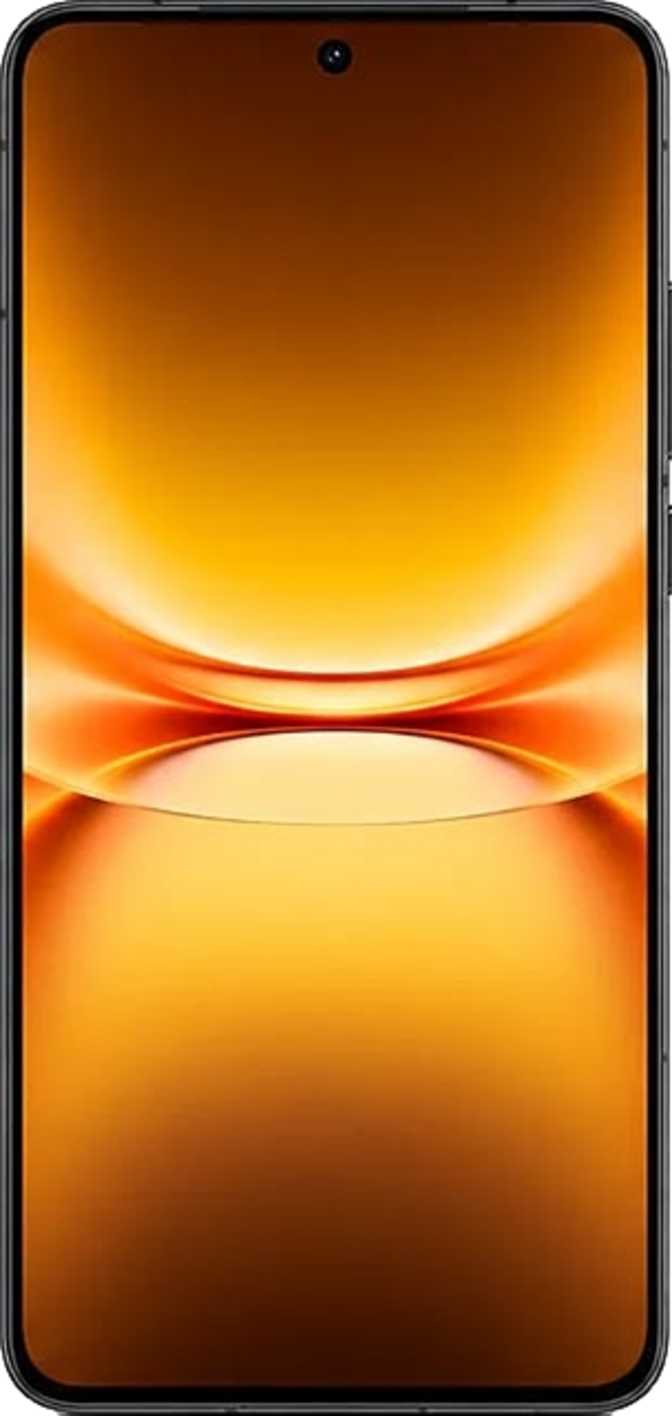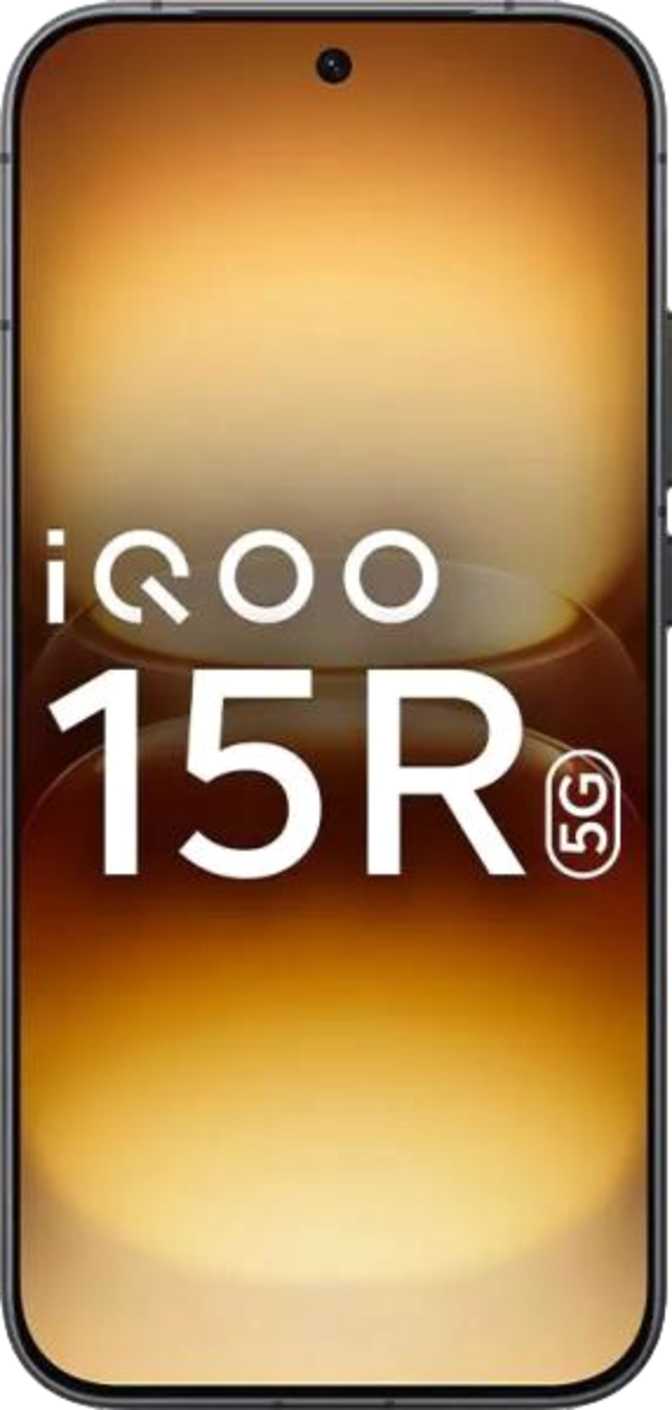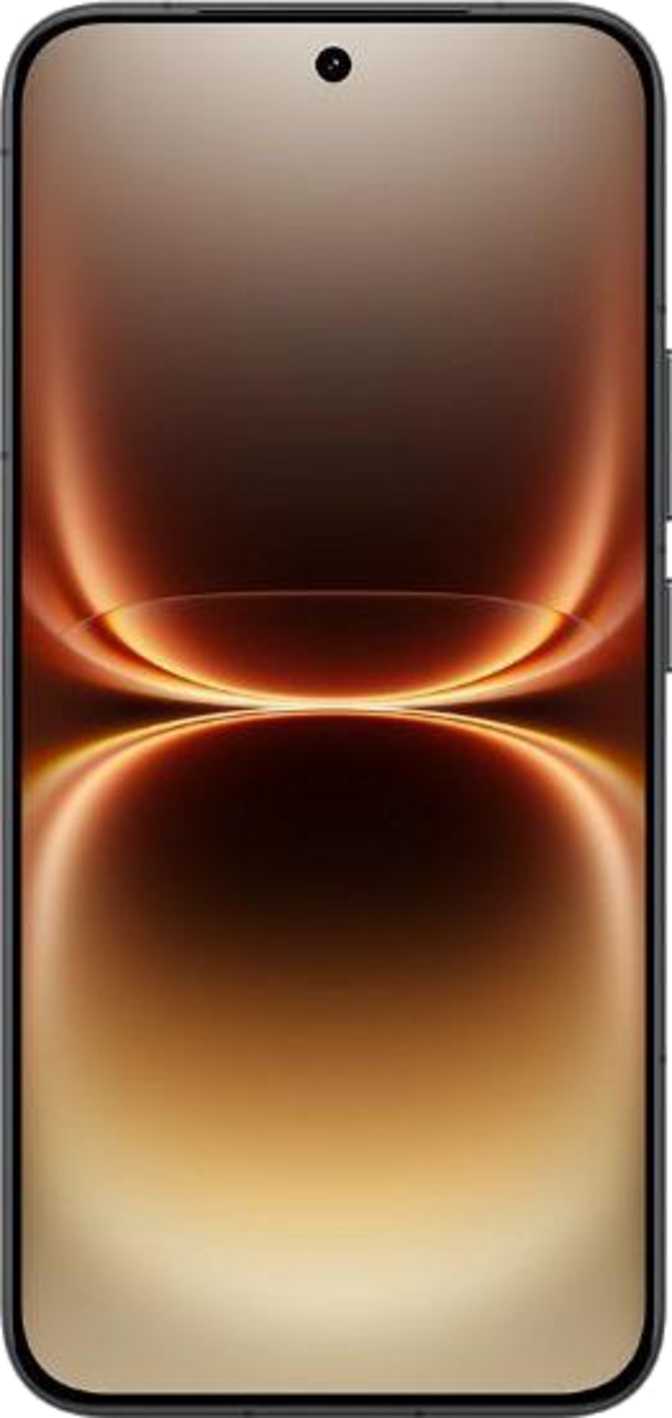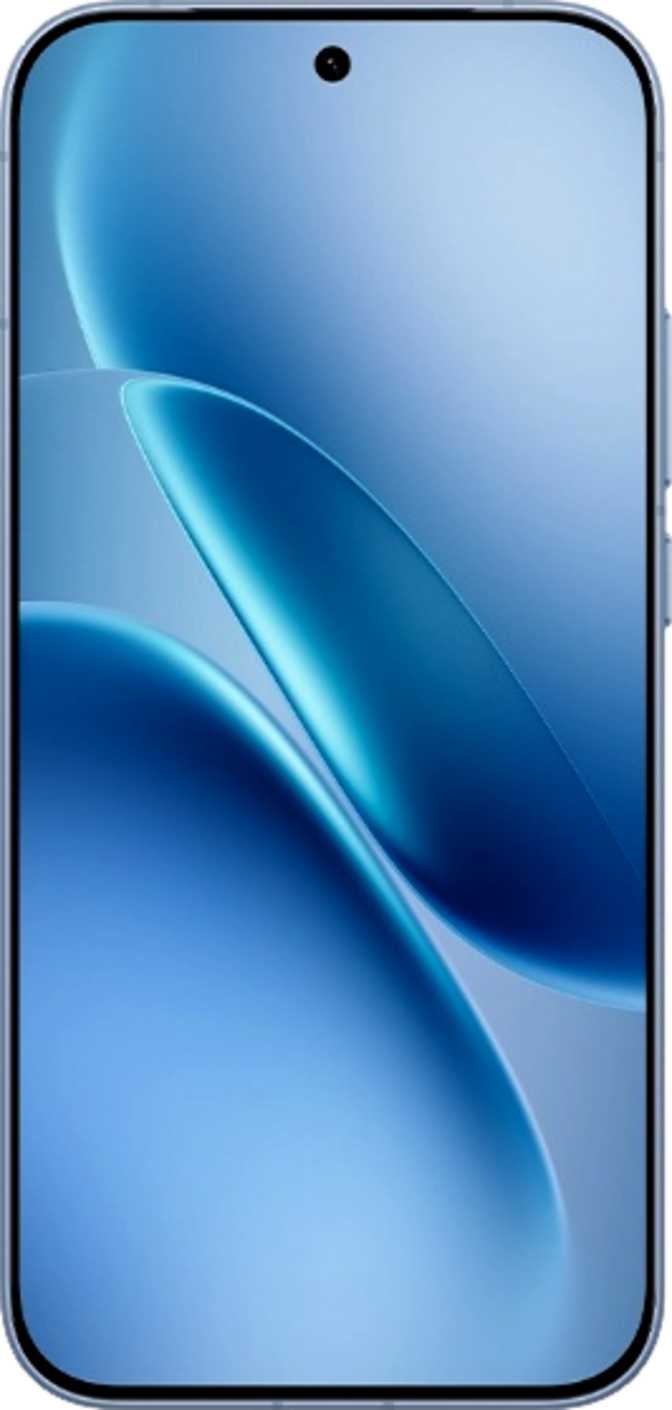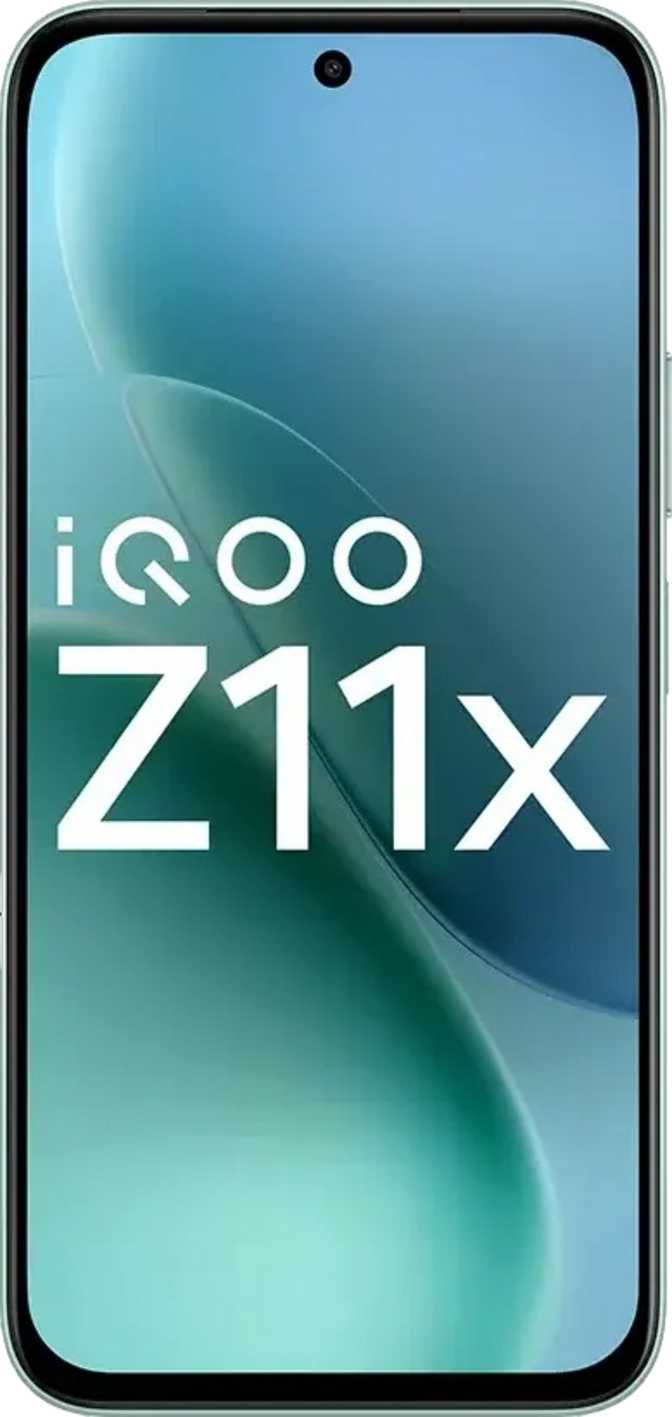
Vivo iQOO Z11x Review: Endurance and Durability Over Everything
SmartphonesThe budget-to-midrange smartphone battlefield is crowded, loud, and full of compromises dressed up as features. Most phones in this segment ask you to trade battery life for performance, or display quality for durability. The Vivo iQOO Z11x takes a different approach — it doubles down on a small number of genuinely strong suits and positions itself as a phone for users who know exactly what they want.
What makes this phone worth examining carefully is not any single specification — it is the combination of an unusually large battery, a legitimately capable processor, and one of the more surprising durability ratings in its class.
At a Glance
- IP69 — dust-sealed, high-pressure water resistant
- 7,200 mAh — category-leading endurance
- Dimensity 7400 Turbo on 4nm — punches above price
- 6.76″ IPS LCD at 120Hz — smooth, not OLED
- 50MP main — no OIS, strong in daylight
Category Ratings
Build Quality and Physical Design
Size, weight, and what the IP69 rating actually means
Size, Weight, and How It Feels
At roughly 167mm tall and nearly 79mm wide, the iQOO Z11x is unambiguously a large phone. It will not disappear into a jeans pocket, and one-handed use is a stretch for anyone without above-average hand size. The weight — just over 215 grams — places it on the heavier end of the spectrum for its class, and you will notice that heft within the first hour of carrying it.
That weight is not dead mass. A meaningful portion is accounted for by the enormous battery inside, and the 8.4mm profile keeps the phone from feeling bulky in a way that thicker budget devices often do. In hand, it reads as substantial rather than bloated — a distinction that matters when you are deciding whether a phone feels premium or merely heavy.
The build is flat — no curved display edges, no gimmicks. Flat glass is easier to protect with a screen protector and less prone to accidental touches along the sides.
The IP69 Rating — What It Actually Means
IP69 — Rare at This Price
IP69 is not common outside of industrial equipment and flagship devices. Finding it here is a genuine differentiator.
The rating decodes simply: the first digit (6) means the phone is fully sealed against dust — not resistant, fully sealed. The second digit (9) means it can withstand high-temperature, high-pressure water jets at close range. The phone is also rated for submersion to 1.5 meters.
For everyday life, this covers rain, splashes, poolside accidents, sweaty gym sessions, and kitchen sink incidents with complete indifference.
IP69 COVERS
- Complete dust ingress protection
- High-pressure, high-temperature water jets
- Submersion up to 1.5 meters (incidental)
- Extended underwater or saltwater/pool use
Display: Capable, With Caveats
6.76″ IPS LCD at 120Hz — what you gain and what you give up
The Panel and What You Actually See
The Z11x uses an IPS LCD stretching just under 6.8 inches diagonally, running at Full HD+ resolution — over 380 pixels per inch. At that density, individual pixels are invisible under normal viewing conditions. Text is sharp, icons are clean, and images look detailed.
The 120Hz refresh rate makes the entire interface feel noticeably smoother than phones locked at 60Hz. Scrolling through social feeds, navigating menus, and playing supported games all benefit. It is one of those features that is hard to appreciate until you use a 60Hz phone again afterward.
What the Panel Does Not Offer
This is an LCD, and it shows in the blacks. Dark scenes will have that characteristic grey lift rather than the true black that OLED delivers. The panel supports no HDR standard — streaming content offered in HDR plays in standard dynamic range.
For users coming from OLED phones, this is a step backward in visual richness. For users who have always used LCD devices, this display will feel like a meaningful improvement.
- No always-on display
- No HDR10 or Dolby Vision support
- No branded damage-resistant glass — use a screen protector
6.76″
Screen Size
120Hz
Refresh Rate
382
Pixels Per Inch
IPS
Panel Type
Performance: The Dimensity 7400 Turbo Explained
What the 4nm chipset means for your daily experience
Processing Power for Real Use
The Dimensity 7400 Turbo is built on a 4-nanometer manufacturing process — the same fabrication scale used in many flagship chips. Smaller transistor sizes mean more processing power per watt, which translates directly to better thermal behavior and energy efficiency. The chip is not flagship-class in raw throughput, but its construction allows it to perform well above what its price tier historically offered.
The eight-core layout splits processing duties intelligently using big.LITTLE architecture: four higher-performance cores handle demanding tasks while four efficiency cores manage lighter workloads like messaging or browsing. This is what allows the phone to feel responsive during heavy use without draining the battery during ordinary activity.
Social media, video streaming, navigation, productivity apps, and most mobile games run without meaningful friction. More demanding graphically intensive 3D games will run at moderate to high settings rather than maximum. Competitive gaming at consistent frame rates is achievable — hitting the visual ceiling of the most demanding titles is not the Z11x's target.
Memory and Storage
Eight gigabytes of DDR5 RAM — the fastest mainstream RAM generation currently in mobile — handles multitasking more cleanly than many competitors at similar price points. Keeping a browser with multiple tabs, a messaging app, music, and navigation active simultaneously is comfortable.
The 256GB of internal storage is generous and accommodates years of growth in photos, video, apps, and offline content. The meaningful caveat: there is no memory card slot. What you have at purchase is permanent. Cloud storage or a regular backup habit become more important.
| Chipset | Dimensity 7400 Turbo |
| Process Node | 4nm |
| CPU Cores | 8 (4×2.6GHz + 4×2.0GHz) |
| GPU | Mali-G615 MC2 |
| RAM | 8GB DDR5 (6,400 MHz) |
| Storage | 256GB (no expansion) |
| Memory Bandwidth | 25.6 GB/s |
| DirectX Support | DirectX 12 |
| Architecture | 64-bit, HMP |
Storage Trade-Off
256GB is generous — but no microSD slot means no safety net. If you shoot a lot of 4K video or download large games, build a cloud or PC backup habit early.
Camera System: Honest Assessment
Strong in daylight, honest limitations after dark
50MP
Main Camera
PDAF · HDR · Burst · Manual Controls
32MP
Front Camera
High resolution · No front flash
4K
Video Recording
30fps · Continuous AF · Slow motion
Main Camera Capabilities
The 50-megapixel main sensor captures considerably more image data than the standard 12-megapixel output of earlier-generation midrangers. In good lighting, the camera produces detailed, sharp images with natural-looking color rendering. Phase-detection autofocus locks onto subjects quickly and tracks moving subjects reliably — useful for photographing kids, pets, or any spontaneous moment.
The manual controls available give photographers who enjoy hands-on control genuine options. Burst mode handles fast action sequences. HDR mode handles high-contrast scenes like windows in bright rooms or sunset portraits.
MANUAL CONTROLS AVAILABLE
Where the Camera Hits Its Limits
Low-Light Photography Is the Weakest Point
No optical image stabilization combined with a standard CMOS sensor (no BSI) means nighttime shots require a very steady hand or a stable surface. This is not a minor footnote — it is a real limitation.
There is no optical zoom. Digital zoom is available, but it degrades image quality progressively with distance. The Z11x is a one-focal-length camera phone — excellent for its primary angle, without the versatility of multi-lens systems.
The 32-megapixel front camera is among the higher-resolution selfie sensors in this price bracket. Detail in selfies under good lighting is strong. The absence of a front flash means low-light selfies depend entirely on ambient lighting.
- No optical image stabilization (OIS)
- No back-illuminated (BSI) sensor — reduced low-light efficiency
- No optical zoom — single focal length only
- No RAW file shooting — JPEG output only
Battery Life: The Z11x's Defining Feature
7,200 mAh — what that number means in real daily life
7,200 mAh
Roughly 30–40% larger than the average battery found in this price segment
Charging Specs
- Wired Fast Charging44W
- Wireless ChargingNot Supported
- Reverse WirelessNot Supported
Real-World Endurance by User Type
Comfortably through a full day of heavy use with charge to spare
Realistic two-day runtime without anxiety
Up to three days between charges under light conditions
The 44W fast charging brings the phone from a critically low state to a usable charge in under an hour. A full charge from empty takes longer, but the experience is responsive rather than frustrating.
No Wireless Charging
This is a deliberate trade-off at this price tier — wireless charging hardware competes with battery cell budget. Users who have adapted to wireless pads will notice the absence immediately.
Software: Android 16 and What It Brings
Privacy controls, productivity features, and what to expect for updates
Running on Android 16, the iQOO Z11x ships with one of the more current Android versions available. This matters for two reasons: security patch recency and feature access. Privacy controls are well-implemented — clipboard warnings, camera and microphone access controls, location privacy options, and the ability to block app tracking are all present.
PRODUCTIVITY
- Split-screen multitasking
- Picture-in-picture mode
- Full-page scrolling screenshots
- Play games while downloading
- Offline voice recognition
PRIVACY & CUSTOMIZATION
- Clipboard access warnings
- App tracking block
- Camera & mic privacy controls
- Dynamic theming system
- Battery health monitoring
One Notable Limitation
No Direct OS Updates from Vivo
Software updates go through carrier or regional distribution rather than directly from the manufacturer. This can slow update delivery relative to phones with direct update pipelines. Checking the iQOO update history for your specific region gives the most accurate picture of what to expect.
Audio and Connectivity
Stereo speakers, 5G, NFC, and a few trade-offs to know
Sound
The stereo speaker configuration is a clear upgrade over the single-speaker setup common in budget phones. Audio during video playback, gaming, and video calls has direction and depth that mono speakers cannot replicate.
Bluetooth 5.4 — the current standard — handles wireless accessories with improved connection stability and range. The caveat for audiophiles: none of the high-resolution audio codecs (aptX HD, LDAC, or similar) are present. High-end wireless headphones will not reach their full audio quality ceiling on this device.
Network and Wireless
| 5G | Supported |
| Wi-Fi | Wi-Fi 5 (802.11ac) — no Wi-Fi 6 |
| Bluetooth | 5.4 |
| NFC | Yes — contactless payments |
| SIM | Dual SIM (two active numbers) |
| USB | USB-C (USB 2.0 speed) |
| GPS | GPS + Galileo satellite support |
| Fingerprint | Yes |
Who Should Buy the iQOO Z11x — and Who Should Not
Matching the phone to the right buyer makes all the difference
-
Heavy battery users
Travelers, long-shift workers, and anyone who hates charging anxiety will find the Z11x genuinely liberating.
-
Outdoor and active users
IP69 makes this one of the most water-secure phones at its price. Construction workers, outdoor enthusiasts, and anyone in wet environments benefit significantly.
-
Performance value seekers
The 4nm processor and DDR5 RAM deliver a smooth experience that punches above what the price typically buys.
-
Dual-SIM users
Business travelers and those managing two numbers get dual-SIM hardware paired with 5G.
-
Mobile gamers
Long battery sessions and a capable chipset mean extended gaming without the phone dying or throttling early.
-
Photography enthusiasts who shoot in low light
The absence of OIS and BSI sensor technology makes nighttime photography a genuine weakness — not a minor one.
-
Users coming from OLED phones
The LCD panel will feel like a visual downgrade, particularly in dark environments and when watching HDR content.
-
Wireless charging users
There is no path to wireless charging here, period. If you have adapted to charging pads, this will be a daily frustration.
-
Heavy local storage users
256GB is generous, but without expandable storage, heavy video shooters and offline media collectors will eventually feel constrained.
-
Audiophiles
No high-resolution Bluetooth codecs limits what premium wireless headphones can actually deliver through this device.
Competitive Positioning
How the iQOO Z11x stacks up against logical alternatives
| Feature | iQOO Z11x | OLED-Focused Rival | Camera-Focused Rival |
|---|---|---|---|
| Water Resistance | IP69 — Exceptional | IP54 or lower | IP67 |
| Battery Capacity | Category-Leading | Average | Average |
| Display Technology | IPS LCD, 120Hz | AMOLED, 90Hz | AMOLED, 120Hz |
| Chipset Node | 4nm | 6nm typical | 4nm |
| Optical Image Stabilization | |||
| Wireless Charging | |||
| Storage | 256GB, no expansion | 128GB + expandable | 128GB + expandable |
The Z11x gives up display technology and camera flexibility compared to OLED-equipped rivals. What it gains — specifically in durability certification and battery endurance — is not commonly matched at equivalent price points.
Common Questions Before Buying
Answers to what real buyers search for before deciding
Final Verdict
The Vivo iQOO Z11x is a phone that knows what it is. It does not pretend to be an OLED camera flagship. It offers an unusually strong battery, an impressive IP69 durability certification, genuinely capable everyday performance from a modern 4nm processor, and a large 120Hz display — all in a package that holds more relevance for specific users than a generic spec sheet suggests.
Genuine Strengths
- Category-leading battery that redefines daily range
- IP69 protection rare at this price bracket
- 4nm chipset with DDR5 RAM punches above its weight
- 120Hz display keeps daily use feeling smooth
- Android 16 with strong privacy tools out of the box
Real Weaknesses
- Low-light photography is a genuine weak point
- IPS LCD panel trails OLED rivals in visual richness
- No wireless charging of any kind
- Storage cannot be expanded — plan accordingly
- No high-res Bluetooth codecs for premium headphones
Purchase Verdict
Buy it if battery endurance and physical durability rank at the top of your priority list, and you can accept an LCD display and moderate camera limitations as the price of admission. Pass on it if low-light photography, wireless charging, or an OLED display are non-negotiable. The Z11x earns its place not by being all things to all users, but by being exactly the right phone for the user who values the right things.