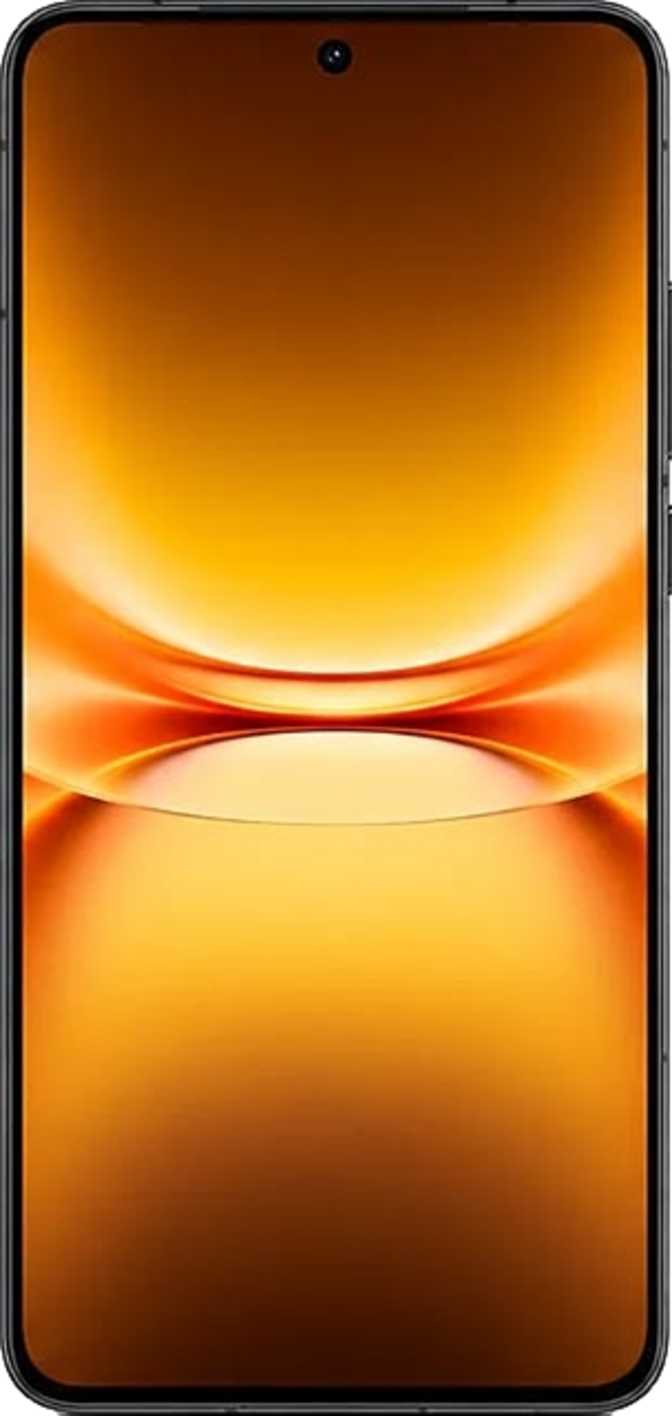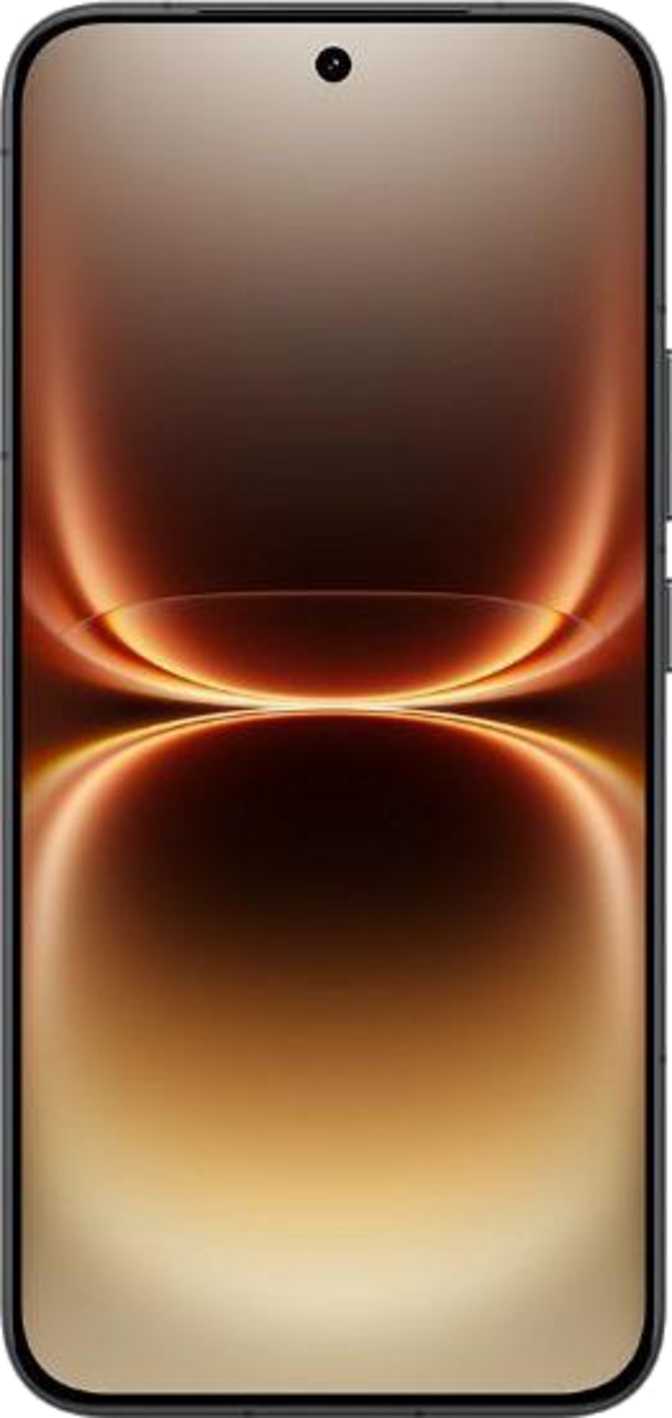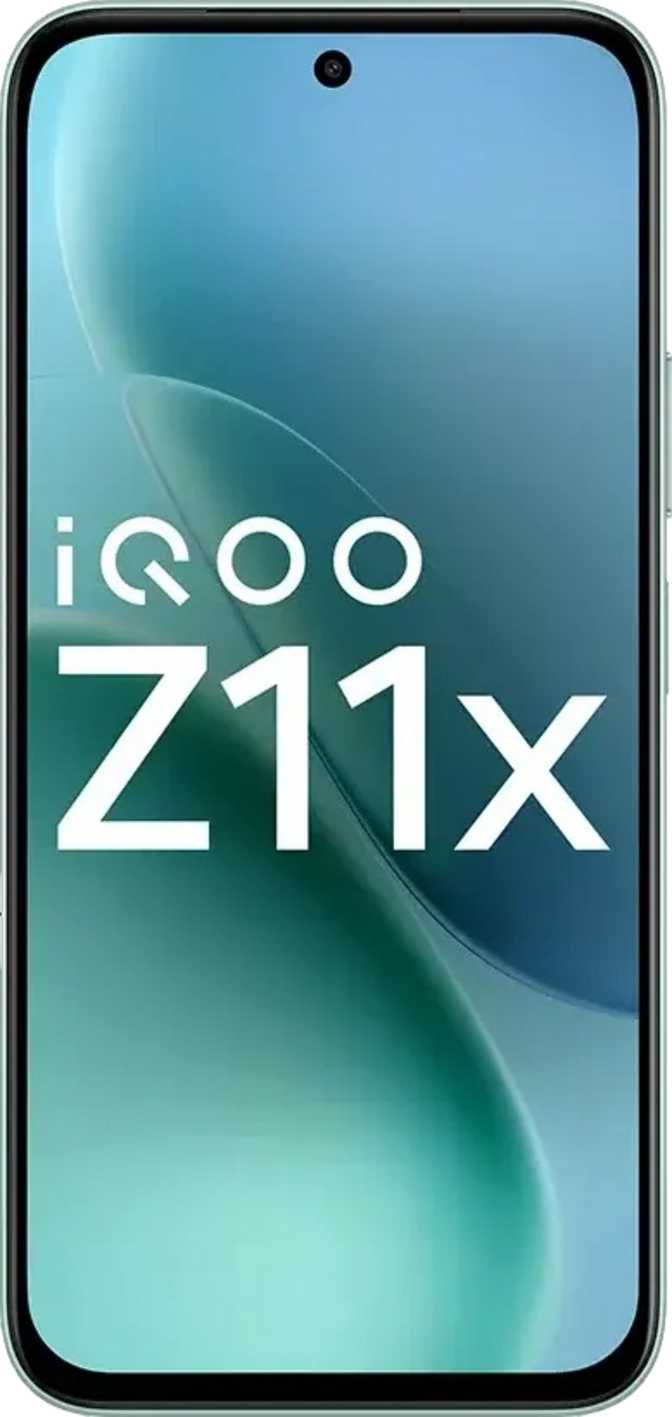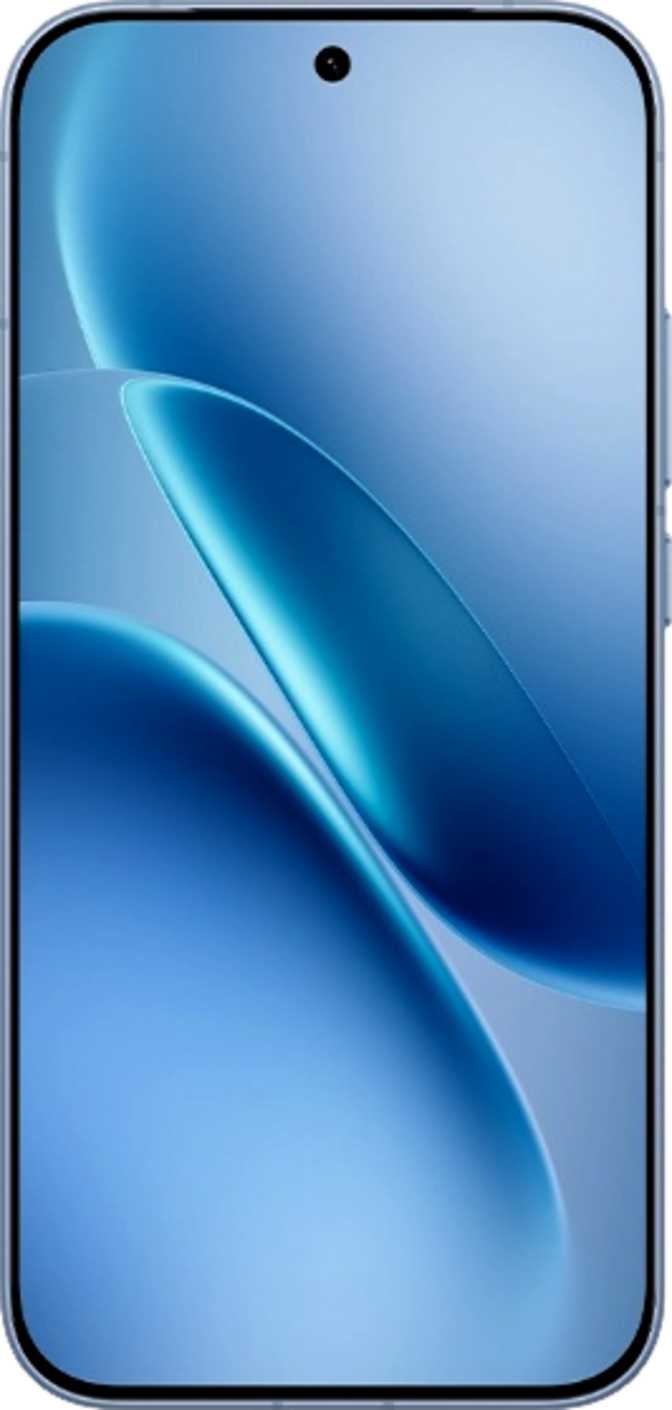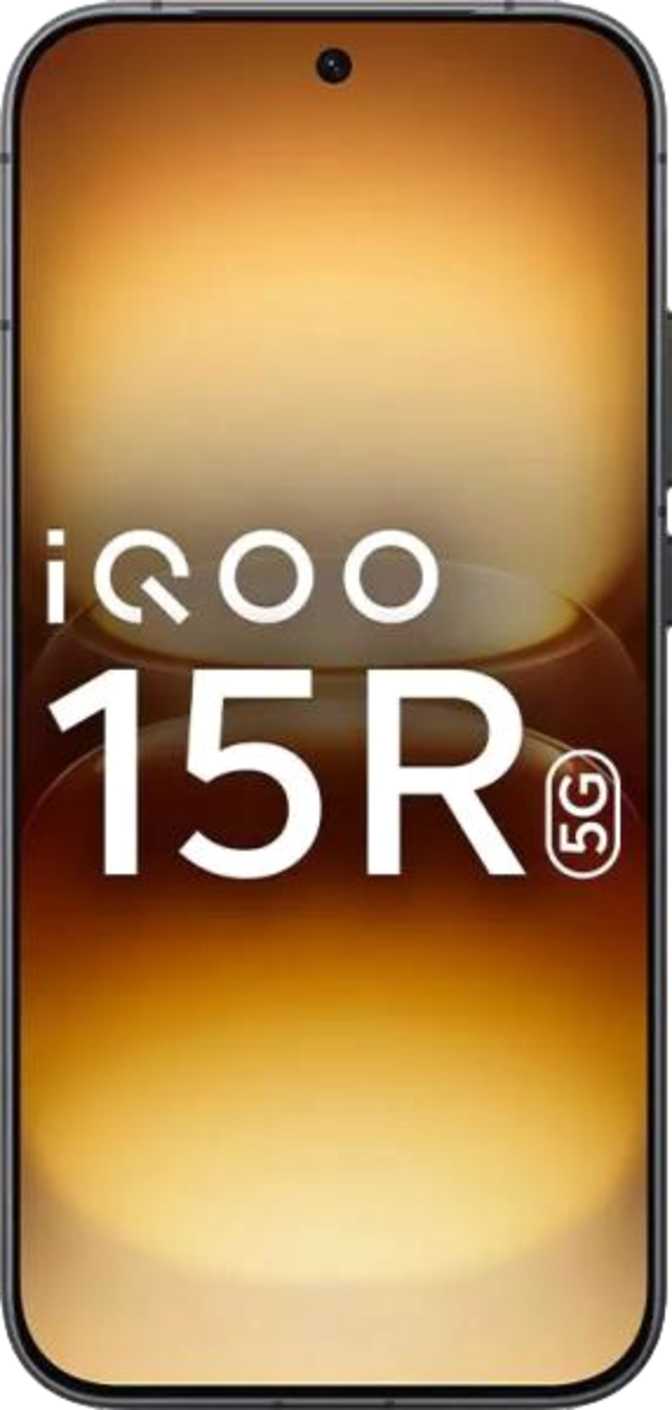
Vivo iQOO 15R Review: Monster Battery Meets Flagship Performance
SmartphonesOverall Score
8.3
out of 10
The iQOO 15R at a Glance
Flagship speed and exceptional endurance in a slim, IP68-rated body — with clear trade-offs worth knowing before you decide.
The iQOO 15R arrives at an interesting crossroads — a phone that pairs one of the most powerful mobile processors ever made with a battery large enough to anchor a small tablet, all inside a frame that barely registers in your pocket. That combination sounds straightforward on paper, but the execution involves deliberate trade-offs that will matter significantly depending on what you prioritize. If raw speed and all-day endurance are your non-negotiables, this phone makes a compelling case. If you live and die by display technology or camera versatility, the picture gets more complicated.
Design, Build Quality, and Physical Experience
A premium feel with genuine protection — in a body that defies its internal specs.
IP68 Rated
Submerged to 1.5 m
202 g
Balanced weight
7.9 mm
Slim profile
6.59 in
Display size
Physical Dimensions and Everyday Feel
At 7.9mm thick and 202 grams, the iQOO 15R sits in a comfortable middle ground — slim enough that it never feels like a slab in your jeans pocket, yet substantial enough to feel like a premium object rather than a toy. The 157.6mm height and 74.4mm width give it a tall, relatively narrow profile that makes one-handed use manageable for most people, though reaching the top corners asks for a stretch.
The thinness is particularly notable given what's packed inside. Fitting a battery this size into a chassis this slim is a genuine engineering achievement, and it doesn't come at the expense of structural rigidity or in-hand feel.
IP68: Real Protection in the Real World
IP68 water resistance rated to 1.5 meters means dropping this phone in a puddle, getting caught in heavy rain, or knocking it into a sink are non-events. This is the same protection standard used on premium flagship phones from the world's biggest manufacturers. The rating covers fresh water; saltwater, pool water, and pressurized water are different scenarios.
Display: Punchy and Fast, But Know What You're Getting
A sharp, 144Hz IPS LCD — excellent on its own terms, but not an OLED panel.
This phone uses an IPS LCD panel. OLED — standard in most competing flagships — produces perfect blacks, dramatically superior contrast, and more vivid colors. LCD cannot match it on these characteristics. If this distinction matters to you, it deserves serious weight in your decision.
459
Pixels per inch — invisible pixels
144Hz
Refresh rate — fluid scrolling
HDR10+
High dynamic range support
6.59"
Generous display real estate
A resolution of 1260 × 2750 pixels across a 6.59-inch panel yields 459 pixels per inch — sharp enough that individual pixels are invisible at normal viewing distances. Text is crisp, fine image detail renders cleanly, and the display holds up in daylight better than many lower-density screens. The 144Hz refresh rate makes scrolling through apps, social feeds, and web content feel fluid and immediate in a way that slower-refresh displays simply cannot replicate.
HDR10+ support means streaming platforms and locally stored HDR video show expanded detail in both bright highlights and deep shadows — within the limits of what an LCD backlight can produce. What is absent: an Always-On Display for at-a-glance notification checks without fully waking the screen, and Dolby Vision. The flat rather than curved panel is a practical plus — it pairs cleanly with most protective cases and reduces accidental edge touches.
Performance: A Flagship-Tier Processor That Leaves Nothing on the Table
The Snapdragon 8 Gen 5 is as fast as mobile chips get — and this phone gives it room to breathe.
The Snapdragon 8 Gen 5 Explained
The Qualcomm Snapdragon 8 Gen 5 is built on a 3-nanometer manufacturing process — the smallest and most efficient node in mobile chip production. Smaller transistors mean more computing power in the same physical space and, critically, better energy efficiency per operation. The chip uses eight cores split into two clusters: two high-performance cores running at 3.8GHz for demanding workloads, and six efficiency cores at 3.32GHz for everyday tasks.
In daily use, the efficiency cores handle light work — reading emails, browsing, music playback — while the performance cores activate only when truly needed. This is why a phone with a flagship chip doesn't necessarily run hot or drain battery under normal conditions.
Benchmark Scores in Context
Parallel tasks: gaming, video rendering, heavy multitasking
Everyday responsiveness: app launches, UI, web browsing
12 GB DDR5
RAM at 4,800 MHz — up to 24 GB supported
512 GB
Internal storage — no microSD slot
84.8 GB/s
Peak memory bandwidth
RAM and Storage: What the Numbers Mean Day-to-Day
12GB of DDR5 RAM running at 4,800MHz with peak memory bandwidth approaching 85GB per second means the iQOO 15R handles multitasking without hesitation. Switching between a demanding game, a video call, and several browser tabs won't trigger app reloads the way lower-RAM devices routinely do. With 512GB of internal storage and no expansion slot, what's built in is what you get — but 512GB is genuinely generous for the vast majority of users, easily accommodating games, video archives, and full music libraries with room left over.
The Adreno 840: Mobile Gaming at Its Ceiling
The Adreno 840 GPU runs at 1,200MHz with DirectX 12 and OpenGL ES 3.2 support — meaning every mobile game on the market today runs without compromise. Frame rates in visually demanding titles at maximum settings will be smooth and consistent. Beyond gaming, OpenCL 3 support means the GPU assists with computational workloads, including the on-device machine learning functions that Android 16's smart features leverage for processing tasks that stay entirely on your device.
Camera System: Capable but Selective
A solid everyday shooter with optical stabilization — but clear limits for advanced users.
- 50 MP Primary (f/1.8) — wider aperture gathers more light for quality images across varied lighting conditions
- Optical Image Stabilization (OIS) — hardware mechanism physically compensates for hand movement; software stabilization cannot fully replicate this
- 4K at 60fps Video — maximum quality video capture with continuous phase-detection autofocus tracking
- Full Manual Controls — ISO, exposure, white balance, and focus all user-adjustable for photographers working beyond auto mode
- No Optical Zoom — digital zoom degrades image quality with distance; not suited to wildlife, sports, or distant subjects
- No Slow-Motion Video — high-frame-rate capture for post-production is not supported
- No RAW File Capture — limits post-processing flexibility for users working in Lightroom or similar tools
32
Megapixels — f/2.2 aperture
The 32-megapixel front camera produces detailed selfie images and handles video calls cleanly. For everyday social content, its output is more than adequate in good and moderate light conditions.
- No front-facing flash — limited performance in complete darkness
- Single lens only — less portrait mode flexibility than dual front camera setups
Battery Life and Charging: A Genuine Strength
One of the largest batteries in any non-rugged smartphone — combined with extremely fast wired charging.
7,600
mAh battery capacity
~50–65% larger than typical flagships100W
Wired fast charging
Full charge in well under one hour2 Days
Estimated moderate use
1.5+ days under heavy useWhat This Capacity Means in Practice
Most flagship phones from major manufacturers ship with batteries in the 4,500–5,000mAh range. The iQOO 15R's cell is roughly 50–65% larger than those. Combined with the energy efficiency of the 3-nanometer chip inside, realistic expectations include comfortably clearing a full day of heavy use — extended gaming sessions, navigation, streaming, and constant social media — with meaningful charge remaining. Users who routinely struggle to reach evening with other smartphones will find that experience reversed.
100W Charging and One Notable Trade-Off
100W wired fast charging means a dead battery reaches a significant charge in under 30 minutes and fills completely in well under an hour — charging anxiety essentially disappears. However, wireless charging is entirely absent. No Qi pad compatibility, no reverse wireless charging. Users who rely on wireless pads on desks, in cars, or on nightstands will need to adapt to always plugging in. Given how fast 100W fills the battery, that adaptation is minor for most people — but worth acknowledging before you commit.
Software Experience: Android 16 with a Full Feature Set
A comprehensive feature set with strong privacy controls — routed through Vivo's software team rather than directly from Google.
Privacy & Security
- Per-app camera and microphone access control
- Granular location sharing — precise or approximate
- Clipboard access warnings when apps read copied content
- App tracking blocking controls
- On-device machine learning — AI stays on your phone, not the cloud
- Fingerprint scanner for secure biometric unlock
- Battery health monitoring tool built in
Usability Features
- Split-screen multitasking — two apps running simultaneously
- Picture-in-Picture for floating video windows
- Dynamic theming — accent colors pulled automatically from your wallpaper
- Full-page scrolling screenshots
- Dark mode system-wide
- Offline voice recognition and voice commands — no internet required
- Play games while they download in the background
- Multi-user system support and child lock parental controls
Connectivity: Current Generation Across the Board
Wi-Fi 7, Bluetooth 6.0, 5G, NFC, and a practical infrared remote — with one asterisk on USB data speed.
Wi-Fi 7
802.11be — latest standard, backward compatible
5G + Bluetooth 6
Latest wireless standards for speed and stability
NFC
Contactless payments and quick device pairing
Infrared Sensor
Universal remote for TVs, ACs, and IR appliances
Dual SIM
Two active lines — ideal for travel or work/personal split
GPS + Galileo
Multi-constellation satellite navigation
Wi-Fi 7 (802.11be) is the current top wireless standard, delivering the highest theoretical speeds and lowest latency of any home network technology available today. It's backward-compatible with older routers. Bluetooth 6.0 offers improved connection stability and efficiency over older iterations. 5G connectivity supports theoretical download speeds up to 10,000Mbps — real-world speeds vary by carrier and coverage, but the hardware ceiling is as high as current mobile technology allows. The infrared sensor doubles as a universal remote, a practically useful feature that has largely disappeared from Western flagship phones.
NFC handles contactless payments and device pairing. Dual SIM runs two active lines simultaneously — useful for separating personal and work numbers, or keeping a local SIM active while traveling. GPS with Galileo multi-constellation navigation means reliable satellite positioning in more geographic areas than GPS-only devices.
Who the iQOO 15R Is Built For
This phone makes a clear bet — understand it, and the purchase decision becomes straightforward.
- A heavy power user who drains most phones by mid-afternoon and wants to stop thinking about battery percentage altogether.
- A mobile gamer who wants top-tier processing and a 144Hz display without paying ultra-premium flagship prices.
- A frequent traveler who benefits from dual SIM, an infrared remote, and the latest Wi-Fi and 5G standards.
- A buyer who wants IP68 protection without stepping into rugged, bulky phone territory.
- Someone who prefers wired charging and doesn't mind the absence of wireless options, especially given the 100W fill speed.
- Demand an OLED display — deep contrast, perfect blacks, and saturated colors matter deeply and you've experienced a great OLED screen.
- Rely on telephoto zoom, slow-motion, or RAW capture — the camera system lacks all three of these capabilities.
- Use high-fidelity Bluetooth audio — LDAC, aptX HD, and aptX Adaptive are not supported; only standard codecs are available.
- Regularly transfer large files by cable — USB 2.0 speeds will be a noticeable friction point for heavy cable sync workflows.
- Rely on wireless charging pads daily — Qi charging is entirely absent from this phone.
Competitive Positioning: How the iQOO 15R Stacks Up
Where it dominates, where it matches the field, and where alternatives gain ground.
| Feature | iQOO 15R | Typical Upper-Midrange | Typical OLED Flagship |
|---|---|---|---|
| Processor Tier | Snapdragon 8 Gen 5 | Snapdragon 7s Gen 3 | Snapdragon 8 Gen 5 |
| Display Technology | LCD IPS, 144Hz | OLED, 90–120Hz | OLED, 120Hz |
| Battery Capacity | 7,600 mAh | 4,500–5,000 mAh | 4,500–5,200 mAh |
| Fast Charging | 100W wired | 33–67W wired | 65–80W wired |
| Wireless Charging | Sometimes | ||
| Water Resistance | IP68 | IP54 or lower | IP68 |
| Internal Storage | 512 GB | 128–256 GB | 256–512 GB |
| USB Data Speed | USB 2.0 | USB 2.0–3.1 | USB 3.1–3.2 |
| Headphone Jack | Occasionally |
Honest Assessment: What This Phone Gets Right and Wrong
The strengths are real. The weaknesses are too. Both deserve an honest reading before you spend.
Where the iQOO 15R Excels
The processor is as fast as it gets in mobile right now — full stop. Combined with the Adreno 840, gaming, multitasking, and demanding apps all feel frictionless. The battery situation genuinely changes how you interact with a phone daily: the low-battery anxiety that most smartphone users experience regularly becomes almost entirely absent. IP68 in a 7.9mm chassis is an achievement that many competing brands at similar performance tiers don't match. Wi-Fi 7 and Bluetooth 6.0 mean this hardware is prepared for current and near-future wireless infrastructure without needing an upgrade.
Where It Falls Short
The LCD display, while sharp and fast, cannot deliver what OLED does — and buyers who have spent meaningful time with a quality OLED screen will feel the difference in blacks, contrast, and outdoor sunlight visibility. The camera system is functional and OIS-equipped, but it lacks a telephoto lens, slow-motion, and RAW shooting. These aren't niche features for many users. The USB 2.0 ceiling is the kind of limitation that seems abstract until the moment it becomes inconvenient. And the absence of wireless charging will be a genuine lifestyle adjustment for anyone who currently relies on charging pads at home or in the office.
Questions Real Buyers Ask Before Purchasing
Direct answers to the searches that actually lead people here.
Final Verdict
iQOO 15R: Strong Recommendation
The iQOO 15R is a phone built around a clear philosophy: deliver the best processor available, a battery that genuinely lasts, IP68 protection, and the latest wireless standards — and accept the trade-offs required to fit all of that into a 7.9mm body at a competitive price. For the right buyer, that philosophy pays off completely.
The Snapdragon 8 Gen 5 delivers class-leading performance. The 7,600mAh battery paired with 100W charging is a combination few competitors can match — and the experience of using a phone that never feels slow and never needs emergency charging is meaningfully better than the specifications suggest. IP68 in a slim, non-rugged frame remains a genuine achievement.
If you are an OLED devotee, a camera power user who relies on telephoto or RAW shooting, or someone for whom wireless charging is a daily habit, the iQOO 15R's trade-offs will leave you looking at alternatives. Those are real limitations — not marketing caveats — and they should carry weight in your decision.
Best For
Gamers & Heavy Users
Standout Feature
7,600 mAh + 100W
Key Trade-Off
LCD Over OLED