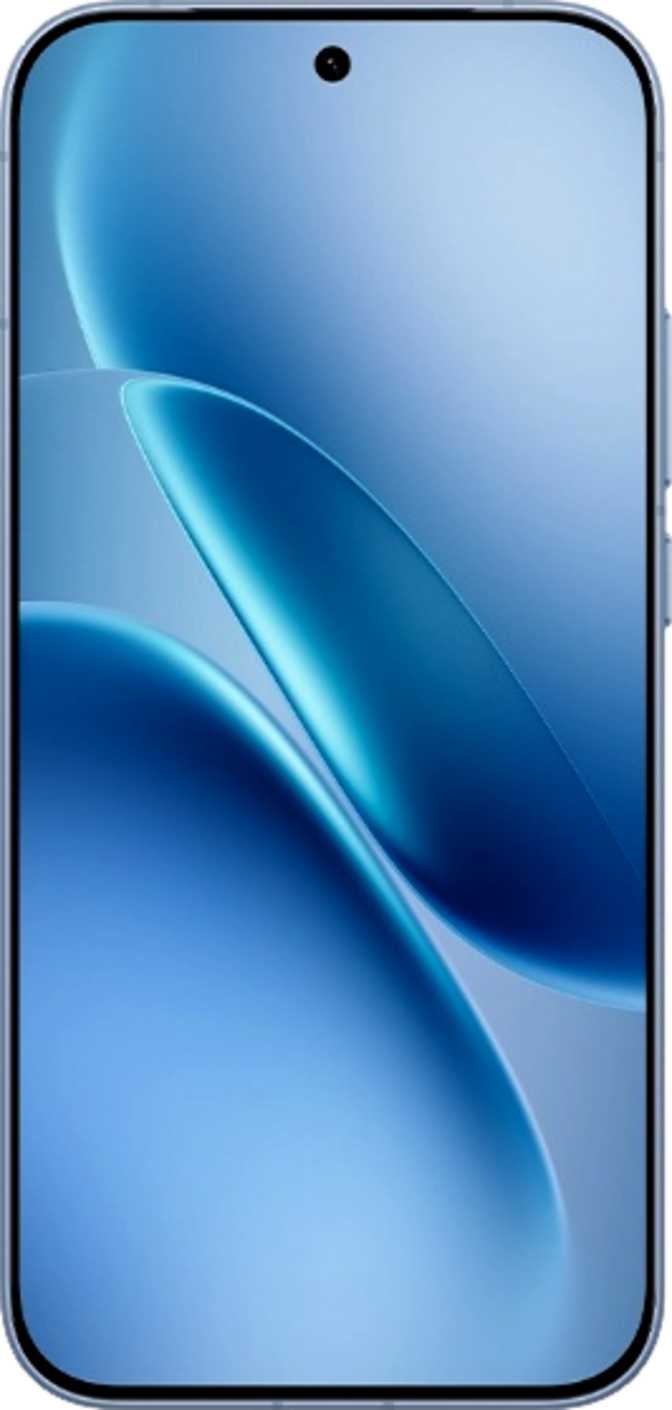
Vivo iQOO Z11 Review: Big Battery, Bold Display, Real Trade-Offs
SmartphonesThe mid-range smartphone market is where most people actually live — not in flagship territory with four-digit price tags, but in the space where real trade-offs get made. The Vivo iQOO Z11 enters that space with a specification sheet that reads more like a premium device than its category peers: a massive OLED panel with a 165Hz refresh rate, a chipset built on a 4-nanometer process, a battery that genuinely redefines what "all-day" means, and a water resistance rating typically reserved for phones costing significantly more. Whether those specs translate into a phone worth your money is exactly what this review addresses.
Design & Build Quality
Physical experience, dimensions, and protection rating
- Height
- 163.7 mm
- Width
- 76.1 mm
- Thickness
- 8.3 mm
- Weight
- 216.5 g
- IP Rating
- IP68
- Depth Rating
- 1.5 m
At 163.7mm tall and 76.1mm wide, the iQOO Z11 is unambiguously a large phone. Paired with its 6.83-inch display, this is a device built for people who want screen real estate — watching content, reading, or gaming. If one-handed use is a priority for you, be honest with yourself before buying.
The weight sits at 216.5 grams, placing it in the heavier half of its category. That weight isn't a flaw; it's partly the cost of the engineering choices made elsewhere. The chassis comes in at 8.3mm thick — slim enough to sit comfortably in a pocket without the bulk of older battery-heavy phones.
Display: A Panel That Punches Above Its Category
Size, sharpness, fluidity, and what's missing
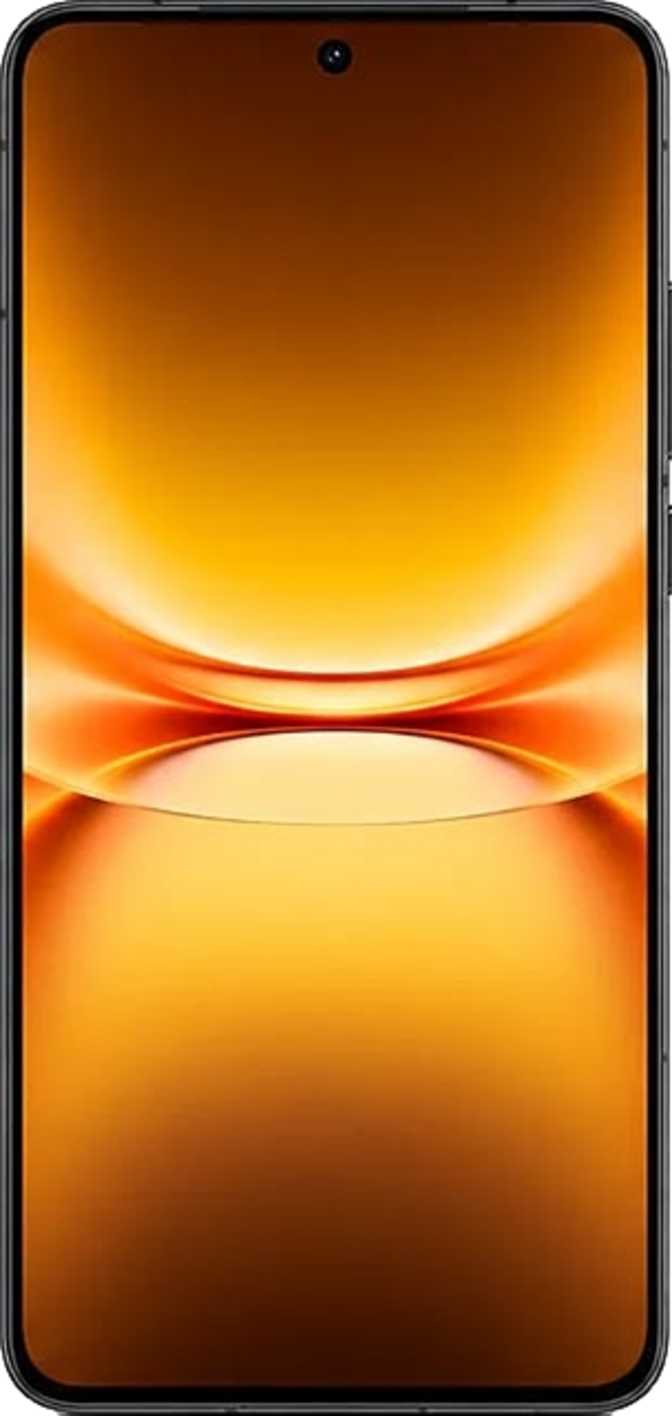
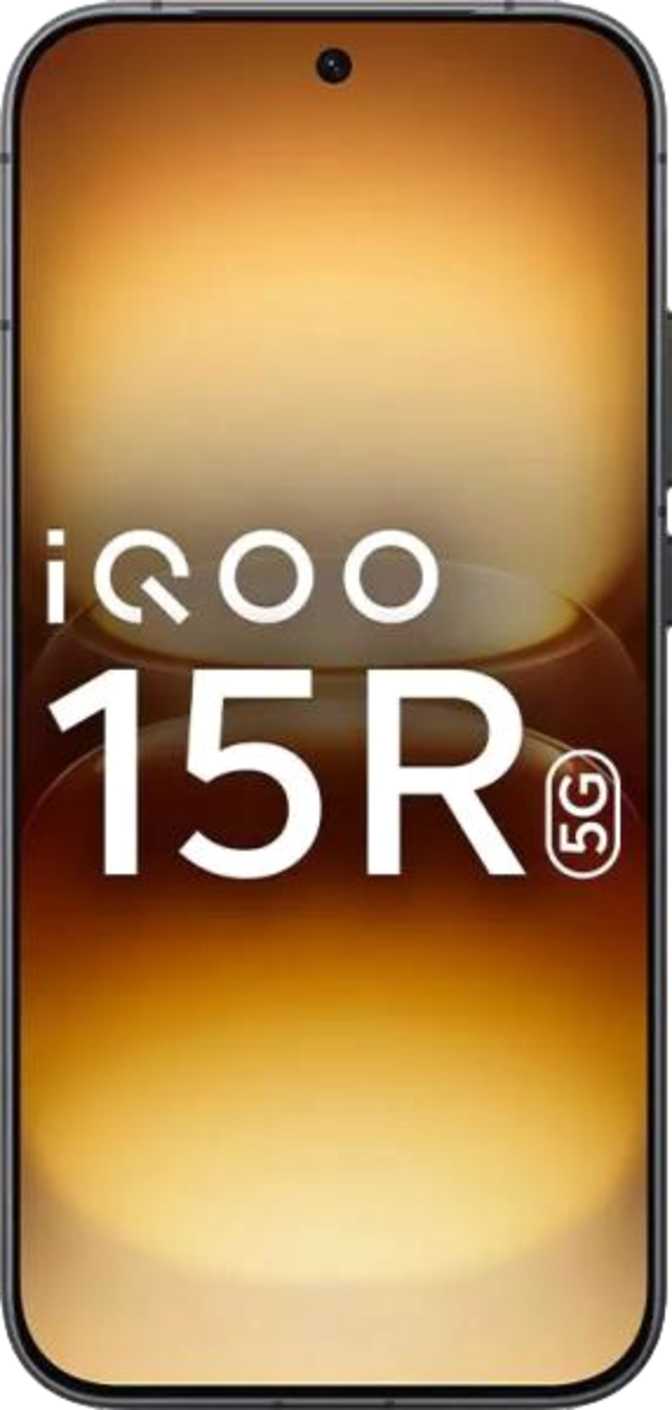
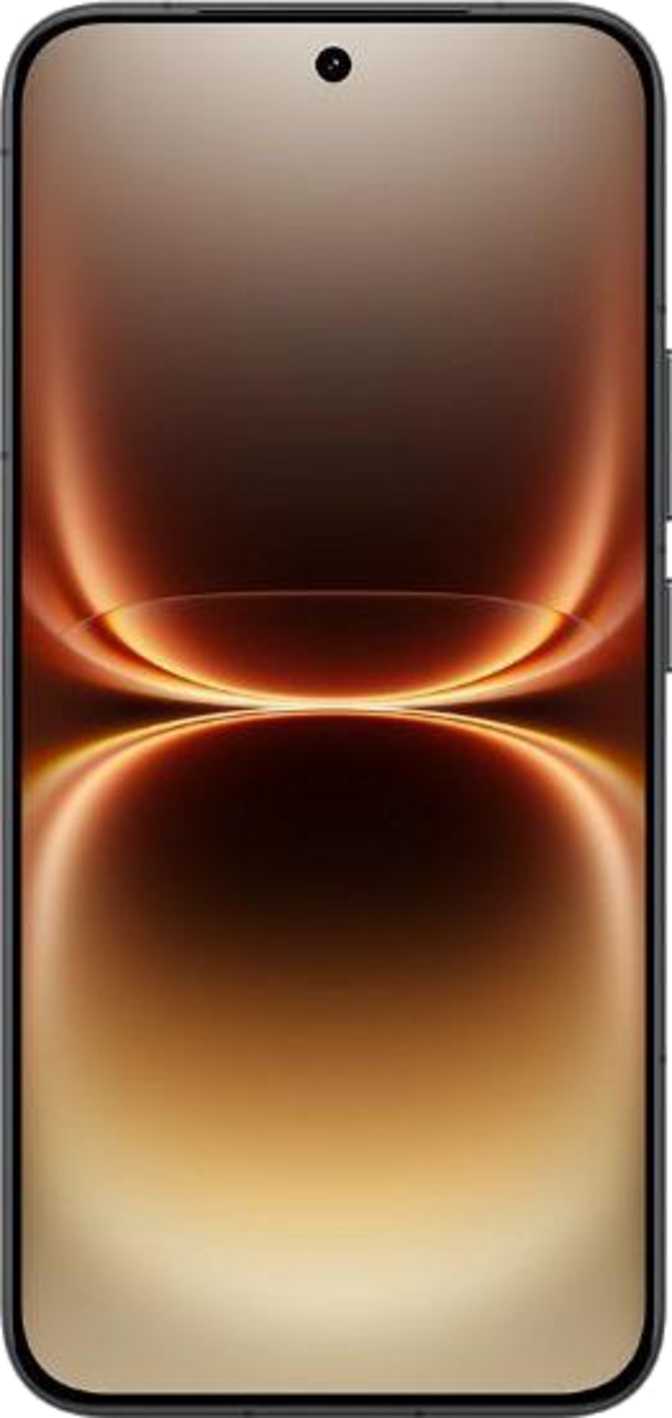
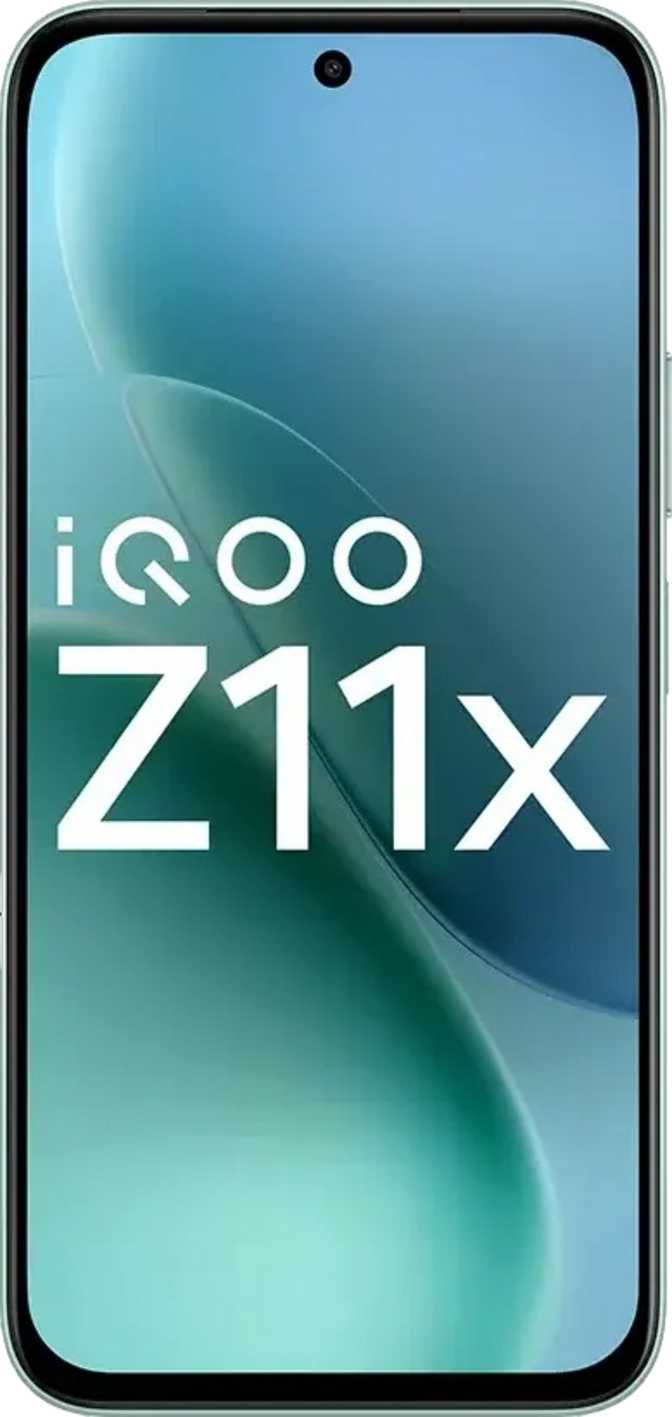
The 6.83-inch OLED screen is one of the iQOO Z11's clearest strengths. OLED technology means true blacks rather than the dark grays produced by LCD panels — every high-contrast scene in a movie or game benefits from this. The 165Hz refresh rate sets this display apart from nearly everything in its price bracket. The transition from a 60Hz display to this panel is immediately perceptible; even the step from 120Hz feels noticeably smoother in demanding gaming scenarios.
Peak brightness of 1000 nits delivers outdoor legibility in direct sunlight — a real-world test many screens at this tier fail. The Always-On Display lets you check time and notifications without waking the phone fully, a convenience that adds up over hundreds of daily interactions. The flat (non-curved) design means screen protectors fit cleanly and accidental edge touches during gaming are eliminated.
Display Verdict
- 165Hz OLED — well above mid-range standard
- 450ppi — text and detail rendered with genuine sharpness
- Always-On Display included
- No HDR10 or Dolby Vision — streaming content won't reach full HDR fidelity
- No branded damage-resistant glass (Gorilla Glass or equivalent)
Performance: The Dimensity 8500 in Context
Chipset analysis, real-world implications, and gaming credentials
Processing Power for Real Work and Play
The MediaTek Dimensity 8500 chip is fabricated on a 4-nanometer process — the same manufacturing generation used in flagship processors. This matters not just for raw speed but for efficiency: smaller transistors generate less heat and consume less energy for the same workload, affecting both sustained performance and battery longevity.
The processor organizes its eight cores into three groups: a single high-performance core at 3.4GHz handles the heaviest single-threaded tasks, three cores at 3.2GHz manage demanding sustained workloads, and four efficiency cores at 2.2GHz handle background tasks and light daily use. The phone isn't drawing full power when you're reading an article, but it scales up immediately when you launch a demanding app.
The 16GB of RAM operates at high memory bandwidth, meaning data moves between the processor and memory quickly — reducing app reloads when switching between applications. Storage at 512GB is generous enough that most users will never come close to filling it, even after years of photos, videos, and apps. There is no expandable memory slot, but with this much internal space, the omission is largely theoretical.
Gaming Credentials
The Mali G720 MP8 graphics processor, with eight shader clusters and a 1300MHz clock speed, drives most mobile titles at high settings. The 165Hz display creates headroom for games that support high-frame-rate modes. The combination of an efficient 4nm chip and a very large battery means gaming sessions are less likely to be cut short by thermal throttling or battery anxiety than on competing devices using older, less efficient silicon.
Chip Specifications
Camera System: Capable, With Honest Limitations
Main camera, video, selfie performance, and where it falls short
Main Camera
The rear camera system is led by a 50-megapixel primary sensor with optical image stabilization — a hardware feature where a physical mechanism counteracts hand movement to reduce blur in photos and smooth out video. Its presence at this price point is notable; many competitors rely solely on software-based stabilization, which is less effective.
Phase-detection autofocus enables fast, accurate subject locking for both stills and video. Continuous autofocus during video recording means the camera tracks moving subjects without the user needing to manually refocus. The camera supports 4K video at 30fps, slow-motion, timelapse, HDR mode, and panorama. Manual controls cover ISO, white balance, exposure, and focus — giving enthusiast shooters creative control beyond auto mode. Raw file capture is not supported, which limits post-processing for photography purists.
There is a second rear lens, making this a dual-camera setup. However, the optical zoom is listed as 0x, meaning there is no dedicated telephoto lens — any zoom beyond native capture relies on digital cropping rather than glass. Portrait modes and depth effects are handled by the secondary lens, but long-distance zoom photography is not a strength of this system.
Camera at a Glance
- Optical Image Stabilization (OIS)
- Phase-detection autofocus
- Manual ISO, exposure, white balance, focus
- Slow-motion & timelapse
- No optical zoom / no telephoto lens
- No RAW file capture
- No HDR10 or Dolby Vision video recording
Front Camera
The 16-megapixel front camera with an f/2.5 aperture is a solid performer for video calls and selfie photography. The camera is conventionally mounted rather than under-display. No front-facing flash is included, so dimly lit selfies depend entirely on ambient light or using the screen as a makeshift softbox.
Battery Life: The Most Impressive Number on the Sheet
The iQOO Z11 houses a 9020mAh battery — a figure that places it in a category of its own among standard-form smartphones. The average mid-range phone ships with a battery roughly half this size. In practical terms, most users with moderate screen-on time will find a single full charge spans well over a full day, often stretching to two days with conservative use.
Heavy users — those who stream video extensively, game for multiple hours, or use navigation frequently — will still see considerably more endurance than comparable phones. For travelers, shift workers, or anyone who dreads searching for a charger, this is a primary reason to choose this phone.
Software: Android 16 With a Capable Feature Set
Platform features, privacy controls, and what's absent
The iQOO Z11 ships with Android 16, a recent release that brings the latest platform features, security patches, and app compatibility. The software layer from Vivo adds a range of practical features worth knowing about.
One absence worth flagging: OS updates are not delivered directly from Google. Updates go through Vivo's software process first, which can mean delays in receiving security patches and new Android versions compared to devices that get direct updates. This is a legitimate long-term concern — the iQOO Z11 is a good phone today; how well it ages will depend on Vivo's commitment to pushing updates consistently.
- Per-app camera & microphone access controls
- Location privacy options
- Clipboard warnings
- App tracking blocking
- No cross-site tracking blocking
- Split-screen multitasking
- Picture-in-Picture (PiP) mode
- Full-page (scrolling) screenshots
- Play games while they download
- Multi-user system support
- Dynamic theming (wallpaper-based color system)
- Dark mode
- Extra dim mode for low-light use
- Customizable notifications & widgets
- Battery health check
- Offline voice recognition (works without internet)
- On-device machine learning
- Voice commands supported
Connectivity: Modern Where It Counts
5G, Wi-Fi 6, Bluetooth, NFC, and sensor suite
Network & Wireless
- 5G support
- Wi-Fi 6 (802.11ax)
- Bluetooth 5.4
- NFC (contactless payments)
- Dual SIM
- aptX HD wireless audio
Sensors & Navigation
- GPS with Galileo support
- Fingerprint scanner
- Gyroscope & accelerometer
- Compass
- Infrared blaster (TV remote)
- No barometer
Port & Data Transfer
The USB-C port handles charging at full 90W speed. However, its data transfer is limited to USB 2.0 speeds. Transferring large video files or backing up the full 512GB of storage to a computer over a cable will be noticeably slower than on devices with USB 3.x. For most users, cloud backup and wireless transfer are the default, making this a minor inconvenience rather than a dealbreaker.
Who Is the iQOO Z11 For — and Who Isn't It For?
Real-world buyer scenarios to help you decide
Buy This Phone If You…
- Prioritize battery endurance above nearly everything else — the near-9000mAh capacity is the defining feature
- Watch a lot of content and want a large, high-quality OLED screen
- Care about IP68 protection without paying flagship prices
- Game on mobile and want a fast display and capable chip without spending premium money
- Regularly use your phone as a TV remote and appreciate the infrared sensor
Look Elsewhere If You…
- Prefer compact, one-hand-friendly phones — this is a large, heavy device
- Rely on wireless charging for your daily routine
- Shoot extensively in low light and need the best possible camera performance
- Need HDR10 or Dolby Vision for a premium streaming experience
- Want guaranteed fast OS updates delivered directly from Google
Competitive Positioning
How the iQOO Z11 measures up against typical mid-range alternatives
| Feature | iQOO Z11 | Typical Mid-Range Rival |
|---|---|---|
| Display | 6.83" OLED · 165Hz | 6.6–6.7" LCD or OLED · 90–120Hz |
| Chipset Generation | 4nm | 4–6nm (varies widely) |
| RAM | 16GB | 6–12GB common |
| Storage | 512GB | 128–256GB common |
| Battery | ~9020mAh | 4500–5000mAh typical |
| Charging Speed | 90W Wired | 33–67W common |
| IP Rating | IP68 | IP54 or none |
| Wireless Charging | None | Rare at this tier |
| 3.5mm Audio Jack | None | Increasingly absent |
The iQOO Z11's most direct advantage over category competition is the combination of battery size, display refresh rate, and IP68 certification at a mid-range price. Most phones at this level offer one or two of these; the Z11 delivers all three simultaneously. Where it gives ground is in camera versatility, wireless charging, and software update timeliness.
Honest Assessment
Strengths and weaknesses, stated plainly
Where It Genuinely Excels
The battery is the headline achievement here, and it genuinely earns that attention. A near-9000mAh cell paired with 90W charging shifts the entire user experience around power anxiety. Users who have spent years carefully managing screen-on time and hunting for wall sockets will notice the difference immediately and durably.
The display is the second genuine achievement. A 165Hz OLED screen at 450ppi and 1000 nits is not a checklist feature — it is a display that competes with panels on phones sold for substantially more money. The combination of fluidity, sharpness, and outdoor visibility is well above category average.
The Dimensity 8500 on 4nm brings efficiency benefits that pay off in both longevity and thermal management. The 16GB of RAM and 512GB of storage are generous allocations that future-proof the device meaningfully. IP68 at this price point is genuinely unusual and genuinely useful.
Where It Falls Short
The camera system is competent but not exceptional. The absence of a telephoto lens limits photographic range, and the small pixel size of the main sensor means low-light photography leans heavily on software processing. Photography enthusiasts who make cameras a primary purchase driver will find better options elsewhere, possibly at similar prices.
The lack of wireless charging and the USB 2.0 data speed feel like deliberate cost decisions in a phone that otherwise makes few compromises. Neither is catastrophic, but both are noticeable. The absence of HDR10 display support limits the ceiling of streaming quality for those who care about it.
Software update reliability is a legitimate long-term concern. Updates arrive through Vivo's pipeline rather than directly from Google, which has historically introduced delays. The iQOO Z11 is a good phone today — how well it ages depends on Vivo's ongoing update commitment.
Questions Buyers Ask Before Purchasing
Answers to the real search queries around the iQOO Z11
Final Verdict
The iQOO Z11 is a phone built around a clear philosophy: maximize endurance and display quality without asking flagship prices. It succeeds at both. The battery capacity is extraordinary for the category, the OLED panel at 165Hz is genuinely excellent, IP68 protection is a meaningful differentiator, and the Dimensity 8500 provides capable, efficient performance for everything from daily tasks to sustained gaming sessions.
The trade-offs — no wireless charging, no telephoto camera, USB 2.0 speeds, no HDR10 display certification — are real, but none of them undermine the core experience this phone delivers. They are the marks of a phone that made deliberate choices rather than trying to be everything.
You want maximum battery life, a premium display, and solid everyday performance in a mid-range package — and you're willing to accept wired-only charging and a capable-but-not-exceptional camera system.
The camera is your primary motivation, you rely on wireless charging, or you need a compact phone you can operate comfortably with one hand.
For the buyer who wants to stop thinking about their battery by midday, the iQOO Z11 makes a genuinely compelling argument.