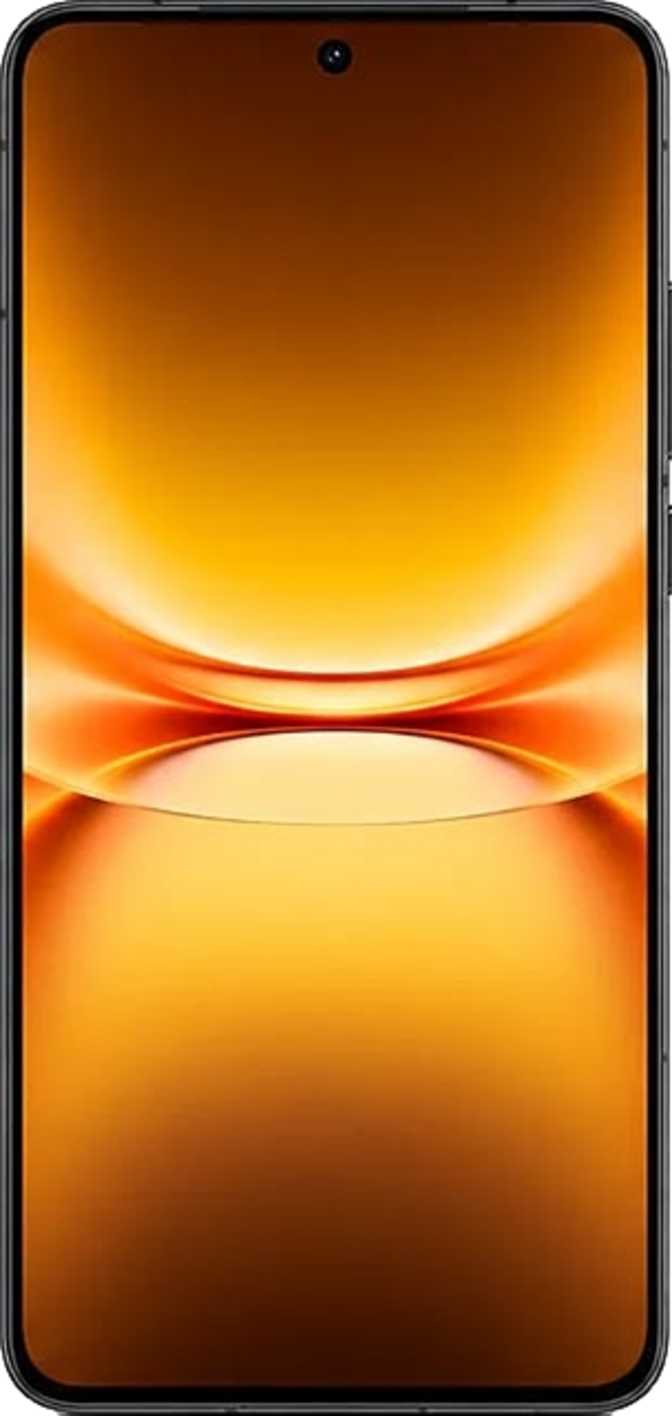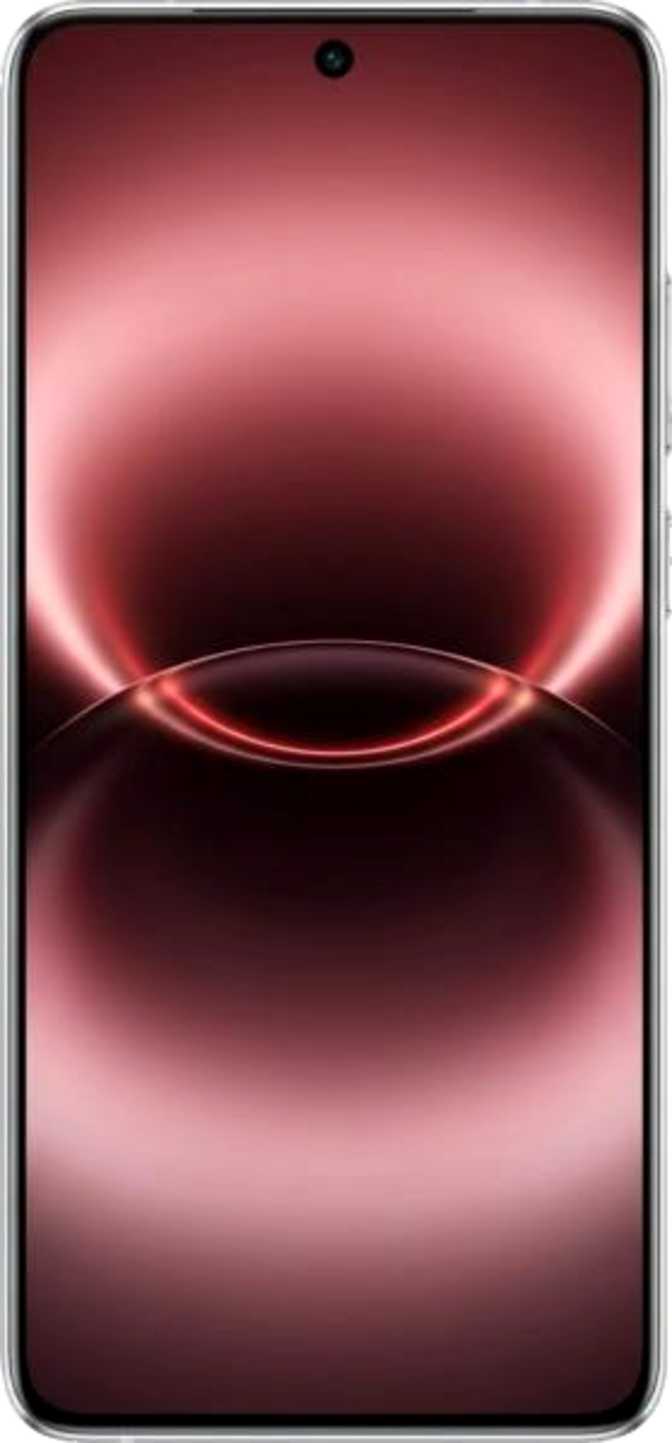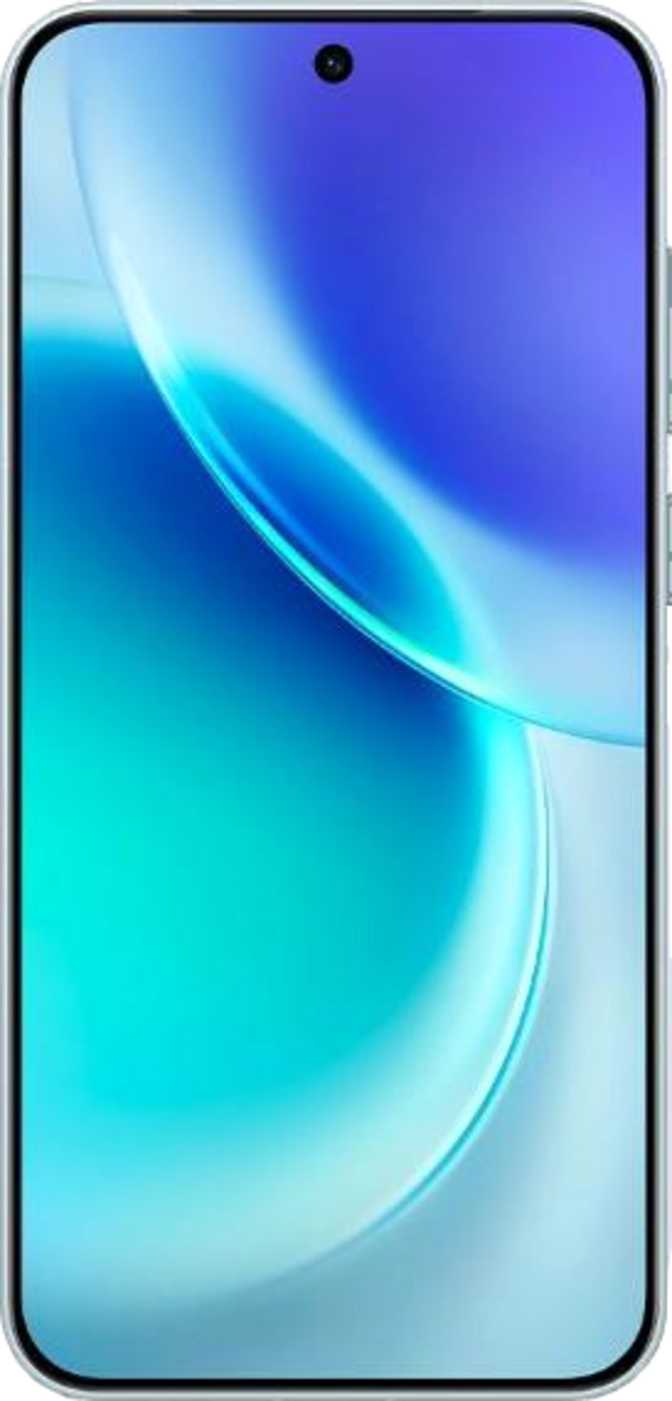
Vivo X300s Full Review: Endurance, Power, and a 200MP Camera System
SmartphonesQuick Verdict at a Glance
Scored across six key categories based on specification analysis and real-world implications
Overall Score
Based on specification analysis
Design and Build Quality
Slim, Solid, and Seriously Waterproof
At 8 mm thick, the Vivo X300s sits in the category of phones that feel almost implausibly thin given what they carry internally. The 217-gram weight gives it enough presence to feel premium in the hand without tipping into the fatiguing territory that some large-screen phones occupy after extended use.
The 162 mm height and 75.5 mm width place it firmly in the large-phone category. This is not a one-handed phone for most people, and it makes no pretence of being one. The display is flat rather than curved — a deliberate and welcome choice. Curved screens can look dramatic in advertisements, but they introduce edge distortion and make screen protectors genuinely difficult to apply.
Where the X300s earns serious credibility is its IP69 water resistance rating. Most competing phones carry an IP68 certification, which covers submersion in calm water. IP69 is a stricter and rarer certification — it covers protection against high-pressure, high-temperature water jets, the kind used in industrial cleaning environments. The phone is also rated to survive submersion to 1.5 metres, reinforcing that this protection is built in rather than incidental.
IP69 vs IP68: IP68 covers calm-water submersion. IP69 adds resistance to high-pressure and high-temperature water jets — a tier above what most flagship competitors provide.
Display: Size, Sharpness, and Speed
A Screen Built for Both Content and Competition
The 6.78-inch OLED panel is where the Vivo X300s makes a strong first impression. OLED means each pixel produces its own light and can switch off completely — the result is absolute black and a contrast ratio exceeding eight million to one. Dark scenes in films and games look genuinely deep rather than washed-out grey.
At 452 pixels per inch, the human eye at normal viewing distance cannot discern individual pixels — text and fine detail are rendered with a crispness that makes long reading sessions more comfortable and images closer to physical print. The 144 Hz refresh rate makes scrolling feel physically different compared to standard 60 Hz screens. For gaming, the benefit is even more tangible: animations and motion are fluid and response times faster.
The touch sampling rate of 300 Hz reads your finger position three hundred times per second — particularly relevant for competitive mobile gaming where reaction time matters, but it also makes general interaction feel more precise. An always-on display keeps time and notifications visible at a glance without fully waking the screen.
- HDR10
- HDR10+
- Dolby Vision
- Always-On Display
- Flat (non-curved) panel
- 1260 × 2800 px resolution
- 8,000,000:1 contrast ratio
Performance: The Dimensity 9500 in Context
What a 3-Nanometre Chip Actually Means for You
The Vivo X300s runs on the MediaTek Dimensity 9500, built on a 3-nanometre manufacturing process. Smaller transistors mean more processing power packed into the same physical space while generating less heat and consuming less energy. This is a current-generation flagship processor — the same manufacturing tier used in the most powerful Android chipsets available.
The processor uses an eight-core hierarchy: one high-performance core at 4.21 GHz for the most demanding single tasks, three cores at 3.5 GHz for sustained workloads, and four efficiency cores at 2.7 GHz for background processes. This big.LITTLE configuration with Heterogeneous Multi-Processing means the phone constantly allocates processing work to the right core for the job.
The 16 GB of DDR5 RAM running at 5,333 MHz means app switching is fast, multitasking is genuinely fluid, and demanding applications have the working memory they need without the system slowing to offload processes. Maximum memory bandwidth of 85.3 GB/s ensures the processor is rarely waiting on data — a bottleneck that affects systems with mismatched chip and memory speeds.
The 1 TB of internal storage means camera files, 4K video, downloaded media, and application data can accumulate for years without storage management becoming a routine concern. The Mali G1 Ultra MP12 GPU, running at 1,750 MHz with 128 shading units, handles current-generation mobile games at maximum graphical settings and video processing tasks that lesser configurations struggle with.
Single-Core 3,781
Multi-Core 12,189
Single-core above 3,000 = flagship territory
- ChipsetDimensity 9500
- Node3 nm
- Cores / Threads8 cores / 8 threads
- RAM16 GB DDR5
- RAM Speed5,333 MHz
- L3 Cache16 MB
- GPUMali G1 Ultra MP12
- Storage1 TB
Camera System: Three Lenses, Real Versatility
Main, Ultrawide, and Telephoto — How They Work in Practice
f/1.7 aperture
The centrepiece sensor. Uses pixel-binning to combine pixels for superior low-light performance. At f/1.7, the lens opens wide to gather more light — directly improving performance in dim environments. Optical image stabilisation counters hand-shake in low light and during video recording.
- Optical image stabilisation (OIS)
- Phase-detection & laser autofocus
- RAW file capture
- Manual ISO, focus, white balance
3x Optical Zoom
Hardware zoom using real glass — not software cropping. Optical zoom preserves resolution and detail where digital zoom simply enlarges and degrades. At 3x, the phone is genuinely useful for portraits, events, sports, and any scene where you cannot move closer to the subject.
- True optical magnification
- f/2.6 aperture
- 70mm max focal length
- Portrait & event ready
15mm Focal Length
The ultrawide lens at 15mm captures expansive scenes — architecture, landscapes, and group shots where the primary camera simply cannot fit everything in frame. Combined with the main and telephoto lenses, the full focal range from 15mm to 70mm covers almost every shooting scenario.
- Widest focal reach
- f/2.0 aperture
- 15mm coverage
- Architecture & landscape
- 4K video at 60 frames per second
- Continuous autofocus during recording
- Slow-motion video recording
- Timelapse function
- Built-in HDR mode
- No Dolby Vision recording
- No HDR10 video recording
f/2.0 Aperture
Well above the category average for selfies
The 50 MP front sensor exceeds what most phones in this class offer for selfies and video calls. The wide aperture ensures usable selfies in lower light conditions without requiring ideal settings. No dual front lens and no front-facing flash, but the sensor quality compensates for both.
Battery Life and Charging
A Large Reserve, Filled Quickly
The battery capacity on the X300s places it well into large-battery territory — approaching the upper end of what standard (non-rugged) smartphones carry. Most mainstream flagships sit in the 4,500–5,500 mAh range. The X300s exceeds that range meaningfully with a 7,100 mAh cell.
In practice, this capacity supports two full days of mixed use for moderate users — browsing, social media, calls, and occasional camera use. Heavy users running navigation, gaming, or constant video streaming can reasonably expect a full day and then some before reaching for a cable. This is genuinely differentiating in a market where many flagship phones require nightly charging as a habit.
Wired charging at 90W delivers a usable charge level from flat in well under thirty minutes, with a full charge in approximately fifty to sixty minutes under optimal conditions. A charger is included in the box — a detail that has become notable as brands increasingly strip accessories from the package.
Wireless charging at 40 W is fast by wireless standards — many competing phones top out at 15 W or 25 W wirelessly. This means a meaningful charge top-up during a short desk session, not an overnight trickle. Reverse wireless charging allows the X300s to act as a wireless charging pad for earbuds, a second phone, or any Qi-compatible accessory.
Software and Privacy
Android 16 with a Privacy-First Posture
The X300s ships with Android 16 — the most current version of the operating system. Beyond the headline version number, the software layer includes a meaningful set of privacy tools that deserve attention: granular controls over which apps can access the camera and microphone, individual clipboard access warnings, location privacy options, and the ability to block app-level tracking.
Practical productivity features include split-screen multitasking, Picture-in-Picture mode for keeping a video or call visible while using other apps, full-page scrolling screenshots, and offline voice recognition. Dynamic theming allows the interface colour scheme to adapt based on the current wallpaper. The ability to start playing a game while it is still downloading is a small quality-of-life feature that frequent game installers will appreciate.
Multi-user support means a single device can maintain separate accounts and environments for different people — relevant for shared household devices or business scenarios. An extra-dim display mode and dark mode are both available, the former being particularly useful for nighttime use.
- Camera & microphone access controls
- Clipboard access warnings
- Location privacy options
- App tracking blocker
- On-device machine learning
- No cross-site tracking blocker
- No Mail Privacy Protection
- Split-screen multitasking
- Picture-in-Picture (PiP)
- Full-page scrolling screenshots
- Offline voice recognition
- Dynamic theming
- Multi-user support
- Play games while downloading
Connectivity and Audio
Everything Current — One Notable Gap
Connectivity
The X300s covers every major current connectivity standard. Wi-Fi 7 (802.11be) is the latest wireless networking generation, offering faster speeds and better performance in congested environments. Dual SIM allows two active lines simultaneously — useful for travellers or professionals separating work and personal contacts. NFC supports contactless payments and device pairing. The infrared sensor allows the phone to function as a universal remote control for televisions and home appliances.
USB Type-C with USB 3.2 is fast enough for quick large file transfers to a computer. GPS with Galileo satellite support provides accurate location across multiple navigation systems. One absence worth flagging: there is no emergency SOS via satellite, which some competing flagship phones have introduced for remote-environment safety.
Audio
The X300s carries stereo speakers — delivering left-right separation for media, games, and speakerphone calls. Stereo audio on a phone of this screen size meaningfully improves the experience of watching content without headphones.
Bluetooth audio codec support includes aptX and aptX HD — codecs that compress audio with higher fidelity than the standard SBC codec. Wireless headphones that support these codecs will receive noticeably better audio quality during music listening, particularly at higher bit rates.
The absence of LDAC and aptX Adaptive is the one gap in what would otherwise be a complete wireless audio picture. Sony-ecosystem headphone users will not have access to their headphones’ highest quality transmission mode. The 3.5 mm headphone jack is not present — wired audio requires a USB-C adapter or wireless headphones.
- aptXSupported
- aptX HDSupported
- LDACNot supported
- aptX AdaptiveNot supported
- 3.5mm JackNot present
- Stereo SpeakersSupported
Who the Vivo X300s Is For — and Who It Is Not
Matching the Right Phone to the Right Person
This Phone Is a Strong Fit If You Are…
-
A power user or heavy daily driver
The 7,100 mAh cell reliably reaches end of day — or end of second day — without battery anxiety.
-
A mobile photographer
Three lenses, manual shooting controls, RAW output, and a 50 MP front camera offer genuine versatility across all focal lengths.
-
Performance-focused or a mobile gamer
The Dimensity 9500 at 3 nm ensures this phone will remain demanding-app-capable for several years.
-
Active outdoors or in wet environments
IP69 goes beyond what most flagship competitors certify — beach trips, gym use, outdoor work, and rain are all handled confidently.
-
A frequent traveller or dual-SIM user
Two active lines on full flagship hardware — no compromise needed between home and local data SIMs.
You May Want to Look Elsewhere If You Are…
-
A compact phone user
At 162 mm tall and 75.5 mm wide, this phone demands large hands or a two-hand workflow. There is no smaller variant.
-
A Sony-ecosystem audiophile
No LDAC support means Sony WH/WF-series headphone users will not access their highest quality wireless transmission mode.
-
Dependent on expandable storage
No microSD slot. While 1 TB is substantial, it cannot be expanded. Users who carry large removable media libraries will need to adjust.
-
A safety-focused remote adventurer
No satellite emergency SOS functionality. Those who venture into areas without cellular coverage and rely on it as a safety net will find a genuine gap here.
Competitive Positioning
Vivo X300s vs. Typical Flagship Competitors
| Feature | Vivo X300s | Typical Flagship |
|---|---|---|
| Water Resistance | IP69 | IP68 (most common) |
| Battery Capacity | 7,100 mAh | 4,500–5,500 mAh |
| Wireless Charging | 40W | 15–25W typical |
| Main Camera Resolution | 200 MP | 50–108 MP typical |
| Refresh Rate | 144 Hz | 120 Hz standard |
| Processor Node | 3 nm | 3–4 nm (varies) |
| Internal Storage (top config) | 1 TB | 256–512 GB typical |
| Satellite Emergency SOS | No | Select competitors only |
| LDAC Audio | No | Select competitors only |
| 3.5mm Headphone Jack | No | No (most flagships) |
The X300s distinguishes itself most clearly on battery capacity and water resistance certification — two specifications where it materially outperforms the category average rather than simply matching it.
Honest Assessment: Strengths and Limitations
What Works and What Falls Short
The Vivo X300s is built to a specification level that would have been called unreasonable ambition two or three generations ago. A 3 nm processor paired with 16 GB of DDR5 RAM, a 200 MP main camera with optical stabilisation, IP69 protection, 7,100 mAh endurance, and 40 W wireless charging — at 8 mm thin — represents genuine engineering rather than specification padding.
Where it excels, it does so convincingly. The battery life story is among the strongest in the Android market. The water resistance certification is a tier above what most buyers will find in competing devices. The processor headroom ensures this phone will not feel outdated under increasing app and OS demands for the foreseeable future.
The 1 TB storage configuration, combined with the large battery and current-generation chipset, creates a compelling argument for longevity — a device that handles what current apps demand and retains meaningful headroom as software requirements increase over the years ahead.
The weaknesses are specific rather than fundamental. The absence of a headphone jack is a recurring trade-off in this hardware category rather than a unique failing — but it remains a genuine frustration for users with large collections of wired headphones.
The lack of LDAC support is a genuine audio gap for a small but vocal user segment. If you own Sony wireless headphones and use them primarily for high-quality music listening, you will not be accessing their highest fidelity mode — and that is a meaningful compromise for anyone who bought those headphones specifically for that capability.
No satellite emergency SOS is a missing safety feature that a small number of specific users will care about significantly. The camera system’s 200 MP headline resolution will occasionally outrun what the average user can practically process — but the everyday shooting experience at standard resolution is fully capable and the system’s flexibility compensates for most of its gaps.
Questions Real Buyers Ask
Answers Before You Commit
Recommended Without Hesitation
The Vivo X300s is a phone that earns its specification list rather than merely listing it. For buyers who prioritise battery endurance, water protection, and processing capability — and want all three without a physically oversized or ruggedised device — it is among the strongest options in the Android market.
The combination of 1 TB storage, IP69 certification, a 7,100 mAh battery, and a current-generation 3 nm processor creates a compelling argument for longevity. This phone will handle what current apps demand and retain meaningful headroom as software requirements increase.
The gaps — no LDAC, no satellite SOS, no expandable storage — are real, but specific. If none of those three limitations apply to your use case, the X300s presents a very strong case as a daily driver that prioritises endurance and protection without compromising on performance or camera capability.