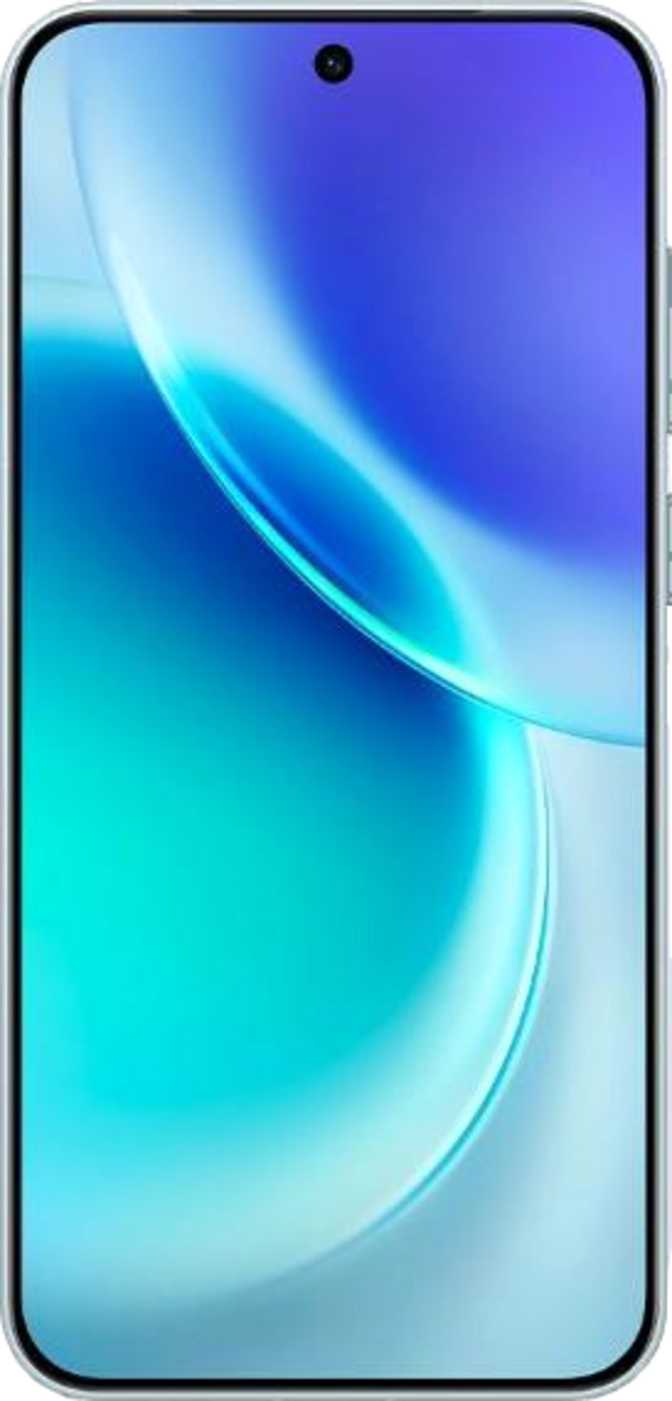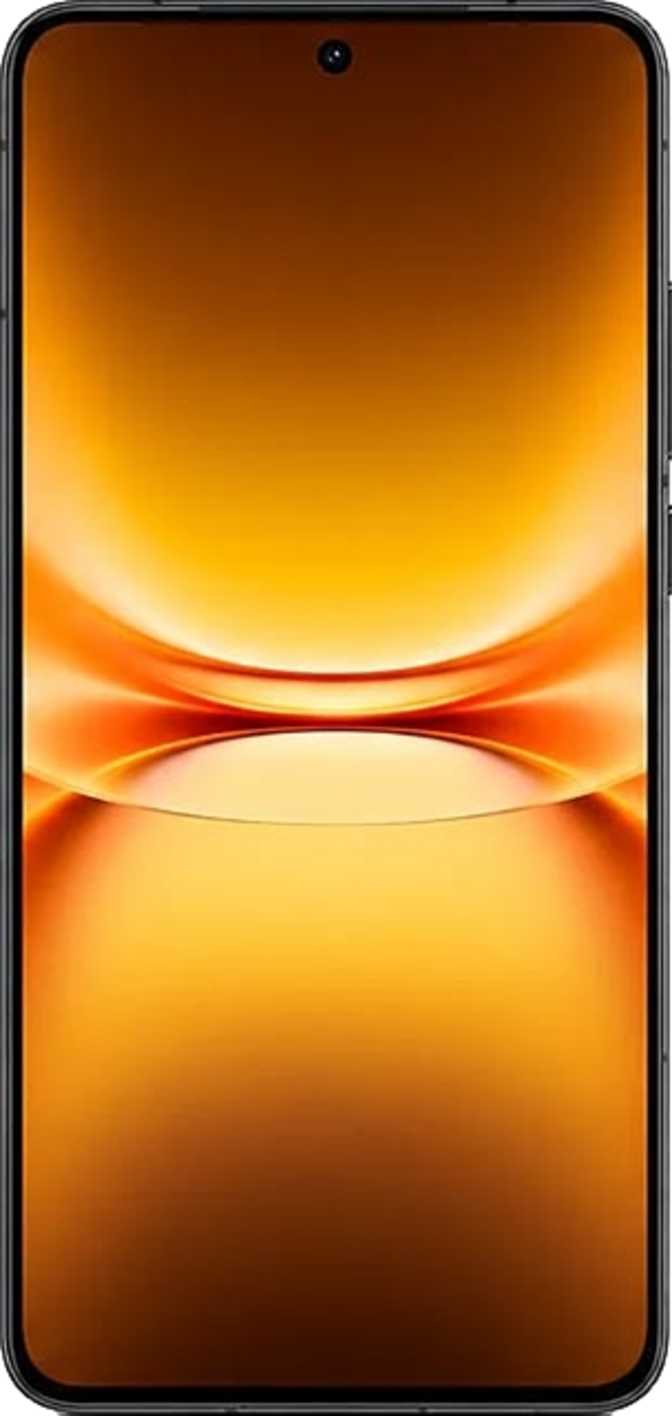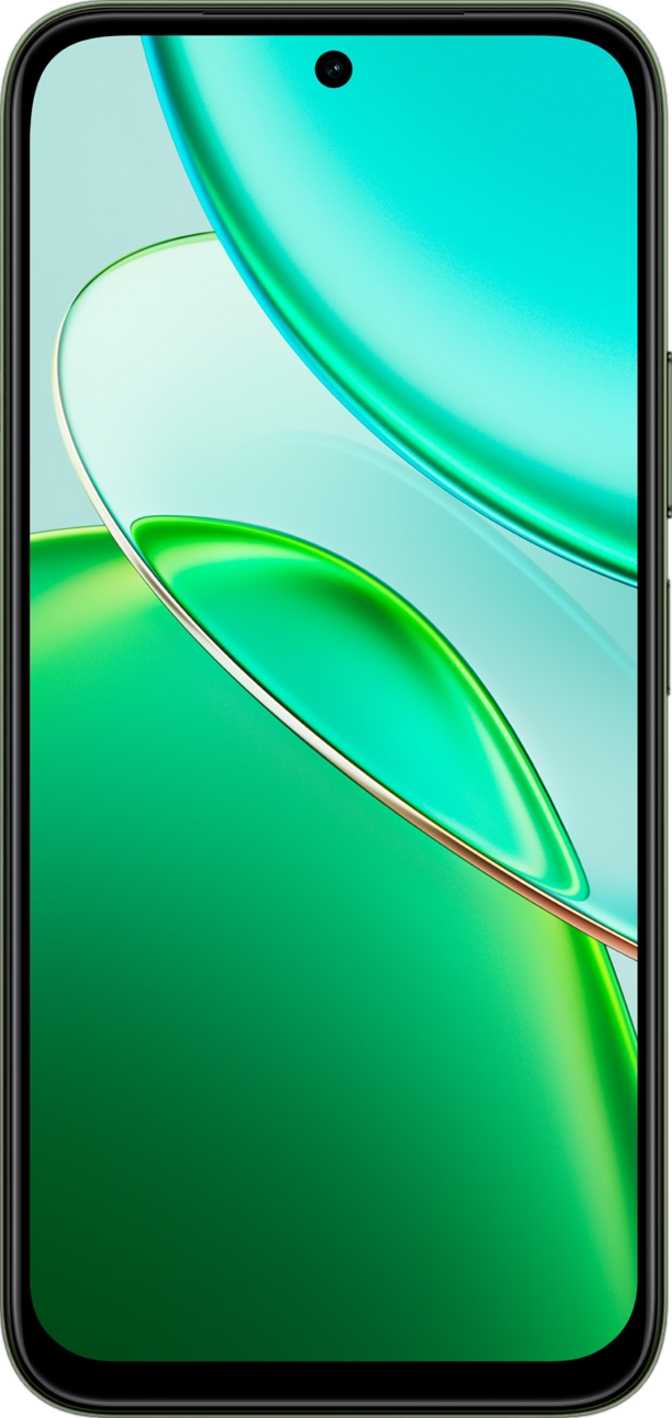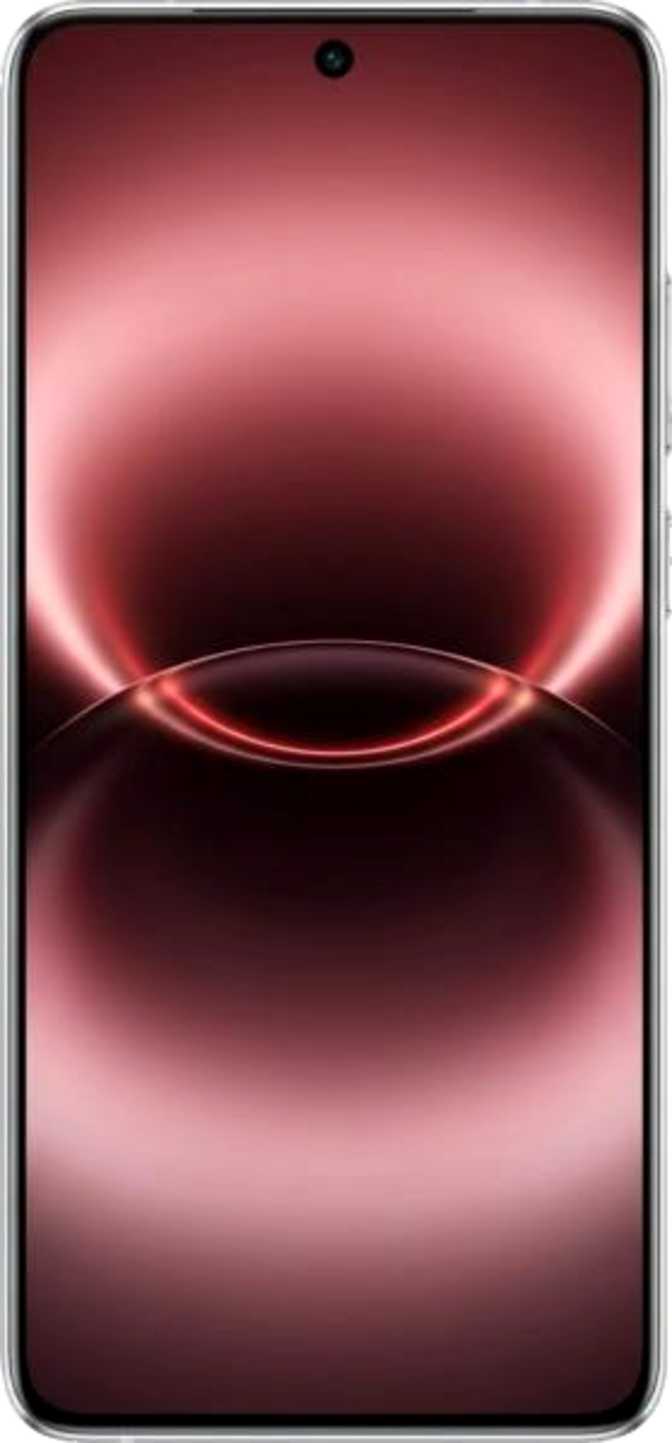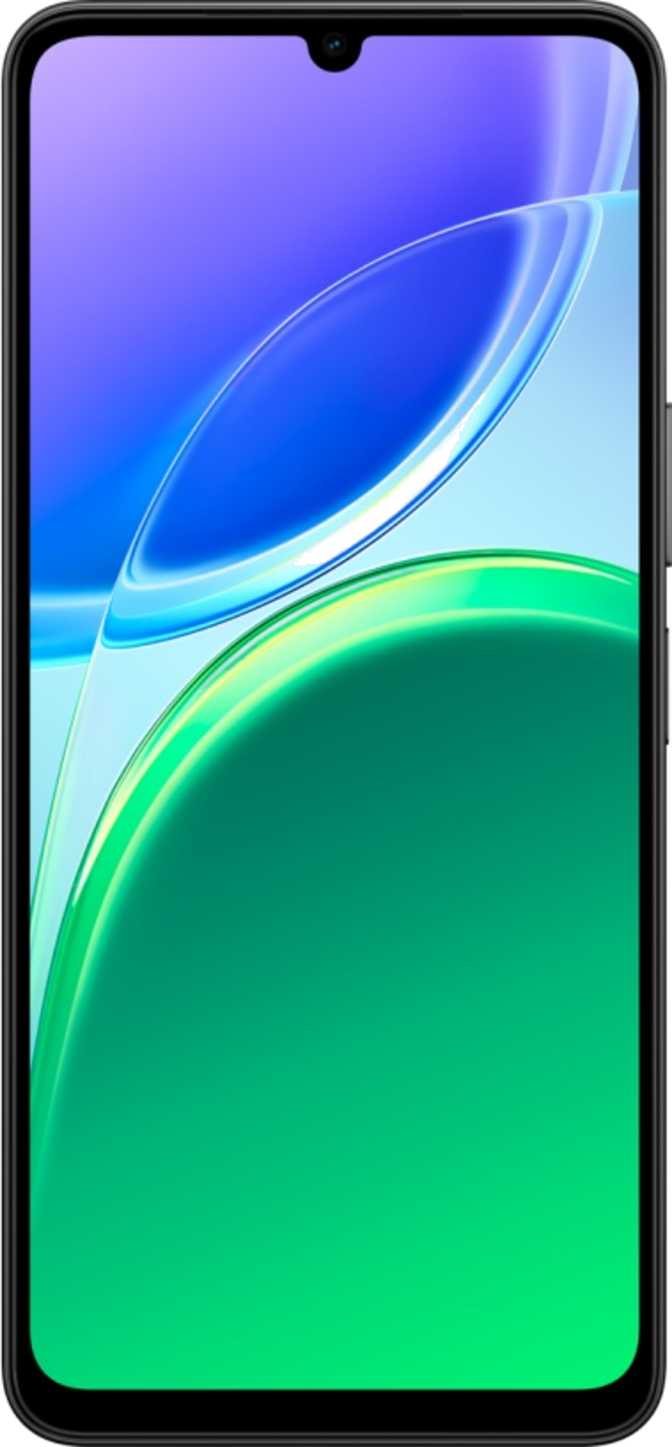
Vivo Y05 Review: A Budget Phone That Takes Durability Seriously
SmartphonesMost phones at this price point ask you to make peace with compromises — a flimsy build here, a dead battery by 3pm there. The Vivo Y05 takes a different approach. It arrives with an IP65 water and dust resistance rating, a battery large enough to outlast a long-haul flight, and a display refresh rate you would normally associate with mid-range hardware. Whether those choices add up to a worthwhile purchase depends entirely on what you need a phone to do — and what you are willing to accept in return.
At a Glance
Design and Build: Surprisingly Solid for the Category
Dimensions and Physical Feel
The Vivo Y05 is a large phone — that is the first thing to acknowledge. At 167.4 mm tall and 77.1 mm wide, it occupies most of an average adult hand, and at 209 grams it has noticeable heft. Some people prefer this; a heavier phone often feels more substantial and less breakable. Others find a device this size fatiguing to use one-handed for extended periods. If you are used to compact phones, expect an adjustment.
The 8.4 mm thickness sits well within normal range for a modern smartphone. It will not disappear into a shirt pocket, but it will not feel like you are carrying a brick either — slim enough to slide into jeans comfortably.
Water and Dust Resistance: The Standout Feature
The most meaningful design decision Vivo made here is the IP65 certification. The "6" indicates complete protection against dust entering the device — no fine particles, no sand, no lint. The "5" means protection against low-pressure water jets from any direction.
In everyday terms: this phone survives being caught in rain, splashed by a sink, or used in dusty workshops and construction sites without damage. It cannot be submerged, but for accidental everyday exposure to water it is genuinely protected. At this price tier, a certified IP rating is rare and represents real added value — particularly for outdoor workers, parents, or anyone whose phone regularly ends up in precarious situations.
Dust: Fully sealed — no particles of any size can enter the device.
Water: Protected against low-pressure jets from any direction — rain and splashes covered, submersion is not.
| Height | 167.4 mm |
| Width | 77.1 mm |
| Thickness | 8.4 mm |
| Weight | 209 g |
Display: Big Screen, Smart Compromise
Screen Size
6.74"
IPS LCD
Refresh Rate
120Hz
Smooth scrolling
Resolution
HD+
720 × 1600 px
Pixel Density
260 ppi
Clear text
Size and Refresh Rate
The Y05 carries a 6.74-inch IPS LCD screen. IPS technology — In-Plane Switching — delivers consistent colour and wide viewing angles, meaning the image does not wash out or shift colour when you tilt the screen. That matters when sharing content with someone next to you or watching video at an angle.
The 120 Hz refresh rate is the display's headline feature. Refresh rate describes how many times per second the screen redraws the image. At the 60 Hz standard found on most budget phones, motion looks acceptable. At 120 Hz, scrolling through social media, swiping between apps, and navigating menus feels noticeably more fluid. It is one of those things that is hard to appreciate until you have experienced it — and hard to go back from once you have.
Resolution and Pixel Density
The resolution sits at HD+ — what the industry calls 720 × 1600 pixels. At 260 pixels per inch on a screen this size, text is clear and readable and standard content looks fine. However, sharpness-sensitive users — those who read a lot of small text, zoom into photos, or watch high-definition video closely — will notice this screen is not as crisp as the Full HD+ panels found on phones one or two price tiers up.
To put it plainly: YouTube videos look good, messages are comfortable to read, and browsing is pleasant. Pixel-peepers will find the ceiling. Everyone else probably will not.
Performance: Built for the Everyday, Not the Extreme
The Chip and What It Means
The Vivo Y05 runs on the Unisoc T7225 processor, manufactured on a 12-nanometer process. Chip fabrication size matters because smaller processes generally produce more power-efficient chips — and a 12 nm chip in a budget phone signals a focus on battery longevity and thermal management over raw processing firepower.
The processor uses an eight-core configuration split into performance and efficiency clusters using ARM's big.LITTLE architecture. In practice, lighter tasks like messaging, browsing, and music playback run on the efficient cores to save battery, while heavier demands engage the faster ones. This is smart architecture that benefits everyday battery life without you needing to configure anything.
RAM, Storage and Graphics
Four gigabytes of RAM handles the phone's multitasking adequately for daily drivers using messaging, email, social media, maps, and music. Running multiple memory-heavy apps simultaneously may prompt the system to close background applications. The 128 GB of internal storage is generous for this category — enough for thousands of photos, a substantial music library, and a healthy app collection. A microSD card slot means storage can be expanded whenever needed.
The Mali G57 MP1 GPU handles casual and mid-tier games without issue — puzzle games, card games, and lightweight arcade titles all run smoothly. Graphically demanding current-generation titles will require lowering visual settings to maintain playable frame rates. This is a phone that handles gaming as a secondary activity, not a primary purpose.
| Processor | Unisoc T7225 |
| CPU Cores | 8 cores (big.LITTLE) |
| Process Node | 12 nm |
| RAM | 4 GB (DDR4) |
| Storage | 128 GB (eMMC 5.1) |
| GPU | Mali G57 MP1 |
| MicroSD Slot | Yes |
Performance Tier
Camera System: Functional Over Impressive
Main Camera
The rear camera shoots at 8 megapixels — a modest resolution by current smartphone standards. A megapixel count alone does not define photo quality, but at 8 MP, maximum image dimensions are limited, and significant digital cropping will reduce sharpness noticeably.
The f/2.0 aperture is reasonably wide, which helps gather light in lower-light conditions. Phase-detection autofocus means the camera locks focus quickly on subjects — it will not hunt and hesitate the way older contrast-detection systems do. Continuous autofocus during video recording keeps moving subjects in focus throughout clips.
The camera supports HDR mode for recovering detail in bright and dark areas simultaneously, plus manual controls for ISO, exposure, focus, and white balance. The presence of manual controls at this price gives photography enthusiasts something to work with, even if the sensor ceiling limits what is ultimately achievable.
| Feature | Main | Front |
|---|---|---|
| Resolution | 8 MP | 5 MP |
| Aperture | f/2.0 | f/2.2 |
| Phase-detect AF | ||
| HDR Mode | ||
| Manual Controls | ||
| Optical Stabilisation | ||
| Flash | ||
| Slow Motion | — | |
| Timelapse | — | |
| Panorama | — | |
| Max Video | 1080p @ 30 fps | |
The Y05 camera system is honest budget-tier photography. It takes acceptable photos in good light and reasonable video for social sharing. It will not replace a dedicated camera or compete with flagship computational photography.
Battery Life: The Y05's Most Compelling Argument
Battery Capacity
6,500
milliamp-hours
Approximately 30–40% larger than category averageCapacity and Real-World Endurance
The Y05 carries a battery that sits meaningfully above what most smartphones at any price point carry. A battery of this size, powering a processor built for efficiency and a display that is bright but not power-hungry, translates to extraordinary runtime.
A moderate user — someone who spends a few hours on social media, takes some photos, makes calls, streams music, and checks messages regularly — should expect to go multiple days between charges. Heavy users who keep the screen on for extended periods, stream video, and use navigation will see considerably shorter runtime, but even demanding usage should comfortably exceed a full day.
This battery size is a deliberate trade-off that explains the phone's weight. The extra grams come directly from that larger cell — it is not coincidence.
Charging Speed
Charging operates at 15 W, which is the lower end of fast charging speeds currently available. Filling a battery this large from empty at 15 W takes noticeably longer than charging a smaller battery at higher wattage — expect the better part of two hours for a full charge.
15W Fast Charging
Charger included in box
No Wireless Charging
Wired only
No Reverse Wireless
Cannot charge other devices
Software Experience: Android 16 With Practical Extras
Operating System
Android 16
Current Android version at shipping
Running a recent Android version means access to the latest security patches, current app compatibility, and updated privacy controls. Granular controls over which apps can access your camera, microphone, and location are present and well-implemented.
Notable Software Capabilities
Privacy Controls Active
Camera access controls
App tracking block
Location privacy
Connectivity: What's Here and What Isn't
| 4G LTE | Download up to 300 Mbps |
| Wi-Fi 5 (802.11ac) | Strong home broadband support |
| Bluetooth 5.2 | Reliable range and pairing |
| NFC | Contactless payments supported |
| USB Type-C | Reversible cable (USB 2.0) |
| Dual SIM | Two simultaneous connections |
| GPS + Galileo | Accurate multi-system navigation |
| 3.5 mm Jack | Wired headphones still welcome |
| MicroSD Slot | Expandable beyond 128 GB |
| Fingerprint Scanner | Fast biometric unlock |
| FM Radio | Offline broadcast listening |
| 5G | 4G LTE only — a future consideration |
| Wi-Fi 6 | Congested networks won't benefit |
| Gyroscope | Affects AR apps and some games |
| Wireless Charging | Wired only — cable required |
| USB 3.0 | Slower file transfers to PC |
| Stereo Speakers | Single-channel audio output |
| Barometer | Altitude sensing unavailable |
| Infrared Sensor | No TV/device remote use |
Who Should Buy the Vivo Y05
- Heavy daily users who prioritise battery longevity. If you regularly run out of charge before the day ends, this phone is a direct solution to that problem.
- Outdoor workers and people in demanding environments. The IP65 certification makes this a practical tool for tradespeople, warehouse workers, and anyone whose phone regularly encounters water and dust.
- First-time smartphone buyers or parents buying for teenagers. The large screen, long battery, child lock, multi-user support, and IP65 protection make it a forgiving first device.
- Frequent travellers and commuters. Dual SIM, strong battery, GPS, and NFC make it a capable travel companion.
- Budget buyers who want a large, smooth-scrolling screen. The 120 Hz display at this price point is a genuine differentiator that raises the everyday experience above the competition.
- Mobile photographers who care about image quality. The 8 MP single camera will disappoint anyone who documents life seriously through their phone.
- Gamers. The GPU handles casual titles, but demanding 3D games require visual compromises that enthusiasts will not accept.
- Users planning to keep their device for three or more years in 5G regions. The absence of 5G may become a daily friction point as networks transition away from 4G infrastructure.
- Anyone who prioritises the sharpest screen. The HD+ resolution is functional and comfortable — it is not impressive, and sharpness-sensitive users will feel the ceiling.
How the Vivo Y05 Compares to Its Alternatives
The Y05's profile is distinctive: it over-delivers on battery, build protection, and display smoothness while under-delivering on camera resolution and future-proofing. Here is how it stacks up against logical alternatives in the same price range.
| Feature | Vivo Y05 | Typical Budget 4G Rival | Typical Budget 5G Rival |
|---|---|---|---|
| Battery Capacity | Very Large | Average to above-average | Average |
| Water Resistance | IP65 (certified) | Often absent or uncertified | Rarely present |
| Display Refresh Rate | 120 Hz | Typically 60–90 Hz | Varies widely |
| Main Camera | 8 MP, single lens | 13–50 MP common | 13–48 MP common |
| 5G Support | No (4G only) | No | Yes |
| Expandable Storage | Yes (MicroSD) | Often yes | Sometimes removed |
| NFC Payments | Yes | Often absent | Sometimes present |
Budget 5G alternatives often offer better cameras and network longevity but sacrifice battery size and rarely include certified IP protection. The choice depends on whether you prioritise endurance and durability or connectivity and camera capability.
Honest Assessment: Strengths and Limitations
Where It Excels
The strengths here are real and meaningful. A certified water resistance rating at this price is unusual enough to warrant genuine appreciation — this is not a manufacturer claim but a verified international standard.
The 120 Hz display delivers a premium-feeling experience that makes the interface feel faster than the hardware actually is. Scrolling through pages and swiping between apps carries a fluency that budget phones simply do not typically offer.
The storage is generous, expandable, and ready for years of use without the constant management that tighter devices demand. And the battery is, in direct terms, exceptional — the kind of endurance that changes how you relate to your phone, eliminating the low-battery anxiety that plagues more power-constrained devices.
Android 16 brings a current, capable software platform with strong privacy controls, useful productivity features like split-screen and PiP, and enough customisation to suit a wide range of users.
Where It Falls Short
The camera system is the weakest area. At 8 megapixels without optical stabilisation or a secondary lens, it trails behind competitors who have pushed sensor and computational photography much further at similar prices. Anyone who regularly documents life through their phone's camera will feel this constraint acutely.
The processor handles everyday tasks capably but has a firm ceiling. Intensive applications — demanding games, video editing, or heavy multitasking — will expose that ceiling quickly, and unlike the camera limitation, it cannot be improved with technique or patience.
The absence of 5G is a structural limitation rather than a daily irritation for most users right now. But it is a flag for anyone with a medium-to-long planning horizon for this device.
The display resolution creates a slight mismatch in expectations: the 120 Hz motion is smooth, but the underlying sharpness does not match what that fluency implies. Users coming from sharper screens will notice the difference immediately.
Questions Real Buyers Ask
Final Verdict
Our recommendation after a full review
The Vivo Y05 is not trying to be everything. It has a clear identity: a dependable, long-lasting phone for people who use their device hard and in varied conditions. The battery and the IP65 rating are not coincidental — they reflect a coherent product philosophy aimed at users who need reliability over refinement.
For outdoor workers, heavy commuters, budget-conscious families, and users who have simply had enough of charging their phone twice a day, the Vivo Y05 makes a compelling, practical case. The 120 Hz display raises the experience above most competitors at this price, NFC adds real-world payment convenience, and 128 GB of expandable storage provides years of breathing room.
The camera system, the 4G-only networking, and the HD+ resolution are genuine limitations. Whether they matter depends entirely on your usage. Know your priorities, and this phone will tell you immediately whether it belongs in your hands.
Buy It If
Battery endurance and durability are your top priorities
Consider Alternatives If
Camera quality or 5G connectivity matter to you
Skip It If
You are a photographer, gamer, or planning long-term 5G use