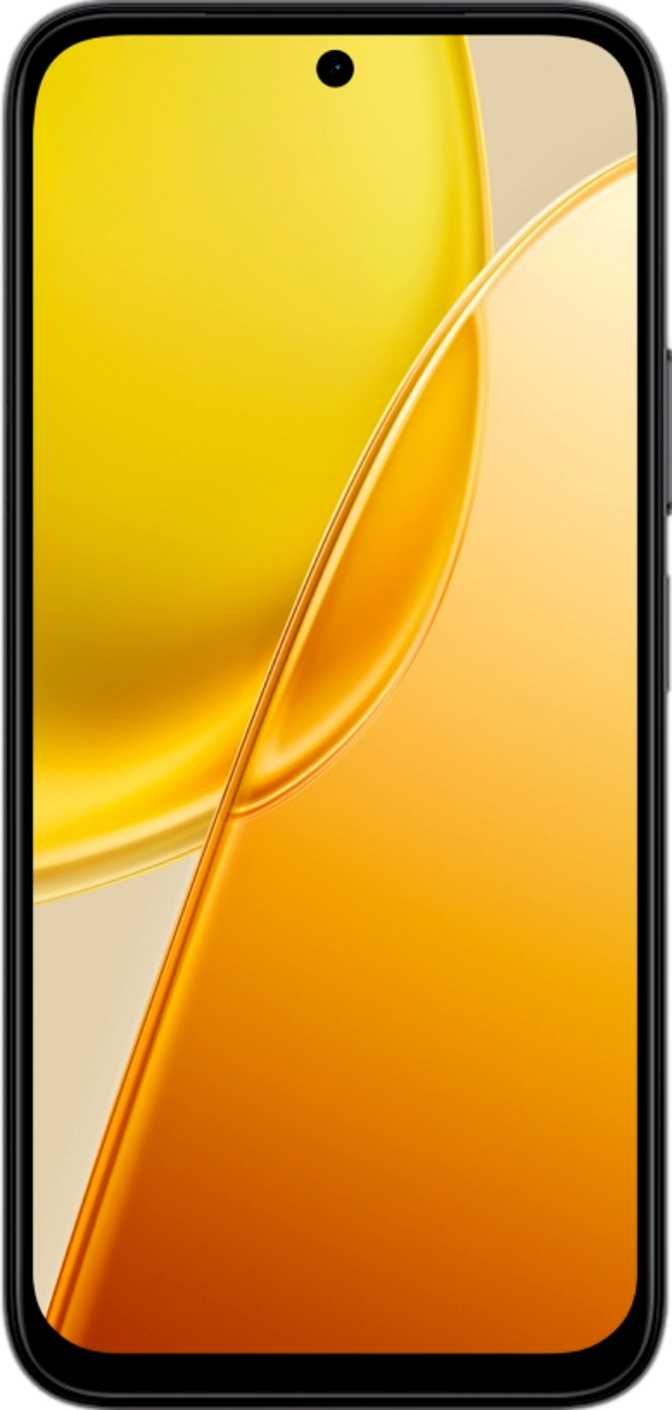
Vivo Y51 Pro Full Review: IP68 Durability Meets Marathon Battery Life
SmartphonesWhat Makes the Vivo Y51 Pro Worth Your Attention
The mid-range smartphone market is where the real battles are fought — the segment where manufacturers must make hard choices, and where buyers end up either pleasantly surprised or quietly disappointed. The Vivo Y51 Pro enters this arena with a spec sheet that plays against type: military-grade waterproofing at a budget-adjacent price point, a battery that could outlast a weekend, and a processor architecture that punches meaningfully above its weight class. It also carries compromises that deserve honest scrutiny. This review gives you the complete picture before you spend your money.
Design and Build Quality
A Phone That Takes IP68 Seriously
The headline achievement in the design department is the IP68 certification. This rating means the Y51 Pro can survive submersion in water up to 1.5 meters deep. That is not splash resistance, and it is not the diluted water-resistance claims that many budget phones vaguely advertise. It is the same protection standard found on premium flagships costing two to three times as much. For anyone who uses their phone around pools, in the kitchen, in rainy outdoor conditions, or who has simply dropped a device in water before, this is a genuine differentiator.
Size, Weight, and How It Feels in Hand
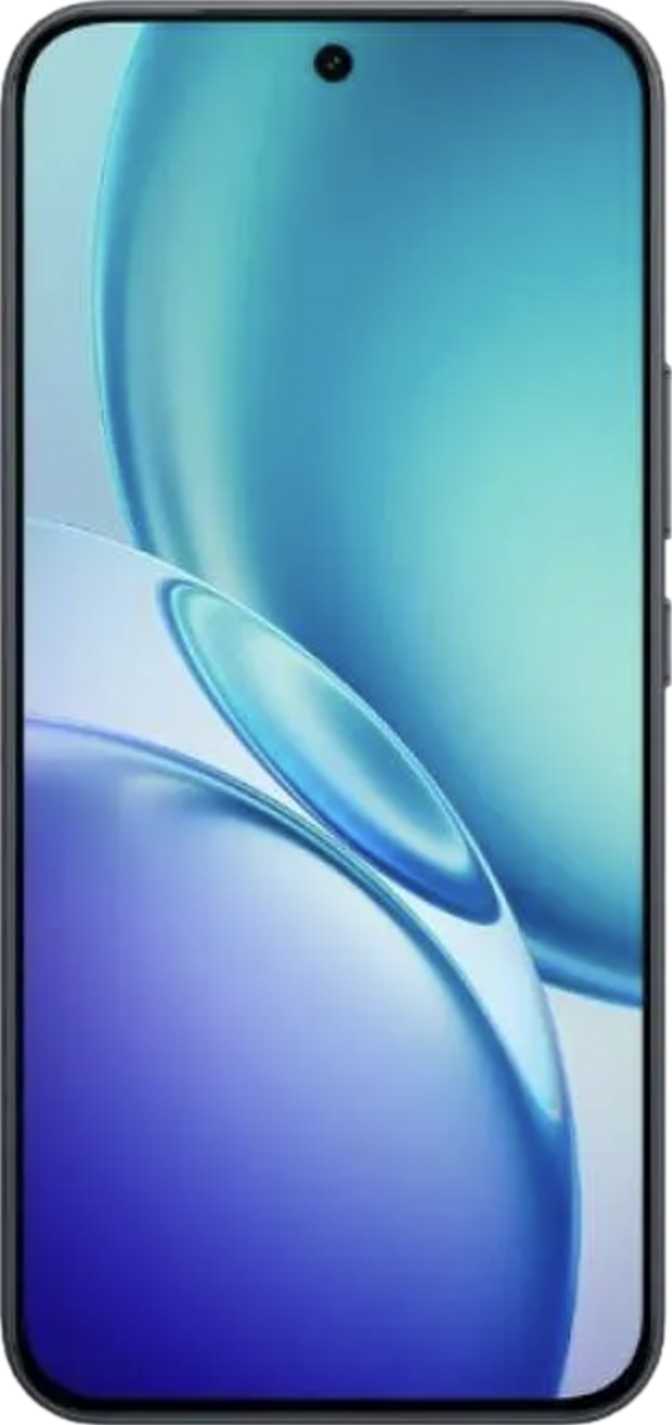
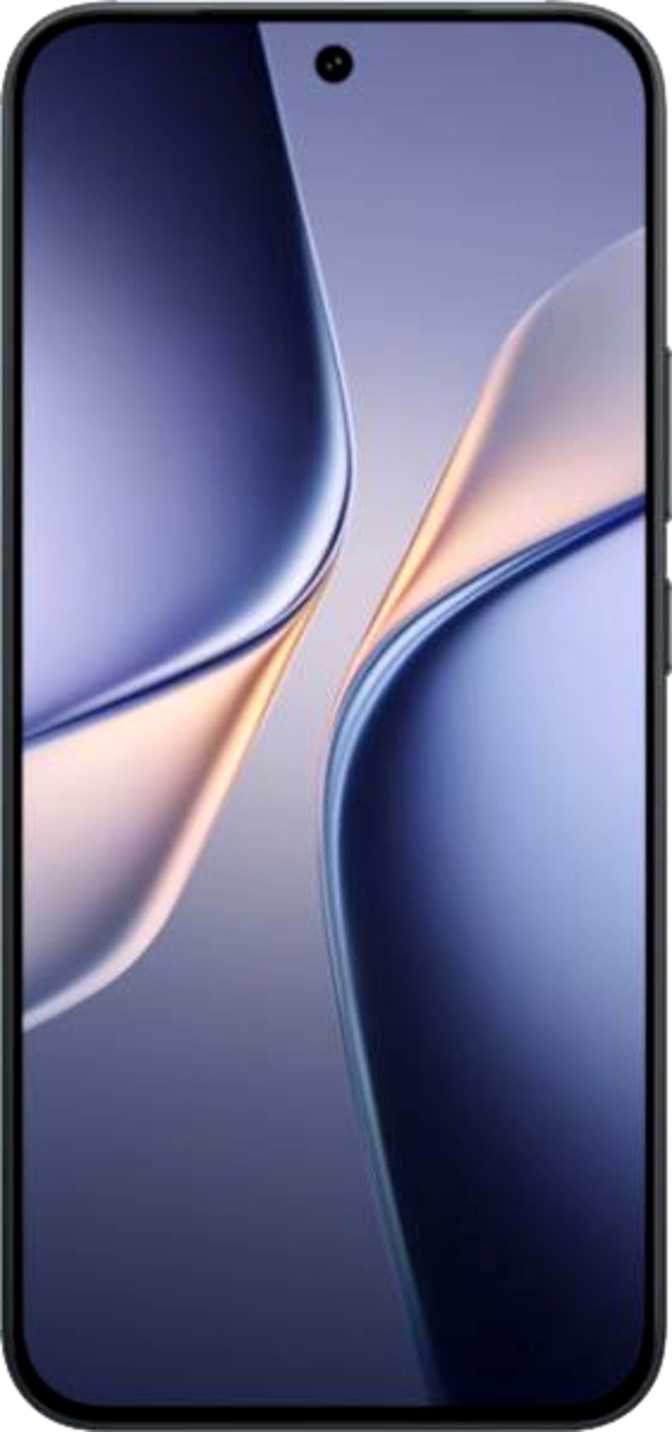
At 166.6 mm tall and 78.4 mm wide, this is an unmistakably large device. Owners of smaller hands will feel the stretch when reaching for the top corner one-handed. The weight sits at 219 grams — not featherlight, but consistent with the substantial battery inside. Think of it as a phone that has presence; it never disappears in your pocket.
The 8.4 mm thickness keeps the phone from feeling bloated. It sits comfortably flat on a table without a camera bump creating an irritating wobble. The build does not include reinforced corners or a rugged enclosure, so a protective case is still advisable for drop protection.
Display: Big Screen, Honest Trade-offs
6.75 Inches of IPS LCD at 120 Hz
The Y51 Pro uses a 6.75-inch IPS LCD panel — and that choice deserves an upfront conversation. In a market where OLED has become increasingly common even in the mid-range, an LCD display will show its limits in specific scenarios. Blacks appear as a very dark gray rather than true black, contrast ratios run lower, and in direct sunlight the screen may struggle compared to OLED alternatives. If you consume a lot of dark-scene content or use your phone late at night, these differences are visible.
What the LCD does offer is consistent brightness uniformity across the panel, no risk of burn-in from static elements — a real concern with OLED — and typically better outdoor legibility at given brightness levels compared to mid-range OLED panels that sacrifice peak brightness to control costs.
Resolution vs. Refresh Rate: The Honest Calculation
The panel resolves at 720 by 1,570 pixels across that 6.75-inch surface, producing a pixel density of 256 pixels per inch. On a 5.5-inch screen, this would look sharp. On a nearly 7-inch screen, fine text and detailed images will show visible pixel structure if you look closely — particularly when reading small-print documents or viewing high-resolution photos at full zoom.
What partially compensates is the 120 Hz refresh rate. Motion — scrolling through a social feed, swiping between apps, playing games — feels noticeably smoother than on a 60 Hz display. The visual fluidity of 120 Hz has a way of making a phone feel more premium than the resolution spec alone would suggest. The panel does not support HDR10 or any Dolby Vision standard, meaning streaming platforms serve standard dynamic range content.
| Aspect | LCD (Y51 Pro) | OLED (Rivals) |
|---|---|---|
| Black Levels | Dark gray | True black |
| Burn-in Risk | None | Present over time |
| Brightness Uniformity | Excellent | Edge dimming possible |
| Power at Low Brightness | Higher draw | More efficient |
| HDR Support | None | HDR10 / Dolby Vision |
| Refresh Rate | 120 Hz | Varies |
Performance: What the Dimensity 7360 Turbo Delivers
The Chip That Powers Everything
The MediaTek Dimensity 7360 Turbo is built on a 4-nanometer manufacturing process — the same generation used in many current flagship chips. The architecture splits its eight processor cores into two groups: four high-performance cores running at 2.5 GHz for demanding tasks, and four efficiency cores at 2 GHz that handle lighter workloads while conserving battery.
This intelligent workload distribution means the phone does not unnecessarily spike to full power when you are checking a notification or scrolling through a webpage. That has a direct impact on heat management, battery life, and long-term performance consistency — all of which matter more in daily use than peak benchmark numbers.
RAM, Storage, and Gaming
Eight gigabytes of RAM running on DDR5 at 6,400 MHz is a meaningful specification. DDR5 offers substantially higher bandwidth than DDR4, which translates to faster data transfers, snappier app loading from background states, and fluid multitasking across several open applications. The 256 GB of internal storage is generous — most users will not fill this without storing large local video libraries. There is no external memory card slot, so cloud backup habits matter here.
The Mali G615 MC2 GPU with DirectX 12 support handles mid-range gaming competently. Popular titles run well at medium to high settings, and the 4 nm efficiency of the chip means extended sessions produce less heat than older generation mid-range devices. Demanding AAA-level mobile games at maximum settings may require dialing back graphics options to maintain consistent frame rates — but that is true of virtually every device outside the flagship tier.
Camera System: Capable Main Sensor, Practical Expectations
The 50 MP Main Camera
The rear camera uses a 50-megapixel sensor with an f/2.0 aperture — a wide opening that allows generous light intake in dim conditions. Phase-detection autofocus ensures subjects lock quickly and accurately, both in still photography and during video recording where continuous autofocus tracks moving subjects in real time.
Manual controls are well-represented, giving photographers meaningful creative flexibility beyond the standard auto mode:
- Manual ISO adjustment
- Manual exposure compensation
- Manual focus control
- Manual white balance
- HDR, burst, timelapse, panorama
- No optical image stabilization (OIS)
- No telephoto or ultrawide lens
- No RAW file output
Video Recording
4K resolution at 30 frames per second is available from the main camera, covering most social media and general content creation needs. Continuous autofocus during recording keeps subjects sharp throughout a casual vlog or family video without constant manual intervention. Slow-motion recording and timelapse round out the creative feature set.
The Front Camera
The 8-megapixel selfie camera with an f/2.1 aperture handles standard video calls and social selfies adequately. There is no front-facing flash, which means low-light selfie results depend entirely on ambient lighting. This is a camera for daytime use and well-lit indoor environments — not nighttime portraits without a nearby lamp.
| Main Sensor | 50 MP, f/2.0, CMOS |
| Autofocus | Phase-detection + continuous AF |
| Max Video | 4K at 30 fps |
| Stabilization | None (no OIS) |
| Front Camera | 8 MP, f/2.1 |
| Front Flash | Not included |
Battery Life: The Y51 Pro's Strongest Argument
The 7,200 mAh battery is the specification that most clearly defines what this phone is designed to do — and it is where the Y51 Pro has no real equal in the typical mid-range field.
A Battery Built to Last Days, Not Hours
Most mid-range smartphones ship with batteries in the 4,500 to 5,000 mAh range. The Y51 Pro carries roughly 40 to 60 percent more capacity than those devices. For a moderate user — calls, messaging, social media, occasional video — two full days between charges is a realistic expectation. Heavy users who stream video, play games, and keep mobile data active throughout the day should still reach end of day comfortably and likely push well into a second day.
Travelers, outdoor enthusiasts, field workers, and anyone with limited access to charging throughout the day will find this battery genuinely liberating. The constant low-battery anxiety that accompanies smaller-battery phones largely disappears.
44W Charging: Fast Enough to Be Practical
The 44-watt wired charging speed means getting from empty to a meaningful charge in a reasonable time frame. A short 20 to 30-minute top-up adds meaningful hours of use. This is not the fastest charging available in the market, but it is fast enough that charging anxiety is not a concern.
Software: Android 16 with Practical Privacy Tools
A Modern Android Foundation
Running Android 16 places the Y51 Pro at the current leading edge of Android versions. The practical benefits include the latest privacy controls, background process management, and performance optimizations. The software supports split-screen multitasking, picture-in-picture mode, dynamic theming, and full-page screenshots — features that improve day-to-day usability beyond what raw specs convey.
Offline voice recognition means voice commands function without an internet connection, and on-device machine learning supports smart features without data leaving the device. Updates go through Vivo's own pipeline rather than directly from Google — standard practice for Android manufacturers, though it means update timing may lag slightly behind Google's official release schedule.
Infrared Blaster: A Quietly Useful Feature
The presence of an infrared sensor is easy to overlook but practically useful. The phone can function as a universal remote control for televisions, air conditioners, set-top boxes, and a wide range of home appliances. It is a feature that has largely disappeared from flagship phones but remains common in certain mid-range segments — and once you use it, it is hard to give up.
Connectivity: 5G Ready, NFC Absent
Network and Wireless Performance
5G connectivity places the Y51 Pro in the growing category of future-proof mid-range devices. Dual SIM support is included for users who manage separate work and personal numbers, or who travel and swap local SIMs. Wi-Fi support covers Wi-Fi 4 and Wi-Fi 5 standards — sufficient for typical home and office networks. The absence of Wi-Fi 6 means the phone will not take full advantage of newer routers at peak theoretical speeds, though real-world impact in most home environments is minimal.
Bluetooth 5.4 is current generation, offering improved range and connection stability. The USB-C connector is the right choice for modern compatibility, though the USB 2.0 data transfer standard means cable file transfers between phone and computer will be slower than USB 3.0 devices — a meaningful limitation only if you frequently transfer large video files via cable.
No NFC: A Meaningful Gap
The absence of NFC deserves direct acknowledgment. NFC enables contactless payments — the tap-to-pay functionality available through Google Pay and equivalent services. Users who have made contactless payment a daily habit will miss this entirely, and there is no software workaround. This is a hardware omission that defines a real-world limitation.
No Headphone Jack
The 3.5 mm audio jack is not present. Wired headphone users will need a USB-C to 3.5 mm adapter or a transition to Bluetooth audio. The stereo speaker configuration handles media playback well for casual listening — dual-speaker output provides noticeably better soundstage than single-speaker designs. However, Bluetooth audio is limited to standard quality codecs; aptX, LDAC, and similar high-resolution wireless audio standards are not supported.
| Feature | Status |
|---|---|
| 5G | |
| Dual SIM | |
| Wi-Fi 5 (802.11ac) | |
| Wi-Fi 6 | |
| Bluetooth 5.4 | |
| USB-C | |
| NFC | |
| Headphone Jack | |
| Infrared Blaster | |
| GPS + Galileo | |
| Fingerprint Scanner | |
| microSD Slot | |
| High-Res Bluetooth Audio |
Who Should Buy the Vivo Y51 Pro
This Phone Is Built For
- Battery-first users
Tired of daily charging rituals and ready for genuine two-day endurance from a single charge.
- Outdoor and active users
Need real waterproofing — not splash protection, but actual submersion-rated IP68 durability — without paying flagship prices.
- Value-conscious 5G adopters
Want to be ready for next-generation network speeds without paying a premium tier price.
- Light-to-moderate gamers
Want smooth daily performance and the stamina to play without worrying about draining the phone.
- Heavy multitaskers
Keep many apps open simultaneously and want DDR5 RAM headroom to handle it without constant reloads.
This Phone Is Not the Best Fit For
- NFC-dependent users
Rely on tap-to-pay as part of their daily routine — this hardware omission has no workaround.
- Night photography enthusiasts
Want optical image stabilization for handheld low-light shooting or steady video on the move.
- OLED loyalists
Cannot accept the contrast and black level differences of an LCD panel after switching from OLED.
- Wireless charging users
Have invested in charging pads around their home and workspace — neither wireless nor reverse wireless is supported.
- Audiophiles
Seeking high-resolution wireless codec support (aptX, LDAC) for premium Bluetooth equipment.
How the Vivo Y51 Pro Compares to the Competition
The competitive picture below reveals where this phone decisively wins — and where rivals push ahead.
| Feature | Vivo Y51 Pro | Mid-Range Rival | Premium Alternative |
|---|---|---|---|
| IP Rating | IP68 (1.5 m) | IP54 — splash only | IP67 |
| Battery Capacity | 7,200 mAh | ~5,000 mAh | ~5,500 mAh |
| Refresh Rate | 120 Hz LCD | 90 Hz AMOLED | 120 Hz AMOLED |
| Chipset Node | 4 nm | 6 nm | 4 nm |
| RAM Type | 8 GB DDR5 | 6–8 GB DDR4 | 8 GB DDR4 |
| NFC | |||
| OIS | Yes (select models) | ||
| Wireless Charging |
Strengths and Honest Weaknesses
Where It Excels
The Vivo Y51 Pro does several things exceptionally well for its category. The IP68 rating combined with the 7,200 mAh battery is a pairing that genuinely has no direct equivalent in the typical mid-range field. Waterproofing of this standard usually requires paying significantly more, and battery capacity of this scale usually comes with slower charging or a heavier chassis. The Y51 Pro manages both in a body that is reasonably slim.
The Dimensity 7360 Turbo on a 4 nm process is another genuine strength. The efficiency of this architecture means the large battery lasts even longer than capacity numbers alone would suggest, and daily performance holds up under real multitasking pressure. DDR5 RAM at this price point is a forward-thinking choice that gives the device meaningful longevity as Android apps grow in resource demands.
Where It Falls Short
The display shows the Y51 Pro's budget orientation most clearly. A 720p resolution on a 6.75-inch screen prioritizes battery endurance over visual sharpness — a lower-resolution panel draws less power — but it asks the user to accept visible pixelation at reading distances. Paired with the LCD technology, the display is the most visible concession to cost management.
The NFC omission is harder to rationalize. Contactless payments have become sufficiently mainstream that their absence feels like a step backward rather than a neutral trade-off. The camera is competent but not versatile — the single-lens setup with no telephoto option and no OIS limits creative possibilities. What you capture at arm's length in good light will look good, but the camera is not this phone's reason to buy.
Common Questions Buyers Ask Before Purchasing
Answers to the questions real buyers search for most before committing to this phone.
Should You Buy the Vivo Y51 Pro?
The Vivo Y51 Pro is a phone built around a specific, coherent philosophy: maximize durability and endurance without requiring a flagship budget. It succeeds at that goal with more conviction than most alternatives manage. The IP68 waterproofing is the real deal, the battery is genuinely extraordinary for the category, and the Dimensity 7360 Turbo delivers smooth, efficient performance that holds up in daily and gaming use.
The trade-offs are real but concentrated in predictable places. The display asks you to accept lower resolution and LCD contrast for the sake of efficiency and cost. The camera is solid but not versatile. And the NFC omission is a genuine inconvenience for anyone whose wallet has migrated to their phone.
Battery longevity and water protection are your top priorities, and you are willing to accept a compromise on display sharpness and the absence of NFC. For anyone burnt by dead batteries or a phone lost to water damage, this is a direct and satisfying answer.
You tap-to-pay daily, want an OLED panel with true blacks and vibrant HDR content, or need optical image stabilization for smooth handheld video. Rivals exist that address each of those needs specifically.