Vivo T5 Pro Full Review: The Mid-Ranger Built to Last for Days
SmartphonesVivo T5 Pro: At a Glance
Key specifications and our editorial score, before you read the full review.
Editorial Score
Quick Verdict
The mid-range smartphone market is brutally crowded, and most phones at this price point blur together. The Vivo T5 Pro refuses to do that. It leads with a battery so large it practically redefines what "all-day" means, pairs it with a chipset from Qualcomm's capable upper-mid tier, wraps everything in a genuinely weather-resistant shell, and asks you to accept a few deliberate compromises in exchange.
Design and Build Quality
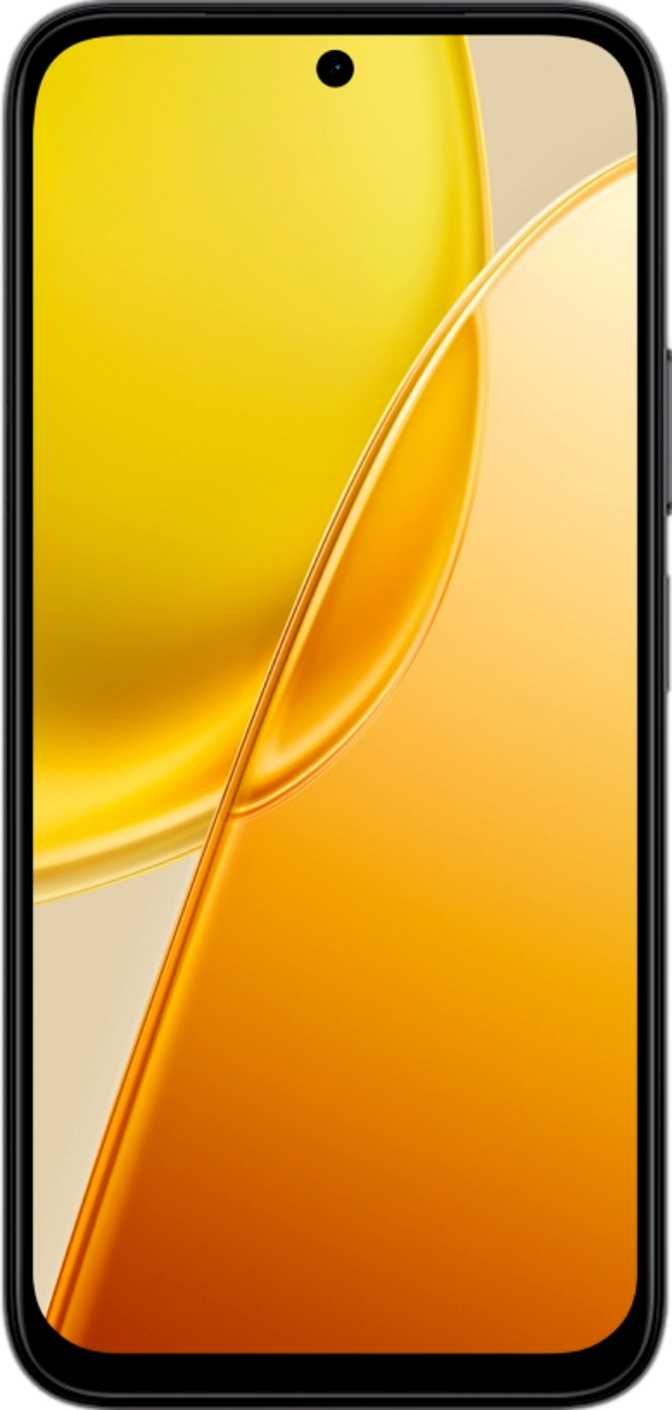
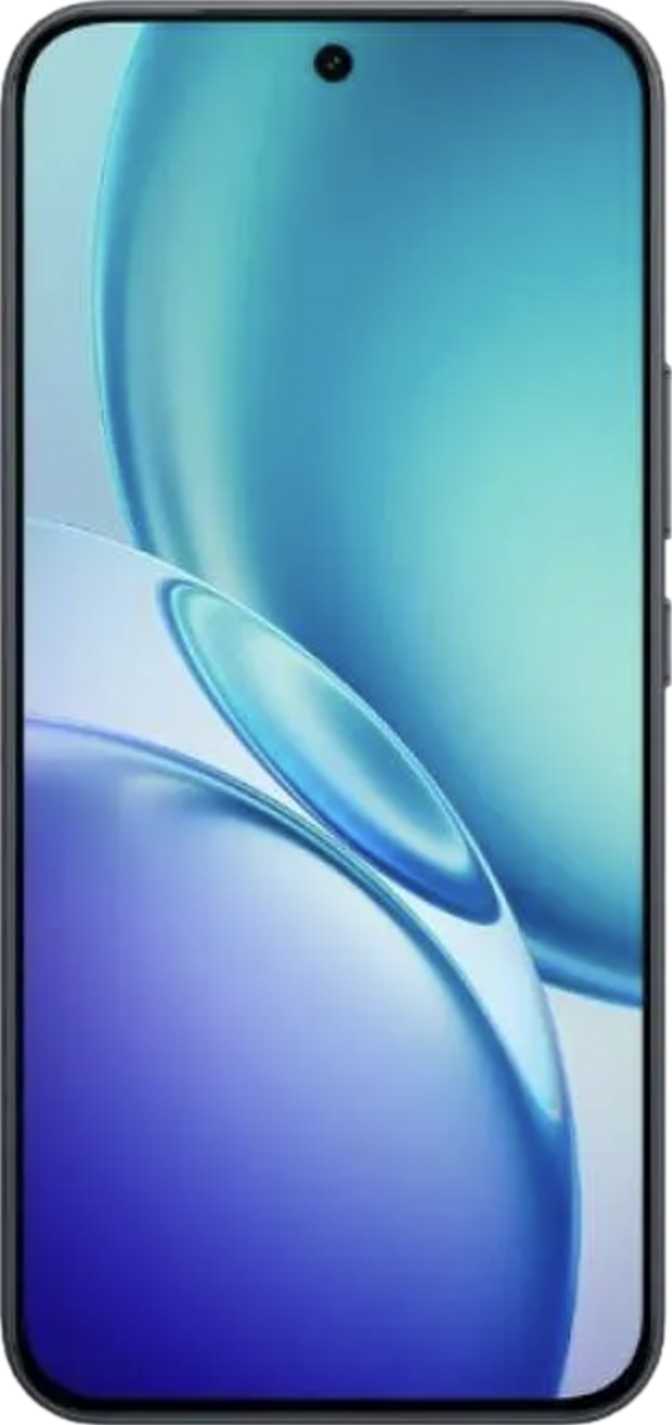
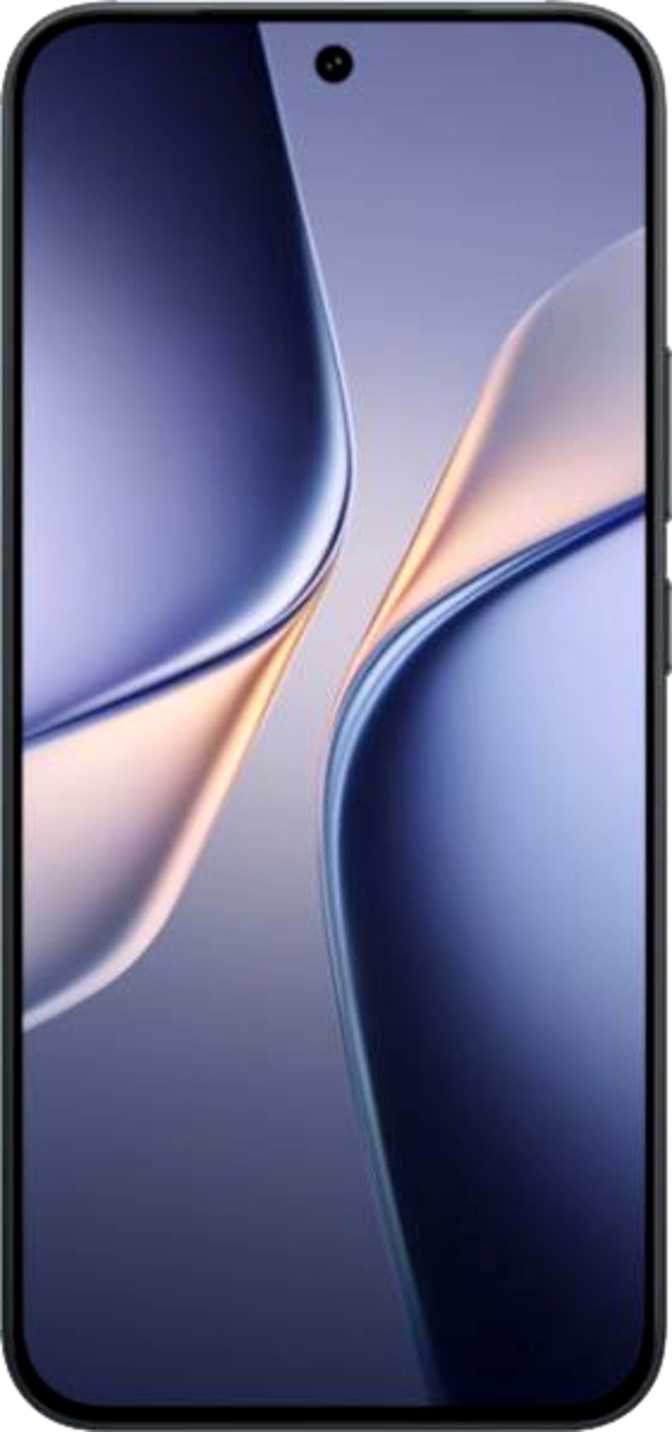
At first glance, the T5 Pro's dimensions tell a story that defies expectation. The phone is tall — just over 163mm — and fairly wide at 76mm, which puts it firmly in the large-screen category. But at only 8.3mm thick, it avoids feeling like a brick, and the 213g weight, while not light by any means, is reasonable for a phone carrying the hardware it does under the hood.
The build does not use a certified damage-resistant display glass, which is worth noting if you tend to drop your devices. The screen itself is flat rather than curved, which is actually a practical advantage — curved-edge displays look dramatic but can produce accidental touches and make screen protectors harder to apply cleanly.
Beyond the IP rating, the phone does not claim a ruggedised build designation. It is a sleek consumer device, not a field-hardened tool. Normal care still applies.
Survives submersion in up to 1.5 metres of fresh water. Many competitors at this price offer no formal water resistance at all, or settle for splash-only ratings.
Display: Large, Sharp, and Buttery Smooth
The Panel
The T5 Pro uses an OLED panel — the display technology that produces deep blacks by turning off individual pixels entirely, rather than dimming a backlight the way LCD screens do. The result is noticeably higher contrast, richer colors, and far better visibility of dark content like night scenes in films or dark-mode interfaces.
The screen measures 6.83 inches diagonally. At a resolution of 1260 × 2800 pixels, the pixel density lands at 450 pixels per inch. Individual pixels are completely invisible at any normal viewing distance — text looks razor-sharp, photos are detailed, and UI elements appear clean and precise.
The 144Hz Refresh Rate Advantage
Refresh rate refers to how many times per second the screen redraws its image. The standard for most phones has historically been 60Hz, with higher-end phones stepping up to 90Hz or 120Hz. At 144Hz, scrolling through a webpage, swiping between apps, or moving through menus feels genuinely different — smoother, more immediate, closer to the sensation of touching physical paper. For gaming especially, this headroom matters.
The display does not support HDR10 or Dolby Vision certification, which means some streaming content from Netflix or Prime Video will not trigger high-dynamic-range playback on this screen.
There is also no Always-On Display feature, so glancing at the time or checking notifications requires waking the screen fully.
Display Specifications
| Panel Type | OLED / AMOLED |
| Screen Size | 6.83 inches |
| Resolution | 1260 × 2800 px |
| Pixel Density | 450 ppi |
| Refresh Rate | 144Hz |
| HDR Support | Not supported |
| Always-On Display | Not available |
| Edge Style | Flat (practical) |
| Damage-Resistant Glass | Not certified |
Performance: A Capable Upper-Mid Chipset That Delivers
The Processor
The Vivo T5 Pro runs on the Qualcomm Snapdragon 7s Gen 4, built on a 4-nanometer manufacturing process. The nanometer figure refers to the size of the transistors inside the chip — smaller means more transistors in the same space, which translates to better performance per watt and less heat during sustained use. A 4nm chip in this price tier is a meaningful engineering advantage over older 6nm or 8nm alternatives found in comparable devices.
The processor uses an eight-core configuration split across three performance tiers: a single high-performance core running at 2.7GHz handles demanding single-threaded tasks, three cores at 2.4GHz manage mid-intensity workloads, and four efficiency cores at 1.8GHz handle background operations while conserving battery. This architecture — known as big.LITTLE — is intelligent task routing, not a gimmick.
Memory and Storage
The phone ships with 12GB of RAM running on DDR5 memory at 3200MHz. In practical terms: 12GB means you can have many apps open simultaneously without the system dumping them from memory and forcing slow reloads. DDR5 at this speed is the current generation of mobile memory — it moves data faster than the DDR4 standard found in older or cheaper devices.
There is no microSD card slot. The 256GB internal storage is fixed — plan your media management accordingly if you shoot a lot of video.
Gaming Performance
The Adreno 810 GPU handles graphics processing. Its 1050MHz clock speed and support for DirectX 12 and OpenGL ES 3.2 positions it well for mobile gaming. Titles like Genshin Impact and Call of Duty Mobile should run at medium-to-high settings with good frame stability, aided significantly by the 144Hz display. The chip's 5W thermal design means it manages heat reasonably under gaming loads without significant throttling.
Chipset Specifications
| Chipset | Snapdragon 7s Gen 4 |
| Manufacturing Process | 4nm |
| CPU Architecture | 8-core (1+3+4) |
| Peak Core Speed | 2.7GHz |
| GPU | Adreno 810 |
| GPU Clock | 1050MHz |
| RAM | 12GB DDR5 |
| RAM Speed | 3200MHz |
| Internal Storage | 256GB (fixed) |
| API Support | DirectX 12 / OpenGL ES 3.2 |
Camera: Competent, Controlled, and Missing One Key Feature
Main Camera
The rear camera uses a 50-megapixel sensor behind an f/1.8 aperture lens. The aperture figure describes how wide the lens opens — lower numbers mean a wider opening, which lets in more light and helps in dim conditions. f/1.8 is a solid result for this tier.
Phase-detection autofocus ensures the camera locks onto subjects quickly and accurately, which matters for anything moving — children, pets, sports moments. Continuous autofocus during video recording keeps subjects sharp as you pan or as subjects move within the frame, which is more useful than it sounds when comparing to cameras that only focus at the start of a clip.
The camera supports 4K video at 30 frames per second, slow-motion recording, time-lapse, HDR stills, panoramas, and a full suite of manual controls including ISO, white balance, focus, and exposure. That manual control set is appreciated by hobbyist photographers who want to move beyond automatic mode.
OIS uses physical sensor or lens movement to counteract camera shake, which makes a real difference in low-light photography and video stability. Without it, handheld shots in dim environments will show more blur, and video recorded while walking will carry more motion artifact. This is a genuine limitation, not a minor footnote.
There is a single rear lens — no dedicated telephoto for optical zoom and no ultra-wide secondary camera. Digital zoom is available but degrades image quality as you push it.
Front Camera
The 32-megapixel front camera with an f/2.0 aperture is well-specified for video calls and selfies. No front-facing flash or dual front lenses are present, but the sensor resolution alone puts it ahead of many competitors' selfie cameras.
Camera Feature Checklist
- 50MP main sensor, f/1.8 aperture
- 4K video recording at 30fps
- Phase-detection autofocus (photos & video)
- Slow-motion & time-lapse recording
- HDR stills, panorama, burst mode
- Manual ISO, exposure, white balance, focus
- 32MP front camera at f/2.0
- No optical image stabilization (OIS)
- No optical zoom — single rear lens only
- No ultra-wide secondary camera
- No RAW shooting support
Battery Life: The Defining Feature
The phone carries a 9,020mAh battery — a figure that sits roughly double what you find in most mainstream smartphones, which typically range between 4,000 and 5,000mAh. The practical result, under normal usage patterns involving social media, calls, messaging, streaming, and occasional navigation, is that most users will realistically get through two full days without charging. Heavy users should comfortably reach the end of a full day with significant charge remaining.
For travelers, commuters, or anyone who hates being tethered to a wall socket, this capacity is a genuine quality-of-life difference. It eliminates the low-battery anxiety that defines life with smaller-battery phones.
Charging at 90W is fast. From a depleted battery, expect to reach a usable charge level quickly, though filling a 9,020mAh cell from empty to full still takes longer in absolute minutes than charging a 5,000mAh phone — the physics of capacity apply regardless of charging speed. A charger is included in the box, which is no longer guaranteed across the industry.
If you rely on a wireless charging pad on your nightstand or desk, this phone will not accommodate that habit. Reverse wireless charging — using the phone to top up earbuds or other devices — is also absent.
Software: Android 16 with a Strong Privacy Foundation
The T5 Pro runs Android 16, the current major version of Google's mobile operating system. Running a recent Android version matters for two reasons: security patches and feature access. The privacy controls on this device are comprehensive and go beyond what was previously limited to higher-end devices.
Privacy Controls
- Granular camera and microphone access permissions
- App tracking blocking
- Location privacy controls
- Clipboard activity warnings
- On-device machine learning — no cloud dependency
- Battery health monitoring built in
Usability Features
- Split-screen multitasking
- Picture-in-picture video support
- Full-page scrolling screenshots
- Install and play games while still downloading
- Dynamic theming and full dark mode
- Offline voice recognition
- OS updates via Vivo, not directly from Google — typically slower delivery
Audio and Connectivity
Audio
Stereo speakers are present, which means sound comes from two separate drivers for wider, more immersive audio — an upgrade over single-speaker setups that produce flat, directional sound. The 3.5mm headphone jack is not included, so wired headphone users will need a USB-C adapter or Bluetooth headphones.
Bluetooth 5.2 handles wireless audio, but the phone lacks support for premium codecs like aptX, aptX HD, aptX Adaptive, or LDAC. For listeners using standard Bluetooth earbuds, this is irrelevant. For audiophiles with high-end wireless headphones that support LDAC, the absence is a real limitation on audio quality through Bluetooth.
Wireless & Wired
5G support is present, covering fast mobile data where networks are available. Wi-Fi 6 (802.11ax) provides improved performance in crowded environments like offices, stadiums, and apartment buildings. NFC is included, enabling contactless payments through Google Pay and similar services. Dual SIM support lets you carry two numbers, useful for separating work and personal or using a local SIM when traveling internationally.
The USB-C port operates at USB 2.0 data speeds. Moving large video files to a computer via cable will be slow compared to USB 3.x devices. For content creators who regularly offload footage, this is worth knowing.
Who Should Buy the Vivo T5 Pro?
Buy It If You…
- Prioritize battery life above almost everything else and want a phone that genuinely lasts multiple days
- Want IP68 weather resistance without paying flagship prices
- Value a large, smooth OLED screen for everyday use and casual gaming
- Do most photography in good light and don't need an ultra-wide lens
- Use your phone heavily for social media, streaming, calls, and gaming rather than professional content creation
Look Elsewhere If You…
- Shoot a lot of photos in low light — the absence of OIS is a real disadvantage here
- Rely on wireless charging as part of your daily routine
- Want HDR-certified streaming content from Netflix or Prime Video
- Need fast USB data transfer for regular video offloading
- Want the fastest possible OS updates directly from Google, or care deeply about premium Bluetooth audio codecs
How It Compares to the Competition
The T5 Pro's battery capacity is its clearest competitive advantage. No phone at a comparable price point offers anything close to 9,020mAh paired with a 144Hz OLED screen and IP68 protection. The trade-off for that combination is the absence of OIS, wireless charging, and premium audio codecs — features where some similarly priced alternatives do better.
| Feature | Vivo T5 Pro | Typical Mid-Range Rival |
|---|---|---|
| Battery Capacity | ~9,000mAh — exceptional | 4,500–5,000mAh (standard) |
| IP Rating | IP68 — full submersion | IP54 or none |
| Display | 6.83" OLED, 144Hz, 450ppi | 6.5–6.7" OLED/LCD, 120Hz |
| Chipset Process | Snapdragon 7s Gen 4 (4nm) | Various — often 6nm |
| Optical Stabilization | Not present | Often present at this tier |
| Wireless Charging | Not supported | Sometimes present |
| Charger Included | Yes — 90W in box | Increasingly rare |
| USB Data Speed | USB 2.0 (slow transfer) | Often USB 2.0; some USB 3.x |
Honest Assessment: Strengths and Weaknesses
Where the T5 Pro Excels
The Vivo T5 Pro does one thing so well that it defines the entire purchase decision: it lasts. The battery capacity is not a marginal improvement — it is a category-level statement. Pair that with a genuinely excellent OLED display, a capable and current-generation chipset, real IP68 protection, fast 90W charging, and a charger in the box, and the value proposition is compelling.
What Vivo has clearly done is identify a specific user — someone who wants a large, capable phone that does not need to be charged every night, protected from real-world weather, running smooth and responsive for daily tasks — and built precisely that phone. The software is well-equipped without being bloated, and the camera ambitions are modest but honest.
Where Compromises Appear
Where the phone asks for compromise, the compromises are consistent. No OIS means the camera is average rather than excellent in challenging light. No wireless charging is an inconvenience for those used to it. The USB 2.0 port is dated. The lack of HDR certification on the display is a disappointment for serious media consumers.
This is not a camera phone — it is a phone that happens to have a camera. For everyday social snapshots in decent light, it performs well. For anything more demanding, alternatives at this tier do better. Buyers who go in with clear expectations will be satisfied; those expecting flagship camera performance will not be.
Common Questions Answered
Final Verdict
The Vivo T5 Pro is an easy recommendation for a specific buyer: someone who wants a large, smooth, well-protected Android phone that runs all day — and then some — without worrying about finding a charger. The battery capacity is genuinely extraordinary for this price tier.
Everything else — the OLED display, the Snapdragon 7s Gen 4 performance, the IP68 protection — supports a coherent, capable package. It is not the right phone if photography is your primary use case in low light, or if wireless charging is non-negotiable in your daily workflow.
For commuters, travelers, outdoor users, or anyone who has ever had their phone die at the worst possible moment — the T5 Pro is one of the most practically sensible choices available in its tier. It solves a real, daily problem better than almost anything else at its price, and does so without sacrificing the display quality, speed, or durability that make a phone genuinely enjoyable to use.