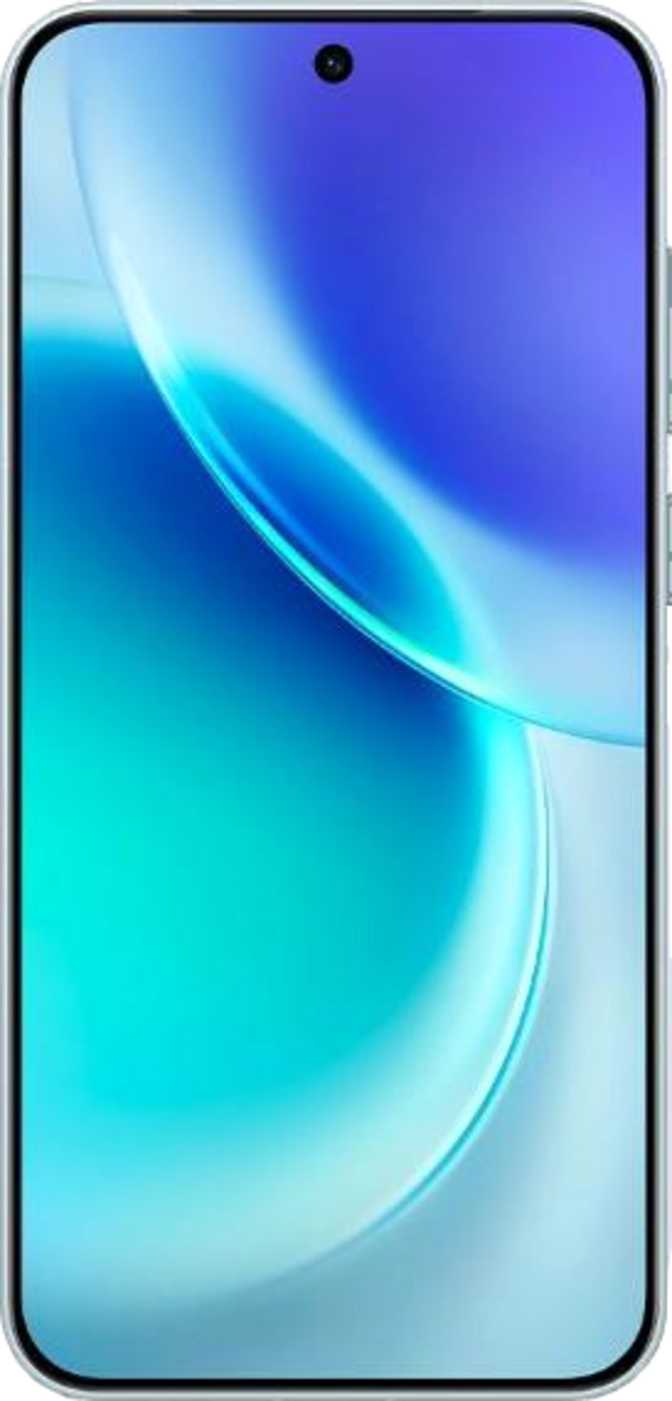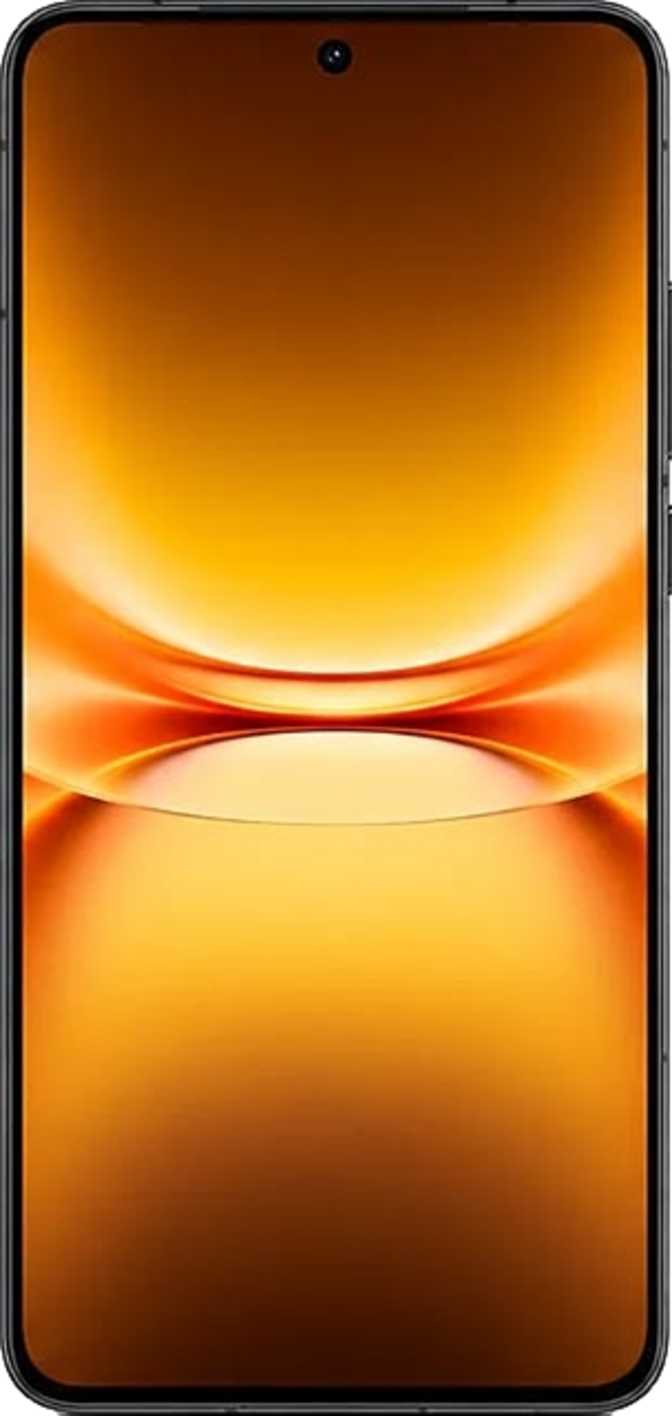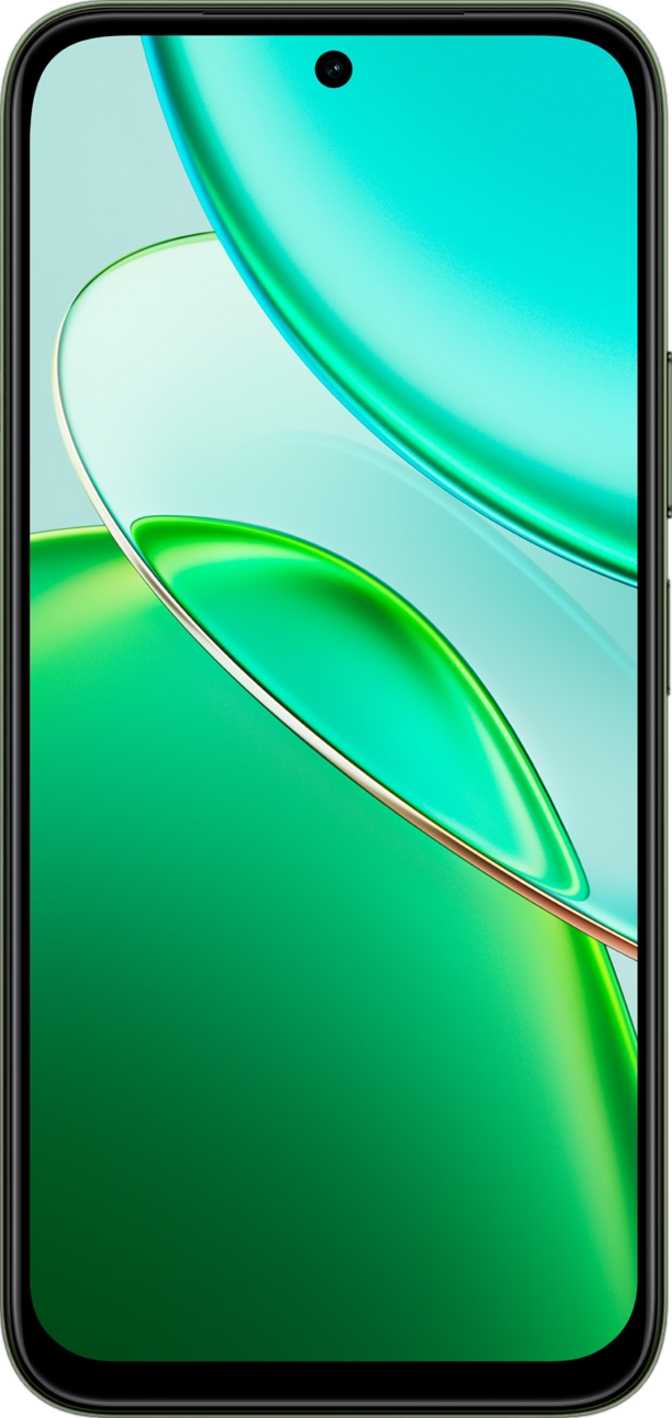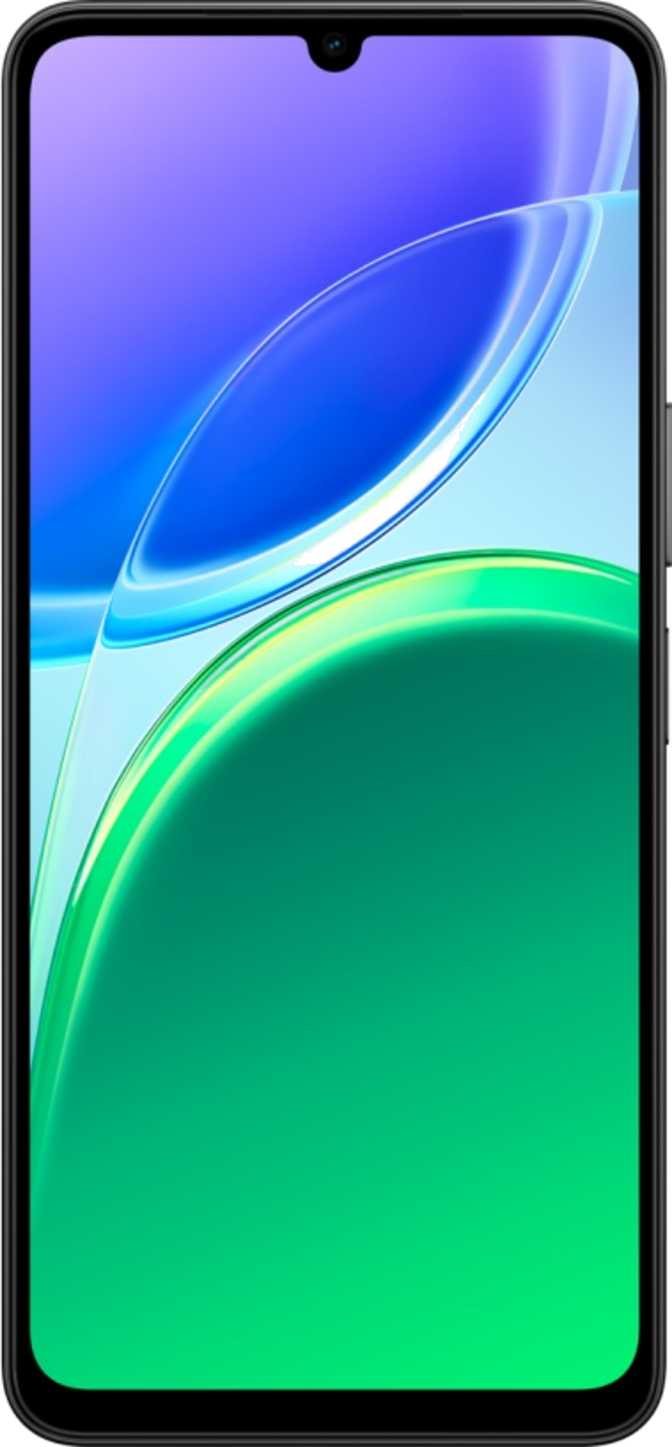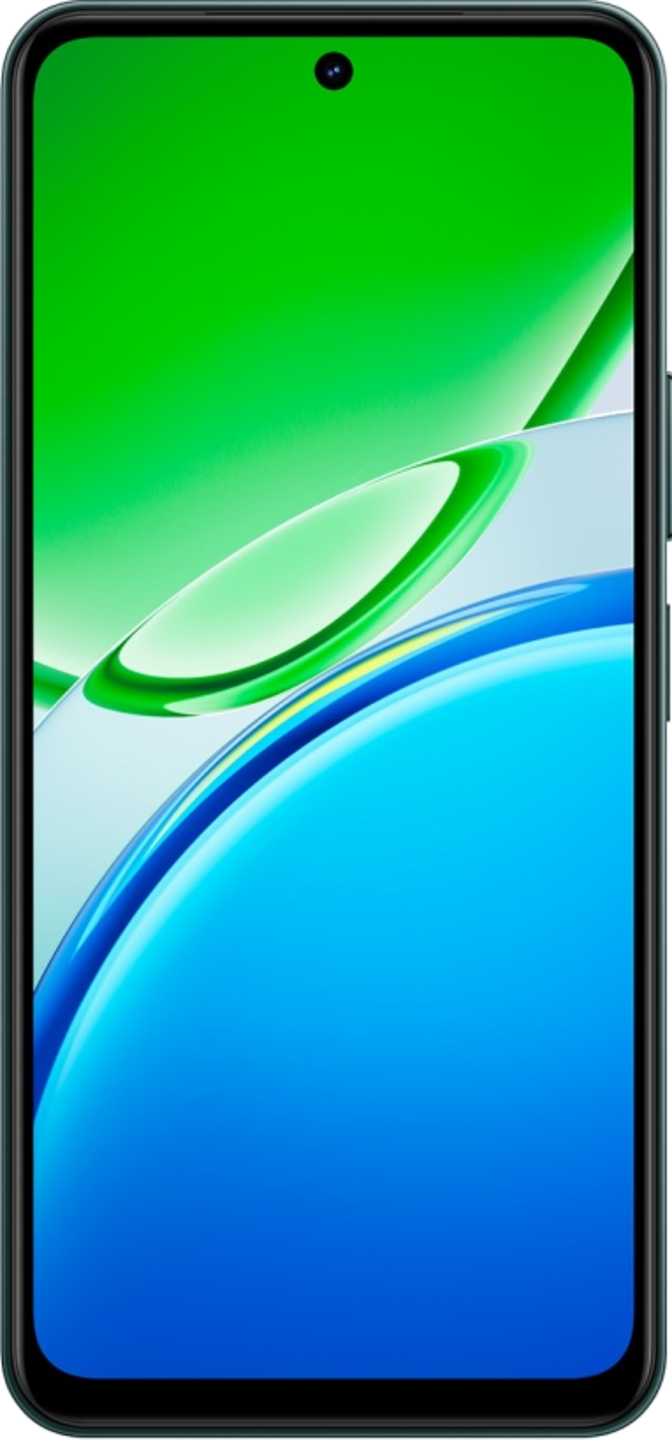
Vivo Y21d Full Review: IP68 Waterproofing Meets Budget Pricing
SmartphonesQuick Verdict
Editorial scores based on specification and real-world performance analysis
Overall Score
The budget Android market is crowded with phones that make big promises in spec sheets and quietly disappoint the moment real life begins. The Vivo Y21d takes a different bet: rather than chasing headline numbers in one or two areas, it assembles a surprisingly complete feature set — most notably a military-grade waterproof rating and a genuinely massive battery — at a price point where neither is expected. Whether that tradeoff works in practice depends entirely on how you use your phone. This review breaks it down honestly.
Design and Build Quality
Size, Feel, and First Impressions
At 166.1 mm tall and 77 mm wide, the Y21d is firmly in large-phone territory. Holding it one-handed is a stretch for smaller hands, though the 8.4 mm thickness keeps it from feeling like a brick in your pocket. At 209 grams, it has a satisfying solidity without the wrist-fatiguing heft of some rugged competitors.
The phone is not marketed as a rugged device — it won't survive a drop onto concrete the way dedicated rugged phones might — but its structural story is more impressive than most buyers in this segment will expect.
Screen Protection
The display is covered by branded damage-resistant glass, adding meaningful scratch and minor impact resistance. Everyday scrapes from keys in a pocket or face-down placements on rough surfaces are handled without adding appreciable thickness to the device.
IP68 Waterproofing
Rated for fresh-water submersion up to 6 metres
This is the protection level found on premium flagships — not budget phones. Take calls in the rain without a second thought, use it poolside without paranoia, and survive the accidental sink or toilet drop that ends so many phones' lives prematurely.
Display: Big, Bright, and Honest About Its Limits
The 6.68-Inch IPS LCD Panel
The screen is large by any measure. At 6.68 inches, it comfortably handles split-screen multitasking, long reading sessions, and video without the cramped feeling of mid-size phones. The IPS LCD technology delivers accurate color reproduction and strong viewing angles — rotate it or pass it to someone beside you and the image holds up without color shifting or washing out.
IPS LCD does mean you won't get the deep, self-lit blacks that OLED panels produce. Blacks appear as a very dark grey rather than true black, and in a pitch-dark room, the difference is noticeable. For outdoor use, however, LCD technology often handles bright sunlight more predictably than OLED.
Resolution: What 720p Actually Looks Like Here
The panel runs at 720 x 1608 pixels, translating to a pixel density of 264 pixels per inch at this screen size. At normal viewing distance, text is clear and images are sharp for most everyday content. You are unlikely to notice pixelation on social media photos, YouTube videos at standard quality, or websites.
Where the resolution ceiling shows: full-HD streaming content will be downscaled, and fine text at very small sizes will lack the crispness of a 1080p panel. For the overwhelming majority of users, this won't register as a problem in daily use.
90Hz Refresh Rate: A Tangible Quality-of-Life Upgrade
Many phones at this price level run their displays at 60Hz. The Y21d runs at 90Hz, meaning the screen refreshes 50% more times per second. Scrolling through feeds, swiping between apps, and navigating menus all feel noticeably smoother. It is one of those features that, once experienced, makes 60Hz feel slightly sluggish by comparison.
- Panel TypeIPS LCD
- Screen Size6.68 inches
- Resolution720 x 1608 px
- Pixel Density264 ppi
- Refresh Rate90 Hz
- Damage-Resistant Glass
- HDR10 Support
- Always-On Display
Performance: Expectations, Realities, and Where It Shines
The Unisoc T7225 Chipset — Understanding the Platform
The Y21d runs on the Unisoc T7225, an eight-core processor built on a 12-nanometer manufacturing process. The architecture divides its cores into two clusters — two performance cores for demanding tasks and six efficiency cores for lighter workloads. This big.LITTLE design intelligently routes tasks to the appropriate cores, balancing speed with battery conservation throughout the day.
To set honest expectations: this is a mid-to-entry-level chipset. It is not competing with higher-tier Qualcomm or MediaTek platforms in raw throughput. What it handles well is the workload representing 90% of actual smartphone use — browsing, social media, music, calls, messaging, navigation, and light photography — without meaningful lag. The chip integrates LTE connectivity directly rather than as a separate component, contributing to efficient power use during data sessions.
Gaming and Graphics Performance
The Mali G57 MP1 GPU handles casual and mid-tier games without issue. More graphically intensive, recent releases will require lowering graphics settings to maintain playable frame rates. The chipset's DirectX 11 support keeps it compatible with modern game titles on Android, but this is not a gaming-first phone.
One practical capability worth noting: the phone can download and install games or apps in the background while you continue playing an already-running title — removing the frustrating wait associated with large app updates.
6GB RAM and 256GB Storage
Six gigabytes of RAM, running on DDR4 memory, sits comfortably above the minimum threshold for smooth multitasking on Android 15. A browser, streaming app, messaging app, and camera can stay open simultaneously without the system constantly reloading tabs or losing your place.
The 256GB of internal storage significantly outpaces typical budget expectations, where 64GB or 128GB is the norm. Years of photos, downloaded playlists, offline maps, and app libraries can accumulate before storage becomes a concern. The microSD card slot provides further expansion headroom if needed.
- ChipsetUnisoc T7225
- Process Node12 nm
- CPU Cores8 (big.LITTLE)
- RAM6 GB DDR4
- Storage256 GB
- Expandable Storage
- GPUMali G57 MP1
- 64-bit Support
Camera System: Where to Have Realistic Expectations
The 50MP Main Camera
The primary camera is a 50-megapixel sensor with an f/1.8 aperture. The aperture value is the more important number here — a wider aperture means more light reaches the sensor, which directly improves low-light photography. The f/1.8 aperture is respectable at this price point.
In good daylight, the 50MP sensor captures detail-rich images that hold up well when cropped or viewed on larger screens. Color reproduction is natural rather than artificially over-saturated, and the phase-detection autofocus system locks focus quickly on stationary subjects.
The camera does not include optical image stabilization. In practical terms, handheld shots in dim conditions require a steady hand — without OIS, low-light shots are more susceptible to motion blur. The burst mode feature helps compensate somewhat, letting you take a rapid sequence of frames and select the sharpest.
There is no secondary wide-angle or telephoto lens — this is a single-camera setup. A digital zoom is available, but like all digital zoom, it degrades image quality. Video records at 1080p at 30 frames per second with continuous autofocus active throughout.
Manual Controls — More Than You'd Expect
The camera app includes manual control over ISO, exposure, white balance, and focus. This gives photographers who understand these parameters the ability to tailor shots to specific lighting conditions. Timelapse, panorama, and slow-motion video modes round out the creative toolkit.
The absence of an HDR shooting mode is a notable gap — scenes with bright highlights and dark shadows will require more careful composition or manual exposure adjustment to avoid blown-out detail.
- Phase-detection autofocus
- Manual ISO control
- Manual white balance
- Timelapse & panorama
- Slow-motion video
- No optical stabilization
- No HDR mode
- No optical zoom
- No 4K video
- Single rear lens only
Battery Life: The Headline Specification That Earns Its Hype
- Typical users reach two full days between charges
- A 15–20 minute top-up provides several hours of additional use
- Full charge from near-empty in under 90 minutes
- No wireless charging or reverse wireless charging
Most mid-range phones carry between 4,000 and 5,000 mAh. The Y21d's 6,500 mAh starting point means that even after meaningful capacity degradation over years of use, the usable reserve remains substantial by typical phone standards — and the built-in battery health monitoring tool lets you track that condition over time. If you have previously carried a power bank as a matter of daily routine, this phone could make that habit unnecessary.
Software: Android 15 and What Vivo Does With It
The Y21d ships with Android 15, placing it current with Google's latest public release. At this price level, shipping with the most recent version of Android rather than a version behind is a meaningful advantage for both feature access and initial security posture.
The phone does not receive direct OS updates from Google — updates flow through Vivo's own update channel — which means the cadence and duration of software support depends on Vivo's policy rather than Google's schedule. This is common for Android phones outside the Pixel line but is worth factoring in for buyers who prioritise long-term software support.
Privacy Controls
Usability Features
Audio and Connectivity
Stereo Speakers
The Y21d has stereo speakers, meaning sound comes from two separate directions rather than a single mono driver. For videos, podcasts, and games, stereo output creates a wider, more immersive soundstage than the single-speaker alternatives common at this price.
There is no 3.5mm headphone jack. Wired headphone users will need a USB-C adapter or switch to Bluetooth. Bluetooth 5.2 handles wireless audio pairing efficiently with a stable connection over typical distances. The phone does not support high-resolution audio codecs like LDAC or aptX HD — standard Bluetooth audio quality is the ceiling here.
Wi-Fi and Mobile Data
The phone supports Wi-Fi 5 (5GHz networks) alongside Wi-Fi 4, so it connects to modern routers without issue. Wi-Fi 6 is not supported, meaning it won't extract maximum throughput from a Wi-Fi 6 router. There is no 5G support — the phone operates on LTE networks only. For most users in most regions, LTE provides more than adequate speeds for streaming, browsing, and communication.
- 5G Not supported
- Wi-FiWi-Fi 4 + Wi-Fi 5
- Bluetooth5.2
- NFC Not supported
- USBUSB-C (USB 2.0)
- SIM CardsDual SIM
- 3.5mm Jack Not present
- Fingerprint Scanner Yes
- GPS + Galileo Yes
Who This Phone Is For — and Who Should Look Elsewhere
Value-focused buyers who want real waterproofing
IP68 at this price is genuinely unusual. If you work outdoors, have active kids, or simply live with the inevitable, this is one of very few options at this cost delivering this level of protection.
Heavy users and those far from chargers
The battery capacity is exceptional. If you've previously found yourself carrying a power bank as a daily routine, this phone could eliminate that habit entirely.
Users who need storage and won't want to manage it
256GB lets photographers, music downloaders, and app-heavy users stop thinking about storage. Years of content can accumulate without hitting a ceiling.
People who want current software
Android 15 out of the box means you start with the latest privacy controls, features, and compatibility without waiting for a major update.
5G and NFC are non-negotiable
Both are absent. If tap-to-pay is central to your daily routine or you're in a region where 5G is actively replacing LTE coverage, this phone won't grow with that need.
Photography is a priority
The single-camera setup without OIS, without HDR mode, and with a modest 5MP selfie camera is adequate for casual photography but will frustrate dedicated mobile photographers.
You want OLED quality or HDR streaming
The LCD panel is good for what it is, but it cannot replicate the contrast or color volume of OLED. The screen's ceiling is below cinematic-quality viewing.
You depend on a gyroscope
AR applications and gyroscope-dependent games simply won't function. The gyroscope sensor is absent from this device.
How It Compares to Logical Alternatives
The Y21d occupies a specific position: strong on endurance and protection, honest about connectivity and camera limitations. Here is how it stacks up against typical competitors in the same general price range.
| Feature | Vivo Y21d | Typical Budget Rival (LTE, No IP Rating) |
Typical Mid-Range Rival (5G, OLED) |
|---|---|---|---|
| Water Resistance | IP68 — 6 m | None or IP52 | IP67 at best |
| Battery Capacity | 6,500 mAh | 4,000–5,000 mAh | 4,500–5,000 mAh |
| Internal Storage | 256 GB | 64–128 GB | 128 GB |
| Display | 90 Hz IPS LCD | 60 Hz IPS LCD | 60–90 Hz OLED |
| 5G | |||
| NFC | Varies | Often yes | |
| Charger Included | Often no | Often no | |
| Android Version | Android 15 | Android 13–14 | Android 14 |
Honest Strengths and Weaknesses
What This Phone Gets Right
The Y21d's credibility comes from doing a few things at a genuine premium level rather than spreading mediocrity across a long feature list. The IP68 waterproofing is the kind of protection most users assume they won't need — until they do, at which point no other feature matters more. Delivering this at a budget price point is the phone's most compelling argument for itself.
The battery is not just adequate; it is expansive, and combined with 44W charging, it removes charging anxiety from the daily routine almost completely. The 256GB of storage is practical generosity in a segment where cramped storage has long been the norm.
The stereo speakers outperform category averages. The 90Hz display refresh rate is a real quality-of-life upgrade over the 60Hz competition. Android 15 out of the box, with its mature privacy controls and usability features, rounds out a software experience that punches above the phone's price tier.
Where Compromises Show
The camera system is a single, unassisted sensor without stabilization or HDR — it works, but it does not compete with phones at or above this price that prioritise computational photography. Buyers expecting versatile multi-lens capability or excellent low-light results will be disappointed.
The absence of NFC will be a hard stop for a meaningful segment of buyers who use their phone as a payment device. No tap-to-pay means carrying a separate card is non-negotiable. The lack of 5G means buyers in rapidly developing network regions may find this phone less future-ready than alternatives at similar prices.
The 720p display is acceptable for the screen size but represents a compromise that a 1080p panel would have resolved. The USB 2.0 port makes large file transfers between the phone and a computer slower than the competition. There are no hidden surprises — these limitations are upfront and predictable — but they are real.
Frequently Asked Questions
Final Recommendation
The Vivo Y21d makes an unusually strong case in one specific and compelling scenario: you want a reliable, waterproof, long-lasting daily driver with generous storage, and you are not dependent on 5G or NFC. In that scenario, this phone delivers features — particularly IP68 — that are simply not available at this price elsewhere.
The camera is honest and functional without being exceptional. The display is large and smooth without being visually premium. The chipset handles daily tasks competently without handling demanding workloads natively. The software is current, well-equipped, and privacy-conscious. None of the weaknesses are hidden or surprising — they are the predictable tradeoffs of this price tier, offset by a waterproofing specification that genuinely punches above the phone's weight class.
- Waterproof protection (IP68)
- Two-day battery life
- Generous 256GB storage
- Current Android software
- 5G network connectivity
- NFC / tap-to-pay
- Versatile multi-lens camera
- OLED or HDR display